
Durango & Silverton Narrow Gauge Railroad
A historic 19th-century steam railway climbing through Colorado’s San Juan Mountains on a narrow-gauge line.
About This Destination
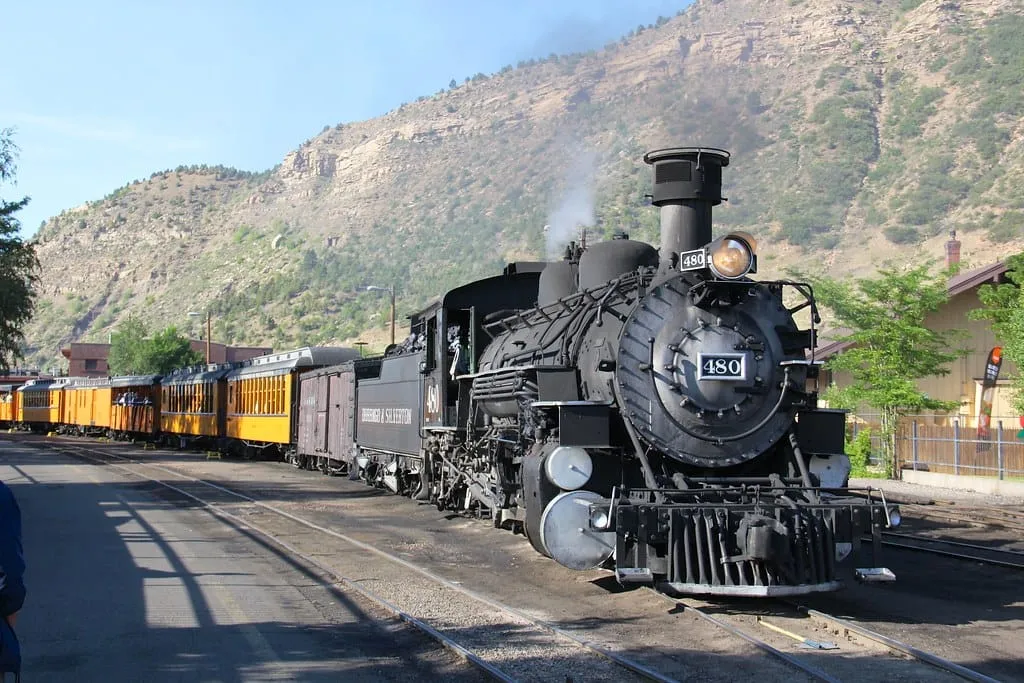
The Durango & Silverton Narrow Gauge Railroad (D&SNGRR) is a heritage steam railway in southwestern Colorado that runs on 3-foot (914 mm) narrow-gauge tracks for about 45 miles between the town of Durango and the old mining camp of Silverton. For over 140 years it has carried passengers through the remote wilderness of the San Juan National Forest, offering high-mountain scenery and a journey into Colorado’s mining past. The line and its vintage equipment are designated a National Historic Landmark and a National Historic Civil Engineering Landmark for their significance and preservationen.wikipedia.org.
Founded by the Denver & Rio Grande Railway in the early 1880s, the route was originally built to haul gold and silver ore from the San Juan Mountains and transported an estimated $300 million worth of precious metals over its lifetimedurangotrain.com. At the same time, it was promoted as a scenic passenger line – a role it continues to fulfill today. Remarkably, trains have run continuously on this mountain railroad since 1882, making it one of the few places in America with unbroken steam locomotive operation for well over a century. This living history appeals to railfans, historians, and travelers alike.
Location
Why Visit
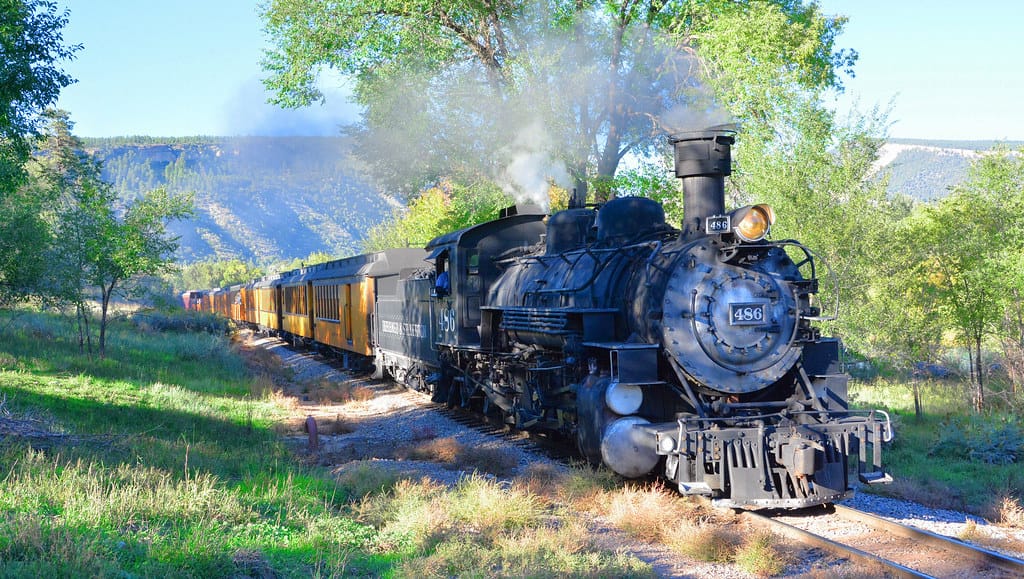
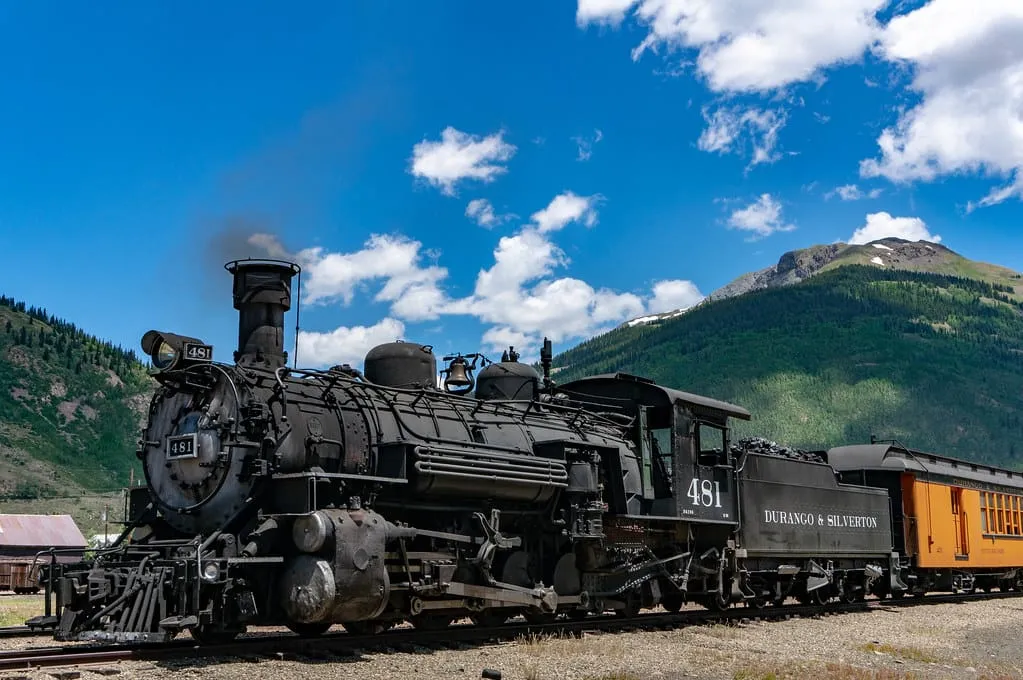
Enthusiasts visit the D&SNGRR for an authentic turn-of-the-century railroading experience. The railroad still operates vintage coal- and oil-fired steam locomotives from the 1920s and maintains original rolling stock, immersing visitors in sights, sounds, and smells of the steam era. Railfans can admire the classic Mikado-style locomotives (2-8-2 wheel arrangement) that once hauled heavy freight over the Rockies – today these iron horses are lovingly restored and pull passenger trains up steep grades. The line itself is an engineering marvel, climbing nearly 3,000 feet in elevation with a maximum grade of 2.5% as it winds through the mountainsasce.org. This combination of narrow-gauge technology, historic equipment, and challenging terrain makes the D&SNGRR a mecca for railway enthusiasts.
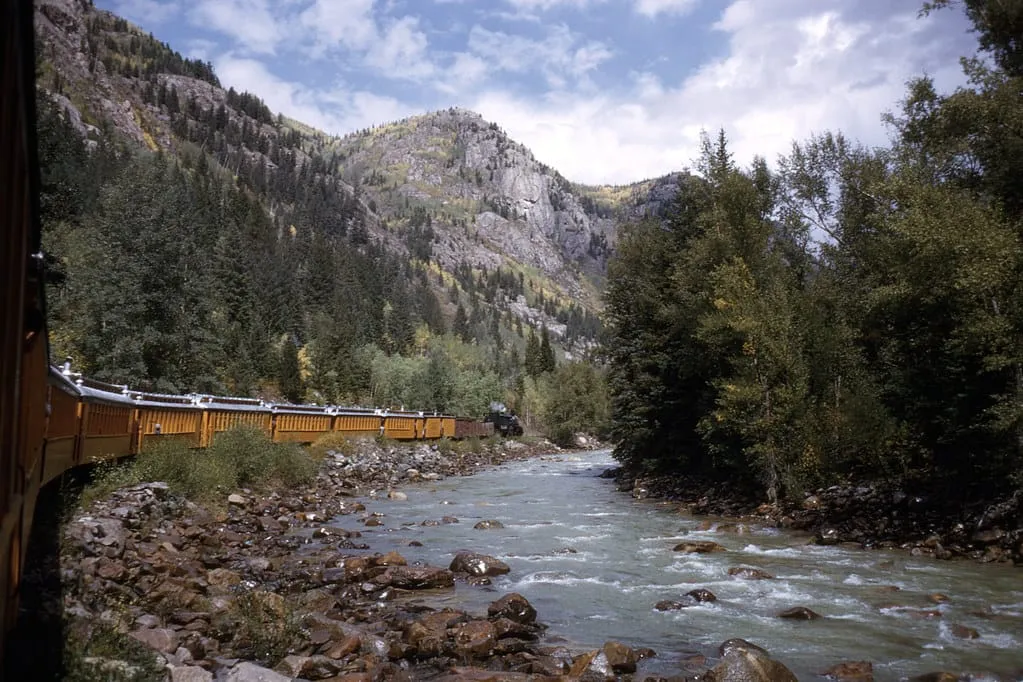
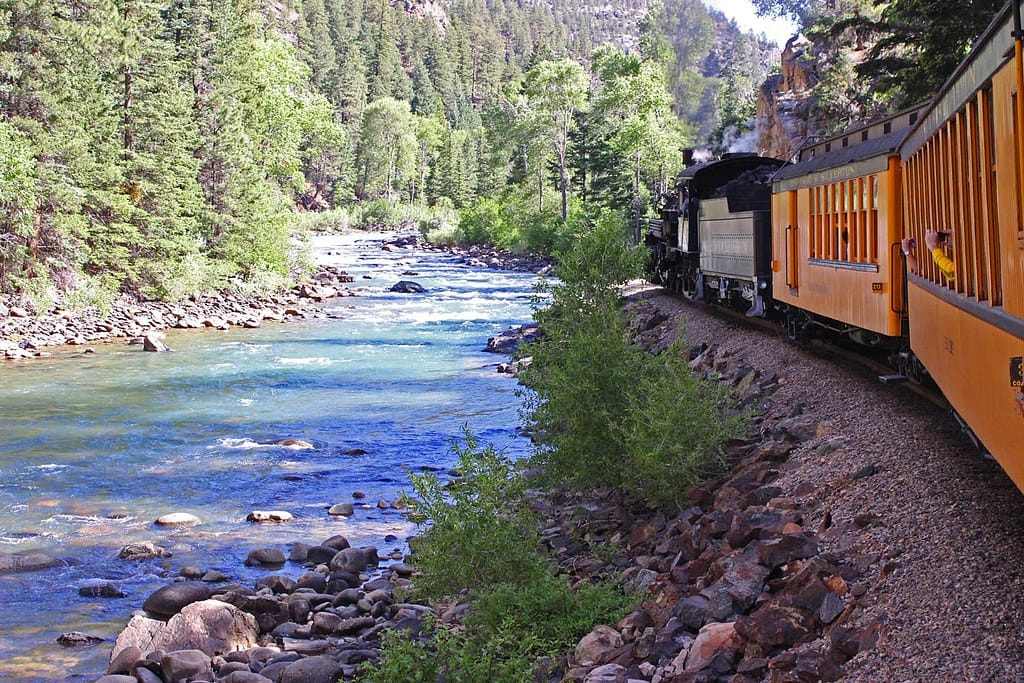
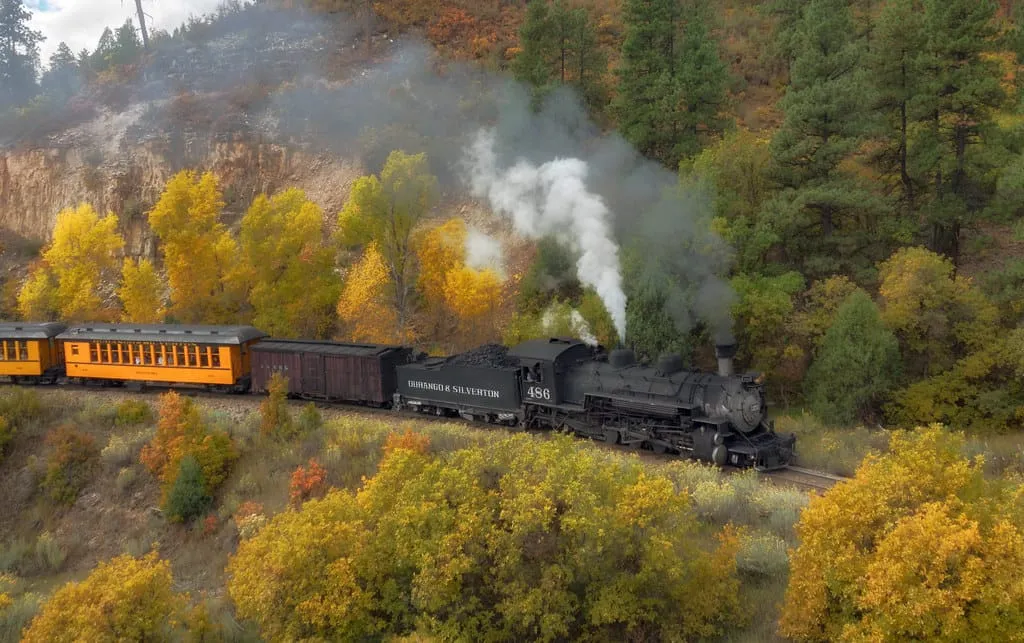
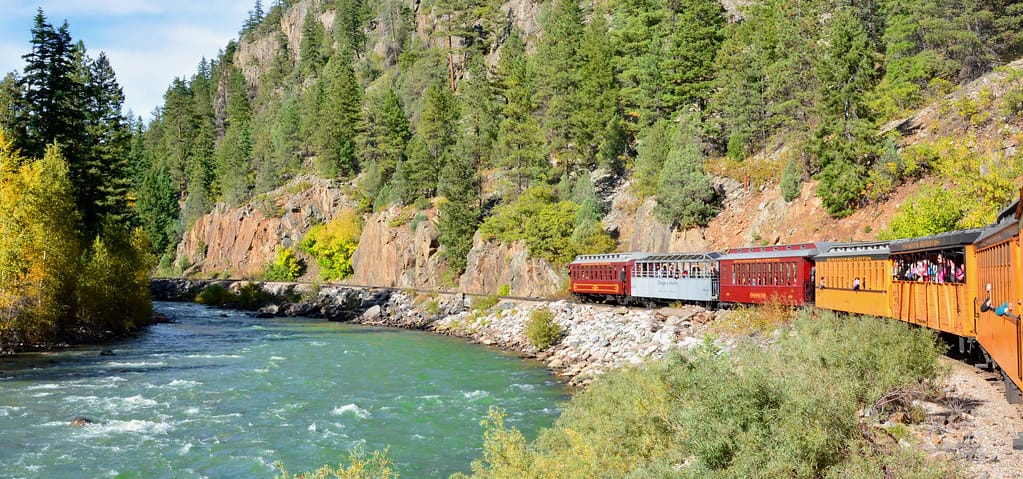
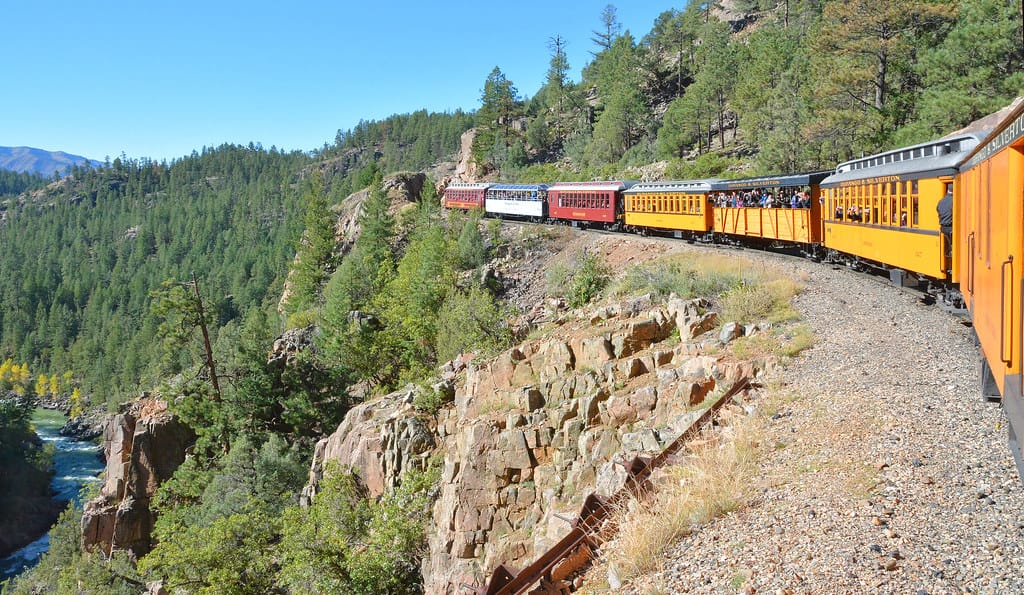
Beyond the equipment, the scenery is spectacular. The journey takes you deep into the San Juan Mountains alongside the Animas River, often on a slim ledge blasted into sheer canyon walls. One famous segment, the “High Line,” finds the train clinging to a cliffside hundreds of feet above the river – an iconic photo spot. Passengers are treated to panoramic views of rugged peaks, forests, and waterfalls in areas reachable only by traindurango.org. The route crosses high bridges and horseshoe curves, offering vistas that change with every mile. In autumn, the landscape erupts in golden aspens; in winter, steam billows against a backdrop of snow. For railfans and photographers, the D&SNGRR provides endless unique vantage points in a dramatic alpine setting.
What to Expect
A trip on the D&SNGRR is a full-day adventure. The standard excursion is a round-trip from Durango to Silverton, about 3½ hours each way by train, with a 2-hour layover to explore Silverton’s historic downtown. Trains depart from the 1882 Durango depot in the morning and ascend slowly into the mountains, reaching Silverton around lunchtime. At a top speed of 18 mph, it’s a leisurely ride – time to relax and soak in the experience without modern distractions (there is no cell service in the Animas Canyon)durangotrain.com. You’ll hear the locomotive’s whistle echo off canyon walls and feel the engine working hard on uphill stretches. The coaches are open-air or have windows you can slide down, so expect occasional smoke and cinders drifting back from the steam engine, adding to the authentic atmosphere of old-time rail travel. On the return trip in the afternoon, the train follows the same route back to Durango, often arriving by early evening.
On board, seating is assigned in various car types, from standard bench coaches to premium parlor cars. Open gondola cars (roofless coaches) are popular in warm weather for their unobstructed views and fresh air – though you may get a bit of soot, it’s worth it for photographers. Enclosed coaches provide protection from the elements and have large windows. All trains include at least one concession car selling snacks, drinks, and souvenirs during the ride. The coaches are equipped with restrooms, and in winter they are heated for passenger comfort. Despite carrying hundreds of passengers (summer departures often run full), the vibe on board is friendly and fun – families, railfans, and tourists mingle while leaning out to snap photos or wave at onlookers. The conductors and staff, dressed in period-style uniforms, are approachable and often share historical tidbits. Overall, you can expect a nostalgic journey with spectacular views, the rhythmic sounds of a steam locomotive, and plenty of chances to create unforgettable memories.
How to Plan Your Visit
Season and Schedule
The Durango & Silverton runs year-round, but the routes vary by season. From early May through late October (spring, summer, and fall), trains operate the full 45-mile route to Silverton on a regular daily scheduledurangotrain.com. In peak summer months, there may be multiple departures per day (often two steam trains and sometimes a diesel train) to accommodate demand. During the winter months (late November through early May), heavy snow in the high country prevents trains from reaching Silverton, so the railroad offers a shorter Cascade Canyon excursion – about 26 miles each way – into the snowy wilderness, turning around at the Cascade wye. Despite the shorter distance, winter rides are enchanting in their own way, with snow-blanketed forests and holiday-themed specials. The railroad also hosts special events throughout the year: for example, The Polar Express train runs in November–December, and brewery or wine trains and photography specials are offered on select datesdurango.org. Always check the official schedule, as departure times and frequency can change with the season, and some weekdays or off-season periods may have limited service.
Ticket Information
Advance booking is highly recommended, especially for summer weekends, holidays, and special event trains, as many departures sell out in advance. You can purchase tickets online through the official D&SNGRR website, by phone, or in person at the Durango depot. All fares include a reserved seat, and if you’re traveling as a group, be sure to book together to ensure you sit in the same car. Upon booking online or by phone, you’ll receive an e-ticket confirmationdurangotrain.com. Note that all passengers must be on board at least 30 minutes before departure; after that, the railroad may release unclaimed seats to waiting-list passengers. The D&SNGRR has a clear refund policy – generally, cancellations are allowed up to a few days before the trip (with a small fee), but no refunds within 5 days of departure and none for no-shows. During peak seasons, consider picking up your physical tickets (or checking in) the day prior if possible, to avoid lines on the morning of your ride.
Ticket Classes:
The railroad offers four classes of service – Standard, Deluxe, First Class, and Presidential – each with different seating and amenities.
- Standard Class is the most economical, with classic bench seating in either a closed coach or an open gondola (your choice when booking).
- Deluxe Class upgrades you to roomier reclining seats or a table-and-chair configuration, often in a vintage coach with large windows and fewer passengers per car for a more relaxed experience.
- First Class (and the adult-only Presidential Class) provide early 20th-century luxury: these cars feature plush upholstered seating, an onboard attendant, and inclusive perks like complimentary non-alcoholic drinks and a morning pastry for each passenger.
- Presidential Class, The most premium option is offered in an 1880s-era parlor car (such as the restored Cinco Animas car) which includes lounge-style seating and access to a private outdoor viewing platform off the rear of the train. All first-class and presidential passengers receive the same amenities (souvenir mugs, snacks, and often a keepsake tote bag), and these cars are limited to adults 21+ for a quieter ambiance.
Accessibility Details
Despite its historic nature, the D&SNGRR strives to accommodate guests with disabilities. The railroad has a dedicated ADA-accessible coach equipped with a wheelchair lift and an accessible restroom on board. If you or someone in your party uses a wheelchair or has mobility needs, be sure to inform the reservation agent when booking so they can assign you to the accessible car and provide any necessary assistancedurangotrain.com.
What to Bring
Clothing: Dress in layers, regardless of season. The temperature can vary significantly between Durango (elevation approx. 6,500 ft) and Silverton (approx. 9,300 ft), and weather in the mountains is unpredictable. Even in summer, mornings can be cool and afternoons warm, so bring a light jacket or sweatshirt that you can put on or remove as needed. In winter, bundle up with a warm coat, gloves, and hat – though the coaches are heated, you’ll likely spend time outdoors taking photos.
Photography Tips
The Durango & Silverton is a dream for photographers. If you’re riding the train, an open gondola car will give you the clearest views for photos (no glass in the way). These cars can be popular, so book early if photography is a priority. Many railfan photographers recommend sitting on the right-hand side of the train on the northbound trip from Durango to Silvertontripadvisor.com – this is the side that faces the Animas River cliff drop for much of the journey, including the famed High Line section, so you’ll get dramatic shots of the train rounding curves with nothing but air on one side. (On the return trip from Silverton, that scenery will be on the left, so you’ll see it one way or the other.)
Travel Information
By Air
The nearest airport is Durango–La Plata County Airport (DRO), a small regional airport about 15 miles southeast of Durango. DRO has daily direct flights from major hubs like Denver, Dallas/Fort Worth, and Phoenix, and seasonal flights from Houstondurango.org. From the airport, you can rent a car for the approx. 20-minute drive into Durango, or use a shuttle/taxi service – several companies offer airport transfers to downtown.
By Train
Amtrak does not serve Durango directly – in fact, no mainline passenger trains reach this part of southwestern Coloradobuckhornlimousine.com. However, rail travelers can still incorporate Durango into a trip by using Amtrak stops in the region combined with car or shuttle transfers. The closest Amtrak route is the Southwest Chief, which stops at Albuquerque, NM and Gallup, NM to the south. From Albuquerque (served by Amtrak and also by Greyhound buses), you can rent a car and drive US-550 north to Durango (approx. 215 miles)durango.org.
By Car
Driving to Durango is very rewarding, as the scenery en route is beautiful. The city lies at the junction of US Highway 550 and US Highway 160. If coming from Denver or northern Colorado, one scenic approach is via US-550 south from Montrose, which takes you over the Million Dollar Highway – a stunning (and white-knuckle) stretch of mountain road that passes through Ouray and Silverton before descending into Durangobuckhornlimousine.com. (Be prepared for hairpin turns and no guardrails on that section – it’s not recommended in bad winter weather, but in summer and fall the views are incredible.) From Denver, this route is about 360 miles (580 km) and can take 7+ hours. A slightly faster (though less scenic) route from Denver is to go south on I-25 then west on US-160 across southern Colorado.
Parking
Parking in Durango for the train is available but can be limited during busy periods. The D&SNGRR operates an official parking lot at 209 West College Drive, next to the train yard in downtown Durango (about two blocks from the depot). Parking is paid – currently around $10 per vehicle for the day – and you can conveniently purchase your parking pass at the same time you book your train tickets, either online or by phonedurangotrain.com. This guarantees you a spot in the railroad’s lot. Alternatively, you can pay with cash on the day of your trip if space is available (attendants are usually on-site early in the morning)durangotrain.com. The lot opens well before the first departure and can accommodate standard cars; if you have an RV or oversized vehicle, ask the railroad for guidance (Durango has some overflow and RV parking areas nearby).
Local Transportation
Durango is a small, walkable city in its downtown core. The train depot is located at the north end of Main Avenue in the heart of downtown, so if you’re staying at a downtown hotel or arriving by local shuttle, you can likely walk to the station. The city of Durango operates the Durango Trolley and Transit buses, which are useful if you need to get around town without a car.
Official Resources
Photos
 David Pirmann
4
daveynin
4
scott1346
4
snowpeak
4
M McBey
4
M McBey
4
stefanserena
9
M McBey
4
Explore more destinations: Browse all rail travel experiences.
Quick Information
Country
United States
Region
Colorado
City
Durango
Best Season
Many visitors consider <span data-start="27342" data-end="27350" style="--tw-scale-x: 1; --tw-scale-y: 1; --tw-pan-x: ; --tw-pan-y: ; --tw-pinch-zoom: ; --tw-scroll-snap-strictness: proximity; --tw-gradient-from-position: ; --tw-gradient-via-position: ; --tw-gradient-to-position: ; --tw-ordinal: ; --tw-slashed-zero: ; --tw-numeric-figure: ; --tw-numeric-spacing: ; --tw-numeric-fraction: ; --tw-ring-inset: ; --tw-ring-offset-width: 0px; --tw-ring-offset-color: #fff; --tw-ring-color: rgb(59 130 246 / .5); --tw-ring-offset-shadow: 0 0 #0000; --tw-ring-shadow: 0 0 #0000; --tw-shadow: 0 0 #0000; --tw-shadow-colored: 0 0 #0000; --tw-blur: ; --tw-brightness: ; --tw-contrast: ; --tw-grayscale: ; --tw-hue-rotate: ; --tw-invert: ; --tw-saturate: ; --tw-sepia: ; --tw-drop-shadow: ; --tw-backdrop-blur: ; --tw-backdrop-brightness: ; --tw-backdrop-contrast: ; --tw-backdrop-grayscale: ; --tw-backdrop-hue-rotate: ; --tw-backdrop-invert: ; --tw-backdrop-opacity: ; --tw-backdrop-saturate: ; --tw-backdrop-sepia: ; --tw-contain-size: ; --tw-contain-layout: ; --tw-contain-paint: ; --tw-contain-style: ; font-weight: bolder;">fall</span> the most magical season to experience the Durango & Silverton. In late September and early October, the aspen forests along the route turn brilliant gold – creating a stunning contrast with the evergreen pines and the dark canyon walls. The train was even named one of the “5 Irresistible Fall Train Trips” by the New York Times for its autumn beauty<span class="" data-state="closed" style="--tw-scale-x: 1; --tw-scale-y: 1; --tw-pan-x: ; --tw-pan-y: ; --tw-pinch-zoom: ; --tw-scroll-snap-strictness: proximity; --tw-gradient-from-position: ; --tw-gradient-via-position: ; --tw-gradient-to-position: ; --tw-ordinal: ; --tw-slashed-zero: ; --tw-numeric-figure: ; --tw-numeric-spacing: ; --tw-numeric-fraction: ; --tw-ring-inset: ; --tw-ring-offset-width: 0px; --tw-ring-offset-color: #fff; --tw-ring-color: rgb(59 130 246 / .5); --tw-ring-offset-shadow: 0 0 #0000; --tw-ring-shadow: 0 0 #0000; --tw-shadow: 0 0 #0000; --tw-shadow-colored: 0 0 #0000; --tw-blur: ; --tw-brightness: ; --tw-contrast: ; --tw-grayscale: ; --tw-hue-rotate: ; --tw-invert: ; --tw-saturate: ; --tw-sepia: ; --tw-drop-shadow: ; --tw-backdrop-blur: ; --tw-backdrop-brightness: ; --tw-backdrop-contrast: ; --tw-backdrop-grayscale: ; --tw-backdrop-hue-rotate: ; --tw-backdrop-invert: ; --tw-backdrop-opacity: ; --tw-backdrop-saturate: ; --tw-backdrop-sepia: ; --tw-contain-size: ; --tw-contain-layout: ; --tw-contain-paint: ; --tw-contain-style: ;"><span class="ms-1 inline-flex max-w-full items-center relative top-[-0.094rem] animate-[show_150ms_ease-in]" data-testid="webpage-citation-pill" style="--tw-scale-x: 1; --tw-scale-y: 1; --tw-pan-x: ; --tw-pan-y: ; --tw-pinch-zoom: ; --tw-scroll-snap-strictness: proximity; --tw-gradient-from-position: ; --tw-gradient-via-position: ; --tw-gradient-to-position: ; --tw-ordinal: ; --tw-slashed-zero: ; --tw-numeric-figure: ; --tw-numeric-spacing: ; --tw-numeric-fraction: ; --tw-ring-inset: ; --tw-ring-offset-width: 0px; --tw-ring-offset-color: #fff; --tw-ring-color: rgb(59 130 246 / .5); --tw-ring-offset-shadow: 0 0 #0000; --tw-ring-shadow: 0 0 #0000; --tw-shadow: 0 0 #0000; --tw-shadow-colored: 0 0 #0000; --tw-blur: ; --tw-brightness: ; --tw-contrast: ; --tw-grayscale: ; --tw-hue-rotate: ; --tw-invert: ; --tw-saturate: ; --tw-sepia: ; --tw-drop-shadow: ; --tw-backdrop-blur: ; --tw-backdrop-brightness: ; --tw-backdrop-contrast: ; --tw-backdrop-grayscale: ; --tw-backdrop-hue-rotate: ; --tw-backdrop-invert: ; --tw-backdrop-opacity: ; --tw-backdrop-saturate: ; --tw-backdrop-sepia: ; --tw-contain-size: ; --tw-contain-layout: ; --tw-contain-paint: ; --tw-contain-style: ;"><a href="https://en.wikipedia.org/wiki/Durango_and_Silverton_Narrow_Gauge_Railroad#:~:text=locomotives%20" target="_blank" rel="noopener" alt="https://en.wikipedia.org/wiki/Durango_and_Silverton_Narrow_Gauge_Railroad#:~:text=locomotives%20" class="flex h-4.5 overflow-hidden rounded-xl px-2 text-[9px] font-medium text-token-text-secondary! bg-[#F4F4F4]! dark:bg-[#303030]! transition-colors duration-150 ease-in-out" style="--tw-scale-x: 1; --tw-scale-y: 1; --tw-pan-x: ; --tw-pan-y: ; --tw-pinch-zoom: ; --tw-scroll-snap-strictness: proximity; --tw-gradient-from-position: ; --tw-gradient-via-position: ; --tw-gradient-to-position: ; --tw-ordinal: ; --tw-slashed-zero: ; --tw-numeric-figure: ; --tw-numeric-spacing: ; --tw-numeric-fraction: ; --tw-ring-inset: ; --tw-ring-offset-width: 0px; --tw-ring-offset-color: #fff; --tw-ring-color: rgb(59 130 246 / .5); --tw-ring-offset-shadow: 0 0 #0000; --tw-ring-shadow: 0 0 #0000; --tw-shadow: 0 0 #0000; --tw-shadow-colored: 0 0 #0000; --tw-blur: ; --tw-brightness: ; --tw-contrast: ; --tw-grayscale: ; --tw-hue-rotate: ; --tw-invert: ; --tw-saturate: ; --tw-sepia: ; --tw-drop-shadow: ; --tw-backdrop-blur: ; --tw-backdrop-brightness: ; --tw-backdrop-contrast: ; --tw-backdrop-grayscale: ; --tw-backdrop-hue-rotate: ; --tw-backdrop-invert: ; --tw-backdrop-opacity: ; --tw-backdrop-saturate: ; --tw-backdrop-sepia: ; --tw-contain-size: ; --tw-contain-layout: ; --tw-contain-paint: ; --tw-contain-style: ;"><span class="relative start-0 bottom-0 flex h-full w-full items-center" style="--tw-scale-x: 1; --tw-scale-y: 1; --tw-pan-x: ; --tw-pan-y: ; --tw-pinch-zoom: ; --tw-scroll-snap-strictness: proximity; --tw-gradient-from-position: ; --tw-gradient-via-position: ; --tw-gradient-to-position: ; --tw-ordinal: ; --tw-slashed-zero: ; --tw-numeric-figure: ; --tw-numeric-spacing: ; --tw-numeric-fraction: ; --tw-ring-inset: ; --tw-ring-offset-width: 0px; --tw-ring-offset-color: #fff; --tw-ring-color: rgb(59 130 246 / .5); --tw-ring-offset-shadow: 0 0 #0000; --tw-ring-shadow: 0 0 #0000; --tw-shadow: 0 0 #0000; --tw-shadow-colored: 0 0 #0000; --tw-blur: ; --tw-brightness: ; --tw-contrast: ; --tw-grayscale: ; --tw-hue-rotate: ; --tw-invert: ; --tw-saturate: ; --tw-sepia: ; --tw-drop-shadow: ; --tw-backdrop-blur: ; --tw-backdrop-brightness: ; --tw-backdrop-contrast: ; --tw-backdrop-grayscale: ; --tw-backdrop-hue-rotate: ; --tw-backdrop-invert: ; --tw-backdrop-opacity: ; --tw-backdrop-saturate: ; --tw-backdrop-sepia: ; --tw-contain-size: ; --tw-contain-layout: ; --tw-contain-paint: ; --tw-contain-style: ; height: 16px; width: 119.703px;"><span class="flex h-4 w-full items-center justify-between overflow-hidden" style="--tw-scale-x: 1; --tw-scale-y: 1; --tw-pan-x: ; --tw-pan-y: ; --tw-pinch-zoom: ; --tw-scroll-snap-strictness: proximity; --tw-gradient-from-position: ; --tw-gradient-via-position: ; --tw-gradient-to-position: ; --tw-ordinal: ; --tw-slashed-zero: ; --tw-numeric-figure: ; --tw-numeric-spacing: ; --tw-numeric-fraction: ; --tw-ring-inset: ; --tw-ring-offset-width: 0px; --tw-ring-offset-color: #fff; --tw-ring-color: rgb(59 130 246 / .5); --tw-ring-offset-shadow: 0 0 #0000; --tw-ring-shadow: 0 0 #0000; --tw-shadow: 0 0 #0000; --tw-shadow-colored: 0 0 #0000; --tw-blur: ; --tw-brightness: ; --tw-contrast: ; --tw-grayscale: ; --tw-hue-rotate: ; --tw-invert: ; --tw-saturate: ; --tw-sepia: ; --tw-drop-shadow: ; --tw-backdrop-blur: ; --tw-backdrop-brightness: ; --tw-backdrop-contrast: ; --tw-backdrop-grayscale: ; --tw-backdrop-hue-rotate: ; --tw-backdrop-invert: ; --tw-backdrop-opacity: ; --tw-backdrop-saturate: ; --tw-backdrop-sepia: ; --tw-contain-size: ; --tw-contain-layout: ; --tw-contain-paint: ; --tw-contain-style: ; width: 119.703px;"><span class="max-w-full grow truncate overflow-hidden text-center" style="--tw-scale-x: 1; --tw-scale-y: 1; --tw-pan-x: ; --tw-pan-y: ; --tw-pinch-zoom: ; --tw-scroll-snap-strictness: proximity; --tw-gradient-from-position: ; --tw-gradient-via-position: ; --tw-gradient-to-position: ; --tw-ordinal: ; --tw-slashed-zero: ; --tw-numeric-figure: ; --tw-numeric-spacing: ; --tw-numeric-fraction: ; --tw-ring-inset: ; --tw-ring-offset-width: 0px; --tw-ring-offset-color: #fff; --tw-ring-color: rgb(59 130 246 / .5); --tw-ring-offset-shadow: 0 0 #0000; --tw-ring-shadow: 0 0 #0000; --tw-shadow: 0 0 #0000; --tw-shadow-colored: 0 0 #0000; --tw-blur: ; --tw-brightness: ; --tw-contrast: ; --tw-grayscale: ; --tw-hue-rotate: ; --tw-invert: ; --tw-saturate: ; --tw-sepia: ; --tw-drop-shadow: ; --tw-backdrop-blur: ; --tw-backdrop-brightness: ; --tw-backdrop-contrast: ; --tw-backdrop-grayscale: ; --tw-backdrop-hue-rotate: ; --tw-backdrop-invert: ; --tw-backdrop-opacity: ; --tw-backdrop-saturate: ; --tw-backdrop-sepia: ; --tw-contain-size: ; --tw-contain-layout: ; --tw-contain-paint: ; --tw-contain-style: ;">en.wikipedia.org</span></span></span></a></span></span>. Fall days are usually crisp and sunny, perfect for photography, and the summer crowds have begun to thin out. <div style="--tw-scale-x: 1; --tw-scale-y: 1; --tw-pan-x: ; --tw-pan-y: ; --tw-pinch-zoom: ; --tw-scroll-snap-strictness: proximity; --tw-gradient-from-position: ; --tw-gradient-via-position: ; --tw-gradient-to-position: ; --tw-ordinal: ; --tw-slashed-zero: ; --tw-numeric-figure: ; --tw-numeric-spacing: ; --tw-numeric-fraction: ; --tw-ring-inset: ; --tw-ring-offset-width: 0px; --tw-ring-offset-color: #fff; --tw-ring-color: rgb(59 130 246 / .5); --tw-ring-offset-shadow: 0 0 #0000; --tw-ring-shadow: 0 0 #0000; --tw-shadow: 0 0 #0000; --tw-shadow-colored: 0 0 #0000; --tw-blur: ; --tw-brightness: ; --tw-contrast: ; --tw-grayscale: ; --tw-hue-rotate: ; --tw-invert: ; --tw-saturate: ; --tw-sepia: ; --tw-drop-shadow: ; --tw-backdrop-blur: ; --tw-backdrop-brightness: ; --tw-backdrop-contrast: ; --tw-backdrop-grayscale: ; --tw-backdrop-hue-rotate: ; --tw-backdrop-invert: ; --tw-backdrop-opacity: ; --tw-backdrop-saturate: ; --tw-backdrop-sepia: ; --tw-contain-size: ; --tw-contain-layout: ; --tw-contain-paint: ; --tw-contain-style: ;"><span data-start="27852" data-end="27862" style="--tw-scale-x: 1; --tw-scale-y: 1; --tw-pan-x: ; --tw-pan-y: ; --tw-pinch-zoom: ; --tw-scroll-snap-strictness: proximity; --tw-gradient-from-position: ; --tw-gradient-via-position: ; --tw-gradient-to-position: ; --tw-ordinal: ; --tw-slashed-zero: ; --tw-numeric-figure: ; --tw-numeric-spacing: ; --tw-numeric-fraction: ; --tw-ring-inset: ; --tw-ring-offset-width: 0px; --tw-ring-offset-color: #fff; --tw-ring-color: rgb(59 130 246 / .5); --tw-ring-offset-shadow: 0 0 #0000; --tw-ring-shadow: 0 0 #0000; --tw-shadow: 0 0 #0000; --tw-shadow-colored: 0 0 #0000; --tw-blur: ; --tw-brightness: ; --tw-contrast: ; --tw-grayscale: ; --tw-hue-rotate: ; --tw-invert: ; --tw-saturate: ; --tw-sepia: ; --tw-drop-shadow: ; --tw-backdrop-blur: ; --tw-backdrop-brightness: ; --tw-backdrop-contrast: ; --tw-backdrop-grayscale: ; --tw-backdrop-hue-rotate: ; --tw-backdrop-invert: ; --tw-backdrop-opacity: ; --tw-backdrop-saturate: ; --tw-backdrop-sepia: ; --tw-contain-size: ; --tw-contain-layout: ; --tw-contain-paint: ; --tw-contain-style: ; font-weight: bolder;">Summer</span> (June through August) is the peak tourist season – you’ll get warm weather, long daylight hours (great for the early and late trains), and every attraction in Silverton and Durango is open. Summer is ideal if you want to combine the train ride with other outdoor activities (like rafting or hiking), but do expect full trains and busy stations. </div><div style="--tw-scale-x: 1; --tw-scale-y: 1; --tw-pan-x: ; --tw-pan-y: ; --tw-pinch-zoom: ; --tw-scroll-snap-strictness: proximity; --tw-gradient-from-position: ; --tw-gradient-via-position: ; --tw-gradient-to-position: ; --tw-ordinal: ; --tw-slashed-zero: ; --tw-numeric-figure: ; --tw-numeric-spacing: ; --tw-numeric-fraction: ; --tw-ring-inset: ; --tw-ring-offset-width: 0px; --tw-ring-offset-color: #fff; --tw-ring-color: rgb(59 130 246 / .5); --tw-ring-offset-shadow: 0 0 #0000; --tw-ring-shadow: 0 0 #0000; --tw-shadow: 0 0 #0000; --tw-shadow-colored: 0 0 #0000; --tw-blur: ; --tw-brightness: ; --tw-contrast: ; --tw-grayscale: ; --tw-hue-rotate: ; --tw-invert: ; --tw-saturate: ; --tw-sepia: ; --tw-drop-shadow: ; --tw-backdrop-blur: ; --tw-backdrop-brightness: ; --tw-backdrop-contrast: ; --tw-backdrop-grayscale: ; --tw-backdrop-hue-rotate: ; --tw-backdrop-invert: ; --tw-backdrop-opacity: ; --tw-backdrop-saturate: ; --tw-backdrop-sepia: ; --tw-contain-size: ; --tw-contain-layout: ; --tw-contain-paint: ; --tw-contain-style: ;"><span data-start="28208" data-end="28218" style="--tw-scale-x: 1; --tw-scale-y: 1; --tw-pan-x: ; --tw-pan-y: ; --tw-pinch-zoom: ; --tw-scroll-snap-strictness: proximity; --tw-gradient-from-position: ; --tw-gradient-via-position: ; --tw-gradient-to-position: ; --tw-ordinal: ; --tw-slashed-zero: ; --tw-numeric-figure: ; --tw-numeric-spacing: ; --tw-numeric-fraction: ; --tw-ring-inset: ; --tw-ring-offset-width: 0px; --tw-ring-offset-color: #fff; --tw-ring-color: rgb(59 130 246 / .5); --tw-ring-offset-shadow: 0 0 #0000; --tw-ring-shadow: 0 0 #0000; --tw-shadow: 0 0 #0000; --tw-shadow-colored: 0 0 #0000; --tw-blur: ; --tw-brightness: ; --tw-contrast: ; --tw-grayscale: ; --tw-hue-rotate: ; --tw-invert: ; --tw-saturate: ; --tw-sepia: ; --tw-drop-shadow: ; --tw-backdrop-blur: ; --tw-backdrop-brightness: ; --tw-backdrop-contrast: ; --tw-backdrop-grayscale: ; --tw-backdrop-hue-rotate: ; --tw-backdrop-invert: ; --tw-backdrop-opacity: ; --tw-backdrop-saturate: ; --tw-backdrop-sepia: ; --tw-contain-size: ; --tw-contain-layout: ; --tw-contain-paint: ; --tw-contain-style: ; font-weight: bolder;">Winter</span> brings a quiet magic to the D&SNGRR. From December through February, the train chugs through a snowscape; the experience feels like a holiday postcard, especially on the <span data-start="28389" data-end="28406" style="--tw-scale-x: 1; --tw-scale-y: 1; --tw-pan-x: ; --tw-pan-y: ; --tw-pinch-zoom: ; --tw-scroll-snap-strictness: proximity; --tw-gradient-from-position: ; --tw-gradient-via-position: ; --tw-gradient-to-position: ; --tw-ordinal: ; --tw-slashed-zero: ; --tw-numeric-figure: ; --tw-numeric-spacing: ; --tw-numeric-fraction: ; --tw-ring-inset: ; --tw-ring-offset-width: 0px; --tw-ring-offset-color: #fff; --tw-ring-color: rgb(59 130 246 / .5); --tw-ring-offset-shadow: 0 0 #0000; --tw-ring-shadow: 0 0 #0000; --tw-shadow: 0 0 #0000; --tw-shadow-colored: 0 0 #0000; --tw-blur: ; --tw-brightness: ; --tw-contrast: ; --tw-grayscale: ; --tw-hue-rotate: ; --tw-invert: ; --tw-saturate: ; --tw-sepia: ; --tw-drop-shadow: ; --tw-backdrop-blur: ; --tw-backdrop-brightness: ; --tw-backdrop-contrast: ; --tw-backdrop-grayscale: ; --tw-backdrop-hue-rotate: ; --tw-backdrop-invert: ; --tw-backdrop-opacity: ; --tw-backdrop-saturate: ; --tw-backdrop-sepia: ; --tw-contain-size: ; --tw-contain-layout: ; --tw-contain-paint: ; --tw-contain-style: ; font-weight: bolder;">Polar Express</span> rides. While you can’t reach Silverton in winter by train, the shorter Cascade Canyon trip offers frozen waterfalls and peaceful forests – and you can enjoy warm cocoa onboard as snowflakes fly past the window. Winter rides are also less crowded and more intimate. </div><div style="--tw-scale-x: 1; --tw-scale-y: 1; --tw-pan-x: ; --tw-pan-y: ; --tw-pinch-zoom: ; --tw-scroll-snap-strictness: proximity; --tw-gradient-from-position: ; --tw-gradient-via-position: ; --tw-gradient-to-position: ; --tw-ordinal: ; --tw-slashed-zero: ; --tw-numeric-figure: ; --tw-numeric-spacing: ; --tw-numeric-fraction: ; --tw-ring-inset: ; --tw-ring-offset-width: 0px; --tw-ring-offset-color: #fff; --tw-ring-color: rgb(59 130 246 / .5); --tw-ring-offset-shadow: 0 0 #0000; --tw-ring-shadow: 0 0 #0000; --tw-shadow: 0 0 #0000; --tw-shadow-colored: 0 0 #0000; --tw-blur: ; --tw-brightness: ; --tw-contrast: ; --tw-grayscale: ; --tw-hue-rotate: ; --tw-invert: ; --tw-saturate: ; --tw-sepia: ; --tw-drop-shadow: ; --tw-backdrop-blur: ; --tw-backdrop-brightness: ; --tw-backdrop-contrast: ; --tw-backdrop-grayscale: ; --tw-backdrop-hue-rotate: ; --tw-backdrop-invert: ; --tw-backdrop-opacity: ; --tw-backdrop-saturate: ; --tw-backdrop-sepia: ; --tw-contain-size: ; --tw-contain-layout: ; --tw-contain-paint: ; --tw-contain-style: ;"><span data-start="28672" data-end="28682" style="--tw-scale-x: 1; --tw-scale-y: 1; --tw-pan-x: ; --tw-pan-y: ; --tw-pinch-zoom: ; --tw-scroll-snap-strictness: proximity; --tw-gradient-from-position: ; --tw-gradient-via-position: ; --tw-gradient-to-position: ; --tw-ordinal: ; --tw-slashed-zero: ; --tw-numeric-figure: ; --tw-numeric-spacing: ; --tw-numeric-fraction: ; --tw-ring-inset: ; --tw-ring-offset-width: 0px; --tw-ring-offset-color: #fff; --tw-ring-color: rgb(59 130 246 / .5); --tw-ring-offset-shadow: 0 0 #0000; --tw-ring-shadow: 0 0 #0000; --tw-shadow: 0 0 #0000; --tw-shadow-colored: 0 0 #0000; --tw-blur: ; --tw-brightness: ; --tw-contrast: ; --tw-grayscale: ; --tw-hue-rotate: ; --tw-invert: ; --tw-saturate: ; --tw-sepia: ; --tw-drop-shadow: ; --tw-backdrop-blur: ; --tw-backdrop-brightness: ; --tw-backdrop-contrast: ; --tw-backdrop-grayscale: ; --tw-backdrop-hue-rotate: ; --tw-backdrop-invert: ; --tw-backdrop-opacity: ; --tw-backdrop-saturate: ; --tw-backdrop-sepia: ; --tw-contain-size: ; --tw-contain-layout: ; --tw-contain-paint: ; --tw-contain-style: ; font-weight: bolder;">Spring</span> (March and April) is shoulder season – weather can be variable (from late snow to early wildflowers), and the train typically resumes Silverton runs in early May. </div><div style="--tw-scale-x: 1; --tw-scale-y: 1; --tw-pan-x: ; --tw-pan-y: ; --tw-pinch-zoom: ; --tw-scroll-snap-strictness: proximity; --tw-gradient-from-position: ; --tw-gradient-via-position: ; --tw-gradient-to-position: ; --tw-ordinal: ; --tw-slashed-zero: ; --tw-numeric-figure: ; --tw-numeric-spacing: ; --tw-numeric-fraction: ; --tw-ring-inset: ; --tw-ring-offset-width: 0px; --tw-ring-offset-color: #fff; --tw-ring-color: rgb(59 130 246 / .5); --tw-ring-offset-shadow: 0 0 #0000; --tw-ring-shadow: 0 0 #0000; --tw-shadow: 0 0 #0000; --tw-shadow-colored: 0 0 #0000; --tw-blur: ; --tw-brightness: ; --tw-contrast: ; --tw-grayscale: ; --tw-hue-rotate: ; --tw-invert: ; --tw-saturate: ; --tw-sepia: ; --tw-drop-shadow: ; --tw-backdrop-blur: ; --tw-backdrop-brightness: ; --tw-backdrop-contrast: ; --tw-backdrop-grayscale: ; --tw-backdrop-hue-rotate: ; --tw-backdrop-invert: ; --tw-backdrop-opacity: ; --tw-backdrop-saturate: ; --tw-backdrop-sepia: ; --tw-contain-size: ; --tw-contain-layout: ; --tw-contain-paint: ; --tw-contain-style: ;">In summary, <span data-start="28858" data-end="28876" style="--tw-scale-x: 1; --tw-scale-y: 1; --tw-pan-x: ; --tw-pan-y: ; --tw-pinch-zoom: ; --tw-scroll-snap-strictness: proximity; --tw-gradient-from-position: ; --tw-gradient-via-position: ; --tw-gradient-to-position: ; --tw-ordinal: ; --tw-slashed-zero: ; --tw-numeric-figure: ; --tw-numeric-spacing: ; --tw-numeric-fraction: ; --tw-ring-inset: ; --tw-ring-offset-width: 0px; --tw-ring-offset-color: #fff; --tw-ring-color: rgb(59 130 246 / .5); --tw-ring-offset-shadow: 0 0 #0000; --tw-ring-shadow: 0 0 #0000; --tw-shadow: 0 0 #0000; --tw-shadow-colored: 0 0 #0000; --tw-blur: ; --tw-brightness: ; --tw-contrast: ; --tw-grayscale: ; --tw-hue-rotate: ; --tw-invert: ; --tw-saturate: ; --tw-sepia: ; --tw-drop-shadow: ; --tw-backdrop-blur: ; --tw-backdrop-brightness: ; --tw-backdrop-contrast: ; --tw-backdrop-grayscale: ; --tw-backdrop-hue-rotate: ; --tw-backdrop-invert: ; --tw-backdrop-opacity: ; --tw-backdrop-saturate: ; --tw-backdrop-sepia: ; --tw-contain-size: ; --tw-contain-layout: ; --tw-contain-paint: ; --tw-contain-style: ; font-weight: bolder;">late September</span> is often recommended as the very best time – for the fall colors and pleasant weather – but there truly isn’t a bad season. Each has its advantages: summer for full operations and lively atmosphere, winter for serenity and snow scenes, and autumn for the color and crisp air. If you can schedule your trip mid-week or in early October, you might hit the sweet spot of gorgeous scenery with fewer passengers on board.</div>