Trainspotting Tips & How-To Guides

Everything you need to know to spot, photograph, and enjoy trains safely and respectfully.

Trainspotting rewards preparation. The difference between a frustrating afternoon by a quiet siding and a memorable lineside session usually comes down to a handful of practical decisions made before you ever leave the house — where to stand legally, what time to arrive, how to set the camera, and how to behave around other railfans and the public. The five guides below collect the answers we wish someone had handed us when we started.

Read them in any order. Safety Guidelines is the non-negotiable starting point and pairs naturally with Trainspotting Etiquette once you start sharing platforms with other photographers. Camera Settings and Conditions & Timing are the photographic core — what dial settings to use, and when the light and weather will actually cooperate. Schedules & Tracking is the planning layer that ties it all together: how to anticipate when a train will actually appear in front of you.

These guides are written for beginners who want a clear, opinionated starting point and for experienced railfans who want a reference to share with newcomers. They cover both classic field knowledge — the kind passed down in railfan groups for decades — and modern tools like real-time trackers, live cams, and smartphone Pro modes that didn't exist a generation ago.

Aerial view of railroad tracks

Safety Guidelines

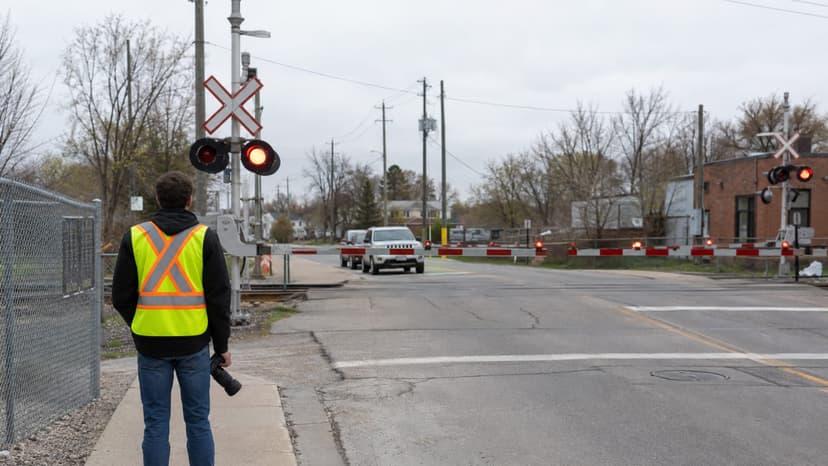
Tracks, yards, and railway corridors are private property and trains can approach silently. This guide covers access rights, safe public viewing locations, areas to avoid, the legal stakes of trespassing, and the situational awareness habits every railfan should build before stepping anywhere near a rail line.

Read the guide →
Camera settings reference

Camera Settings

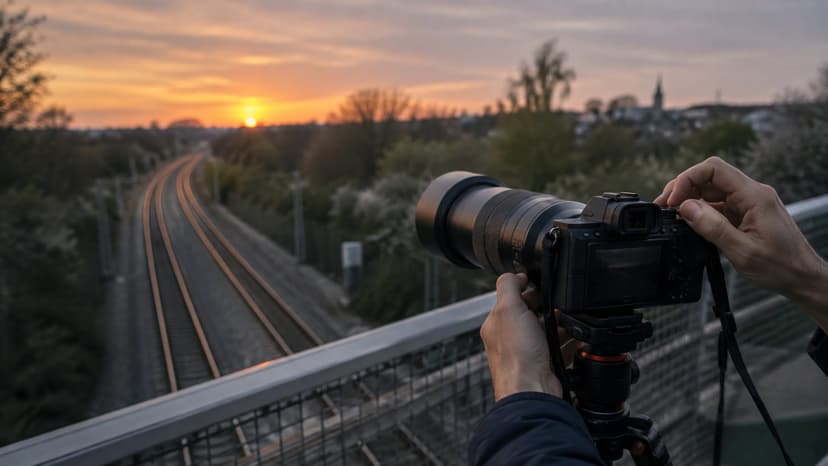
Trains move fast and lighting changes by the minute. This how-to walks through the shutter speeds, apertures, and ISO ranges that work for daylight, golden hour, and night photography, plus burst, continuous AF, RAW, and smartphone Pro Mode tips so you keep moving subjects sharp.

Read the guide →
Train tracking apps

Schedules & Tracking

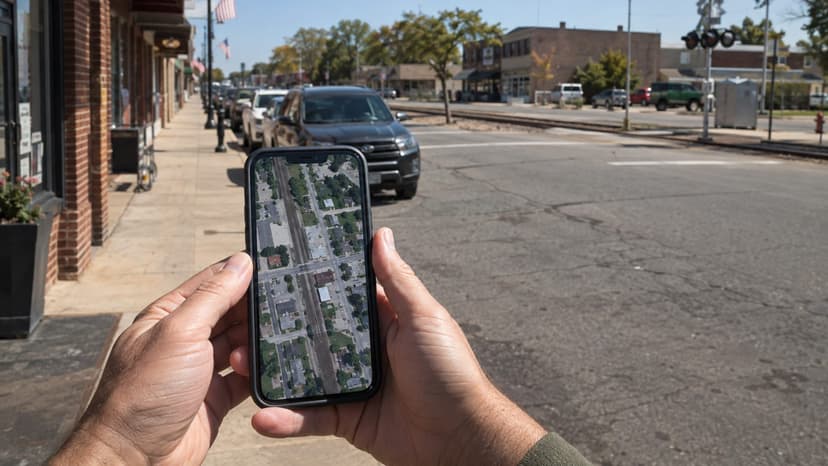
Most freight trains do not follow a public timetable, but you can still anticipate movements with the right tools. Learn how to read passenger and tourist schedules, use real-time trackers like OpenTrainTimes and RailRat, and build pattern knowledge by observing the same spot at different times.

Read the guide →
Golden hour train

Conditions & Timing

Weather and light shape every trainspotting outing. This guide covers how sunny, cloudy, rainy, snowy, and foggy days each change your gear and exposure choices, when golden hour and blue hour are worth the early alarm, and which times of day give you the most train movements.

Read the guide →
Railfans sharing a spot

Trainspotting Etiquette

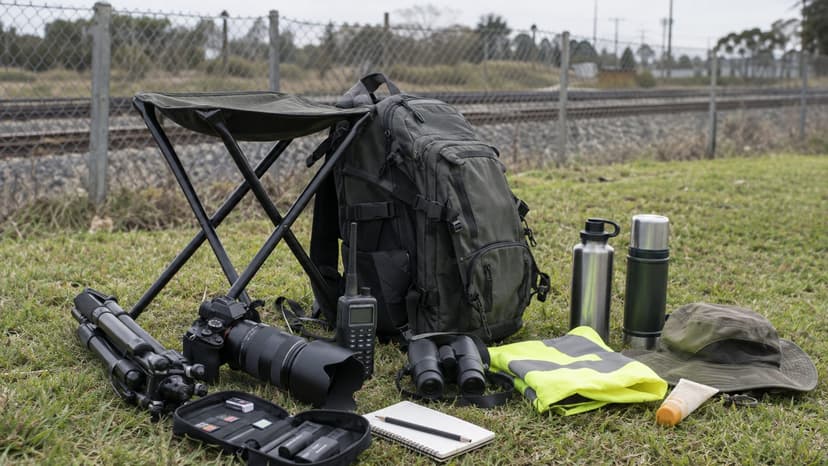
A great spot is a shared spot. This etiquette guide covers respecting fellow railfans, behaving professionally in public spaces, staying discreet around homes and quiet areas, social-media norms around photographing people and locations, and keeping the hobby welcoming for newcomers.

Read the guide →

Looking for something else?

We answer the most common trainspotting questions in our FAQ, and we'd love to hear from you if you have a tip worth sharing.