📸 Camera Settings
Quick reference guide for better train photography
🚦 Shutter Speed: Freeze the Motion
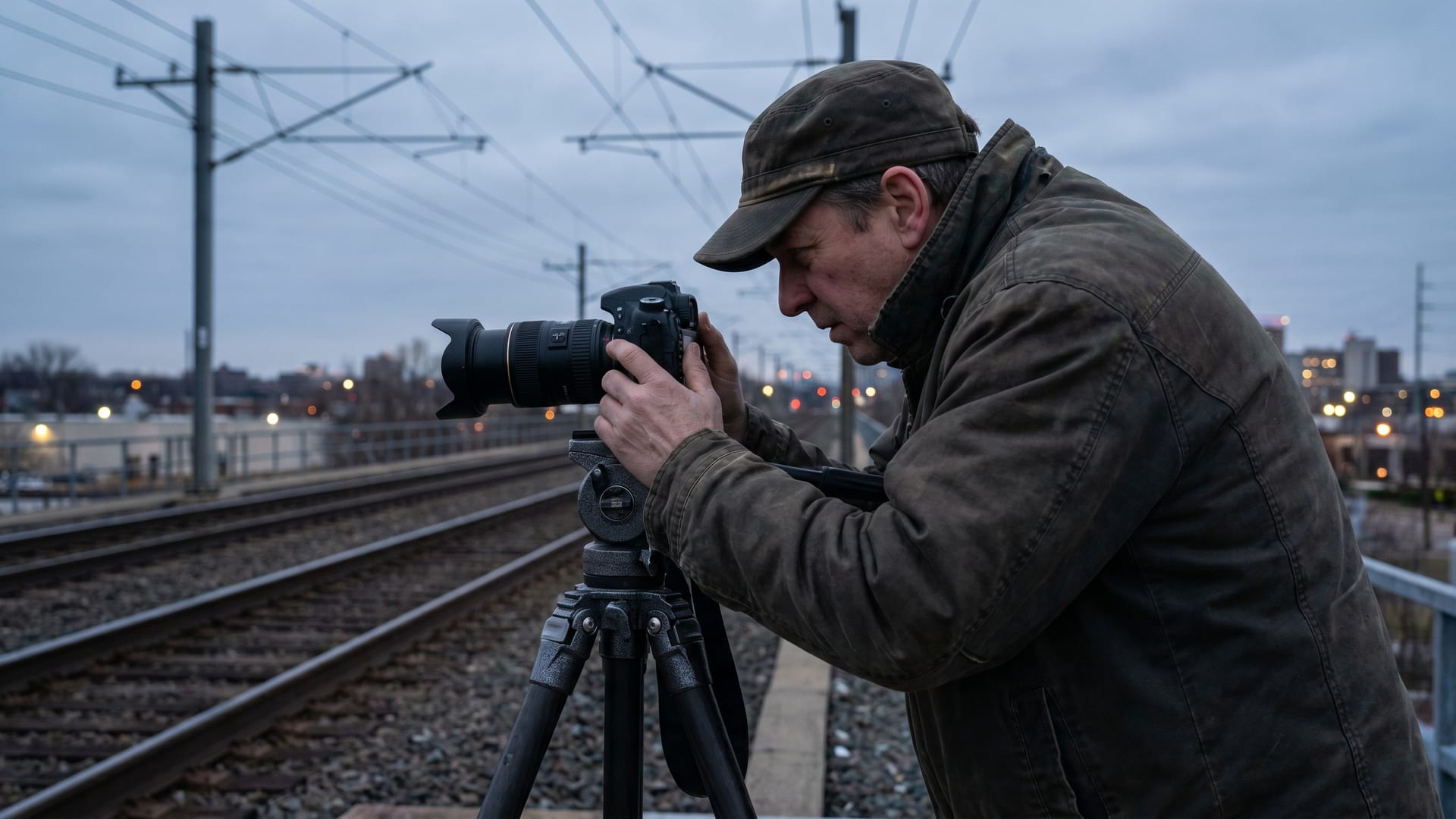
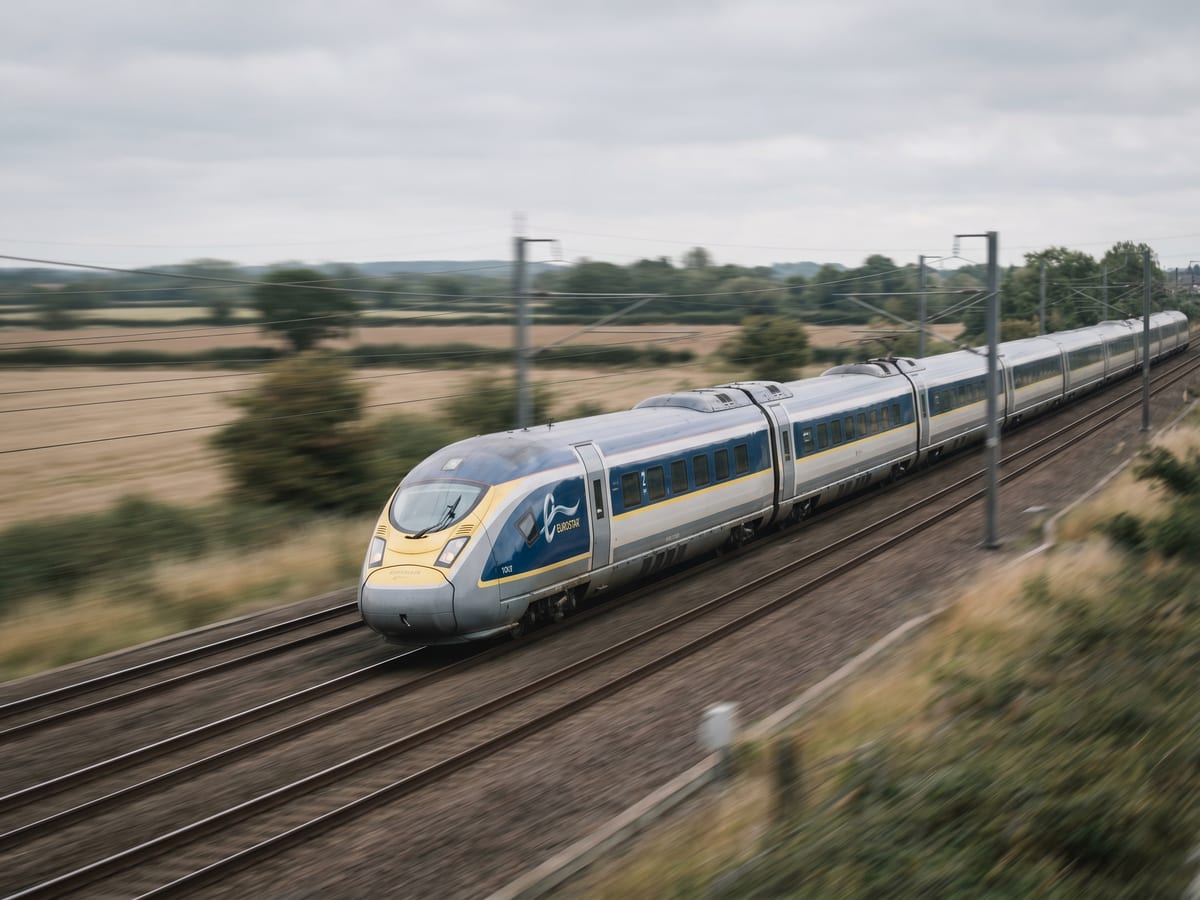
Trains move fast. To avoid motion blur, use fast shutter speeds. Here are typical recommendations:
- Fast train in daylight: 1/1000s or faster
- Slow train or station photo: 1/500s
- Golden hour: 1/400s – 1/640s
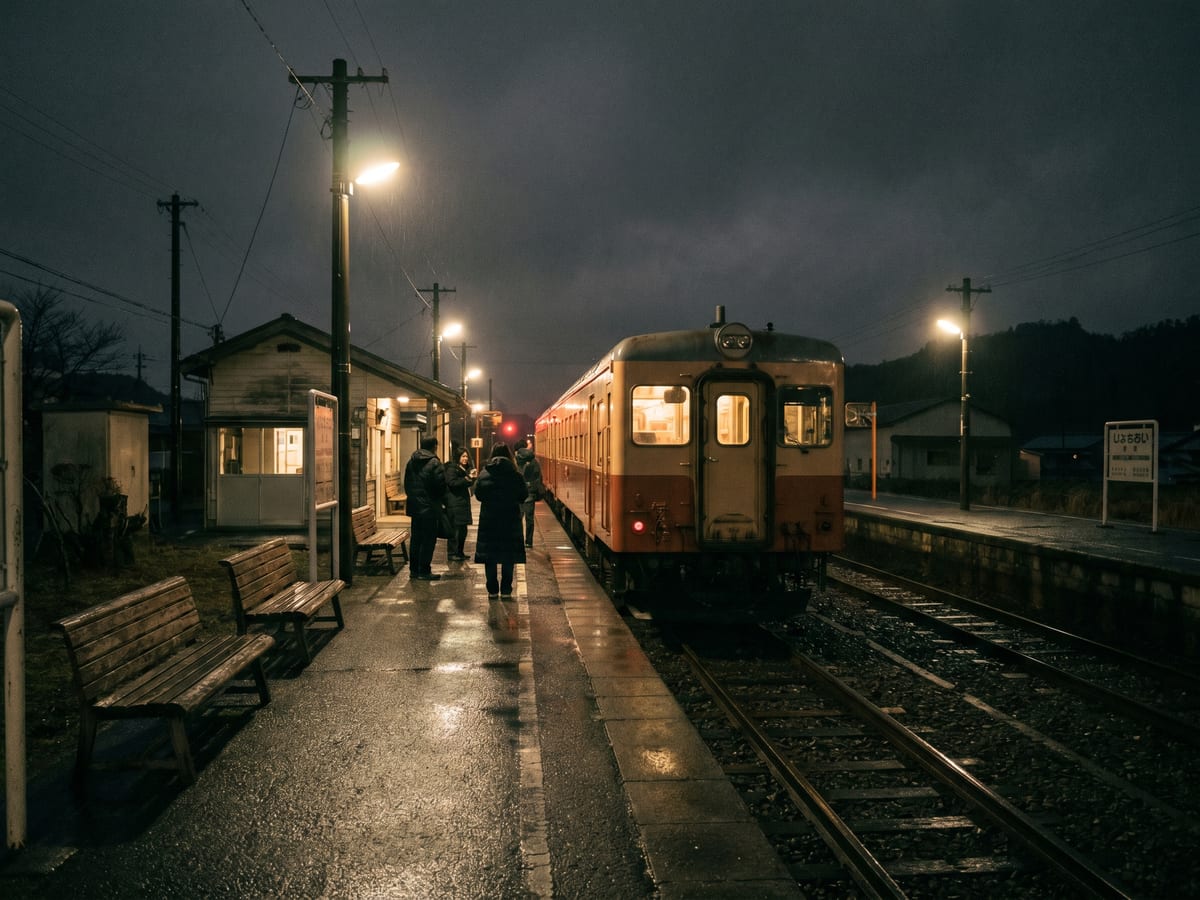
- Night with lighting: 1/250s – 1/500s
🔘 Aperture: Depth and Sharpness
Aperture controls light and depth of field. Here's what to use:
- Daytime: f/5.6 – f/8
- Cloudy: f/4 – f/5.6
- Low light: f/2.8 – f/4
🌒 ISO: Light Sensitivity
ISO helps brighten low-light scenes, but higher ISO can add noise. Suggested ranges:
- Daylight: 100–400
- Cloudy/Sunset: 400–800
- Night: 1600–3200+
📱 Smartphones, RAW & More
- Use burst mode to catch the perfect moment.
- Enable Continuous AF to keep fast-moving trains in focus.
- Shoot in RAW for editing flexibility.
- Smartphones: use Pro Mode if available.