
Exporail – The Canadian Railway Museum
Canada’s largest railway museum featuring historic trains, interactive exhibits, and rides on vintage streetcars and mini-trains.
About This Destination
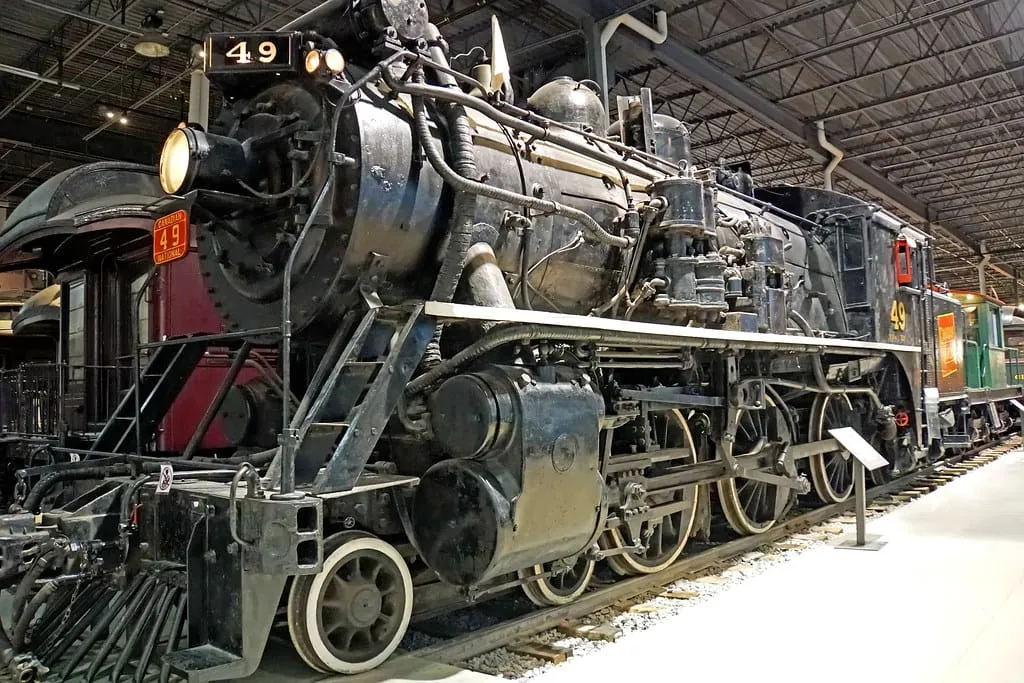
Exporail, also known as the Canadian Railway Museum, is Canada’s national rail heritage center located in Saint-Constant, Quebec, on Montreal’s south shore railfan.com. Founded by the Canadian Railroad Historical Association in 1961, its opening date symbolically coincided with the anniversary of Canada’s first railway journey in 1836 (the Champlain & St. Lawrence line between La Prairie and Saint-Jean) . Over six decades later, Exporail has grown into the country’s largest railway museum – officially recognized by the Canadian Parliament as such – preserving a massive collection of historic trains and artifacts . Visitors will find more than 140 locomotives and railcars spanning 170+ years of railroad history in Canada, along with extensive archives of photographs, documents and memorabilia that chronicle the nation’s rail heritage en.wikipedia.org .
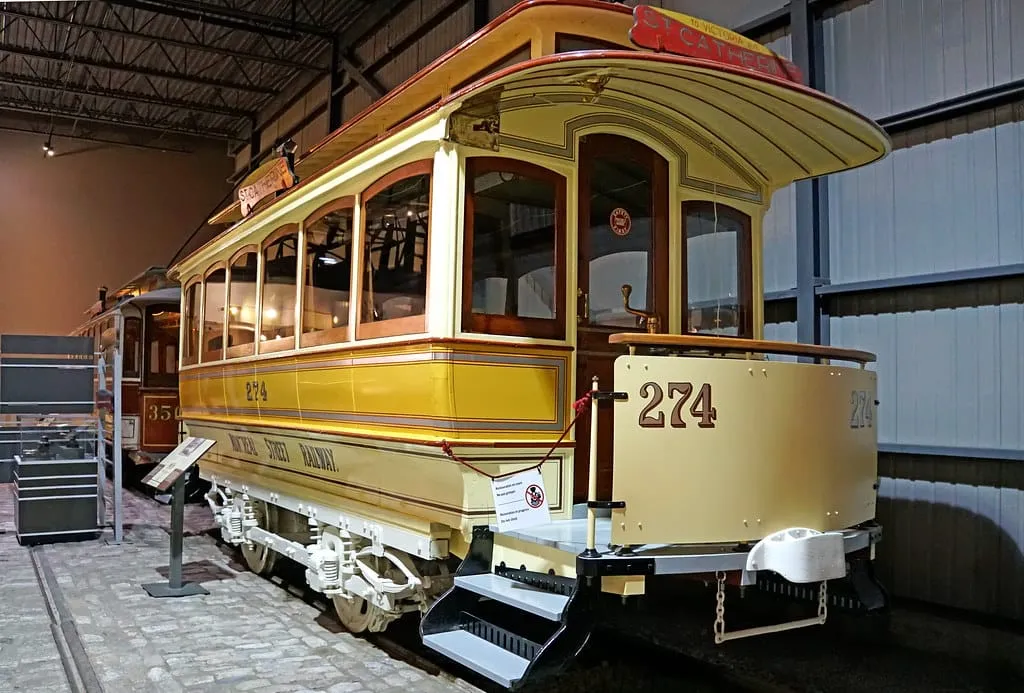
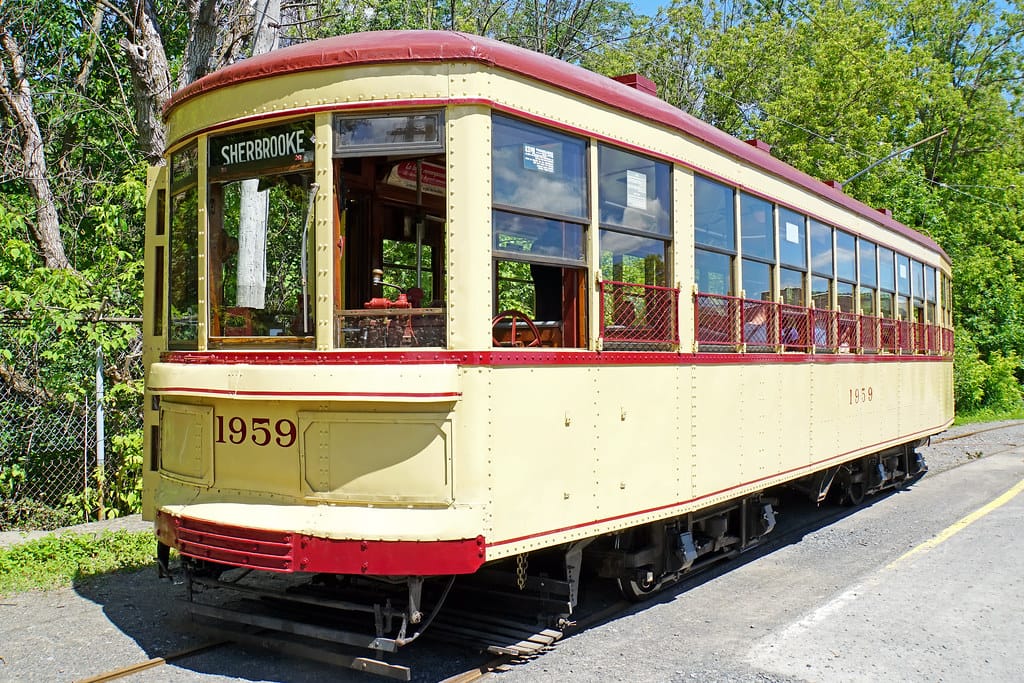
True to its nickname “a living museum,” Exporail offers an interactive, hands-on experience beyond static displays. The museum’s expansive indoor exhibit hall (the Angus Pavilion) houses dozens of life-size trains under dramatic lighting, and an immersive introductory tunnel showcases hundreds of railway artifacts to set the scene. Many vehicles are open for exploration – you can climb aboard vintage passenger coaches, step into locomotive cabs, and even walk through a rare “school car” where a teacher once taught children in remote areas . Outdoors, the experience continues as visitors ride on an authentic heritage streetcar that clangs its way around the grounds and a miniature passenger train that chugs along a short historic spur line. Live demonstrations enliven the atmosphere – you might witness telegraph operators tapping out messages or see the museum’s wood-fired John Molson steam locomotive replica puffing away on special days. With indoor galleries, open-air yards, and active rides, Exporail immerses railfans in the sights, sounds, and even smells of railroading history, making it a dynamic destination that brings Canada’s rich railway legacy to life .
Location
Why Visit
Why Visit:
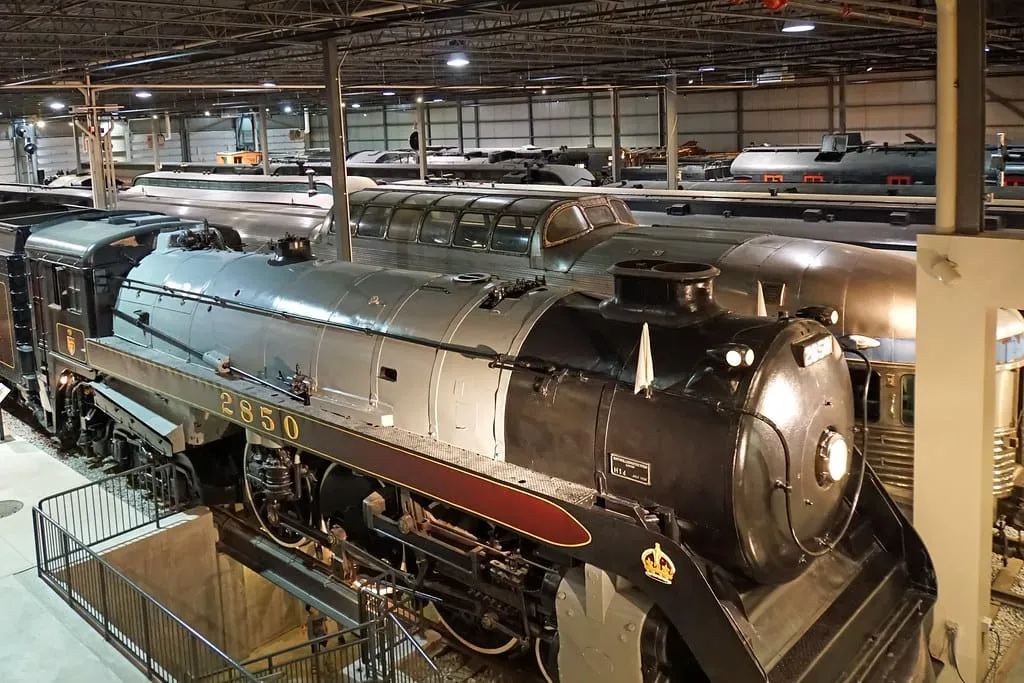
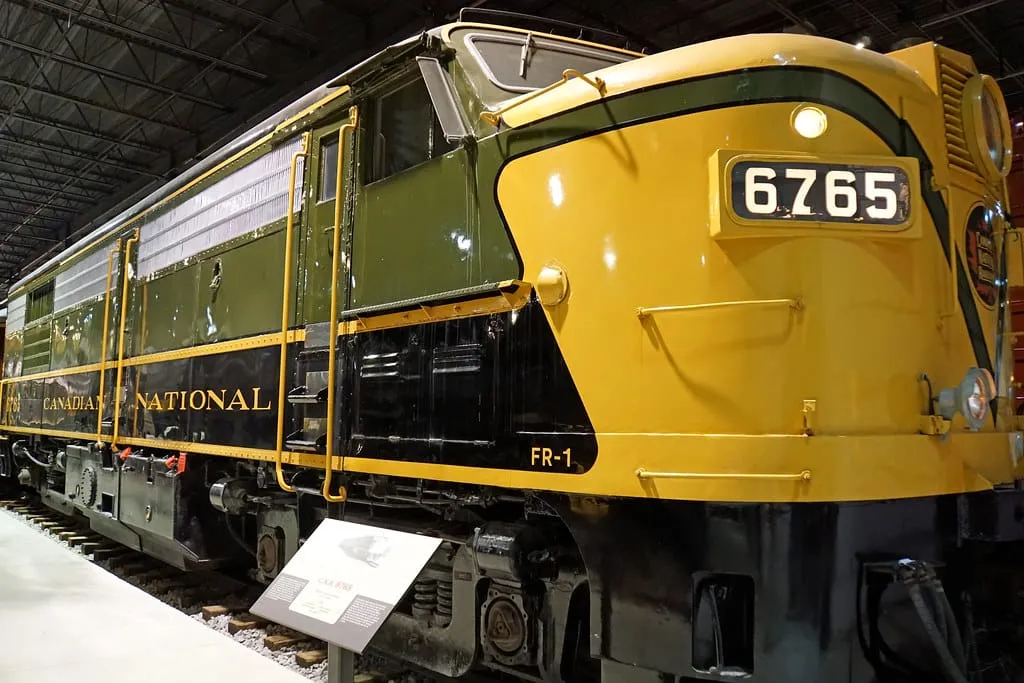
For train enthusiasts, Exporail is a must-see treasure trove. It boasts one of the world’s most extensive railway collections, with over 150 pieces of rolling stock ranging from grand steam locomotives to early electric streetcars and diesel workhorses. Among its crown jewels is Canadian Pacific “Royal Hudson” No. 2850, a streamlined 4-6-4 steam locomotive famous for pulling King George VI’s Royal Train across Canada in 1939 en.wikipedia.org. This legendary engine – designated a “Royal Hudson” after its regal duties – now sits proudly on display, allowing visitors to admire its sleek design up close. Exporail’s exhibits also include stalwarts of Canadian rail history like sturdy Pacific-type steam engines, vintage wooden passenger and sleeper cars, interurban trams from Montreal, and classic diesel locomotives from CN and CP, all restored to illustrate the evolution of train technology and design. Housed in a spacious modern pavilion, these machines can be viewed from all angles – from towering driving wheels and connecting rods to the refinished interiors of rail cars – delighting photographers and engineering buffs alike mtl.org .
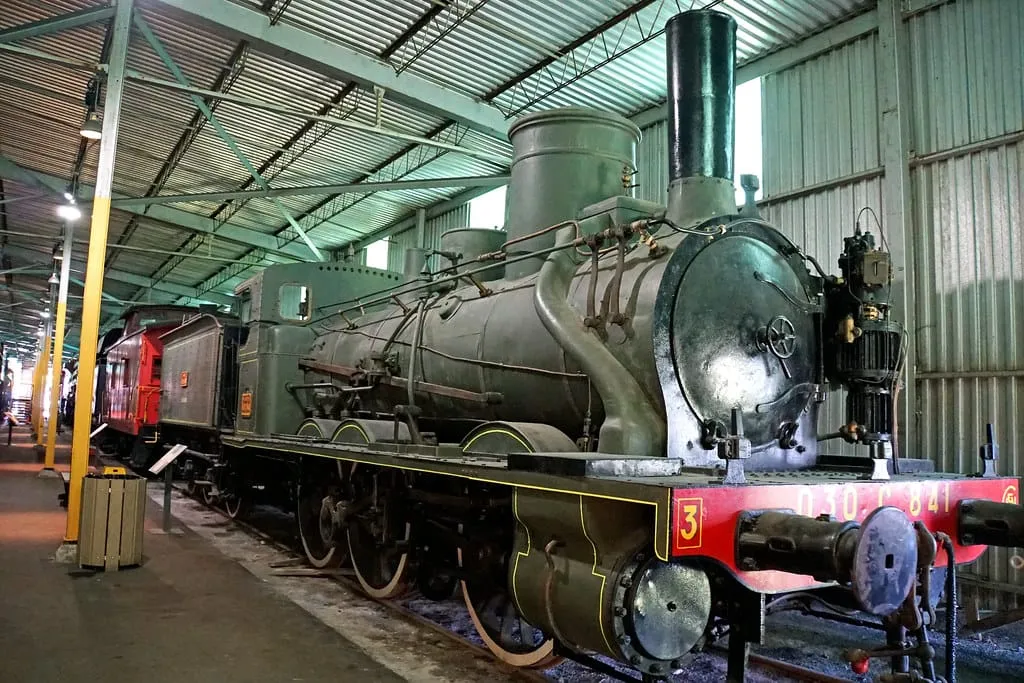
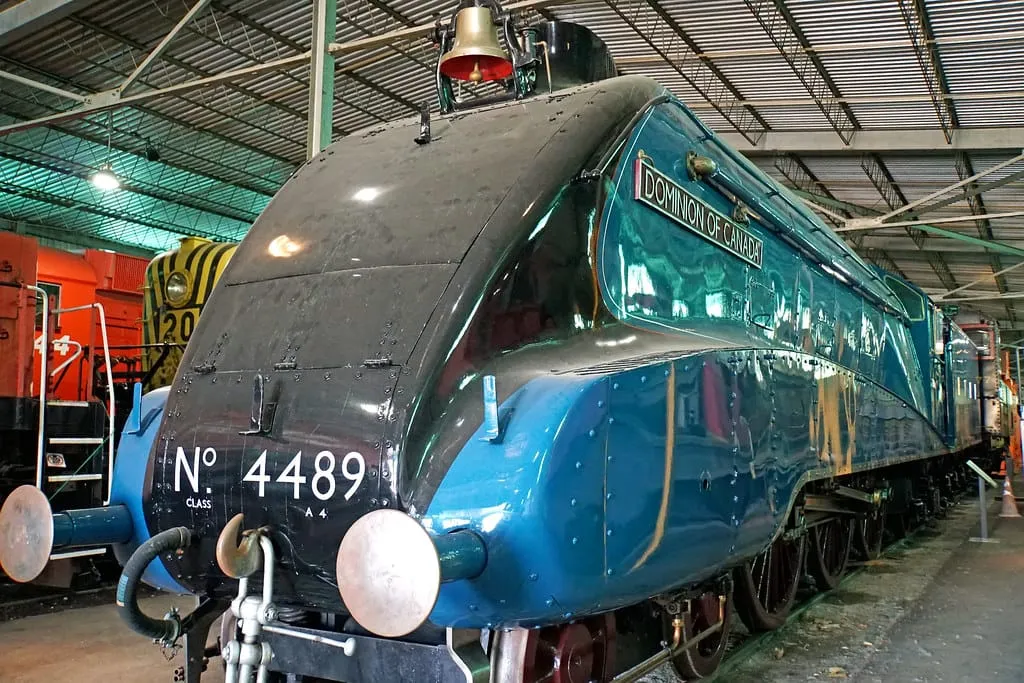
What makes Exporail truly unique is the breadth and diversity of its collection and experiences. The museum offers a panorama of not just Canadian but international railway heritage: a few locomotives hail from overseas yet have Canadian connections, adding a global dimension. For instance, on display is the sleek LNER Class A4 Pacific 4489 “Dominion of Canada”, a famous British steam engine brought to Canada as a goodwill gift – a rare treat for visitors to see one of these record-setting 1930s streamliners outside the U.K. . Another curiosity is a 19th-century French-built SNCF steam locomotive and a diminutive British Terrier tank engine, each with their own North American story . Beyond the machines, Exporail’s curated exhibits interpret how railways shaped Canada’s geography and society: themed displays cover topics like urban streetcars, cross-country expansion “from Atlantic to Pacific,” the economic impact of rail transport, and the challenges of mountain and winter operations . The museum’s combination of massive artifacts and contextual storytelling offers railfans an unparalleled journey through time – from the era of puffing steam giants to the age of high-speed travel – all in one place. In short, Exporail isn’t just a static collection; it’s a vibrant celebration of railway culture that promises to captivate anyone with a love for trains and history.
What to Expect
A visit to Exporail is an immersive, family-friendly adventure filled with nostalgia and discovery. You’ll start at the modern visitor center, then pass through an “immersive tunnel” lined with over 400 artifacts and archival images that transport you into the golden age of rail getyourguide.com . Exiting into the Grand Gallery, you’ll be greeted by rows of full-size locomotives and carriages artfully arranged on the tracks inside the Angus Exhibit Pavilion. The indoor hall is climate-controlled (air-conditioned in summer), with high ceilings and strategically placed lighting that highlights the gleaming metal and painted liveries of the engines. Many exhibits invite interaction: you can wander through a luxurious 1950s sleeper car, sit in an old streetcar, or peek into the cab of a steam locomotive (sometimes with a guide on hand to answer questions) . Engaging interpretive signs (in English and French) and occasional guided tours provide historical context and fun anecdotes. Don’t miss the working model train room – a favorite of kids and hobbyists – where miniature trains wend their way through detailed landscapes. Throughout the museum, friendly staff and volunteer docents (often rail historians themselves) are available to share insights or the story behind a particular engine, adding a personal touch to the experience . Overall, plan for a sensory feast: the echo of an antique station announcement in the exhibit audio, the smell of creosote from old railway ties, and the tactile thrill of holding a vintage brass railway lantern or signaling device in one of the hands-on displays.
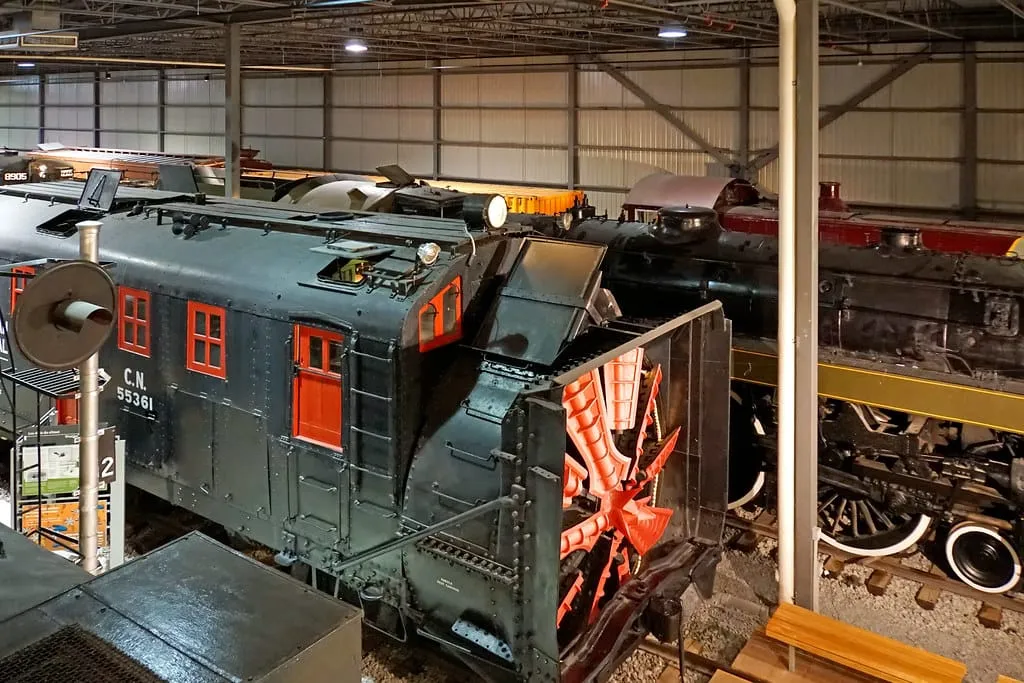
Outside, the experience becomes even more dynamic. Exporail’s sprawling 35-acre site includes a network of outdoor tracks and pathways connecting historic railway buildings and display sheds. In warmer months, you’ll see a heritage streetcar clattering along on its circuit – visitors can hop aboard for a ride around the grounds, complete with the ding of the trolley bell as it travels between museum stops . A highlight for many is the chance to take a short trip on the museum’s passenger train: a small open-air train (often hauled by a vintage diesel or steam engine) that runs on a former freight spur line across the property. Though only a brief ride (several minutes out and back), it includes crossing a road with bells ringing and lights flashing – giving a real taste of rail travel on a mini scale. Young children also love the pint-sized miniature railway, where they can ride in little train cars along a loop of track in the kids’ area . The outdoor yard is filled with additional rolling stock: cabooses, boxcars, a snowplow train, and even an old turntable used for positioning locomotives. You are free to stroll the “Discovery Trail” between these exhibits, which offers great vantage points for photos and up-close inspection of rail equipment not found indoors . There are picnic tables under shady trees where families often pause for lunch, and a restoration shop building where, through windows, you might glimpse volunteers actively working on train restoration projects. Be aware that in winter or rainy weather, some outdoor attractions may be limited, but the indoor pavilion remains open year-round. On peak summer weekends, the site can be lively with visitors, but even then the atmosphere is collegial – a mix of excited children, casual tourists, and avid railfans swapping stories. Whether you spend an hour or a whole day, expect to come away with a deeper appreciation for Canada’s railroading past and plenty of memorable moments – from the gentle rocking of a streetcar ride to the awe of standing next to a giant steam engine’s driving wheels.
How to Plan Your Visit
Season and Schedule
Exporail is open year-round, but its schedule and offerings vary by season. The museum’s peak season is summer: from mid-May through early September, Exporail is open daily (typically 10 AM to 5 PM), and all outdoor exhibits and rides are operational. In the shoulder seasons of spring and fall (approximately early September to early November, and mid-May before summer peak), the museum opens on a reduced schedule (often Wednesday to Sunday) . During the winter off-season (November through mid-May), Exporail generally opens only on weekends (Friday, Saturday, Sunday), with the outdoor site and train rides closed due to weather . Major Canadian holidays may affect the schedule; for example, the museum is typically closed on Christmas and New Year’s Day but open on others like Good Friday or Canada Day .
Ticket Information
Admission is ticketed, with a range of options. A standard adult entrance is around CA$24 (with senior, student, and child discounts available) exporail.org. Children under age 3 are admitted free, and family packages (e.g. CA$66 for a family of four) offer savings for groups . Tickets can be purchased on-site at the Exporail ticket booth (credit cards accepted) or in advance online via the museum’s official website. During peak season or special events, buying online can save time at entry, though generally lines are not long except perhaps on free community days.
Accessibility Details
Exporail is committed to being accessible to all visitors. The main exhibit building is fully wheelchair-accessible, with ramps or lifts to navigate between levels and wide aisles to maneuver around the large train displays exporail.org. Outdoor pathways are generally flat and graveled, allowing wheelchair and stroller access to most areas of the grounds (though a few remote display tracks may be on grass). Note that while you can view every exhibit, not all historic train cars are modified for interior wheelchair entry – many date from the 19th/20th century and have narrow doors or steep steps that don’t meet modern standards . However, staff are very helpful and can bring small portable steps or assist visitors if possible to peek inside certain cars. There are plenty of benches around the site for those who need to rest. Accessible parking spaces are available in the closest lot (P1) right by the entrance . Other facilities include accessible restrooms, and the exhibit pavilion is air-conditioned for comfort on hot days .
What to Bring
Plan for both indoor and outdoor exploration.
- Comfortable walking shoes are highly recommended, as you’ll be on your feet touring the large exhibition hall and strolling the outdoor yards (the museum even advises visitors to wear good walking shoes) exporail.org. Dress in layers according to season – the pavilion is climate-controlled, but outside you’ll want weather-appropriate attire (a hat and sunscreen for sun in mid-summer, or a jacket in spring/fall). If you’re visiting in cooler months, note that the indoor areas are heated, but moving between buildings will require a coat.
- Snacks and water are smart to pack: Exporail has picnic areas both indoors and outdoors for your use . There is a small café counter open on busy days and vending machines, but on many days there may not be food service, so bringing your own lunch or snacks ensures you won’t go hungry while trainspotting. In fact, the museum explicitly invites visitors to bring their lunch and enjoy it on site getyourguide.com – you can re-enter with your ticket if you choose to picnic outside or even drive to a nearby restaurant and come back.
- Don’t forget a camera or smartphone for photos (flash photography is allowed in most areas, and you’ll want pictures of these impressive machines!). If you’re a serious rail photographer, consider a wide-angle lens for capturing full locomotives indoors, and perhaps a polarizing filter for sunny outdoor shots.
- Finally, pack a sense of curiosity and nostalgia – the museum offers so many details and stories that having a small notebook or using your phone to jot down the names of locomotives or questions can be handy if you plan to do further reading after your visit.
Photography Tips
Exporail provides fantastic photo opportunities for railfans and casual visitors alike. To get the best shots, consider timing and vantage points.
- Indoors, the Angus Pavilion has dramatic lighting on the exhibits, especially in the Grand Gallery – photographing in the morning or late afternoon can yield softer natural light filtering in, complementing the museum’s spotlights. A fast lens or higher ISO setting will help in the dimmer corners of the hall (tripods might be allowed on quiet days but check with staff). Look for interesting angles: for example, crouch low to capture the length of a steam locomotive from the pilot (cowcatcher) to the tender, or climb the viewing platform in the gallery to take an overhead shot of multiple trains lined up. The immersive entrance tunnel is another creative spot – it’s lined with lit display cases of artifacts, making for atmospheric perspective shots getyourguide.com.
- Outdoors, late afternoon offers warm sunlight on the locomotives parked in the open yard, ideal for photography. Many enthusiasts love to position themselves by the level crossing on the demonstration railway to snap the heritage train as it approaches with bells ringing. You can also get action shots of the vintage streetcar – one great spot is by the curve where it turns near the entrance, allowing you to capture it head-on with passengers aboard and the museum in the background. During special events, Exporail sometimes brings rarely-seen engines outside for display or operation; for instance, the famous Dominion of Canada A4 and the little Waddon Terrier tank engine have been posed together outdoors during an anniversary event steamlocomotive.info. If you’re lucky to visit on such a day, take advantage of the unique chance to photograph these historic locos in natural light (they are usually kept indoors).
- Composition tips: include context in your shots – the old Saint-Constant train station sign, the water tower, or the flags of Canada and Quebec flying at the entrance can all add a sense of place to your photos. Don’t forget detail shots too: the builder’s plates, drive wheels, gauges in a locomotive cab, and vintage railway logos on car sides make for compelling close-ups.
Travel Information
By Air
The nearest major airport is Montréal–Trudeau International Airport (YUL), located on the island of Montreal. It’s approximately a 15-mile (24 km) drive north of Exporail’s locationrome2rio.com. From the airport, driving to the museum takes about 25–30 minutes under normal traffic. You would head east toward downtown Montreal and then south across the St. Lawrence River. All major car rental agencies are available at YUL, and taxis or rideshare services can also directly take you from the airport to Saint-Constant (expect fares in the CAD $60–$80 range for a taxi or Uber)facebook.com. For those looking to use public transit from the airport, it’s a bit complex: you’d first take the airport express bus or a shuttle to downtown Montreal, then connect to a commuter train or bus (see By Train below). In general, renting a car or arranging ground transport is the most straightforward way to go from the airport to Exporail. If you’re flying in and plan to explore the region, the airport’s proximity means you can feasibly land in the morning and be at the museum by early afternoon.
By Train
Rail travelers can reach Exporail with a combination of train and local transit. If you’re coming from outside the region, first make your way to Montréal’s Central Station (Gare Centrale), which is served by VIA Rail intercity trains from across Canada and by Amtrak’s Adirondack service from New York City newyorkbyrail.com. From Montreal, the museum is in the suburb of Saint-Constant on the south shore.
By Car
Driving to Exporail is straightforward, and the museum is well signposted with the blue tourist signs in the area.
- From Montreal, the trip is roughly 19 miles (30 km) and about 30 minutes by car distancecalculator.net. The most direct route is to cross the St. Lawrence River via the Champlain Bridge (Autoroute 10) heading south from downtown. Once over the bridge into Brossard, merge onto Autoroute 15 South toward Candiac/New York. Continue on A-15 for about 6 miles (10 km), then take Exit 42 for Route 132 West / 30 West toward Châteauguay/Saint-Constant. You’ll then take the exit for Route 209 (chemin Saint-Pierre) and follow chemin Saint-Pierre south for a couple of miles into Saint-Constant lonelyplanet.com. Exporail is located just off Route 209 – look for the museum signs directing you to turn; the entrance is on Rue Saint-Pierre across from the railway tracks.
- Driving from other directions: If you’re coming from eastern Quebec or the Eastern Townships, you might approach via Autoroute 30 West to Route 209. From Ontario (west), Autoroute 20 East to Autoroute 30 East is a convenient bypass around Montreal to reach the South Shore. In all cases, the key is to get to the Montérégie region south of Montreal. The roads are good and generally free-flowing outside of weekday rush hour. Make sure to have some Canadian change or a credit card handy if you use Autoroute 30, as it has a toll section (though not if coming from Montreal). Driving is also a great option if you plan to visit other attractions in the area (see Nearby Attractions below), as many are spread out in the Montérégie countryside.
Parking
Parking at Exporail is free and plentiful. The museum maintains two on-site parking lots for visitors exporail.org. The main lot, P1, is directly by the museum’s main entrance off Rue Saint-Pierre – this is where you should park for easiest access to the ticket office and visitor center . A secondary lot, P2, is located just a little further down the street at 110 Rue Saint-Pierre (near a big locomotive on display by the roadside, which makes it easy to spot) . Both lots are connected by a short path. Even on busy days, parking is generally sufficient; P1 might fill up during special events, in which case attendants will direct overflow cars to P2. The lots can accommodate tour buses and RVs as well – bus parking is available and the lots have wide lanes for large vehicles exporail.org bonjourquebec.com. The parking areas are safe and monitored periodically by staff. From P1, it’s only a minute or two walk to the entrance gate. If you’re using GPS, inputting the address or “Exporail” will lead you right to the lots. One small tip: do not park on the side of the road or on the grass, as local bylaws may ticket cars outside designated areas (though with two big free lots, you shouldn’t need to).
Local Transportation
Saint-Constant and the surrounding communities are suburban and semi-rural, so local public transportation options are somewhat limited but exist. If you are staying in downtown Montreal without a car, you can rely on the methods described in By Train (commuter train or bus) to reach the museum, as there is no city metro or direct city bus that comes all the way to Exporail. Once you’re in the immediate area (e.g., arriving at the Saint-Constant train station or a bus stop in the town), the museum is easily walkable – just a few hundred meters from the station and bus drop-off. There is no shuttle service specific to the museum except during certain special events, so plan to walk or arrange a taxi for that “last mile” if needed (the walk from Saint-Constant station is about 5 minutes on flat terrain).
Official Resources
Photos
 archer10 (Dennis)
5
archer10 (Dennis)
5
archer10 (Dennis)
5
archer10 (Dennis)
5
archer10 (Dennis)
5
archer10 (Dennis)
5
archer10 (Dennis)
5
archer10 (Dennis)
5
Explore more destinations: Browse all rail travel experiences.
Quick Information
Country
Canada
Region
Quebec
City
Saint-Constant
Best Season
The consensus is that <strong>late spring through early fall</strong> is the best time to experience Exporail in full. From May to October, all aspects of the museum are up and running: you can explore both the indoor galleries and the outdoor exhibits, and importantly, the heritage streetcar and passenger train rides operate during this period (the streetcar runs daily in the warmer months, and the train on Sundays) <a href="https://en.wikipedia.org/wiki/Canadian_Railway_Museum" target="_blank" rel="noopener noreferrer" title="https://en.wikipedia.org/wiki/Canadian_Railway_Museum" data-duplicate="false" style="color: rgb(37, 99, 235); text-decoration: underline; word-break: break-word;">en.wikipedia.org</a>. <div><b>Summer</b> (June–August) brings the most action – extended opening hours, frequent guided tours, and special events like <em>Railway Days</em>, family activity weekends, or evening photo sessions. You’ll also enjoy pleasant weather for strolling outside among the rail cars and photographing trains under bright blue skies. </div><div>If you prefer slightly cooler weather and potentially smaller crowds, <strong>September and early October</strong> can be wonderful: the autumn colors begin to show in the surrounding trees, and the outdoor operations continue through the fall weekends. The lighting in fall afternoons can be particularly golden for photography. </div><div><strong>Winter</strong>, by contrast, is off-season – while the core indoor museum remains open on a limited schedule, you won’t have access to the outdoor yard (often snow-covered) or any train rides, and some exhibits may be in maintenance mode. That said, a winter visit can still be enjoyable if you’re primarily interested in the indoor collection and want a quieter experience (and perhaps to see the museum’s festive holiday decorations during December events). In winter, you might spend an hour or two inside without the distraction of outdoor activities. </div><div>For most railfans and families, though, <strong>summer is ideal</strong> – you’ll get the complete Exporail experience with everything from streetcars in motion to open-air picnics by the old trains. Plan accordingly: a summer weekday offers a full experience with elbow room; a summer weekend adds special programs but can be lively with visitors; an autumn weekend offers beauty and activity in balance. Whenever you go, keep an eye on the weather forecast if you hope to use the outdoor features, and check the museum’s event calendar – timing your trip with a themed event (like a <strong>steam locomotive weekend</strong> or <strong>model train show</strong>) can elevate a great visit to an unforgettable one. </div>