SpotatrainSpotatrain
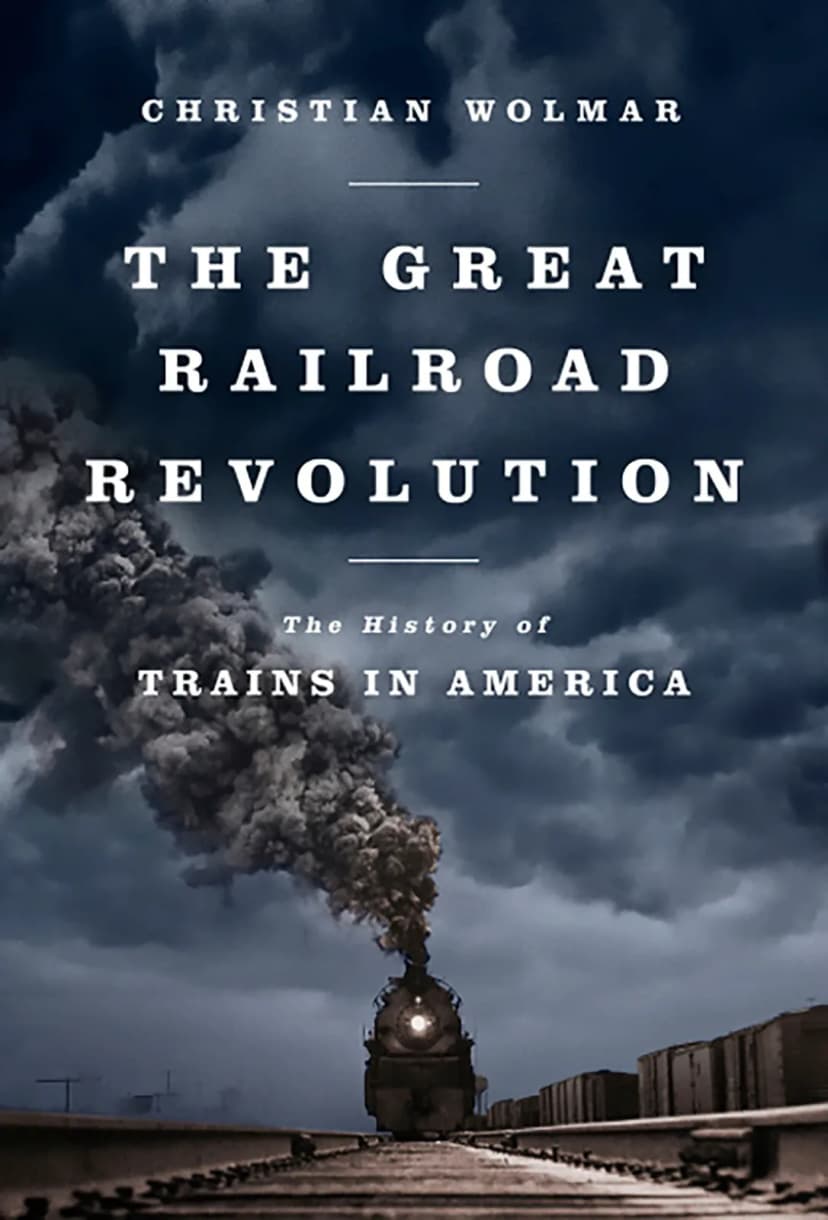
Cover of The Great Railroad Revolution by Christian Wolmar

Image: PublicAffairs / Hachette Book Group · source

Railway books

The Great Railroad Revolution: The History of Trains in America

PublicAffairs · Budget

Christian Wolmar's paperback tells the rise and fall of American railroads in 448 pages.

Check price on Amazon (affiliate link, opens Amazon in a new tab)

As an Amazon Associate I earn from qualifying purchases. How we pick our gear

We have not tested it ourselves: strengths and weaknesses below come from the tests cited.

Why Railfans Carry It

For a railfan who watches trains in the United States, this title explains how the system around them came to exist. The publisher's description says railroads helped make the country: more than two hundred thousand miles of track and a series of grand stations covered the nation by the early 1900s. It adds that trains united far-flung regions, boosted economic development, carried goods, served in wartime and helped the nation become a world power. The story then turns, because the description says the railroads were eclipsed by the automobile, the truck and the airplane after more than a century of dominance.

In the Field

This is reading for home, a train seat or a station waiting room. The page calls it an account of the heritage of railways in the United States, so it frames sites rather than directing visitors to them. A reader planning to visit a grand station or a preserved line can use the history as background for what they see. It is a paperback with 448 pages, so it suits a longer read. The publisher page also quotes a magazine calling the history sweeping and rich in drama, which hints at a narrative style instead of a reference-book layout. The same page carries other press comments. The Guardian is quoted as calling the author a wise and detailed historian of railways, and the Wall Street Journal as saying the book shows that the United States would not have become the United States without the railroads. The Daily Telegraph is quoted as finding it enjoyably anecdotal, and the Camden New Journal as praising its detail, an encyclopedia of railway lore, myth and anecdote.

Strengths and Weaknesses

Strengths

  • Focused on the United States, with the rise and the fall in one story
  • Covers economic development, transport of goods and wartime use
  • Written by an author the publisher calls a renowned railroad expert
  • Press comments on the publisher page cite detail and anecdote
  • Paperback with a separate ebook edition

Weaknesses

  • American focus only; readers wanting the world should look elsewhere
  • A narrative history, not a guide to where to watch trains
  • One press comment on the page describes an account of corruption and graft in the railroad era, so the tone is not only celebratory
  • The publisher page lists no trim size or illustration count

Key Specifications

The Great Railroad Revolution: The History of Trains in America — key specifications
SpecificationValue
Pages448
AuthorChristian Wolmar
FormatTrade paperback
ISBN-101610393473
ISBN-139781610393478
On saleOct 8, 2013
SubtitleThe History of Trains in America
PublisherPublicAffairs (Hachette Book Group)

Who It’s For

Railfans and gift givers who want a single-volume story of American railroading.

Alternatives

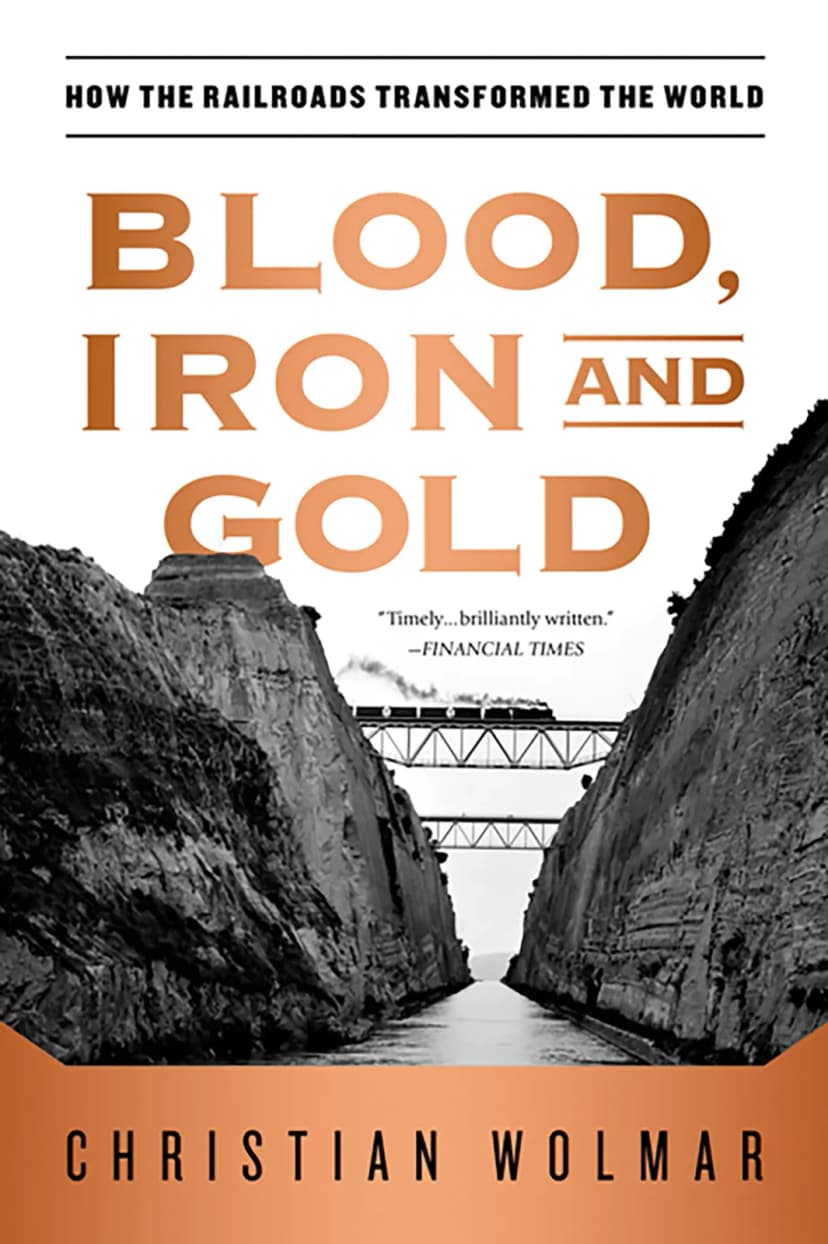
Blood, Iron, and Gold by the same author widens the lens to railroads worldwide, in 432 pages. Train by Tom Zoellner mixes history with travel, from the Trans-Siberian to the Southwest Chief.

As an Amazon Associate I earn from qualifying purchases. How we pick our gear

Compare all railway books.