
SpotatrainSpotatrain
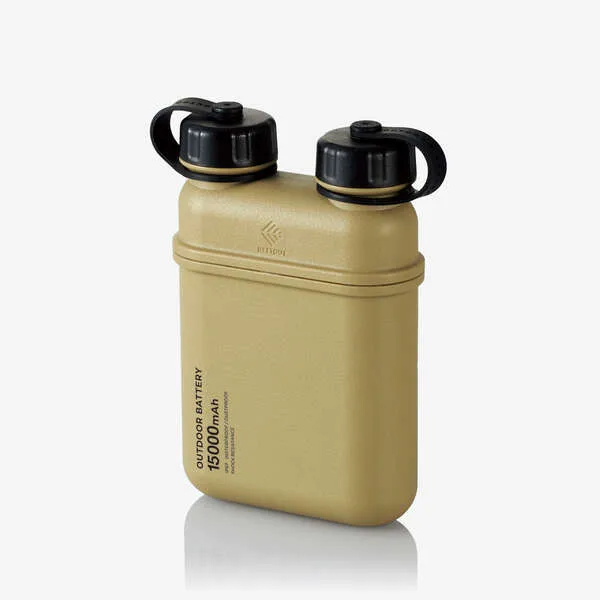
Elecom NESTOUT rugged power bank in beige with two black screw caps and the 15000mAh marking

Image: Elecom · source

Power banks & batteries

Elecom NESTOUT Rugged Power Bank (15,000mAh)

Elecom · Mid-range

A rounded, cushioned 15,000mAh power bank from Elecom’s NESTOUT outdoor line, built to IP67-equivalent dust and water protection and drop-tested for days spent outside.

Check price on Amazon (affiliate link, opens Amazon in a new tab)

As an Amazon Associate I earn from qualifying purchases. How we pick our gear

We have not tested it ourselves: strengths and weaknesses below come from the tests cited.

Why Railfans Carry It

A day at the lineside runs on a phone: camera, timetable app, train tracker and map. Batteries drain fastest in cold and wet weather, exactly when a slim pocket bank is most at risk from rain, grit or a fall onto ballast-dusted concrete. Elecom wraps the cells in silicone cushioning inside a rounded shell and rates the case to JIS IP67-equivalent protection. It also puts a standard 1/4-inch camera thread in the base, so the bank can sit on a small tripod or clamp beside your camera rather than in a puddle. PCMag picked it as the most durable option in its power bank guide.

In the Field

Charge it overnight before a trip: Elecom quotes about 3 hours 45 minutes from a USB Power Delivery charger of 18W or more. On the day, one USB-C and two USB-A ports cover a phone, a scanner with a USB cable and a pair of earbuds together, though output is shared: Elecom lists 32W in total, 15W across neighbouring USB-C and USB-A ports used together, and 27W with all three in use. Five LEDs show the remaining charge. Elecom lists discharging down to -20°C, which suits a winter morning at a crossing, while charging the bank itself needs 0 to 40°C, so top it up indoors. At about 359 g it is heavier than a slim phone bank, so it belongs in a bag side pocket. The protection is against weather and knocks; it is no reason to set gear down near the track, and railway safety rules still apply.

Strengths and Weaknesses

Strengths

  • IP67-equivalent dust and water protection
  • Passed a MIL-STD-810G transit-drop test
  • Built-in 1/4-inch tripod thread
  • Three ports: one USB-C, two USB-A
  • Discharges down to -20°C

Weaknesses

  • 32W total output is too little for a laptop
  • Heavier than slim phone banks, at about 359 g
  • Output drops when neighbouring ports share load
  • Elecom states the drop test does not guarantee survival in every condition

Key Specifications

Elecom NESTOUT Rugged Power Bank (15,000mAh) — key specifications
SpecificationValue
Mount1/4-inch camera thread in the base
Ports1 × USB-C (input and output), 2 × USB-A
WeightAbout 359 g
BatteryRechargeable lithium-ion, 15,420mAh (10.89V 5,140mAh rated)
DimensionsAbout 85 × 36 × 129 mm
ProtectionJIS IP67 equivalent; MIL-STD-810G Method 516.7 Procedure IV transit drop
Total output32W (27W with three ports, 15W across adjacent USB-C and USB-A)
USB-C outputUSB Power Delivery up to 20W
Recharge timeAbout 3 h 45 min with an 18W+ USB PD charger
Operating temperatureCharging 0–40°C; discharging -20–40°C

Who It’s For

Railfans and photographers who spend whole days outdoors in uncertain weather and want one battery for a phone, a radio and small accessories. It suits a bag-based day rather than a pocket: if you only need a top-up between trains, a slimmer bank is lighter. It is not a laptop charger.

Alternatives

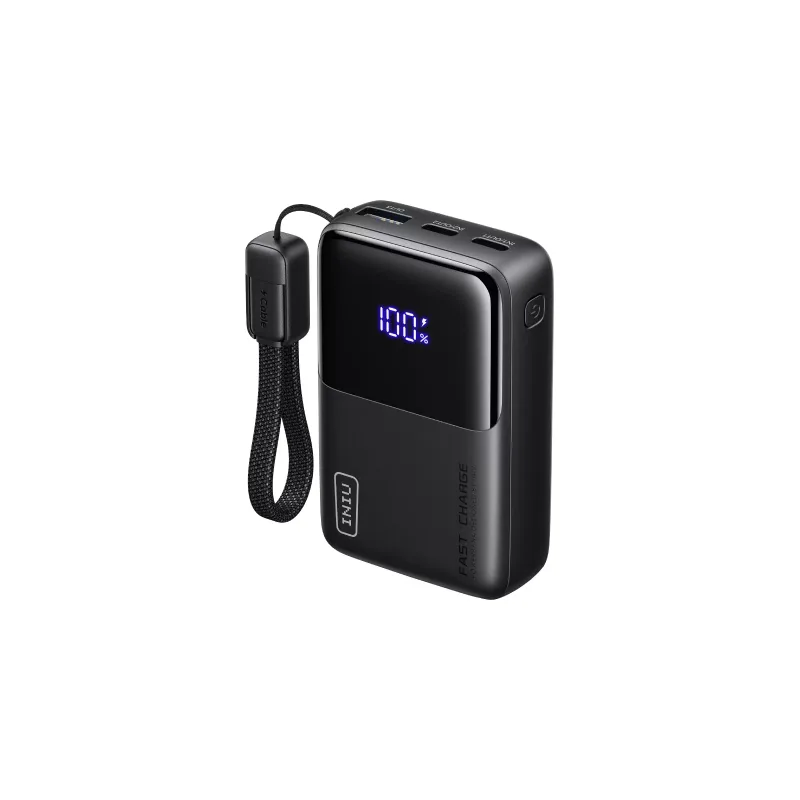
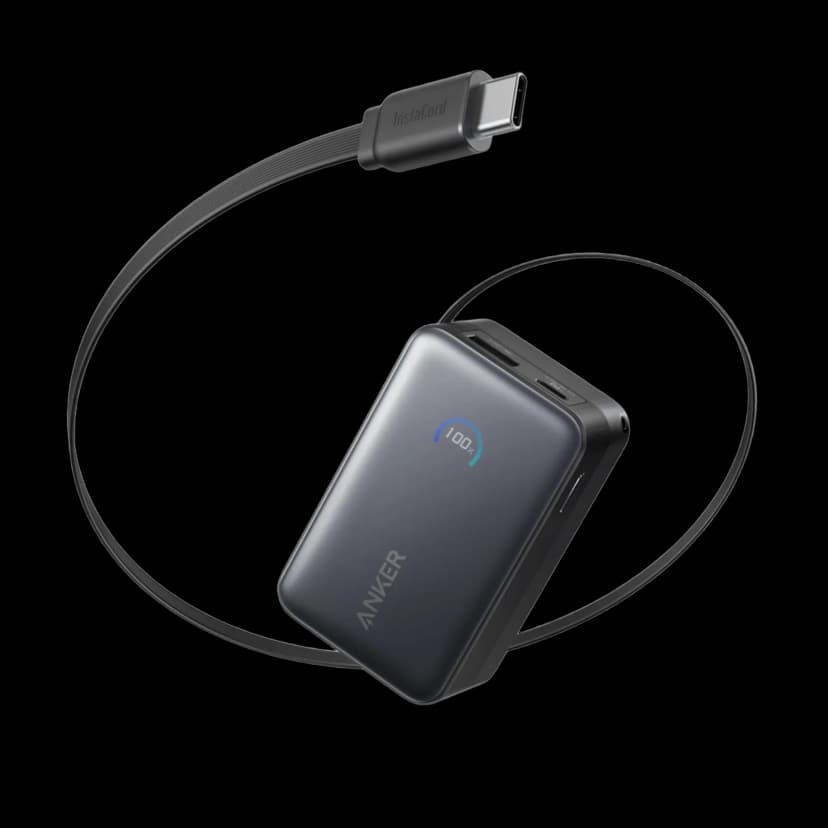
The INIU Pocket Rocket P50 is the smaller, lighter choice for a phone-only day. The Anker Nano Power Bank with its built-in USB-C cable suits riders who charge on the train and do not need weather protection.

As an Amazon Associate I earn from qualifying purchases. How we pick our gear

Compare all power banks & batteries.