Railway Experience
Alberta Railway Museum
A working prairie rail yard on CN's former Coronado Subdivision, with roughly 75 locomotives and cars and a 1913 Ten Wheeler.
Updated
About This Experience
The Alberta Railway Museum occupies a working prairie rail yard at 24215 - 34 St NW, on Edmonton's rural northeastern edge, on a surviving fragment of Canadian National's former Coronado Subdivision. The Alberta Pioneer Railway Association (APRA) was founded in 1968 by members of the Canadian Railroad Historical Association's Rocky Mountain Branch, an Edmonton chapter formed in 1962, and first kept its collection in the Edmonton Transit System's Cromdale Car Barns at 116th Avenue and 80th Street. APRA moved all of its rolling stock to the present site in 1975 and opened it to the public as APRA Park in 1977, with both steam and diesel operating. The association gained ownership of the land in 1981, the same year Edmonton annexed the property from Sturgeon County, and renamed itself the Alberta Railway Museum in 1989. It marked its 50th anniversary in 2018.
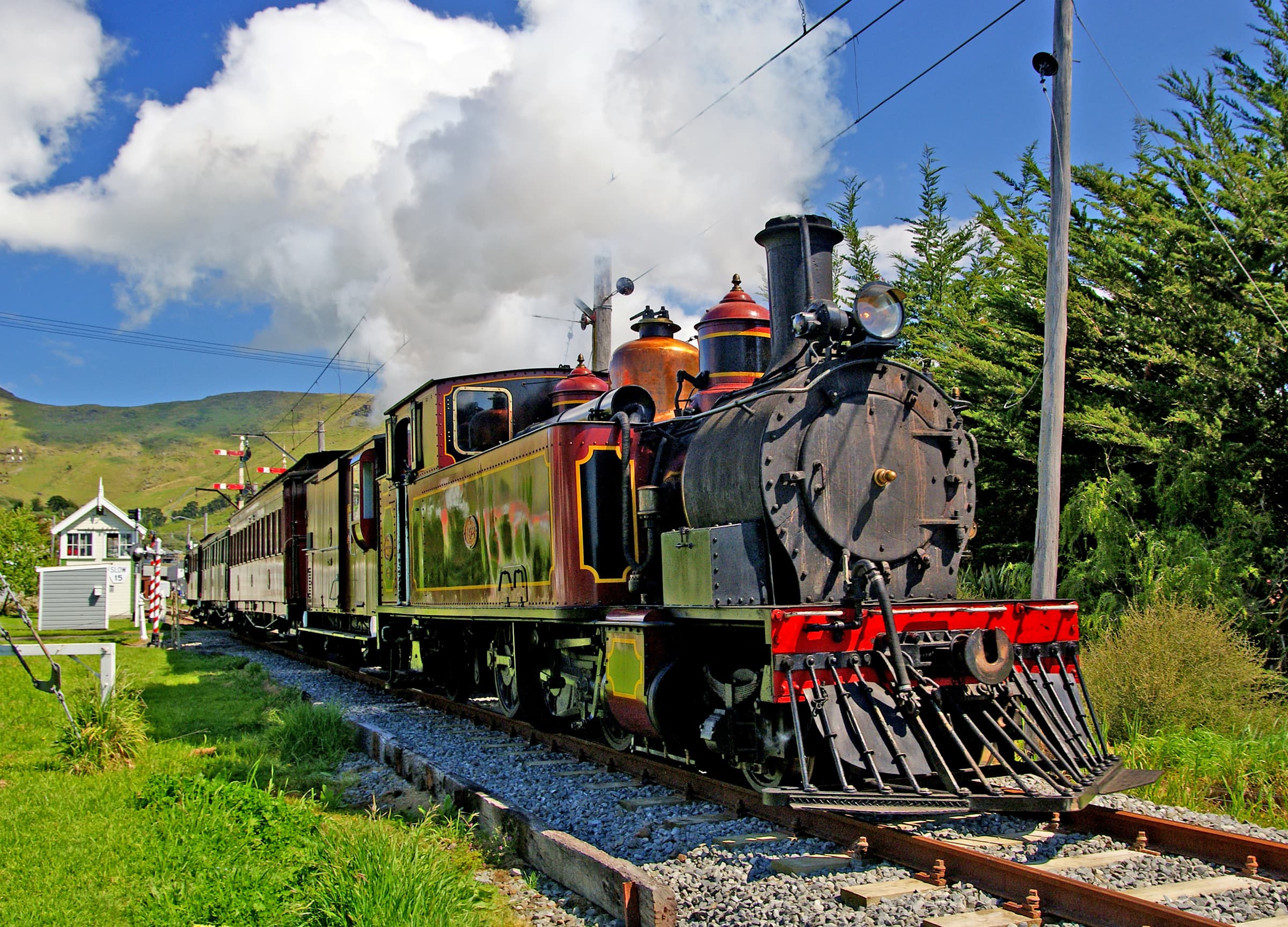
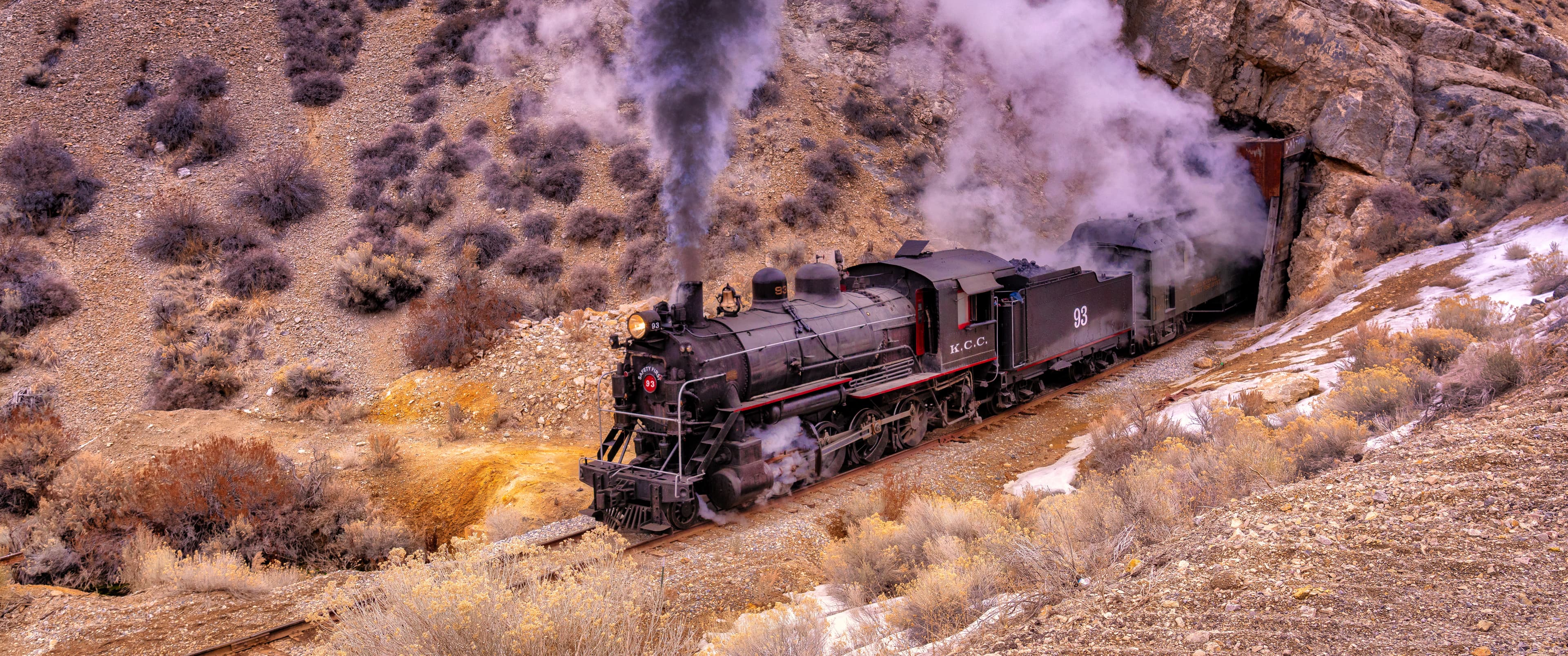
The collection runs to roughly 75 locomotives and cars, drawn mainly from Canadian National Railways, the Northern Alberta Railways and industrial short lines. Its centrepiece is CNR 1392, a class H-6-g 4-6-0 Ten Wheeler delivered in April 1913 by Montreal Locomotive Works to the Canadian Northern Railway for passenger work in Alberta. Reassigned across Central and Western Canada after the CNoR was folded into Canadian National in 1918, 1392 finished its career on Alberta and Saskatchewan branch lines and was retired from revenue service in 1955. APRA acquired it in 1969, restored it between 1972 and 1974, and put it back to work on tourist trains in 1977. Beside it stands Northern Alberta Railways 73, a 2-8-0 built in 1927 by the Canadian Locomotive Company of Kingston, Ontario, which hauled wheat, crude oil and other freight between Edmonton and Fort McMurray on runs of 15 to 16 hours at a top speed of about 40 km/h (25 mph) before its 1960 retirement. NAR 73 has been cosmetically restored and is a static display; the museum lists it as shut down since a boiler leak in 1979, and the Canadian Railway Historical Association transferred ownership to the museum for one dollar in 2017.
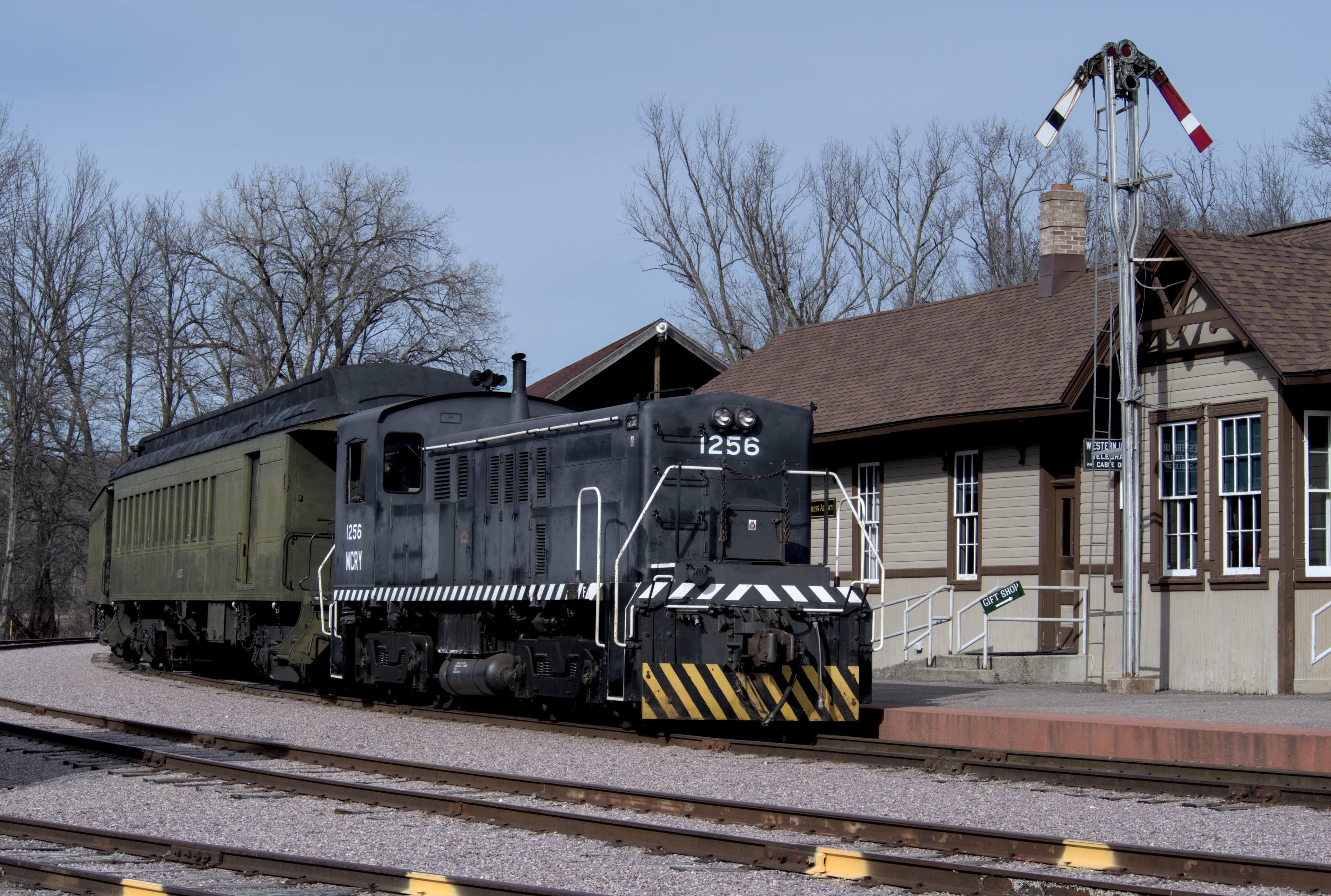
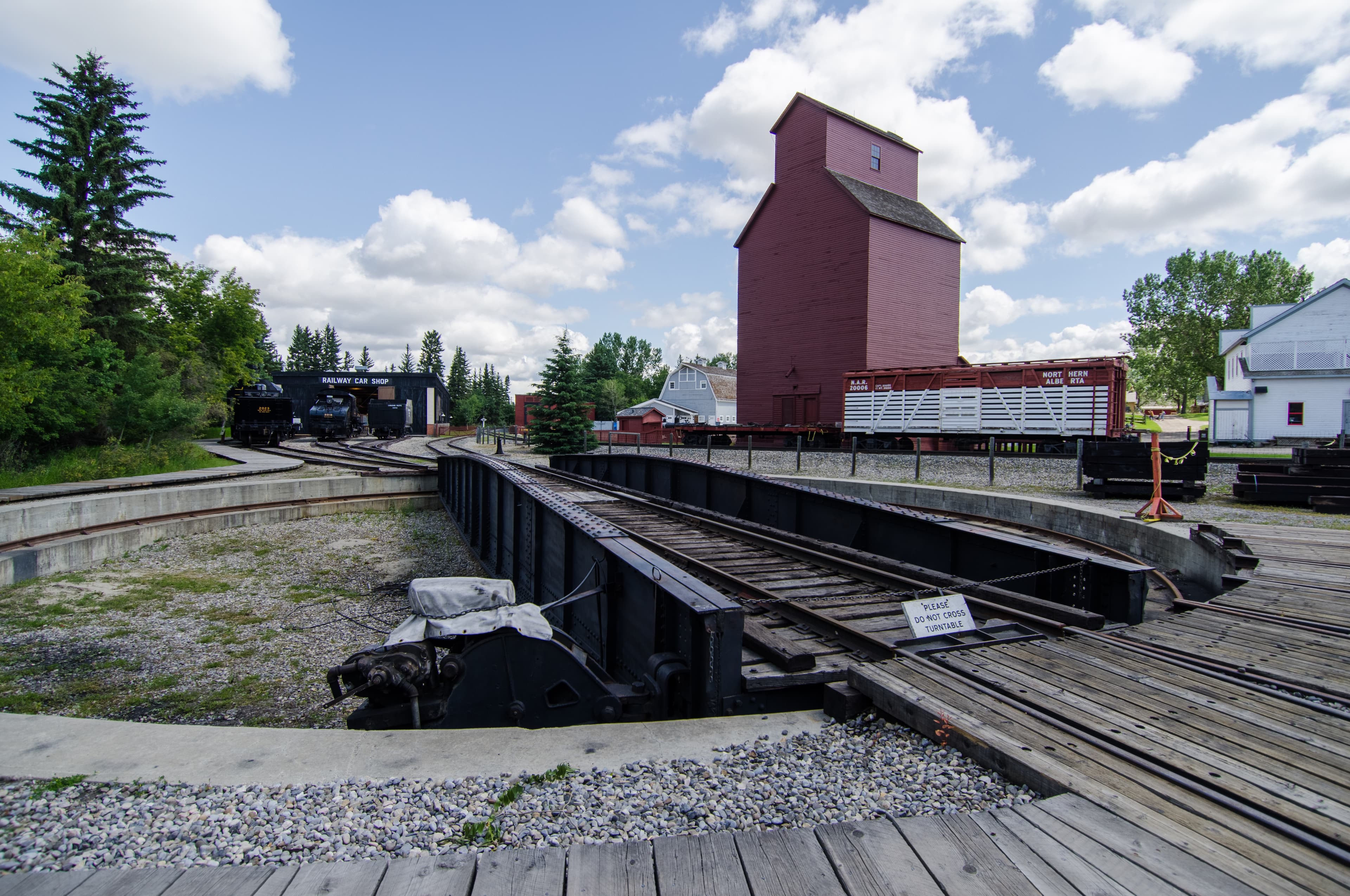
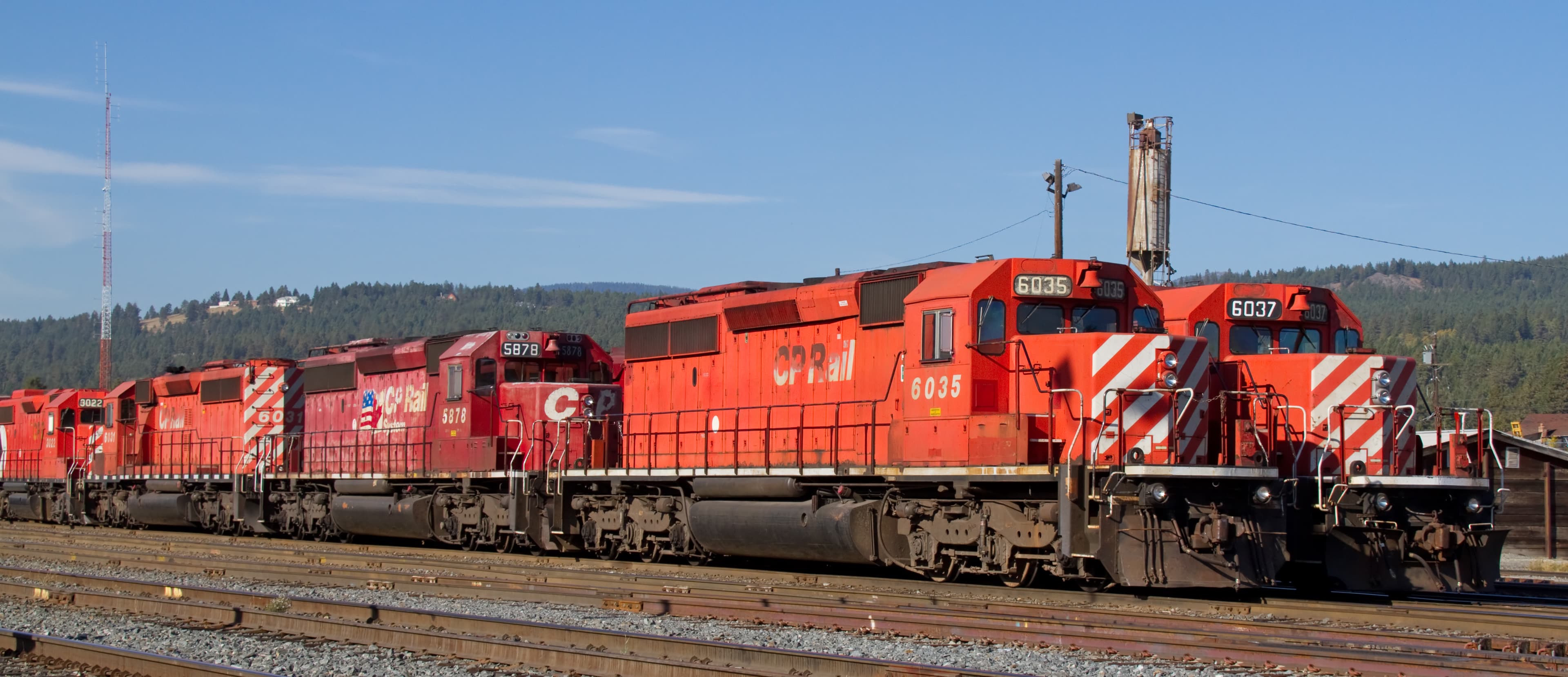
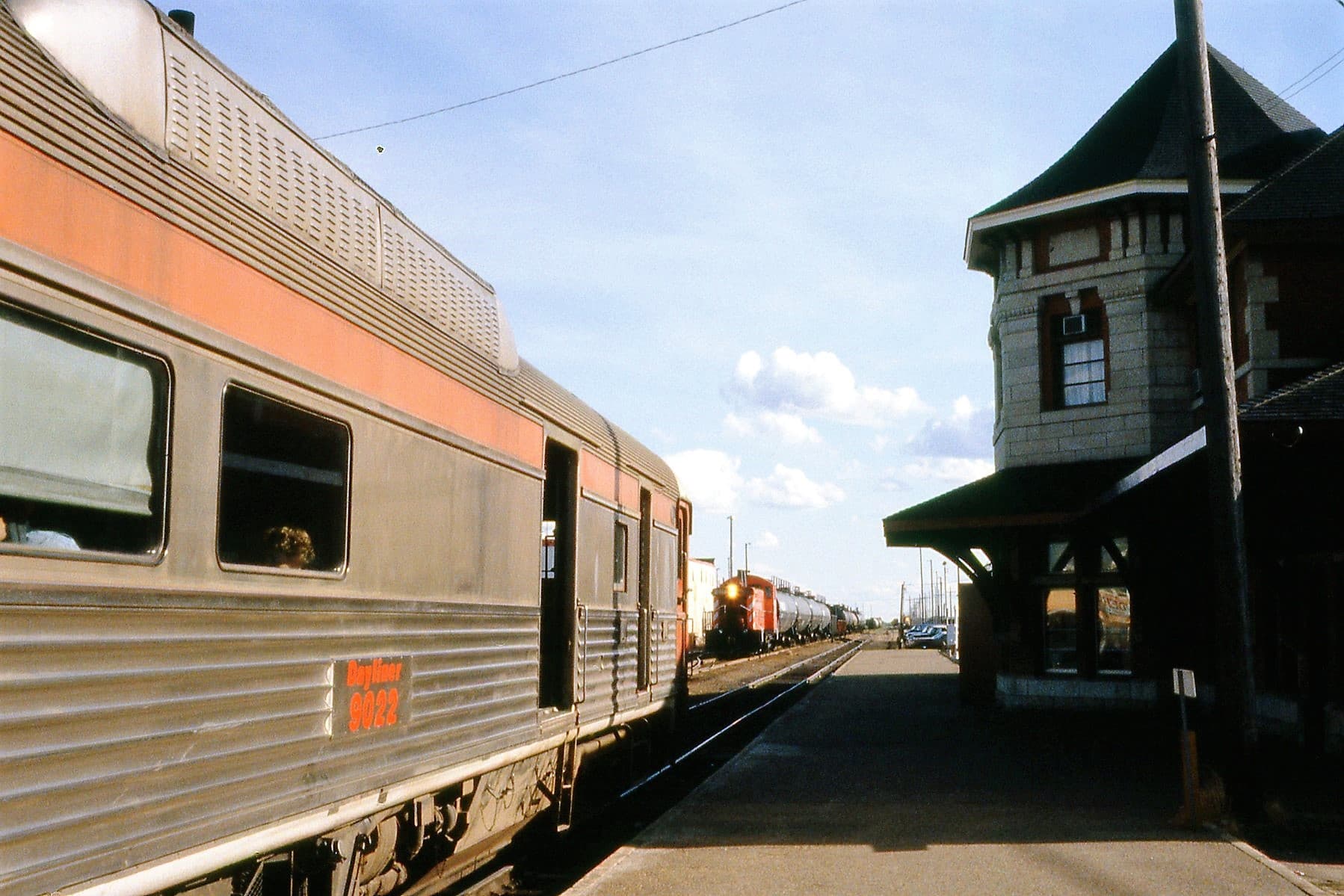
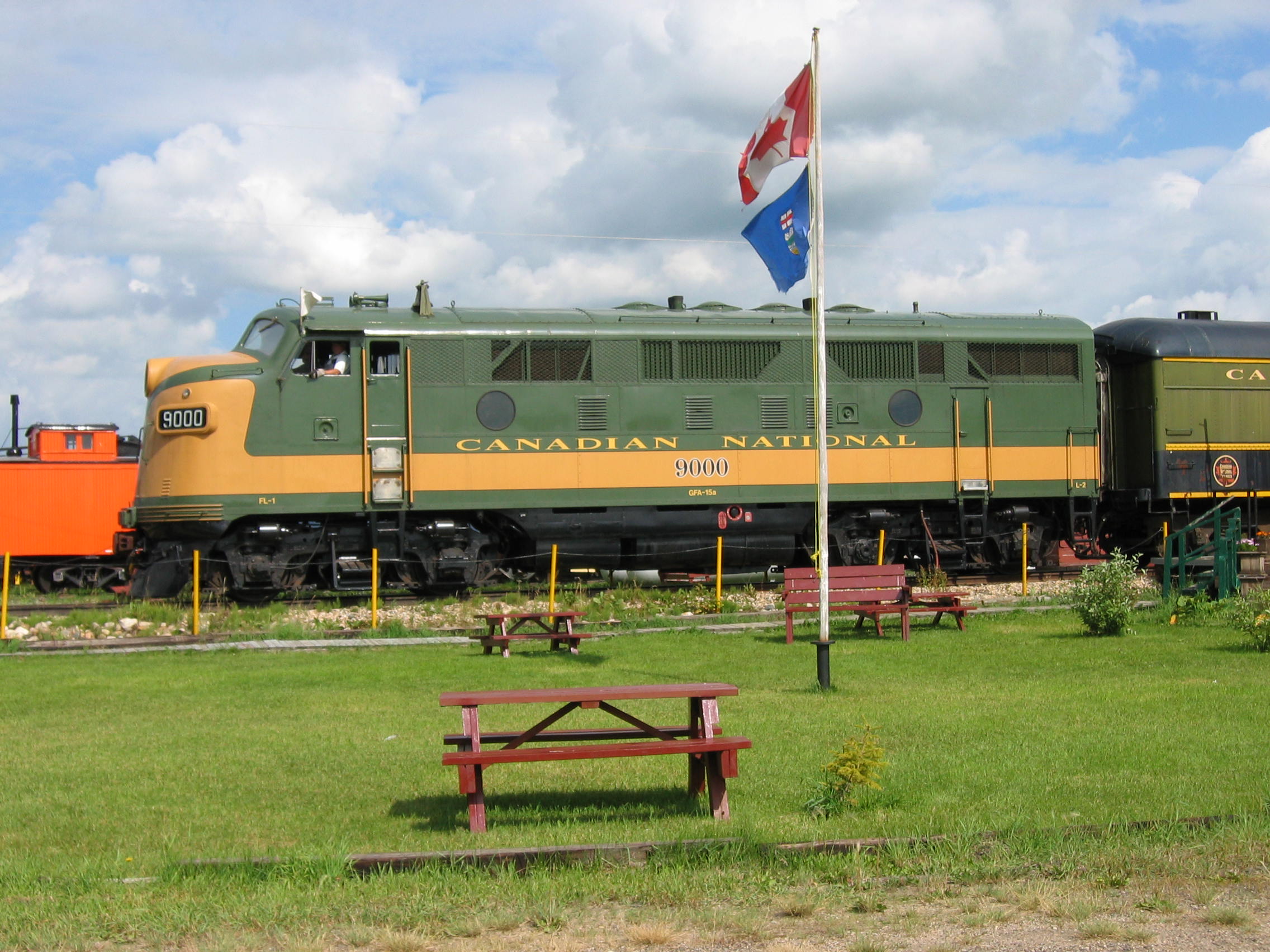
The diesel roster is equally provincial in character: CNR 9000, an EMD F3A of 1948; CNR 7944, an EMD NW-2 of 1946 repaired in 1988 and listed as operational; CNR 4, a General Electric 44-tonner of 1956 used for occasional switching; NAR 302 (GM Canada, 1959); CPR 5000, a GP30 of 1963; a second GE 44-tonner in LaFarge industrial livery; and BCOL 4618, a GE C40-8M of 1990 acquired in 2023. Two more F-series units, CNR 6514 and 6614 (GM Canada, 1957), are stored off-site at Walker Yards. The buildings are relocated originals rather than replicas: the St. Albert station of 1909, brought from Mile 5 of the Sangudo Subdivision in 1973 and set on its foundation in 1982; the Gibbons water tank of 1919, acquired in 1984; a First World War-era fire hall from CN's South Yard in Edmonton; the Opal and Peavey passenger shelters; a bunkhouse from Rosalind, Alberta that arrived in 1993 and now serves as the volunteer centre; and the Dunvegan and Calder shops.
Photo Opportunities
The yard layout gives you long, uncluttered sightlines down parallel tracks - a rarity at museums that pack equipment into sheds. The best set pieces are CNR 1392 in steam against the Gibbons water tank of 1919, and the 1909 St. Albert station, which reads as a working prairie depot rather than an exhibit because it sits on a real foundation beside real track.
On long weekends, position yourself along the running line for the hourly departures between 11:00 a.m. and 4:00 p.m.; the train works back and forth over the same stretch of track, so a missed shot can be retried on the next hour. Low sun in the last operating hour, from roughly 4:00 to 5:00 p.m., rakes across the F-unit noses and the NAR 73 boiler jacket. Interiors of the work train and passenger cars are dim and high-contrast - a fast lens or a steady hand beats flash, and the narrow corridors reward a wide-angle.
Personal photography is welcome and the museum actively rents the grounds for wedding and family photo sessions, which is a good indication of how it treats cameras. Stay behind warning signs, never climb on equipment for a shot, and keep clear of the running line when trains or speeders are moving.
Featured Video
A cab ride in Alberta Railway Museum steam loco #1392
Why Visit
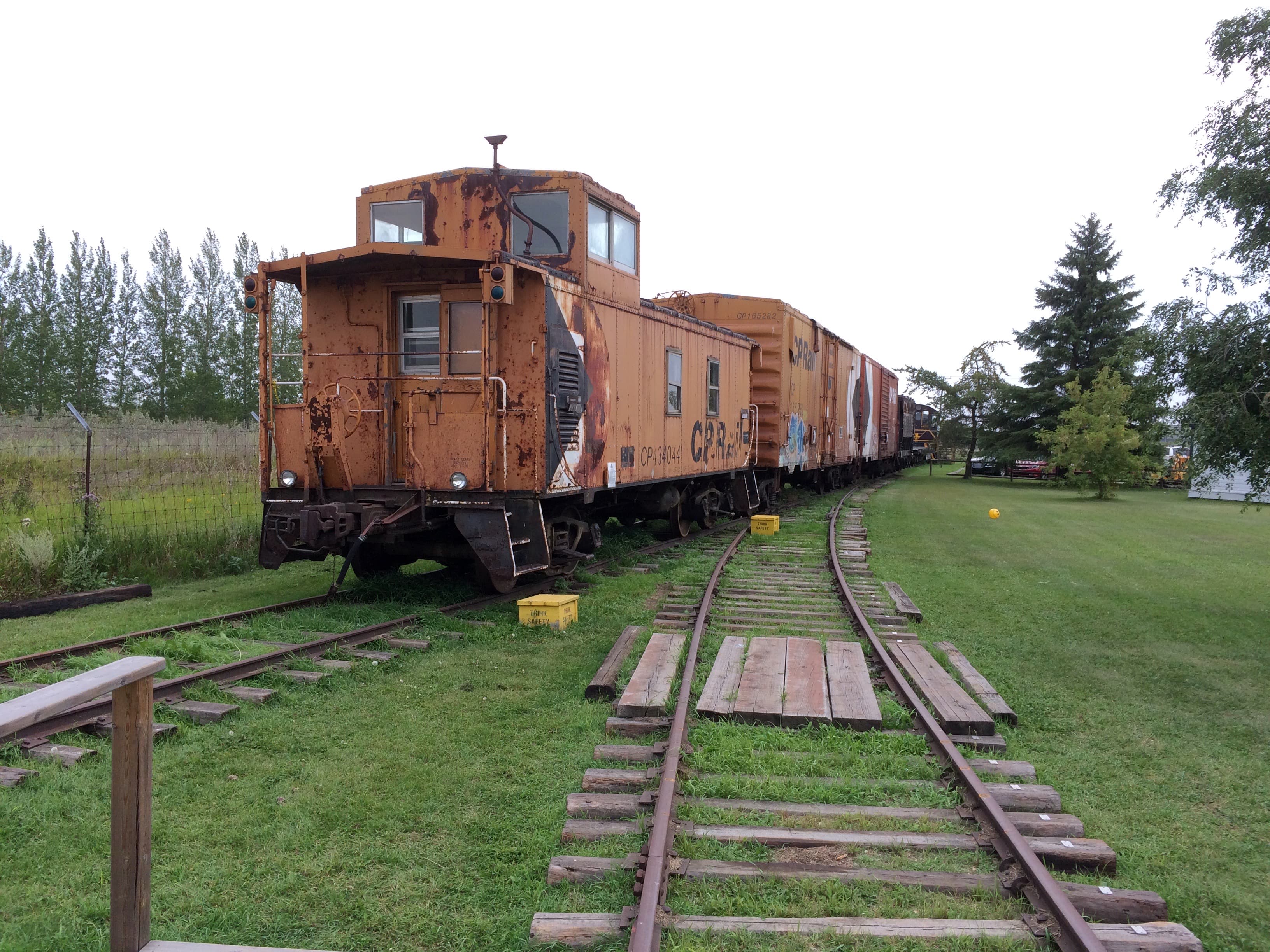
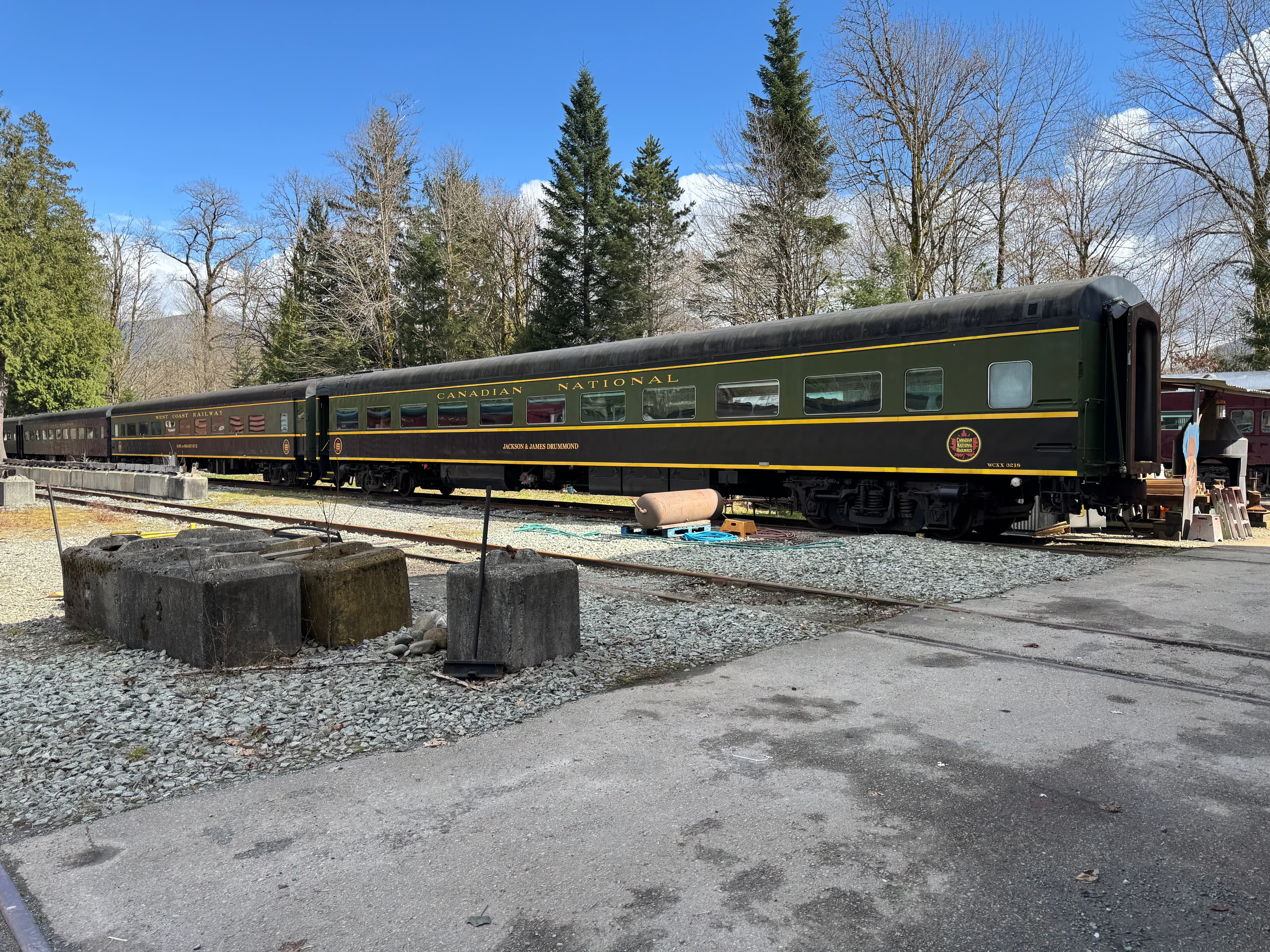
Few North American museums let you walk through an entire work train. The Alberta Railway Museum keeps one intact - engineering crew cars, bunk and crew accommodation, a postal car and agricultural cars - and opens the interiors rather than roping them off, so you see the narrow corridors, pull-down berths and washing facilities that maintenance-of-way crews actually lived in. The museum flags this complete work train as the feature that sets its collection apart.
The roster is a rare concentration of Alberta-specific motive power. Northern Alberta Railways equipment is scarce anywhere: NAR 73 is the last steam locomotive from that system, and NAR 302 represents the GM Canada diesels that replaced it between 1952 and 1980. CNR 1392 is one of very few surviving Canadian Northern Railway Ten Wheelers, and its H-6-g class defined branch-line passenger service across the prairies. Add an EMD F3A in CN livery, a GP30 in Canadian Pacific colours and a BC Rail-heritage C40-8M and you have a compressed history of western Canadian railroading on about a mile (1.6 km) of track.
This is also one of the few places where a visitor can ride a speeder. Motor-car rides run on regular weekends for C$4.00 when available, and locomotive-hauled trains run on long weekends at the top of every hour from 11:00 a.m. to 4:00 p.m. for C$7.00. Visitors can climb the site's water tower, and the museum's own material notes that riders can operate a speeder. It is a volunteer-run, hands-on operation rather than a polished exhibit hall, and that is precisely its appeal for railfans.
What to Expect
Plan on about 90 minutes for the self-guided tour and two to three hours if you want to ride and linger; a grounds map is provided at admission. The site is an outdoor working rail yard, not a climate-controlled gallery, so the visit is spent walking gravel, boardwalks and car steps between rows of equipment. Many cars and locomotives are open to walk through, and the museum is explicit that visitors ride and explore at their own risk, that entrances into display cars are uneven, and that climbing on equipment is prohibited.
Crowds are modest and skew toward families with young children, particularly on the long weekends when the locomotives run. Rides do not operate every day the museum is open: trains run only on long weekends (Saturday, Sunday and holiday Monday), on the hour from 11:00 a.m. to 4:00 p.m., while speeder rides are offered on regular weekends. The museum warns that specific locomotives or railcars cannot be guaranteed, since this is a working heritage site where equipment moves in and out of service.
A gift shop on site sells train items, vintage goods, snacks and refreshments, and accepts debit, Visa and Mastercard - not American Express, and not $100 bills. Smoking of any kind is banned everywhere on the grounds, including the parking lot. Pets are not permitted for safety reasons, though service dogs are welcome. Guided tours are available in addition to the self-guided route.
Best Time to Visit
Target a long weekend - Victoria Day in May, Canada Day, the August civic holiday or Labour Day in September - if seeing a locomotive move matters to you; on ordinary weekends only speeders operate. July and August bring the fullest event calendar, including NAR Heritage Weekend on August 1-3 with NAR old timers on site August 3, and the Teddy Bear Picnic on August 16 whose ride proceeds go to a children's charity. Mosquitoes can be heavy in mid-summer at this low-lying rural site; the museum has been known to put out repellent, but bringing your own is wiser. The 2026 season opens Saturday, May 16.
Frequently Asked Questions
QHow long should I plan for my visit?
The self-guided tour takes about 90 minutes. Allow two to three hours if you want to ride the train or a speeder, browse the gift shop and take your time inside the passenger and work cars.
QWhen do the locomotives actually run?
Locomotives and trains run only on long weekends - Saturday, Sunday and the holiday Monday - at the top of every hour from 11:00 a.m. to 4:00 p.m. Speeder rides are offered on regular weekends. Rides cost C$7.00 and C$4.00 respectively and are charged on top of admission.
QWhat does admission cost?
Adults C$17.00, students aged 13 to 17 and seniors 65 and over C$12.00, children 3 to 12 C$7.00, and children under 3 free. A family rate of C$44.00 covers two adults plus three children. Prices exclude taxes and processing fees.
QIs the museum wheelchair accessible?
Only partly. The museum states that not all of its grounds and collection are wheelchair accessible. Strollers are discouraged because of boardwalks and ladder steps, and baby carriers are recommended instead. Service dogs are welcome.
QCan I go inside the railway cars?
Yes. Many cars and locomotives are open to walk through, including a complete work train with crew accommodation, a postal car and agricultural cars. Entrances are uneven, climbing on equipment is prohibited, and visitors explore and ride at their own risk.
QWhat should I wear?
Closed-toe shoes are required - sandals and open-toed shoes are not suitable for the boardwalks and ladder steps. Hearing protection is worth bringing because the train and speeder can be loud, and insect repellent is advisable in mid-summer.
QIs there food on site?
The gift shop sells snacks and refreshments along with train items and vintage goods. It accepts debit, Visa and Mastercard, but not American Express and not $100 bills. There is no full restaurant on the grounds.
QWhich locomotives will I see?
The roster includes CNR 1392, a 1913 Montreal Locomotive Works 4-6-0; NAR 73, a 1927 Canadian Locomotive Company 2-8-0 on static display; CNR 9000 (EMD F3A, 1948); CNR 7944 (EMD NW-2, 1946); CNR 4 and a LaFarge GE 44-tonner; NAR 302; CPR 5000 (GP30, 1963); and BCOL 4618 (GE C40-8M, 1990). The museum cautions that specific locomotives or railcars cannot be guaranteed.
How to Plan Your Visit
Season and Schedule
The museum operates from the May (Victoria Day) long weekend to the September (Labour Day) long weekend, on Fridays, Saturdays and Sundays plus holiday Mondays and July 1. The 2026 season opens on Saturday, May 16.
- Operating Hours
- 10:00 a.m. - 5:00 p.m., Friday to Sunday plus holiday Mondays and July 1
- Season
- May (Victoria Day) long weekend to September (Labour Day) long weekend
- 2026 Opening Day
- Saturday, May 16, 2026
- Train Rides
- Long weekends only (Saturday, Sunday, holiday Monday), on the hour 11:00 a.m. - 4:00 p.m.
- Speeder Rides
- Offered on regular weekends
- 2026 Events
- Victoria Day Weekend May 16-18; Father's Day June 21; Canada Day June 28 and July 1; Afternoon Tea July 11; NAR Heritage Weekend August 1-3; Teddy Bear Picnic August 16; Labour Day Weekend September 5-7
Ticket Information
Admission is paid on arrival and covers the grounds and the self-guided tour; rides are charged separately when they are running. Prices exclude taxes and processing fees, and all ticket sales are final.
- Adults
- C$17.00
- Students (13-17) and Seniors (65+)
- C$12.00
- Children (3-12)
- C$7.00
- Children under 3
- Free
- Family (2 adults + 3 children)
- C$44.00
- Train Ride
- C$7.00 when available
- Speeder Ride
- C$4.00 when available
- Payment
- Debit, Visa and Mastercard accepted; no American Express, no $100 bills
Accessibility Details
The museum states plainly that not all of its grounds and collection are wheelchair accessible. Strollers are discouraged on the boardwalks and car steps, and baby carriers are recommended instead.
- Wheelchair Access
- Partial - not all grounds and equipment are accessible
- Strollers
- Discouraged; carriers recommended
- Service Animals
- Service dogs welcome; other pets not permitted
What to Bring
This is an outdoor industrial site with boardwalks and ladder steps, so footwear matters more than at most museums. Sandals and open-toed shoes are not suitable.
- Footwear
- Closed-toe shoes required; no sandals
- Hearing Protection
- Recommended - the train and speeder car can be quite loud
- Insect Repellent
- Advisable in mid-summer; visitors report heavy mosquitoes
- Sun Protection
- The yard is open ground with limited shade
Photography Tips
Personal photography is welcome and the museum rents its grounds for wedding and family photo sessions. Stay behind warning signs, do not climb on equipment, and keep clear of the running line when trains or speeders move.
- Best Light
- Late afternoon, roughly 4:00-5:00 p.m., across the F-unit noses
- Signature Shot
- CNR 1392 with the 1919 Gibbons water tank, or the 1909 St. Albert station
- Restrictions
- No climbing on equipment; obey all warning signs
Traveling with Pets
Service animals only
The museum asks visitors to leave pet dogs at home: "Since the museum is an industrial site, for the safety of your dog, and for the safety of our other visitors, please leave your dog at home. Service dogs are of course welcome." The rule sits in the general site-rules block, so it covers the outdoor grounds and collection as a whole.
Verified — operator's pet policy
Travel Information
By Air
Edmonton International Airport (YEG) is the region's only major airport and sits well south of the city, so the museum is a cross-metro drive from arrivals.
- Nearest Airport
- Edmonton International Airport (YEG)
- Distance
- Approx. 46 km / 28 miles southwest (straight line)
By Train
VIA Rail's transcontinental Canadian calls at Edmonton station, 12360 121 Street NW, in the city's west end. The station sits on a branch off the main line, so trains must reverse in or out, and staffed hours are limited.
- Nearest VIA Station
- Edmonton station, 12360 121 Street NW
- Service
- VIA Rail's The Canadian (Toronto - Vancouver)
- Station Hours
- Tuesday-Friday 5:00 p.m. - midnight; Saturday 5:00 p.m. - 8:00 p.m.
- Onward Travel
- No rail or transit connection to the museum - car, taxi or rideshare required
By Car
The museum is at 24215 - 34 St NW, on the rural northeastern edge of Edmonton, and driving is the practical way to reach it. The official site publishes a map pin at 53.7023, -113.3823.
- Address
- 24215 - 34 St NW, Edmonton, AB T5Y 6B4
- Coordinates
- 53.7023, -113.3823
- From Downtown Edmonton
- Approx. 25 km / 16 miles northeast
- Railway Address
- Pioneer Park Spur, Switch RA 01, MP 5.8, Coronado Subdivision
Parking
The museum has an on-site parking lot, referenced in its own smoking ban, but publishes no information on capacity or fees.
- On-site Parking
- Yes - no fee or capacity published
- Note
- Smoking of any type is banned everywhere on the grounds, including the parking lot
Local Transportation
The museum publishes no public-transit directions and the site lies beyond Edmonton's built-up area. Plan on a private vehicle, taxi or rideshare.
- Public Transit
- None published by the museum - confirm coverage with Edmonton Transit Service before relying on it
- Recommended
- Car, taxi or rideshare
Nearby Lodging
Find places to stay near Alberta Railway Museum.
This lodging map is provided by Stay22, a third-party service that may set cookies. It loads only with your consent.
Accommodation results are provided by Stay22; we may earn a commission on bookings made through this map.
Nearby Attractions
- Fort Heritage Precinct11.2 km
The closest heritage site to the museum, in downtown Fort Saskatchewan: a reconstructed 1875 North West Mounted Police fort plus an early 1900s historic village with guided tours and costumed interpretation.
- Alberta Aviation Museum17.6 km
More than 30 aircraft displayed in a Second World War hangar on the former Blatchford Field, at 11410 Kingsway NW, with a restoration area, archives and library. The obvious pairing for a transport-heritage day in Edmonton.
- High Level Bridge Streetcar21.7 km
Restored streetcars run by the Edmonton Radial Railway Society across the High Level Bridge between Whyte Avenue and Jasper Plaza, six stops on overhead-wire electrification. Operating since 1979 and seasonal, it is the other running heritage rail operation in the city.
- Fort Edmonton Park25.9 km
Canada's largest living history museum, at 7000 143 St NW, where an operating steam train and streetcar are included with admission - a second dose of running heritage rail on the same trip.
- Elk Island National Park35.4 km
A 194 km2 (75 sq mi) UNESCO-designated Biosphere Reserve established in 1913, roughly 35 minutes east of Edmonton, known for its plains and wood bison herds and aspen parkland trails.
- Ukrainian Cultural Heritage Village41.4 km
A Government of Alberta open-air museum in Lamont County telling the story of Ukrainian settlement in east central Alberta from 1892 to 1930, with costumed interpreters in relocated period buildings.
Official Resources
Photos
 SoftwareSimian
CC BY-SA 3.0

Bill Burris
CC BY-SA 2.0

Bill Burris from Edmonton, Alberta, Canada
CC BY-SA 2.0

Bill Burris from Edmonton, Alberta, Canada
CC BY-SA 2.0
More Videos
The Alberta Railway Museum
Alberta Railway Museum takes ownership of historic steam locomotive
Help improve this page
Spotted something out of date or incorrect? Let our community know.
Explore more experiences: Browse all rail travel experiences.
Booking & Pricing
Price range
$7 – $17 CAD
Admission only. Adults C$17.00; students (13-17) and seniors (65+) C$12.00; children 3-12 C$7.00; under 3 free; family (2 adults + 3 children) C$44.00. Prices exclude taxes and processing fees. Train rides (C$7.00) and speeder rides (C$4.00) are extra and run only when available. All ticket sales are final.
Quick Information
Country
Region
City
Edmonton
Best Season
Late May through early September is the only option: the museum opens for the Victoria Day long weekend and closes after the Labour Day long weekend, Friday to Sunday plus holiday Mondays and July 1, 10:00 a.m. to 5:00 p.m. Long weekends are the strongest choice because that is when locomotives and trains actually run. Alberta summers are dry and warm, but the yard is open ground with little shade.
Visit Duration
2-3 hours (self-guided tour approx. 90 minutes)
Cost
Adults C$17; students 13-17 and seniors 65+ C$12; children 3-12 C$7; family C$44. Train rides C$7 and speeder rides C$4 when available.
Tags
Contact
(780) 472-6229
info@albertarailwaymuseum.com