
SpotatrainSpotatrain
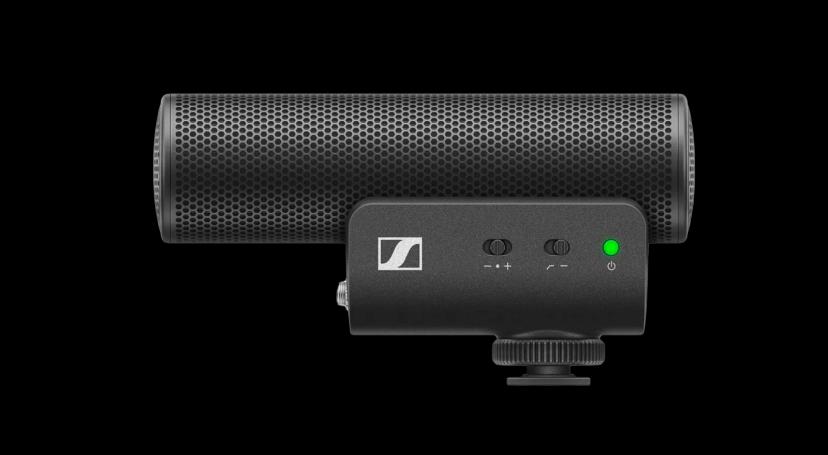
Black cylindrical shotgun microphone with a perforated grille and a Sennheiser logo, two slide switches and a small green indicator light on the side, mounted on a cold-shoe foot, on a transparent background

Image: Sennheiser · source

Microphones & recorders

Sennheiser MKE 400

Sennheiser · Mid-range

The Sennheiser MKE 400 is a compact super-cardioid shotgun microphone for cameras and smartphones, with a headphone monitoring output, a low-cut filter and a three-step sensitivity switch.

Expert pick · TechRadar, Aug 2021

Check price on Amazon (affiliate link, opens Amazon in a new tab)

As an Amazon Associate I earn from qualifying purchases. How we pick our gear

We have not tested it ourselves: strengths and weaknesses below come from the tests cited.

Why Railfans Carry It

For anyone adding sound to train video, the features that matter are the ones Sennheiser lists. A super-cardioid pattern, produced by an acoustic interference tube, picks up sound from the front and rejects unwanted background noise, according to Sennheiser. Wind is the obvious enemy outdoors, and the microphone has integrated wind protection and an internal suspension mount for handling noise, plus a furry windshield in the box for maximum wind protection in outdoor environments. A low-cut filter removes low-frequency rumble or wind noise, and a three-step sensitivity switch sets the recording level. TechRadar found the windsock very effective at cutting unwanted sound and says there is rarely any reason not to fit it. At 93.5 g and 126 x 67 x 37 mm, the microphone is light enough, in TechRadar's words, that it will not weigh the camera setup down. Sennheiser rates battery life at more than 100 hours from the two included batteries.

In the Field

The headphone output on the microphone lets you listen to what is being recorded and adjust the volume with the buttons beside it; TechRadar says this saves time because a gain setting that is too high is caught before recording. Sennheiser says it is useful because not every camera has a headphone jack. TechRadar lists the sensitivity switch as a gain toggle of -20 dB, 0 dB and +20 dB, and Sennheiser gives the sensitivities as -23, -42 and -63 dBV/Pa, with a maximum sound pressure level of 132 dB SPL and a frequency response of 50 to 20,000 Hz. Two locking coiled cables are included, a TRS cable for cameras and a TRRS cable for mobile devices, and the output jack is screw-locked. The microphone turns itself on and off when connected to DSLR or mirrorless cameras, per Sennheiser. TechRadar tested it over several days in many scenarios and reports that the audio came through clearly and that most surrounding noise dropped to a respectable level. Its testers add that in loud environments or when the wind picks up, adjusting the settings and angling the microphone could still keep a subject clear, but the results could be better.

Strengths and Weaknesses

Expert pick · TechRadar: TechRadar's Hamish Hector spent several days recording with the microphone in different scenarios and found clear audio with respectable noise reduction, but notes that wind and very noisy surroundings can cause problems and that the controls are quite basic. Read the review

Strengths

  • Compact shotgun body, 93.5 g
  • Super-cardioid pattern with a low-cut filter and three-step sensitivity switch
  • Headphone monitoring output with volume control
  • Furry windshield in the box and a suspension mount
  • More than 100 hours of battery life, per Sennheiser

Weaknesses

  • Wind can cause problems, per TechRadar's list of reasons to avoid it
  • Basic controls: TechRadar says experts may want more control and better noise reduction
  • The windsock partly covers the buttons and ports, so the output cable has to be attached before the sock goes on
  • The two included cables are very short, which TechRadar says is a problem for any PC use
  • Recording in very noisy conditions could be better, according to TechRadar

Key Specifications

Sennheiser MKE 400 — key specifications
SpecificationValue
Power2 x 1.5 V batteries included, more than 100 h
Weight93.5 g
Warranty2 years
Connectors3.5 mm, screwable audio output; TRS and TRRS locking cables
Dimensions126 x 67 x 37 mm
Sensitivity-23 / -42 / -63 dBV/Pa
Pickup patternSupercardioid
Transducer typePre-polarised condenser
Frequency response50 - 20,000 Hz
Maximum sound pressure level132 dB SPL

Who It’s For

A beginner or travelling videographer who wants a light, easy-to-use microphone for a camera or a phone and who is prepared to use the windshield outdoors. TechRadar does not recommend it as a podcasting microphone unless the recording is made on a phone, and says users who want finer control or stronger noise reduction should look at a more advanced option.

Alternatives

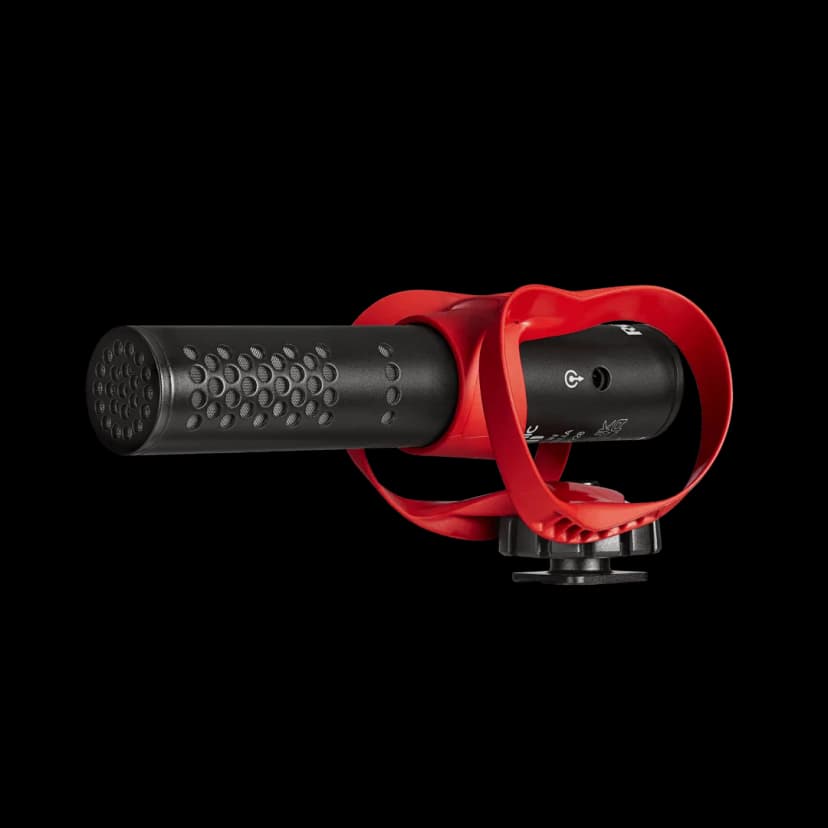
Rode VideoMic GO II: Rode lists 33 g for the microphone itself, no battery and no switches, and both a 3.5 mm TRS output for cameras and a USB output for phones and computers, which makes it the option to compare if you want to use one microphone with a computer as well as a camera. The MKE 400, by contrast, has the headphone output, low-cut filter and three-step sensitivity switch described above, and is not a USB microphone.

As an Amazon Associate I earn from qualifying purchases. How we pick our gear

Compare all microphones & recorders.