Updated
Length
57.09 km
Max speed
250 km/h
Tunnels
1
Budget
CHF 15.6B
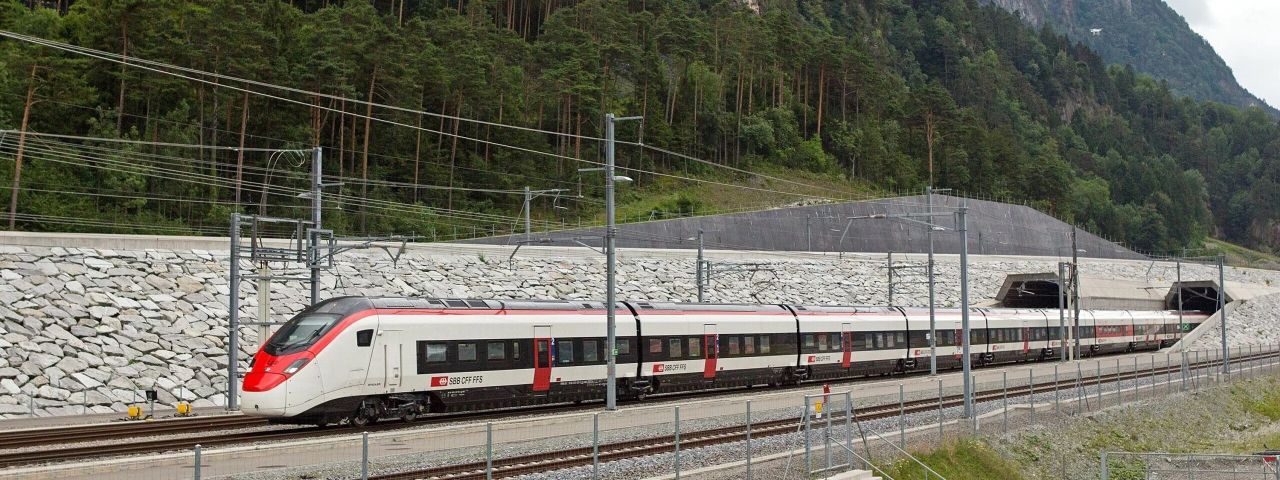
The Gotthard Base Tunnel is the world's longest and deepest railway tunnel — a 57.09 km / 35.47 mi flat traverse under the Swiss Alps between Erstfeld and Bodio, commercially opened 11 December 2016 after 17 years of construction and CHF 12.2 billion of investment.
About This Project
The Gotthard Base Tunnel (Gotthard-Basistunnel in German, galleria di base del San Gottardo in Italian) is the centrepiece of Switzerland's Neue Eisenbahn-Alpentransversale (NEAT) programme. Running 57.09 km / 35.47 mi between portals at Erstfeld (460 m / 1,509 ft) in canton Uri and Bodio (312 m / 1,024 ft) in canton Ticino, it is by length the world's longest railway tunnel and by overburden — up to 2,300 m / 7,546 ft of rock beneath Piz Vatgira — the deepest traffic tunnel ever built.
The structure consists of two parallel single-track tubes connected by cross-passages every 325 m / 1,066 ft, plus two underground multifunction stations at Sedrun and Faido that handle ventilation, track crossovers and emergency evacuation. Total excavation across main tubes, cross-passages, access adits and shafts reached 152 km / 94.4 mi. Maximum design speed is 250 km/h / 155 mph, with passenger services authorised at 200 km/h / 124 mph and freight at 160 km/h / 99 mph.
Client AlpTransit Gotthard AG, a wholly owned SBB subsidiary established in 1998, awarded five geographic construction sections to consortia including ARGE AGN (Strabag-led), Transco-Sedrun (Bilfinger/Implenia/Frutiger/Pizzarotti), and ARGE TAT (Hochtief/Implenia/Impregilo). The CHF 1.69 billion railway-systems contract went to Transtec Gotthard in April 2008. After completion, AlpTransit Gotthard AG was wound up and merged into SBB Infrastructure in April 2023.
Current costs reached CHF 12.2 billion (approx. USD 15.6 billion at the 13 May 2026 reference rate of 1 CHF = 1.28 USD), against a 1998 base-year estimate of CHF 6.323 billion. The tunnel was financed almost entirely from the federal FinöV fund, fed by the heavy-goods vehicle charge, a 0.1% VAT contribution and the mineral oil tax. It carries up to 260 freight and 65 passenger trains per day, cuts the Basel/Zurich-Milan passenger journey by roughly one hour, and is a critical link in the Rhine-Alpine TEN-T corridor between Rotterdam and Genoa.
Video
Why This Project Matters
Switzerland's 1980 referendum-driven Alpine Initiative committed the federation to shifting transalpine freight from road to rail. The 1882 Gotthard mountain railway, with its 26 per mille gradient and 1,151 m / 3,776 ft summit at the old Gotthard Tunnel, capped freight train weight at roughly 1,400 t / 1,543 short tons and required banking locomotives. A flat base-tunnel route — peak gradient 12.5 per mille, summit altitude lowered to 549 m / 1,801 ft — was designed to allow standard 2,000 t / 2,205 short ton freight trains hauled by a single locomotive, doubling line capacity, removing an estimated 1 million heavy trucks per year from Alpine motorways and cutting Basel/Zurich-Milan passenger times by about one hour to support cross-border integration with Italian high-speed lines and the EU Rhine-Alpine TEN-T corridor.
Technical Details
Each of the two single-track tubes has an internal diameter of about 8.83-9.58 m / 29.0-31.4 ft. Standard-gauge (1,435 mm / 4 ft 8.5 in) ballastless slab track is electrified at 15 kV 16.7 Hz AC. Maximum design speed is 250 km/h / 155 mph; authorised passenger speed is 200 km/h / 124 mph, freight 160 km/h / 99 mph. Cross-passages connect the tubes every 325 m / 1,066 ft. The Sedrun multifunction station sits roughly 800 m / 2,625 ft below the surface, accessed by two vertical shafts of 8 m / 26.2 ft diameter; the Faido multifunction station includes a 1.7 km / 1.06 mi underground emergency stop. Four Herrenknecht Gripper TBMs of 9.58 m / 31.4 ft diameter excavated the Erstfeld, Amsteg, Faido and Bodio sections; the squeezing Tavetsch intermediate massif beneath Sedrun was driven by drill-and-blast. Some 28.2 million tonnes / 31.1 million short tons of rock were removed, of which roughly one-third was processed on site into concrete aggregate and the rest reused to create new wetland islands in Lake Uri and a new bathing lake at Sedrun. Maximum in-situ rock temperatures reach about 46 C / 115 F, requiring large-capacity tunnel ventilation and cooling systems sized at 18 MW.
Economic Impact
The Gotthard Base Tunnel raised the Rhine-Alpine corridor's freight capacity from roughly 180 to up to 260 trains per day and lifted maximum train weight from 1,400 t / 1,543 short tons (on the old mountain line) to 2,000 t / 2,205 short tons hauled by a single locomotive, reducing per-tonne transalpine freight cost. SBB reports the Basel/Zurich-Milan passenger journey is now around 3 h 17 min, roughly one hour faster than via the historic Gotthardbahn. The Federal Office of Transport considers the tunnel a cornerstone of the modal-shift goal set by Article 84 of the Federal Constitution, which targets a ceiling of 650,000 transalpine truck transits per year. The 17-year construction programme sustained an average of 2,400 jobs on site at peak (2008-2010). Cumulative current-price expenditure reached CHF 12.2 billion / approx. USD 15.6 billion at the 2026-05-13 rate of 1 CHF = 1.28 USD.
Environmental Impact
By design the tunnel supports Switzerland's road-to-rail modal-shift policy, with the Federal Office of Transport estimating savings equivalent to several hundred thousand truck transits per year across the Alpine arc. The flat profile cuts traction-energy per gross-tonne by roughly 40% relative to the 1882 mountain route. Spoil management was a centrepiece of the project: of 28.2 million tonnes / 31.1 million short tons excavated, around one-third was processed into concrete aggregate on site, and surplus material was used to create the artificial islands of the Reuss delta Neptun nature reserve on Lake Uri and a new bathing lake near Sedrun. Construction effluent and groundwater drawdowns were monitored under federal hydrogeological permits; tunnel inflow water above 30 C is heat-recovered for district heating at Erstfeld and for a tropical greenhouse project at Frutigen on the parallel Lötschberg axis.
Challenges & Controversies
The NRLA project was politically contested from inception. Voters approved the Bundesbeschluss on 27 September 1992 by 63.6% (with all 26 cantons concurring), but the financing FinöV fund needed a second referendum on 29 November 1998 (approved 63.5%) after parliament re-baselined costs. The 1998 cost projection of CHF 6.323 billion ballooned to CHF 12.2 billion in current-price final accounting — roughly double — largely on geological surprises in the Tavetsch intermediate massif near Sedrun and on inflation, VAT and construction-loan interest. Nine workers died during construction. On 10 August 2023 a freight wagon derailed inside the tunnel after a wheel disc on the 11th wagon's first axle fractured, damaging more than 7 km / 4.3 mi of track and a tube-separating safety door. The west tube reopened to limited freight on 23 August 2023, but full service across both tubes only resumed on 2 September 2024 after CHF 150 million / USD 192 million of repairs. The Porta Alpina underground station proposed at Sedrun was shelved by the Federal Council in 2007 on cost-benefit grounds.
Project Timeline
NRLA referendum passes (63.6% Yes)
Swiss voters approve the Bundesbeschluss on the construction of a Swiss railway through the Alps (NRLA), supported by all 26 cantons.
SourcePreparatory works begin at Sedrun
AlpTransit Gotthard AG starts exploratory boring and access-shaft preparations at Sedrun, the most geologically challenging section.
SourceFinöV financing fund approved by referendum
Swiss voters approve the federal infrastructure financing fund (FinöV) that channels HGVC, VAT and mineral-oil-tax revenue into NRLA, with 63.5% Yes.
SourceOfficial first blasting at Amsteg
Main-bore excavation formally begins with the first blasting at the Amsteg access adit.
SourceEast-tube final breakthrough
Herrenknecht Gripper TBM Sissi breaks through the last metre of rock between Faido and Sedrun at 14:17, with a deviation of 8 cm / 3.1 in horizontal and 1 cm / 0.4 in vertical.
SourceWest-tube breakthrough
Final breakthrough in the west tube completes the main-bore excavation of both 57.09 km / 35.47 mi tubes.
SourceTest running begins
Trial runs with SBB test trains start in October 2015 to validate signalling (ETCS Level 2), ventilation, ATO and emergency procedures.
SourceCeremonial opening
Federal President Johann Schneider-Ammann inaugurates the tunnel alongside Angela Merkel, François Hollande and Matteo Renzi. AlpTransit Gotthard AG formally hands the works to SBB.
SourceFull commercial service starts
SBB integrates the tunnel into the December 2016 timetable; passenger services run up to 200 km/h / 124 mph and freight up to 160 km/h / 99 mph.
SourceFreight train derailment
A wheel disc on the first axle of the 11th wagon of a freight train fractures, derailing the train and damaging more than 7 km / 4.3 mi of track and a safety door between the tubes.
SourceFull bidirectional service restored
After CHF 150 million / USD 192 million of repairs, both tubes return to full commercial operation 388 days after the derailment.
SourcePhotos
Amsteg - GBT Access Tunnel
SBB - LRZ Lösch- und Rettungszug
Amsteg - GBT Cable Tunnel
SBB Erstfeld - Altdorf
Göschenen SBB - Gotthard Mountain Section
External Resources
Official resources
Learn more
Frequently Asked Questions
Is the Gotthard Base Tunnel really the world''s longest railway tunnel?▾
How fast do trains travel through the tunnel?▾
How long did construction take and what did it cost?▾
Why was the tunnel built?▾
What happened with the 2023 derailment?▾
Can passengers stop at Sedrun or Faido?▾
Who runs the tunnel today?▾
How much faster is Zurich-Milan now?▾
Help improve this page
Spotted something out of date or incorrect? Let our community know.
Related on Spotatrain
More Freight Rail Mega-Projects
More Mega-Projects Worldwide
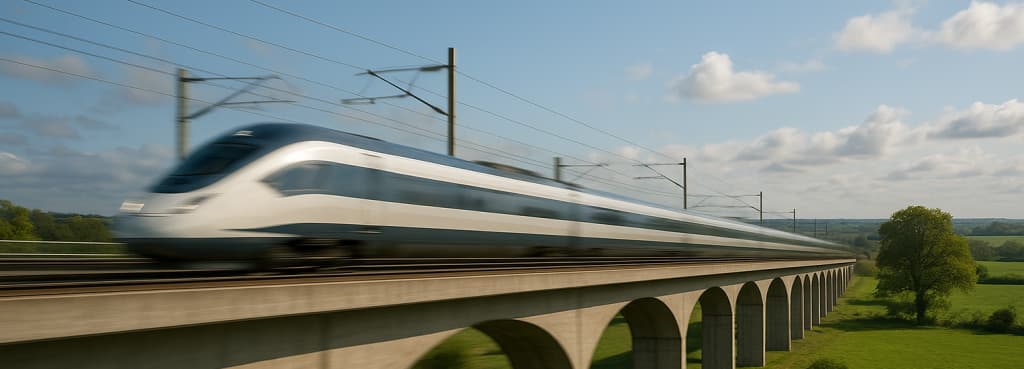
HS2
Britain's most ambitious post-war railway, halved in scope and being rebuilt under a 2026 programme reset.
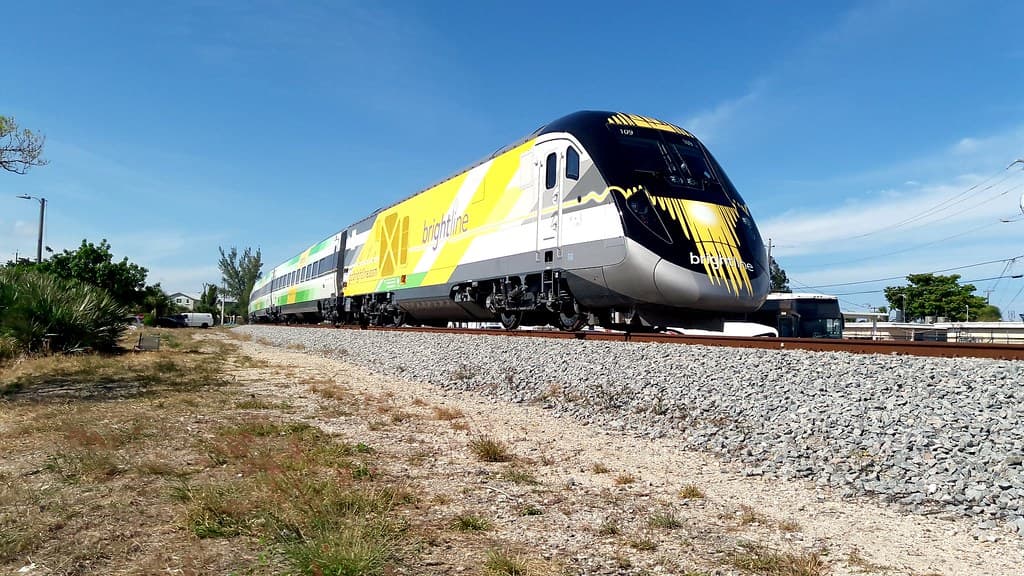

Brightline West
America's first true high-speed rail: Las Vegas to greater Los Angeles at 200 mph

Related Experiences & Journeys
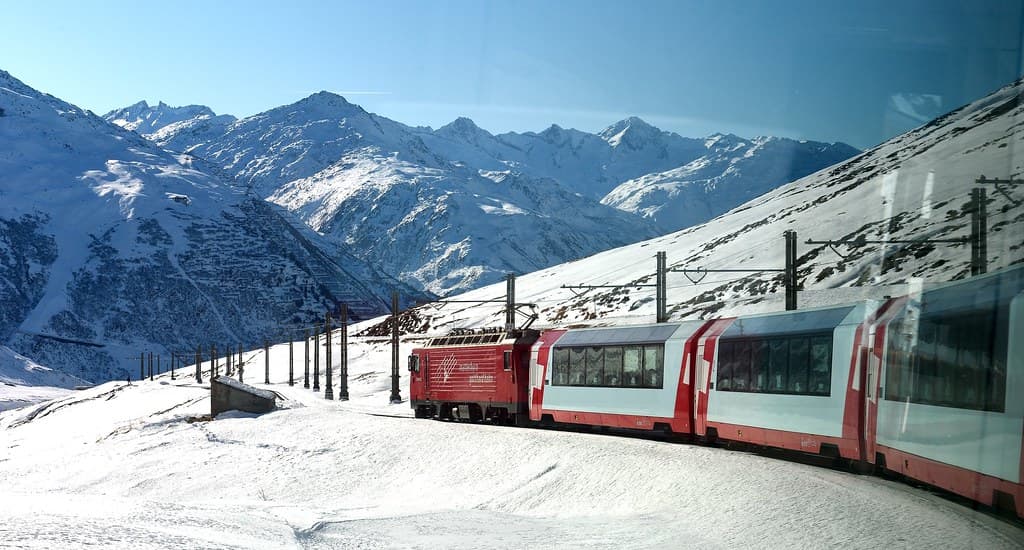
Glacier Express
The slowest express train in the world: 8 hours across the Swiss Alps
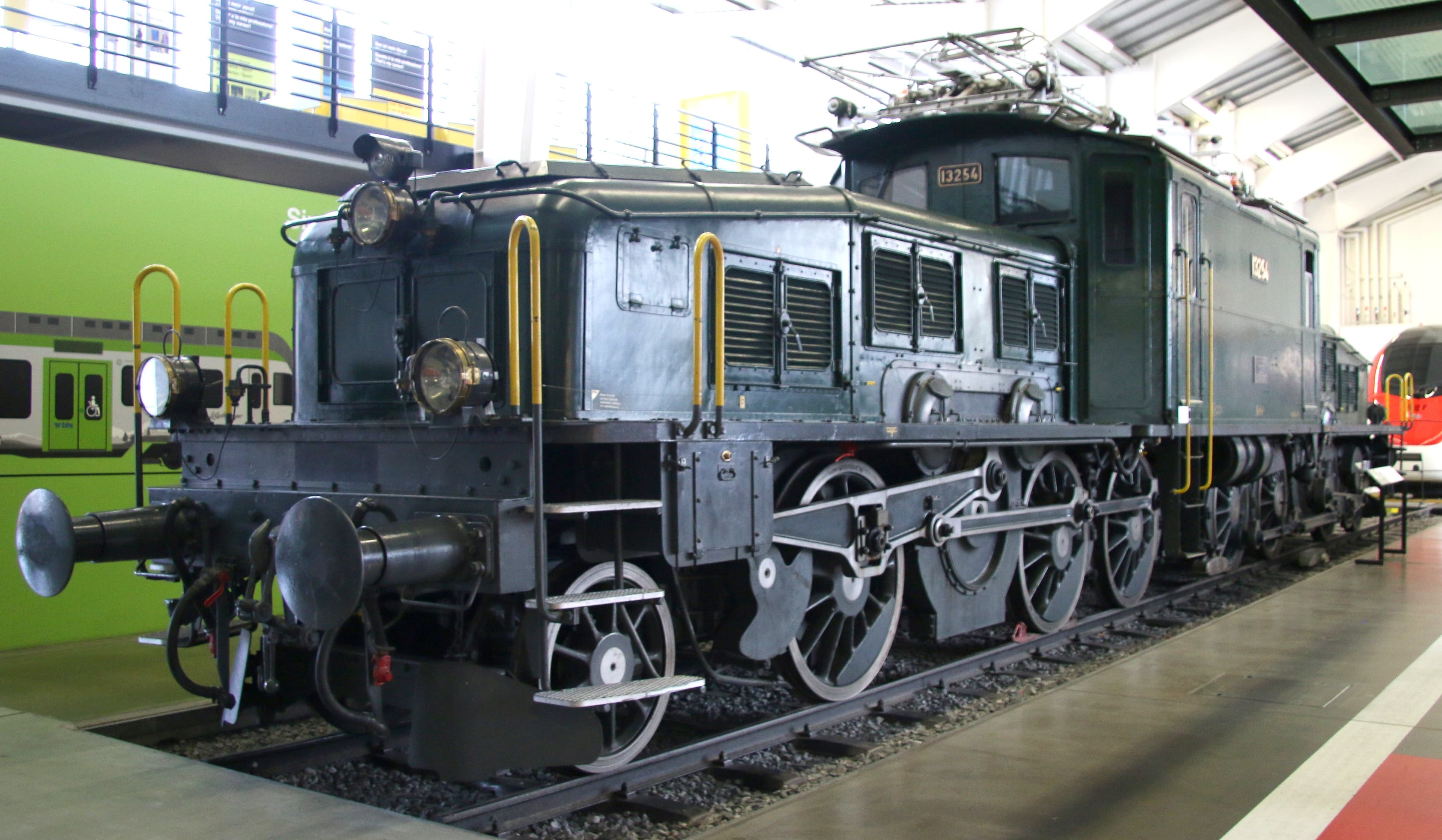
Swiss Museum of Transport
Switzerland's most-visited museum, with trains, planes, ships and the interactive Swiss Railway Experience on Lake Lucerne.
Bernina Express
From Swiss glaciers to Italian palm trees across a UNESCO alpine crossing 2
Explore around this project
2 places on Spotatrain within 25 km of this project — 1 spot and 1 journey.
- Glacier Express 7.1 km
- Wattinger Kurve (Wattingen Curve) 11 km