
Updated
Distance
291 km
Duration
8 hours
Max altitude
2,033 m
Tunnels
91
Bridges
291
Gauge
1,000 mm metre gauge
The Glacier Express links the resorts of Zermatt and St. Moritz across 291 km of Swiss Alps in a single seat — eight hours over 291 bridges, through 91 tunnels, and across the 2,033-metre (6,670 ft) Oberalp Pass. Famously branded "the slowest express train in the world."
About This Journey
From Zermatt at 1,616 m (5,302 ft) below the Matterhorn, the Glacier Express descends the Mattertal valley to Brig in the Rhone valley, then climbs back through the Goms valley toward the 15.407-km (9.57 mi) Furka Base Tunnel and emerges in the canton of Uri. Andermatt at 1,447 m (4,747 ft) is the principal mid-route stop. After Andermatt the line ascends to the Oberalp Pass at 2,033 m (6,670 ft) — the journey''s high point — and drops along the upper Rhine to the Romansh-speaking municipality of Disentis/Mustér.
From Disentis the train follows the Vorderrhein through the Ruinaulta gorge — sometimes called the Swiss Grand Canyon — to Chur (585 m / 1,919 ft), the lowest point of the journey and the oldest continuously inhabited city in Switzerland. East of Chur the route enters UNESCO-listed territory: the Albula Line, opened in 1903 and inscribed in 2008, with its signature Solis Viaduct (89 m / 292 ft high, 11 limestone arches) and the curved 65-metre-high (213 ft) Landwasser Viaduct, designed by Alexander Acatos and built 1901–1902 by Müller & Zeerleder. Between Preda and Bergün/Bravuogn the line absorbs 400 metres (1,300 ft) of altitude in five kilometres (3.1 mi) via three spiral and two helical tunnels.
The fleet is entirely electric, drawing 11 kV at 16⅔ Hz on 1,000-mm metre-gauge track shared with local services. Panoramic carriages with floor-to-ceiling glazing arrived in 1993 and were refurbished by 2021 with a six-language audio guide; the Excellence Class, launched in winter 2019, caps each carriage at 20 passengers with a concierge, a gold-plated revolving compass dome over the Glacier Bar, and an included five-course menu paired with regional wines. Signature on-board details — the tilting wine glass, designed in the 1980s to compensate for the 12.5% maximum gradient — are sold as souvenirs at every station shop.
Why This Journey Is Iconic
The Glacier Express is the only one-seat ride between two of the most photographed mountain resorts on earth: Zermatt at the foot of the 4,478-metre (14,692 ft) Matterhorn and St. Moritz, the highest urban railway terminus in Switzerland at 1,775 metres (5,823 ft). It threads two UNESCO sections — the Albula and Bernina lines, jointly inscribed on 7 July 2008 — and crosses the 65-metre-high Landwasser Viaduct that drops directly into a tunnel on a 100-metre-radius curve. The "slowest express train in the world" tagline (the train averages 42 km/h or 26 mph on a journey covered by direct local trains in roughly four hours) was launched as marketing for the 1982 relaunch and stuck because it accurately describes a deliberately scenic crossing — every detour, spiral and helical tunnel exists to keep the line below the gradient limits a regular alpine cogwheel railway would otherwise need.
What to Expect
Boarding is at fixed stations only — Zermatt, Brig, Andermatt, Chur, Filisur, Samedan or St. Moritz — with mandatory seat reservation (CHF 54 in 1st/2nd class, CHF 540 in Excellence Class) on top of the route ticket. The carriages keep their direction of travel through the journey, but the train reverses on certain track sections, so forward-facing seats cannot be guaranteed for the full eight hours. Meals are pre-ordered at booking and served at-seat in 1st and 2nd class; Excellence Class includes its full five-course menu and wine pairing. Six-language headphones at every seat narrate the route landmarks live, and Wi-Fi is available with on-board infotainment accessible via smartphone. Dogs are not allowed (registered guide dogs excepted), no smoking is permitted on board, and ski equipment, golf bags, oversized luggage and bicycles are not transported — Jaisli Mobility Service handles luggage transfers between any two Swiss addresses for individual travellers.
History
The first Glacier Express train left Zermatt on 25 June 1930 at 07:30, jointly operated by the Visp-Zermatt-Bahn (VZ), Furka Oberalp Bahn (FO) and Rhätische Bahn (RhB). Until 1982 the line shut down every winter because the open-air Furka Pass and Oberalp Pass were buried in snow; through coaches were attached to local trains between Brig and Zermatt, and the dining car ran only between Chur and Disentis until being extended progressively to the Oberalp summit by 1948. Two infrastructure milestones reshaped the service. The 15.407-km Furka Base Tunnel, opened on 26 June 1982 after eleven years of construction, enabled year-round operation and pushed annual ridership from 20,000 in 1982 to 80,000 by 1984. Panoramic carriages introduced in 1993 took ridership past a quarter-million by 1994. Glacier Express AG was incorporated in 2017 with headquarters in Andermatt and 50% ownership each by RhB and the Matterhorn Gotthard Bahn (MGB, itself the 2003 merger of BVZ and FO). Excellence Class launched in winter 2019, and refurbishment of all panoramic carriages completed in 2021.
Engineering Highlights
Three structures define the route. The Landwasser Viaduct between Schmitten and Filisur is a single-track six-arched limestone curve, 65 m (213 ft) high and 142 m (466 ft) long with a 100-metre-radius minimum (the tightest on the entire railway), opened October 1902 after roughly 18 months of scaffold-free construction using two cranes. The Solis Viaduct east of the hamlet of Solis spans the Albula river with eleven limestone arches; its 42-metre central span carries the line at 89 m (292 ft) above the gorge. It was designed by Hans Studer and built in 1902 by Munari, Cayre und Marasi. The Furka Base Tunnel — 15,407 m (50,548 ft) long with portals at Oberwald (1,390 m) and Realp (1,550 m) — was excavated between 1971 and 1982 with shotcrete-and-rock-bolt permanent support and pioneered polyurethane-grouted rock impermeabilisation in railway tunnelling. Gradients on the line peak at 12.5%, requiring the 23.9 km of Abt-system rack-and-pinion track to manage descents, and between Preda and Bergün the line wraps three spiral and two helical tunnels around six high viaducts to overcome 400 metres of altitude in five kilometres of map distance.
Best Time to Travel
Late June through September delivers the longest daylight, snow-free passes and lake reflections in the Engadin — peak demand makes Excellence Class booking essential several months in advance. December to April runs reduced frequency on the winter timetable and exchanges green meadows for snow-frosted pine forests and the 2,033-metre Oberalp Pass under deep snow; the train operates on full schedule even in heavy weather thanks to the Furka Base Tunnel. The annual maintenance break runs from approximately mid-October (10 October in 2026) to early December (4 December in 2026) — the line does not run at all during these weeks. May and October at the timetable''s edges combine smaller crowds with clearer photography light, and the late-September larch turn in the Surselva and Engadin valleys is a genuine spectacle. Avoid mid-week public holidays in Switzerland or southern Germany if you want consistent open seats in 1st and 2nd class within the 93-day reservation window.
Practical Tips
Book seat reservations on glacierexpress.ch the moment they open (93 days out for 1st/2nd class; immediately for Excellence Class, which is sold for the full timetable period). Swiss Travel Pass, Eurail Pass, Interrail Pass, Half-Fare Travelcard and GA travelcard cover the ticket portion — only the seat reservation surcharge remains payable, and 1st-class travel still requires a 1st-class travel card. Pre-order meals at booking time: kitchens have limited capacity once underway. Bring a polarising filter to cut window glare; entrance-door windows can be opened for clear photographs since the 2021 refurbishment. The train reverses direction at certain stations, so seat orientation cannot be reserved. On-board payment is cashless only (Maestro, Visa, MasterCard, American Express, Postcard and Twint). Pack one cabin-sized bag at most — racks at carriage ends are limited; ski luggage, golf bags and bicycles are simply not accepted on board, and Jaisli Mobility Service moves bags between any two Swiss addresses for individual travellers.
Traveling with Pets
Service animals only
A rare case where the reason is the food, not the route: "Dogs and any other animals are not allowed on board the Glacier Express due to the hygiene regulations for gastronomy." The whole train counts as a catering environment. Guide and assistance dogs are admitted with the corresponding official permits and identification. RhB applies the same ban to its Gourmino dining car and gourmet trips, which confirms the rule is about meal service. A traveller wanting the same scenery with a dog can ride the regular MGB and RhB service trains, where the normal Swiss dog-ticket rules apply.
Verified — operator's pet policy
Route Stages
- km 01,616 m alt.Departure ~07:52
Car-free mountain resort at the dead end of the Mattertal valley, sitting at 1,616 m (5,302 ft) below the 4,478 m Matterhorn. Boarding station and western terminus of the Glacier Express; the railway is the only year-round vehicle access into Zermatt.
Western terminus, Matterhorn views
- km 921,368 m alt.Pass through
West portal of the 15.407-km (9.57 mi) Furka Base Tunnel at 1,390 m (4,560 ft). The tunnel was excavated 1971–1982 with shotcrete and rock-bolt permanent support and pioneered polyurethane-grouted rock impermeabilisation in railway tunnelling. Its opening on 26 June 1982 made the Glacier Express a year-round service.
Year-round connection since 1982
- km 1191,447 m alt.~14 min stop
Mid-route major stop at 1,447 m (4,747 ft) in the Urseren valley. Historical junction between the north–south Gotthard route and the east–west Furka–Oberalp line. Headquarters of Glacier Express AG since 2017. Gateway to the Schöllenen Gorge and Devil''s Bridge.
Mid-route hub, Glacier Express AG HQ
- km 1332,033 m alt.Photo stop
Highest point of the Glacier Express journey at 2,033 m (6,670 ft). The pass station overlooks Lake Toma (Lai da Tuma) at 2,344 m, the symbolic source of the Rhine — a small lighthouse on the pass marks it as the river''s start. The frozen lake is buried under metres of snow in winter and surrounded by Alpine flowers in spring.
Highest point, source of Rhine
- km 1651,142 m alt.~8 min stop, MGB/RhB switch
Largest Romansh-speaking municipality in Switzerland at 1,142 m (3,747 ft). Dominated by the Disentis Benedictine Monastery, more than 1,400 years old, with the magnificent monastery church of St. Martin and an extensive Rhaeto-Romanic library. Eastern terminus of the Matterhorn Gotthard Bahn — the train switches to Rhaetian Railway tracks here.
1400-year-old monastery, MGB/RhB junction
- km 190700 m alt.Pass through
Often called the Swiss Grand Canyon. Carved by the Vorderrhein through the rubble of a giant landslide that blocked the valley some 10,000 years ago, the gorge runs roughly between Reichenau and Ilanz with sheer white limestone walls and a turquoise river below. The train clings to the south wall for several kilometres.
Swiss Grand Canyon
- km 217585 m alt.~9 min stop, train reverses
Lowest point of the journey at 585 m (1,919 ft), capital of Graubünden and the oldest continuously inhabited town in Switzerland (settled over 5,000 years). Hub of the Rhaetian Railway with onward connections to Davos, Arosa and the Bernina Express. The train reverses direction here.
Oldest Swiss town, RhB hub
- km 243720 m alt.Pass through
At 720 m (2,360 ft), Thusis marks the start of the UNESCO-listed Albula Line opened in 1903. The next 67 km feature 42 tunnels and 144 bridges as the railway absorbs 1,078 m of altitude up to St. Moritz without using cogwheels — only spirals, helicals and viaducts.
Start of UNESCO Albula Line
- km 248810 m alt.Pass over
89 m (292 ft) high, 164 m (538 ft) long single-track limestone viaduct with eleven arches over the Albula river east of the hamlet of Solis. Designed by Hans Studer and built in 1902 by Munari, Cayre und Marasi for the Rhaetian Railway. Main span 42 m. Part of the UNESCO World Heritage Albula Line.
89 m × 164 m, 11 arches, 1902
- km 2581,000 m alt.Pass over
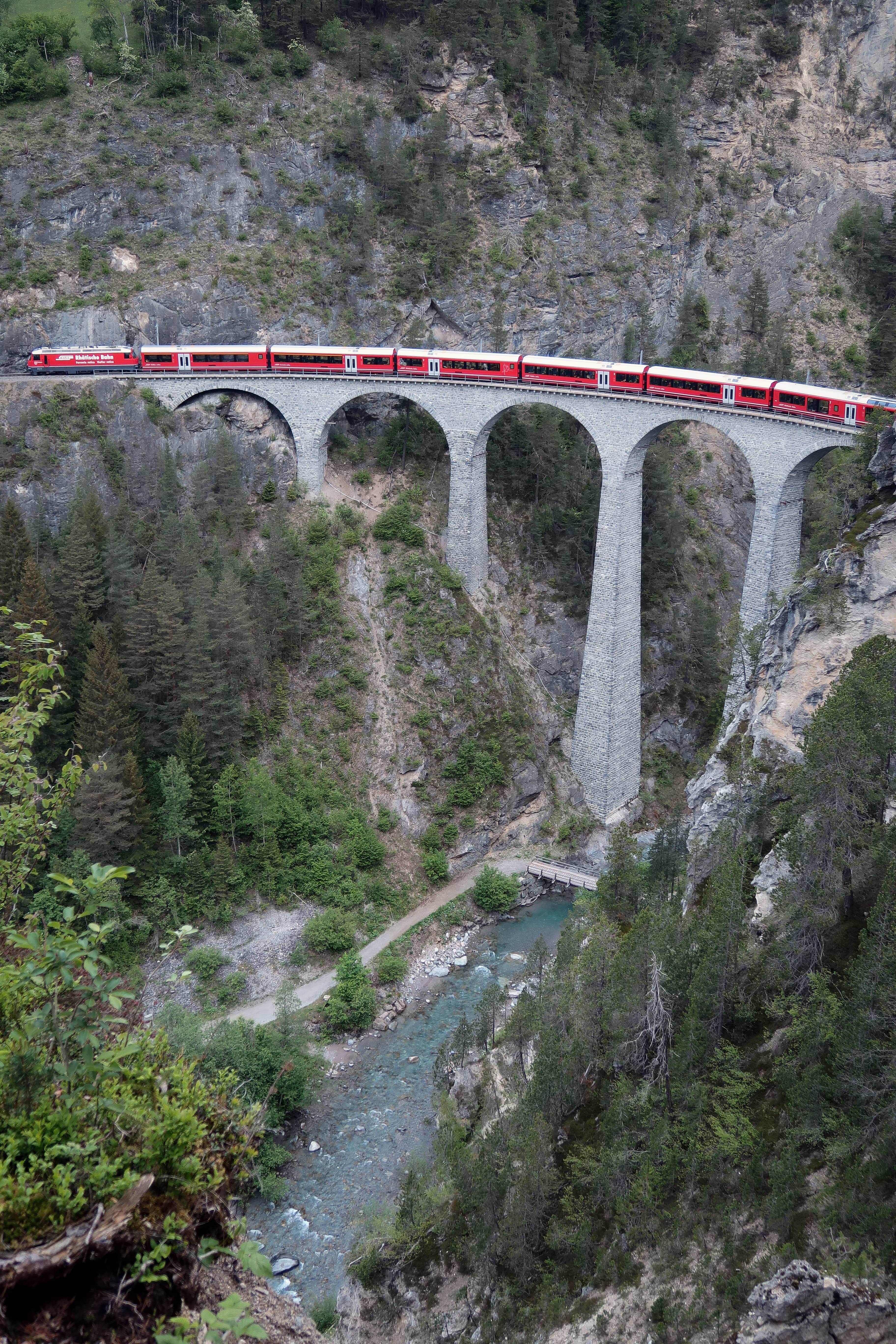
The signature image of Swiss railways. Six-arched limestone curve, 65 m (213 ft) high and 142 m (466 ft) long with a 100-metre-radius minimum curve, completed October 1902 after roughly 18 months of scaffold-free construction using two cranes. Designed by Alexander Acatos and built by Müller & Zeerleder. The southeastern abutment connects directly to the 216-m Landwasser Tunnel.
Iconic curved viaduct into tunnel
- km 2651,372 m alt.Pass through
Between Preda and Bergün/Bravuogn the Albula Line absorbs 400 metres (1,300 ft) of altitude in just 5 km of map distance via three spiral tunnels and two helical tunnels — the most concentrated cluster of altitude-defeating engineering on the route. The village itself is a heritage zone with traditional Romansh houses.
Albula spiral tunnels
- km 2731,815 m alt.Pass through
5,866-m (19,245 ft) summit tunnel under the Albula Pass at apex 1,820 m (5,971 ft), opened 1903. The tunnel exits into the Engadin valley toward Bever and Samedan. A second-bore replacement tunnel was opened by RhB in 2024 alongside the original.
Albula summit tunnel under the pass
- km 2911,775 m alt.Arrival ~17:37
Eastern terminus at 1,775 m (5,823 ft) — the highest urban railway station in Switzerland. Cosmopolitan resort on the Upper Engadin lake plateau, with 300 days of sunshine a year. Bernina Express continues south from here to Tirano in Italy across the second UNESCO line.
Eastern terminus, highest urban station
Getting to Zermatt
By Air
Zurich (ZRH) is the closest international gateway, with direct rail links via SBB to all Glacier Express boarding points: roughly 3.5 hours to Zermatt (via Visp), 2 hours to Chur and 4–5 hours to St. Moritz. Geneva (GVA) is preferable from western Europe and North America for the Zermatt end — about 3 hours by SBB. Milan Malpensa (MXP) reaches St. Moritz in roughly 4 hours via Tirano and the Bernina Express connection, and Basel (BSL/EAP) connects through Zurich for the eastern half of the route.
By Train
Zermatt is reached from the Swiss main rail network via Visp (junction with the SBB Lötschberg axis); the Matterhorn Gotthard Bahn metre-gauge shuttle covers the final 35 km from Visp to Zermatt because Zermatt itself is car-free. St. Moritz is the eastern terminus of the Rhaetian Railway from Chur via the Albula Line — direct trains run hourly. The Bernina Express continues south from St. Moritz across the UNESCO Bernina Line to Tirano in Italy, making a Glacier Express + Bernina Express combination a popular two-day Swiss Alps loop. Davos passengers change at Filisur.
By Car
Zermatt is car-free — drivers park at Täsch, 5 km below the village, and continue by shuttle train (frequent service, 12 minutes). St. Moritz is fully road-accessible via the Julier Pass (open year-round, A3/A13 route from Zurich) or the seasonal Maloja Pass from Italy. The Furka and Oberalp Passes are open to road traffic only in summer; the Matterhorn Gotthard Bahn operates a year-round car-shuttle through the Furka Base Tunnel between Oberwald and Realp (about 20 minutes versus 45 minutes over the open Furka Pass).
Parking
Zermatt drivers park at the multi-storey Matterhorn Terminal in Täsch (paid, all-season). St. Moritz has paid public parking near the station and around Lake St. Moritz; Andermatt offers paid parking at the village. Swiss public transport pricing is integrated, so leaving the car at any major SBB station and using the train onward is a simple alternative.
Where to Stay
Find places to stay near St. Moritz.
This lodging map is provided by Stay22, a third-party service that may set cookies. It loads only with your consent.
Accommodation results are provided by Stay22; we may earn a commission on bookings made through this map.
Videos
Photos
Allegra, Alvra, Landwasser viaduct, Tiefencastel–Filisur, 26.10.2019
MGB - Nätschen Oberalp
30.10.2015, Landwasser viaduct at night II., Tiefencastel - Filisur
01.11.2015, Landwasser viaduct at night III., Tiefencastel - Filisur
Glacier Express - A train to fall in love with...
The fifth train
MGB - Oberalp Pass
External Resources
Official resources
Heritage & history
Frequently Asked Questions
How long does the Glacier Express take?▾
Is a seat reservation mandatory?▾
Is the Glacier Express covered by the Swiss Travel Pass?▾
When is the best time to ride the Glacier Express?▾
What's the difference between 1st class, 2nd class and Excellence Class?▾
Are any sections UNESCO World Heritage?▾
Can I take the Glacier Express in only one direction or both?▾
Is the Glacier Express the same as the Bernina Express?▾
Help improve this page
Spotted something out of date or incorrect? Let our community know.
Related on Spotatrain
Journeys Near This Route
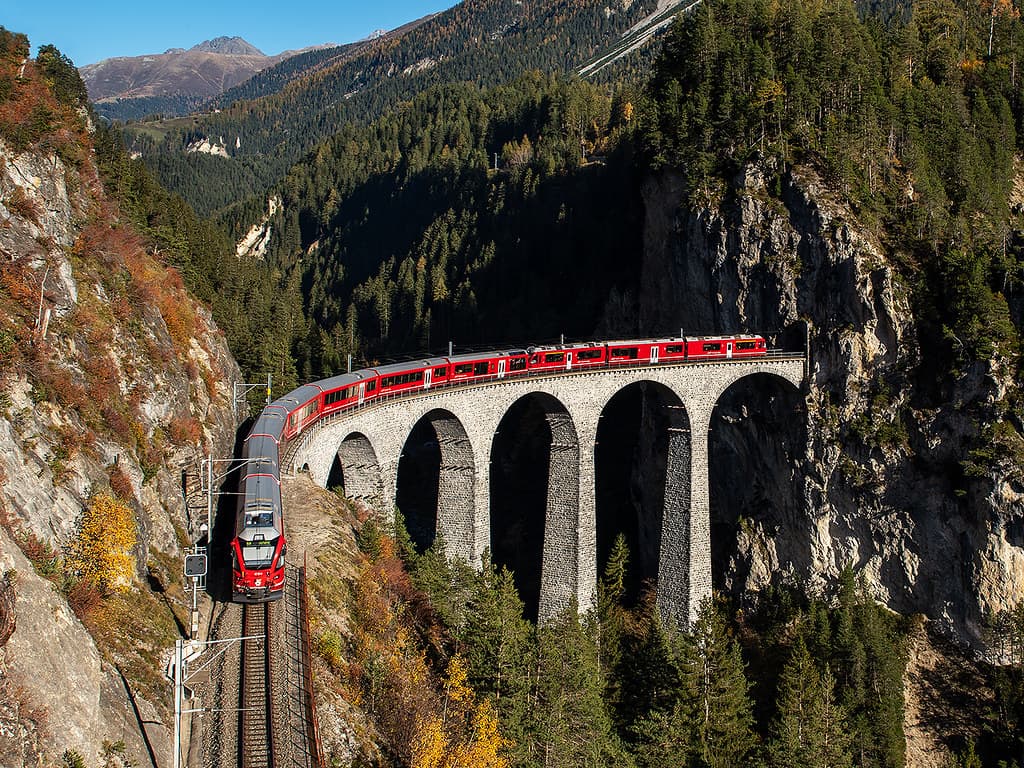

Bernina Express
From Swiss glaciers to Italian palm trees across a UNESCO alpine crossing 2
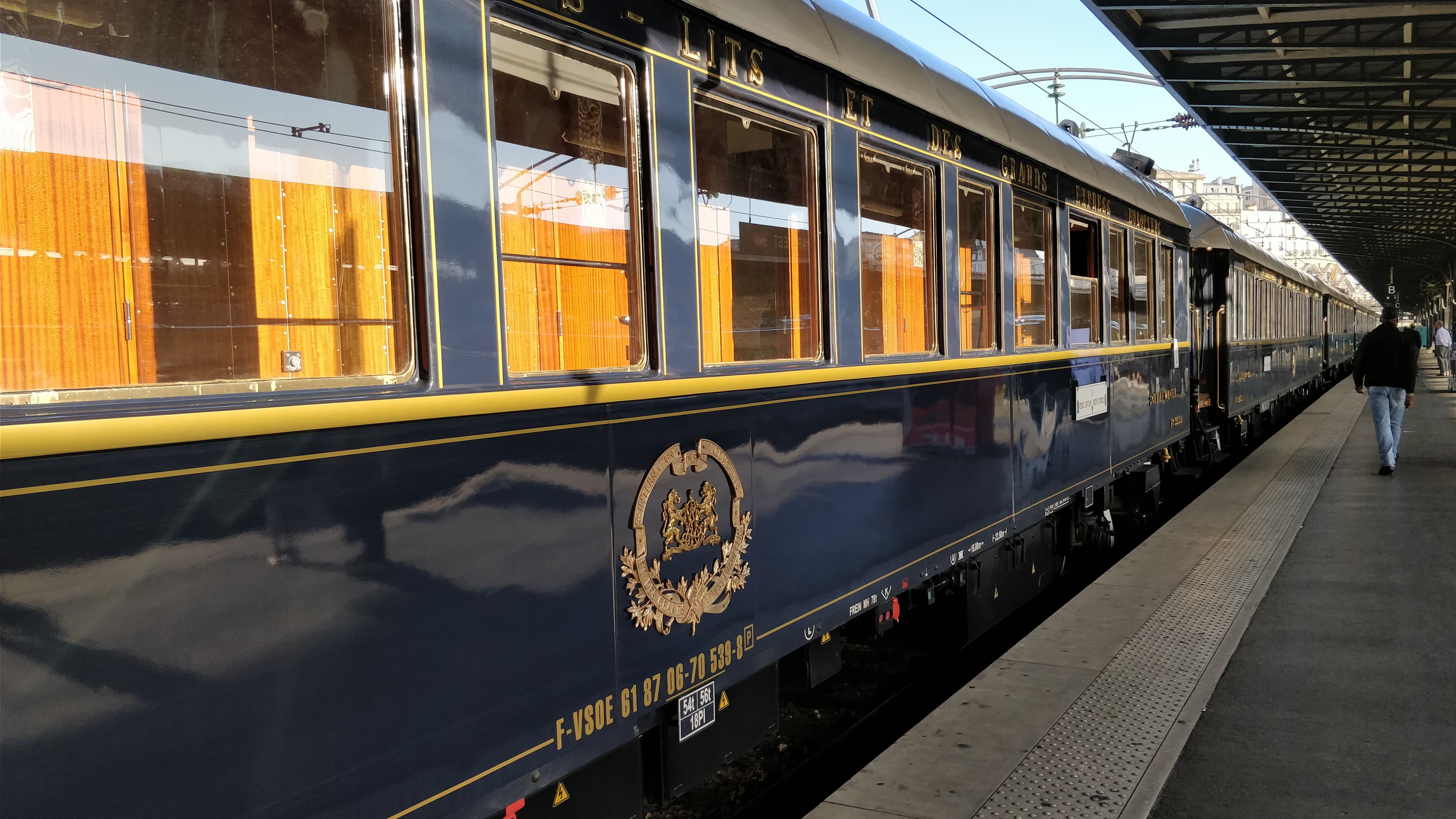
Venice Simplon-Orient-Express
London to Venice in 1920s Wagons-Lits splendour
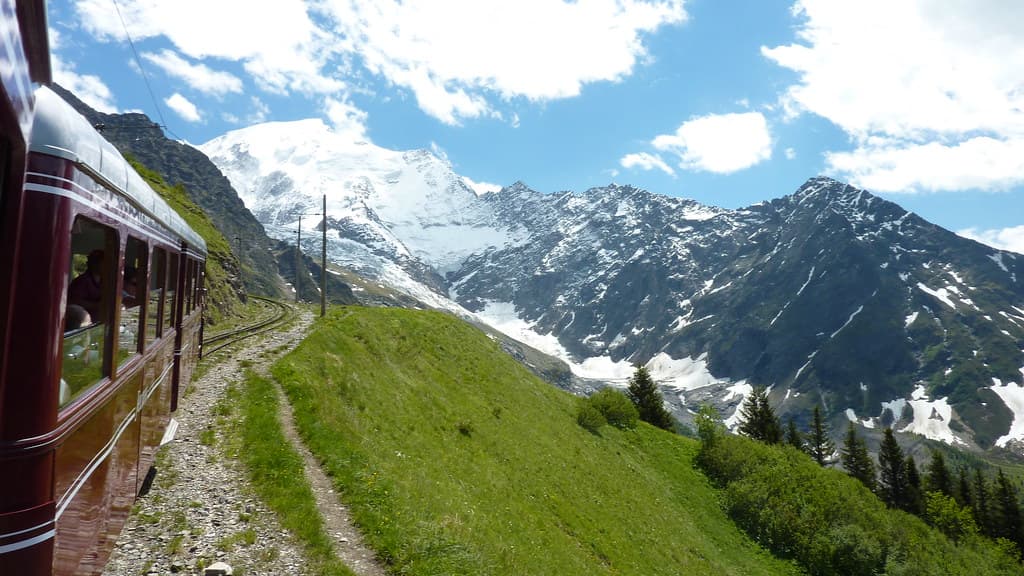
Tramway du Mont-Blanc
France's highest railway, climbing from Le Fayet to the foot of the Mont Blanc on a 1909 Strub-rack line.
More Journeys Worldwide
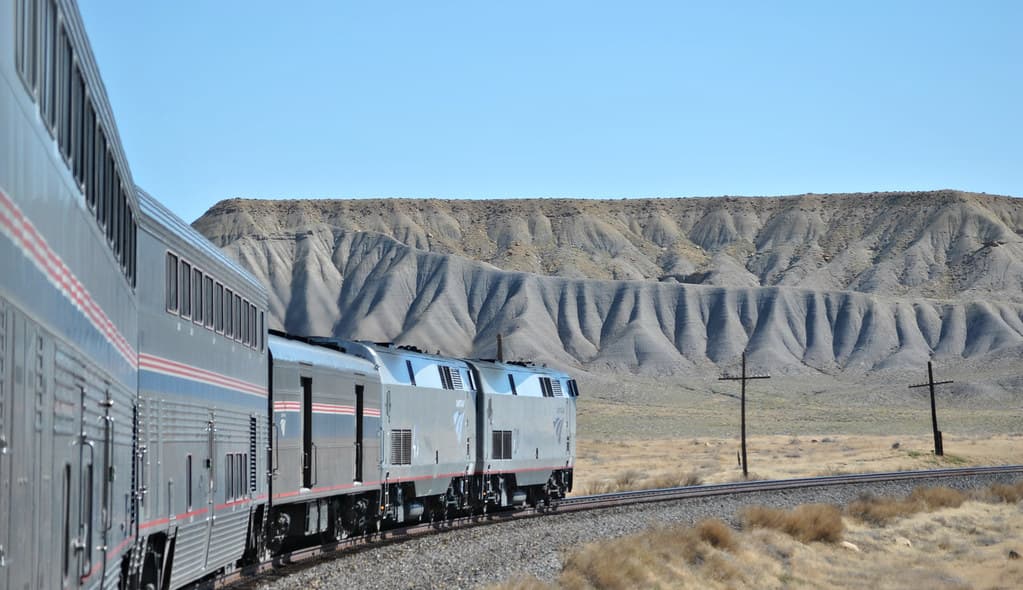
California Zephyr
Chicago to San Francisco across the Rockies and Sierra Nevada
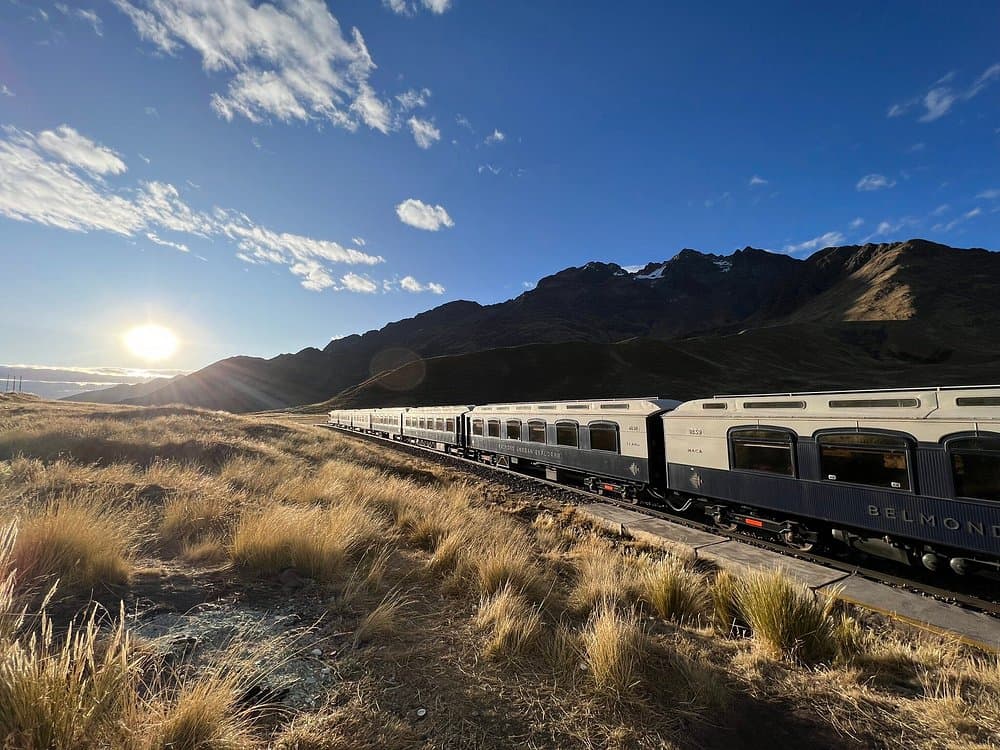
Belmond Andean Explorer
South America's first luxury sleeper train, across the roof of Peru
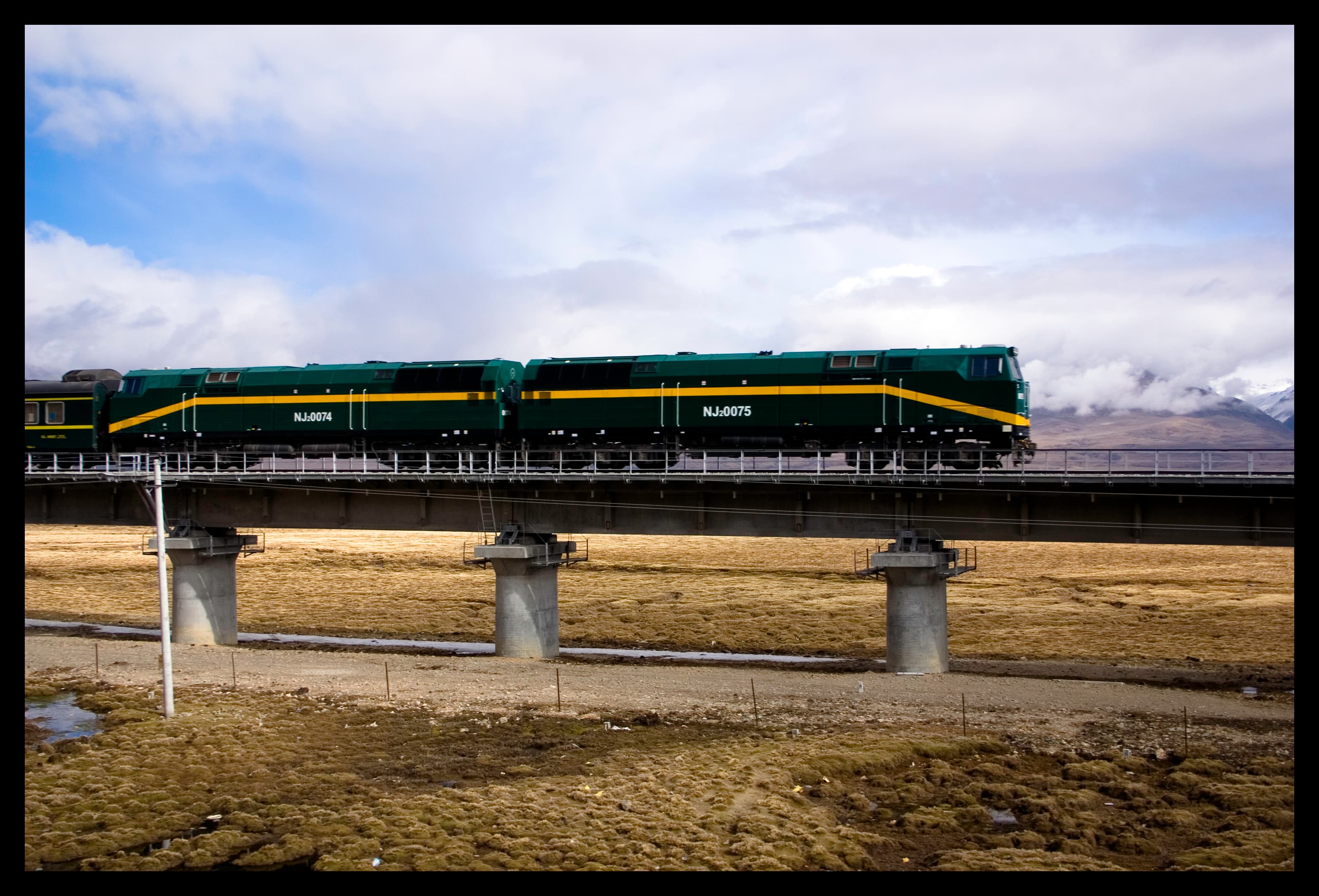
Qinghai-Tibet Railway
The world's highest railway, across the roof of the world to Lhasa

TranzAlpine
Coast to coast across the Southern Alps in a single morning

Tren a las Nubes
Argentina's rack-free climb to 4,220 m above the Puna
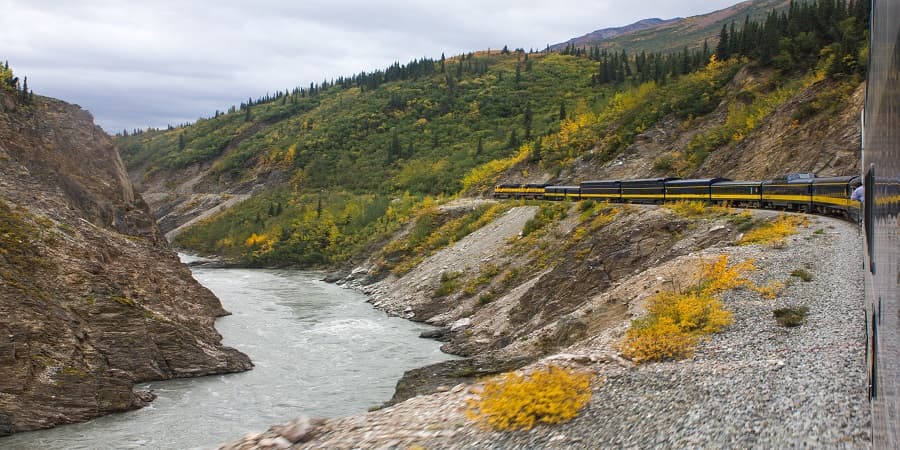
Denali Star
Alaska Railroad's flagship run to Denali and Fairbanks
Related Experiences & Mega-Projects
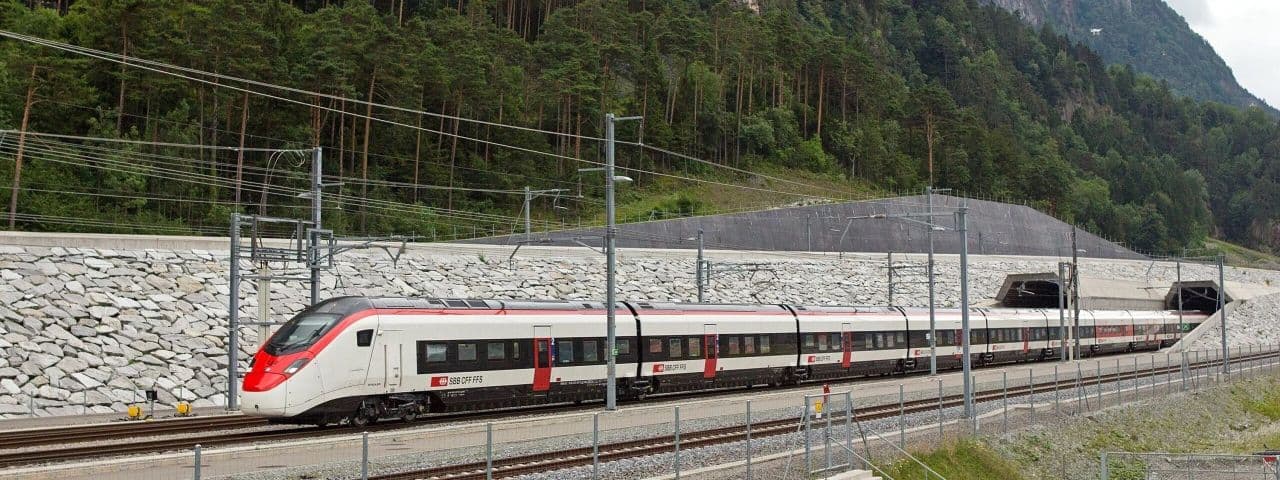
Gotthard Base Tunnel
The world's longest railway tunnel, slicing 57 km flat through the Swiss Alps.
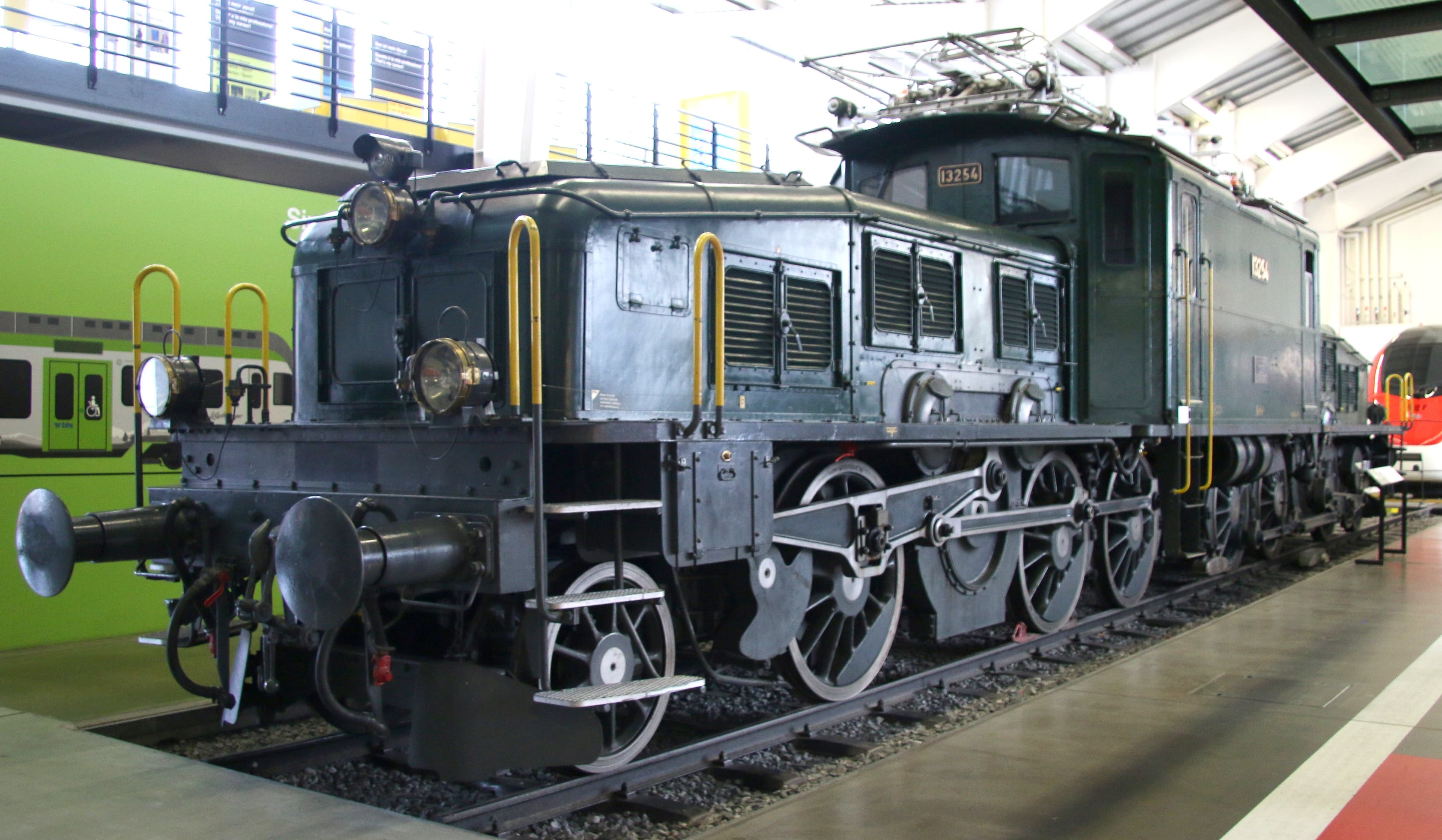
Swiss Museum of Transport
Switzerland's most-visited museum, with trains, planes, ships and the interactive Swiss Railway Experience on Lake Lucerne.
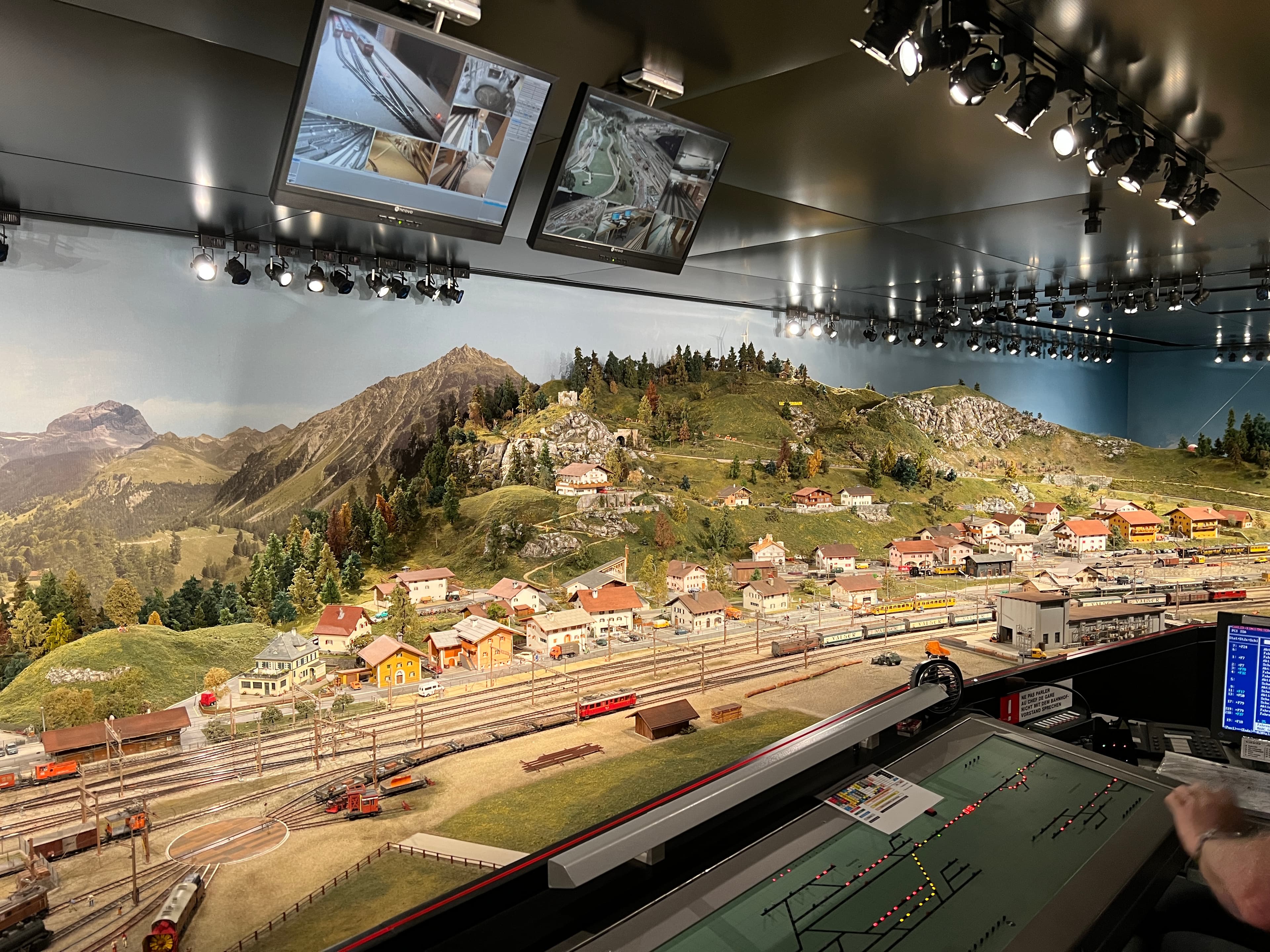
Chemins de fer du Kaeserberg
A 610 m² HO-scale model railway in Granges-Paccot recreating 1990s Switzerland over three levels.
Explore around this route
3 places on Spotatrain within 25 km of this route — 1 spot, 1 journey and 1 mega-project.
- Bernina Express 0 m
- Landwasser Viaduct 327 m
- Gotthard Base Tunnel 7.1 km