

Updated
Distance
12.4 km
Duration
About 1 h 15 min one-way
Max altitude
2,412 m
Bridges
1
Gauge
1000mm
France's highest cog-and-adhesion railway, climbing 1,832 m from Le Fayet (580 m) to the Nid d'Aigle platform near the Bionnassay glacier. Built between 1907 and 1914, electrified in 1956, and operated today with four 2023-vintage Stadler EMUs by the Compagnie du Mont-Blanc.
About This Journey
The Tramway du Mont-Blanc is a narrow-gauge, rack-and-adhesion mountain railway in the Haute-Savoie department of France. It begins at Le Fayet (580 m), where it shares a forecourt with the SNCF Saint-Gervais-Les-Bains-Le Fayet station, and climbs 12.4 km (7.7 mi) to the new Nid d'Aigle platform at 2,412 m, opened for the summer 2026 season 300 m beyond the historical 2,372 m terminus. Eighty-five percent of the line is equipped with the Strub rack system; the rest uses adhesion at the foot of the line and at intermediate crossing stations. The track gauge is 1,000 mm (3 ft 3 3/8 in) and the line is electrified at 11 kV 50 Hz AC overhead, an unusually high-frequency single-phase configuration installed during the 1956 electrification.
Mont Lachat (2,074 m / 6,804 ft) and Nid d'Aigle are the only railway stations above 2,000 m in France. The line crosses the departementale D902 on the masonry Pont du Berchat early in its climb. The maximum gradient is 24 %, the average 15 %, and the height difference between Le Fayet and the terminus is 1,832 m (6,010 ft) - making the TMB the fourth-highest railway in Europe after Switzerland's Jungfraubahn, Gornergratbahn and the Pilatus rack line.
The line was originally projected to reach the Aiguille du Gouter (3,863 m) on the way to Mont Blanc itself, but works stopped in August 1914 at the present terminus when World War I broke out and were never resumed. Today four Stadler-built electric multiple units, named Anne, Marie, Jeanne and Marguerite after the founder's daughters, replace the 1956-vintage SLM stock retired in 2023.
Why This Journey Is Iconic
Three things make the Tramway du Mont-Blanc unmistakable. It is the only railway in France that climbs above 2,000 m, with two stations (Mont-Lachat and Nid d'Aigle) above that line. It is one of the few surviving Strub-rack lines in the world, a system invented by Swiss engineer Emil Strub in 1896 and patented for steep alpine work. And it is a working part of mountaineering history - the upper terminus is the official jumping-off point for the normal route on Mont Blanc via the Tete Rousse and Gouter huts. Where the Glacier Express or the Bernina Express are tourist showpieces, the TMB is also a working alpinist's lifeline. The 1909 line was already an icon of Belle-Epoque alpine engineering when steam-hauled tender locomotives by SLM Winterthur were ordered on 5 November 1906 and delivered in November 1907; the 2023 fleet renewal brought the same Swiss firm's modern descendants (Stadler) onto the same gauge, on the same Strub rack, climbing the same 24 % gradient.
What to Expect
The 75-minute climb is unhurried by design - the train averages 15 km/h and dwells at six intermediate stops. From Le Fayet (580 m) the line immediately engages the Strub rack and threads through pine forest above the Bonnant valley, crossing the D902 on the Pont du Berchat. Past Saint-Gervais-Ville (820 m) the gradient steepens; the views open up at Col de Voza (1,653 m), where the Tour du Mont-Blanc trail crosses the rails and walkers can pick up the train in either direction. Bellevue (1,794 m), the winter terminus, sits on a panoramic plateau facing the Bionnassay glacier, with a connecting cable car to Les Houches in the Chamonix valley. From there the line winds above the treeline through alpine meadows and rocky slopes to Mont-Lachat (2,074 m) and the upper terminus at Nid d'Aigle (2,412 m), where mountaineers continue on foot toward the Gouter Hut and Mont Blanc.
The rolling stock is the 2023 Stadler EMU fleet - four cars named Anne, Marie, Jeanne and Marguerite - which preserve the vintage colour scheme of the 1956 SLM units they replaced. Each car seats around 130 passengers; in peak summer trains run full and reservation is compulsory. The cogwheel clicks audibly on the rack sections, especially during the steepest stretches above Les Tuffes. Photographers should sit on the left side of the train going up: the Mont Blanc massif and Bionnassay glacier appear progressively from Bellevue onward, with the most dramatic views in the last 3 km above the tree line.
History
The line was conceived in 1904 by lawyer-investor Francois Lehideux as an extension of mountain rail tourism in the Chamonix and Saint-Gervais valleys. Swiss locomotive builder SLM Winterthur received the order for two tender steam engines on 5 November 1906; both arrived in November 1907 and worked the first section to Col de Voza, opened to limited service in spring 1909 with public operations starting on 28 July 1909 after a formal inauguration on 25 July. The line reached its current Nid d'Aigle terminus in August 1914, the same month the First World War broke out. The originally planned extension to the Aiguille du Gouter at 3,863 m was abandoned and never resumed.
Electrification at 11 kV 50 Hz AC was completed in 1956, and three new electric multiple units named Anne, Marie and Jeanne - after the daughters of the line's then-owner - replaced the steam tenders. The line passed to the Compagnie du Mont-Blanc, which also operates the Chemin de fer du Montenvers and the Aiguille du Midi cable car. In late July 2010 the upper section of the line and the Nid d'Aigle refuge were closed for the rest of that operating season because of glacial-flood risk in a sub-glacial pocket of the Tete Rousse glacier directly above. In 2023 the four-car SLM/Decauville fleet was retired and replaced with new Stadler EMUs (Anne, Marie, Jeanne, Marguerite). From summer 2026 a new platform 300 m beyond the historical 2,372 m Nid d'Aigle station serves passengers directly at the refuge level of 2,412 m.
Engineering Highlights
The Strub rack system, designed by Swiss engineer Emil Strub in 1896, is fitted along 85 % of the 12.4 km route; the remainder uses adhesion only and includes the line's three crossing stations. The maximum gradient is 24 %, average 15 %, total height difference 1,832 m. The 1,000 mm (metric) gauge is shared with the operator's other line, the Chemin de fer du Montenvers in Chamonix. Electrification at 11 kV 50 Hz AC overhead - installed in 1956 - is unusual for a rack railway: most rack lines in Europe (Pilatus, Brienz-Rothorn, Schynige Platte) use 1500 V DC or run on steam. Civil-engineering set-pieces include the masonry Pont du Berchat, which carries the line over the departementale D902 below Saint-Gervais. The original 1907 SLM tender steam engines were tender-type with a vertical Strub rack pinion driving a separate axle from the adhesion drive - a configuration patented by Strub specifically for steep alpine work.
Best Time to Travel
The summer window (mid-June to mid-September 2026) is the only time the full route to Nid d'Aigle is open, which is when the line earns its 'highest in France' billing. Late June and early September offer the best balance of clear weather and lighter crowds - the morning trains (first departure typically 07:00 from Le Fayet) almost always have the cleanest air and the most reliable visibility on Mont Blanc, before afternoon convective clouds build up over the massif. The winter window (mid-December 2025 to mid-March 2026, with weather-dependent service in the shoulders) terminates at Bellevue (1,794 m), which is the time to ride if you also want to ski Les Houches via the Bellevue cable-car connection. Avoid mid-July to mid-August unless you reserve well in advance: in peak season trains sell out 24-48 hours ahead, and the Le Fayet parking saturates by 09:00.
Practical Tips
Reservation is compulsory: book on tramwaydumontblanc.montblancnaturalresort.com/en/ticketing, where you select a dated outbound departure; your return slot is assigned at the upper station. Plan 3-4 hours total round-trip including time at Nid d'Aigle to walk around the platform and the refuge approach. Sit on the left going up for the Mont Blanc panorama; sit anywhere coming down - the views below treeline are panoramic on both sides. Even in July the platform at 2,412 m can be 5-10 C and windy: a fleece, sun protection and sturdy walking shoes are essential if you want to walk the short trail to the glacier viewpoint. Children under 1 year cannot ride above Mont-Lachat (2,074 m); under 6 months are not allowed above Col de Voza (1,653 m). The 75-spot car park at Le Fayet fills early - overflow at Parking du Stade (200 spaces, 10-min walk) and a free Facilibus shuttle from Saint-Gervais village. Mont Blanc Multipass / Unlimited holders ride free but still book a slot.
Traveling with Pets
Dogs welcome, on a leash
The operator's FAQ states, under the on-board restrictions: "Les animaux sont acceptés, mais ils doivent obligatoirement être tenus en laisse." No muzzle requirement, no dog fare and no seasonal ban are published; luggage is separately limited to one hiking backpack per person. This rule is specific to the Tramway du Mont-Blanc page and must not be transferred to the Compagnie du Mont-Blanc's other installations — no group-wide pet policy document was found, and the Aiguille du Midi cable car is reported to refuse dogs.
Verified — operator's pet policy
Route Stages
- km 12.5082,412 m alt.Terminus
Upper terminus near the Bionnassay glacier. Historical platform at 2,372 m; from summer 2026 a new platform 300 m further on serves the refuge directly at 2,412 m. Trailhead for climbers heading to the Tete Rousse and Gouter huts on the normal Mont Blanc summit route.
Highest railway station in France; gateway to the normal Mont Blanc climbing route
Getting to Saint-Gervais-les-Bains
By Air
Geneva International Airport (GVA) in Switzerland is the closest large airport, about 85 km / 53 mi (1 h to 1 h 30 by car) from Le Fayet via the A40 'Autoroute Blanche'. Lyon-Saint Exupery (LYS) in France is roughly 230 km / 143 mi (about 2 h 30 by car) and is the alternative if you need long-haul transatlantic options. Annecy and Grenoble are smaller domestic airports closer than Lyon. Several shuttle operators serve Saint-Gervais from Geneva (Mountain Drop-Offs, AlpyBus, Cham Express).
By Train
Le Fayet TMB station is built directly alongside the SNCF Saint-Gervais-les-Bains-Le Fayet station; the platforms are 50 m apart. Direct TER (regional) trains run from Annemasse, Annecy and Grenoble. The Mont-Blanc Express, a metric-gauge international train operated jointly by SNCF and TMR, terminates at Le Fayet and connects directly to Vallorcine, Argentiere, Chamonix and (with a change at Vallorcine or Le Chatelard) to Martigny in Switzerland. From Paris, take the high-speed TGV to Bellegarde, Annecy or Geneva and continue by TER. The combination of Mont-Blanc Express + TMB is a classic two-day rail itinerary in itself.
By Car
From Geneva, follow the A40 'Autoroute Blanche' eastbound, exit at Le Fayet/Saint-Gervais, then a short local road to the TMB station. Total drive ~85 km / 1 h. From Lyon, take the A42 then A40 east - about 2 h 30. From Chamonix, follow the N205 down the valley about 20 km / 30 min. The road is paved and open year-round; in winter, snow tyres or chains are mandatory in the upper Arve valley.
Parking
About 75 free spaces at the Le Fayet TMB station fill quickly in peak season. Parking du Stade, a 200-space free overflow lot 10 minutes' walk away, is the recommended fallback. About 40 free spaces are also available at Saint-Gervais-Ville (the village mid-station). Free Facilibus shuttles run between the village, the thermal-spa district, and the Le Fayet station in peak summer and winter. Le Chatelet long-term lot near the Bettex cable car is another option with a shuttle bus to the TMB.
Where to Stay
Find places to stay near Saint-Gervais-les-Bains.
This lodging map is provided by Stay22, a third-party service that may set cookies. It loads only with your consent.
Accommodation results are provided by Stay22; we may earn a commission on bookings made through this map.
Videos
Photos
Rail du Tramway du Mont Blanc @ Saint-Gervais-les-Bains
Tramway du Mont Blanc
Tramway du Mont Blanc @ Le Fayet @ Saint-Gervais-les-Bains
Tramway du Mont-Blanc @ Bellevue @ Saint-Gervais-les-Bains
IMG_20190724_141827
2019-07-24_01-18-07
Tramway du Mont‑Blanc
External Resources
Official resources
Frequently Asked Questions
How long does the round-trip take?▾
Is reservation required?▾
How high does the train go?▾
Does the tramway run all year round?▾
Can I do a one-way trip and walk down?▾
What's included with a Mont Blanc Multipass?▾
Is it suitable for young children?▾
How accessible is the train for wheelchairs?▾
Help improve this page
Spotted something out of date or incorrect? Let our community know.
Related on Spotatrain
Journeys Near This Route
More Journeys Worldwide
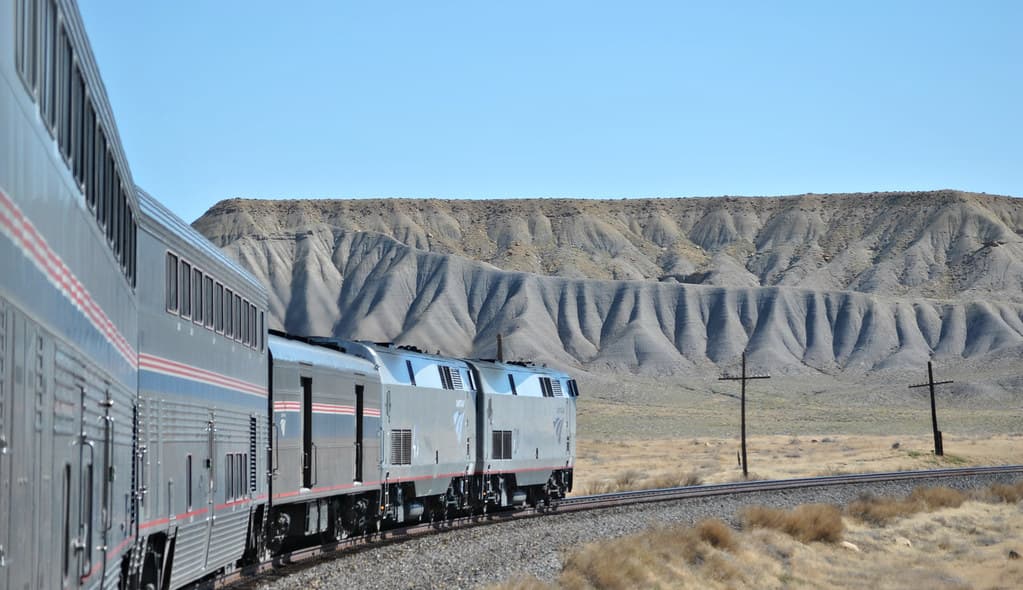

California Zephyr
Chicago to San Francisco across the Rockies and Sierra Nevada
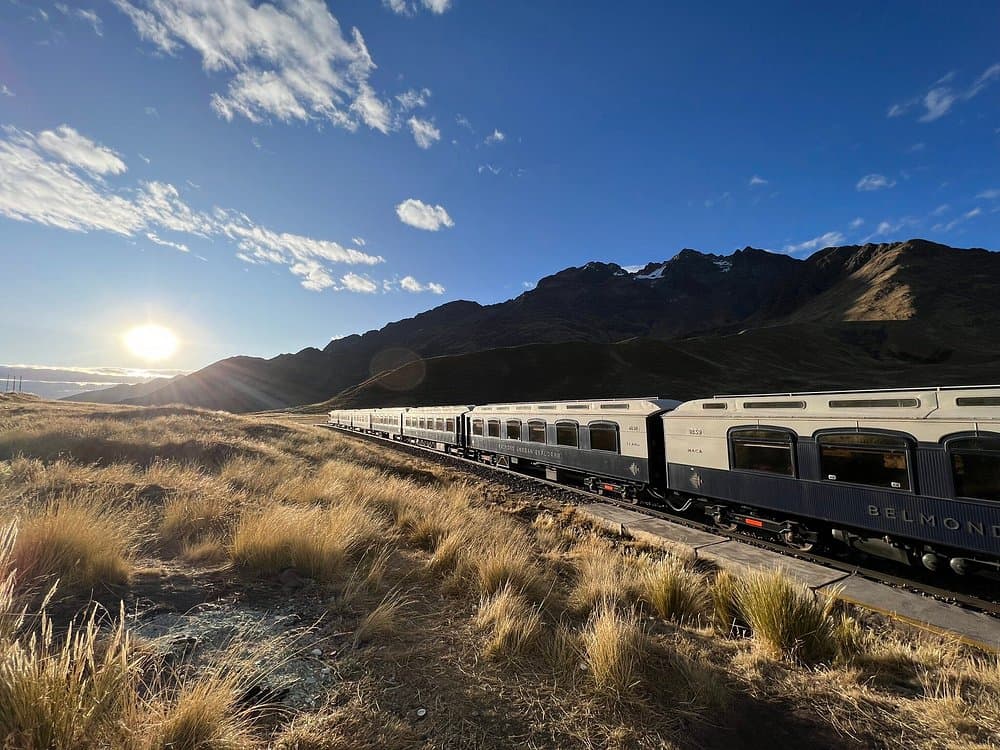
Belmond Andean Explorer
South America's first luxury sleeper train, across the roof of Peru
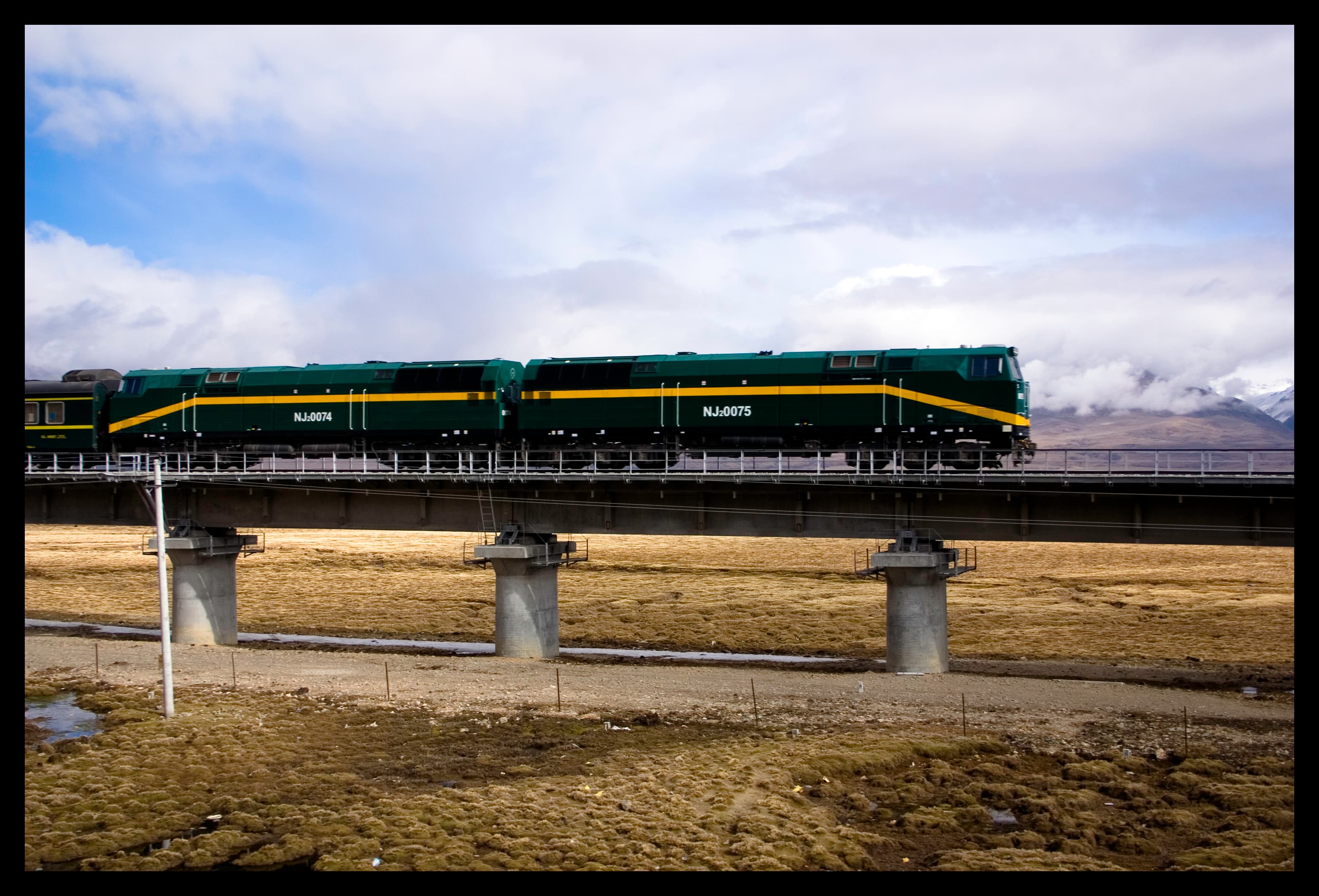
Qinghai-Tibet Railway
The world's highest railway, across the roof of the world to Lhasa

TranzAlpine
Coast to coast across the Southern Alps in a single morning

Tren a las Nubes
Argentina's rack-free climb to 4,220 m above the Puna
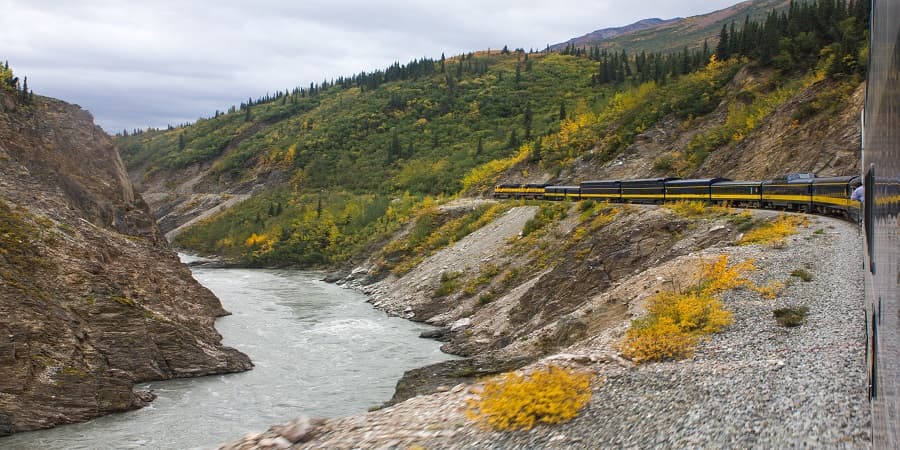
Denali Star
Alaska Railroad's flagship run to Denali and Fairbanks
Related Experiences & Mega-Projects
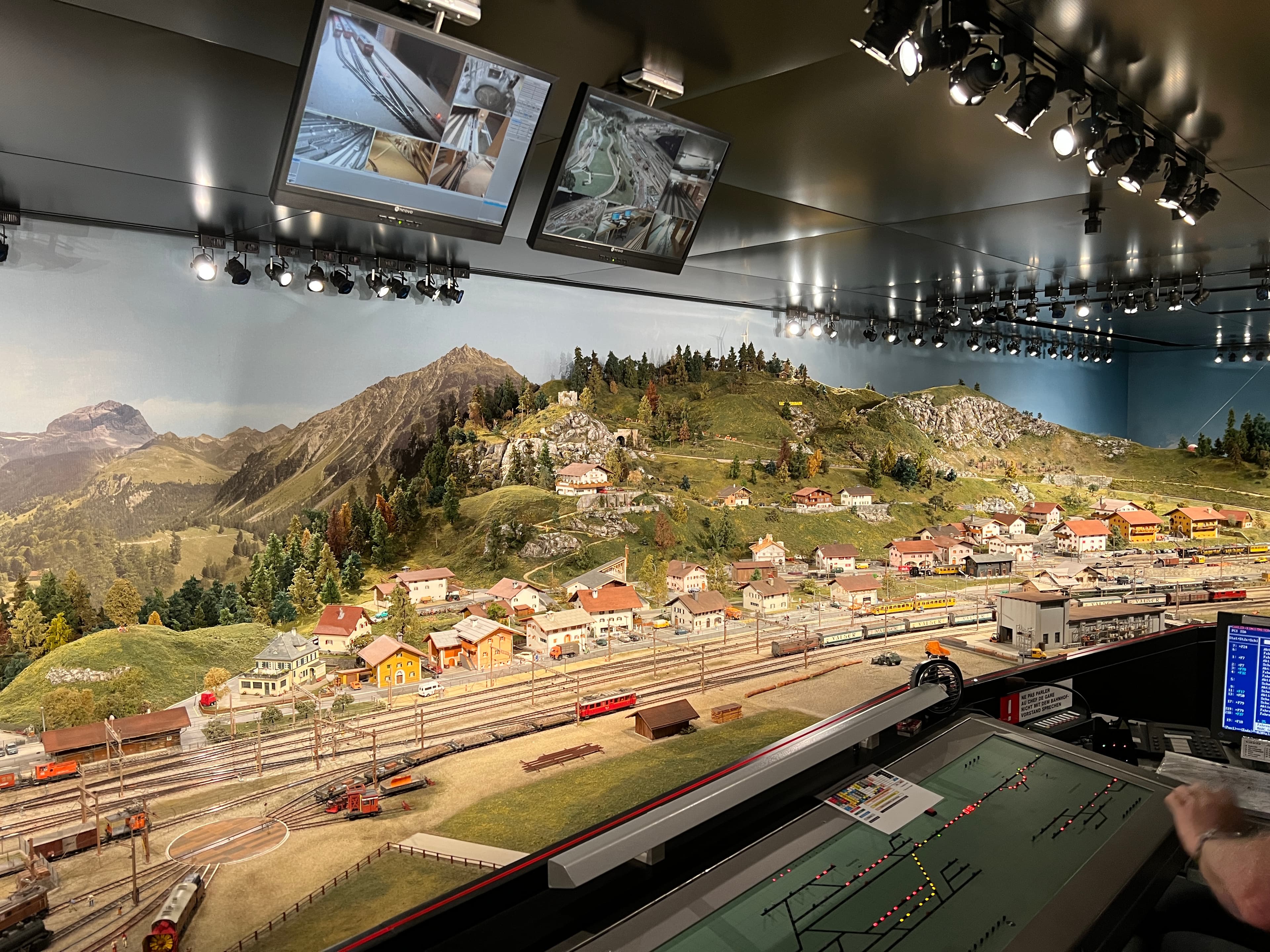
Chemins de fer du Kaeserberg
A 610 m² HO-scale model railway in Granges-Paccot recreating 1990s Switzerland over three levels.
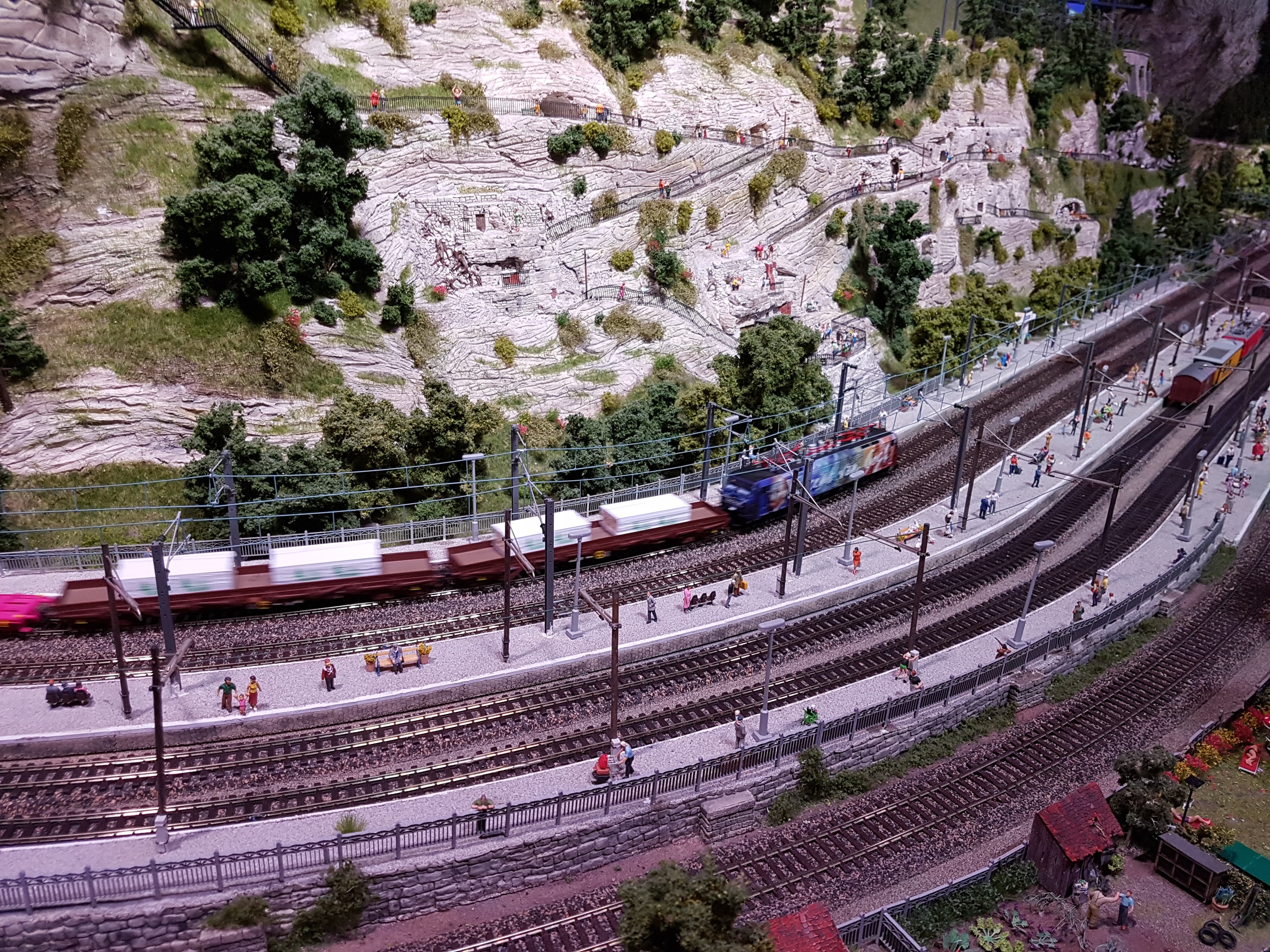
Mini World Lyon
France's largest animated miniature park: five HO-scale worlds, 150 trains and 3 km of rails at Carre de Soie.
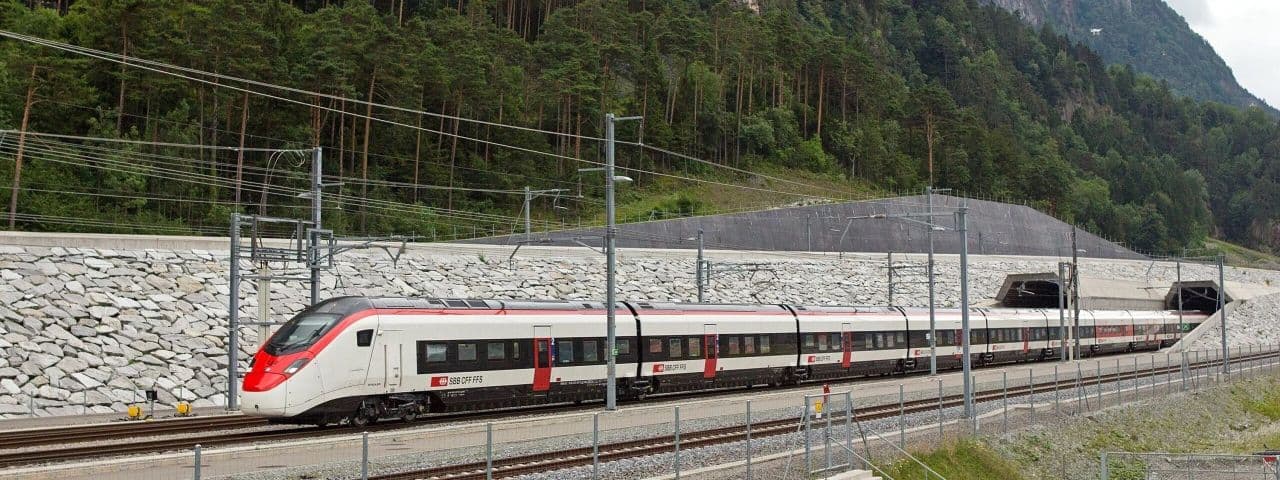
Gotthard Base Tunnel
The world's longest railway tunnel, slicing 57 km flat through the Swiss Alps.
Explore around this route
1 place on Spotatrain within 100 km of this route — 1 journey.
- Glacier Express 76 km