
Updated
Distance
3,924 km
Duration
2 nights / 51 hours
Max altitude
2,816 m
Tunnels
41
Bridges
30
Gauge
1,435 mm (standard gauge)
One of America's most iconic rail journeys, the California Zephyr crosses the Rocky Mountains, the Colorado River canyons, and the Sierra Nevada over 51 spectacular hours.
Watch this route live
18 railway webcams cover this route — see what is running right now.
- Watch live
Arvada (Colorado)
The Big 10 Curve, where the Front Range climb begins
- Watch live
Burlington (Iowa)
BNSF's ex-CB&Q main line meets the Mississippi at Burlington
- Watch live
Colfax, California — PTZ Camera
PTZ view of Union Pacific's Roseville Subdivision at the historic Colfax depot, MP 141.9.
- Watch live
Creston, Iowa — Creston Realty
BNSF freight and Amtrak's California Zephyr pass the historic Creston Depot
- Watch live
Donner Pass, California — Summit at East Norden
Union Pacific crests Donner Pass at East Norden
- Watch live
Galesburg (Illinois)
BNSF’s Galesburg hub, 90+ trains a day
- Watch live
Granby, Colorado — UP Moffat Tunnel Sub MP 75.7
On the Moffat Tunnel route through the Rockies
- Watch live
Lincoln, Nebraska — BNSF Hobson Yard
Four subdivisions and two Class I railroads converge on Hobson Yard
- Watch live
Mendota, Illinois — BNSF Chicago–Galesburg Main Line
Six Amtrak calls a day at a depot museum on BNSF's Chicago–Galesburg main
- Watch live
Mount Pleasant, Iowa — Coffee Depot
BNSF Ottumwa Sub double main and Amtrak California Zephyr at the Mount Pleasant depot
- Watch live
Mount Pleasant, Iowa — West Camera
BNSF Ottumwa Sub double main in open country west of Mount Pleasant
- Watch live
Ottumwa, Iowa — Main Street Donuts, BNSF View
BNSF freight past Main Street Donuts, looking toward Tisdale Street
- Watch live
Pacific Junction, Iowa — The Rusty Rail
Three BNSF subdivisions converge at The Rusty Rail, with Amtrak's California Zephyr passing through
- Watch live
Red Oak, Iowa — BNSF Creston Subdivision
Double track and the California Zephyr, seen from a restored Burlington Northern depot
- Watch live
Salt Lake City, Utah — Virtual Railfan South
A fixed south view at Salt Lake City
- Watch live
Sparks, Nevada — Union Pacific Sparks Yard
Union Pacific freight between Reno and Sparks
- Watch live
Truckee, California — Downtown Bridge Street crossing
Union Pacific's Sierra Nevada main line through Truckee's historic downtown
- Watch live
Truckee, California — Truckee Railroad Museum
PTZ camera over Union Pacific's Truckee depot
About This Journey
The California Zephyr is more than a train ride — it is a 51-hour moving panorama through the American West. Departing daily from Chicago Union Station, the train crosses the vast agricultural plains of Iowa and Nebraska before beginning its dramatic ascent into the Colorado Rockies. The stretch along the Colorado River between Glenwood Springs and Grand Junction is widely considered one of the most beautiful rail corridors in the world, with sheer canyon walls rising hundreds of meters on either side of the tracks.
After crossing the Utah desert and briefly touching Nevada, the Zephyr begins its final mountain crossing through the Sierra Nevada, following the historic route of the first transcontinental railroad over Donner Pass. The descent into the Sacramento Valley and the final approach to Emeryville offer sweeping views of the California landscape.
The train features Coach class, Roomette, and Bedroom accommodations. The Sightseer Lounge car, with its floor-to-ceiling windows, is the social heart of the journey. Amtrak's dining car serves three meals a day with views that no restaurant on earth can match.
Why This Journey Is Iconic
The California Zephyr is considered iconic for several reasons. It traverses six US states and three major mountain ranges. The 238-mile stretch along the Colorado River is inaccessible by road — the train is the only way to see these canyons. The route follows the path of the original California Zephyr (1949-1970), which was itself considered the most beautiful train in America. Today, it consistently ranks as Amtrak's most scenic and most popular long-distance route, carrying over 400,000 passengers annually.
What to Expect
Expect a slow, immersive experience. The train averages only 77 km/h, and delays of 1-3 hours are common due to freight traffic priority. But nobody rides the Zephyr for speed. The Sightseer Lounge car fills up early in the morning as passengers claim their spots for the day's mountain scenery. Conversations with fellow travelers are part of the experience — the lounge has a communal, almost festive atmosphere during the scenic highlights. At night, the sleeper cars offer a surprisingly comfortable rest, and waking up to a new landscape outside your window is one of rail travel's greatest pleasures.
History
The original California Zephyr was launched on March 20, 1949, as a joint service of the Chicago, Burlington & Quincy Railroad, the Denver & Rio Grande Western Railroad, and the Western Pacific Railroad. It was marketed as "The Most Beautiful Train in America" and featured Vista Dome cars — pioneering glass-topped observation cars that gave passengers panoramic views of the mountains.
The original service was discontinued on March 22, 1970, due to declining ridership and mounting financial losses. When Amtrak took over most US passenger rail service in 1971, it initially ran a similar route called the San Francisco Zephyr. The California Zephyr name was restored in 1983 when Amtrak rerouted the train through its current path via Denver and the Moffat Tunnel.
Engineering Highlights
The Moffat Tunnel is the engineering centerpiece of the route. Completed in 1928, this 10-km tunnel bores through the Continental Divide at an elevation of 2,816 meters, eliminating the need to cross the treacherous Rollins Pass. The tunnel took 6 years to build and was one of the most ambitious railroad projects of its era.
The Donner Pass crossing in the Sierra Nevada is equally remarkable. The original Central Pacific Railroad blasted 15 tunnels through solid granite in the 1860s, largely built by Chinese laborers under extremely dangerous conditions. Today's route uses the longer but less steep Donner Pass tunnels, though remnants of the original line are still visible from the train.
Best Time to Travel
September and October offer the best combination of clear skies, fall colors, and manageable temperatures. The Colorado aspens turn gold in late September, creating a spectacular backdrop for the canyon passage. Summer (June-August) offers the longest daylight hours, meaning you see more scenery, but the train is at its most crowded. Winter crossings through the Rockies and Sierra Nevada can be dramatic with snow-covered peaks, but delays are more frequent due to weather.
Practical Tips
Book a westbound departure to see the Colorado Rockies and Sierra Nevada in daylight — the eastbound timing puts you through the best scenery at night. Reserve the Sightseer Lounge early in the morning for the Colorado River canyon stretch (roughly 9 AM - 2 PM on day two). Bring snacks and a refillable water bottle. If budget allows, a Roomette is worth the upgrade for the privacy, included meals, and the experience of sleeping on a train. Download the Amtrak app for real-time GPS tracking and mile-by-mile commentary.
Traveling with Pets
Depends on the service
Amtrak carries dogs and cats — one pet per passenger, 20 lb combined pet-and-carrier limit, carrier no larger than 19 x 14 x 10.5 inches — but the decisive rule here is the duration cap: "Reservations with pets are limited to seven hours total travel time, including transfer time between trains on multiple-segment trips." Amtrak lists the full Chicago–Emeryville run at 51 hours 20 minutes, so the end-to-end journey cannot be booked with a pet; only Zephyr segments of seven hours or less. Pets ride in Coach only and are barred from sleeping-car rooms, dining cars and First Class. A reservation is mandatory, check-in is 45 minutes before departure at staffed stations, and a Pet Release and Indemnification Agreement is signed per segment. Fees vary by route and appear at booking. ADA service animals are exempt from the weight, carrier, fee and seven-hour limits and may travel in sleeping cars.
Verified — operator's pet policy
Route Stages
- km 2,158.71,400 m alt.
The 238-mile stretch of the Colorado River between Glenwood Springs and Grand Junction is inaccessible by road. Sheer red-rock canyon walls rise hundreds of meters. This is the single most photographed section of the California Zephyr.
Inaccessible by road — train only, red-rock canyons
- km 3,580.42,135 m alt.
The historic crossing of the Sierra Nevada at 2,135 m. The original Central Pacific Railroad blasted 15 tunnels through granite here in the 1860s, built largely by Chinese laborers. Snow sheds still protect sections of track.
Historic transcontinental railroad crossing, snow sheds
Getting to Chicago
By Air
Chicago O'Hare (ORD) or Midway (MDW). Take the Blue Line or Orange Line CTA train to downtown, then walk or taxi to Union Station.
By Train
Chicago Union Station is served by all Amtrak long-distance routes and Metra commuter trains. It is the busiest rail hub in the Midwest.
By Car
Union Station is at 225 S Canal Street, Chicago. Limited street parking; use a nearby parking garage.
Parking
No dedicated Amtrak parking at Union Station. Millennium Park Garage (5 min walk) offers long-term rates around $35/day.
Where to Stay
Find places to stay near Emeryville.
This lodging map is provided by Stay22, a third-party service that may set cookies. It loads only with your consent.
Accommodation results are provided by Stay22; we may earn a commission on bookings made through this map.
Photos
Frosty train ride
California Zephyr at Roseville station
Help improve this page
Spotted something out of date or incorrect? Let our community know.
Related on Spotatrain
Journeys Near This Route
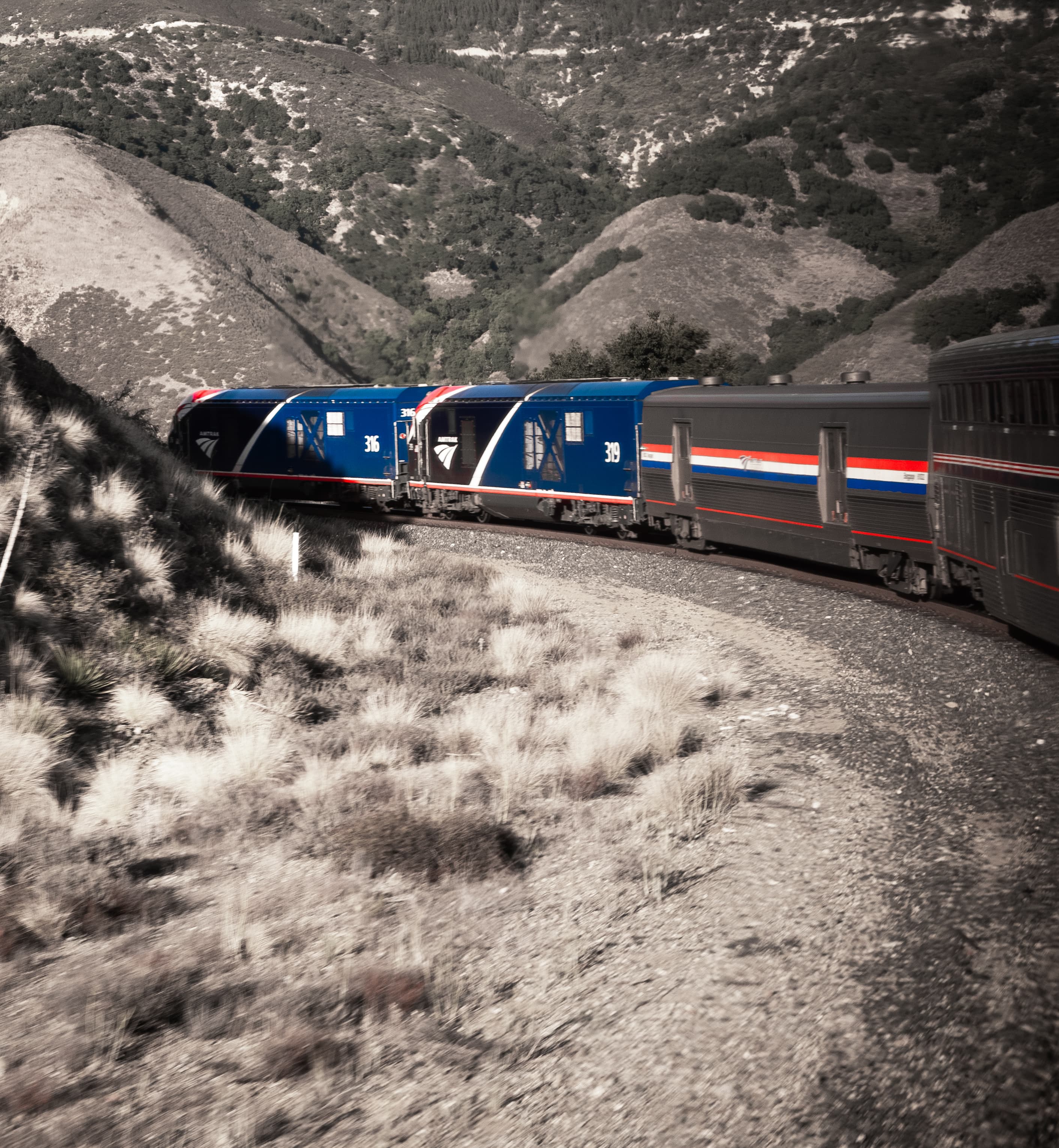

Coast Starlight
Seattle to Los Angeles in 35 hours: Cascade summits, Mount Shasta and 104 miles of Pacific shoreline
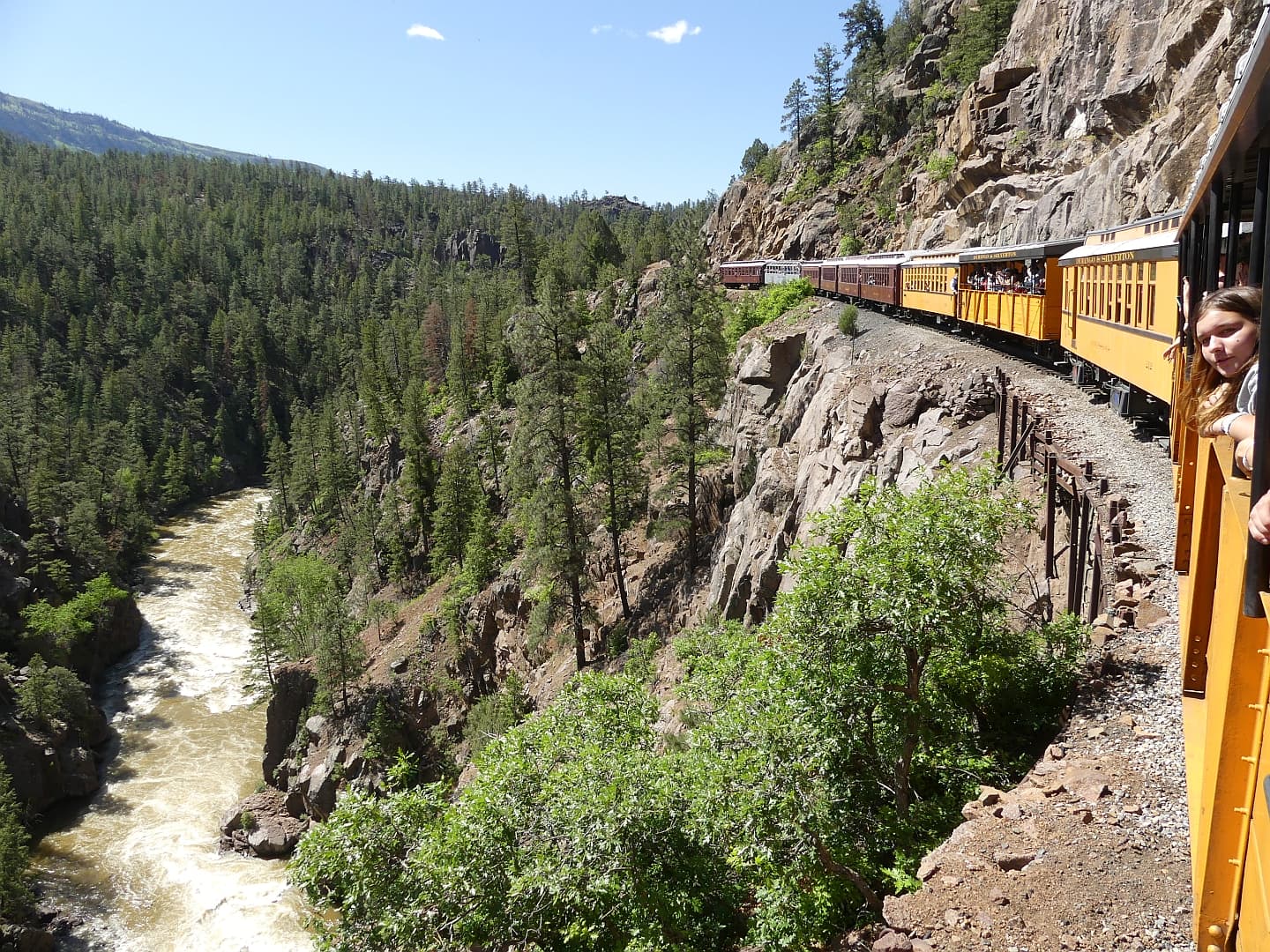
Durango and Silverton Narrow Gauge Railroad
An 1882 steam train up Colorado's Animas River Gorge to a silver-mining town
More Journeys Worldwide
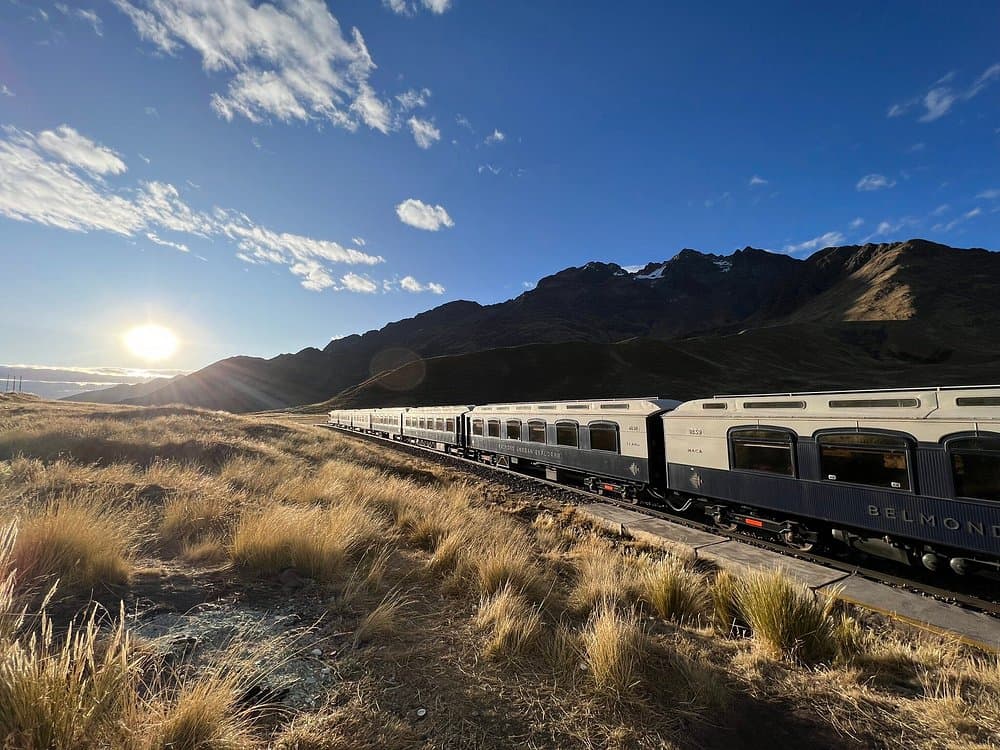
Belmond Andean Explorer
South America's first luxury sleeper train, across the roof of Peru
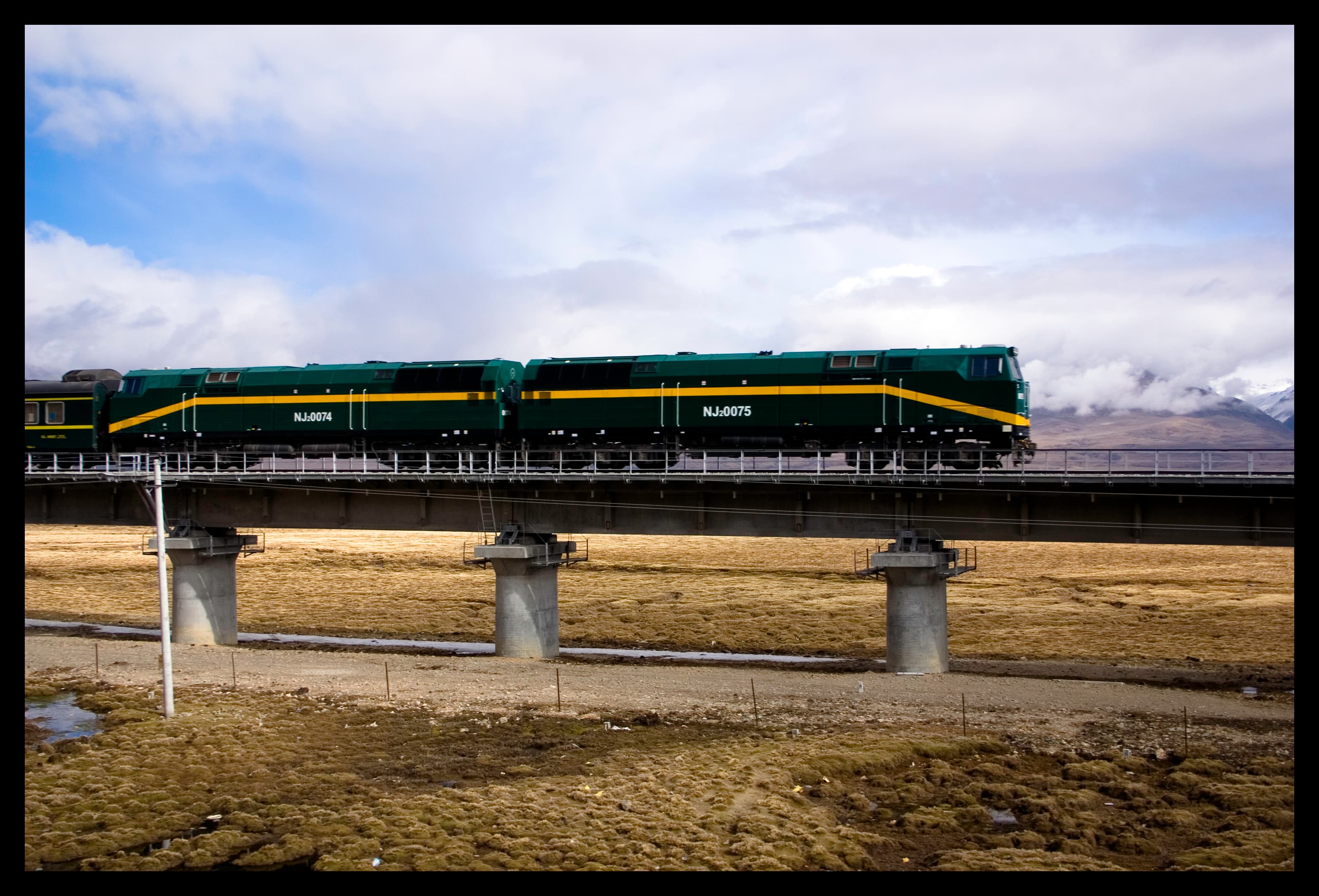
Qinghai-Tibet Railway
The world's highest railway, across the roof of the world to Lhasa

TranzAlpine
Coast to coast across the Southern Alps in a single morning

Tren a las Nubes
Argentina's rack-free climb to 4,220 m above the Puna
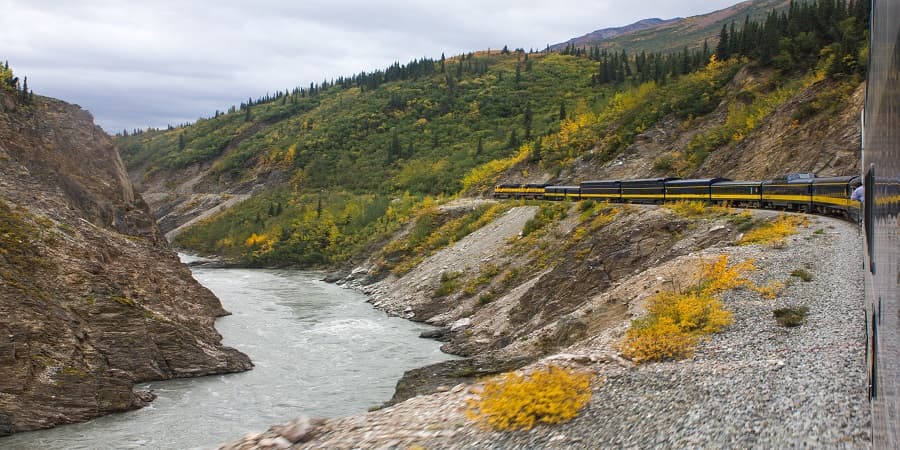
Denali Star
Alaska Railroad's flagship run to Denali and Fairbanks
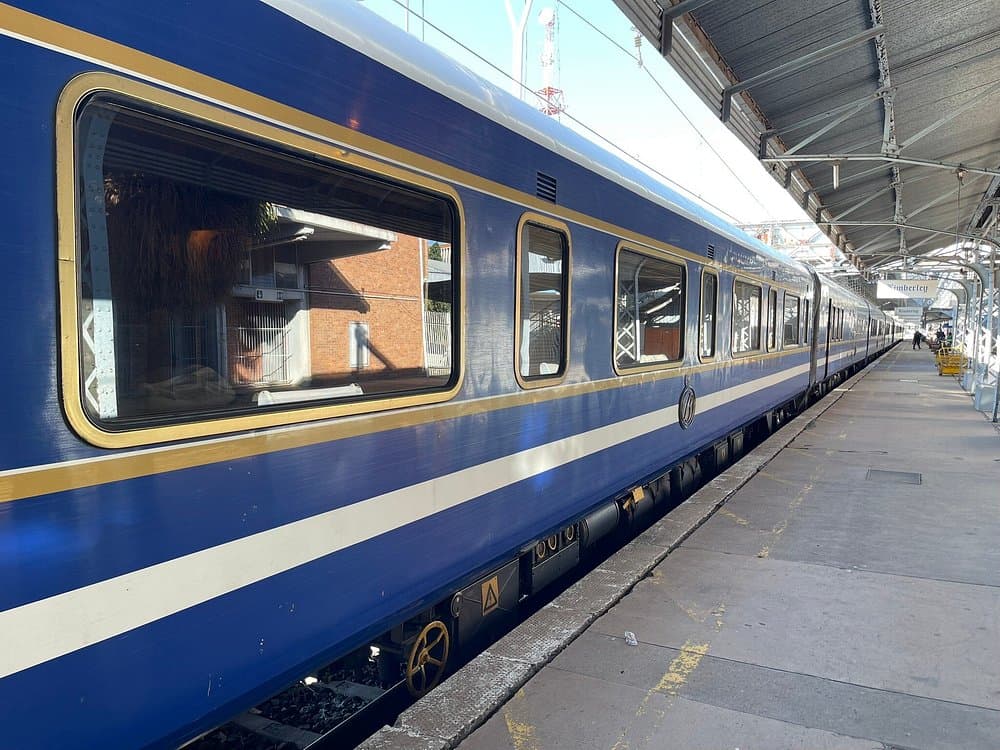
Blue Train
Pretoria to Cape Town in two nights, with a butler in every corridor
Spots Along the Route
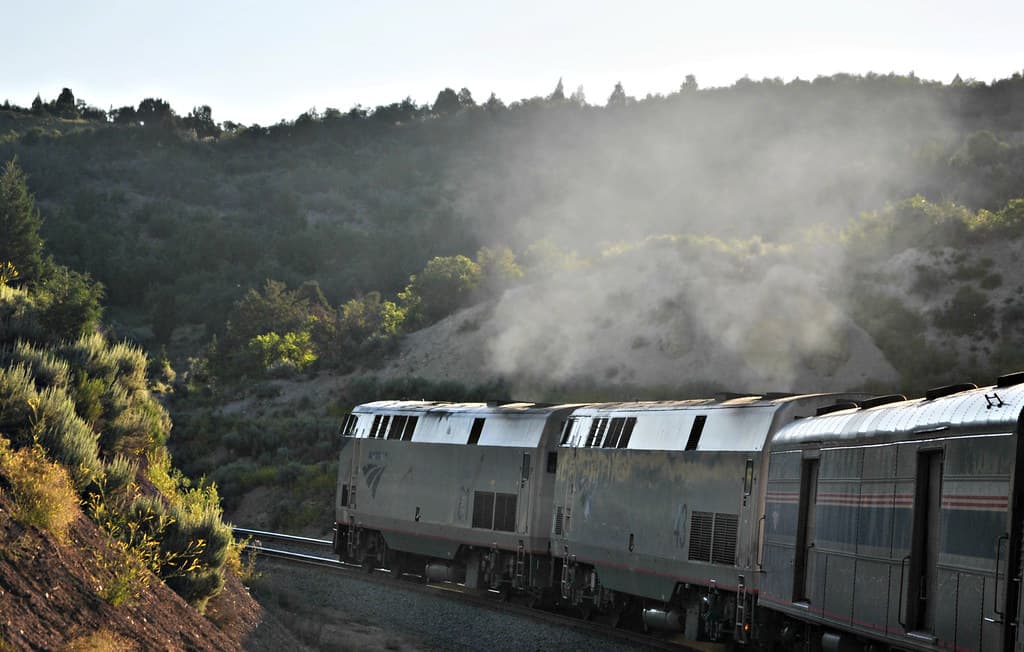
Helper (Soldier Summit)
Helper sits at the eastern foot of Soldier Summit on Union Pacific's former Denver & Rio Grande Western main line, the Provo Subdivision. This double-track, CTC-controlled corridor over the Wasatch Mountains is shared by UP, BNSF (trackage rights), and Amtrak's California Zephyr, with helper locomotive operations still required on the 2.4% eastbound grade—a living relic of mountain railroading that gave Helper its name.
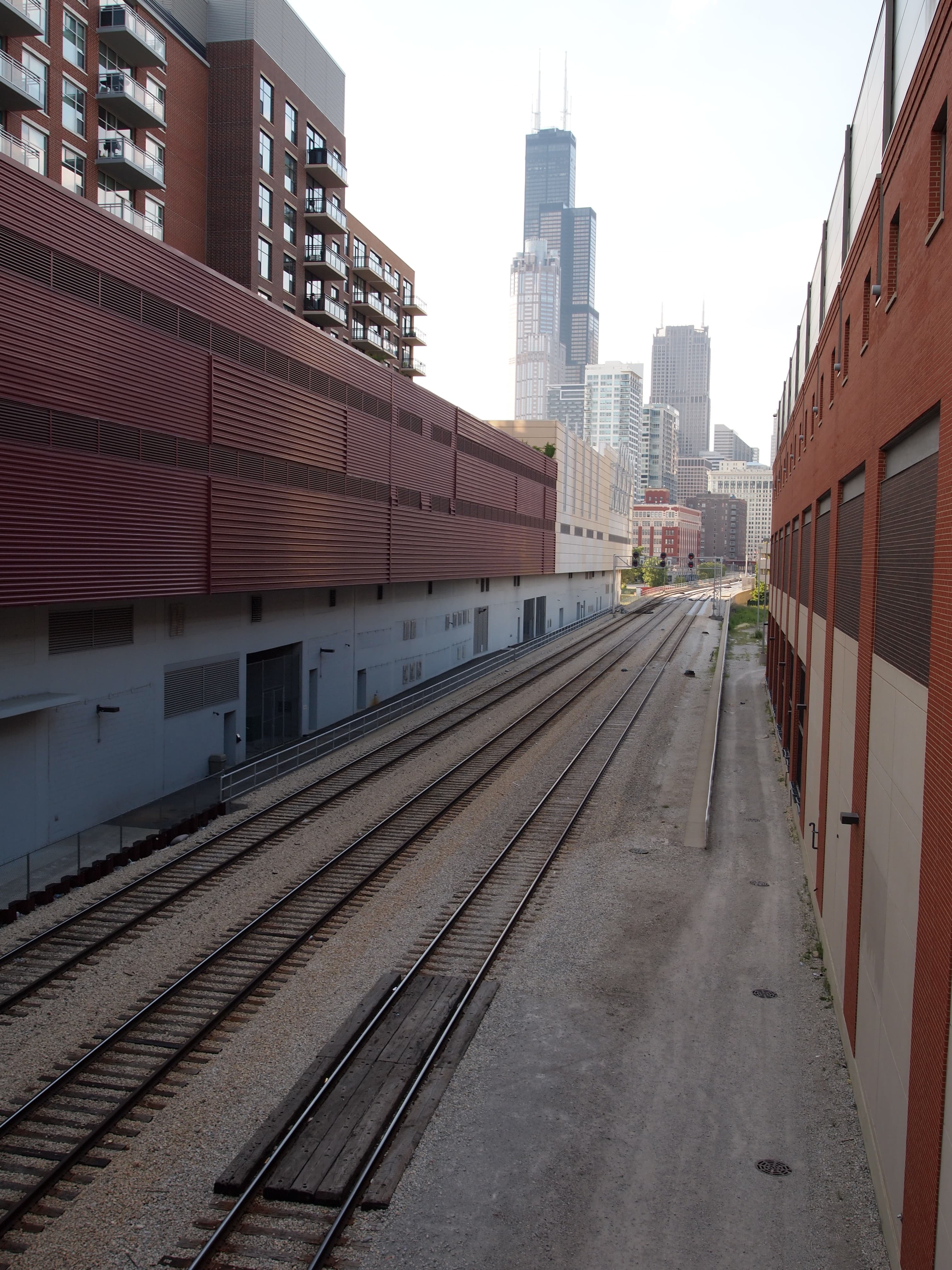
Roosevelt Road (Chicago)
Once called the world's greatest train watching overpass, Roosevelt Road spans multiple rail corridors one mile south of downtown Chicago, offering overhead views of Amtrak, Metra, and CTA operations with more than 300 trains daily.
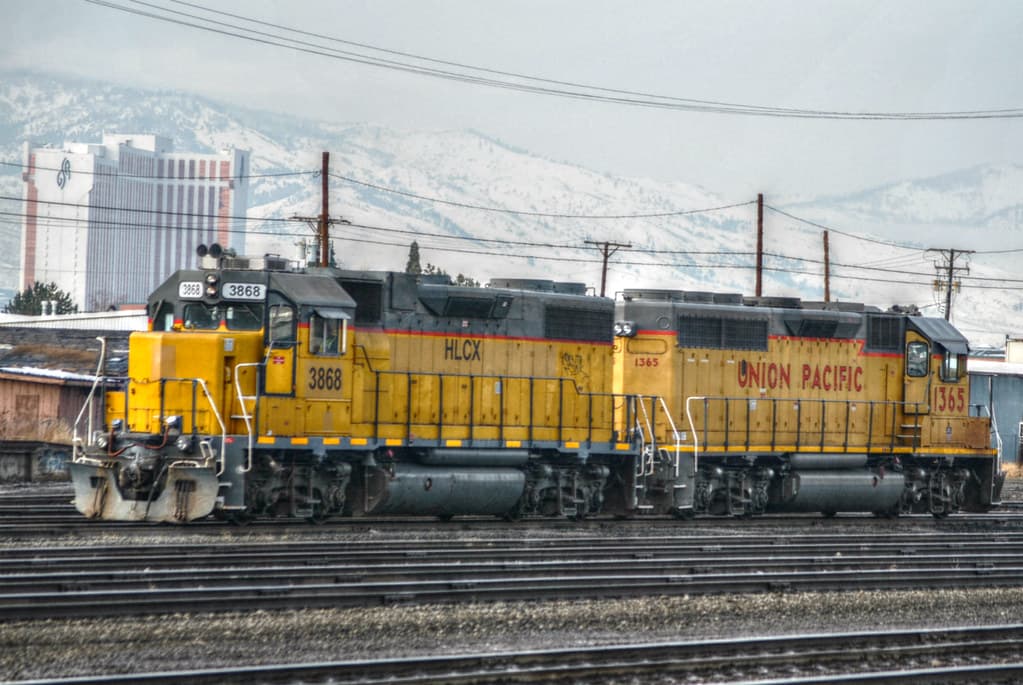
Reno (Sparks Yard)
Union Pacific's key Overland Route yard in Sparks, Nevada — a historic division point since 1904, offering close public viewing of freight operations, crew changes, and the daily California Zephyr against a Sierra Nevada backdrop.
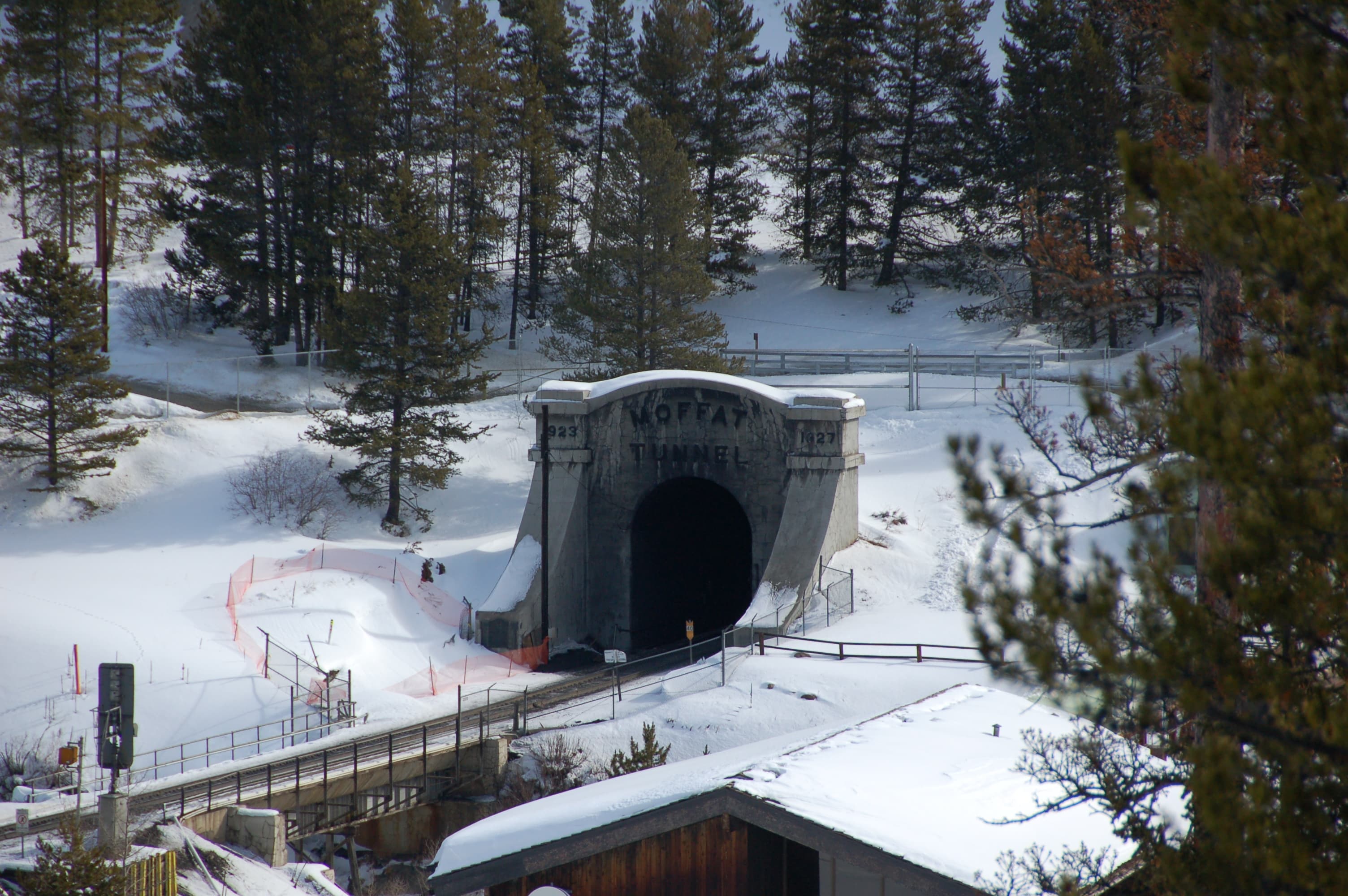
Moffat Tunnel (West Portal)
Watch UP and BNSF trains emerge from the 6.2-mile Moffat Tunnel—the highest mainline railroad tunnel in the US at 9,239 ft—at Winter Park Resort's base area in the Colorado Rockies.

Truckee (Donner Pass)
Downtown Truckee depot (10065 Donner Pass Rd) places railfans steps from the Union Pacific Overland Route at 5,820 ft elevation, where 15 to 25 daily freight trains and two Amtrak California Zephyr calls pass through the Sierra Nevada. The 1900 Southern Pacific stone depot and the nearby historic Summit Tunnel hiking trail make this a premier California railfan destination.
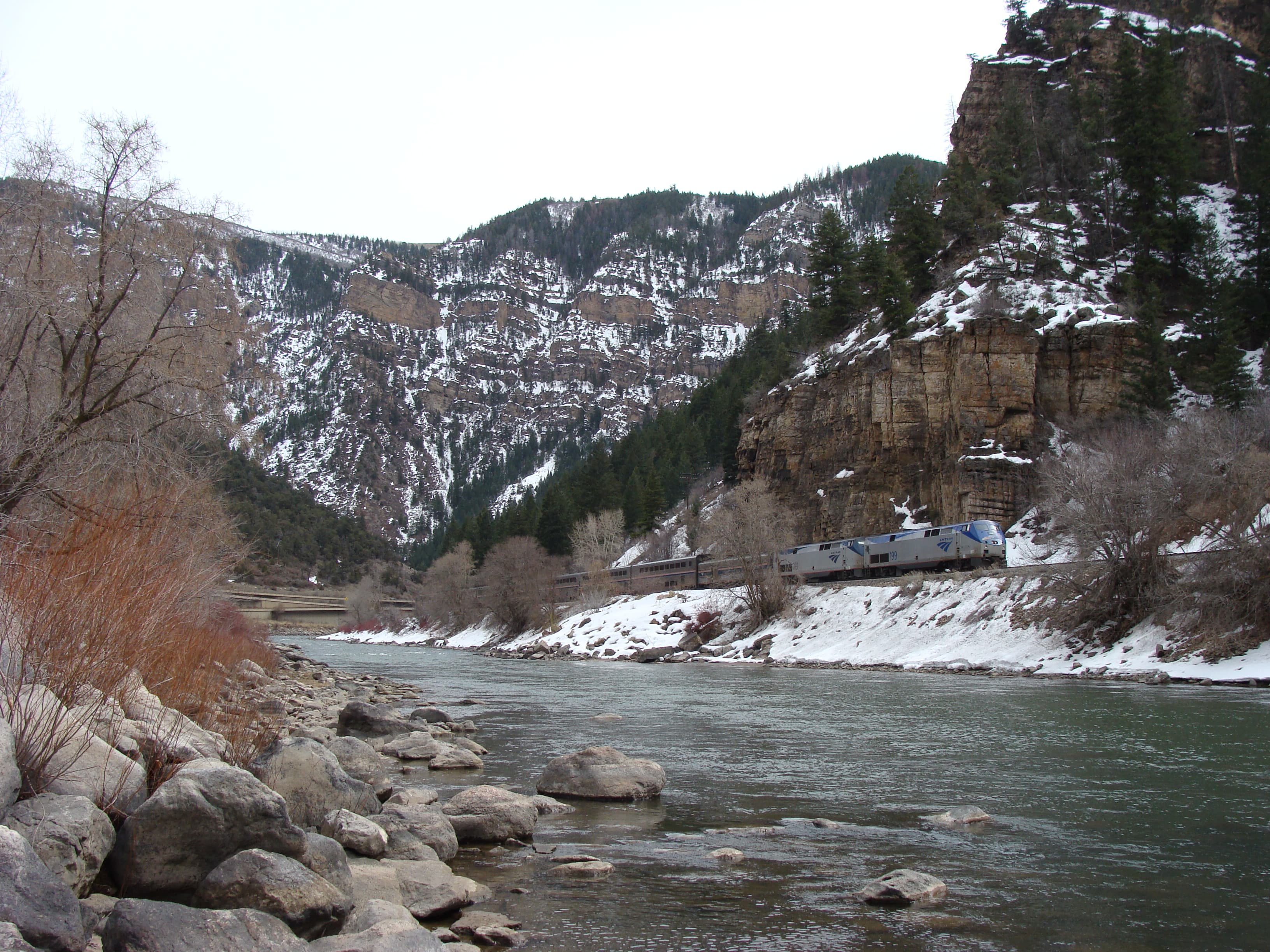
Glenwood Canyon Trail at Grizzly Creek
A paved riverside stretch of the Glenwood Canyon Recreation Path at the Grizzly Creek rest area, facing Union Pacific's Glenwood Springs Subdivision directly across the Colorado River.
Related Experiences & Mega-Projects
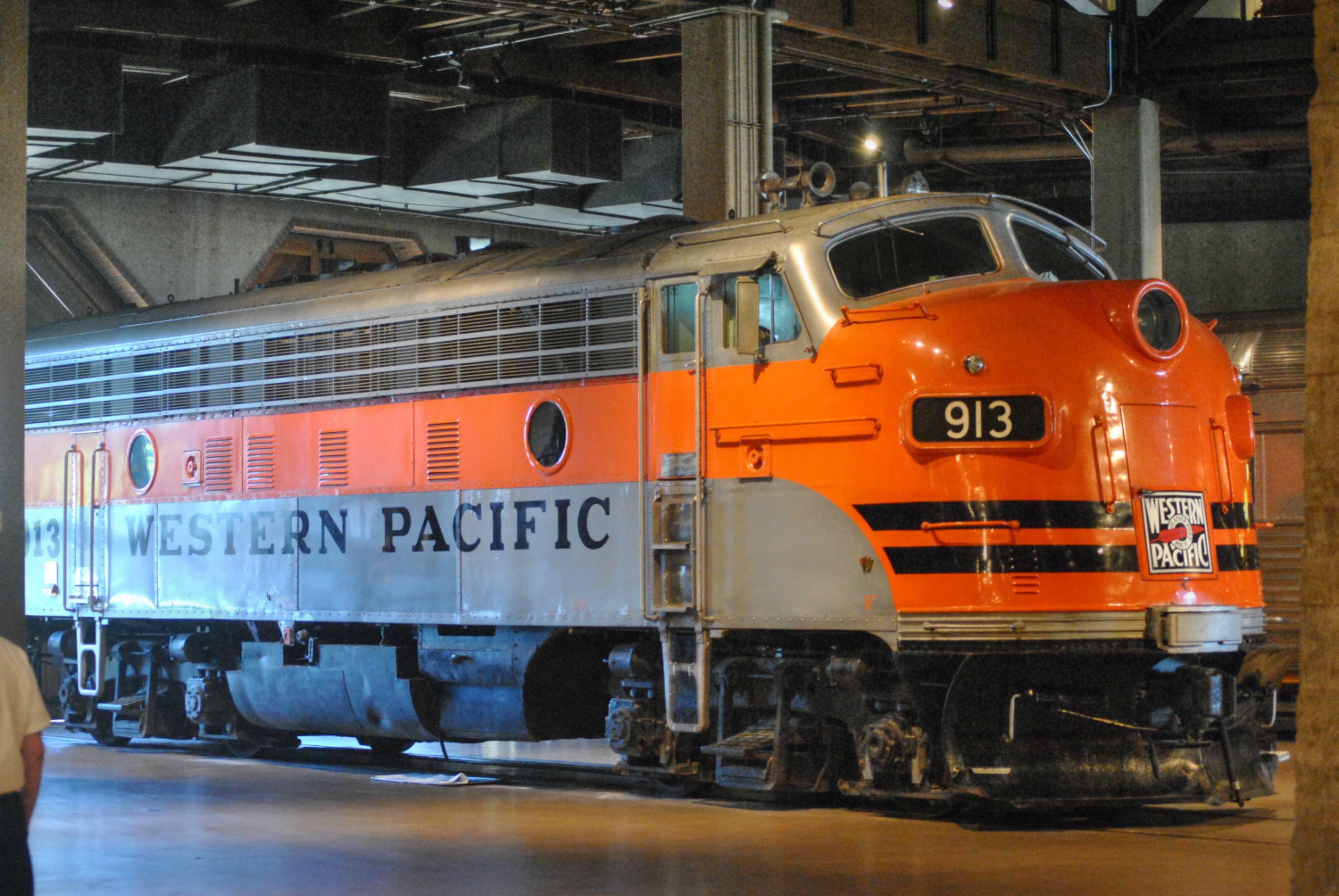
California State Railroad Museum
A world-class railroad museum in Old Sacramento featuring historic locomotives, rail cars, and immersive exhibits that bring California’s railroading past to life.
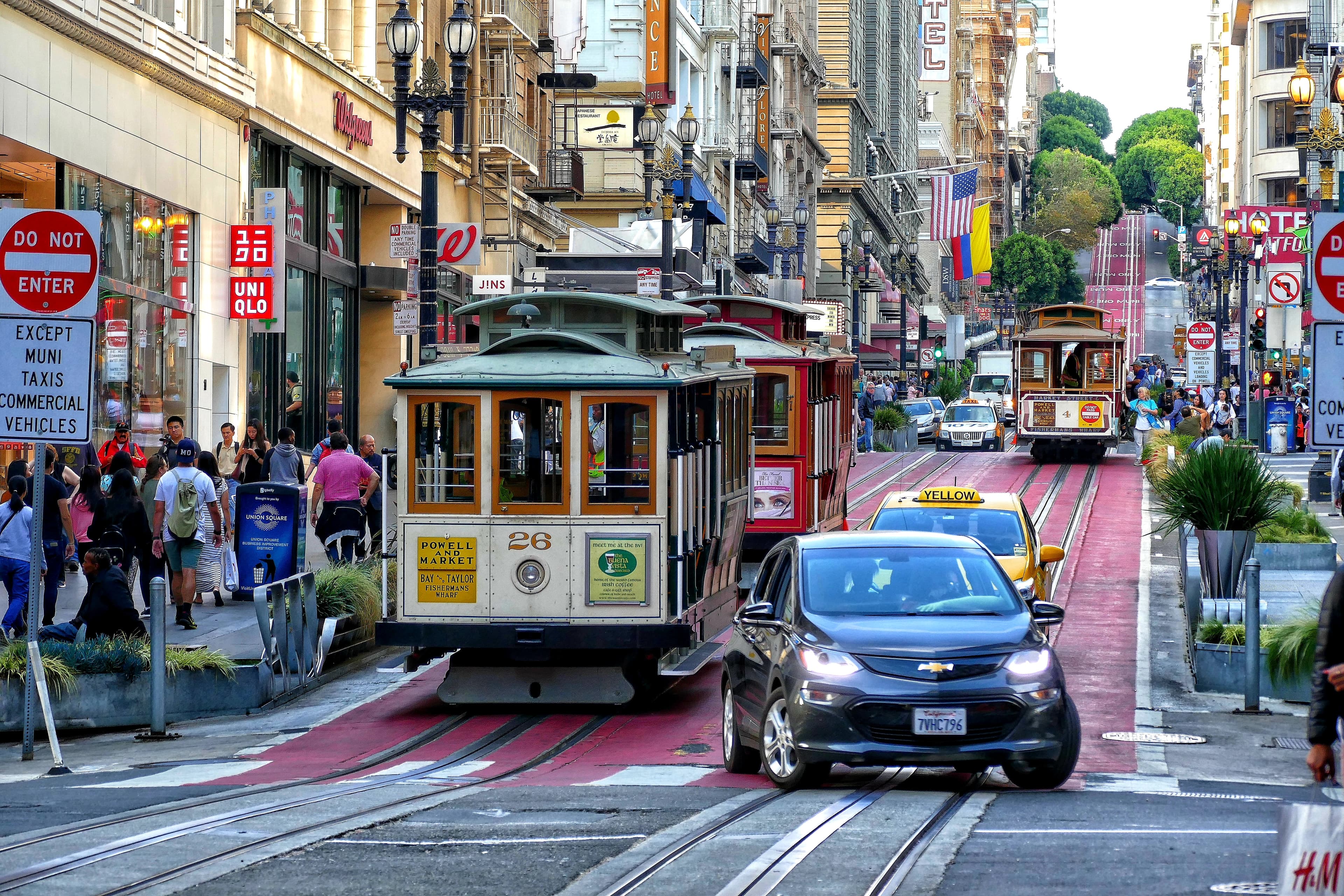
Powell–Hyde Cable Car Line
An iconic open-air cable car ride clanking up and down San Francisco’s steep hills, offering panoramic city and bay views on a historic moving landmark.
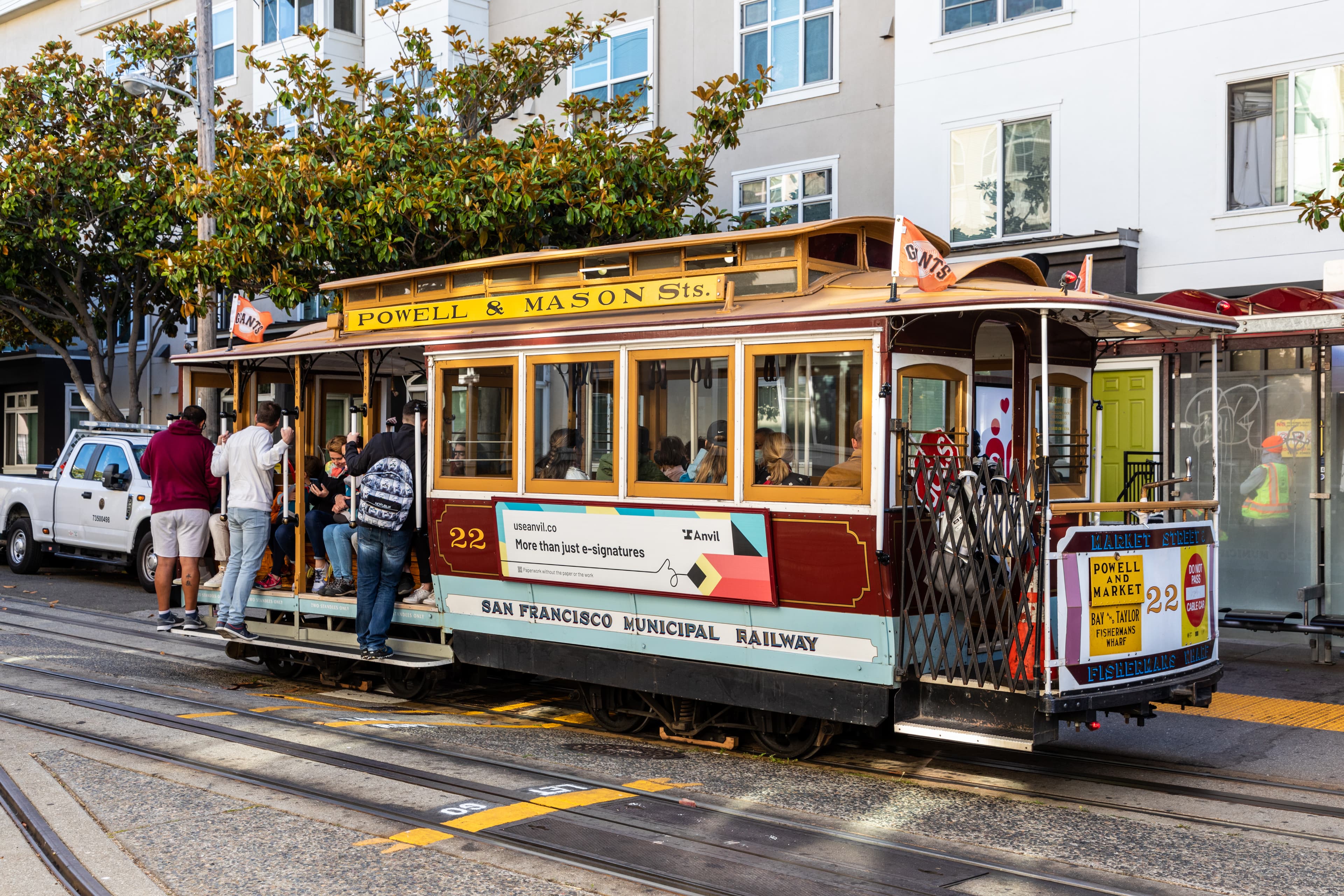
Powell-Mason Cable Car Line
San Francisco's oldest cable car line, running since 1888 from Powell & Market over Nob Hill to Fisherman's Wharf.
Explore around this route
43 places on Spotatrain within 25 km of this route — 13 spots, 5 experiences, 1 journey, 16 live cams and 8 events.
- Coast Starlight 19 m
- Helper (Soldier Summit) 159 m
- Donner Pass, California — Summit at East Norden 302 m
- Burlington (Iowa) 356 m
- California State Railroad Museum 398 m
- THE POLAR EXPRESS™ Train Ride — California State Railroad Museum 451 m
- Salt Lake City, Utah — Virtual Railfan South 534 m
- Chicago, Illinois — CTA View 833 m
- Chicago, Illinois — North Camera 904 m
- Chicago, Illinois — East Camera 904 m
- Lincoln, Nebraska — BNSF Hobson Yard 1.1 km
- Roosevelt Road (Chicago) 1.4 km