Railway Experience
California State Railroad Museum
A world-class railroad museum in Old Sacramento featuring historic locomotives, rail cars, and immersive exhibits that bring California’s railroading past to life.
Updated
See everything in California23 spots · 29 live cams · 6 experiences · 4 eventsAbout This Experience
Located in Old Sacramento on the banks of the Sacramento River, the California State Railroad Museum sits at the western terminus of America’s first transcontinental railroad – a fitting spot given Sacramento’s pivotal role in the Gold Rush and railroad historyparks.ca.gov. It is part of the Old Sacramento State Historic Park and has grown into one of the city’s most popular attractions, drawing over half a million visitors annually. First opened in 1976 and expanded in 1981, the museum is widely regarded as North America’s finest railroad museum, often cited as the most popular of its kind.
The museum complex spans six historic and recreated buildings and over 225,000 square feet of exhibit space, including a 100,000-square-foot main exhibition hall. Within this space are more than 20 meticulously restored locomotives and railroad cars, plus thousands of smaller artifacts and immersive exhibits. As a California State Parks facility (and Smithsonian Affiliate), the museum’s mission is to interpret the role of the “iron horse” in connecting California to the rest of the nation. Engaging displays, detailed dioramas, and expertly guided tours all work together to illustrate how railroads shaped California and the American West, making the museum a temple of train culture and history.
Featured Video
Exploring the California State Railroad Museum in Sacramento, CA USA Walking Tour
Exploration To Go takes you on a walking tour inside the California State Railroad Museum in Sacramento, California, United States in stunning 4K UHD at 60 fps (there is no music in the video so that viewers will get to experience the background sounds and noises that goes on during the tour). The California State Railroad Museum is a museum in the state park system of California, United States, interpreting the role of the "iron horse" in connecting California to the rest of the nation. It is located in Old Sacramento State Historic Park at 111 I Street, Sacramento.
Why Visit
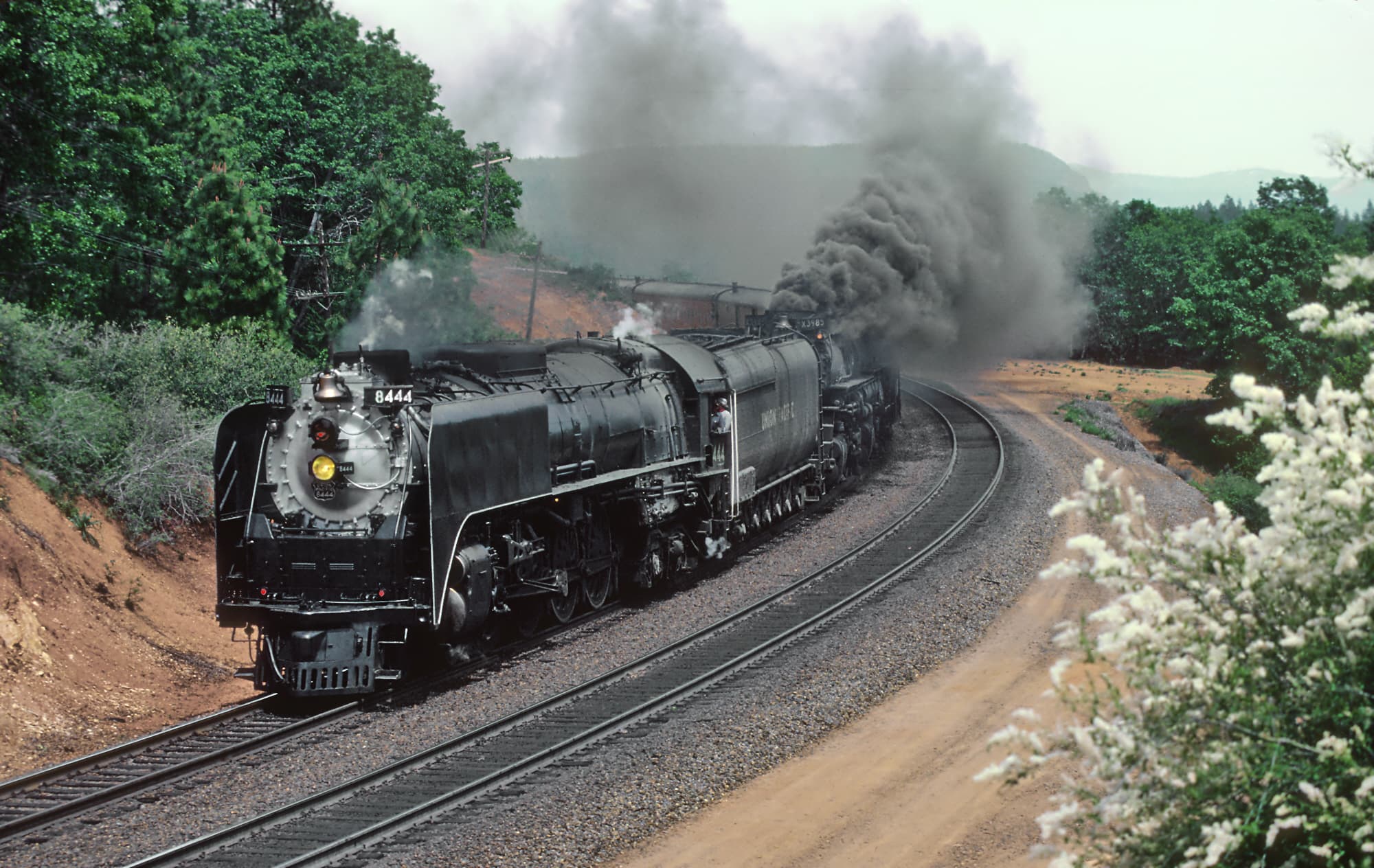
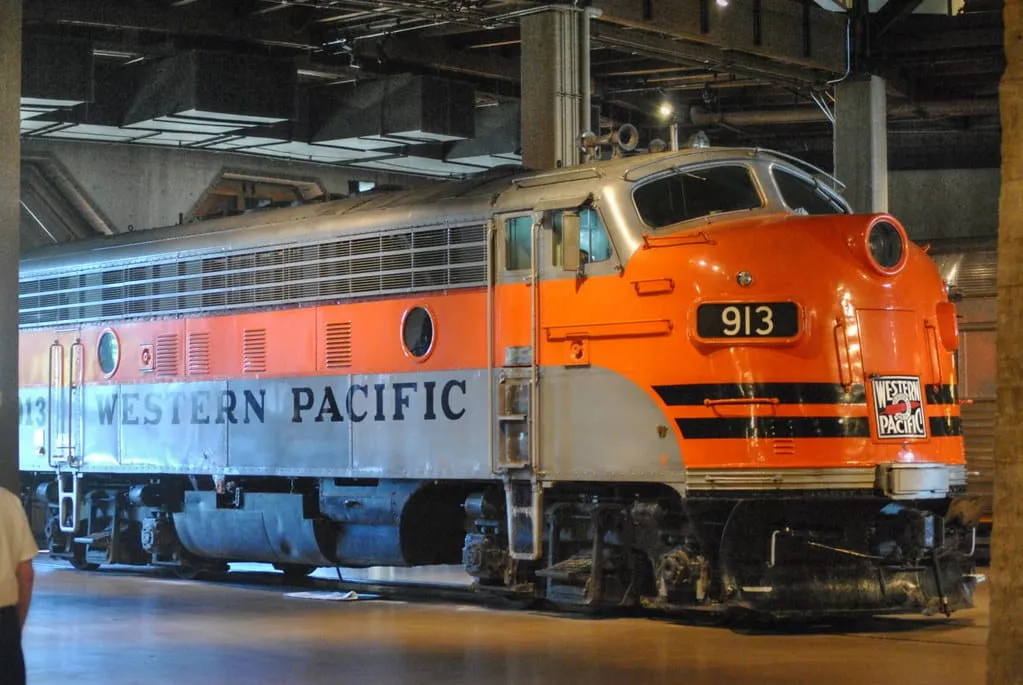
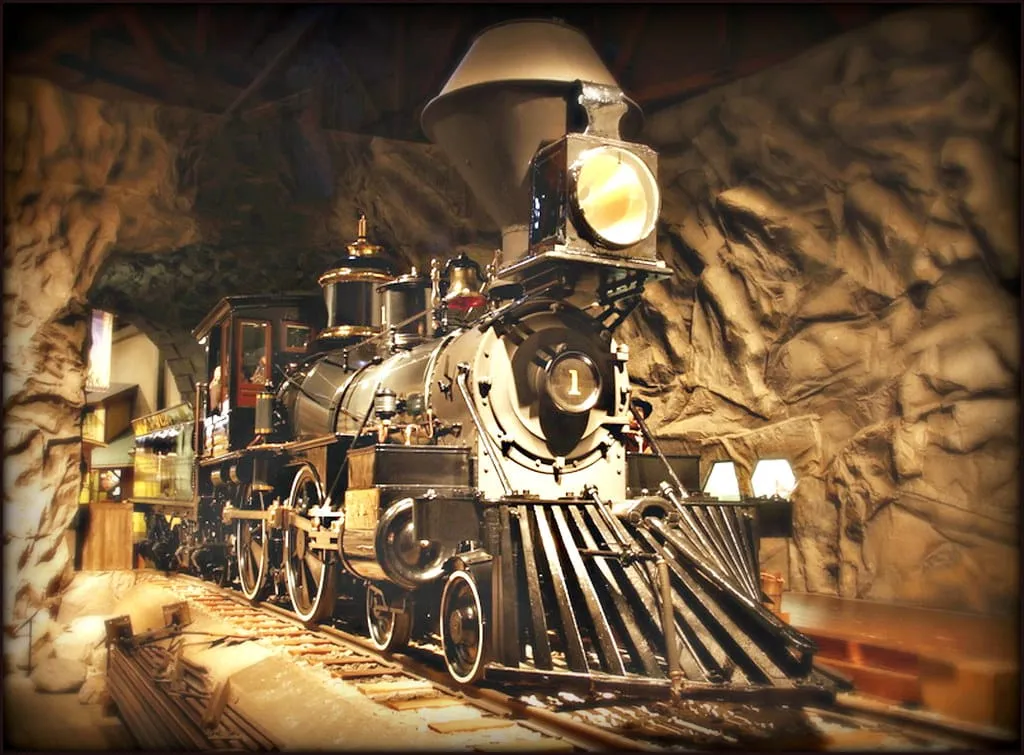
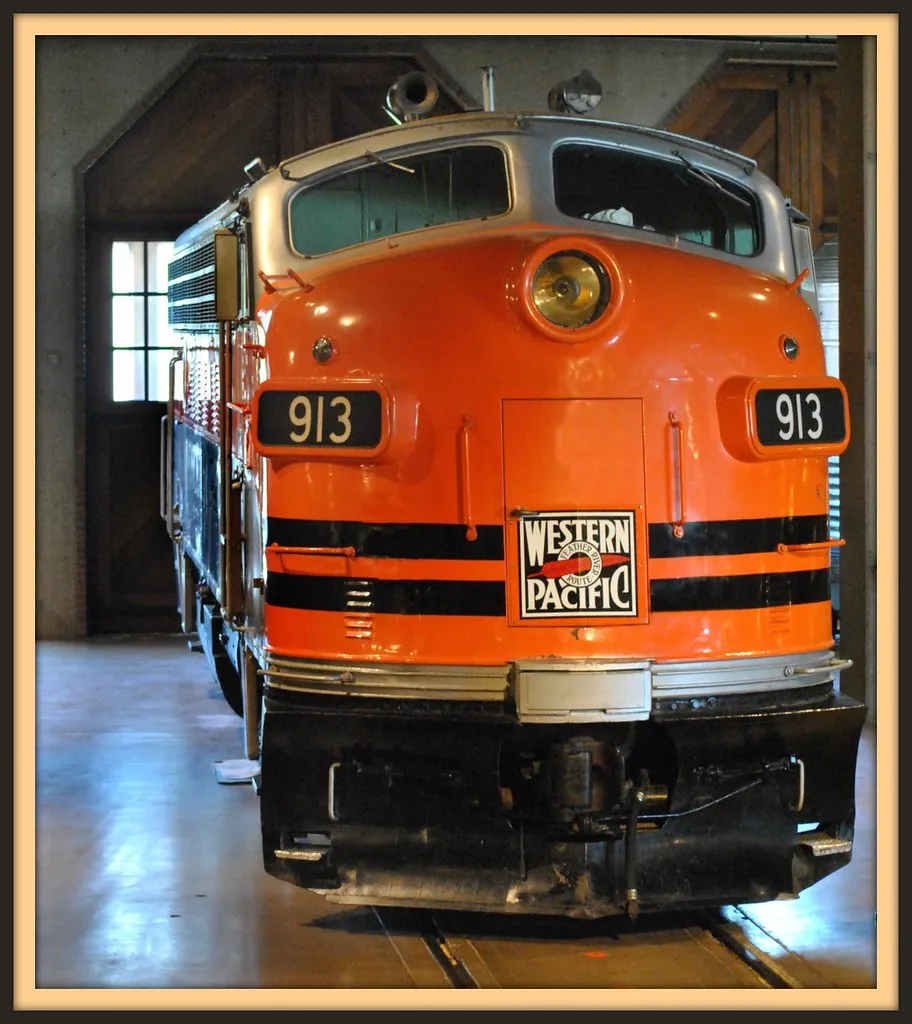
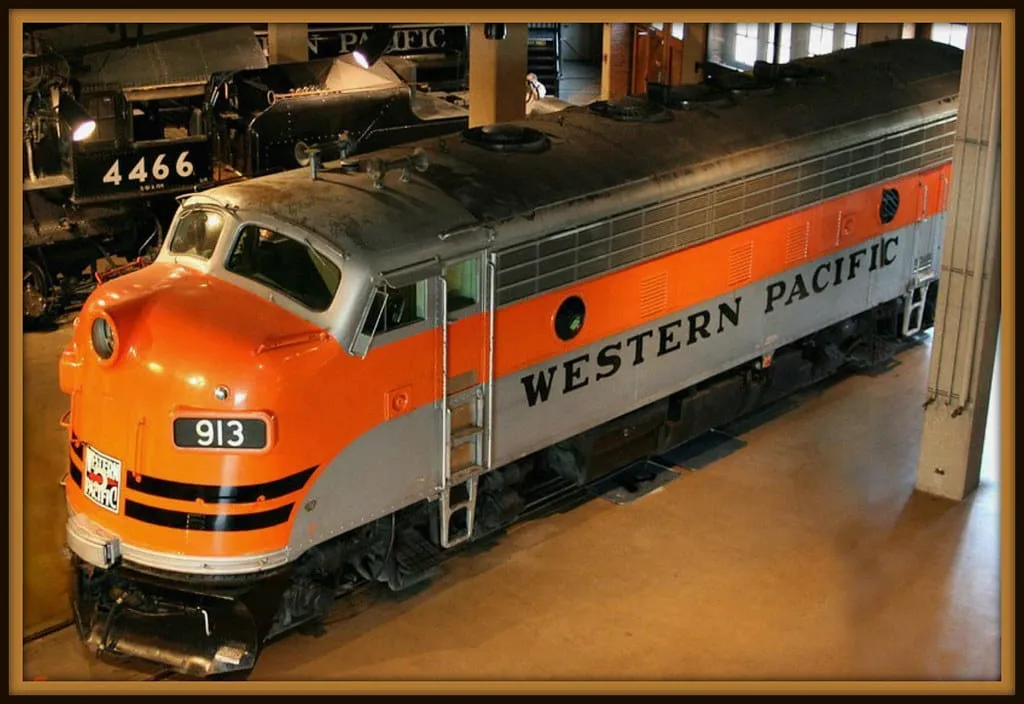
For railfans and historians, the California State Railroad Museum offers an unparalleled collection of historic rolling stock and memorabilia. The museum’s roundhouse-style gallery features an unrivaled lineup of locomotives, from diminutive 19th century steam engines to massive mid-20th century machines. Notably, it has five of the fewer than 30 surviving American steam locomotives built before 1880 – including Central Pacific Railroad #1 “Gov. Stanford” (1862) – and at the other extreme, the last remaining “cab-forward” steam locomotive in the world, Southern Pacific #4294 (1944)en.wikipedia.org. The collection spans eras and technologies: visitors can marvel at the tiny Southern Pacific #1 “C.P. Huntington” from 1863 (the museum’s logo engine) and then stand before the million-pound SP Cab-Forward #4294 mentioned above. There are also vintage diesel and electric locomotives, such as a Southern Pacific E-9 in bright “Daylight” colors and an ATSF F7 Warbonnet engine that pulled the Super Chief, as well as a rare German-built Krauss-Maffei ML 4000 diesel-hydraulic – each illustrating a step in the evolution of motive power. Many of the engines and cars have been painstakingly restored to their original glory, making this museum a living gallery of railroading’s golden age.
Beyond the big engines, the museum is a treasure trove for researchers and history buffs. Its extensive library and archives preserve thousands of books, photographs, technical drawings, and railroad ephemera, all related to railroading in the Western U.S.. Scholars can find everything from 19th-century railroad manuals to original locomotive blueprints (notably large collections from Southern Pacific Railroad and Lima Locomotive Works). The archive also houses personal collections donated by railroad employees and railfan groups, offering unique primary sources on railway heritage. The museum’s active restoration program, supported by its non-profit Foundation, means that behind the scenes many artifacts are continually being conserved or rebuilt for future display. Enthusiastic and knowledgeable docents are on hand daily to share stories and answer questions, adding richness for serious enthusiasts. In sum, the museum is a mecca for railfans – often described as a “world-renowned” facility attracting visitors from across the globe – where one can immerse in authentic railway history, whether your passion is giant steam locomotives, vintage timetables, or anything in between.
What to Expect
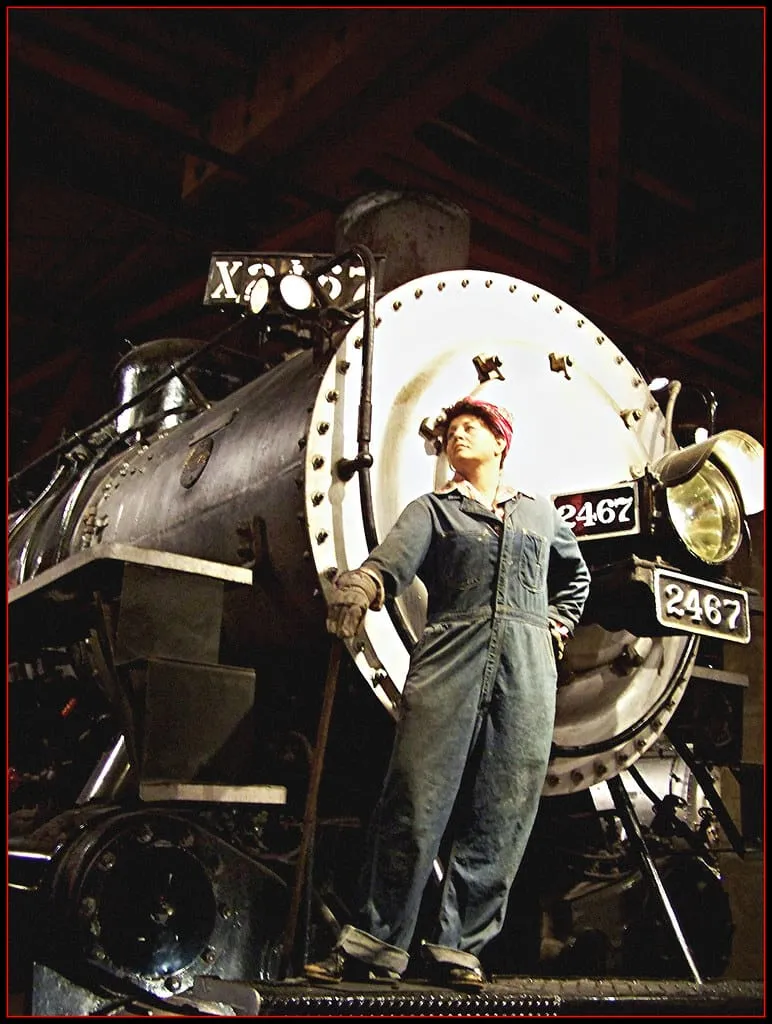
Inside the museum’s 100,000 sq ft hall, visitors are greeted by a dramatic roundhouse-style display of locomotives and cars. Massive steam engines tower over the polished concrete floor, arranged as if ready to steam out on the main line, while period-authentic lighting and backdrops (like a simulated 1870s roundhouse) set the mood. The museum typically has around 21 full-size locomotives and train cars on exhibit, some dating back to the 1860s. One highlight is the breathtaking “Sierra Scene” diorama – a two-story re-creation of a cliffside construction site high in the Sierra Nevada, complete with a locomotive (the Gov. Stanford) pushing track crews at Donner Pass circa 1867en.wikipedia.org. Around you, themed exhibits illustrate how railroads transformed travel, commerce, and daily life – from the driving of the Golden Spike to the role of Chinese immigrant workers in building the Transcontinental Railroadvisitcalifornia.com. There is a rich soundscape and visual experience: you might hear the clanging of a crossing bell or a conductor’s call as you move between displays, and many of the locomotives are set in life-like scenes that ignite the imagination.
The museum offers a very hands-on experience despite the grand scale of the artifacts. Visitors are invited to climb aboard several restored rail cars, including a plush Pullman sleeping car and a fully set 1930s dining car (the ATSF Cochiti), complete with vintage china, silverware, and ornate velvet decor. You can wander through a wooden caboose and a replica Railway Post Office car, where kids (and adults) can try sorting mail bags just as postal clerks did on moving trains. An impressive exhibit on toy trains showcases over 1,000 vintage toy train cars and models, delighting model railroaders with its operating O-scale layout and displaying rare Lionel and Märklin pieces. Interactive displays are around every corner – from working signal lights you can activate to a high-speed train simulator that lets you “drive” a modern bullet train. Throughout the galleries, you’ll find clear interpretive panels, historic photos, and even some costumed docents who bring railroad history to life for school groups. Despite its popularity, the museum’s spacious design means you can often get an up-close, unobstructed view of star exhibits like the 4-8-8-2 Cab-Forward or the 4-4-0 engines. Expect a mix of families, tourists, and avid railfans among the visitors, all equally in awe. Photography is welcome (for personal use), so you can capture the magnificent machines – just be mindful of the low light in some areas. In all, a visit here is an immersive journey back in time: you don’t just see the trains, you truly experience the grandeur and charm of railroading’s past.
How to Plan Your Visit
Season and Schedule
The California State Railroad Museum is open year-round and offers a variety of experiences throughout the seasons. Visitors can enjoy the museum daily, with the best times for a relaxed visit being spring and fall.
- Hours
- 10 a.m. to 5 p.m.
- Last Admission
- 4:30 p.m.
- Closed On
- Thanksgiving, Christmas Day, New Year’s Day
- Recommended Visit Duration
- 2–3 hours
Ticket Information
The California State Railroad Museum offers general admission tickets for adults and youths, with free entry for young children. Tickets can be purchased on-site, and members enjoy additional benefits such as free admission year-round.
- Adult Admission
- $12
- Youth Admission
- $6
- Children Admission
- Free for ages 5 and under
- Payment Methods
- Cash and cards accepted
- Group Rate
- $11 per adult for groups of 10 or more
- Membership Benefits
- Free admission year-round for members
Accessibility Details
The California State Railroad Museum is fully accessible to visitors with disabilities and offers various resources for those with sensory sensitivities. The museum strives to accommodate all visitors and provides assistance as needed.
- Accessibility
- Fully accessible to visitors with disabilities
- Exhibit Access
- Wheelchair lifts available for certain exhibits
- Sensory Certification
- Sensory-inclusive certification earned
- Sensory Bags
- Available for borrowing at the front desk
- Service Animals
- Permitted
What to Bring
Visitors to the California State Railroad Museum should wear comfortable shoes and casual attire, as the interior is climate-controlled. It's advisable to bring a camera, water, and snacks, and to prepare for varying temperatures if exploring the outdoor area.
- Attire
- Comfortable shoes and casual attire
- Climate Control
- Interior is climate-controlled
- Photography
- Handheld photography allowed and encouraged
- Food Policy
- No food allowed inside exhibit halls
- Nearby Eateries
- Numerous eateries a short walk away in Old Sacramento
Photography Tips
The California State Railroad Museum offers great opportunities for photography of historic trains with specific strategies for capturing the best images. Tips include arriving early, using a wide-angle lens, and taking advantage of different lighting conditions.
- Best Time to Visit
- Early on a weekday
- Recommended Equipment
- Wide-angle lens
- Photography Tips
- Try different angles to play with light and shadow
- Second-Floor Balcony
- Offers great overview of the train hall
- Lighting Conditions
- Relatively dim in some exhibit areas
- Tripod Policy
- Not permitted inside
Traveling with Pets
Depends on the service
California State Parks publishes the rule for this park unit: "Dogs allowed in exterior portions of railroad displays only. Service animals are allowed in the Museum and on excursion trains." So a leashed dog can walk the outdoor display areas, but not enter the museum building or ride the Sacramento Southern excursion. State park rules require dogs to be leashed.
Verified — operator's pet policy
Travel Information
By Air
The California State Railroad Museum is accessible from Sacramento International Airport, which is about 10 miles north of downtown Sacramento. Travelers can also consider flying into San Francisco International Airport, though it is farther away.
- Nearest Airport
- Sacramento International Airport (SMF)
- Distance to Museum
- 10 miles (16 km) from SMF
- Driving Time from SMF
- 15–20 minutes
- Alternative Airport
- San Francisco International Airport (SFO)
- Distance from SFO
- 95 miles (153 km) southwest of Sacramento
- Driving Time from SFO
- 1.5 to 2 hours
By Train
The California State Railroad Museum in Sacramento is easily accessible by train, particularly via Amtrak. The Sacramento Valley Station is just a short walk from the museum and connects to various rail services.
- Main Rail Hub
- Sacramento Valley Station (SAC)
- Amtrak Routes
- Capitol Corridor, San Joaquins, California Zephyr, Coast Starlight
- Walking Distance to Museum
- 5- to 10-minute walk
- Local Transit
- SacRT light rail Gold Line
By Car
The California State Railroad Museum is easily accessible by car from major highways. It is located in downtown Sacramento, which has historic and narrow streets with limited parking options.
- Distance from San Francisco
- 88 miles (142 km)
- Distance from Reno
- 132 miles (212 km)
- Driving Time from Bay Area
- 1.5–2 hours
- Driving Time from Reno
- about 2 hours
- Museum Location
- just off I-5 (Exit 519B)
Parking
Parking in Old Sacramento is limited due to its historic layout. Public parking garages are recommended for visitors to the California State Railroad Museum.
- Street Parking
- Very limited with a 90-minute limit
- Closest Garage
- Old Sacramento Garage on 2nd Street at I Street
- Alternative Garage
- Tower Bridge Garage at Capitol Mall and Front Street
- RV/Bus Parking
- Free designated lot behind the museum
- Parking Advice
- Avoid street parking due to scarcity and enforcement
Local Transportation
The California State Railroad Museum is easily accessible in Sacramento, with walkable distances from downtown amenities and public transit options available. Local transportation is excellent, allowing visitors to combine their museum visit with other sights conveniently.
- Walking Distance to Amtrak/Transit Station
- a couple of blocks
- Walking Distance to State Capitol
- about a 10-minute stroll
- Nearest Light Rail Station
- Sacramento Valley Station
- Walking Distance to Light Rail Station
- just a few minutes' walk
- Pedestrian-Friendly Area
- 8-block area
Nearby Lodging
Find places to stay near California State Railroad Museum.
This lodging map is provided by Stay22, a third-party service that may set cookies. It loads only with your consent.
Accommodation results are provided by Stay22; we may earn a commission on bookings made through this map.
Nearby Attractions
- Old Sacramento Waterfront
A 28‑acre National Historic Landmark District along the Sacramento River, Old Sacramento features preserved Gold Rush‑era buildings, wooden sidewalks, riverboat rides, museums, historic rail excursions, shops, dining venues and regular live events.
- Crocker Art Museum
Founded in 1885, the Crocker is the oldest public art museum west of the Mississippi. Housed in a historic Italianate complex plus modern pavilion, it showcases California art, European drawings, international ceramics and offers family‑friendly programs.
- Sacramento History Museum
Located in a reconstructed 1854 City Hall within Old Sacramento State Historic Park, this museum brings the Gold Rush to life through immersive exhibits, working print shop, underground tours and artifacts, highlighting Sacramento’s pioneer and mining past.
Photos
 Loco Steve
Attribution-ShareAlike License
Loco Steve
Attribution-ShareAlike License
Joe Ross
Attribution-ShareAlike License
Loco Steve
Attribution-ShareAlike License
Loco Steve
Attribution License
Loco Steve
Attribution-ShareAlike License
Help improve this page
Spotted something out of date or incorrect? Let our community know.
Explore more experiences: Browse all rail travel experiences.
Booking & Pricing
Affiliate link — we may earn a commission on bookings at no extra cost to you. Details.
Quick Information
Country
Region
City
Sacramento
Best Season
Thanks to its indoor nature, the California State Railroad Museum is enjoyable year-round, but the spring and fall months are often the most pleasant time to visit. During spring (March–May) and fall (September–November), Sacramento enjoys mild weather – daytime highs are comfortable, around 70–80 °F (21–27 °C), which is perfect for exploring the museum and the surrounding Old Sacramento area on foot. These seasons also avoid the peak tourist crowds of summer, meaning you’ll find the museum a bit quieter and less crowded, especially on weekdays.