

Updated
Distance
104.6 km
Duration
2h 15min each way
Max altitude
2,135 m
Gauge
standard
A historic 65-mile heritage railway from Williams, Arizona to the South Rim of Grand Canyon National Park, operated daily by Xanterra Travel Collection through Arizona high country, plateau prairies, and ponderosa pine forests.
About This Journey
The Grand Canyon Railway is a 65-mile heritage line operating daily between Williams, Arizona (elevation 6,800 ft) and the South Rim of Grand Canyon National Park (7,000 ft). The route was opened in 1901 by the Atchison, Topeka and Santa Fe Railway and revolutionized early Grand Canyon tourism by replacing a two-day stagecoach trip with a comfortable three-hour train journey. After regular service ceased in 1968, the railway was reopened in 1989 by Max and Thelma Biegert and has been operated by Xanterra Travel Collection since 2007.
The 2-hour 15-minute one-way ride crosses Arizona’s Colorado Plateau, beginning in ponderosa pine forests near Williams, descending into wide-open high desert plains, and climbing back to the canyon’s South Rim. Passengers can choose from six classes of service, from vintage 1923 Pullman bench-seat cars to the Luxury Parlor with a rear platform. On select dates March through October, the train is hauled by steam locomotive No. 4960 (which runs on waste vegetable oil) or No. 29 — the rest of the year, EMD F40PH diesels and vintage FPA-4 units provide motive power.
Why This Journey Is Iconic
The Grand Canyon Railway is one of the few remaining heritage railroads in the United States that delivers passengers directly into a National Park. Its 1910 log-built Grand Canyon Depot at the South Rim is a National Historic Landmark and one of only three log depots ever known to have been built in the U.S. — the only one in which logs remain as the primary structural material on an operating railroad. The line was a pivotal force in early 20th-century Grand Canyon tourism, bringing the first wave of visitors to what would become a National Park in 1919, and shaping the development of El Tovar Hotel and Grand Canyon Village.
What to Expect
Round-trip excursions depart Williams Depot daily at 9:30 AM (standard season) and arrive at the Grand Canyon South Rim at 11:45 AM, allowing approximately 3 hours 45 minutes to explore the rim before the 3:30 PM return. Onboard, passengers enjoy live musicians, narration of the changing landscape, and a staged train robbery on the return leg through Old West cowboy characters. Six classes of service range from open-window vintage Pullman coaches to climate-controlled domes and luxury parlor cars with rear-platform access. Free parking is available at the Williams Depot.
History
The Santa Fe and Grand Canyon Railroad Company was incorporated in 1897. The Atchison, Topeka & Santa Fe Railway completed the track and inaugurated service on September 17, 1901, replacing a grueling two-day stagecoach trip from Flagstaff. Theodore Roosevelt rode the line in 1903, and the railway’s success seeded the development of Grand Canyon Village and El Tovar Hotel. Grand Canyon National Park was established by Congress on February 26, 1919. Steam locomotives operated until the diesel transition between 1940 and 1953. Passenger service ended in July 1968. The line was reopened on September 17, 1989 by Max and Thelma Biegert under the Grand Canyon Railway name. Xanterra Travel Collection acquired the operation in 2007.
Engineering Highlights
The Williams Depot (built 1908) is the oldest poured-concrete structure in Arizona and is listed on the National Register of Historic Places alongside the adjacent Fray Marcos Hotel. At the South Rim, the Grand Canyon Depot (1909–1910) was designed by Santa Barbara architect Francis W. Wilson as a two-story log and wood-frame structure — one of only three log depots remaining in the United States, and the only one still serving an operating railroad. Steam locomotive No. 4960 famously operates on used vegetable oil. The line is standard gauge (1,435 mm) and reporting marks are GCRY (also historically GCRX).
Best Time to Travel
Autumn (mid-September through October) offers crisp temperatures, clear skies, thinner crowds and golden aspen foliage, and remains the most-recommended season. Late April through May features blooming wildflowers and pleasant weather. Summer (June–August) is busy and warm with monsoon thunderstorms in July/August. Winter rides are quiet and atmospheric, with heated coaches and the festive Polar Express in November–December — snow on the canyon rim is possible. Aim for the shoulder seasons (April–May or September–October) for the best combination of weather and availability.
Practical Tips
Dress in layers — Williams and the South Rim both sit near 7,000 ft elevation. Bring sturdy walking shoes, sunscreen, sunglasses, a wide-brim hat, and a refillable water bottle. Onboard storage is limited to overhead racks, so pack only daily essentials. Only trained service dogs are permitted on the train; an on-site Pet Resort is available in Williams for non-service animals. Strollers are allowed in vestibules between cars. The South Rim sees occasional snow in winter and monsoon storms in mid-summer, so check the weather before traveling. Photography is best from the Observation Dome and Luxury Dome cars, and from the rear platform of the Luxury Parlor.
Traveling with Pets
Service animals only
"Pets of any kind are not permitted inside guest rooms at Grand Canyon Railway hotel and/or train; only service animals are allowed." One sentence covers both the train and the hotel. The operator runs its own Pet Resort boarding kennel about 0.4 miles from the hotel, open daily 7 am to 8 pm, requiring current shot records; it cannot be booked online.
Verified — operator's pet policy
Route Stages
- km 0
Southern terminus and historic departure point. The 1908 poured-concrete depot — the oldest such structure in Arizona — is listed on the National Register of Historic Places alongside the original Fray Marcos Hotel. Free parking, gift shop, and the Grand Canyon Railway & Hotel are all on-site.
- km 104.6
Northern terminus inside Grand Canyon National Park. Built 1909-1910 by architect Francis W. Wilson, this two-story log structure is a National Historic Landmark and one of only three log depots remaining in the United States — the only one still serving an operating railroad. Steps from El Tovar Hotel and the South Rim.
Getting to Williams
By Air
Closest airport: Flagstaff Pulliam Airport (FLG, ~30 mi east of Williams), served by American and United. Larger regional gateway: Phoenix Sky Harbor (PHX, ~180 mi / 2.5 hours south via I-17 and I-40). Las Vegas Harry Reid (LAS, ~260 mi west via I-40).
By Train
Amtrak’s daily Southwest Chief stops at Williams Junction Station (~3 mi from the Grand Canyon Railway depot), with through-fare shuttle service often coordinated with Grand Canyon Railway packages. Williams Junction is the nearest interchange with the national passenger network.
By Car
From Phoenix: I-17 north to Flagstaff, then I-40 west to Williams (~2.5 hours, 180 mi). From Los Angeles: I-15 north to Barstow, I-40 east to Williams (~7.5 hours). From Las Vegas: I-40 east via Kingman (~4 hours).
Parking
Complimentary parking is available at the Grand Canyon Railway & Hotel complex in Williams. Guests booking overnight South Rim packages may leave their vehicles parked at no extra charge for the duration of their trip.
Where to Stay
Find places to stay near Grand Canyon Village.
This lodging map is provided by Stay22, a third-party service that may set cookies. It loads only with your consent.
Accommodation results are provided by Stay22; we may earn a commission on bookings made through this map.
Videos
Photos
The Grand Canyon - 53806604063
The Grand Canyon - 53806686594
Locomotive #6776, Grand Canyon
Grand Canyon Steam Locomotive
Grand Canyon Railway near Red Butte
Condor Condo
The Tracks Of My Tears
Grand Canyon Railway
Grand Canyon Railway
External Resources
Official resources
Tourism info
Heritage & history
Frequently Asked Questions
How long is the Grand Canyon Railway journey?▾
Does the train run year-round?▾
What time does the train leave Williams?▾
How much does a ticket cost?▾
When does the steam locomotive run?▾
Is there parking at the depot?▾
Are pets allowed on the train?▾
What should I bring?▾
Is the train wheelchair accessible?▾
Is the Grand Canyon Railway connected to Amtrak?▾
Help improve this page
Spotted something out of date or incorrect? Let our community know.
Related on Spotatrain
More Steam Locomotive Journeys
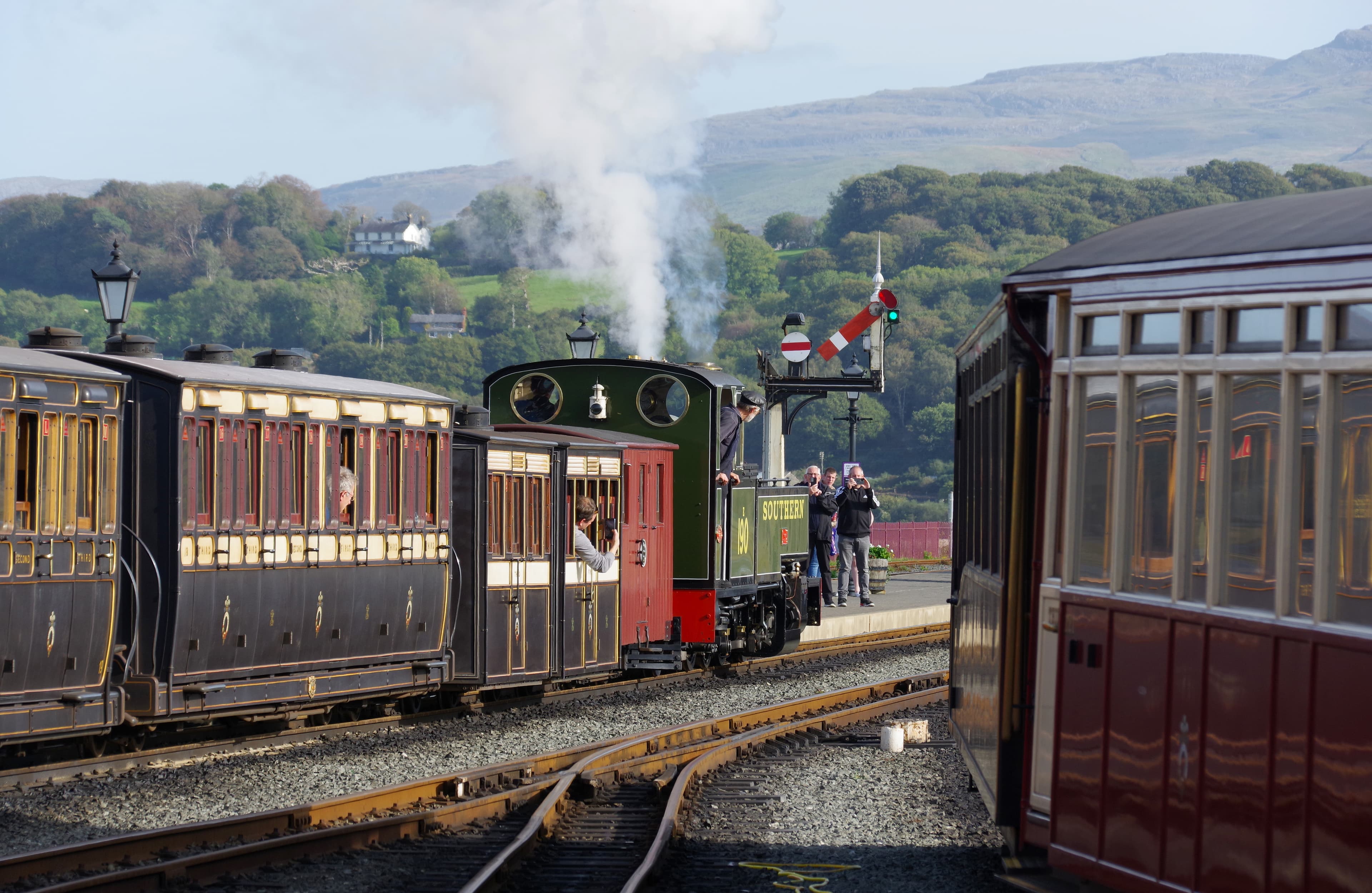

Ffestiniog Railway
The world's oldest narrow gauge railway, from harbour to slate mountain
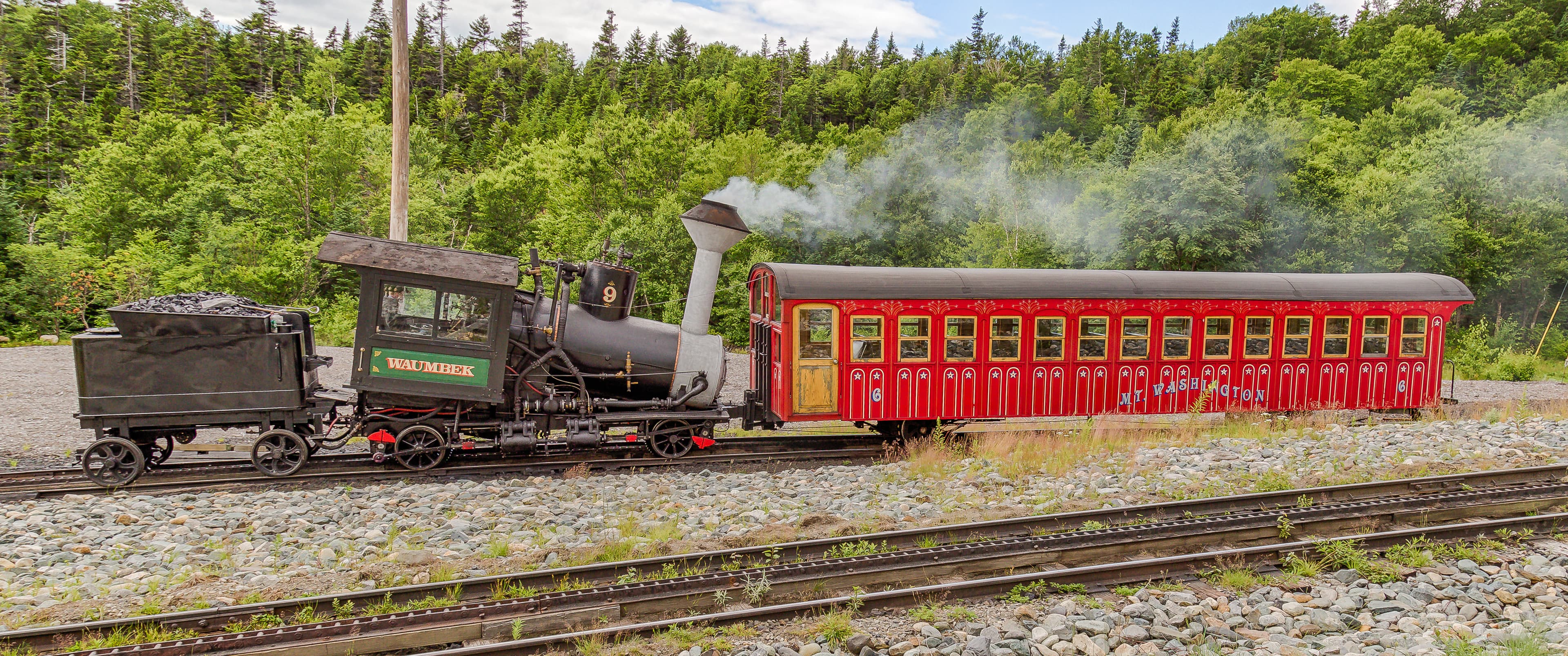
Mount Washington Cog Railway
World's first mountain-climbing cog railway — 1869, 37.41% grade, climbs to 6,288 ft

West Somerset Railway
Twenty miles of Great Western branch line, Quantock Hills to the sea
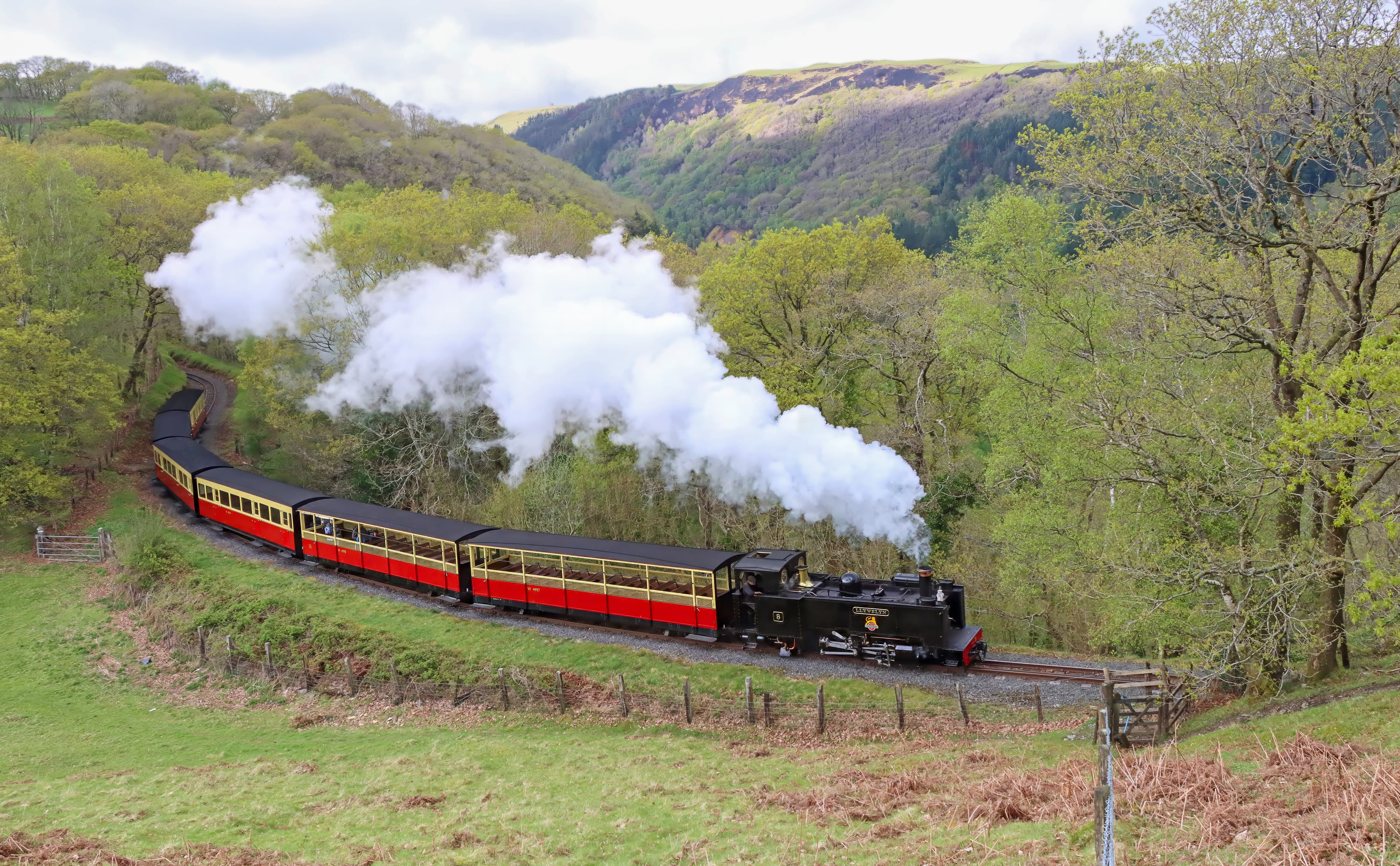
Vale of Rheidol Railway
Twelve miles of 603 mm gauge steam, sea level to the Cambrian Mountains
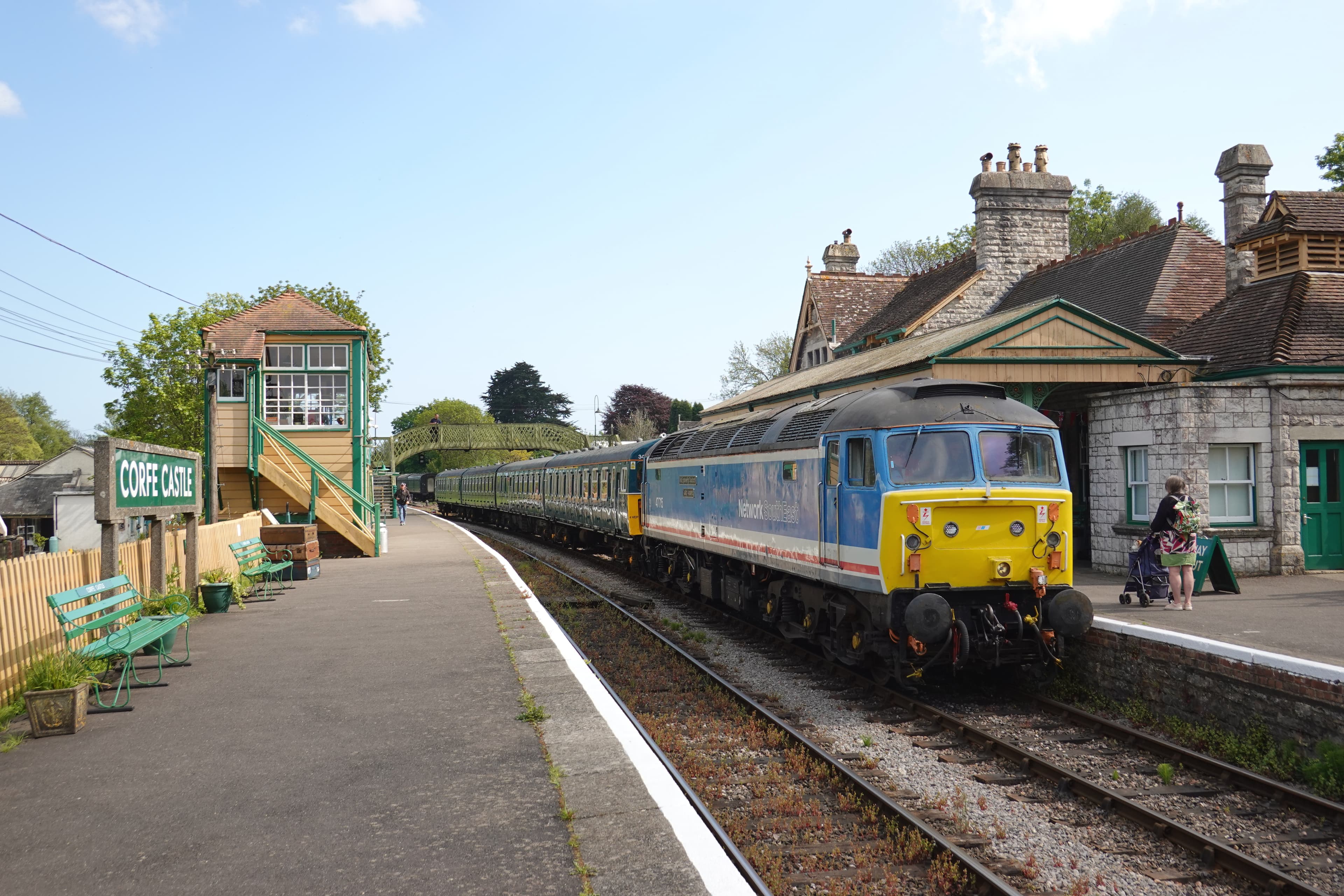
Swanage Railway
Steam and heritage diesel through the Purbeck Hills, under the ruins of Corfe Castle
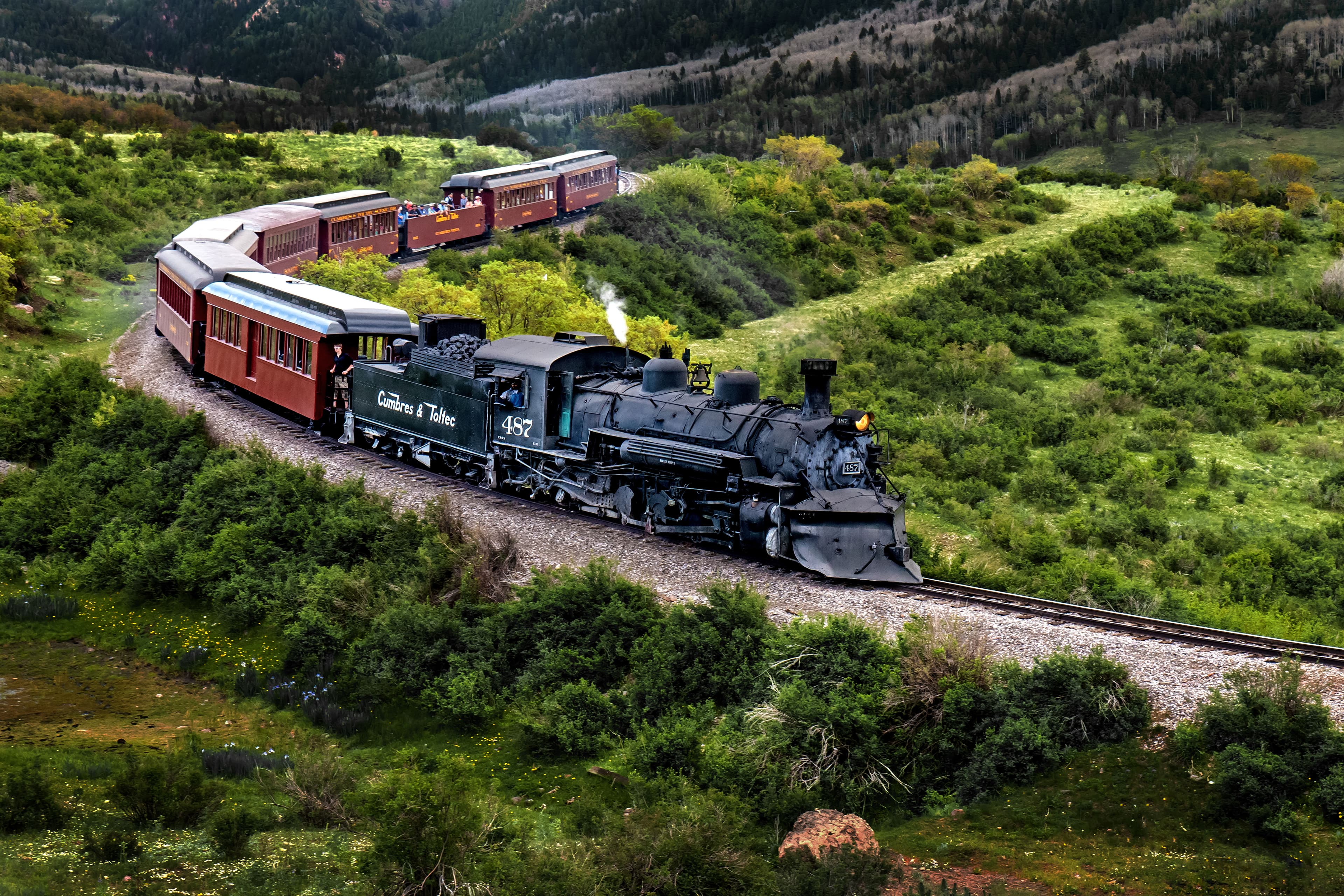
Cumbres & Toltec Scenic Railroad
America's longest and highest authentic steam railroad
More Journeys Worldwide
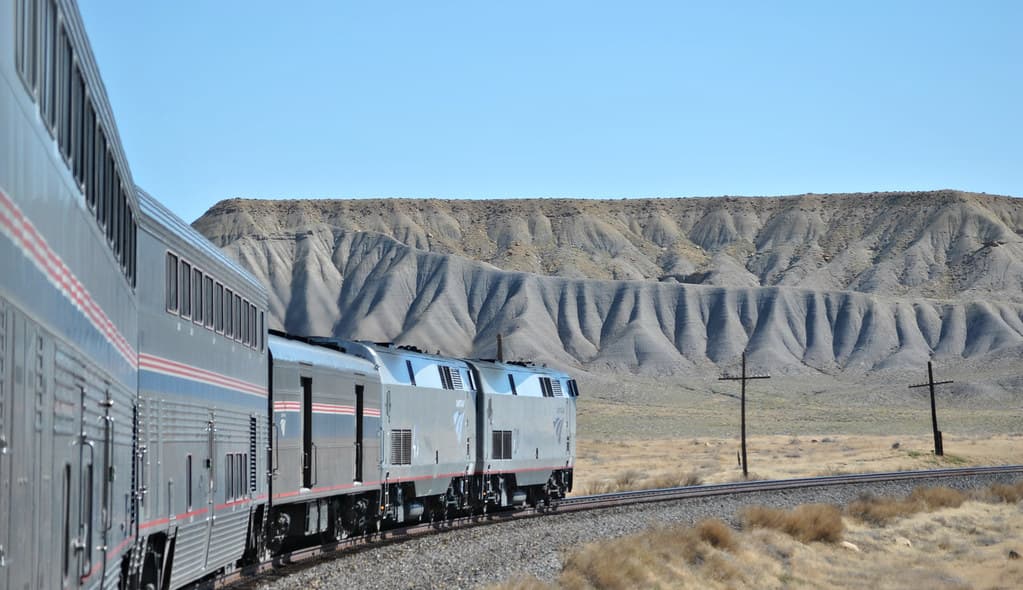
California Zephyr
Chicago to San Francisco across the Rockies and Sierra Nevada
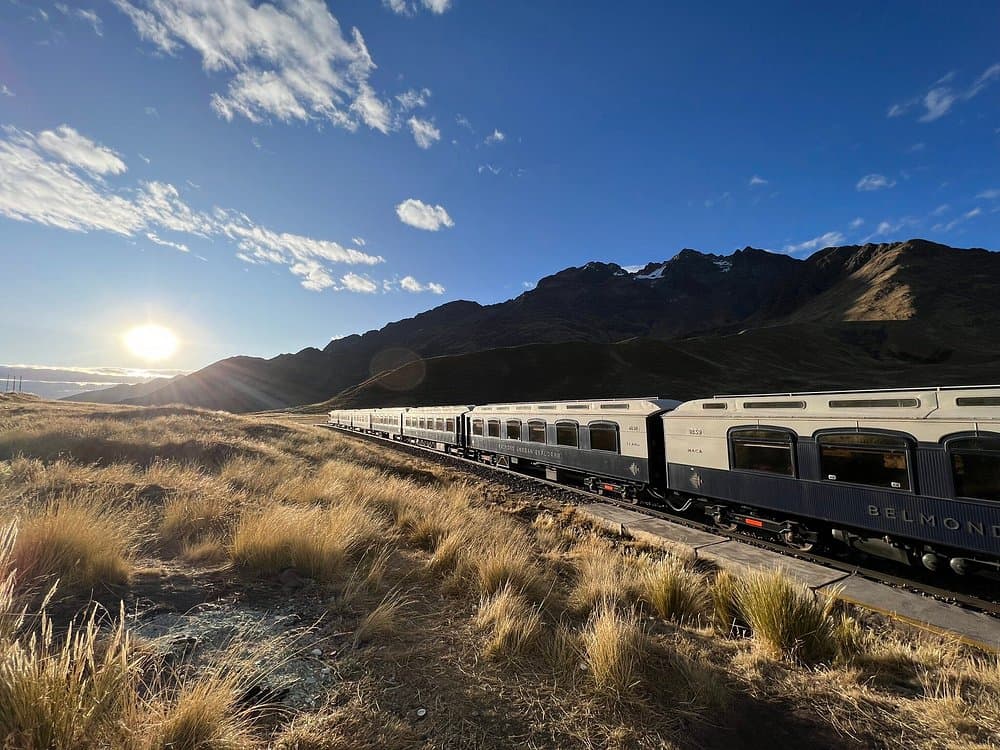
Belmond Andean Explorer
South America's first luxury sleeper train, across the roof of Peru
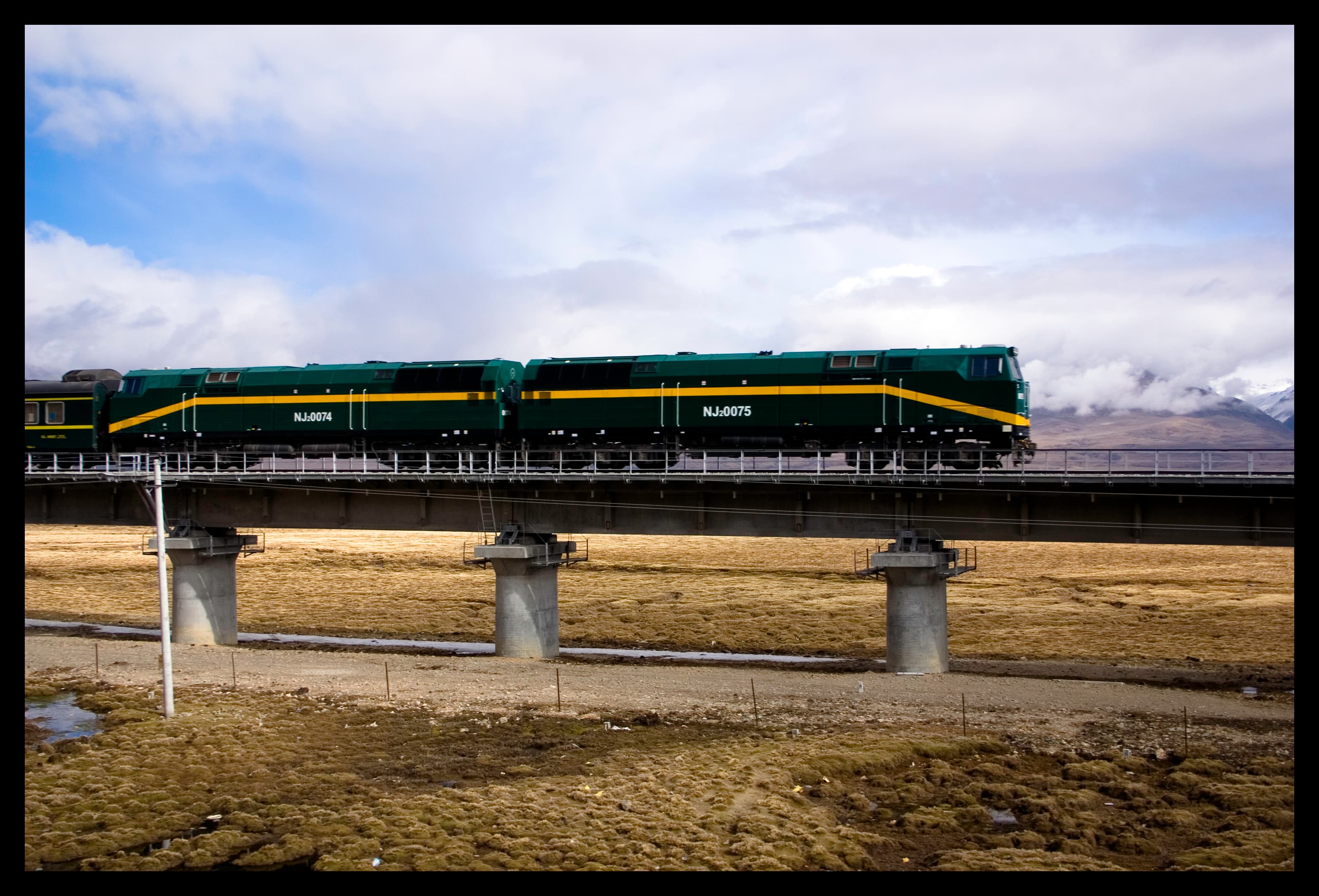
Qinghai-Tibet Railway
The world's highest railway, across the roof of the world to Lhasa

TranzAlpine
Coast to coast across the Southern Alps in a single morning

Tren a las Nubes
Argentina's rack-free climb to 4,220 m above the Puna
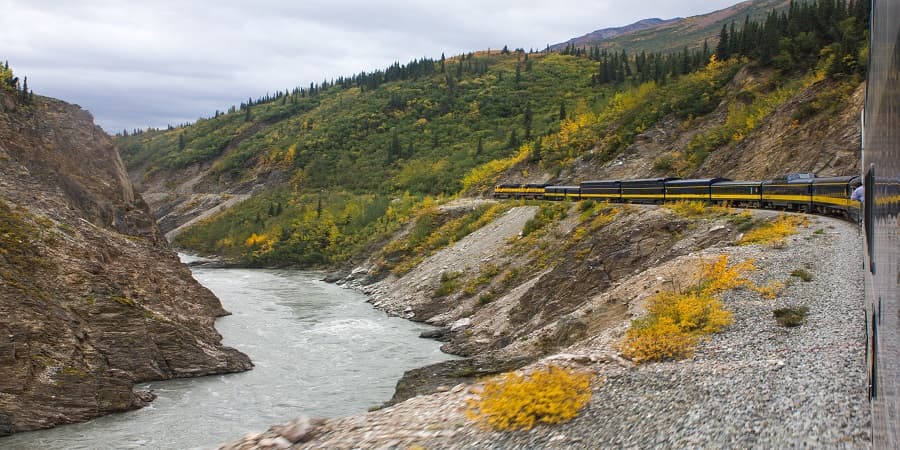
Denali Star
Alaska Railroad's flagship run to Denali and Fairbanks
Spots Along the Route
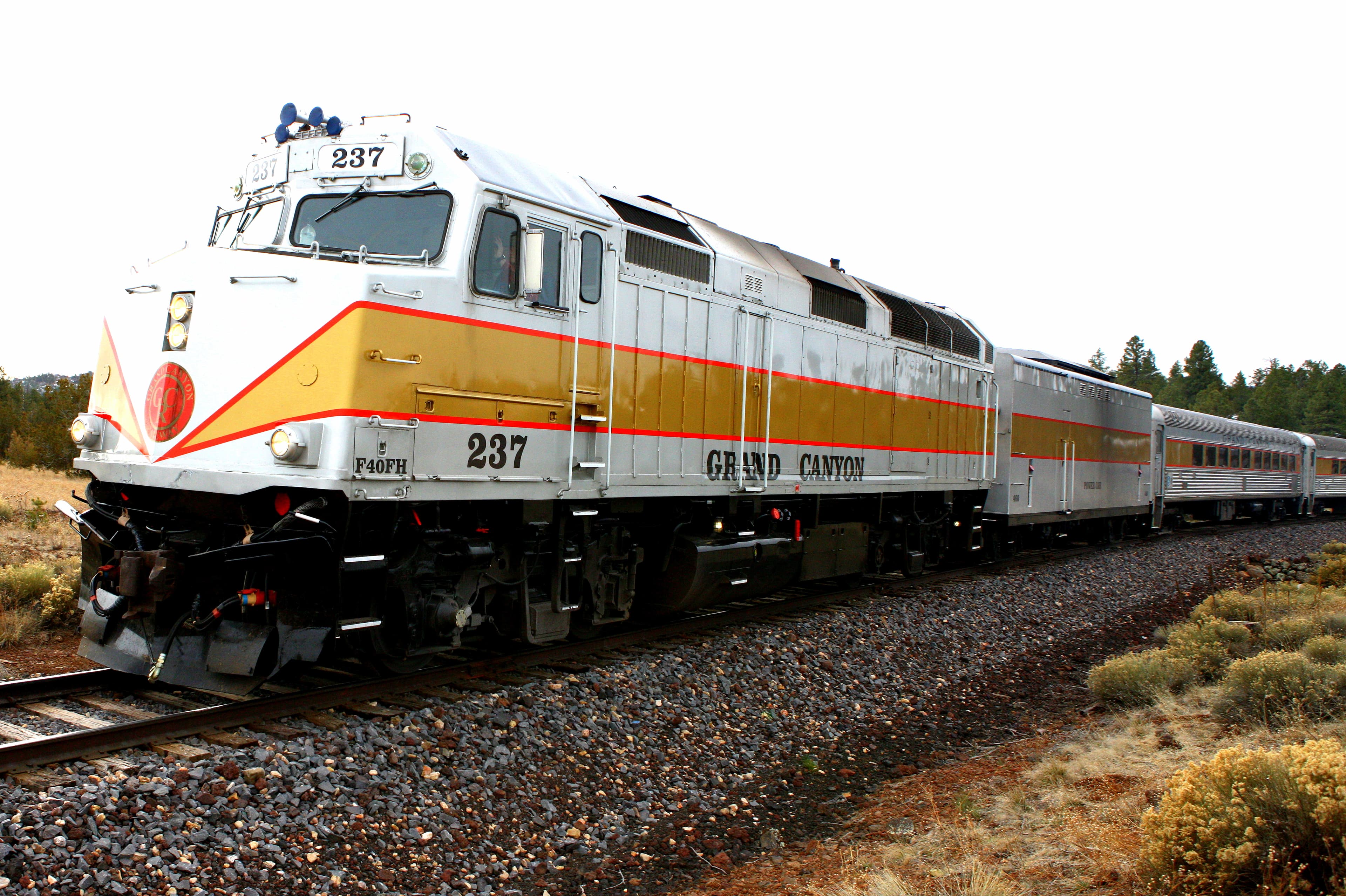
Williams (Grand Canyon Ry)
Williams Depot is the southern terminus of the Grand Canyon Railway, a 64-mile heritage line running daily to the Grand Canyon South Rim since its revival in September 1989. The 1908 Mission Revival depot — a National Historic Landmark — is the departure point for vintage F40PH diesels and steam-powered excursions on the first Saturday of each month from March through October.
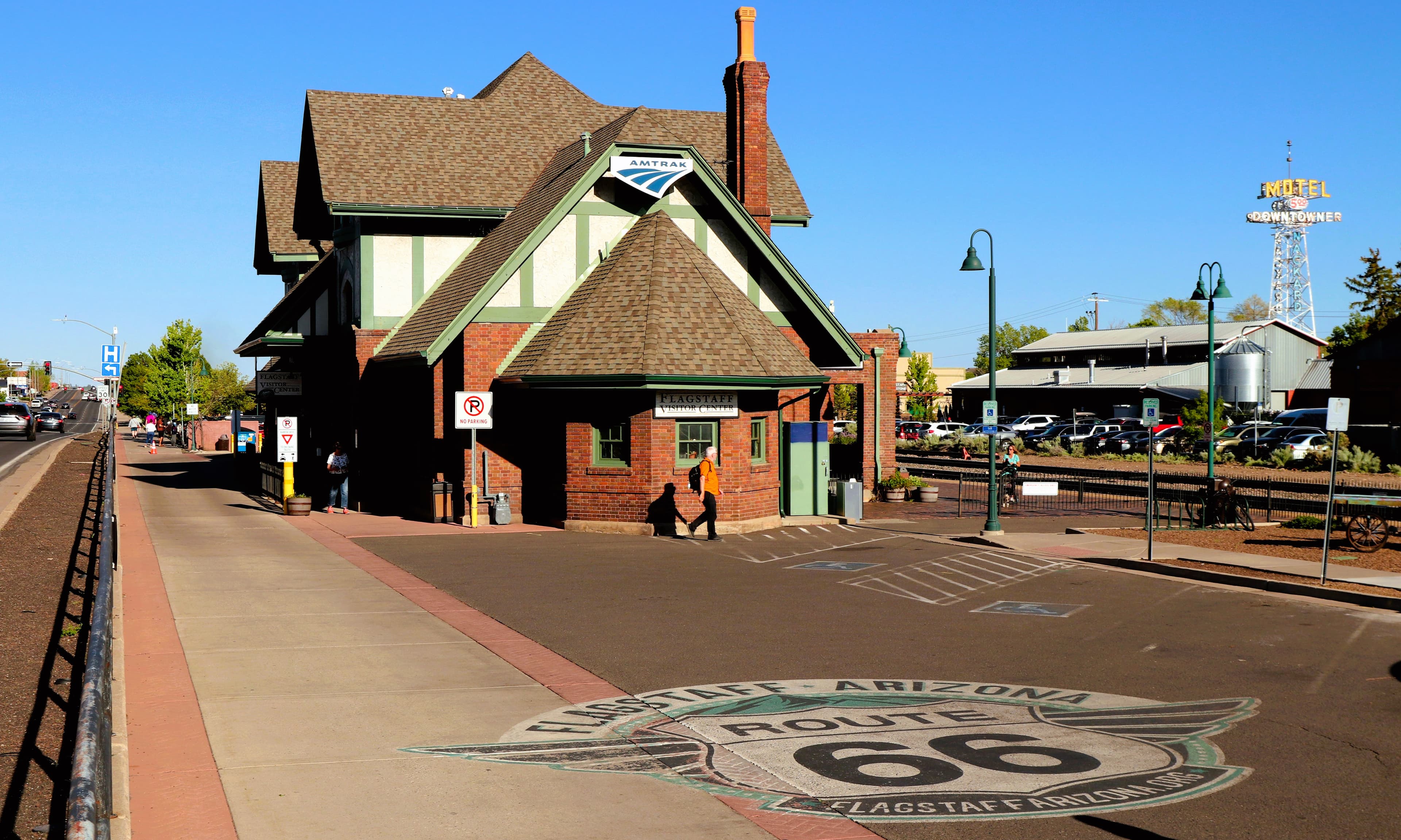
Flagstaff (Transcon)
Downtown Flagstaff sits astride BNSF's Seligman Subdivision at milepost 344.2, where up to 100 trains per day thunder past the historic 1926 Tudor Revival depot at 6,902 feet elevation, framed by the snow-capped San Francisco Peaks.
Explore around this route
3 places on Spotatrain within 25 km of this route — 2 spots and 1 live cam.
- Williams (Grand Canyon Ry) 96 m
- Flagstaff (Transcon) 17 km
- Flagstaff East 17 km