Railway Experience
Powell–Hyde Cable Car Line
An iconic open-air cable car ride clanking up and down San Francisco’s steep hills, offering panoramic city and bay views on a historic moving landmark.
Updated
See everything in California23 spots · 29 live cams · 6 experiences · 4 eventsAbout This Experience
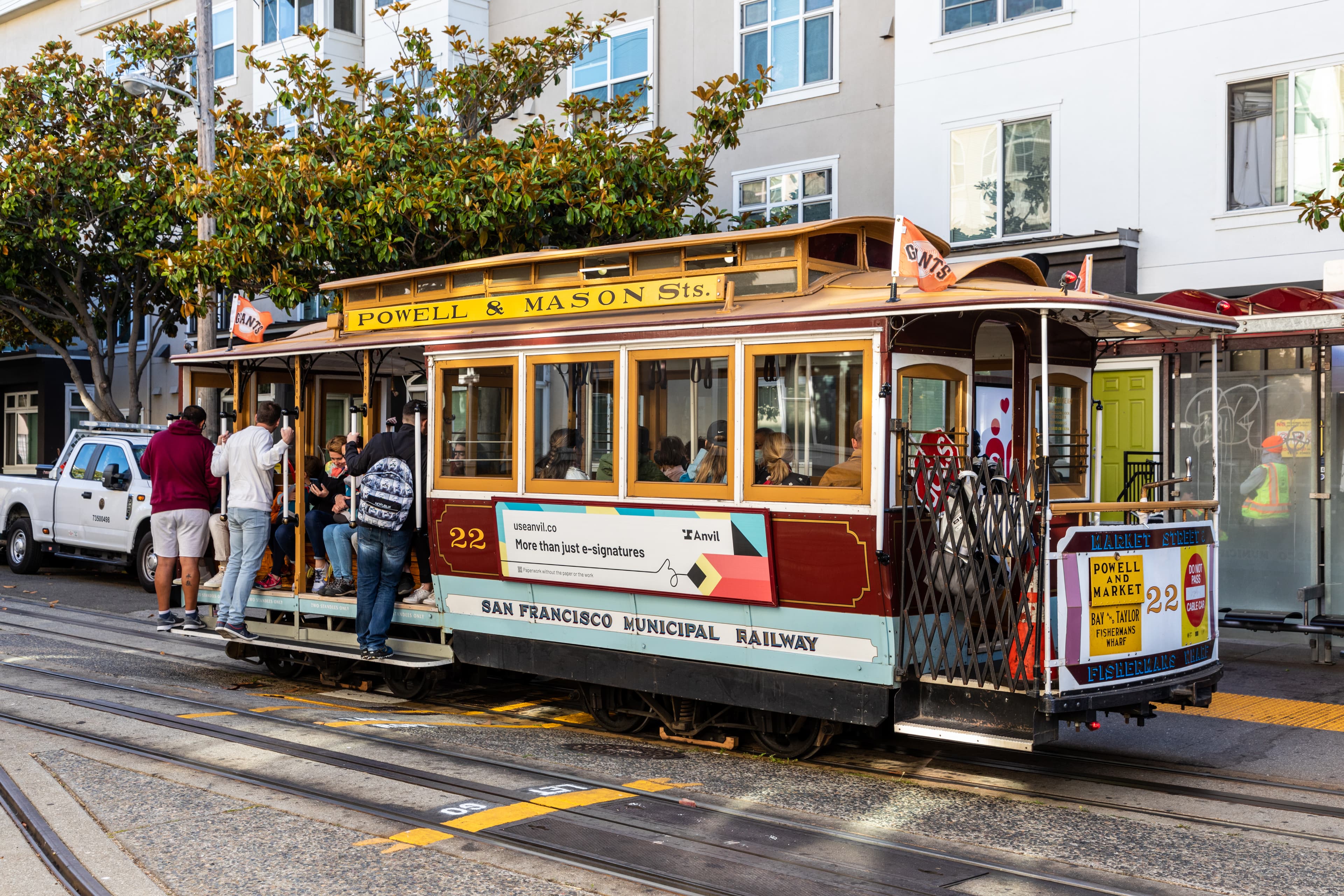
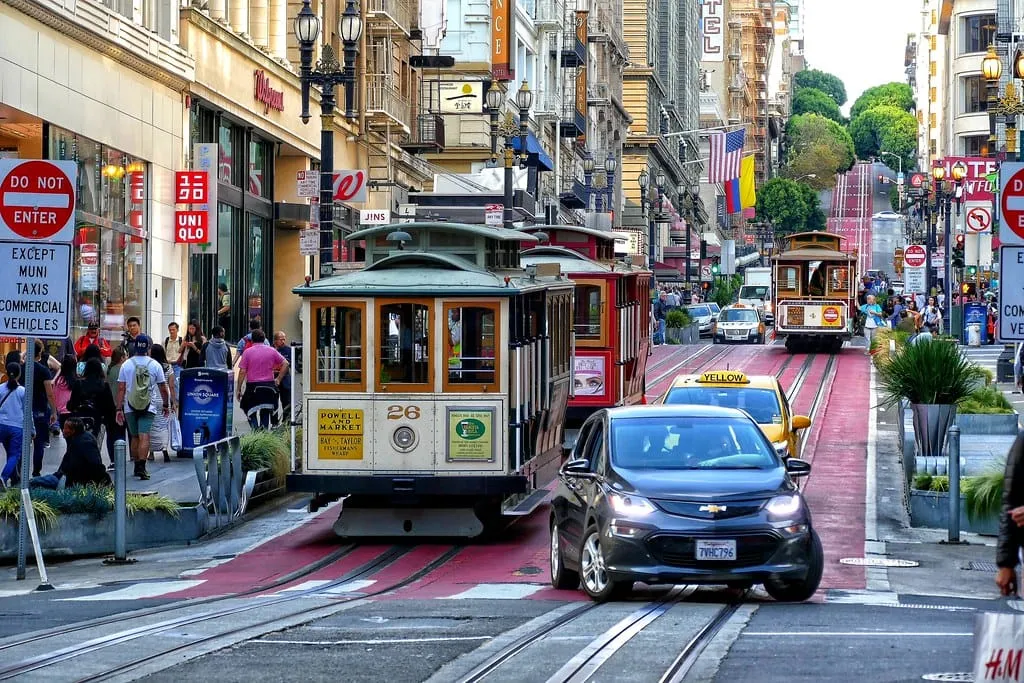
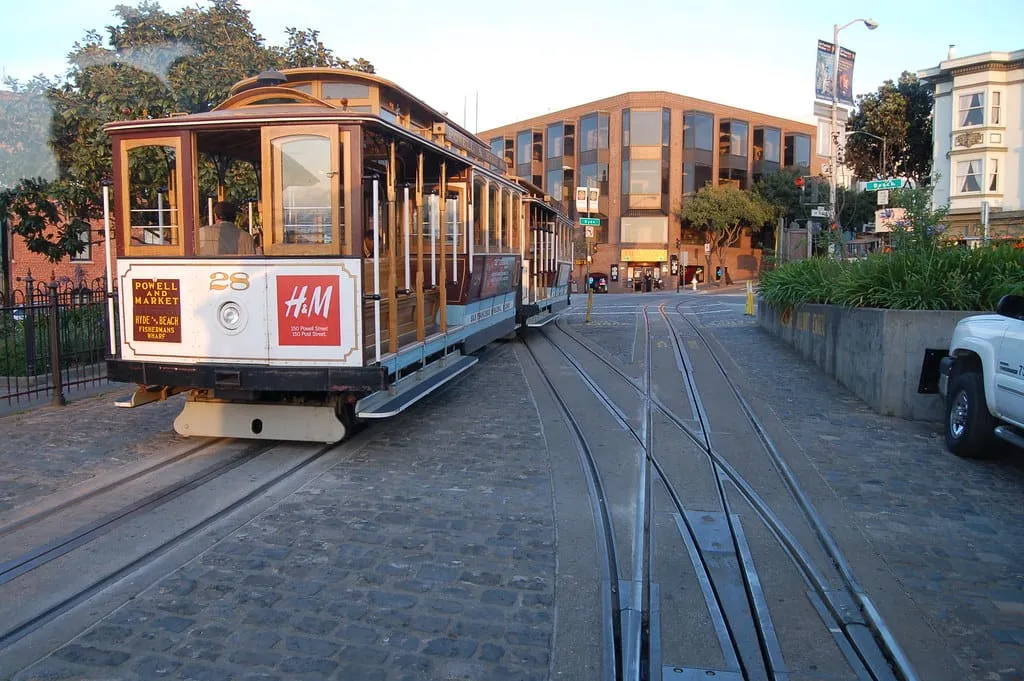
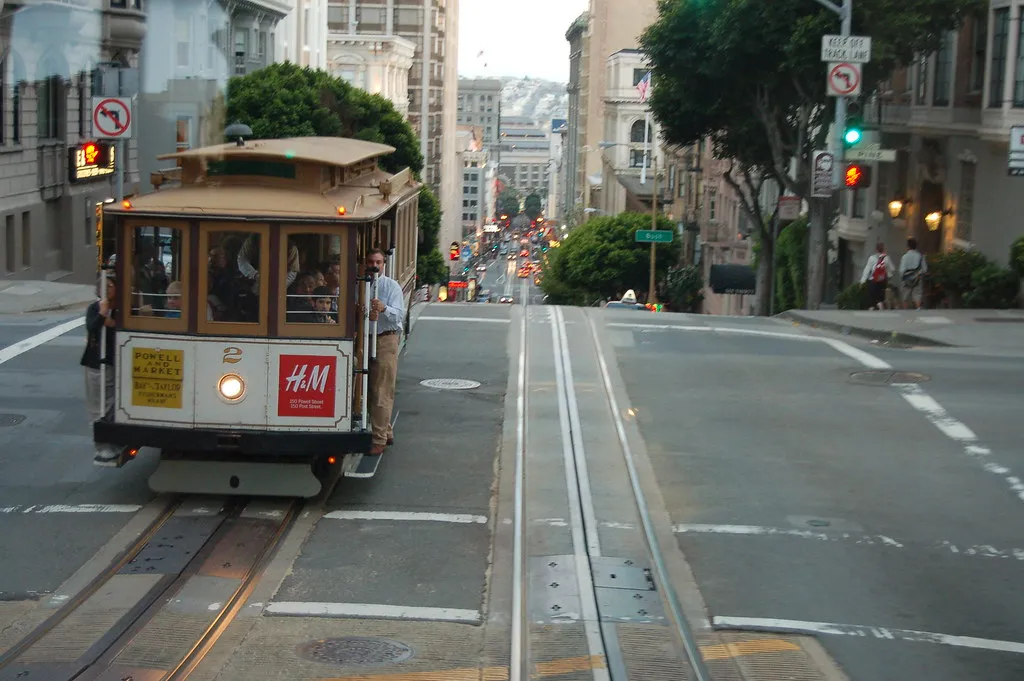
The Powell–Hyde line carries visitors from the bustling heart of downtown San Francisco over Nob Hill and Russian Hill to the bayfront at Fisherman’s Wharf. Along its 2.1‑mile (3.4 km) route, this cable car line climbs past postcard scenes – think Victorian houses on steep streets and a crest by Lombard Street (the “crookedest street”) – before descending a 21% grade to the Aquatic Park near Ghirardelli Square . It’s a journey through classic San Francisco neighborhoods with sweeping views at every turn, from hilltop cityscapes to glimpses of Alcatraz Island in the bay .
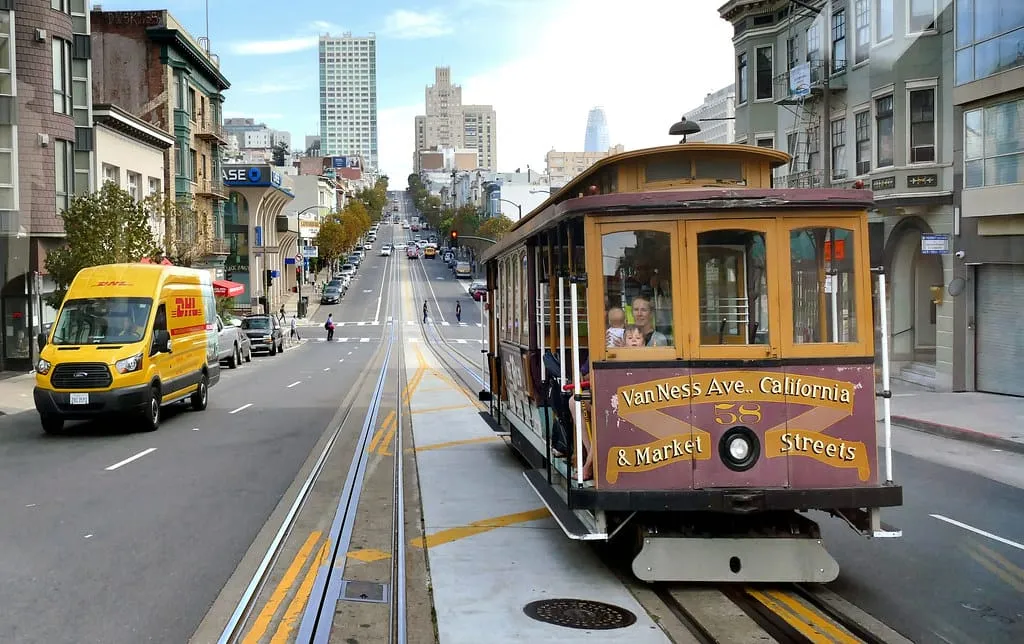
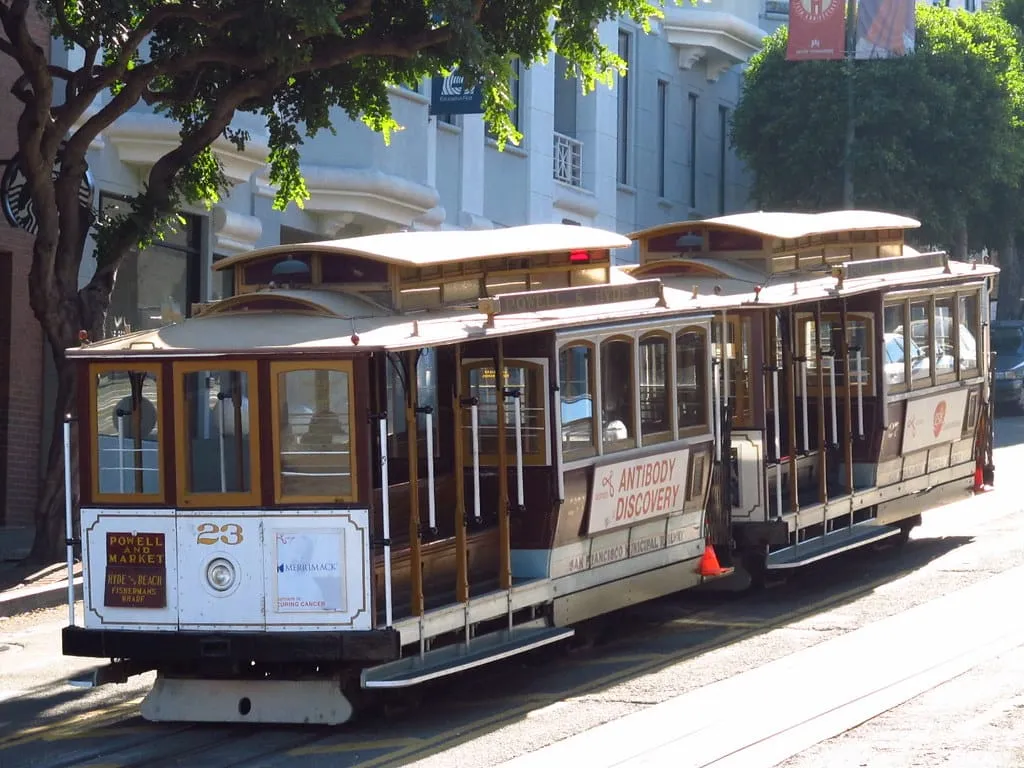
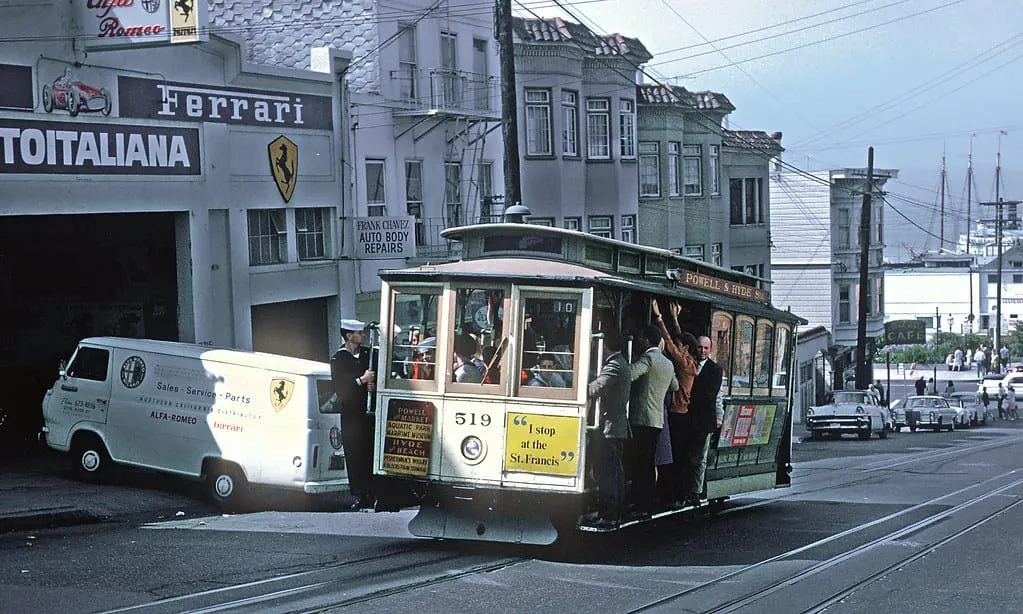
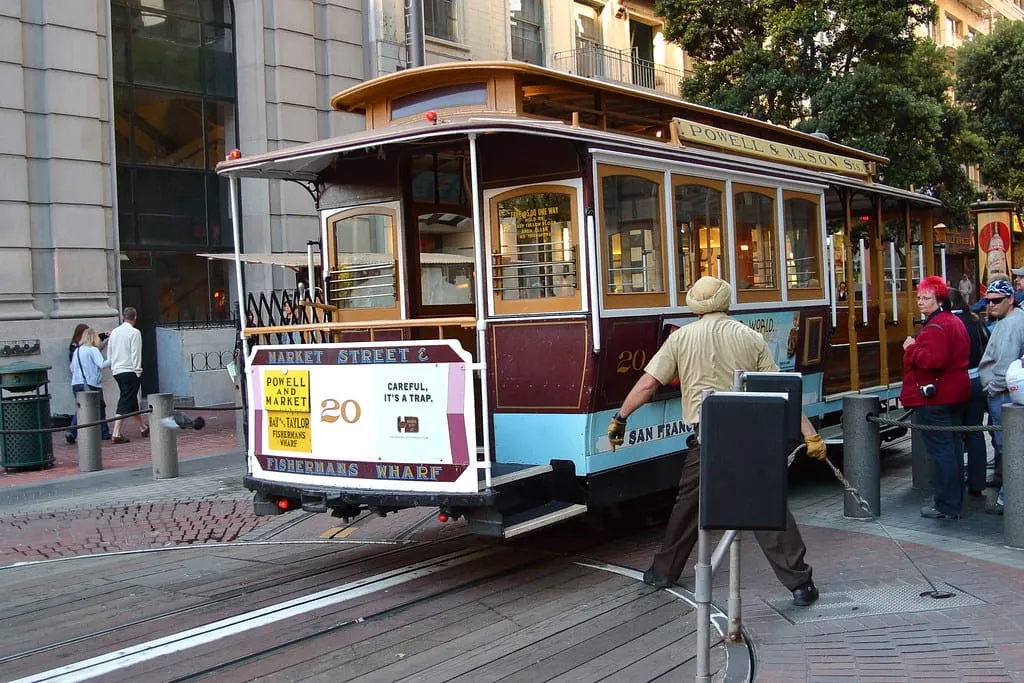
First launched in the 1870s and now preserved as a National Historic Landmark, San Francisco’s cable cars are the world’s last manually operated cable car system fishermanswharf.org. The Powell–Hyde line, established in 1957, exemplifies this living heritage: antique single-ended streetcars gripped by underground cables, polished wood and brass hardware, and conductors (gripmen) who skillfully operate the levers and brakes by hand. The line’s historic charm is matched by its dramatic geography – navigating hills so steep that motor buses struggled – making each ride a moving museum experience through the city’s past and present.
Featured Video
San Francisco Cable Car Side Ride, Powell Hyde, Downtown to Fisherman Wharf, Lombard Street, POV
Come and ride with my on a historical San Francisco Cable Car Powell-Hyde Route from Powell Station in Downtown San Francisco to Fisherman Wharf via Hyde Street. This historical cable car travels to several major destinations San Francisco. This cable car passes through Powell Station, Union Square, Lombard Street (the famous zig zag gardens) and Fisherman Wharf. The full adult fare to ride the cable car is $8.00 per adult. Tickets can be purchase using the Clipper Fare Card, Clipper App or the ticket vending machine.
Why Visit
For railfans and history enthusiasts, the Powell–Hyde line is a must because it’s not just transit – it’s a rolling museum piece. The cable car itself is a Victorian-era invention kept alive: the cars run on narrow-gauge tracks and latch onto a continuously running cable beneath the street via a hand-operated grip. This unique mechanism and the use of wooden brake shoes (which can even emit a toasty scent on downhill runs) are engineering rarities you can see (and hear) in action en.wikipedia.org . The line’s cars are lovingly maintained by Muni, each with an open-air front where riders perch on benches or stand on running boards, ringing bells echoing off the buildings. It’s a chance to ride living history – the same cable car system that survived the 1906 earthquake and was saved from shutdown by citizens in the 1940s, preserving a piece of 19th-century innovation into the 21st century.
Beyond the technical novelty, Powell–Hyde is the cable car line for scenery and thrills. It offers some of the best scenic views of any urban rail line: cresting Nob Hill, you get sudden vistas of San Francisco Bay and Alcatraz Island framed between the hills . As the car turns onto Hyde Street, you’ll see the Golden Gate Bridge in the distance on clear days. The route passes directly by the top of Lombard Street, allowing a peek down the famously crooked block as you trundle by. Every descent is a small adventure – you’ll feel the cable car grip and release, hear the cables humming underfoot, and experience a nostalgic mode of travel utterly unique to San Francisco. In short, railfans visit Powell–Hyde to savor an only-in-San-Francisco combination of historic machinery, dramatic terrain, and iconic city views.
What to Expect
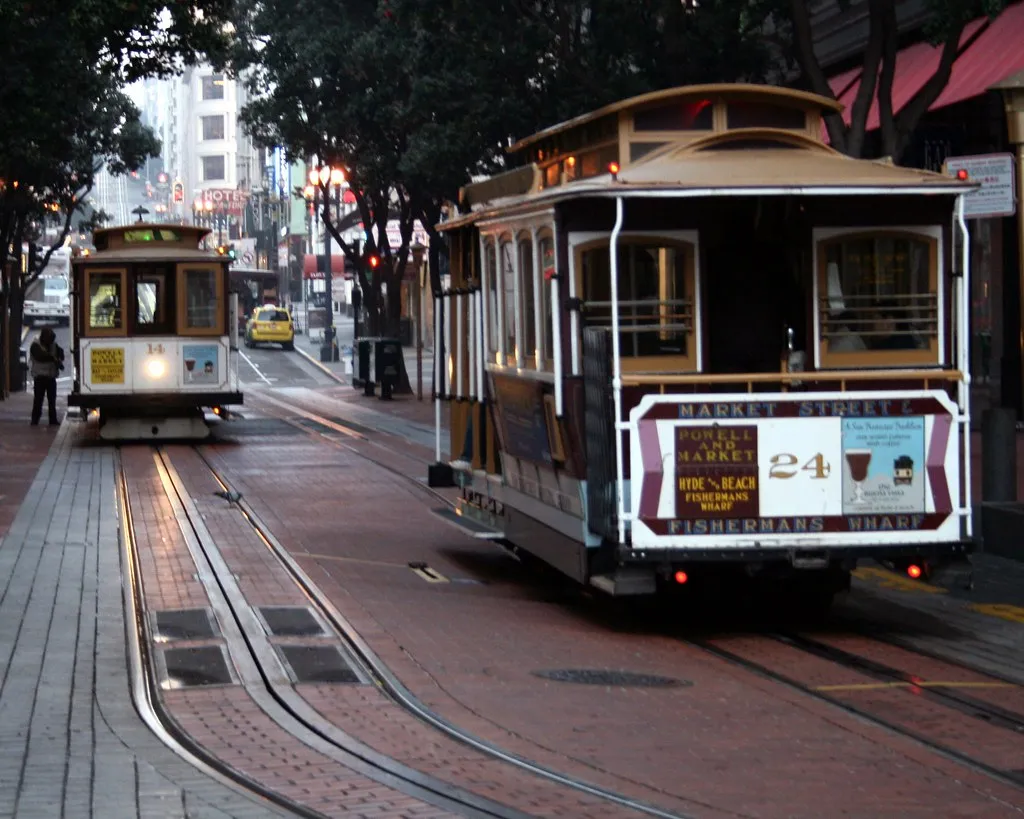
A ride on the Powell–Hyde cable car is as much sensory experience as sightseeing. You’ll likely wait in line at the terminus (especially at Powell & Market or Hyde & Beach), with crowds forming early on busy days – at peak times the wait can exceed an hour. Once on board, you can opt to sit inside the car’s enclosed rear section or (the favorite) ride on the open sides, hanging onto a pole on the running board. As the cable car lurches forward, you immediately hear the familiar clack-clack of wheels on rail joints and the whirring cable under the street. The conductor (gripman) rings a loud, musical bell, often in rhythmic patterns, announcing the cable car’s approach sftravel.com. You’ll feel the steepness as the car ascends – at times nearly 21% grades – and then coasts briefly downhill off the cable, only to grip on to the next cable segment with a jolt. The wind might whip your hair on downhill runs, and if you’re standing on the running board, you’ll need to hold tight as advised. It’s an open-air thrill ride in slow motion, with the city’s sounds (and occasional foghorns from the Bay) all around.
The route has several notable stops where many riders hop off for photos or exploration. You can ring the little bell-pull to request a stop at intersections – for example, at Lombard Street (Hyde & Lombard) to walk over to the famous switchbacks, or at the Cable Car Museum (near Washington & Mason, served by a short walk from the Powell–Hyde line) to see the powerhouse that drives the cables. Conductors are used to tourists and often friendly; they might remind everyone to keep arms and bags inside the car when another cable car passes closely on the opposite track. There are no restrooms or food on the cable car, and seating is limited (about 29 seated, rest standing). Expect a bumpy ride – part of the charm – as the car transitions over intersections. During busy periods, cars can be packed; locals with monthly passes may hop on too, but the vast majority of riders are visitors soaking up the experience . Despite the crowding and cost (it’s pricier than a normal bus), most agree it’s worth it: you’re paying for an unforgettable slice of San Francisco lore on wheels.
How to Plan Your Visit
Season and Schedule
The Powell–Hyde Cable Car Line operates year-round, providing daily service from early morning until late at night. It is an integral part of the city's transit system, though service may be affected by extreme weather or maintenance.
- Operation
- Year-round
- Daily Service
- Yes
- Start Time
- 7:00 AM
- End Time
- 11:00 PM
- Maintenance Period
- Feb through May 2025
Ticket Information
The Powell–Hyde Cable Car Line offers various ticket purchasing options and fare details. It is recommended to buy tickets in advance to avoid long lines.
- Single-Ride Fare
- $9 per adult
- Children's Fare
- Free for children 4 and under with a paying adult
- Visitor Passport Prices
- $15 for 1 day, $35 for 3 days, $47 for 7 days
- Senior/Disabled Discount
- $4 during off-peak hours
- Payment Methods
- Cash (exact change), MuniMobile app, Clipper Card
Accessibility Details
The Powell–Hyde Cable Car Line is not wheelchair accessible and has limitations for those with mobility impairments. It is recommended to consider alternative transportation options for better accessibility.
- Wheelchair Accessibility
- Not wheelchair accessible in the conventional sense
- Step Height
- 10–12 inches
- Foldable Wheelchair Policy
- Conductors will stow a folded wheelchair if the rider can step on
- Stroller Policy
- Strollers must be folded before boarding
- Service Animals
- Allowed on cable cars
What to Bring
When riding the Powell–Hyde Cable Car Line, it's important to be prepared for San Francisco's unpredictable weather and to ensure comfort during the ride.
- Weather Preparation
- Bring layers, including a light jacket or sweatshirt.
- Winter/Spring Gear
- Consider a waterproof layer for rain or mist.
- Sun Protection
- Use sunscreen and consider wearing a hat.
- Footwear
- Wear comfortable shoes with good grip.
- Bag Recommendation
- Use a backpack or cross-body bag to keep hands free.
- Food and Drink
- Bring a bottle of water and a snack, but refrain from eating onboard.
Photography Tips
The Powell–Hyde Cable Car Line offers numerous opportunities for photography, featuring iconic views of Alcatraz and the San Francisco Bay. Photographers can capture both classic and action shots from various vantage points along the route.
- Best Photography Location
- Intersection of Hyde & Lombard Streets
- Popular Angle
- Near the Hyde & Beach terminal
- Recommended Time for Photos
- Late afternoon
- Ideal Lens
- Wide-angle lens or smartphone wide mode
- Photography Tips
- Aim for a front-facing seat or standing spot on the running board
Traveling with Pets
Dogs welcome, on a leash
SFMTA's agency-wide rule covers the cable cars. Pets may not ride during peak hours (weekdays 5–9 am and 3–7 pm); off-peak, one pet per vehicle. Dogs must be leashed and muzzled and ride on the owner's lap or under the seat, other pets in a small closed container, and the owner pays a second fare equal to their own. Trained service animals ride free and are exempt, but must be on the owner's lap when riding the exterior running boards.
Verified — operator's pet policy
Travel Information
By Air
The Powell–Hyde Cable Car Line is accessible from major airports in the area, with convenient transit options available. Travelers can reach the cable car area from San Francisco International Airport or Oakland International Airport using BART or other transportation methods.
- Nearest Airport
- San Francisco International Airport (SFO)
- Distance from SFO to Union Square
- 12–15 miles (19–24 km)
- Travel Time from SFO by Car
- 20–30 minutes
- BART Travel Time from SFO to Powell Street Station
- 30–35 minutes
- Distance from Oakland International Airport to Union Square
- 20 miles (32 km)
- BART Travel Time from OAK to Powell Street
- 45 minutes
By Train
San Francisco does not have a direct Amtrak train station, but it is accessible via nearby stations and bus connections. Regional rail options are available, and connections to the Powell cable car are convenient.
- Closest Amtrak Stop
- Emeryville Station
- Distance from Emeryville to SF
- 11 miles (18 km)
- Amtrak Bus Route Code
- SFC
- Caltrain Terminal
- 4th & King Station
- Distance from Caltrain to Powell & Market
- 1.5 miles
By Car
Driving to the Powell–Hyde Cable Car Line is possible, but expect city traffic and limited parking. The cable car starts at Market Street in downtown San Francisco.
- Driving Routes
- US-101 and I-280 from the south, I-80 from the east, US-101/CA-1 from the north
- Distance from Bay Bridge
- about 2 miles
- Distance from Golden Gate Bridge
- about 5 miles
- Peak Traffic Hours
- 7–9 AM and 4–7 PM
- Scenic Route
- Marina Blvd and Van Ness Ave
Parking
Parking near the Powell–Hyde Cable Car Line can be challenging and costly, with limited options at the termini. Public garages in the Union Square area and paid lots near Fisherman’s Wharf are available, but driving may not be the best choice for short visits.
- Parking Difficulty
- Difficult and expensive
- Public Parking Garages
- Ellis-O’Farrell Garage, Sutter-Stockton Garage
- Parking Rates
- $4–$6 per hour or $30–$40 per day
- Wharf Parking Costs
- $20–$35 for a few hours
- Hotel Overnight Parking Fees
- $50+
Local Transportation
The Powell–Hyde Cable Car Line is a key part of San Francisco's public transportation system, connecting various attractions and transit options. It is recommended to use public transit or rideshares while visiting the city.
- Downtown Terminus
- Powell & Market
- Nearby Transit Hub
- Powell Street Station
- Nearby Transit Options
- BART, Muni Metro, Muni bus routes
- Popular Nearby Attractions
- Pier 39, Ghirardelli Square
- Ride-Hailing Services
- Uber, Lyft
Nearby Lodging
Find places to stay near Powell–Hyde Cable Car Line.
This lodging map is provided by Stay22, a third-party service that may set cookies. It loads only with your consent.
Accommodation results are provided by Stay22; we may earn a commission on bookings made through this map.
Nearby Attractions
- Golden Gate Bridge
San Francisco’s most famous icon: a 1.7-mile suspension bridge spanning the Golden Gate (the entrance to the Bay) with its signature International Orange towers and Art Deco design. Walk, bike, or visit vista points for jaw-dropping panoramas. About 5 miles (8 km) west of the Powell–Hyde line’s terminus.
- Alcatraz Island
The infamous former prison island in the middle of San Francisco Bay. Once home to notorious inmates like Al Capone, it’s now a National Park site where you can tour the cellblocks, learn about daring escape attempts, and take in 360° bay views. Ferries depart regularly from Pier 33 for the 15-minute ride to the island. About 1.5 miles (2.4 km) offshore from Fisherman’s Wharf.
- Golden Gate Park
A sprawling 1,017-acre urban park that is to San Francisco what Central Park is to New York. Contains lush gardens, lakes, trails, and top attractions like the de Young Museum (art), California Academy of Sciences (aquarium/planetarium/rainforest), Japanese Tea Garden, and more. It’s perfect for a picnic or bike ride. About 4 miles (6.4 km) west of downtown (accessible by Muni bus or Uber from the cable car route).
Photos
 Bernard Spragg. NZ
Public Domain Dedication (CC0)
Bernard Spragg. NZ
Public Domain Mark
Willis Lam
Attribution-ShareAlike License
Joe Ross
Attribution-ShareAlike License
Joe Ross
Attribution-ShareAlike License
Marty Bernard
Public Domain Mark
Thank You (25 Millions ) views
Attribution License
Stefan Wloch
Attribution-ShareAlike License
Help improve this page
Spotted something out of date or incorrect? Let our community know.
Explore more experiences: Browse all rail travel experiences.
Quick Information
Country
Region
City
San Francisco
Best Season
The cable cars run all year, but fall is often the most delightful season to visit. In September and October, San Francisco usually enjoys its warmest, clearest weather – the notorious summer fog diminishes, treating you to crystal-clear views of the bay and bridges from the hilltops. Crowds are a bit lighter than peak summer, so you might not wait as long to board.