
Updated
Duration
1 night (≈20h30 onboard Paris–Venice)
Max altitude
1,371 m
Gauge
1435mm
The world's most storied luxury train: London to Venice aboard Belmond's restored 1920s Wagons-Lits carriages, crossing the Alps via the Arlberg and Brenner passes.
Watch this route live
2 railway webcams cover this route — see what is running right now.
- Watch live
Barking, London — Junction and Freight Route
One of London's busiest mixed junctions
- Watch live
San Martino Buon Albergo West Gallery Exit — High-Speed Line Works
Double track and catenary at the west end of a gallery on the new Verona–Padua high-speed line
About This Journey
The Venice Simplon-Orient-Express is not a single railway line but a charter that strings together some of Europe's most scenic main lines. Since 2024, passengers travel from London St Pancras to Paris Gare du Nord by Eurostar, then walk roughly seven minutes to Paris Gare de l'Est to board the continental train of restored Compagnie Internationale des Wagons-Lits (CIWL) cars. Leaving Paris around 22:00, the train runs overnight across France and Switzerland, climbs the Austrian Arlberg, slows near Innsbruck, then turns south to cross the Brenner Pass at 1,371 m (4,498 ft) — the highest point reached on the standard-gauge networks of Austria's ÖBB and Italy's FS. It descends through Verona Porta Nuova and Padua before rumbling across the two-kilometre (1.2 mi) lagoon causeway into Venice Santa Lucia.
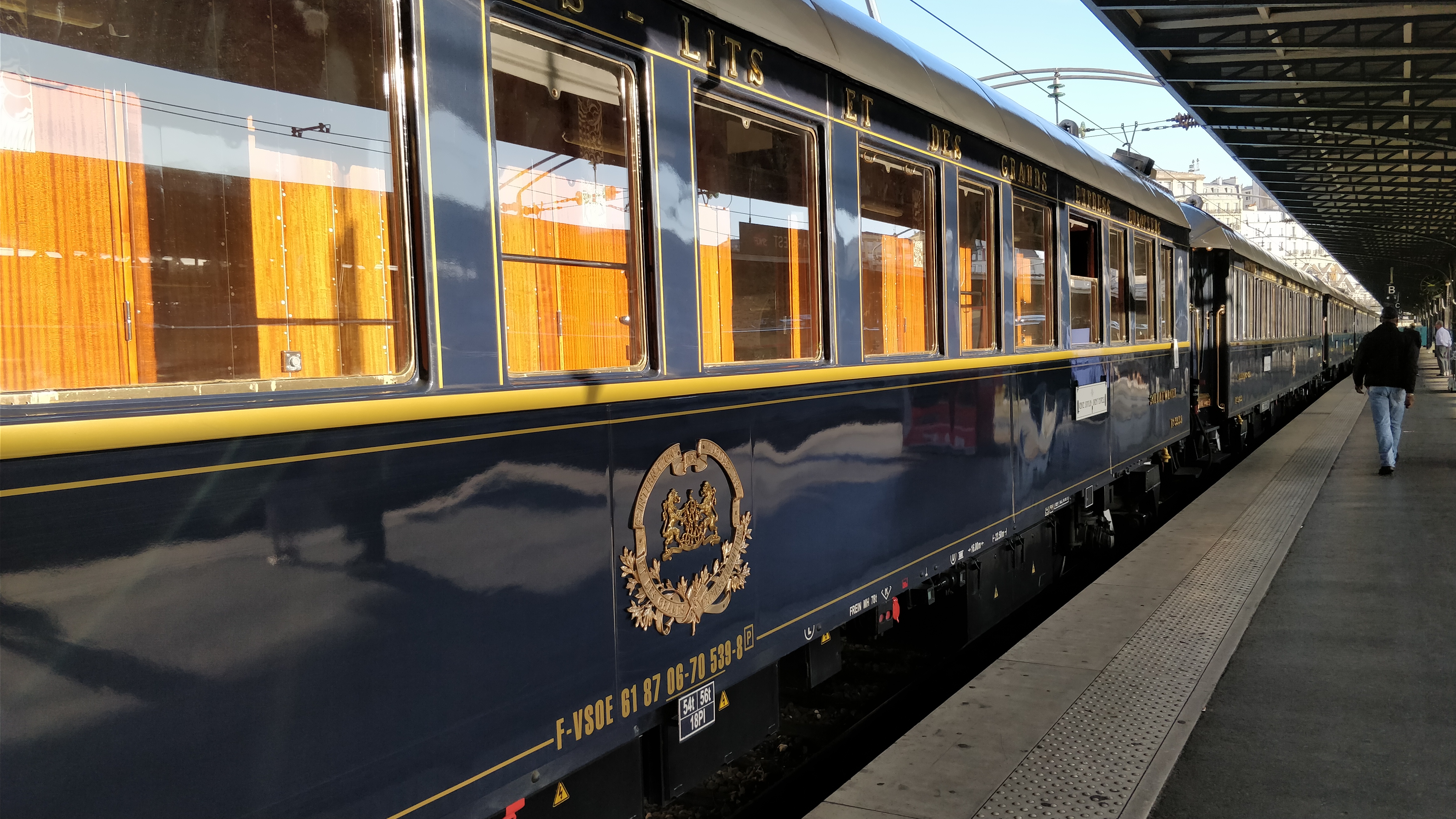
The rolling stock is the real draw. The dark-blue-and-gold sleeping cars are authentic 1920s and 1930s CIWL stock — LX-type and S-type Wagons-Lits — rescued by American-born businessman James Sherwood, who spent about US$16 million restoring 35 carriages after buying his first two at a 1977 Monte Carlo auction. Three art deco restaurant cars serve lunch and dinner: the Côte d'Azur, panelled with glass by René Lalique; L'Oriental; and the Étoile du Nord. A bar car with a resident pianist keeps the evening going.
The train's name salutes the original Orient Express, whose first Express d'Orient left Paris on 5 June 1883 under Georges Nagelmackers' CIWL, and the Simplon Orient Express of 1919, which used the Simplon Tunnel (opened 1906) to route luxury travellers via Switzerland and Italy. The modern VSOE no longer always runs the Simplon, favouring the Arlberg and Brenner, but it remains the most direct living link to that interwar golden age of rail.
Why This Journey Is Iconic
Few trains carry as much cultural weight. The "Orient Express" name evokes the original 1883 service and its interwar successors, immortalised in Agatha Christie's 1934 novel "Murder on the Orient Express" and in films from "From Russia with Love" to the 2017 adaptation. The Venice Simplon-Orient-Express is the closest you can come to boarding that legend: its carriages are not replicas but genuine Wagons-Lits stock from the 1920s and 1930s, marquetry, Lalique glass and all.
It is also one of the few journeys that crosses five countries — the United Kingdom, France, Switzerland, Austria and Italy — in a single night, ending not at an ordinary terminus but on the banks of the Grand Canal at Venice Santa Lucia. The combination of museum-grade carriages, black-tie dining and Alpine scenery makes it a fixture on bucket lists rather than a means of getting from A to B.
What to Expect
This is a leisure event, not transport. A uniformed steward greets you at your car and looks after your cabin throughout. The authentic historic cabins convert from a daytime sofa to upper and lower berths at night and have an in-cabin washbasin behind a marquetry panel, with shared WCs at the end of each car; there are no showers in the historic cabins. For private facilities, Belmond's Suites and Grand Suites — created for the 2018 season from one of the train's S-type sleeping cars — add an en-suite shower and toilet, and the Grand Suites add a double bed and parlour.
Dining is the centrepiece. Lunch and a multi-course dinner are served in the Lalique and marquetry restaurant cars, with brunch and afternoon tea in the cabin. The dress code is firm: smart daywear by day, and for dinner a jacket and tie at minimum, with black tie warmly encouraged. Jeans, shorts and trainers are not permitted anywhere on board at any time. The Alpine scenery through the Arlberg and Brenner is enjoyed over breakfast and lunch on the second day.
History
The Orient Express was the creation of Belgian engineer Georges Nagelmackers, whose Compagnie Internationale des Wagons-Lits ran the first Express d'Orient out of Paris on 5 June 1883. After the First World War, the opening of the Simplon Tunnel (19 May 1906, at 19,803 m the world's longest railway tunnel until 1982) allowed a more southerly route, and in 1919 the Simplon Orient Express began running via Lausanne, Milan, Venice and Trieste — the service that gives this train half its name.
The classic sleeping-car services declined after the Second World War, and the last through Orient Express Wagons-Lits cars were withdrawn in 1977. That same era of decline became an opportunity: James Sherwood bought two carriages at auction in 1977 and, after a multi-million-dollar restoration of 35 cars, launched the Venice Simplon-Orient-Express, which first ran on 25 May 1982. The train is today owned and operated by Belmond, part of the LVMH group since 2019.
Engineering Highlights
The journey is a tour of historic Alpine railway engineering. Its northern crossing uses the Brenner Railway, opened on 24 August 1867, which tops out at Brenner station at 1,371 m (4,498 ft) — still the highest point reached by the standard-gauge networks of the ÖBB and Italian FS, and unusual for an Alpine main line in crossing the watershed in the open rather than through a summit tunnel.
The train's name commemorates the Simplon Tunnel, bored through the Alps between Switzerland and Italy and opened on 19 May 1906 at 19,803 m (12.3 mi); it remained the world's longest railway tunnel for 76 years. Throughout, the VSOE carries no power of its own: the historic Wagons-Lits carriages are hauled by the electric locomotives of each national railway in turn across the standard-gauge, electrified main lines of France, Switzerland, Austria and Italy, with locomotive changes at the frontiers.
Best Time to Travel
The main Paris–Venice route operates roughly from March to December, typically a few departures a month, so the practical question is less about weather than availability — popular dates sell out months ahead. Spring (April–June) and early autumn (September–October) are the sweet spot: the Alpine stretch through the Arlberg and Brenner is green or golden and clear, and Venice is warm without the deep heat and crowds of high summer.
Because the train runs overnight from Paris, the headline scenery — the Tyrolean Alps and the descent to Verona — is seen over breakfast and lunch on the second day, so a clear morning matters more than the departure date. Midsummer brings the longest daylight but also the busiest, hottest Venice; late autumn departures (into November and December) trade Alpine snow-dusting for shorter days and a quieter city.
Practical Tips
Book early — departures are limited and sell out far in advance. Choose your accommodation deliberately: the historic cabins are the authentic experience but share WCs and have no shower, while a Suite or Grand Suite buys an en-suite and, in the Grand Suites, a proper double bed. Pack for the dress code (jacket and tie minimum at dinner, black tie encouraged; no jeans, shorts or trainers at any time) and remember the luggage rule: one item of hand luggage and one overnight bag stay in your cabin, while your suitcase travels in the baggage car, which you cannot reach en route — so keep evening and morning essentials in the overnight bag.
The fare covers meals with wine but not all drinks or gratuities, so budget extra. Consider spending the night before in Paris (or London) to start relaxed, and allow generous time for the seven-minute transfer between Gare du Nord and Gare de l'Est. For a taste of the experience without the full journey, Belmond's British Pullman runs lunch, dinner and day trips around the UK from around £210 per person.
Traveling with Pets
Service animals only
Belmond's FAQ explains that the carriages offer limited space and the stops are too infrequent for an animal to exercise or relieve itself, so pets are not permitted for their own comfort. The Conditions of Carriage put it in contract terms: "Animals and livestock will not be carried, except guide-dogs in certain restricted circumstances (please ask at the time of booking)." A guide dog must therefore be arranged in advance rather than simply brought.
Verified — operator's pet policy
Route Stages
Getting to London
By Air
For the London start, Heathrow, Gatwick and London City airports all connect to central London and St Pancras International. At the Venice end, the nearest airport is Venice Marco Polo (VCE), about 20 minutes from the city by water taxi or roughly 30 minutes by the combined bus-and-vaporetto route to Santa Lucia; Treviso (TSF) handles additional low-cost flights about 40 minutes away.
By Train
London St Pancras International is the train's natural starting point and a major rail hub: Eurostar to Paris and Brussels, plus East Midlands and Thameslink domestic services, all under one roof. The VSOE's own Eurostar leg lands at Paris Gare du Nord, a short walk from the Gare de l'Est boarding point. At the far end, Venice Santa Lucia sits on Italy's high-speed network, with frequent Frecciarossa and Italo trains onward to Padua, Verona, Milan, Florence and Rome.
By Car
The Venice Simplon-Orient-Express is a one-way luxury experience, so driving to it makes little sense — you would arrive in Venice without your car. If you do drive to the London departure, central London is congestion-charged and parking near St Pancras is limited and expensive; arriving by train or taxi is far easier. Venice itself is car-free: any vehicle must be left at the Tronchetto or Piazzale Roma car parks on the mainland edge.
Parking
St Pancras International has no dedicated long-stay car park; nearby options around King's Cross (such as NCP car parks) are short-stay and pricey, and a one-way journey makes leaving a car for days impractical. Most guests arrive by train or taxi. At the Venice end there is no parking at Santa Lucia — cars stay at Piazzale Roma or Tronchetto on the mainland.
Where to Stay
Find places to stay near Venice.
This lodging map is provided by Stay22, a third-party service that may set cookies. It loads only with your consent.
Accommodation results are provided by Stay22; we may earn a commission on bookings made through this map.
Videos
Photos
VSOE at Nendeln
Photo: Kabelleger / David Gubler ( http://www.bahnbilder.ch )
Orient Express Sleeping car
Orient Express Buchs
BB 26163 + VSOE à Longueau - 14 juin 2018
Gare de Paris-Est - VSOE - 2019-05-17 1 - patrick janicek
Gare de Paris-Est - VSOE - 2019-05-17 7 - patrick janicek
Staff
External Resources
Official resources
Frequently Asked Questions
Does the Venice Simplon-Orient-Express start in London or Paris?▾
How long does the journey take?▾
What is the dress code?▾
Do the cabins have private bathrooms?▾
How much does it cost?▾
When does it run?▾
What luggage can I bring?▾
Help improve this page
Spotted something out of date or incorrect? Let our community know.
Related on Spotatrain
Journeys Near This Route

Glacier Express
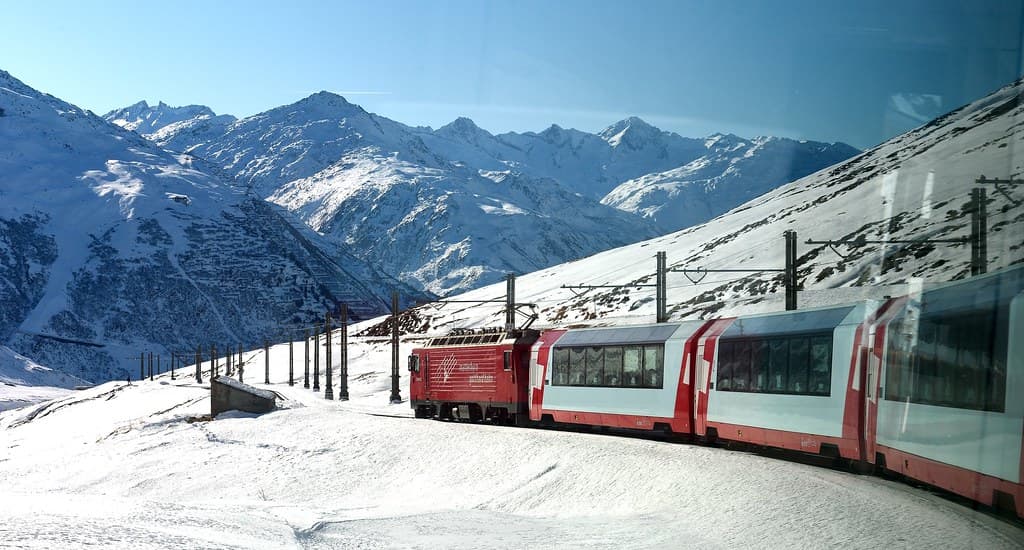
The slowest express train in the world: 8 hours across the Swiss Alps
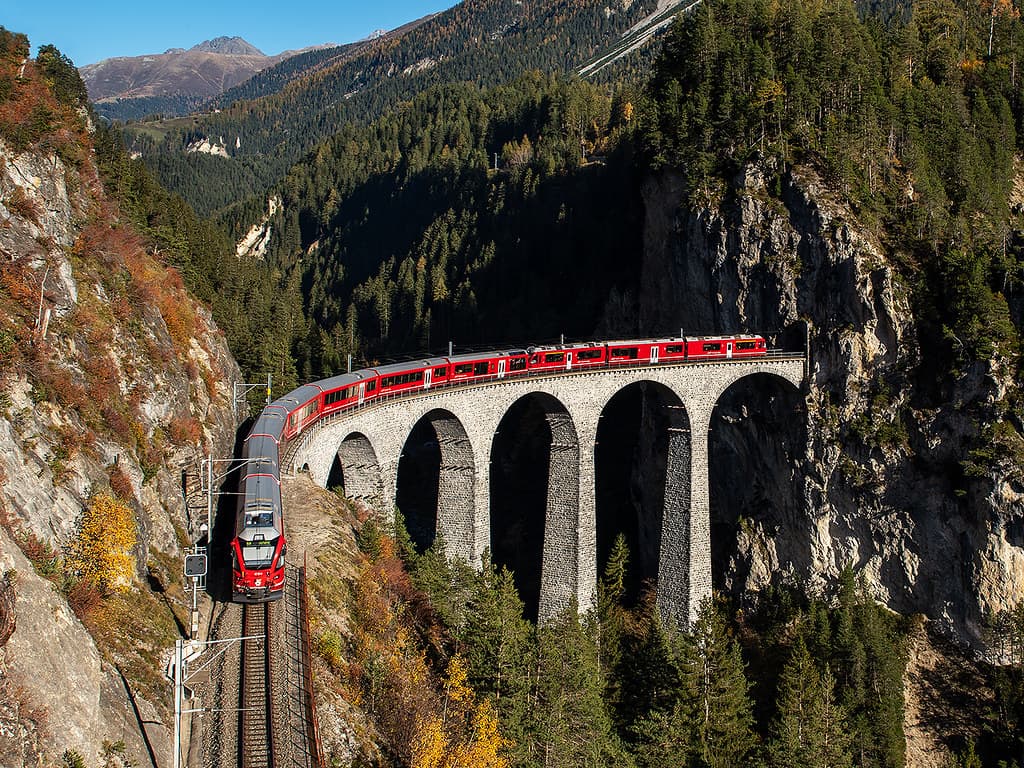
Bernina Express
From Swiss glaciers to Italian palm trees across a UNESCO alpine crossing 2
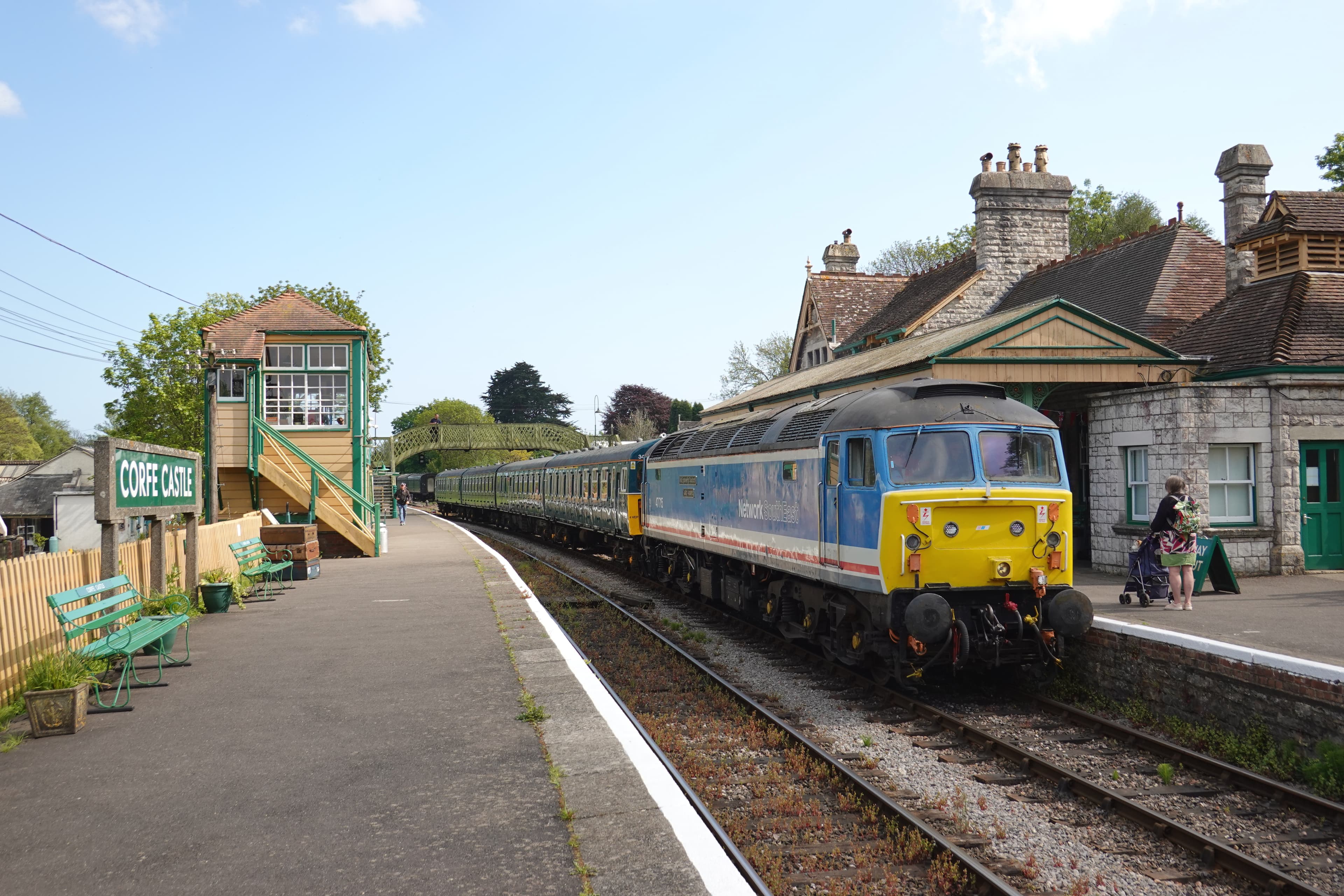
Swanage Railway
Steam and heritage diesel through the Purbeck Hills, under the ruins of Corfe Castle
More Journeys Worldwide
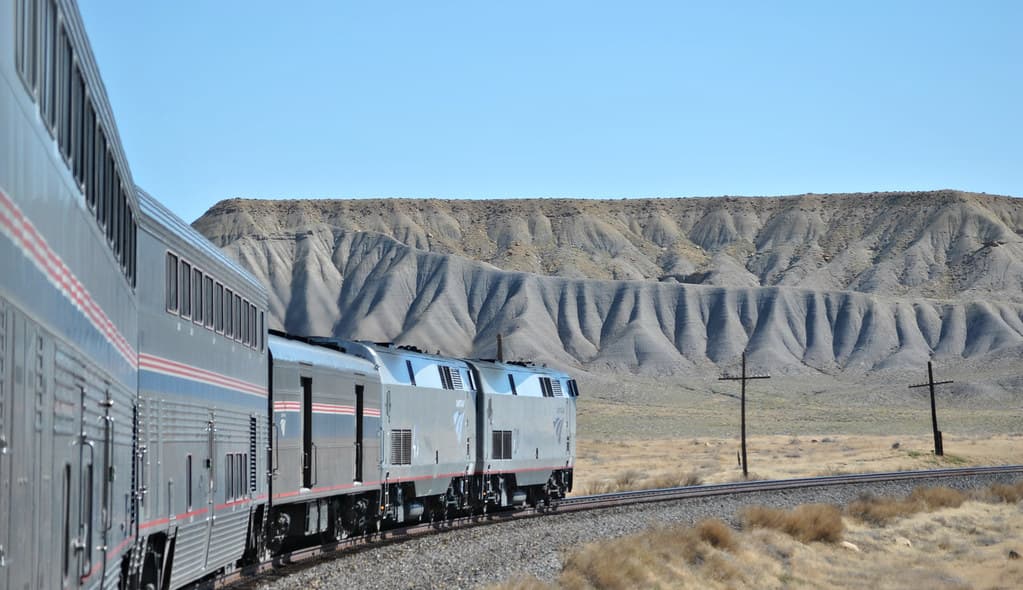
California Zephyr
Chicago to San Francisco across the Rockies and Sierra Nevada
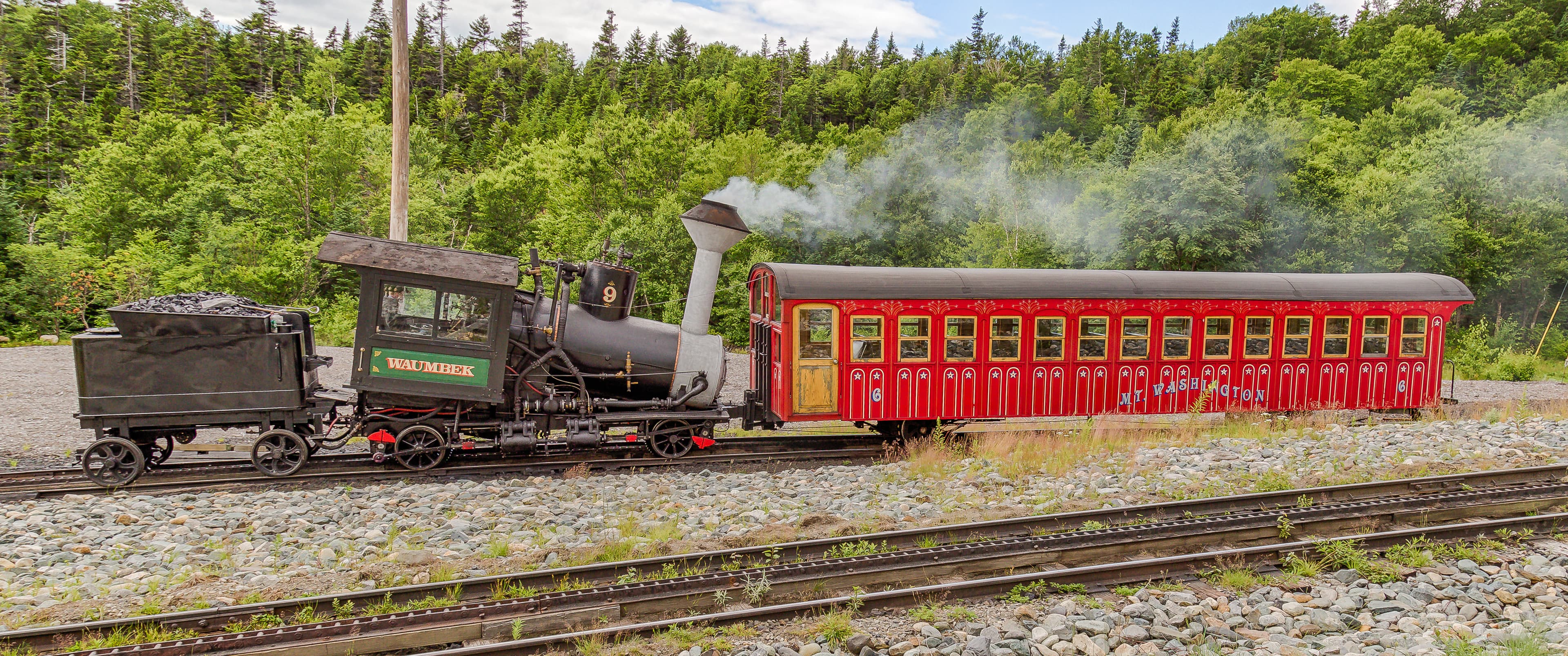
Mount Washington Cog Railway
World's first mountain-climbing cog railway — 1869, 37.41% grade, climbs to 6,288 ft
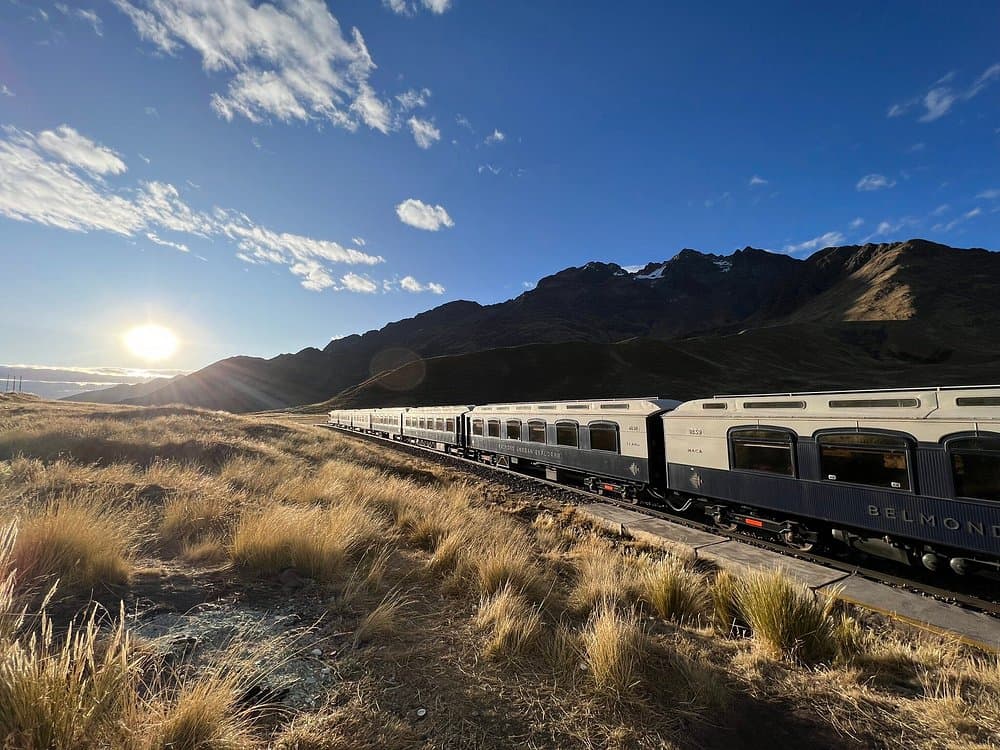
Belmond Andean Explorer
South America's first luxury sleeper train, across the roof of Peru

TranzAlpine
Coast to coast across the Southern Alps in a single morning

Tren a las Nubes
Argentina's rack-free climb to 4,220 m above the Puna
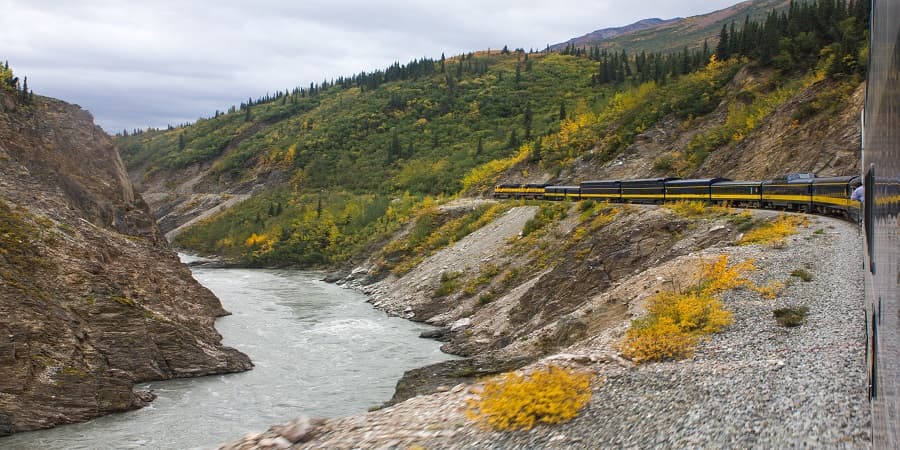
Denali Star
Alaska Railroad's flagship run to Denali and Fairbanks
Related Experiences & Mega-Projects
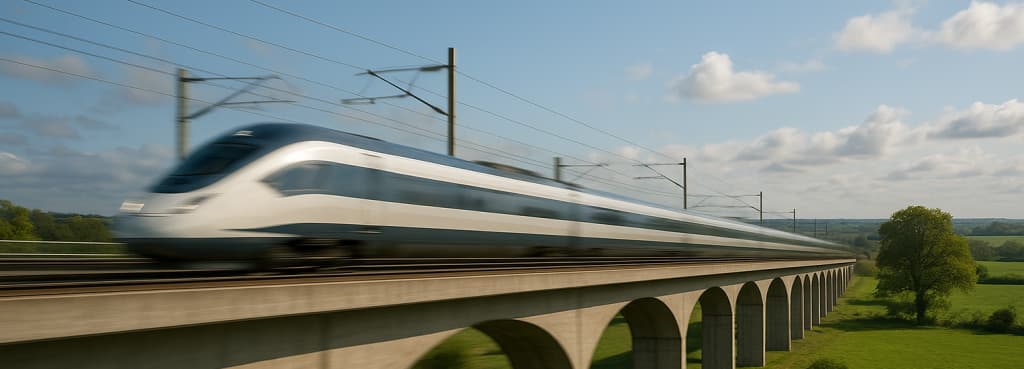
HS2
Britain's most ambitious post-war railway, halved in scope and being rebuilt under a 2026 programme reset.
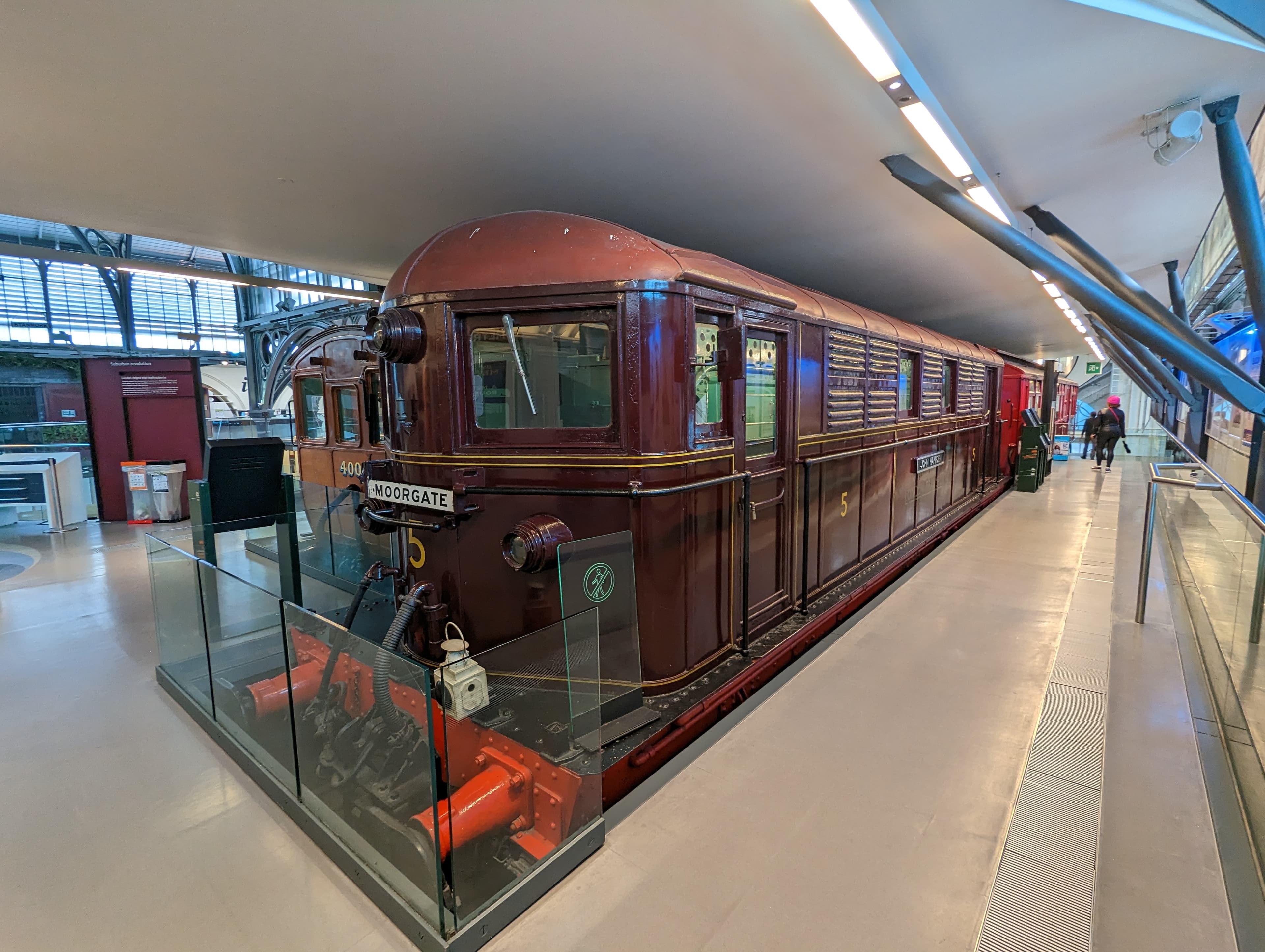
London Transport Museum
London's transport museum in Covent Garden: historic buses, trams, trolleybuses and a car from the world's first electric Tube of 1890.
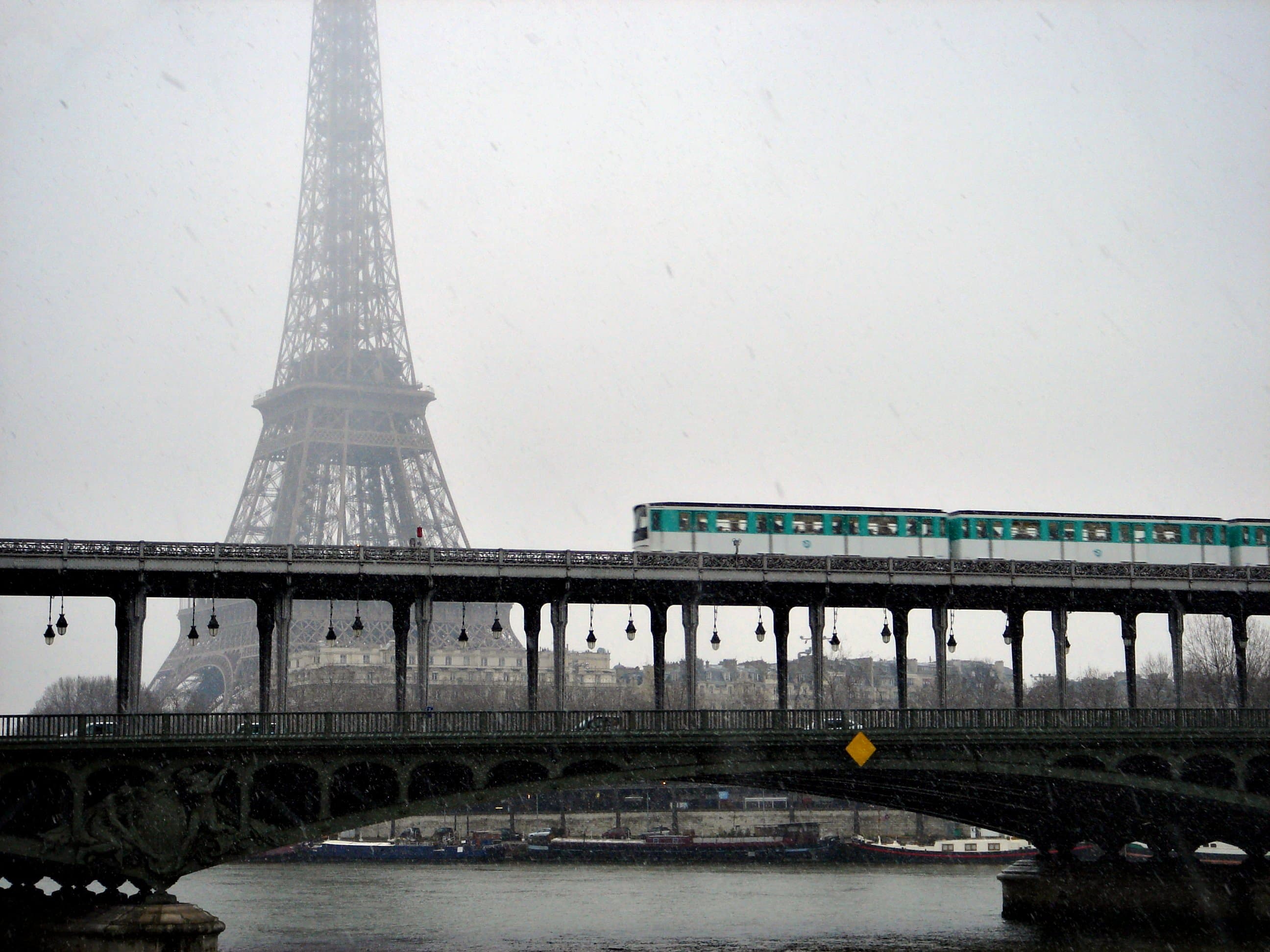
Paris Metro Line 6
Profile of Paris Metro Line 6.
Explore around this route
29 places on Spotatrain within 25 km of this route — 2 experiences, 1 mega-project, 8 live cams and 18 events.
- The Valentines White Rose — Railway Touring Company 257 m
- The Weardale Explorer — Railway Touring Company 257 m
- Edinburgh Christmas Market — Steam Dreams 261 m
- The Christmas White Rose — Railway Touring Company 261 m
- London to York Christmas Market — Steam Dreams 261 m
- HS2 616 m
- The Winter Cumbrian Mountain Express from London — Railway Touring Company 664 m
- THE POLAR EXPRESS™ Train Ride — London Euston 665 m
- London Transport Museum 2.0 km
- Camden Junction 2.5 km
- The Sunset Steam Express — Steam Dreams 3.9 km
- London Paddington to Paignton & Kingswear via Dawlish — Steam Dreams 3.9 km