
Updated
Length
225 km
Max speed
360 km/h
Stations
4
Tunnels
10
Bridges
169
Budget
GBP 91,700
Britain's controversial high-speed line from London to Birmingham — halved in scope after Phase 2 was cancelled in 2023 and now midway through a 2026 programme reset.
About This Project
HS2 is the most consequential addition to Britain's mainline railway network in more than a century, and arguably its most divisive. The 225 km Phase 1 line will connect London Euston to Birmingham Curzon Street via two intermediate stations — Old Oak Common in west London and Birmingham Interchange near the NEC in Solihull — with a junction at Handsacre in Staffordshire feeding HS2 trains onto the existing West Coast Main Line for services to Liverpool, Manchester, Preston, and Glasgow.
What is being built today is a much smaller project than what was once promised. The original plan, approved by Parliament in 2017, envisioned a Y-shaped network running from London to Manchester and Leeds, with branches connecting to Heathrow and Scotland. In October 2023, Prime Minister Rishi Sunak announced at the Conservative Party Conference — held in Manchester, no less — that the Phase 2 northern legs would be cancelled, with the savings redirected to a vaguely defined 'Network North' transport programme. The succeeding Labour government confirmed in October 2024 that the cancellation would stand.
Phase 1 is an extraordinary engineering undertaking. Roughly 90 percent of the route runs in tunnel, cutting, or on viaducts and bridges to limit surface impact on one of Europe's most densely populated corridors. The 16.04 km Chiltern Tunnel under the Chiltern Hills AONB became the UK's longest railway tunnel when its twin bores, driven by Herrenknecht TBMs Florence and Cecilia, broke through in February and March 2024. The 3.4 km Colne Valley Viaduct, completed in September 2025, supplanted the 1887 Tay Bridge as Britain's longest railway bridge.
Construction stretches across 350 sites between London and Birmingham. About 30,000 workers and 3,500 UK businesses are on the programme. By the end of February 2026, £43.6 billion (nominal) had been spent, and the government had committed an additional £25.3 billion for the following four fiscal years. The full revised cost and opening date — neither will fall within the original 2026 or 2029-2033 windows — are scheduled for publication at the end of 2026 once Mark Wild's reset is complete.
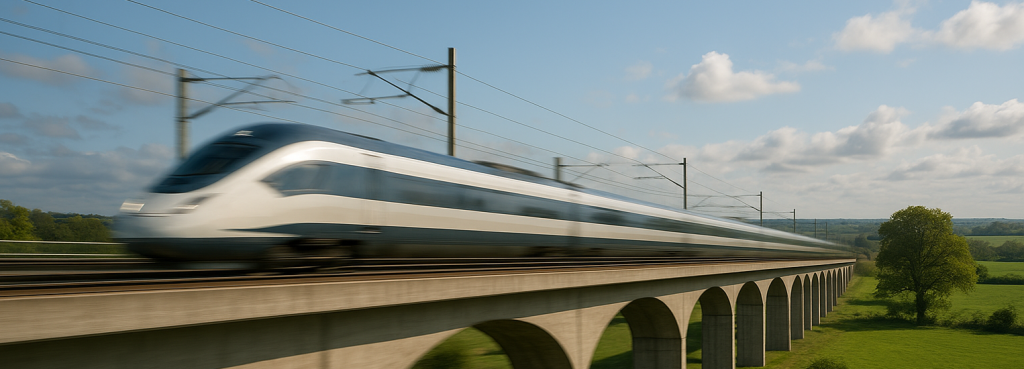
When the line eventually opens, fifty-four 200 m-long Hitachi-Alstom 'Zefiro V300' derivative trains, built in the UK and capable of 360 km/h, will run up to eighteen times per hour into London. Old Oak Common will serve as the London terminus for several years while the Euston station rebuild — paused pending private finance — catches up. The headline London-to-Birmingham journey will fall from 1 h 21 min to roughly 45 minutes.
Video
Why This Project Matters
HS2's central case has always rested on capacity rather than speed. The West Coast Main Line (WCML) — the existing rail spine running from London to Glasgow via Birmingham, Manchester and Preston — is one of Europe's most heavily-mixed-traffic railways, sharing tracks among inter-city expresses, regional trains, suburban commuters and freight. By the late 2000s, planners argued that incremental upgrades had been exhausted and that a dedicated high-speed line for inter-city traffic was the only way to unlock significant new capacity for freight and regional services on the existing WCML.
Closing the productivity gap between London and the Midlands and the North was the project's second pillar. Successive governments have argued that a 45-minute London-Birmingham journey, combined with better onward connections, would broaden labour markets, lift business investment in cities outside the capital, and offer a partial answer to Britain's stark north-south economic divide. The West Midlands Combined Authority projected a £10 billion regional economic uplift over a decade tied to HS2-driven regeneration around Curzon Street, Birmingham Interchange and the Washwood Heath depot. Critics counter that the Phase 2 cancellation has gutted that rebalancing rationale, leaving Phase 1 functioning mainly as a faster commute for the South East.
Technical Details
HS2 is being built to international high-speed standards: standard 1435 mm gauge, dedicated double-track, no level crossings, electrified at 25 kV / 50 Hz AC overhead, and signalled with ETCS Level 2 (the European Train Control System). The design speed is 360 km/h (225 mph), which would make HS2 trains the fastest in regular European operation, though the 2026 reset is examining whether reducing the design speed to 300 km/h could cut cost and bring services in sooner. Geometry on Phase 1 is unusually demanding: about 90 percent of the alignment runs in tunnel, cutting, or on bridges and viaducts, with maximum gradients around 2.5 percent.
Phase 1's headline structures are the 16.04 km twin-bore Chiltern Tunnel and the 3.4 km Colne Valley Viaduct, alongside four more twin-bore tunnels (Euston, Northolt, Long Itchington Wood, Bromford) and five 'green' tunnels designed to keep the line below the surface through environmentally sensitive landscapes (Copthall, Wendover, Greatworth, Chipping Warden, Burton Green). The route also carries 52 viaducts and 169 bridges, including the Delta Junction viaduct complex outside Birmingham and Curzon 2, the tallest bridge on the network (completed May 2026).
Rolling stock will come from the Hitachi-Alstom High Speed JV: 54 fully-electric 200 m-long electric multiple units derived from Alstom's Zefiro V300 platform, coupleable to form 400 m trainsets. Vehicle bodies are built at Hitachi Newton Aycliffe, bogies at Alstom Crewe Works, and final assembly takes place at Alstom Derby Litchurch Lane. The fleet is designed to be among the most energy-efficient operational high-speed trains in the world thanks to aerodynamic refinement, regenerative braking, and a low train mass per passenger.
Economic Impact
Economic-impact analyses commissioned by HS2 Ltd and the West Midlands Combined Authority forecast a £10 billion regional economic uplift over the decade after opening, anchored on the three HS2 hubs at Curzon Street (Birmingham), Birmingham Interchange (Solihull) and Washwood Heath depot. The Curzon Street redevelopment alone is projected to generate 14,000 jobs and £1.3 billion of local economic activity, and Birmingham was chosen as the location for HS2's construction headquarters, adding another 1,500 jobs. Across the three hubs, planners forecast 30,835 new jobs, 41,000 new homes and 704,000 square metres of commercial floorspace within a 1.5 mile radius.
During construction, the programme has been an unusually large training and apprenticeship pipeline: roughly 30,000 workers and 3,500 UK businesses are currently engaged, 2,032 apprentices have started on the project (against an original target of 2,000), and 5,645 previously unemployed people have secured work on HS2. Critics argue that the cancellation of Phase 2 removed most of the original 'levelling-up' economic case — the larger jobs and connectivity benefits were always concentrated north of Birmingham — and that the project's surviving benefit-cost ratio of around 0.8 means the surviving line will not, on the government's own terms, repay its investment in conventional economic terms.
Environmental Impact
HS2 has framed Phase 1 as 'the world's most sustainable high-speed railway', promising zero-carbon operation from the day services begin and net biodiversity gain along the corridor — including a commitment to plant approximately 7 million trees and shrubs, of which roughly 700,000 had been planted by 2022. The project also commissioned a 900 m-long bat protection structure at Sheephouse Wood in Buckinghamshire to shield the rare Bechstein's bat from passing trains, and is constructing five 'green tunnels' (Copthall, Wendover, Greatworth, Chipping Warden, Burton Green) so that the line passes below the surface through environmentally sensitive landscapes.
The trade-offs have been heavily contested. About 24 hectares of ancient woodland across 25 sites on Phase 1 are being directly impacted, an irreversible loss that HS2 says will be offset by planting and long-term habitat maintenance but which campaign groups including The Wildlife Trusts and Stop HS2 have argued is incommensurable. The Sheephouse Wood structure itself drew a Tree Protection Order from Buckinghamshire Council in 2023 after HS2 felled adjacent trees during enabling works, before being overturned on appeal. Operationally, HS2 still expects to deliver significant modal-shift carbon savings by displacing internal UK flights and inter-city car journeys, though independent analysts have noted that the embedded carbon of construction will take a decade or more of operation to pay back.
Challenges & Controversies
Few infrastructure projects in modern British history have been as politically contested as HS2. Compulsory purchase costs for Phase 1 properties reached roughly £3.9 billion, more than three times the original estimate, and thousands of residents and businesses were displaced from a corridor that cuts through some of the most expensive land in England. Environmental opposition has been equally fierce: about 24 hectares of ancient woodland across 25 sites are being directly impacted by Phase 1 alone, and the bespoke 900 m-long bat protection structure at Sheephouse Wood in Buckinghamshire — designed to shield rare Bechstein's bats from passing trains — drew a Tree Protection Order from Buckinghamshire Council after HS2 felled adjacent trees.
Cost overruns and timeline slippage have repeatedly fed scepticism. The 2012 budget of £32.7 billion has been progressively revised upward — through £42.6 billion in 2013, £55.7 billion in 2015 (the figure on which Parliament voted in 2017), into the £88 billion-plus range by 2019, and beyond £100 billion in the 2020 Oakervee Review. The National Audit Office criticised the original business case as overstated; the latest published benefit-cost ratio for the surviving Phase 1 is around 0.8, well below the 'medium value-for-money' threshold of 1.5. HS2 Ltd has responded that the early figures used 2011 rates and made simple assumptions that did not account for the project's full complexity, that the company is delivering more rigorous environmental mitigation than international peers, and that all six headline 2025 construction milestones were met on time. The reset under Mark Wild is intended to give the government — and the public — a verifiable final cost and opening date for the first time since 2017.
Watch this project live
A railway webcam covers this project — see what is running right now.
- Watch live
Camden Junction
Les trois cameras de Camden Junction sur la West Coast Main Line
Project Timeline
HS2 Ltd established to study a new high-speed line
The outgoing Labour government's Department for Transport set up High Speed Two Limited to develop the case for a new north-south high-speed railway and report back the following year.
SourceCoalition government formally approves HS2
Transport Secretary Justine Greening confirmed government backing for a Y-shaped HS2 network: London to Birmingham as Phase 1, then branches to Manchester and Leeds as Phase 2. Initial budget set at £32.7 billion.
SourceHybrid Bill introduced to Parliament
The High Speed Rail (London-West Midlands) Hybrid Bill was deposited in the House of Commons, beginning a three-year parliamentary process during which select committees heard hundreds of petitions from affected residents, councils and businesses.
SourceRoyal Assent — High Speed Rail (London-West Midlands) Act 2017
The Phase 1 Hybrid Bill received Royal Assent, granting HS2 Ltd compulsory purchase and construction powers between London Euston and Handsacre Junction in Staffordshire. The Bill had passed its Commons Third Reading 399-42 and the Lords by 386-26.
SourceFinal Notice to Proceed signed; full construction begins
Prime Minister Boris Johnson signed the Final Notice to Proceed following the Oakervee Review, formally clearing the project for full Phase 1 construction. Estimated cost at the time: £88-98 billion.
SourceHitachi-Alstom JV awarded rolling stock contract
A 50/50 joint venture between Hitachi Rail and Alstom was awarded a £1.97 billion contract to design, build and maintain 54 high-speed trains for HS2 Phase 1. The trains, based on Alstom's Zefiro V300 platform, will be 200 m long, all-electric, and rated for 360 km/h.
SourcePrime Minister Sunak cancels Phase 2
Speaking at the Conservative Party Conference in Manchester, Prime Minister Rishi Sunak announced that HS2 Phase 2 — the legs to Manchester, Leeds and beyond — would be cancelled, citing cost overruns. Around £36 billion was to be redirected to a 'Network North' transport programme.
SourceChiltern Tunnel boring complete (TBM Cecilia breakthrough)
TBM Cecilia broke through the Chiltern Tunnel's north portal, completing the second of two 16.04 km bores. With its sister TBM Florence (which broke through in February), the Herrenknecht machines had spent nearly three years tunnelling under the Chiltern Hills AONB at up to 90 m depth.
SourceLabour government confirms Phase 2 cancellation; Mark Wild appointed CEO
The incoming Labour government, in office since July 2024, confirmed in its first Budget and subsequent statements that the cancelled Phase 2 would not be resurrected. Mark Wild — who had led the Crossrail recovery — was confirmed as the new CEO of HS2 Ltd, charged with delivering a comprehensive programme reset.
SourceColne Valley Viaduct completed — UK's longest rail bridge
The Align JV installed the final precast deck segment of the 3.4 km Colne Valley Viaduct, replacing the 1887 Tay Bridge as Britain's longest railway bridge. The viaduct sits about 10 m above the lakes, the River Colne and the Grand Union Canal.
SourceDfT 6-monthly Parliamentary report — £43.6 billion spent
The Department for Transport's March 2026 report to Parliament confirmed £43.6 billion (nominal) had been spent on HS2 to the end of February 2026, with an additional £25.3 billion allocated for FY 2026/27 to 2029/30 under the 2026 Spending Review. The fully-reset cost-and-schedule baseline was deferred to end-2026.
SourcePhotos
Birmingham Proof House junction and Curzon Street station with HS2 approach viaducts
HS2 approach into the city at Duddeston
Looking towards HS2 - geograph.org.uk - 6955573
External Resources
Official resources
Learn more
Frequently Asked Questions
When will HS2 open?▾
Will HS2 still go to Manchester or Leeds?▾
How much will HS2 cost in total?▾
Why has HS2 been so over budget?▾
How fast will HS2 trains go?▾
Will HS2 trains run all the way into London Euston?▾
What is the longest tunnel on the route?▾
Help improve this page
Spotted something out of date or incorrect? Let our community know.
Related on Spotatrain
More Mega-Projects Worldwide
Fehmarnbelt Fixed Link
World's longest combined road-rail immersed tube tunnel, threading the missing link of the Scan-Med corridor.
Gotthard Base Tunnel
The world's longest railway tunnel, slicing 57 km flat through the Swiss Alps.
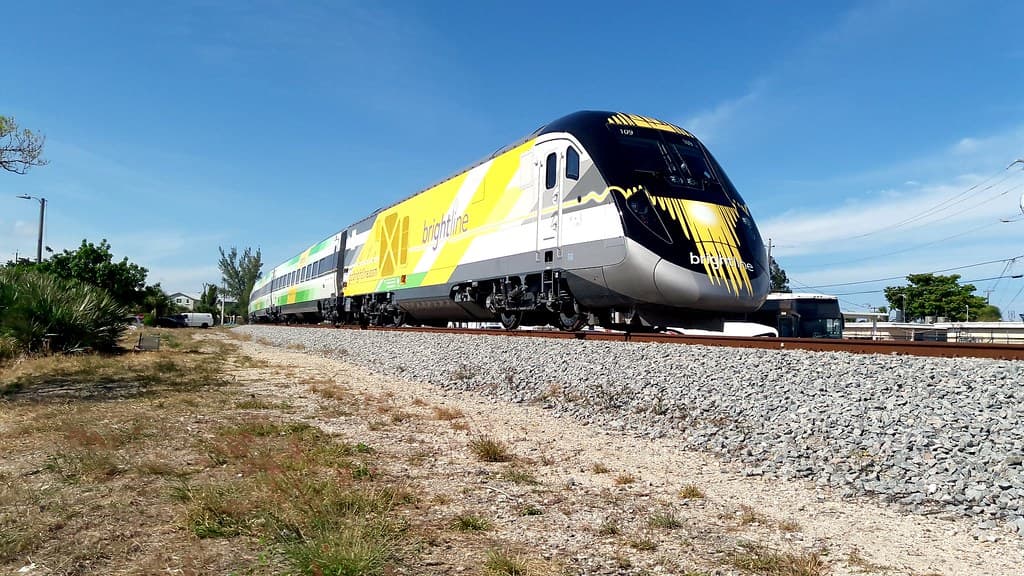

Brightline West
America's first true high-speed rail: Las Vegas to greater Los Angeles at 200 mph
Related Experiences & Journeys
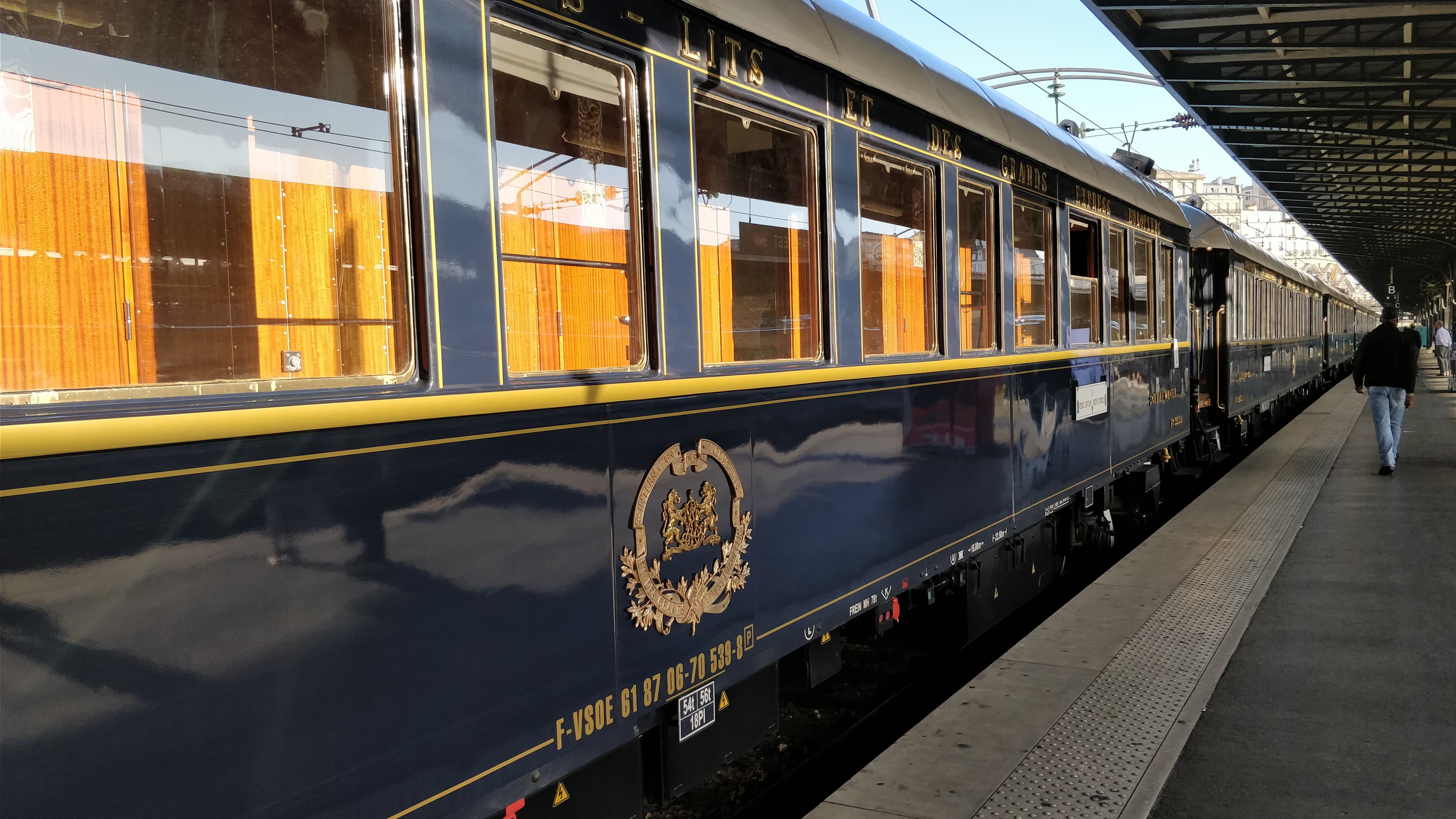
Venice Simplon-Orient-Express
London to Venice in 1920s Wagons-Lits splendour
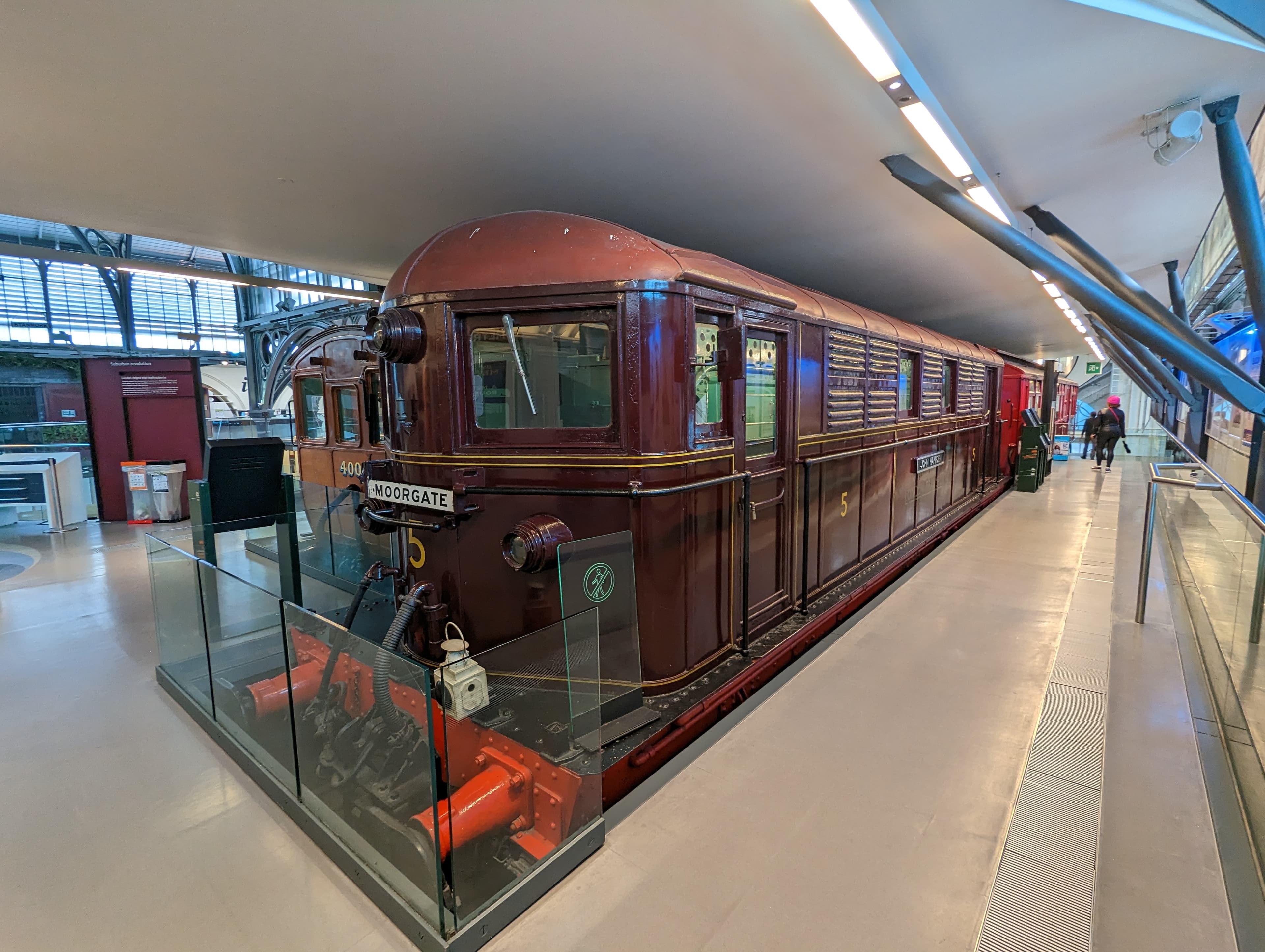
London Transport Museum
London's transport museum in Covent Garden: historic buses, trams, trolleybuses and a car from the world's first electric Tube of 1890.
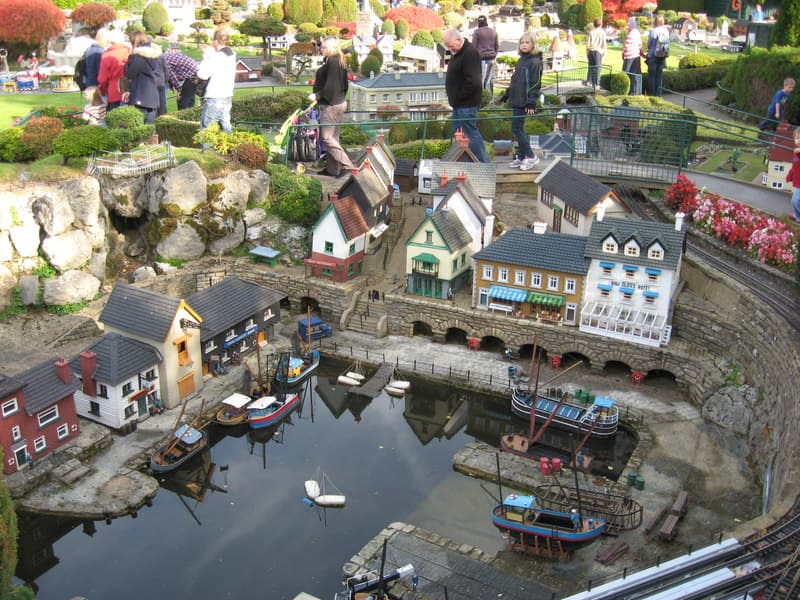
Bekonscot Model Village & Railway
The world's oldest original model village (opened 1929), with a 10-scale-mile Gauge 1 model railway and a 7¼in ride-on light railway in Beaconsfield.
Explore around this project
38 places on Spotatrain within 25 km of this project — 2 experiences, 1 journey, 9 live cams and 26 events.
- THE POLAR EXPRESS™ Train Ride — Birmingham Moor Street 67 m
- The Winter Cumbrian Mountain Express from London — Railway Touring Company 131 m
- THE POLAR EXPRESS™ Train Ride — London Euston 135 m
- Venice Simplon-Orient-Express 616 m
- The Mayflower — Vintage Trains 806 m
- The Valentines White Rose — Railway Touring Company 820 m
- The Weardale Explorer — Railway Touring Company 820 m
- London Transport Museum 2.0 km
- Camden Junction 2.2 km
- The Sunset Steam Express — Steam Dreams 3.3 km
- London Paddington to Paignton & Kingswear via Dawlish — Steam Dreams 3.3 km
- The Spirit of Summer Lunch — Steam Dreams 3.3 km