Railway Experience
Chicago “L” (Orange Line)
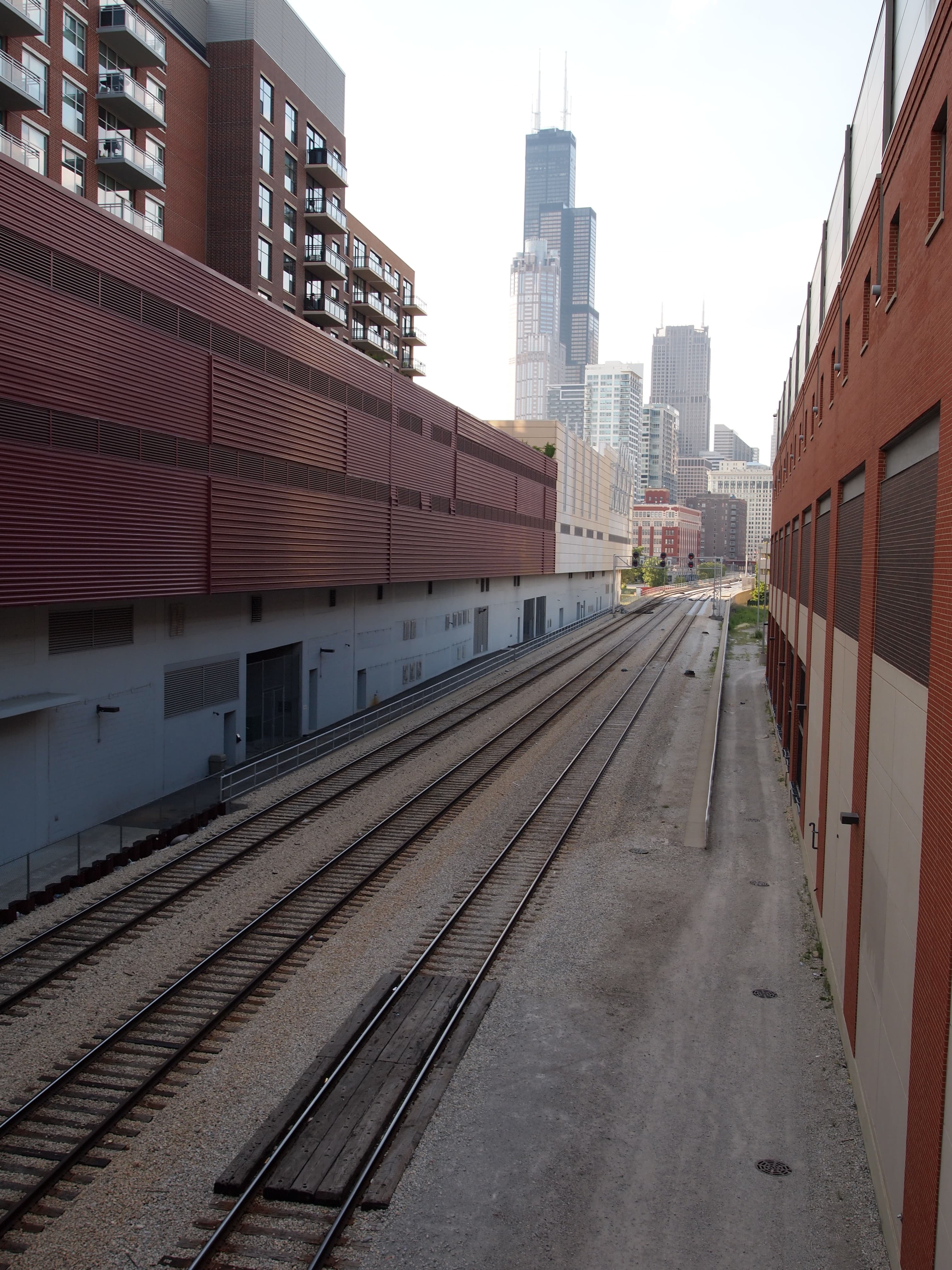
An elevated Chicago “L” train line looping through downtown on viaducts, offering railfans sweeping views of the city’s skyscrapers like the Willis Tower.
Updated
See everything in Illinois15 spots · 29 live cams · 2 experiences · 4 eventsAbout This Experience
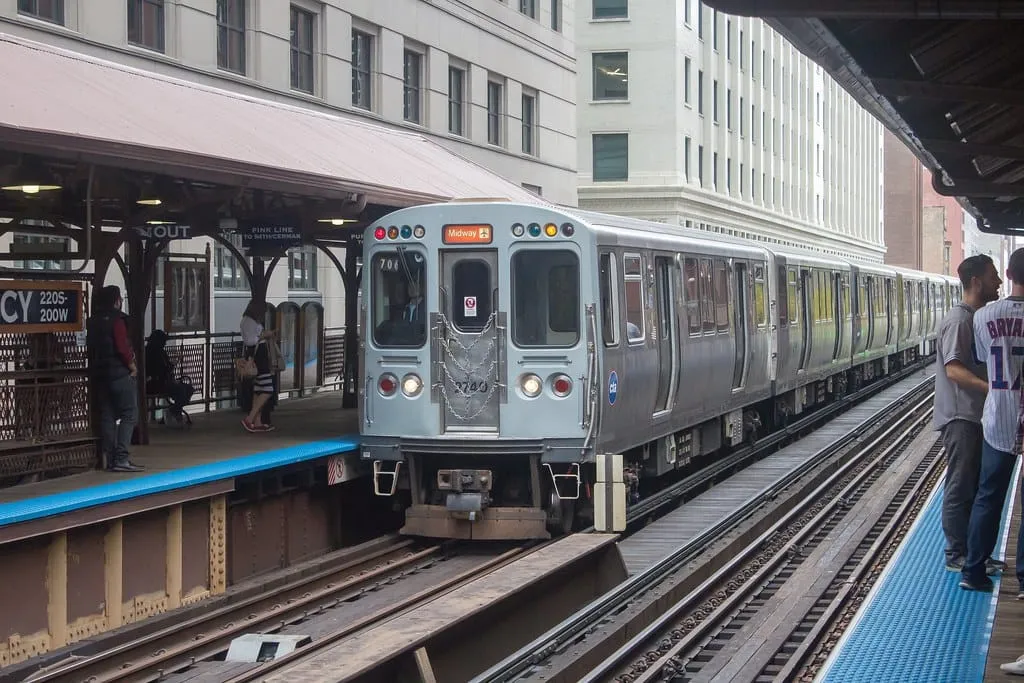
The Orange Line is an elevated rapid transit route in Chicago, operated by the Chicago Transit Authority (CTA). It runs 13 miles from Midway International Airport on the southwest side to the downtown Loop, largely via embankments and steel viaducts transitchicago.com. Opened in 1993 as the first new CTA line in 24 years , the line uses the historic 1890s elevated Loop structure to circle central Chicago. As it curves through downtown, riders get up-close views of the skyline – including iconic towers like the Willis Tower – from trains winding between high-rises. The route initially follows old railroad rights-of-way before rising onto elevated tracks as it nears the city center , blending industrial landscapes with urban canyon scenery.
Featured Video
CTA's Ride the Rails: Orange Line Real-time (2019) v1.1
Ever wonder what it would be like to see Chicago as if you were a CTA train operator? In 2014, the Chicago Transit Authority released its most popular video series, “Ride the Rails,” a collection of videos highlighting CTA’s eight rail lines, each seen from the perspective of the rail operator. Since its release, “Ride the Rails” has garnered nearly 3 million views worldwide. A lot has changed in five years: two new stations have been built (Washington-Wabash and Cermak-McCormick Place), two stations have been rebuilt (Wilson and 95th/Dan Ryan), and one station has been retired and demolished (Randolph/Wabash). For the series’ 5th Anniversary, CTA is releasing an update to “Ride the Rails,” which you can view in both real-time and time-lapse versions. All eight lines have been recaptured from the operator’s perspective, this time in stunning 4K video. The CTA recorded the ride at various times of the day, including sunrise and sunset, and morning and evening rush hours. You’ll even learn facts about the CTA system in the real-time version. So, hop aboard and enjoy the ride! v1.1 - corrected station signage
Why Visit
This line offers a uniquely Chicago railfan experience, being one of the few remaining extensive elevated railways in the U.S. Riding the Orange Line means experiencing the CTA’s classic third-rail electric trains on tight 90‑foot curvesen.wikipedia.org, complete with the characteristic wheel screech that echoes off downtown buildings. Rail enthusiasts will appreciate the mix of modern and historic elements: eight-car trains of 2600-series CTA cars (vintage 1980s stock) snake through century-old infrastructure, including stations like Quincy (built 1897, preserved with 19th-century stationhouse charm)travelcurious.com. In essence, the Orange Line doubles as an inexpensive city tour—one local rider calls it a “stunning city tour” that passes famous sights for the cost of a transit farebusinessinsider.com. You’ll glide above busy streets, see the Chicago River and lakefront in the distance, and traverse the Loop on tracks that are themselves a living historic landmark. It’s an everyday commuter line with extraordinary views, making it a must-ride for transit fans and anyone fascinated by Chicago’s urban landscape.
What to Expect
Riding the Orange Line is straightforward and immersive. Trains run frequently (roughly every 8–15 minutes throughout the day), so you can hop on without long waits. No advance tickets or tours are needed – you’ll be sharing the ride with commuters and travelers. Starting from Midway Airport, the train emerges from ground level and heads northeast. For the first 15 minutes, you’ll pass through Chicago’s working-class neighborhoods and industrial areas – expect views of bungalows, rail yards, and warehouses out the window. Then, seemingly out of nowhere, the downtown skyline pops into view on the horizon . The transition is dramatic: the train crosses the south branch of the Chicago River on a bridge, and you’ll see the skyscrapers grow larger as you approach the Loop. The entire one-way trip from Midway to the downtown terminus takes about 20–25 minutes, providing a quick connection into the city core. En route, automated announcements will call out station names (“Next stop: State/Lake”) and connections. As the train enters the elevated Loop, it turns north and then east, circling clockwise around the heart of downtown. Here you’ll feel the train slow for sharp curves and hear the classic metal-on-metal squeal as it rounds corners high above the streets. The Loop stations come in rapid succession – Washington/Wells, Clark/Lake, State/Lake, and so on – each an open-air platform nestled amid offices and historic façades. If you’re arriving mid-day, trains are usually moderately busy and you can find a seat; during rush hours they fill up with downtown workers, giving an authentic big-city buzz to the ride.
Once on board, expect a no-frills but comfortable journey. The CTA railcars have hard plastic seats and large windows (perfect for sightseeing). Cars are generally clean and equipped with heating in winter and air conditioning in summer. There are no restrooms or dining services – this is everyday transit – but rides are short. Many travelers will have luggage (especially near the airport) or shopping bags. The Orange Line is safe and well-lit, though like any city train you’ll want to keep an eye on belongings. As the train navigates the Loop, you can peek down cross streets from your window and catch glimpses of famous buildings between stops. You might notice the train sway slightly and hear it clatter over junctions where lines intersect. At Quincy Station, for example, the vintage wooden platforms and ironwork evoke the 1890s, adding atmosphere as the doors open. By the time the train completes the Loop circuit and heads back toward Midway, you will have seen Chicago’s downtown from an angle few tourists do. Overall, expect a dynamic, noisy, and thoroughly Chicago ride – the sounds of wheels and the city all around – giving you an authentic taste of rail travel in the Windy City.
How to Plan Your Visit
Season and Schedule
The Orange Line in Chicago operates year-round, providing reliable service in all seasons. It runs frequently during rush hours and offers late-night options as well.
- Operating Schedule
- Year-round
- Daily Hours
- 3:30–4:30 a.m. to 1:00–1:30 a.m.
- Weekday Rush Hour Frequency
- Every 5–10 minutes
- Late Night Frequency
- Every 15–20 minutes
- Overnight Service
- Owl bus (route N62) parallels the Orange Line
Ticket Information
Riding the Chicago 'L' Orange Line requires no reservation; just purchase a fare and board. Various ticket options are available, including single-ride tickets and unlimited-ride passes.
- One-way Fare
- $2.50
- Single-ride Ticket Cost
- $3
- 1-day Pass
- $5
- 3-day Pass
- $15
- 7-day Pass
- $20–25
- Reduced Fare for Children 7–11
- $1.25
Accessibility Details
The Orange Line in Chicago is designed to be accessible for all, with features that accommodate individuals with mobility needs. Most stations are wheelchair-accessible, and assistance is available for boarding.
- Wheelchair Access
- All CTA trains are equipped for wheelchair access
- Priority Seating
- Marked for seniors and people with disabilities
- Midway Station
- Fully ADA accessible with elevators from street to platform
- Washington/Wabash Station
- Modern and accessible
- Service Animals
- Allowed on trains
What to Bring
When railfanning in Chicago, it's important to dress appropriately for the weather and bring essential items for a comfortable experience. Be prepared for varying conditions and have your gear ready for capturing the skyline views.
- Summer Clothing
- Light clothes, hat, and water bottle
- Winter Clothing
- Warm coat, gloves, and hat
- Camera
- Bring a camera or charged smartphone
- Earplugs
- Pack earplugs if sensitive to noise
- Backpack
- A small backpack for gear, snacks, and souvenirs
- Ventra Card
- Carry your Ventra card or have mobile pay setup
Photography Tips
The Orange Line in Chicago provides excellent photography opportunities for railfans, especially with views of the skyline and iconic architecture. Tips include choosing the right locations and times for optimal lighting and composition.
- Best View Location
- Window facing forward as you approach downtown
- Recommended Sunset Viewing Spot
- Roosevelt elevated platform
- Notable Stations for Photography
- Quincy and Library (Harold Washington Library) stations
- Ideal Intersection for Shots
- Wabash & Van Buren
- Photography Tip
- Use a fast shutter speed
- Tripod Use
- Allowed during off-peak times on station platforms
Traveling with Pets
Dogs welcome
CTA allows small pets system-wide, the Orange Line included, on one condition: the animal must stay in "a closed and secure small container designed for travel that is carried by one person and which can fit under seat." Anything outside such a carrier is prohibited apart from service animals. No peak-hour restriction applies to pets — the weekday rush-hour rule covers bicycles.
Verified — operator's pet policy
Travel Information
By Air
Chicago Midway International Airport is the starting point of the Orange Line, while O'Hare International Airport requires a transfer to access the line. Midway offers convenient access for travelers, while O'Hare is about 18 miles from downtown.
- Midway Airport Code
- MDW
- O'Hare Airport Code
- ORD
- Distance from Midway to Downtown
- 10 miles (16 km)
- Distance from O'Hare to Downtown
- 18 miles
- Transfer Requirement
- One transfer from Blue Line to Orange Line
By Train
Chicago Union Station is the main Amtrak hub in the West Loop, providing easy access to the Orange Line. Travelers can reach the Orange Line stations with a short walk or taxi from the station.
- Distance to Orange Line
- 0.5 miles (0.8 km)
- Walking Time to Quincy Station
- 5-6 minutes
- Transfer Station
- LaSalle/Van Buren Station
- Metra Station Beneath Orange Line
- LaSalle Street Station
- Walking Distance from Millennium Station
- a few blocks
By Car
Chicago is accessible by several major interstates, and driving to the Orange Line is convenient via Midway Airport. Traffic can be congested, especially during rush hours.
- Major Interstates
- I-90/94, I-290, I-55
- Driving Time from Downtown to Midway
- about 25 minutes
- Traffic Hours
- 7–9 a.m. and 4–6 p.m.
- Driving Time from Milwaukee
- 1.5–2 hours
- Driving Time from Indianapolis
- 3–3.5 hours
Parking
The Chicago 'L' Orange Line offers convenient Park & Ride facilities, making it easy to park and ride into downtown. Various parking options are available at different stations, with rates varying significantly.
- Midway Station Parking Rate
- $7.00 for 12 hours
- Pulaski Station Parking Rate
- $2 per day (12 hours)
- Kedzie Station Parking Rate
- $2 per day (12 hours)
- Downtown Parking Cost
- $20–$45 per day
- RV Parking Availability
- Not available at most CTA lots or downtown garages
Local Transportation
The Chicago Orange Line is part of a comprehensive public transportation system, allowing easy transfers to other CTA lines and providing access to various city attractions. The city is also walkable, with options for biking and ridesharing available.
- Transfer Policy
- Free transfers with a Ventra card within the Loop
- Connecting Lines
- Red Line, Blue Line, Brown Line, Pink Line, Green Line, Purple Line
- Bus Terminal Location
- Midway Station
- Taxi Availability
- Taxi stands at Midway Airport and in the Loop
- Bicycle Policy
- Bicycles allowed on trains except during weekday rush hours (limit two bikes per railcar)
Nearby Lodging
Find places to stay near Chicago “L” (Orange Line).
This lodging map is provided by Stay22, a third-party service that may set cookies. It loads only with your consent.
Accommodation results are provided by Stay22; we may earn a commission on bookings made through this map.
Nearby Attractions
- Skydeck Chicago (Willis Tower)
Observation decks on the 103rd floor of Willis Tower (formerly Sears Tower), where you can step out onto glass-floor “Ledge” boxes and gaze at Chicago from 1,353 feet up. A must-visit for skyline views and located in the Loop (about 0.3 miles from Quincy station). About 0.2 miles (0.3 km) from the Orange Line’s Quincy stop.
- Museum of Science and Industry
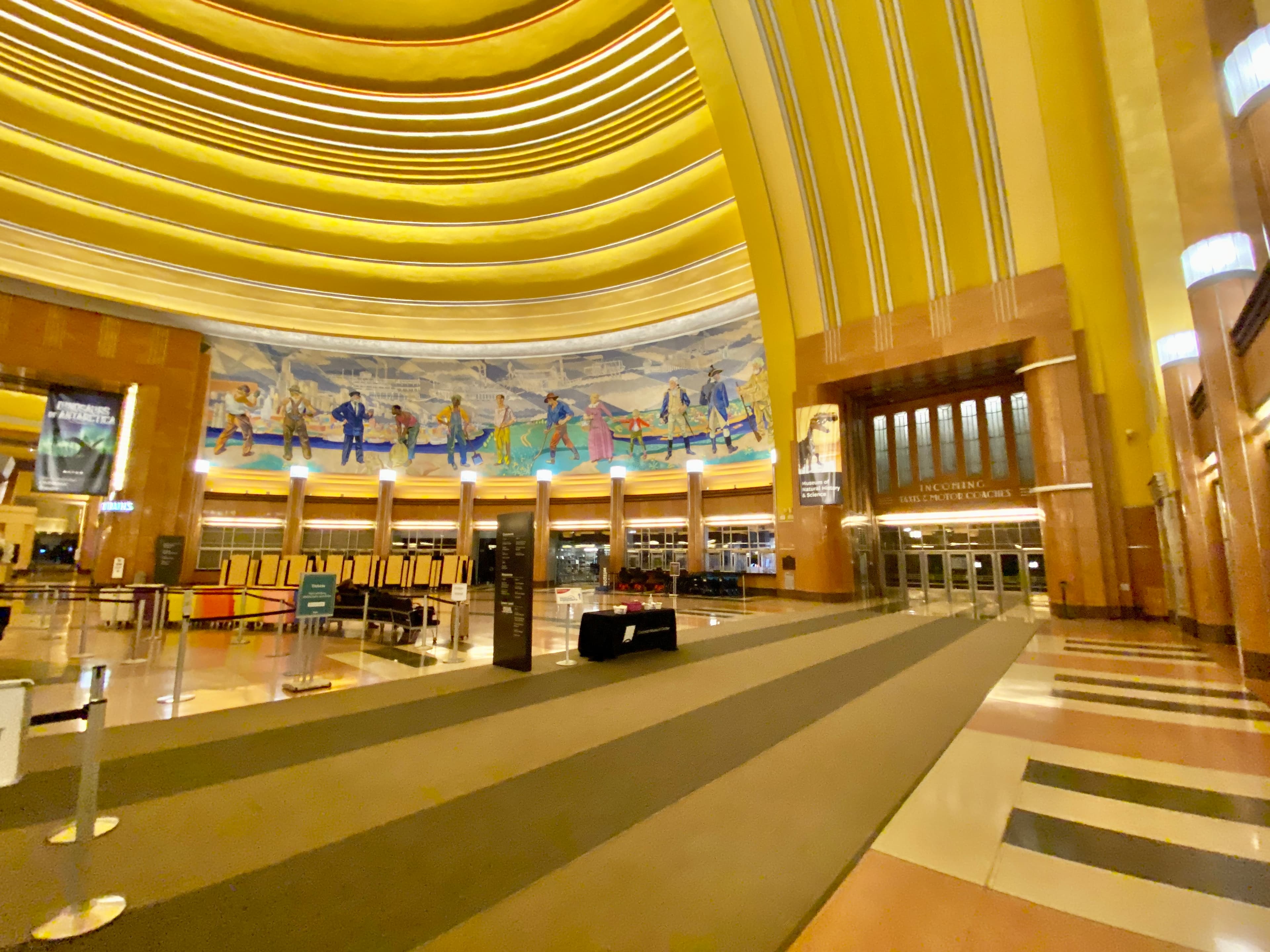
A grand science museum housing the historic 1934 Pioneer Zephyr streamliner train (on display in its entry hall) and one of the world’s largest model railroad layouts (“The Great Train Story”). Plenty of interactive exhibits for all ages. About 9 miles (14 km) south of downtown (in Jackson Park, accessible via Metra Electric or a short bus ride from the Orange Line’s Roosevelt station).
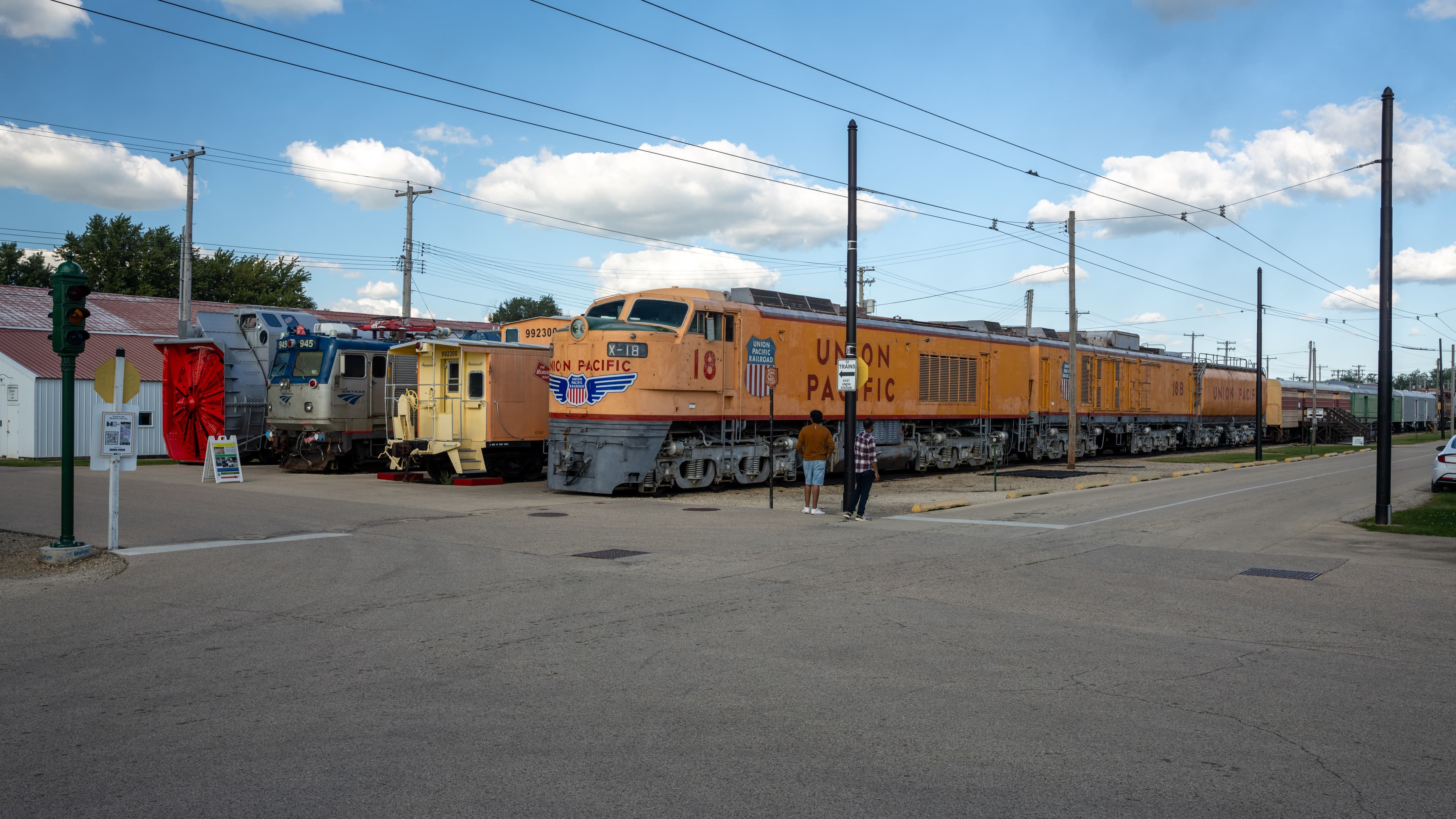
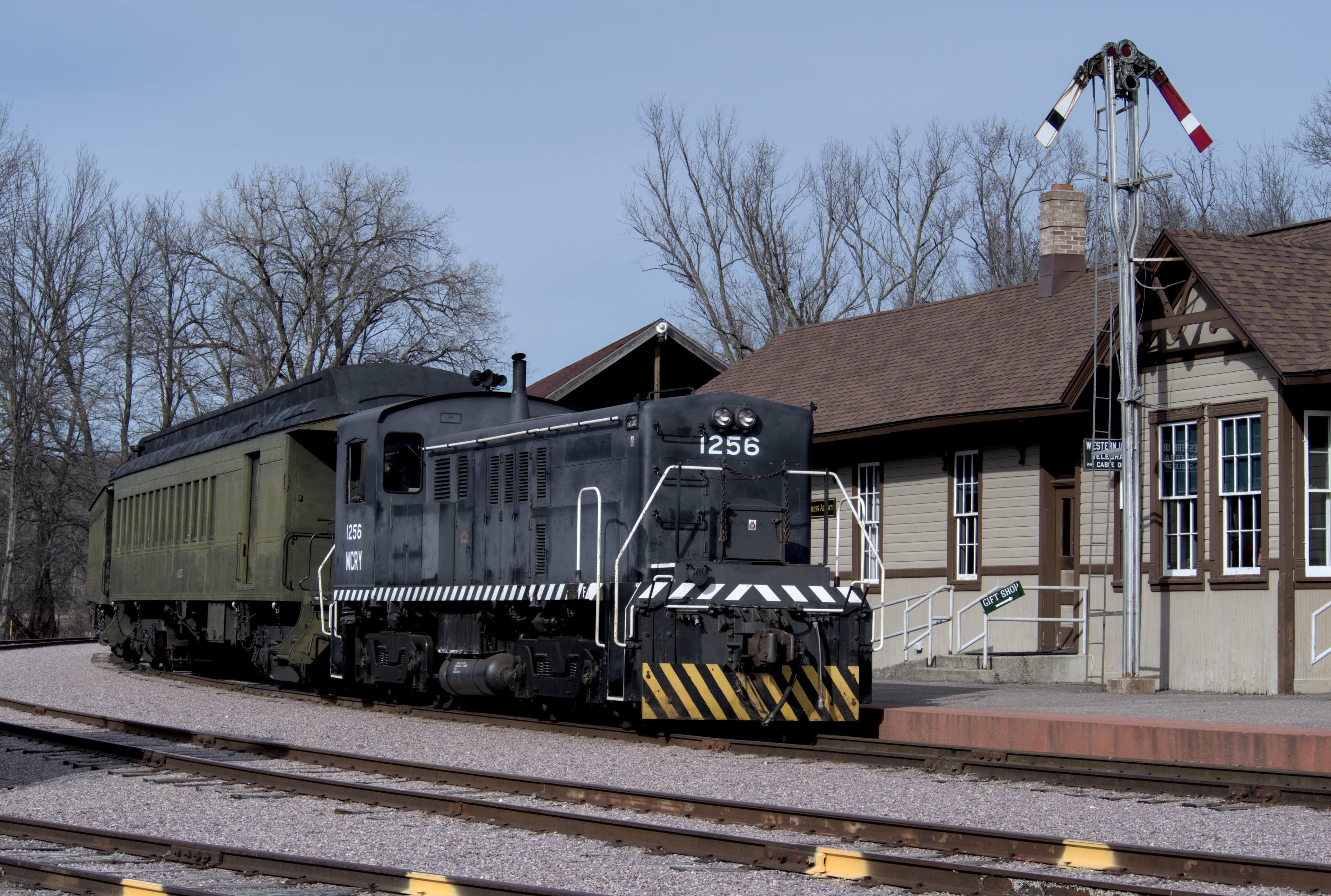
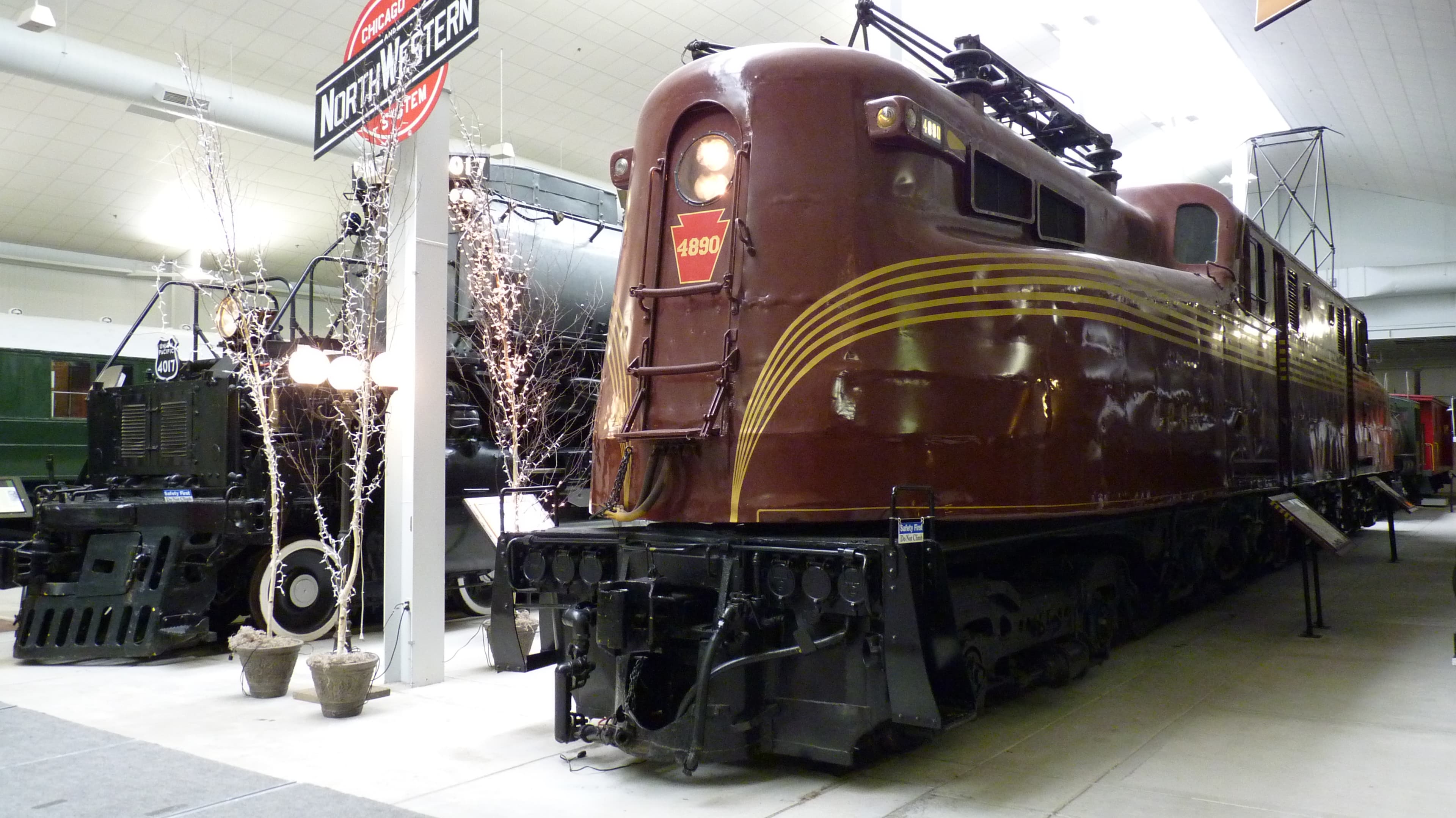
- Illinois Railway Museum
The nation’s largest railroad museum, featuring an extensive collection of vintage locomotives, passenger cars, and streetcars (many operational on museum tracks). Visitors can ride historic trains, including steam engines and classic Chicago ‘L’ cars, making it a paradise for railfans. Located in Union, Illinois (McHenry County), it’s a drive of about 55 miles (89 km) northwest of Chicago.
Photos
 mhellekjaer
Attribution-ShareAlike License
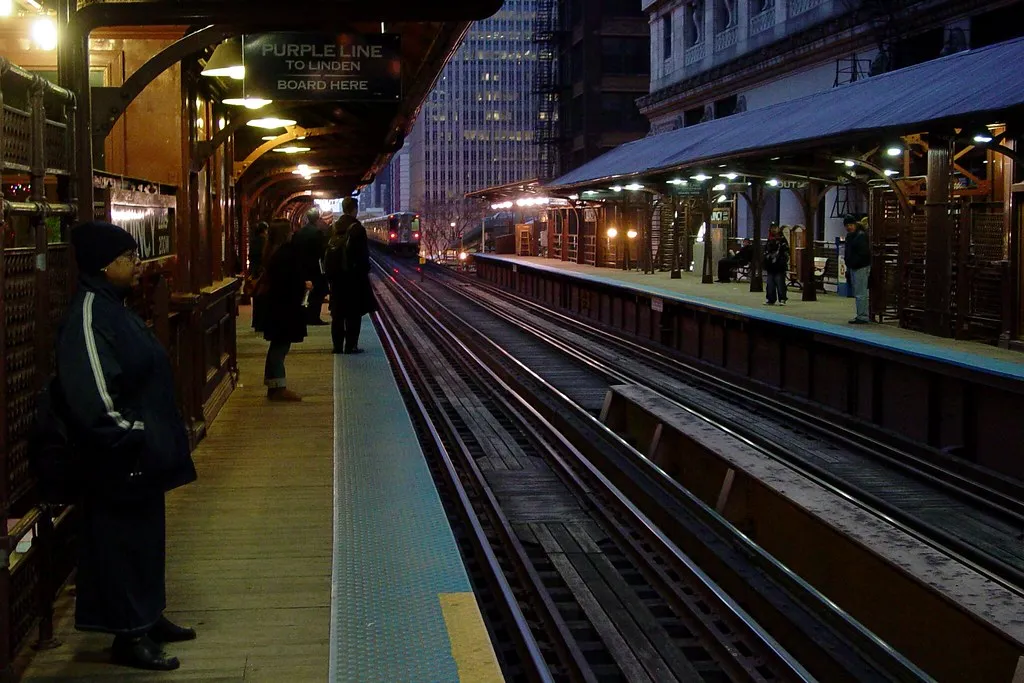
SchuminWeb
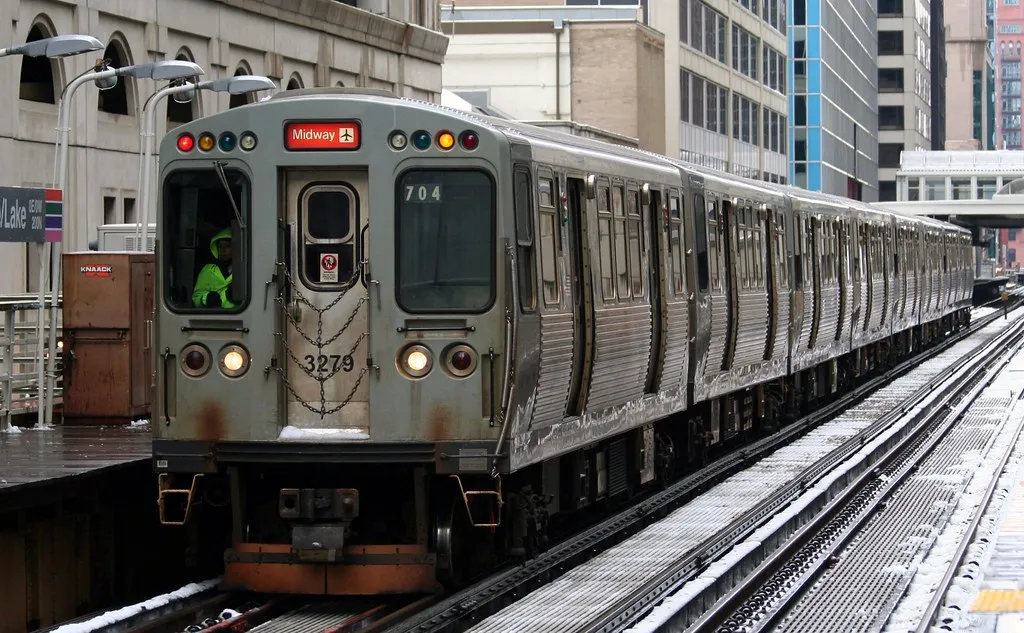
Laurence's Pictures
Attribution License
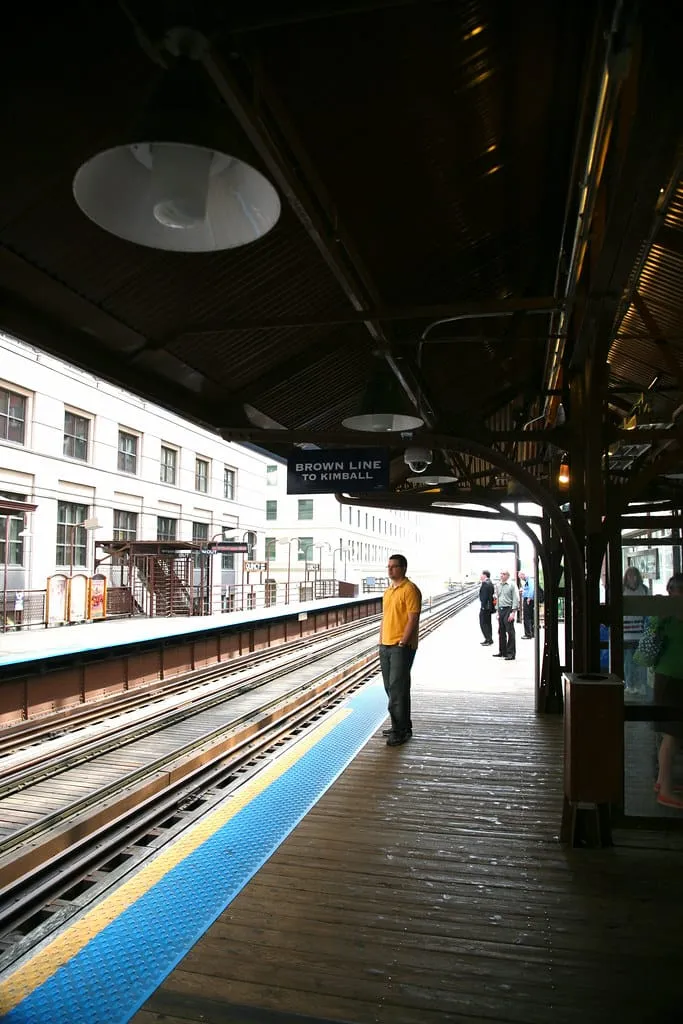
(vincent desjardins)
Attribution License
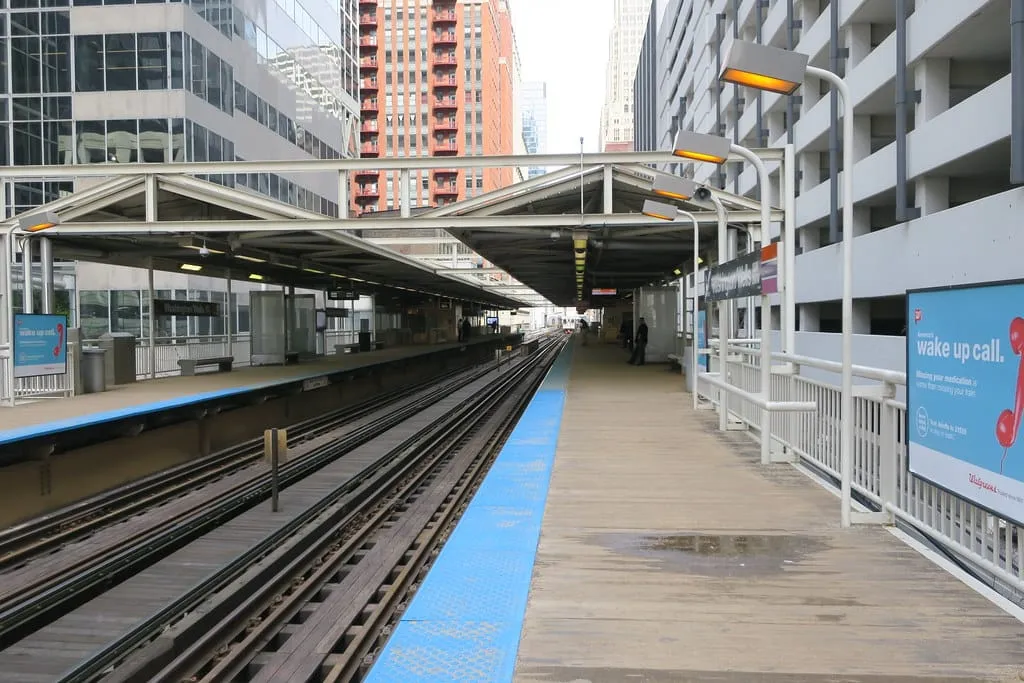
Jacob G.
Attribution-ShareAlike License
More Videos
How the CTA Orange Line Changed the ‘L’ Map
Today is the 30th Anniversary of the CTA Orange Line! Back when it opened on October 31st, 1993, the Orange Line was very different than previous lines. It was built on completely new tracks, paralleling existing freight right of ways. The Orange line runs from the Loop to Midway Airport, a total of about 13 miles. However, the Orange Line wasn't the only thing that changed in 1993...
Help improve this page
Spotted something out of date or incorrect? Let our community know.
Explore more experiences: Browse all rail travel experiences.
Booking & Pricing
Quick Information
Country
Region
City
Chicago
Best Season
The Orange Line can be enjoyed year-round, but spring and fall are often considered the best times to visit Chicago travel.usnews.com. In April–May and again in September–October, the weather is mild to warm, which makes waiting on outdoor platforms comfortable and the city scenery particularly vivid. Railfans will appreciate that spring and fall also offer clear air and often bright skies – ideal for photography. In fact, these seasons provide excellent natural lighting and colorful backdrops, with fewer crowds blocking popular photo spots citypass.com. For example, in fall the city’s trees (even along the tracks and in downtown parks) turn shades of orange and yellow, adding a unique contrast to the steel and glass of the Loop. Spring brings blooming flowers and a sense of energy as Chicago comes out of winter hibernation.
Summer (June–August) is peak tourist season and brings long daylight hours. Riding the ‘L’ on a summer evening can be magical as the sun sets late and bathes downtown in golden light. However, summer also means heat and humidity – platforms can get quite warm, though trains are air-conditioned. Crowds on trains may be a bit heavier with tourists in addition to commuters. On the plus side, summer offers many festivals and events in Chicago, so you might combine your Orange Line trip with city events (just be prepared for more riders especially after big events like a baseball game or Taste of Chicago).
Winter (late November through March) is the most challenging season due to cold temperatures and snow. The Orange Line does run in winter – in fact, seeing the city covered in snow from an elevated train is a memorable sight. Trains and stations remain operational (CTA crews work to clear snow and ice). If you visit in December, you might catch the special CTA Holiday Train, a tradition where a few festively decorated trains (with lights and Santa’s sleigh on board) run on each line – the Orange Line typically gets its Holiday Train runs in early December, delighting riders. Winter rides are comfortable inside the train (they’re heated), but waiting on the platform can be very cold on windy days. If you bundle up properly, a winter ride can be rewarding – fewer tourists are around, and the city has a unique beauty in its winter dusk.
In summary, fall probably offers the best mix for a railfan: pleasant weather, beautiful lighting, and active train service without summer crowds. Spring is a close second with similar advantages. But whenever you go, the Orange Line experience delivers a distinctive perspective on Chicago – each season just casts the city in a different, interesting light.