Updated
Distance
24 km
Duration
1h 20min (round trip)
Max altitude
250 m
Bridges
3
Gauge
1435mm (standard)
Vintage diesel-hauled scenic train along New Hampshire's Pemigewasset River, crossing three trestles through the southern White Mountains on Boston & Maine heritage track from Lincoln.
About This Journey
The Granite State Scenic Railway runs 80-minute, 24-kilometre (15-mile) round-trip excursions from Lincoln, New Hampshire, tracing the Pemigewasset River south through the foothills of the White Mountains. The line uses a 7-mile (11.3 km) segment of state-owned trackage between Lincoln and North Woodstock, originally built in 1846–1850 by the Boston, Concord & Montreal Railroad and later absorbed into the Boston & Maine system. Trains depart from the original Lincoln depot at 64 Railroad Street, an unassuming wooden station at the heart of the village.
Two vintage Alco 660-horsepower diesel switchers, working alongside newer EMD road units, haul a consist of mid-twentieth-century coaches that once rode under Boston & Maine and Conrail markings. Onboard, car attendants pass through with cold drinks (a can of soda costs USD 1) and snacks; passengers are welcome to bring their own food and non-alcoholic beverages. Sash windows open to clear views of the Pemigewasset, and three trestle crossings interrupt the river-side run with the unmistakable rumble of timber decks.
The Lincoln-based excursion remains commercially branded as the Hobo Rail Road — a name retained when the line rebranded to Granite State Scenic Railway in April 2024 under new owner Patriot Rail Company LLC. The same parent operates the Winnipesaukee Scenic Railroad in Meredith and Weirs Beach, both inherited from founder Edward Clark, who launched the original Hobo Railroad on July 1, 1987. The corporation holds passenger rights on a 54-mile (87 km) state-owned corridor from Lochmere to Lincoln, but tourist service today runs only on the northernmost 7-mile segment.
Lincoln sits at the southern entrance to Franconia Notch and within easy reach of Loon Mountain, Clark's Trading Post, and the Whale's Tale Water Park, making the railway an easy add-on to a White Mountains itinerary. The base station is one block off NH Route 112 (the Kancamagus Highway), just east of Interstate 93 exit 32. The combination of a short ride, modest fares, and accessible boarding makes it the most family-friendly scenic train in the region — and one of the few in New England that still uses heritage diesel power on heritage track.
Why This Journey Is Iconic
Heritage track on a primary nineteenth-century corridor. The Concord-to-Plymouth-to-Lincoln line was one of New Hampshire's main arteries north — built in stages from 1846 by the Boston, Concord & Montreal Railroad, swallowed by the Boston & Maine in the early 1900s, and bought outright by the State of New Hampshire in 1976 to keep the rails in place. Today's 7-mile Lincoln-Woodstock running section is a direct survival of that original alignment, hugging the same Pemigewasset bank.
Riverside scenery. The Pemigewasset is fed by snowmelt from Franconia Notch, and the line threads its bank through corridors of birch, hemlock, and red maple. From mid-September through mid-October the foliage turns the corridor into a moving panorama — dedicated fall foliage trains routinely sell out three to four weeks ahead. The three trestles let passengers look straight down into clear water from a deck height of roughly 6–10 metres (20–33 ft).
A working museum train. Two of the locomotives are 660-horsepower Alco diesel switchers — a class virtually extinct on the modern North American network — built in the 1950s for industrial work and now hauling tourists past the same forests their first owners logged. Coaches range from 1950s commuter equipment to former Boston & Maine and Maine Central rolling stock. It is the closest thing in New England to a genuine working museum operation on heritage rails.
What to Expect
Boarding and seating. Trains depart from a small wooden station at 64 Railroad Street, Lincoln. Boarding begins about 15 minutes before departure; tickets are scanned at the platform. Coaches are open seating with sliding sash windows, no air conditioning (the open windows do the job), and a single restroom per car. Most coaches seat 50–70 passengers; the Polar Express train uses dedicated decorated coaches with reserved seating.
The ride. The southbound leg follows the west bank of the Pemigewasset for about 30–35 minutes, crossing three trestles. The northbound return retraces the same line. Crew members narrate landmarks over a PA system and pass through with a cart selling soft drinks, hot chocolate, and packaged snacks. Children are encouraged to walk the aisle. Total duration is 80 minutes; the train does not stop along the route.
Atmosphere. The vibe is family-friendly and informal — staff regularly sing or read to children on holiday excursions, and a costumed Hobo character roams the cars on signature trips. Strollers must be folded; motorized scooters are not permitted owing to coach-aisle width.
History
Construction of the line that today carries the Granite State Scenic Railway began in 1846 when the Boston, Concord & Montreal Railroad pushed north from the New Hampshire capital. Tracks reached Tilton on May 22, 1848, Plymouth on June 21, 1850, and ultimately Lincoln by the mid-nineteenth century. The corridor served as a primary northbound route, carrying passengers, lumber, and paper traffic for the next century.
The Boston & Maine Railroad absorbed the line in the early 1900s and operated it as the White Mountain Branch — 72 miles from Concord to Lincoln serving paper mills and forestry. As those industries shut down through the mid-twentieth century the B&M progressively abandoned freight service, and in 1976 the State of New Hampshire purchased the corridor to preserve it from rail-removal.
Edward Clark and his wife Brenda Reynolds Clark formed the Plymouth & Lincoln Railroad on June 15, 1987, and opened tourist service as the Hobo Railroad on July 1 of that year. The company expanded with the Winnipesaukee Scenic Railroad in Meredith. In August 2023 Hobo Corporation and the Plymouth & Lincoln Railroad were acquired by Patriot Rail Company LLC, which rebranded the parent operation as Granite State Scenic Railway in April 2024 — the Lincoln excursion retains the Hobo Rail Road brand as its product name.
Engineering Highlights
Pemigewasset trestles. The most distinctive engineering feature of the route is the trio of Pemigewasset River trestles between Lincoln and North Woodstock. Built to nineteenth-century timber-on-stone-pier design, the bridges carry the standard-gauge (1435mm / 4 ft 8½ in) line over the river at deck heights of roughly 6–10 metres (20–33 ft). The original masonry abutments survive at every crossing.
Gentle profile. Lincoln Station sits at approximately 250 metres (820 ft) elevation, and the line drops only modestly over its 7-mile run, following the river's natural watercourse rather than climbing into the mountains. This made the segment cheap to build and easy to operate, but unlike steeper routes elsewhere in New England it never required heavy locomotives or steam-era helper service.
Mid-century motive power. Today's traction is mid-century diesel: two Alco 660-horsepower switchers (a now-rare class once common in industrial yards) supplemented by EMD road units similar to the GP9 family that displaced steam on the Boston & Maine in the 1950s. The combination of vintage power, original alignment, and intact timber trestles makes the line one of the more historically authentic scenic operations in New England.
Best Time to Travel
Fall foliage (peak). Regular scenic service runs from late May through October, with the heaviest demand during the September–October fall foliage window. Peak color along the Pemigewasset typically falls between the last week of September and the second week of October, with timing shifting earlier in cold years. Foliage trains add capacity but sell out earliest — booking three to four weeks ahead is recommended for fall weekends.
Summer (relaxed). Summer (June through August) offers the most relaxed experience: weekday afternoon trains often have walk-up availability, and the wooded river corridor stays cool. Spring trains start in late May and capture lush green hillsides without summer crowds. The line does not run during November.
Holiday season. Holiday trains run Thanksgiving through late December — the Santa Express is the flagship product and uses dedicated decorated coaches. Polar Express-style trains are a separate ticketed excursion with reserved seating; reservations open as early as August. Snow-cover photography is most reliable in the second half of December.
Practical Tips
Reservations and arrival. Reservations through gsscenic.com are recommended and slightly cheaper than walk-up. The website accepts Visa and Mastercard and emails confirmations on purchase. Park free in the lot adjacent to the Lincoln depot or in village public lots within a two-block radius. Arrive 20–30 minutes before departure to allow boarding.
On board. Bring a layered jacket: coaches are unconditioned and the open sash windows can let in cool air, especially on shoulder seasons and over the trestles. The line is low and mostly straight, so motion sickness is rarely a factor. Photographers should sit on the west (locomotive-right) side outbound for direct river-and-foliage views; light is best on the late-afternoon return.
Accessibility. Wheelchair lifts are available at the Lincoln station for chairs up to 24 inches (61 cm) wide. Motorized scooters cannot be loaded. Strollers must be foldable. Restrooms onboard are basic. Snacks and soft drinks are sold from a cart; bringing your own non-alcoholic refreshments is welcomed.
Traveling with Pets
Service animals only
"Seeing Eye Dogs & Service Dogs are welcomed aboard all our trains. Personal pets are not permitted on our trains." The service animal must be harnessed or leashed, house-broken, under the owner's control, on the floor rather than furniture, and never held by the owner; staff must be told before departure. Emotional support, comfort and companionship animals are explicitly excluded.
Verified — operator's pet policy
Route Stages
- km 0250 m alt.15 min boarding
Original wooden depot at 64 Railroad Street, Lincoln NH. Built on the Boston, Concord & Montreal alignment of the 1840s; opened to tourist service on July 1, 1987 by Edward and Brenda Reynolds Clark. Boarding point for all Hobo Rail Road excursions.
Heritage depot — single boarding/disembarking point of the excursion
- km 1.5245 m alt.1 min crossing
Northernmost of three timber-on-stone-pier trestles crossing the Pemigewasset River south of Lincoln. Original masonry abutments survive from nineteenth-century construction.
First river crossing — clear-water deck-height view of the Pemigewasset
- km 3240 m alt.5 min slow-running
Open riverbank section with views east across the Pemigewasset toward Loon Mountain. Mature hardwood corridor of birch, hemlock, and red maple; spectacular in mid-September to mid-October fall foliage.
Best fall-foliage photography window outbound (west side of train)
- km 12230 m alt.5 min reverse maneuver
Southern reverse point of the Hobo Rail Road excursion, near North Woodstock. The train does not disembark passengers here — it pauses to switch ends and returns north on the same track.
Outbound terminus; locomotive runs around or simply pushes the consist back
Getting to Lincoln
By Air
Manchester-Boston Regional Airport (MHT) is the nearest major commercial airport at approximately 130 km (81 miles) south, around a 1-hour-15-minute drive via Interstate 93. Boston Logan International (BOS) is roughly 215 km (133 miles) south, a 2-hour-5-minute drive in light traffic via I-93 north. Both airports have all major rental-car operators on site; Lincoln has no rail or bus connection from either.
By Train
Public passenger rail does not currently serve Lincoln, New Hampshire — the corridor north of Concord was abandoned by Class I carriers in the late twentieth century, and the surviving 54-mile state-owned segment now hosts only Granite State Scenic Railway tourist service. The closest Amtrak station is Boston North in Boston, Massachusetts on the Downeaster line; rental car or private vehicle is required from there.
By Car
From Interstate 93 take exit 32 (Lincoln/Woodstock) and turn east on NH Route 112 (the Kancamagus Highway) for about half a mile to Railroad Street. The depot is at 64 Railroad Street, on the south side of the village center. From points south the drive is straightforward four-lane highway from the Massachusetts border via I-93.
Parking
A free, paved-and-gravel lot adjacent to the depot accommodates roughly 60 vehicles and fills first on weekend departures. Overflow parking is available in Lincoln village public lots within a 5-minute walk and at the Mountain Club on Loon's day-use lot for ride passengers. There is no reserved or paid parking; all spaces are first-come, first-served.
Where to Stay
Find places to stay near Lincoln.
This lodging map is provided by Stay22, a third-party service that may set cookies. It loads only with your consent.
Accommodation results are provided by Stay22; we may earn a commission on bookings made through this map.
Photos
Hobo Railroad Engine 105 - October 2022 - 01
Hobo Railroad, Railroad St, Lincoln (494229) (11925033266)
Hobo Railway Station - October 2022
External Resources
Official resources
Learn more
Frequently Asked Questions
Do I need a reservation?▾
Is the train wheelchair-accessible?▾
Can I bring food and drinks on the train?▾
Where do I park?▾
How long is the round trip and how many stops are there?▾
When is the best time for fall foliage?▾
Is photography allowed?▾
What is the Polar Express / Santa Express?▾
Help improve this page
Spotted something out of date or incorrect? Let our community know.
Related on Spotatrain
Journeys Near This Route
More Journeys Worldwide
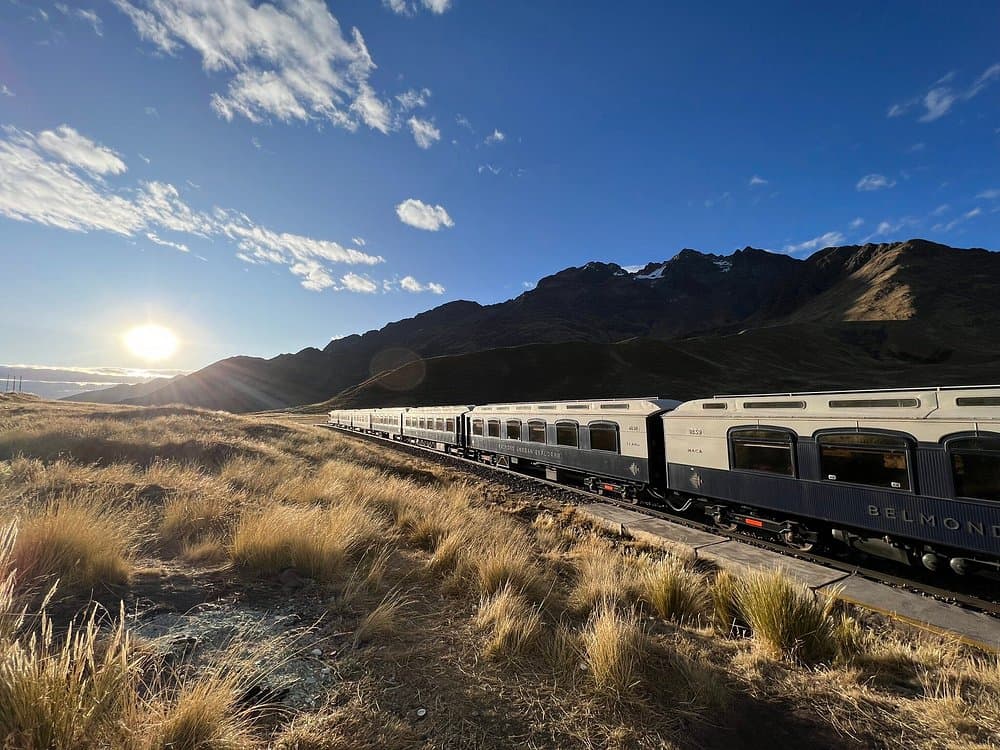
Belmond Andean Explorer
South America's first luxury sleeper train, across the roof of Peru
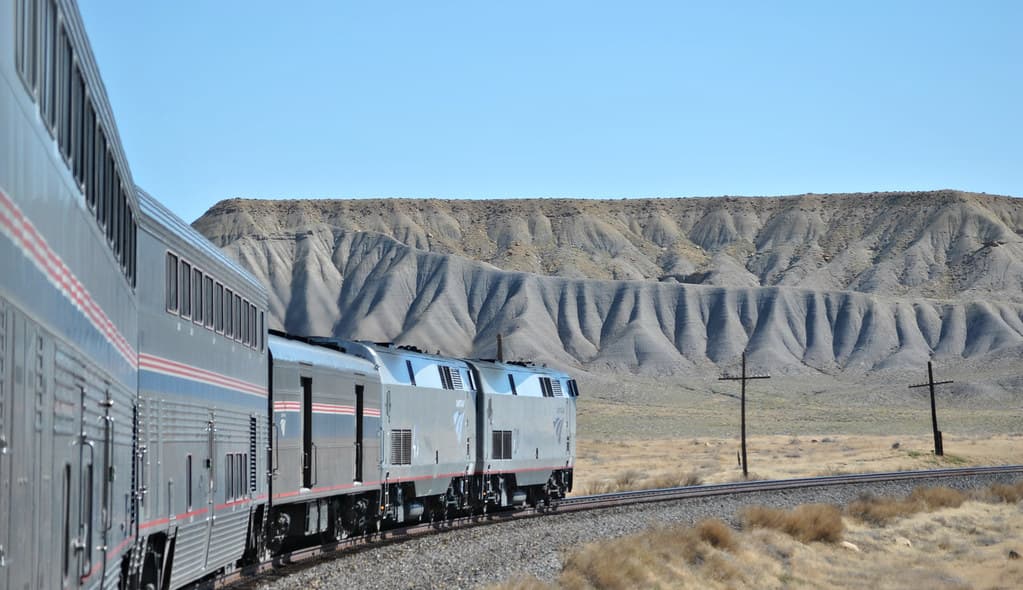

California Zephyr
Chicago to San Francisco across the Rockies and Sierra Nevada

TranzAlpine
Coast to coast across the Southern Alps in a single morning
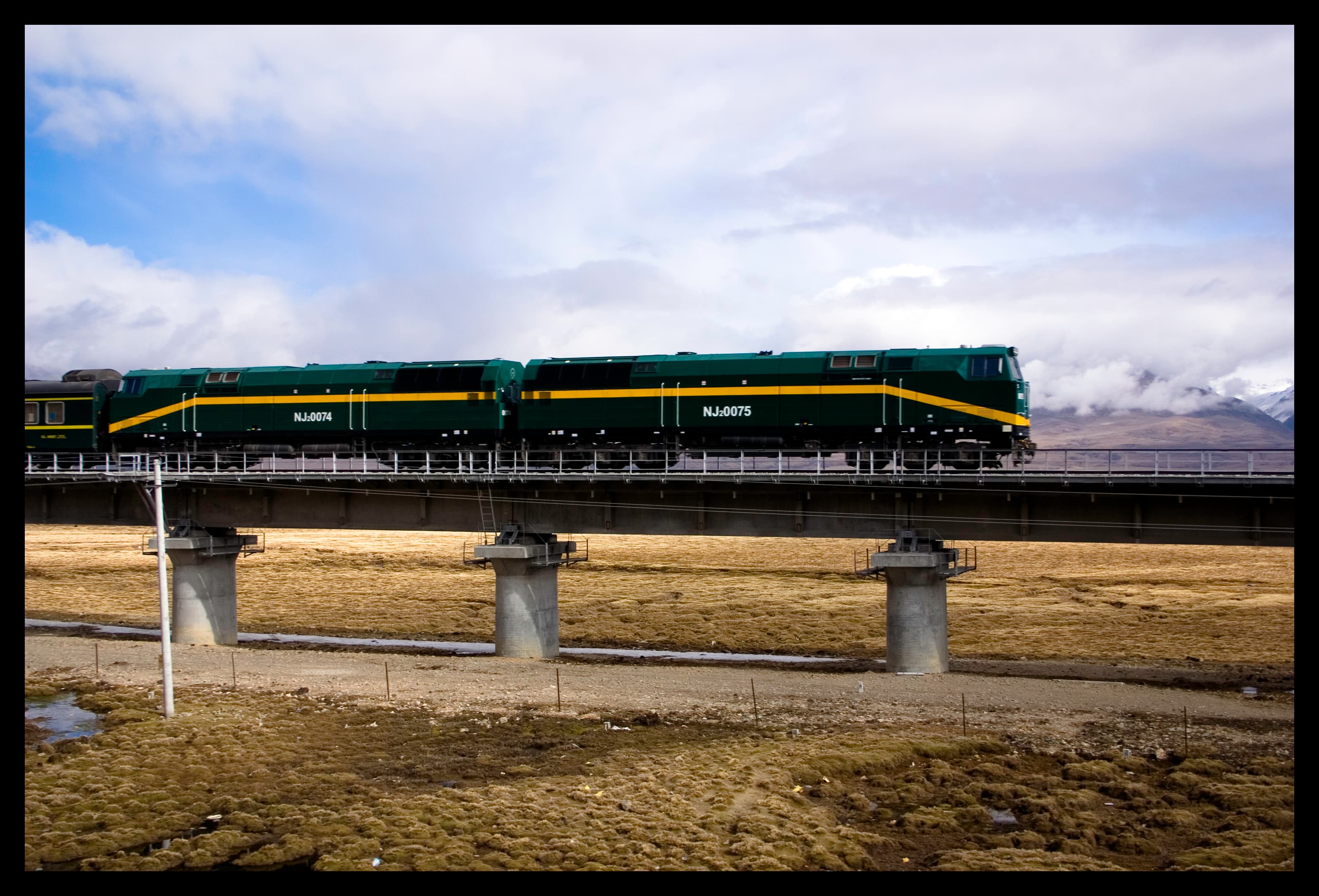
Qinghai-Tibet Railway
The world's highest railway, across the roof of the world to Lhasa

Tren a las Nubes
Argentina's rack-free climb to 4,220 m above the Puna
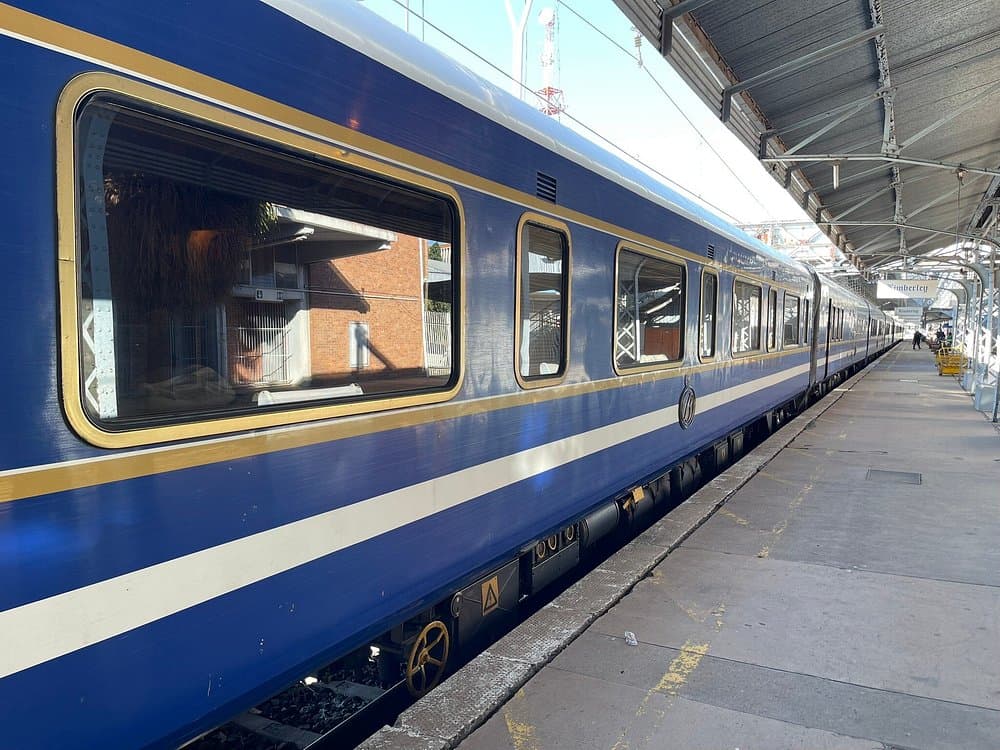
Blue Train
Pretoria to Cape Town in two nights, with a butler in every corridor
Explore around this route
1 place on Spotatrain within 50 km of this route — 1 journey.