Updated
Distance
733 km
Duration
2 nights (Cusco–Puno–Arequipa)
Max altitude
4,470 m
Gauge
1435mm
South America's first luxury sleeper train climbs from Cusco across the Andean altiplano to Lake Titicaca and the white city of Arequipa on a two-night journey.
About This Journey
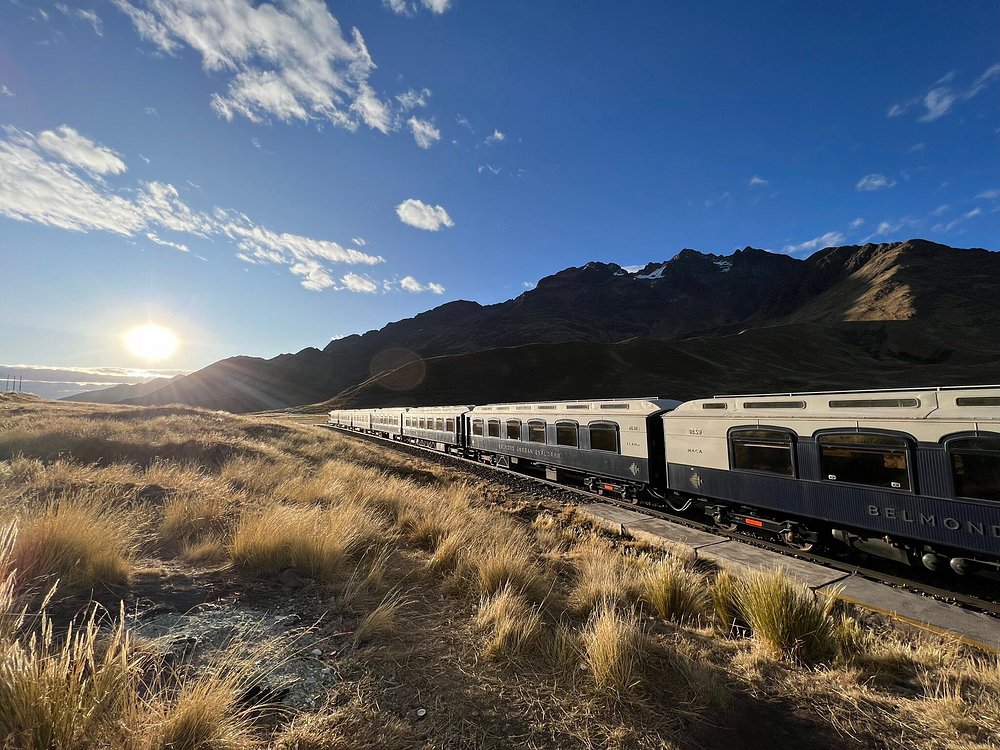
The Belmond Andean Explorer traces the standard-gauge (1,435 mm / 4 ft 8½ in) Southern Railway of Peru — the historic Ferrocarril del Sur — on a two-night journey linking three of the country's landmark cities. From Cusco, the ancient Inca capital at roughly 3,400 m (11,150 ft), the train climbs onto the altiplano, crossing the La Raya pass at about 4,313 m (14,150 ft) on the boundary between the Cusco and Puno regions before descending to the junction town of Juliaca and reaching Puno on the shore of Lake Titicaca, the world's highest navigable lake at 3,812 m (12,507 ft).
The second leg leaves the Puno branch at Juliaca and follows the line toward the Pacific coast, cresting the railway's high point at Crucero Alto — around 4,470 m (14,665 ft) — amid the treeless puna before winding down to Arequipa at 2,335 m (7,660 ft), a UNESCO World Heritage city built from pale sillar volcanic stone beneath the El Misti volcano. Over roughly 733 km (456 miles) the route spans an altitude swing of more than 2,000 m.
Between rail legs, guests leave the train for curated excursions: a boat trip to the Uros floating islands built from totora reeds, a private lunch on Taquile Island, an isolated altiplano overnight at Saracocha with high-altitude stargazing, and a visit to the Sumbay Caves and their prehistoric rock art. The train itself carries no more than 70 passengers in en-suite cabins fitted with a supplementary oxygen system to ease the altitude.
Why This Journey Is Iconic
The Andean Explorer was, at its May 2017 launch, South America's first luxury sleeper train — bringing the overnight-cabin format long established in Europe and Asia to the Peruvian Andes. It runs on one of the highest railway routes in the world, cresting above 4,400 m (14,400 ft) at Crucero Alto and calling at Lake Titicaca, the highest navigable lake on Earth.
Its rolling stock carries a distinctive provenance: the carriages previously formed the Great South Pacific Express, which ran in Australia from 1999 to 2003 before being mothballed, shipped to Peru in February 2016 and refurbished. Cars bear Quechua names — the Ichu observation car with its open-air deck, the Picaflor spa car, the Muña and Llama dining cars — tying the train to the Andean landscape it crosses.
Because it links Cusco, Lake Titicaca and Arequipa in a single continuous rail itinerary rather than requiring flights or long road transfers, the Andean Explorer connects three of Peru's headline destinations on one ticket, a combination no other train in the country offers.
What to Expect
The Andean Explorer accommodates a maximum of 70 guests across three cabin grades — Bunk, Twin and Suite — each with a private en-suite bathroom with shower and a supplementary oxygen supply available on request to help with acclimatisation. Public cars include two dining cars, a piano bar car (the Maca), a spa car (the Picaflor) offering treatments at extra cost, and the Ichu observation car with an open-air deck at the rear of the train.
Fares are all-inclusive: meals prepared from Peruvian seasonal ingredients, drinks, and the daily off-train excursions are covered. On the two-night Cusco–Puno–Arequipa itinerary the rhythm alternates authentic daytime excursions — boat trips on Lake Titicaca, the Sumbay Caves — with restful nights in a private cabin as the train sits at quiet altiplano halts such as Saracocha.
Because much of the route sits above 3,800 m (12,500 ft), the onboard oxygen, heating and unhurried pace are practical features rather than frills; the train is designed for slow, high-altitude travel with time to acclimatise between excursions.
History
The line the Andean Explorer runs on is the former Ferrocarril del Sur, the Southern Railway of Peru, a 1,435 mm standard-gauge network begun in the 19th century that linked the Pacific port of Mollendo/Matarani through Arequipa to the altiplano, splitting at Juliaca toward Puno and Cusco. The route was one of the great engineering undertakings of South American railways, climbing to passes above 4,400 m.
The luxury service itself is recent. Belmond (formerly Orient-Express Hotels) launched the Andean Explorer in May 2017, replacing the earlier Pullman-style Andean Explorer day train that had run between Cusco and Puno. The overnight train converted that daytime run into a one-night journey and extended it beyond Puno to Arequipa.
The carriages have a second life: they originally operated as the Great South Pacific Express in Australia between 1999 and 2003, were mothballed, then shipped to Peru in February 2016 and refurbished, retaining their three sleeping grades, two dining and bar cars and open-air observation deck. The train is owned by PeruRail — a 50/50 joint venture between Belmond and Peruvian investor Lorenzo Sousa Debarbieri, founder and chairman of PeruRail — which also operates the Belmond Hiram Bingham train to Machu Picchu.
Engineering Highlights
The defining engineering challenge of this route is altitude rather than tunnels or viaducts. Built to 1,435 mm standard gauge, the Southern Railway of Peru climbs from Arequipa at 2,335 m to its summit at Crucero Alto around 4,470 m (14,665 ft), and on the Cusco branch crosses the La Raya pass at roughly 4,313 m (14,150 ft) on the Cusco–Puno regional boundary — figures that place it among the highest passenger railways on Earth.
The grades and thin air demand diesel-electric traction and careful operation; the line runs across the open puna of the altiplano rather than through the tunnel-and-bridge terrain typical of Alpine railways, so its drama comes from sheer elevation and the vast treeless plateau it traverses at over 4,000 m.
Because the passenger experience takes place so high, the train is fitted with a supplementary oxygen system in the cabins — an engineering adaptation to the route rather than the track itself. (Precise counts of tunnels and bridges were not published by the operator and are left blank pending confirmation.)
Best Time to Travel
The southern Peruvian Andes have a marked dry season from roughly May to October, when clear skies and minimal rain make the altiplano crossings and Lake Titicaca excursions most reliable; this coincides with the coldest nights, when high-altitude halts such as Saracocha can drop well below freezing. The wet season from November to March brings afternoon rain and greener landscapes but a higher chance of disruption to off-train excursions.
Because the route spends long stretches above 3,800 m (12,500 ft), travellers are advised to arrive in Cusco or Arequipa a day or two early to acclimatise before boarding. The train's cabins carry supplementary oxygen, but pacing the first days at altitude matters more than the season.
June to August is peak season across Cusco, Titicaca and Arequipa and overlaps with major Andean festivals such as Cusco's Inti Raymi in late June, so booking well ahead is essential for those dates.
Practical Tips
Confirm the exact itinerary before booking: the Andean Explorer sells one- and two-night journeys in both directions (Cusco–Puno, Puno–Arequipa, and the full two-night Cusco–Puno–Arequipa), each with a different excursion set. Fares are all-inclusive of meals, drinks and excursions, so budget comparisons should account for that.
Pack for extreme altitude and large temperature swings: warm layers for below-freezing altiplano nights, sun protection for intense high-altitude daytime sun, and any personal altitude medication. Request the in-cabin oxygen if you are sensitive to elevation, and keep essentials in a small bag as luggage allowances on the train are limited.
Allow acclimatisation time before departure, carry your passport for the journey, and note that the train's departure stations (Cusco's Wanchaq station and Arequipa) are separate from the airports — plan transfers accordingly. Because the service is small (70 guests) and departures are not daily, reserve early, especially for the dry-season and festival months.
Traveling with Pets
Service animals only
PeruRail admits "only properly accredited and vaccinated guide dogs or emotional support dogs," wearing a muzzle and lead and displaying an official badge; a guide dog travels at the owner's feet, an emotional support dog must stay in the cabin for the whole journey. A fare equal to 75% of an adult rate is payable for the animal, and the operator disclaims responsibility if it suffers stress or needs care because of the journey, weather or altitude. Ordinary pets are refused. Note a genuine conflict between two official sources: Belmond's own Conditions of Carriage, which list this train, permit guide dogs only — emotional support dogs fall in the gap. Confirm at booking.
Verified — operator's pet policy
Route Stages
Getting to Cusco
By Air
The main gateways are Alejandro Velasco Astete International Airport (CUZ) in Cusco and Rodríguez Ballón International Airport (AQP) in Arequipa, both served by domestic flights from Lima's Jorge Chávez International Airport (LIM). Juliaca's Inca Manco Cápac Airport (JUL) is the nearest airport to Puno and Lake Titicaca. From each airport, road transfers reach the respective PeruRail stations; Cusco's airport is a short drive from Wanchaq station.
By Train
Cusco is also the hub for PeruRail's Machu Picchu services (Expedition, Vistadome and the Belmond Hiram Bingham) departing from Poroy/Ollantaytambo, so many travellers combine a Machu Picchu rail trip with the Andean Explorer. The PeruRail Titicaca day train covers the Cusco–Puno leg as a lower-cost alternative on the same line.
By Car
Paved highways link Cusco, Juliaca/Puno and Arequipa, and private transfers or tourist buses run between the cities, but there is no need to drive to follow the route — the journey is designed as a self-contained rail experience. Those extending to the Colca Canyon typically transfer by road from Arequipa.
Parking
Long-stay parking is not a feature of the journey, since most guests arrive by air and transfer directly to the station; parking should be arranged privately through your hotel or transfer provider in Cusco or Arequipa.
Where to Stay
Find places to stay near Arequipa.
This lodging map is provided by Stay22, a third-party service that may set cookies. It loads only with your consent.
Accommodation results are provided by Stay22; we may earn a commission on bookings made through this map.
Videos
Photos
External Resources
Official resources
Heritage & history
Frequently Asked Questions
Where does the Belmond Andean Explorer go?▾
How high does the train climb?▾
Is the fare all-inclusive?▾
What kinds of cabin are there?▾
How long is the full journey and how far?▾
Do I need to prepare for the altitude?▾
What is the train's history?▾
Help improve this page
Spotted something out of date or incorrect? Let our community know.
Related on Spotatrain
Similar Journeys


Tren a las Nubes
Argentina's rack-free climb to 4,220 m above the Puna
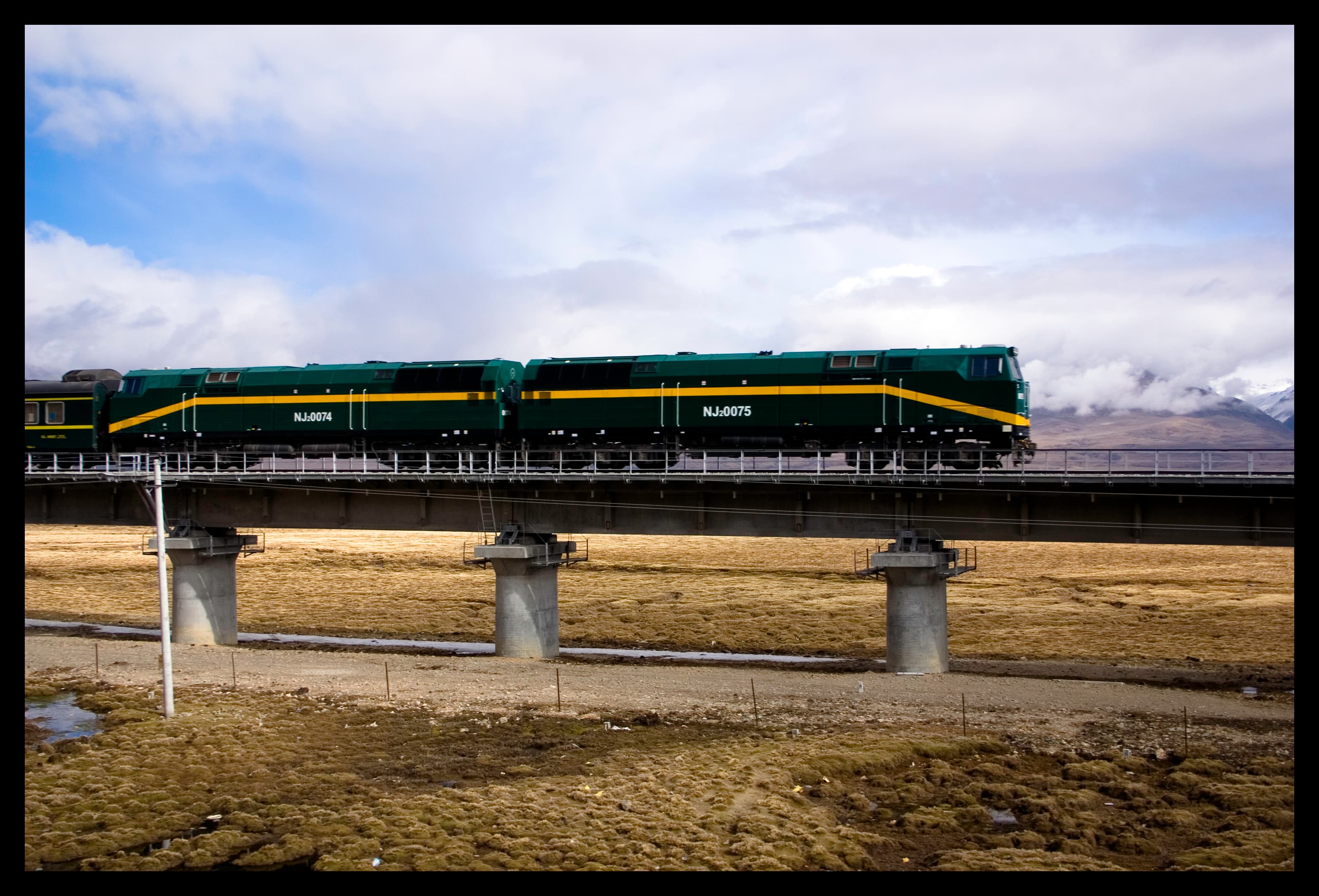
Qinghai-Tibet Railway
The world's highest railway, across the roof of the world to Lhasa
Blue Train
Pretoria to Cape Town in two nights, with a butler in every corridor
Venice Simplon-Orient-Express
London to Venice in 1920s Wagons-Lits splendour

The Ghan
Transcontinental across Australia's Red Centre, Adelaide to Darwin
Coast Starlight
Seattle to Los Angeles in 35 hours: Cascade summits, Mount Shasta and 104 miles of Pacific shoreline
More Journeys Worldwide
California Zephyr
Chicago to San Francisco across the Rockies and Sierra Nevada
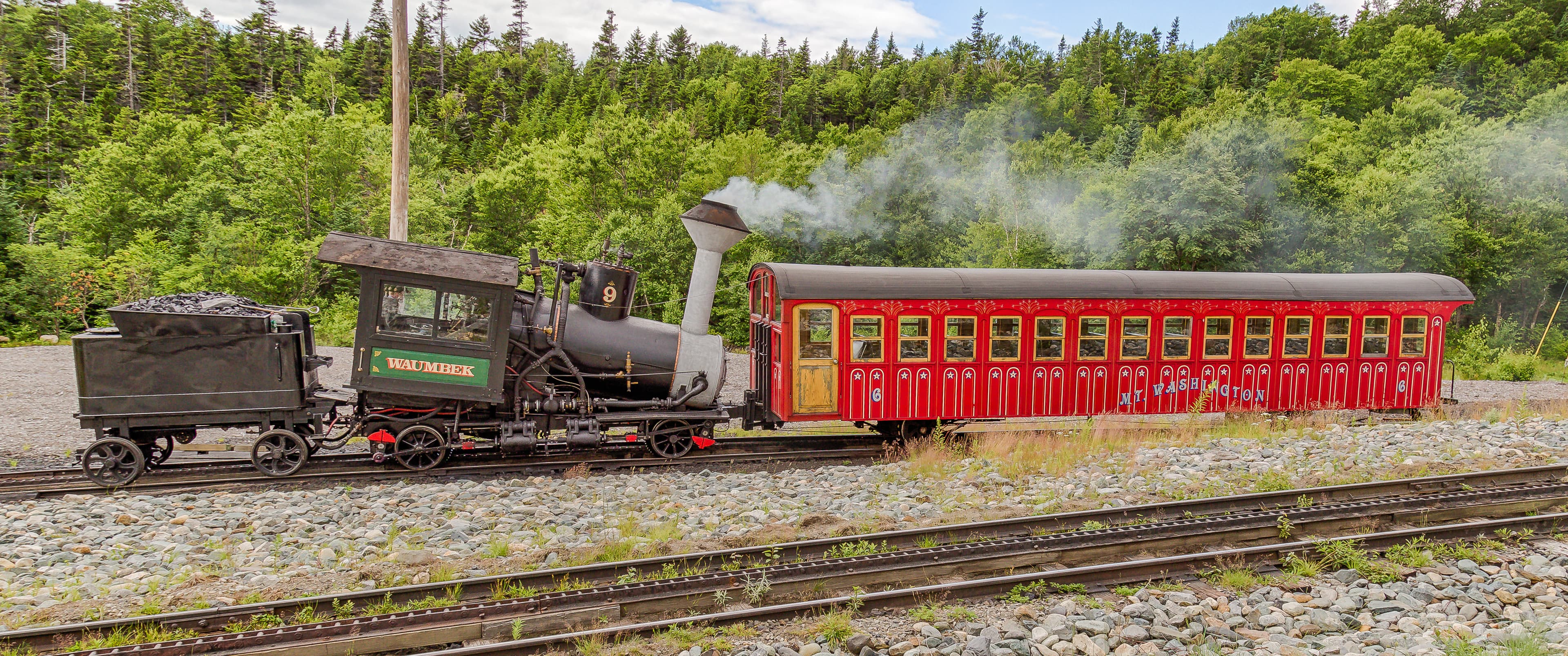
Mount Washington Cog Railway
World's first mountain-climbing cog railway — 1869, 37.41% grade, climbs to 6,288 ft

TranzAlpine
Coast to coast across the Southern Alps in a single morning
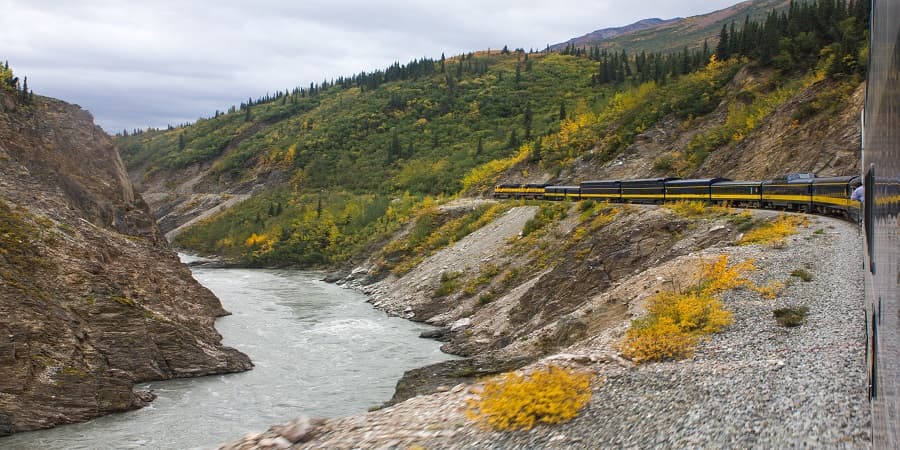
Denali Star
Alaska Railroad's flagship run to Denali and Fairbanks

Bergensbanen
Oslo to Bergen across the roof of Norway
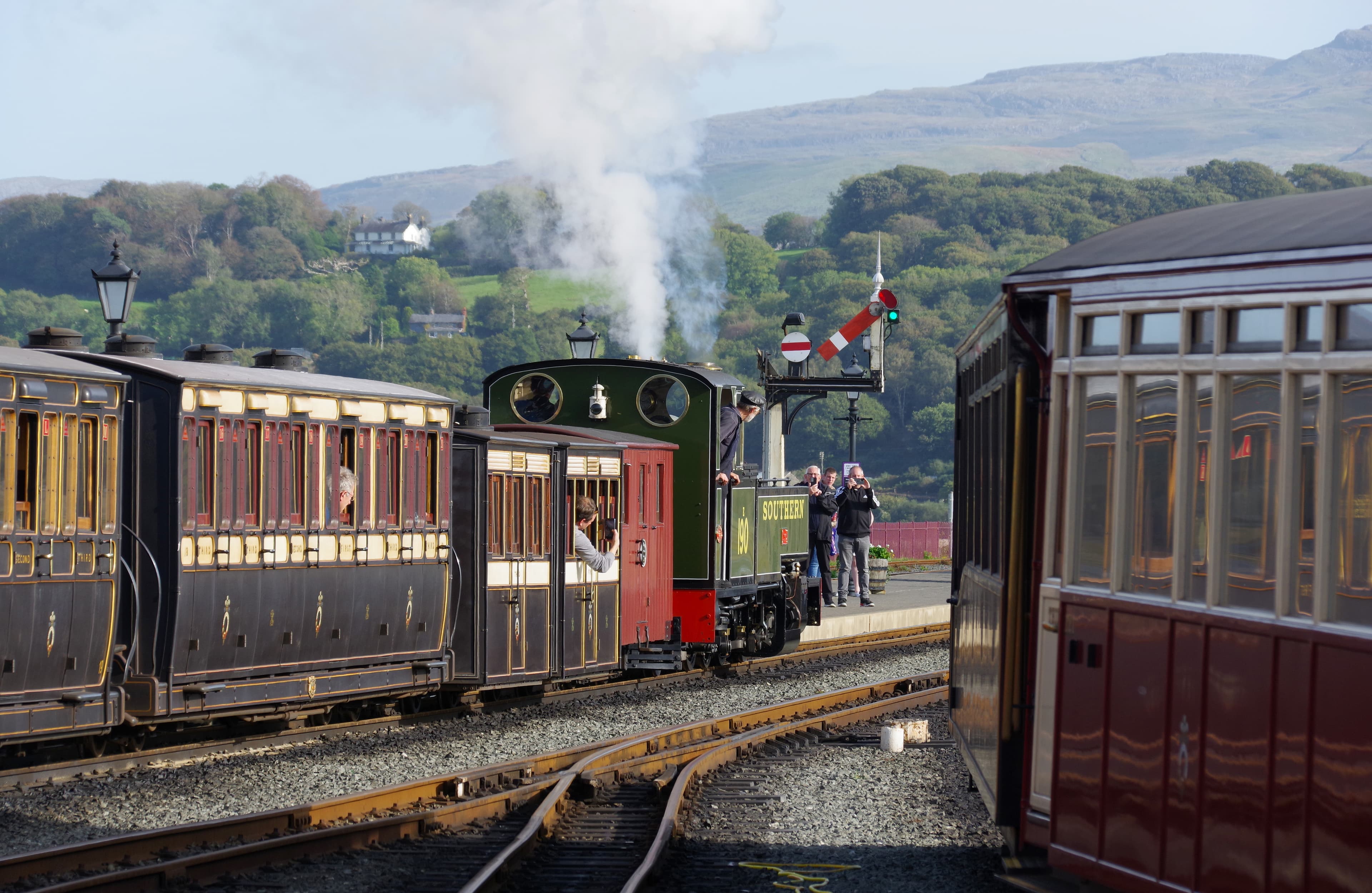
Ffestiniog Railway
The world's oldest narrow gauge railway, from harbour to slate mountain
Explore around this route
Nothing else on Spotatrain within 50 km of this route. The closest is Tren a las Nubes, 1,004 km away.