Updated
Distance
1,600 km
Duration
2 nights (approximately 54 hours)
Gauge
1067mm
South Africa end to end in luxury: 1,600 km and two nights from Pretoria to Cape Town, across the Highveld and the Great Karoo, with an off-train excursion to Kimberley's Big Hole.
About This Journey
The Blue Train is South Africa measured out over two nights. Southbound departures now board at Irene station in Centurion, roughly 20 kilometres (12 miles) south of central Pretoria, and the train runs down through the Highveld and past Johannesburg before turning west onto the Cape main line. By evening it is in the maize and gold country around Klerksdorp; by the following morning it is in the diamond fields.
Kimberley, about 564 kilometres (350 miles) out, is the one place the southbound train stops for its passengers rather than for the railway. Guests leave the train for the Big Hole, the hand-dug open pit whose diamonds financed so much of what came after, and for the adjoining mine museum with its De Beers Hall of uncut stones and its collection of antique railway memorabilia. Then comes the Great Karoo: De Aar, one of the great junctions of the South African network, then Three Sisters, then Beaufort West on the edge of the Karoo National Park, with little between them but sheep country and koppies.
The last morning is the best of the line. Beyond Matjiesfontein, a preserved Victorian railway village where the northbound service takes its own off-train excursion, the track climbs to Touws River and enters the Hex River Tunnels: four bores completed in 1989, the longest of them 13.5 kilometres (8.4 miles), which held the record as the longest railway tunnel in Africa until 2009. The train emerges in the Hex River Valley among the vineyards, runs down through Worcester and Paarl into the Cape Winelands, and finishes at Cape Town station under Table Mountain.
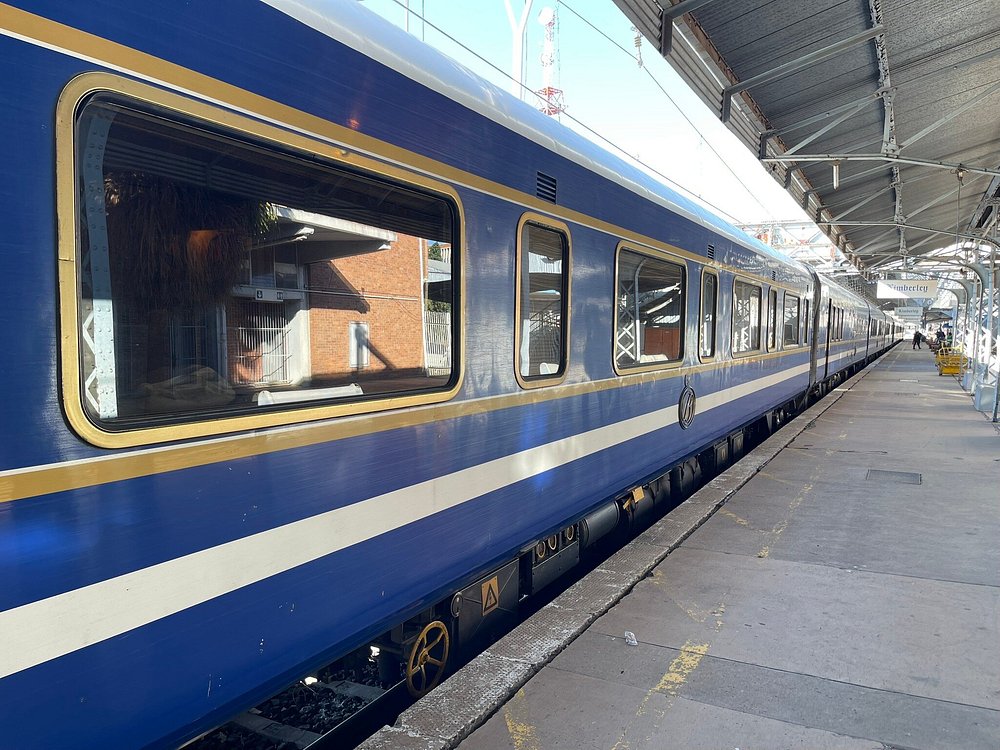
What happens inside is the point. The two train sets carry 74 and 58 guests, in De Luxe suites of about 4 by 2 metres or Luxury suites of 5.13 by 2 metres, each with an en-suite bathroom and many with a full-sized bath. There is butler service throughout, two lounge cars, an observation car, and gold-tinted picture windows in soundproofed, fully carpeted compartments. Meals, snacks and drinks are in the fare, including the cognac and the Cuban cigars in the club car, and dinner is a formal affair for which the train still expects a jacket and tie.
Why This Journey Is Iconic
Almost every luxury train sells scenery. The Blue Train sells a country. In 54 hours it runs from the Highveld down to sea level at Cape Town, crossing in order the mining economy that built modern South Africa: the Witwatersrand, the Klerksdorp gold fields, the Kimberley diamond pipes, and finally the Cape vineyards that predate all of it. The Union Express and Union Limited that became this train were making exactly that journey in 1923, carrying mailship passengers from Cape Town harbour up to the goldfields.
The name is literal, and it comes from the carriages rather than from marketing. Blue-painted steel stock entered service in 1937; air-conditioned cars built by Metro-Cammell followed in 1939; the service was suspended for the war between 1942 and 1946 and returned with the name Blue Train made official. The sets running today were built by Union Carriage & Wagon in September 1972 and comprehensively refurbished in 1997.
It is also a train people remember by name. Nelson Mandela, Margaret Thatcher, Quincy Jones, Paul Simon, Mia Farrow and Kylie Minogue have all travelled on it. The phrase the operator now uses for itself, surrender to the luxury of slow, is a fair description of a service limited to 90 km/h (56 mph) on a freight railway that has no particular interest in hurrying it along.
What to Expect
Boarding is a ceremony, not a queue. Southbound guests check in at Irene Country Lodge, on the farm side, between 11:00 and 12:30 for a 13:00 departure; northbound guests check in at Cape Town main station. Luggage is taken away and reappears in the suite, and a butler is assigned to each suite for the whole journey.
Two suite grades are offered. De Luxe suites measure about 4 by 2 metres and come either with twin beds and a shower or with a double bed and a three-quarter bathtub. Luxury suites are 5.13 by 2 metres. Both have en-suite bathrooms; the train also has two lounge cars, an observation car at the rear and a dining car where dinner runs to several courses.
The fare is all-inclusive in an unusually literal way: every meal, every snack, every drink including alcohol, and the cognac and Cuban cigars kept in the club car. Dress is smart casual by day, but the evening meal is formal, which for men means a jacket and tie. Wi-Fi and transfers are included, and the standard package adds a complimentary night in a five-star hotel.
History
The service began as the Union Express and the Union Limited, which started running between Johannesburg and Cape Town in 1923 to connect with the mailships at Cape Town harbour. A dining saloon was added in 1933. In 1937 the trains received steel carriages painted blue, which is where the name comes from, and in 1939 air-conditioned stock built by Metro-Cammell arrived.
The war stopped the service between 1942 and 1946. When it resumed, the nickname was made official and the train became the Blue Train. Electric haulage reached part of the route in 1955, when Class 3E locomotives took over between Cape Town and Touws River, and Wegmann & Co supplied new air-conditioned dining and kitchen cars in 1959.
The train as it exists today dates from September 1972, when two sixteen-carriage sets built by Union Carriage & Wagon entered service; they were refurbished and relaunched in 1997. Operation now sits with Transnet Freight Rail through its Luxrail division, and Class 20E electric locomotives took over haulage in 2015, replacing the Class 18E. Before 2004 the Blue Train also worked three other routes: Cape Town to Port Elizabeth along the Garden Route, a run to Hoedspruit on the western edge of Kruger, and a service through to Victoria Falls. All three were suspended, the Zimbabwean one over track access fees.
Engineering Highlights
The Blue Train owns none of its infrastructure, and that is part of the interest: it runs over the ordinary Cape main line, a 1,067 mm (3 ft 6 in) route built for freight, and is worked at up to 90 km/h (56 mph). Everything spectacular on the route was built for coal, ore and grain rather than for tourists.
The set piece is the group of Hex River Tunnels between De Doorns in the Hex River Valley and Kleinstraat near Touws River. Four bores were driven to replace the old Hex River Pass and the complex opened in 1989; the longest tunnel measures 13.5 kilometres (8.4 miles) and was the longest railway tunnel in Africa until 2009. The pass alignment it replaced, with its tight curves and heavy gradients, is still traceable from the valley floor.
Electrification arrived piecemeal and left its own marks on the line. Class 3E locomotives worked Cape Town to Touws River from 1955, which is to say the section carrying the Hex River climb, exactly where the extra power was needed. The line is worked electrically today, and since 2015 the Blue Train has been hauled by Class 20E locomotives.
Best Time to Travel
The operator pricing tells you when demand peaks. High season runs from 1 September to 15 November and everything else is low season, and the difference is roughly a quarter on the fare. That spring window is when the Karoo is at its most comfortable and the Northern Cape at its most visited.
The southern-hemisphere winter, June to August, is the cheapest window and gives crisp, clear Karoo days with cold nights, which matters less than usual on a train where you are behind sealed glass with a butler and a bathtub. Summer, December to February, bakes the Karoo sections around De Aar and Beaufort West but shows the Cape end at its best, with long evenings over the Winelands on the final approach.
Whichever month you pick, the two set-piece moments are fixed by the itinerary rather than by the season: the off-train excursion, Kimberley southbound and Matjiesfontein northbound, and the crossing of the Hex River Mountains on the last morning. Departures are not daily, so the practical constraint is usually the schedule rather than the weather.
Practical Tips
Book far ahead, and confirm which end you are boarding from. Since 1 January 2025 southbound departures leave from Irene station in Centurion rather than from Pretoria station, with check-in at Irene Country Lodge (farm side) from 11:00 and the train away at 13:00. Northbound departures use Cape Town main station.
Pack for dinner. Daytime dress is smart casual, but the evening meal is formal and the train holds the line on it: a jacket and tie for men. Suites are compact by hotel standards, about 4 by 2 metres in De Luxe, so a rigid suitcase is awkward and a soft bag stows better.
Single travellers pay a 50 per cent supplement on the per-person sharing rate, which makes this an expensive solo trip. Against that, the fare is genuinely all-inclusive, so on-board spending is close to nil. Departures run on scheduled dates roughly weekly in each direction, so fix the rail leg before booking flights, and note that the operator publishes neither timetable nor tariff on its public website, handling both through its Pretoria (+27 12 334 8459) and Cape Town (+27 21 449 2672) offices.
Traveling with Pets
No pets
The Blue Train's terms carry a clause of exactly three words: "13. Pets — No pets allowed." No exception for guide dogs, service animals or assistance animals is published anywhere on the operator's site, so the ban is absolute on its face. A traveller needing an assistance dog should contact the operator directly rather than assume an unwritten carve-out.
Verified — operator's pet policy
Route Stages
- km 14
The southbound boarding point since 1 January 2025. Guests check in at Irene Country Lodge, on the farm side, between 11:00 and 12:30, and the train leaves at 13:00. Irene sits on the Pretoria to Germiston line about 20 km south of central Pretoria.
Southbound boarding station; check-in at Irene Country Lodge
- km 564
The one scheduled break for passengers on the southbound run. Guests leave the train for the Big Hole, the hand-dug open pit that produced the diamonds behind so much of the country's later industry, and the adjoining mine museum with its De Beers Hall of uncut stones, replicas of famous diamonds and a collection of antique railway memorabilia.
Off-train excursion southbound: the Big Hole and Kimberley Mine Museum
- km 985
Three flat-topped koppies standing alone on the Karoo plain, the landmark that tells travellers on both the railway and the N1 that they are halfway across the country. The emptiest and, for many passengers, the most memorable stretch of the whole route.
Signature Great Karoo landmark
- km 1,293
A preserved Victorian railway village in the Karoo, and the off-train excursion for the northbound service. The whole settlement is essentially a period piece built around the railway, with an Anglo-Boer War history and the Lord Milner Hotel at its centre.
Off-train excursion northbound; preserved Victorian railway village
- km 1,349
The Karoo end of the Hex River crossing and historically the limit of the first electrification, which reached here from Cape Town in 1955 with Class 3E locomotives. From here the line drops toward the Cape.
Terminus of the 1955 electrification; head of the Hex River descent
- km 1,370
Four bores driven through the Hex River Mountains to replace the old pass, opened in 1989. The longest measures 13.5 kilometres (8.4 miles) and was the longest railway tunnel in Africa until 2009. The train goes in on the Karoo side and comes out among vineyards.
Longest railway tunnel in Africa until 2009; opened 1989
Getting to Pretoria
By Air
OR Tambo International (JNB) at Kempton Park is the gateway for the northern end and sits close to the boarding point: Irene station in Centurion is roughly 30 kilometres (19 miles) away by road. Cape Town International (CPT) is about 20 kilometres (12 miles) from Cape Town main station. Transfers at both ends are part of the standard package, but confirm the arrangement when you book, particularly if you are flying in on the morning of departure, because the southbound check-in window closes at 12:30.
By Train
Both ends of the journey sit on the national network. Cape Town main station is the terminus of the city Metrorail suburban lines and of the Shosholoza Meyl long-distance service from Johannesburg, which runs the same Cape main line as the Blue Train at a fraction of the fare and none of the comfort. At the northern end, Irene and Centurion are stations on the Pretoria to Germiston line, and Pretoria is connected to Johannesburg by both Metrorail and the Gautrain, which makes reaching the boarding point straightforward from either city.
By Car
South Africa national roads shadow the railway for most of its length, and driving between Gauteng and the Cape is a two-day trip in each direction. Because the Blue Train is a one-way journey, a car is rarely the right way to reach it: most guests use the transfers included in the package, or fly one leg and take the train the other. A hire car earns its keep at the Cape end instead, for the Winelands around Paarl and Worcester that the train runs through on its final morning.
Parking
The operator does not publish parking arrangements for either terminal. Southbound guests check in at Irene Country Lodge (farm side) in Centurion and are taken to the train, so leaving a car there has to be arranged directly with the lodge or with the Blue Train offices in Pretoria (+27 12 334 8459) or Cape Town (+27 21 449 2672). In practice most guests are dropped off, since transfers are included in the fare, and because the journey is one way, leaving a vehicle at the departure end rarely makes sense anyway.
Where to Stay
Find places to stay near Cape Town.
This lodging map is provided by Stay22, a third-party service that may set cookies. It loads only with your consent.
Accommodation results are provided by Stay22; we may earn a commission on bookings made through this map.
Videos
The Blue Train from Pretoria to Cape Town in South Africa, a 994 mile, 50 hour journey.
Blue Train: South African Luxury Travel | One of the World’s Most Expensive Trains; Is It Worth It?
ABOARD THE WORLDS MOST LUXURIOUS TRAIN - BLUE TRAIN SA
A Trip Onboard Blue Train in South Africa
Photos
Blue Train (South Africa) - Club Car
Featured on Open Access Rail: Blue Train (South Africa) - De luxe cabin
Blue Train (South Africa) - map
Blue Train (South Africa) - Observation Conference
Blue Train (South Africa) - Bathroom
Blue Train (South Africa) - Lounge
Blue Train (South Africa) - Club Car
Blue Train (South Africa) - Cabin
Blue Train (South Africa) - Dining table
Blue Train (South Africa) - Cabin interior
External Resources
Official resources
Tourism info
Heritage & history
Frequently Asked Questions
How long does the Blue Train take between Pretoria and Cape Town?▾
Where does the train actually depart from?▾
What is included in the fare?▾
What is the difference between a De Luxe and a Luxury suite?▾
Is there a dress code?▾
What is the off-train excursion?▾
How much does it cost, and is there a single supplement?▾
Does the Blue Train run to Kruger or Victoria Falls?▾
Help improve this page
Spotted something out of date or incorrect? Let our community know.
Related on Spotatrain
Similar Journeys

Trans-Siberian Railway
The world's longest railway — Moscow to the Pacific
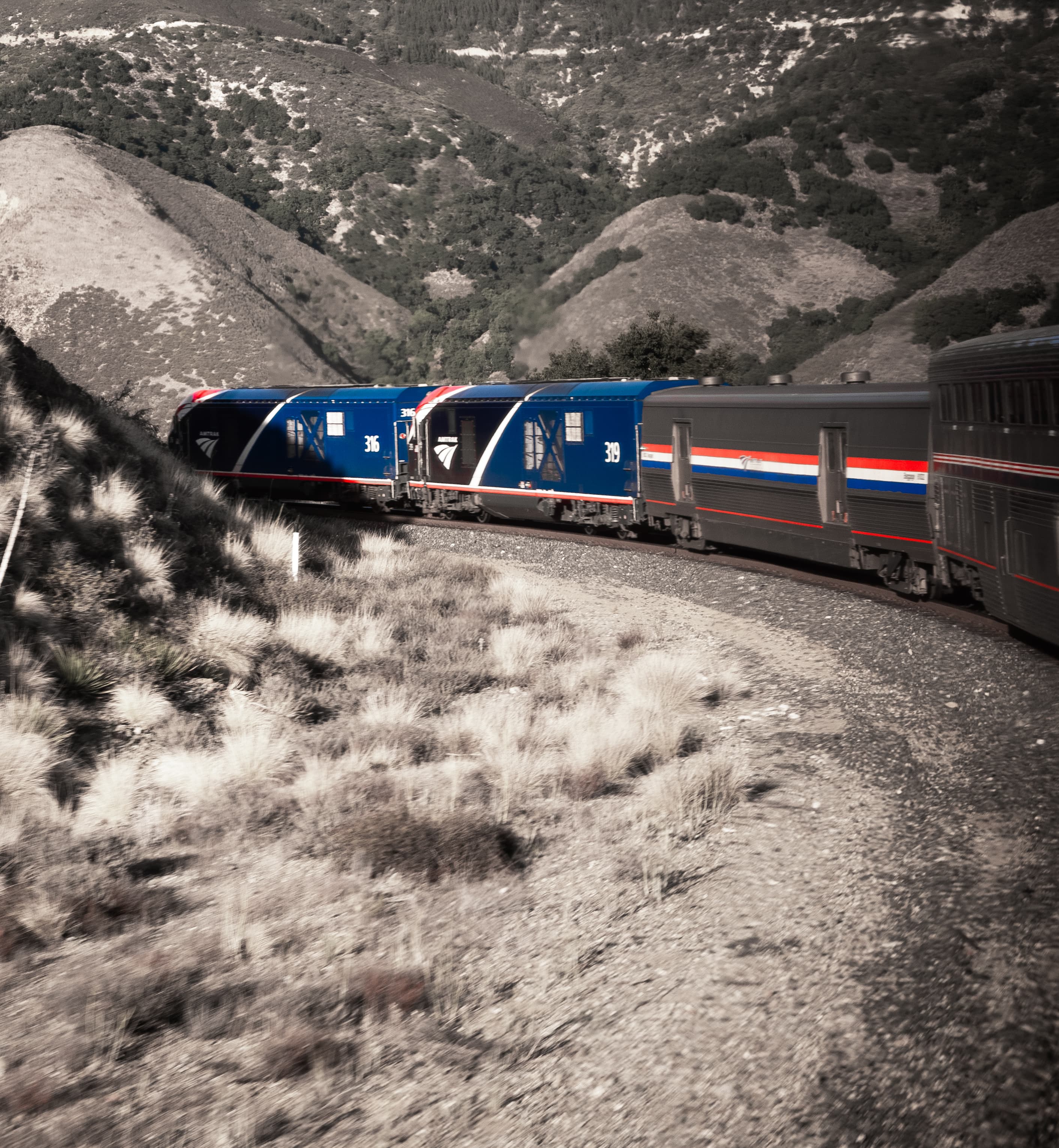
Coast Starlight
Seattle to Los Angeles in 35 hours: Cascade summits, Mount Shasta and 104 miles of Pacific shoreline
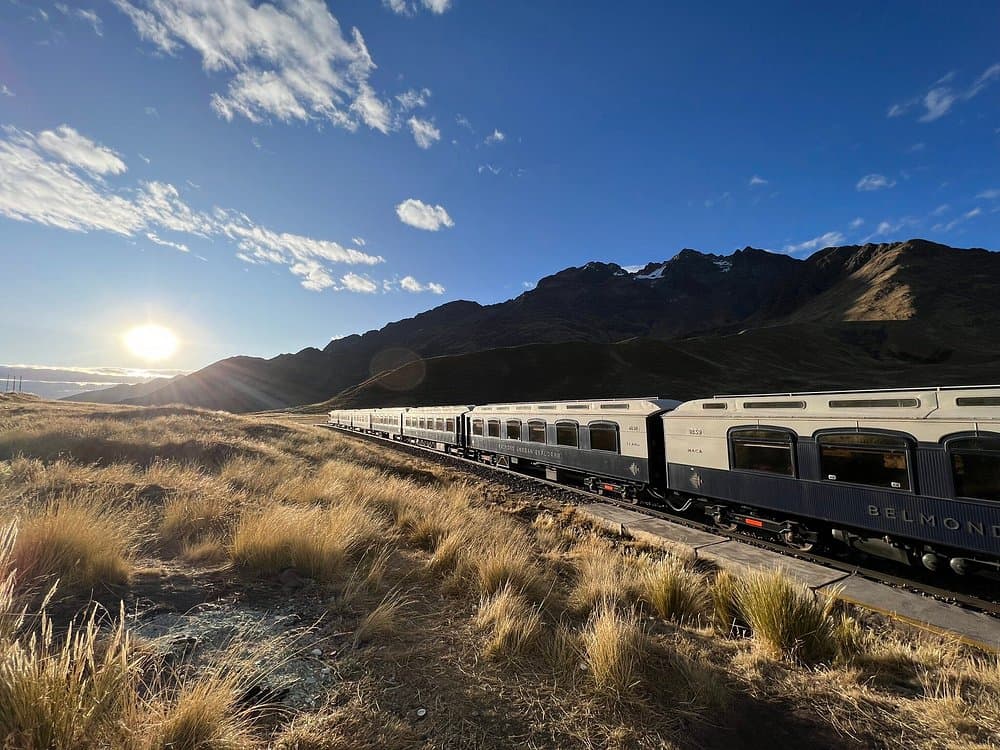
Belmond Andean Explorer
South America's first luxury sleeper train, across the roof of Peru
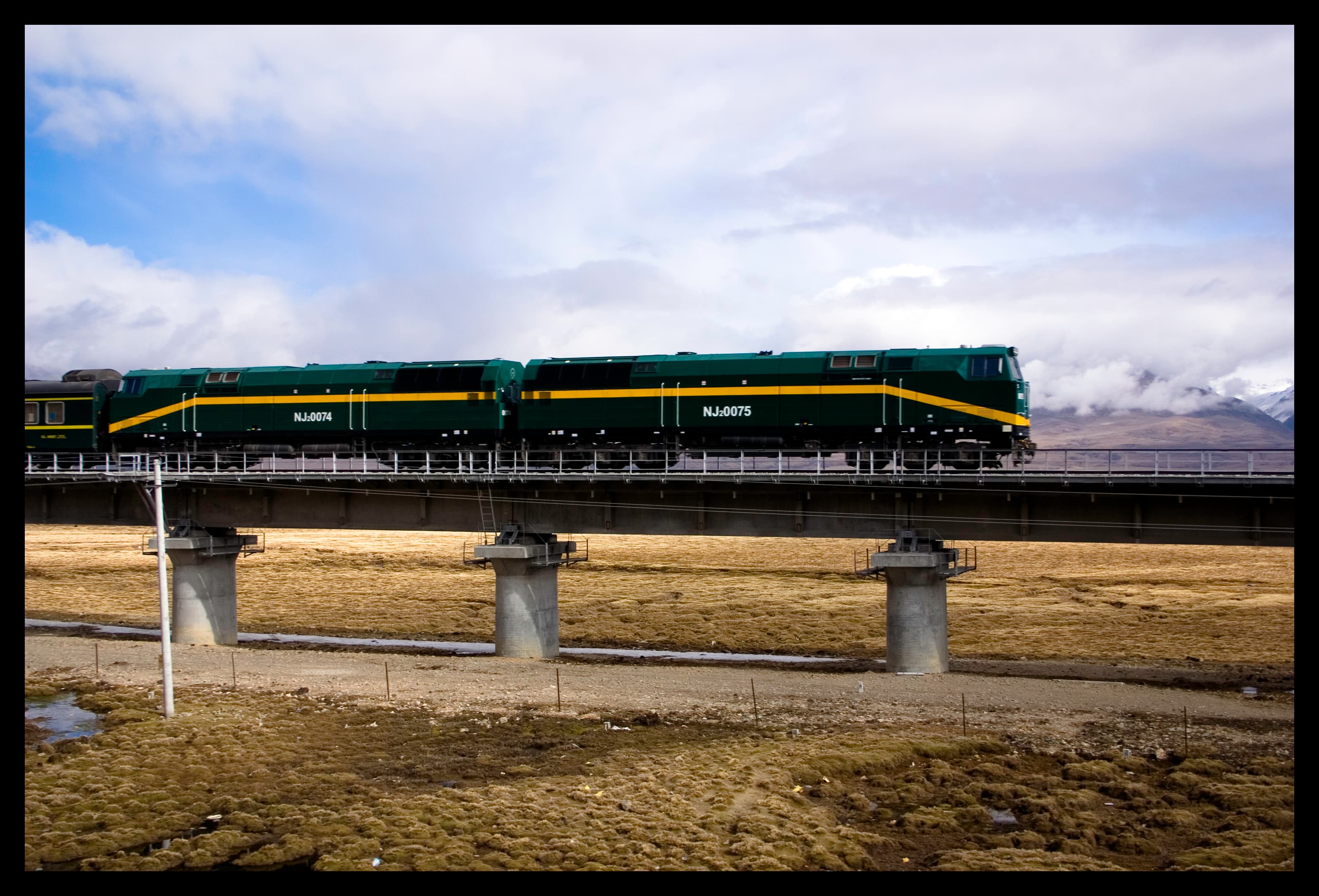
Qinghai-Tibet Railway
The world's highest railway, across the roof of the world to Lhasa
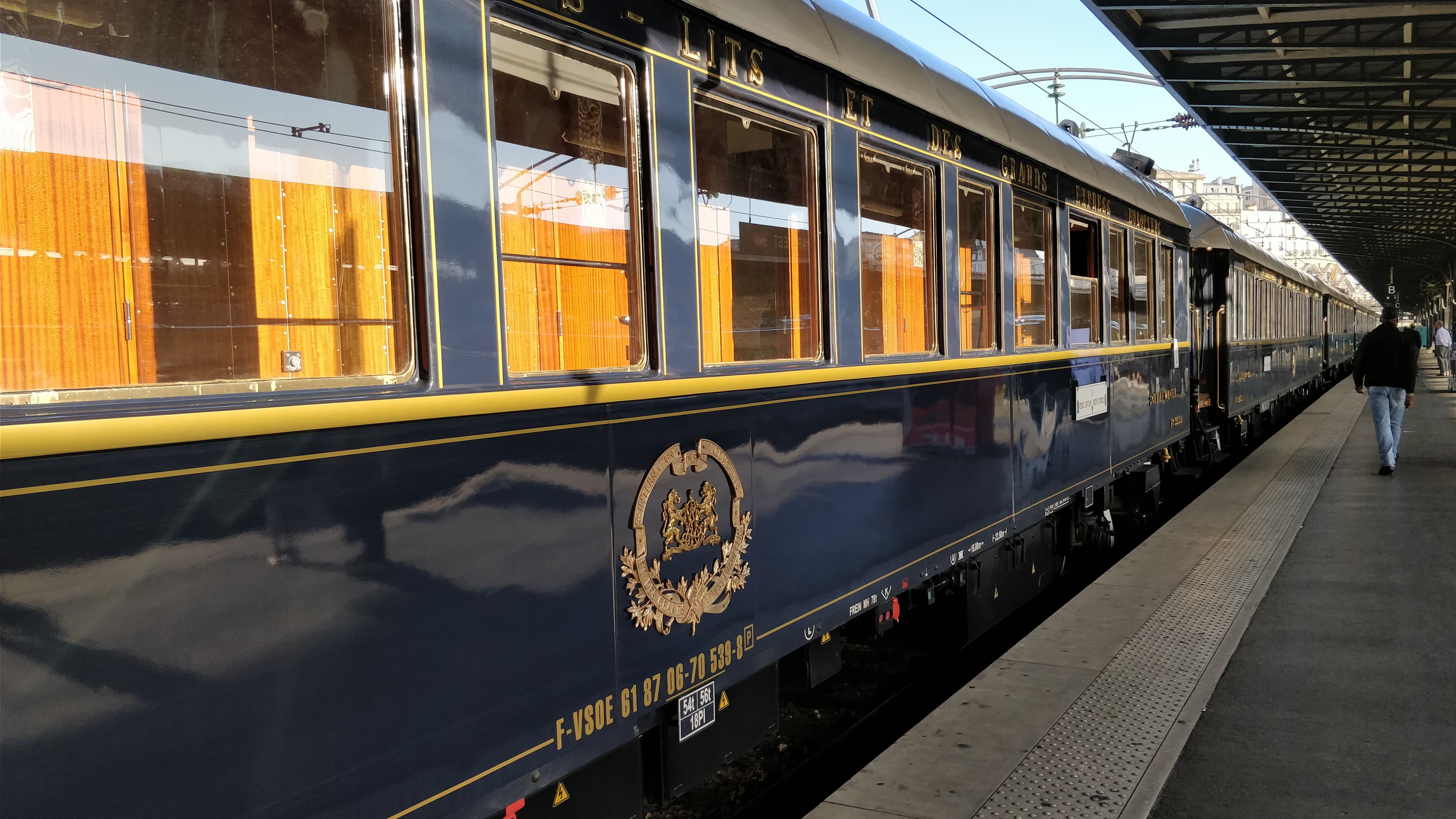
Venice Simplon-Orient-Express
London to Venice in 1920s Wagons-Lits splendour
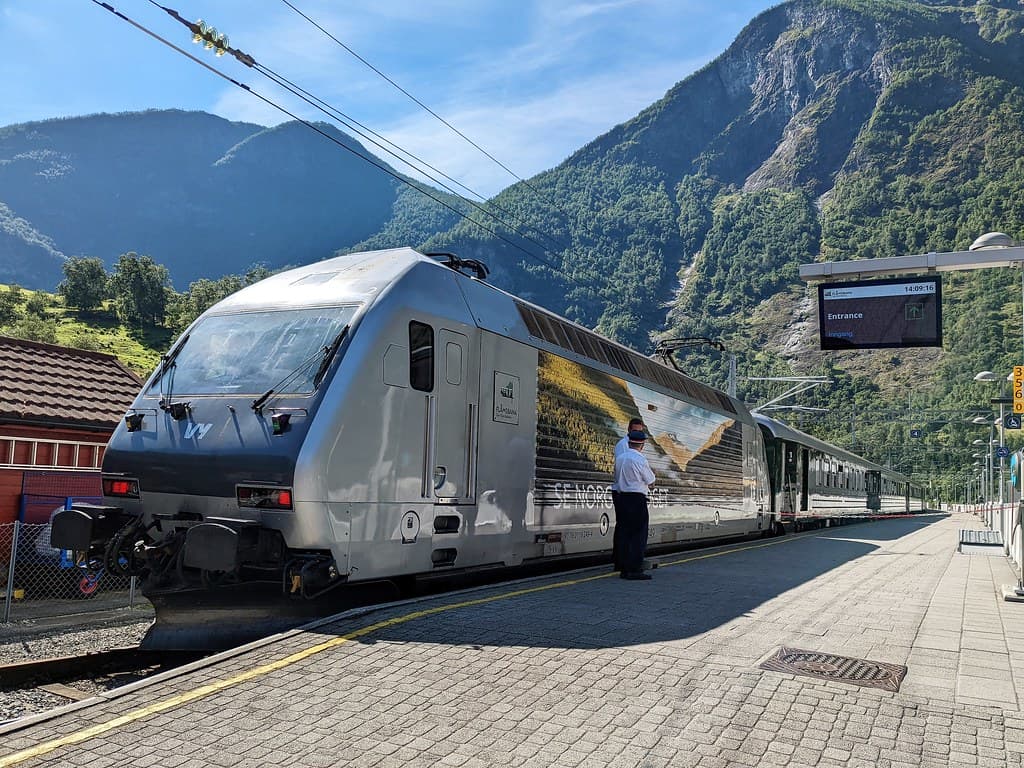
Flåmsbana
One of the world's most beautiful train journeys — 20 km, 866 m descent
More Journeys Worldwide
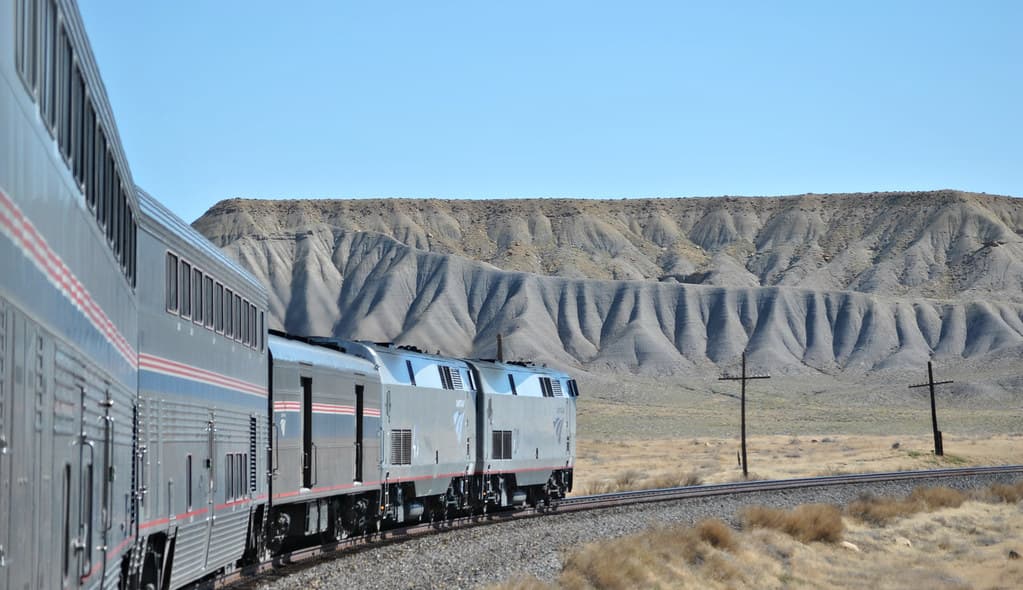
California Zephyr
Chicago to San Francisco across the Rockies and Sierra Nevada

TranzAlpine
Coast to coast across the Southern Alps in a single morning

Tren a las Nubes
Argentina's rack-free climb to 4,220 m above the Puna
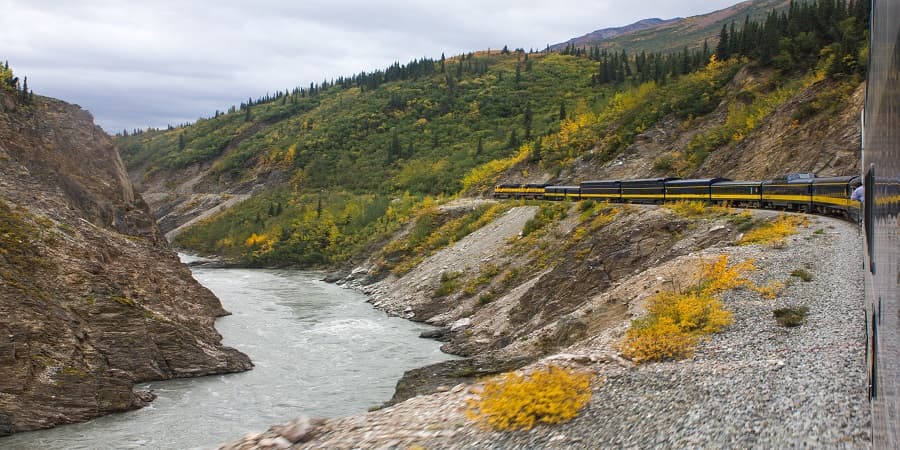
Denali Star
Alaska Railroad's flagship run to Denali and Fairbanks

Bergensbanen
Oslo to Bergen across the roof of Norway
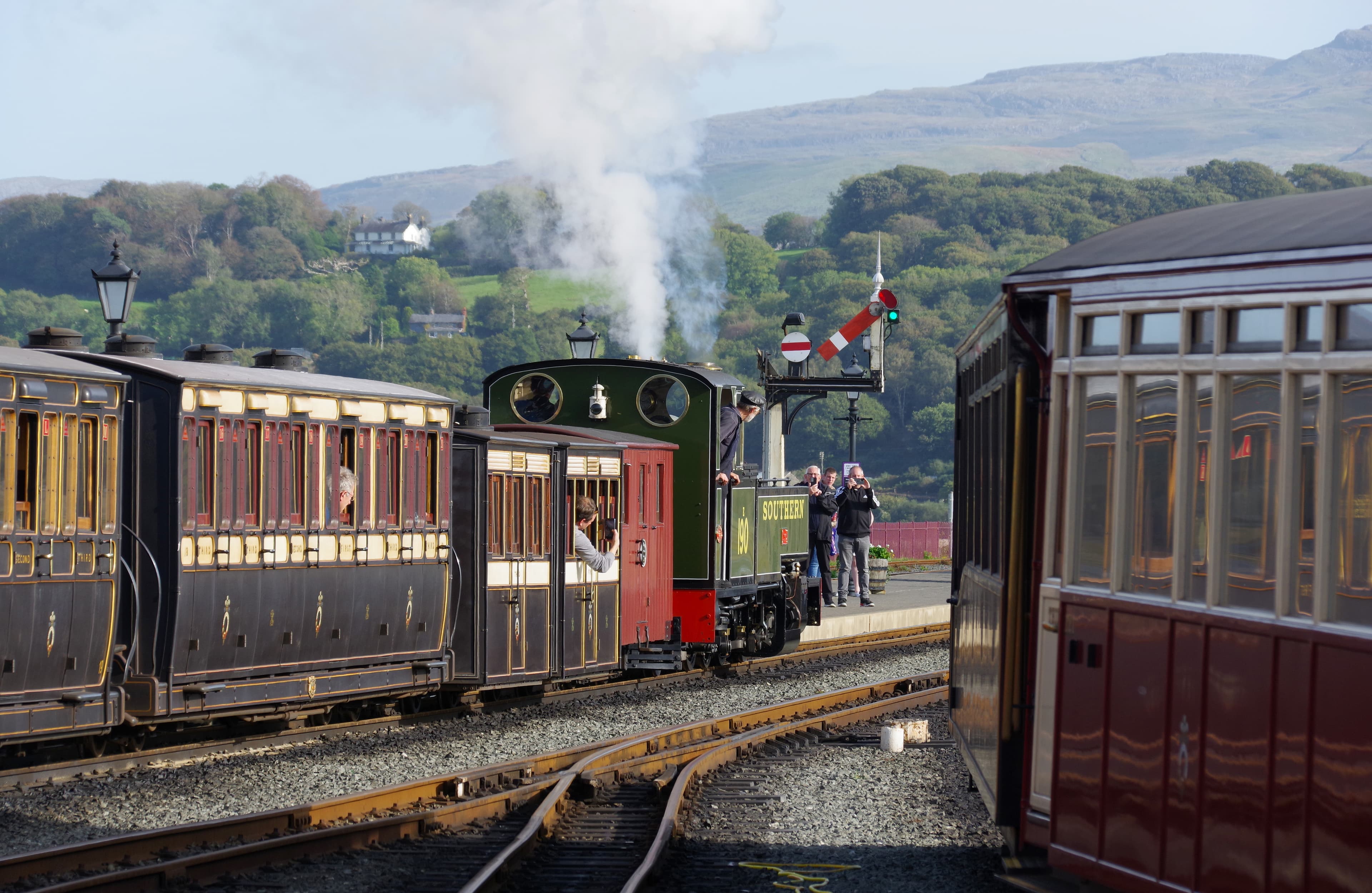
Ffestiniog Railway
The world's oldest narrow gauge railway, from harbour to slate mountain
Explore around this route
Nothing else on Spotatrain within 50 km of this route. The closest is Coelho da Rocha, Rio de Janeiro — Ramal Belford Roxo, 6,086 km away.