
Updated
Distance
217 km
Duration
Approximately 13 hours (full-day round trip)
Max altitude
4,220 m
Tunnels
21
Bridges
29
Gauge
1000mm
A full-day Andean ascent from Salta to the La Polvorilla viaduct at 4,220 m, on a metre-gauge line that climbs with zigzags and spiral loops instead of a rack rail.
About This Journey
The Tren a las Nubes is the tourist face of Ramal C-14, the metre-gauge (1,000 mm) branch Argentina pushed from Salta across the Andes toward the Chilean border at Socompa. From Salta at 1,187 m (3,894 ft) the line gains more than 3,000 m (9,800 ft) of altitude to reach the La Polvorilla viaduct at 4,220 m (13,850 ft), 217 km (135 mi) out — and it does so without a single rack rail. The American-born engineer Richard Maury solved the gradient with pure alignment: two zigzags, at El Alisal and Chorrillos, where the train reverses back and forth up the slope, and two spiral loops between Tacuara and Diego de Almagro.
The route follows the Quebrada del Toro, a dry red gorge that narrows above Campo Quijano and then opens onto the Puna plateau. Along its Argentine length the branch carries 29 bridges, 21 tunnels and 13 viaducts, and trains work it at a maximum of 35 km/h (22 mph). Cacti give way to tola scrub, then to nothing much at all: by Muñano the horizon is bare altiplano, and the air holds roughly 60 percent of the oxygen available at sea level.
Since the service was rebuilt after 2014, the day is no longer a pure rail journey. Passengers check in at Salta's central station at 06:15 and travel by coach up RN51, with photo stops at Campo Quijano, the El Toro viaduct and the Yacoraite geological formation at km 66, plus a country breakfast at El Alfarcito. The train is boarded at San Antonio de los Cobres at 11:40 and pulls out at 12:00.
The rail segment itself is short and entirely the point. The train runs out to La Polvorilla, arriving around 13:00, and passengers get down to walk beneath the viaduct before the 13:30 departure back. The return coach leaves San Antonio de los Cobres at 16:30 and stops at Santa Rosa de Tastil at 17:20, where a site museum interprets a pre-Inca settlement of several hundred stone structures, before the last run down to Salta.
Why This Journey Is Iconic
Very few railways in the world reach 4,220 m (13,850 ft) with paying passengers on board, and almost none get there the way this one does. There is no rack, no cable, no cog — just a metre-gauge alignment that Richard Maury threaded up a gorge using two zigzags and two spirals, finished in an era when the alternative was to give up on the crossing entirely. Standing under the La Polvorilla viaduct, a 224 m (735 ft) curved steel trestle 64 m (210 ft) above the ravine floor, completed on 7 November 1932, is the payoff for a climb that took Argentina 27 years to build.
The name itself came from the line. In the early 1960s students filmed the steam locomotive working upgrade, its exhaust plume condensing in the cold thin air into what looked like a cloud clinging to the train; the footage ended up in a Clarín documentary and the nickname stuck to a service that had been nothing more romantic than the Salta–Socompa branch.
It is also a rare case of a railway that outlived its own purpose. The C-14 was built to move freight between northern Argentina and the Pacific, and the through traffic largely went away. What survived is the scenery, the engineering and a state-run day trip that puts ordinary travellers on one of the highest passenger railways on the planet.
What to Expect
Expect a long day that is mostly not on the train. Check-in at Salta's central station is 06:15, and the first five hours are on a coach up RN51 with bilingual hosts narrating, stopping for photographs at Campo Quijano, the El Toro viaduct and the Yacoraite formation at km 66, and for a country breakfast of hot drinks and regional food at El Alfarcito, run by the Padre Chifri foundation and its mountain boarding school.
The train is joined at San Antonio de los Cobres, a mining and weaving town at 3,775 m (12,385 ft), and the run out to La Polvorilla takes about an hour. On board there is a dining car, a bar car, hosts, a cleaning crew and Wi-Fi in places; SAMEC medical staff travel with the service, and the excursion is shadowed on the road by 4x4 support vehicles and a spare coach. At the viaduct the train stops, passengers step down for a flag ceremony and time to photograph the structure from below, and then it reverses back.
Altitude is the real variable. The operator classifies the trip as high-mountain and asks passengers not to exert themselves, to eat lightly and to skip alcohol; water, hard candies and menthol gum are the standard on-board remedies. Departures can be cancelled outright for weather, and that call is made for safety rather than comfort.
History
Surveys for a rail crossing of the Andes from Salta began in 1889 and dragged through feasibility work until 1916. Construction of Ramal C-14 started in 1921 with Richard Maury (Philadelphia, 18 December 1882 – Córdoba, 10 July 1950) appointed head of the project; he ran it until 1931, and the village and station previously called Damián M. Torino were renamed Ingeniero Maury in his honour. His remains have lain at Campo Quijano station since 1957.
Progress was slow and interrupted by a two-year stoppage. The La Polvorilla viaduct, the highest structure on the line, was finished on 7 November 1932. The Chilean section opened in 1947 and the complete 941 km Salta–Antofagasta railway — 571 km in Argentina, 330 km in Chile — was inaugurated on 20 February 1948.
The tourist service has changed hands repeatedly. Ferrocarriles Argentinos ran it from 1948 until the 1991 privatisation; a private operator took over, and Ecotren ran it from 2008 after 60 km of track were replaced, reopening on 6 August 2008. A derailment near Abra Muñano in July 2014 affecting some 400 passengers led the government to rescind the concession on safety grounds, and the service returned to state hands under SFTSE. After eight months closed and a refurbishment, it restarted on 4 April 2015 in the coach-plus-train format used today.
Engineering Highlights
The defining decision on Ramal C-14 was to refuse adhesion aids. Maury's alignment climbs by geometry alone: at El Alisal (1,787 m) and again at Chorrillos (around 2,066 m) the line doubles back on itself in a zigzag, the train running forward then reversing up the next leg of the V, and between Tacuara and Diego de Almagro it wraps through two spiral loops to gain height inside a confined valley. Nothing on the branch uses rack and pinion.
The structural count for the Argentine section is 29 bridges, 21 tunnels and 13 viaducts. La Polvorilla is the showpiece: a curved steel trestle 224 m (735 ft) long and 64 m (210 ft) high, riveted lattice piers standing on the floor of a ravine at 4,220 m (13,850 ft), completed on 7 November 1932. Its curvature is what makes the classic photograph work — from the hillside you see the whole train laid out along the deck.
Motive power tells the same story of brute adhesion. The line was worked by 2-10-2 steam locomotives — Baldwin classes E2 (1921) and E3 (1929), then heavier Henschel E4 machines from 1937 at 93,760 kg with about 20,440 kg of tractive effort, and Škoda E5 units from 1949 — five coupled driving axles being the point. General Motors GT22CU diesels arrived in 1972 and still handle the tourist train, which is limited to 35 km/h (22 mph).
Best Time to Travel
The high-altitude Puna is dry almost year-round, so the question is less rain than temperature and light. April to November is the driest and clearest stretch, with hard blue skies and excellent visibility over the altiplano; nights and early mornings are cold, and at San Antonio de los Cobres a winter morning can sit below freezing even when Salta is mild. Bring a windbreaker and warm layers regardless of the month.
The austral summer, roughly January to March, brings the region's rain to the lower Quebrada del Toro and a risk of washouts and landslides on the road and the line, which historically closed the branch for stretches. The service does run in summer — the 2026 season opened on 6 January and February departures have been used for Carnaval-themed trips — but this is when weather cancellations are most likely.
Whatever the season, the trip climbs more than 3,000 m (9,800 ft) in a single day. Arriving in Salta at least a day or two ahead, sleeping well and staying off alcohol the night before matters far more to how the day feels than the month you pick.
Practical Tips
Book well ahead. Departures run roughly three days a week and sell out; agencies commonly advise reserving around two months in advance for high season. Tickets are nominal — the name on the reservation must match the passport or ID you carry, and you need the printed voucher to board.
Decide between the two products before you book. "Bus-Tren-Bus" is the full day from Salta and includes the coach, the hosts, breakfast at El Alfarcito, the snack and the Santa Rosa de Tastil stop. "Solo Tren" is cheaper and covers only the San Antonio de los Cobres to La Polvorilla run, which suits travellers already touring the Puna by car or those combining the train with Salinas Grandes and Purmamarca.
For the altitude: eat lightly the night before and that morning, skip alcohol, move slowly at the viaduct, and carry water plus hard candies or menthol gum as the operator recommends. Medical staff travel with the excursion. For photographs, the left-hand side gives the better drop into the ravine on the outbound run, and the best La Polvorilla shots are taken on foot from the slope beside the viaduct during the 13:00 to 13:30 stop rather than through a window.
The operator does not publish a pet policy — contact them directly before traveling with an animal.
Route Stages
- 1,187 m alt.Check-in 06:15
Departure point. Check-in is at 06:15 at the central station on Ameghino 660, where the Tren a las Nubes sales office is also located. The coach leg to San Antonio de los Cobres starts here.
Colonial capital of Salta Province and administrative home of the service
- 3,775 m alt.Approximately 1h45 on the return
Mining and llama-wool weaving town at 3,775 m (12,385 ft) and the boarding point for the rail segment. Coach arrival 11:40, train departure 12:00; on the return the train is back at 14:45 and the coach leaves at 16:30.
Transfer point from coach to train
- 4,220 m alt.30 min
The turnaround and the whole point of the day: a curved steel trestle 224 m (735 ft) long and 64 m (210 ft) high at 4,220 m (13,850 ft), completed on 7 November 1932. The train arrives around 13:00, passengers get down for a flag ceremony and to photograph the structure from below, and it departs again at 13:30.
Highest point of the journey and its signature structure
Getting to Salta
By Air
Salta is served by Martín Miguel de Güemes International Airport (IATA: SLA), roughly 10 km southwest of the city centre, with frequent flights from Buenos Aires and connections from other Argentine cities and a handful of regional international routes. Taxis and remises reach the centre in about 20 minutes. Because the excursion checks in at 06:15, fly in at least the day before — same-morning arrivals do not work, and the extra night also helps with acclimatisation.
By Train
Argentina has no long-distance passenger service to Salta, so arriving by train is not practical. Locally, Trenes Argentinos runs the Tren Regional Salta between Salta and Güemes and between Salta and Campo Quijano, which uses the first stretch of the same corridor but is a separate commuter-style service. The Tren a las Nubes itself checks in at the central station in Salta, at Ameghino 660, where the sales office is also located.
By Car
Salta sits at the junction of RN9, RN34 and RN51 and is straightforward to drive to from Jujuy, Tucumán or Cafayate. RN51 is the road the excursion coach uses up the Quebrada del Toro to San Antonio de los Cobres, and it is also the way independent travellers reach the "Solo Tren" boarding point: it is paved for the lower section and unsealed in places higher up, and it should not be attempted in bad weather. Driving yourself to San Antonio de los Cobres from Salta takes most of a morning.
Parking
Passengers on the full-day excursion leave their vehicle in Salta, not at San Antonio de los Cobres. There is paid parking around the central station area and in the city centre; the operator does not run a dedicated car park, so confirm arrangements with your hotel, most of which will hold a car for the day. At San Antonio de los Cobres, "Solo Tren" passengers park on the street near the station in what is a small town with little traffic.
Where to Stay
Find places to stay near La Polvorilla.
This lodging map is provided by Stay22, a third-party service that may set cookies. It loads only with your consent.
Accommodation results are provided by Stay22; we may earn a commission on bookings made through this map.
Videos
Cab Ride Train to the Clouds (Tren a las Nubes, Salta - Argentina) train driver's view 4K
World's Most Dangerous Railway Tracks | Argentina: The Train To The Clouds | Free Documentary
Tren a las Nubes y Viaducto La Polvorilla | Maravillas de Salta, Argentina
TREN A LAS NUBES 2026 - Salta, Argentina - ASI SE VEN las Mejores Vistas
Is TRAIN TO THE CLOUDS in Salta Argentina WORTH the PRICE? | Is it expensive? | Ep. 213
Photos
Train to the clouds in Salta-ARG 005
Train to the clouds in Salta-ARG 001
Train to the clouds in Salta-ARG 009
Train to the clouds in Salta-ARG 006
La Polvorilla
La Polvorilla
Estación San Antonio de los Cobres • nomenclador • 2
Tren a las Nubes • coche comedor con vista • 2
Viaducto Las Polvorillas
Tren a las nubes crossing bridge
Tren a las nubes interior 2
External Resources
Official resources
Frequently Asked Questions
Is the Tren a las Nubes still a train ride all the way from Salta?▾
How high does it go, and will the altitude affect me?▾
What does the ticket cost?▾
What is the difference between Bus-Tren-Bus and Solo Tren?▾
How long does the whole thing take?▾
When does it run and how often?▾
How does the train climb so high without a rack rail?▾
Do I need to book in advance, and what do I bring?▾
Help improve this page
Spotted something out of date or incorrect? Let our community know.
Related on Spotatrain
Similar Journeys
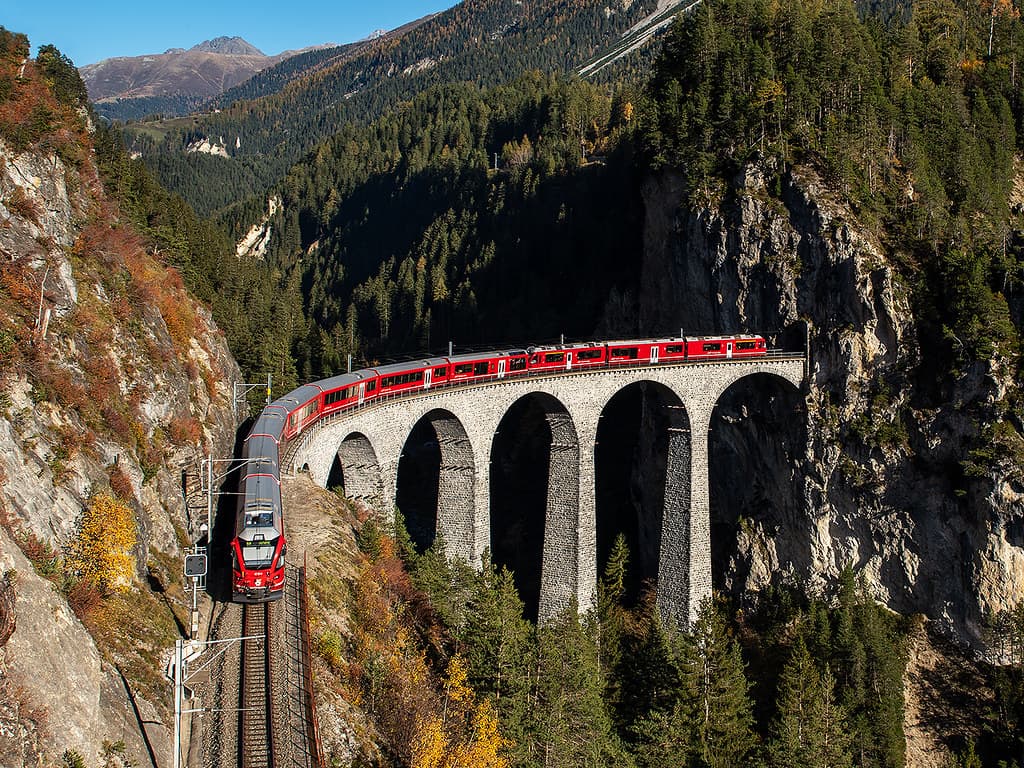

Bernina Express
From Swiss glaciers to Italian palm trees across a UNESCO alpine crossing 2
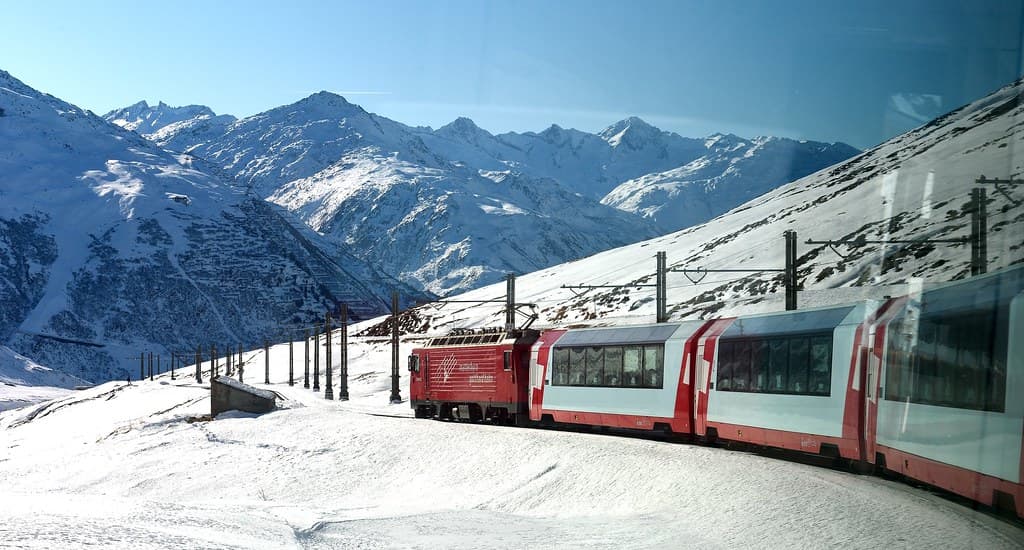
Glacier Express
The slowest express train in the world: 8 hours across the Swiss Alps

TranzAlpine
Coast to coast across the Southern Alps in a single morning
Belmond Andean Explorer
South America's first luxury sleeper train, across the roof of Peru
Granite State Scenic Railway
Vintage scenic train along the Pemigewasset River in the southern White Mountains
Coast Starlight
Seattle to Los Angeles in 35 hours: Cascade summits, Mount Shasta and 104 miles of Pacific shoreline
More Journeys Worldwide
California Zephyr
Chicago to San Francisco across the Rockies and Sierra Nevada
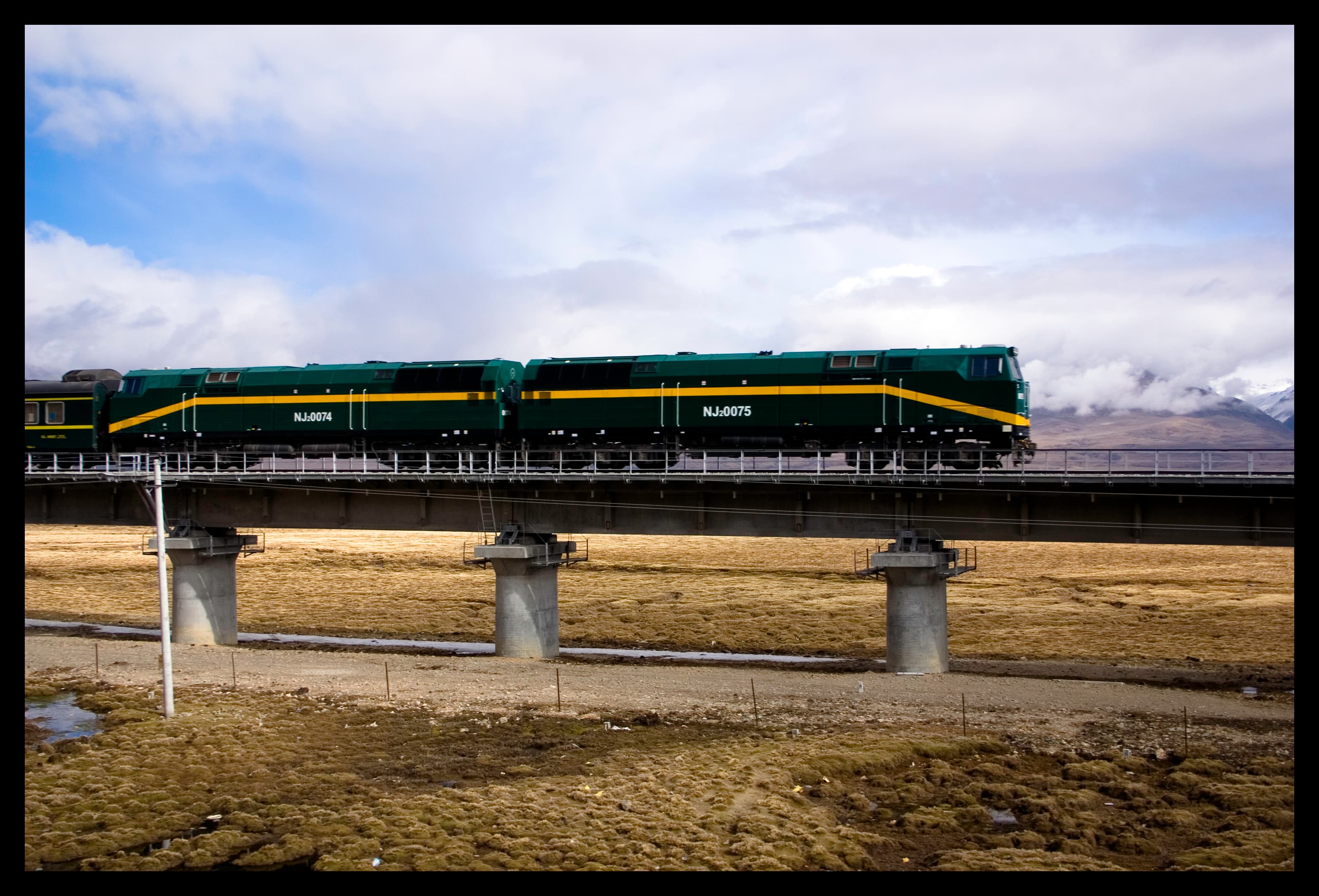
Qinghai-Tibet Railway
The world's highest railway, across the roof of the world to Lhasa
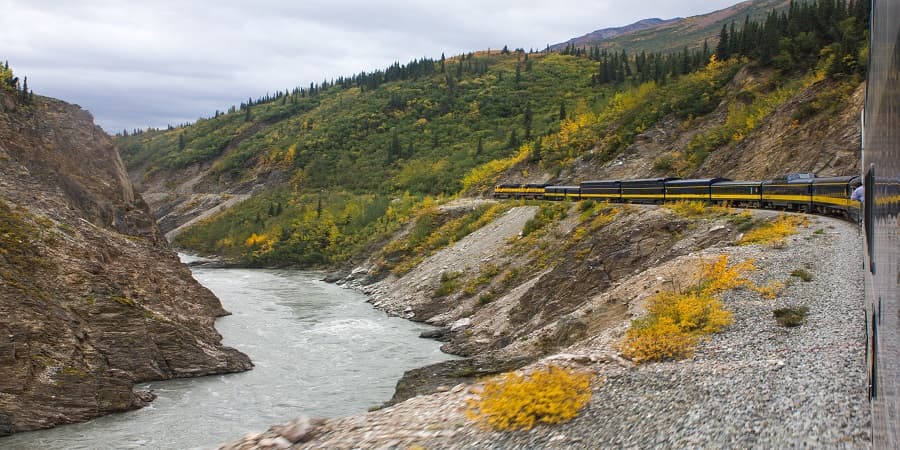
Denali Star
Alaska Railroad's flagship run to Denali and Fairbanks
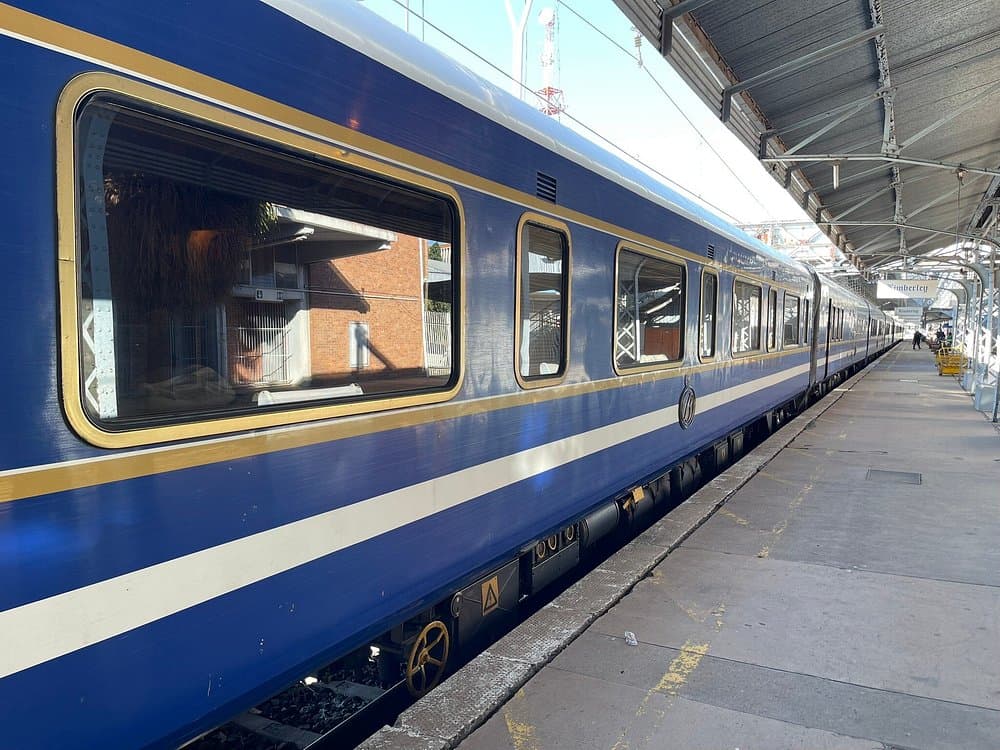
Blue Train
Pretoria to Cape Town in two nights, with a butler in every corridor

Bergensbanen
Oslo to Bergen across the roof of Norway
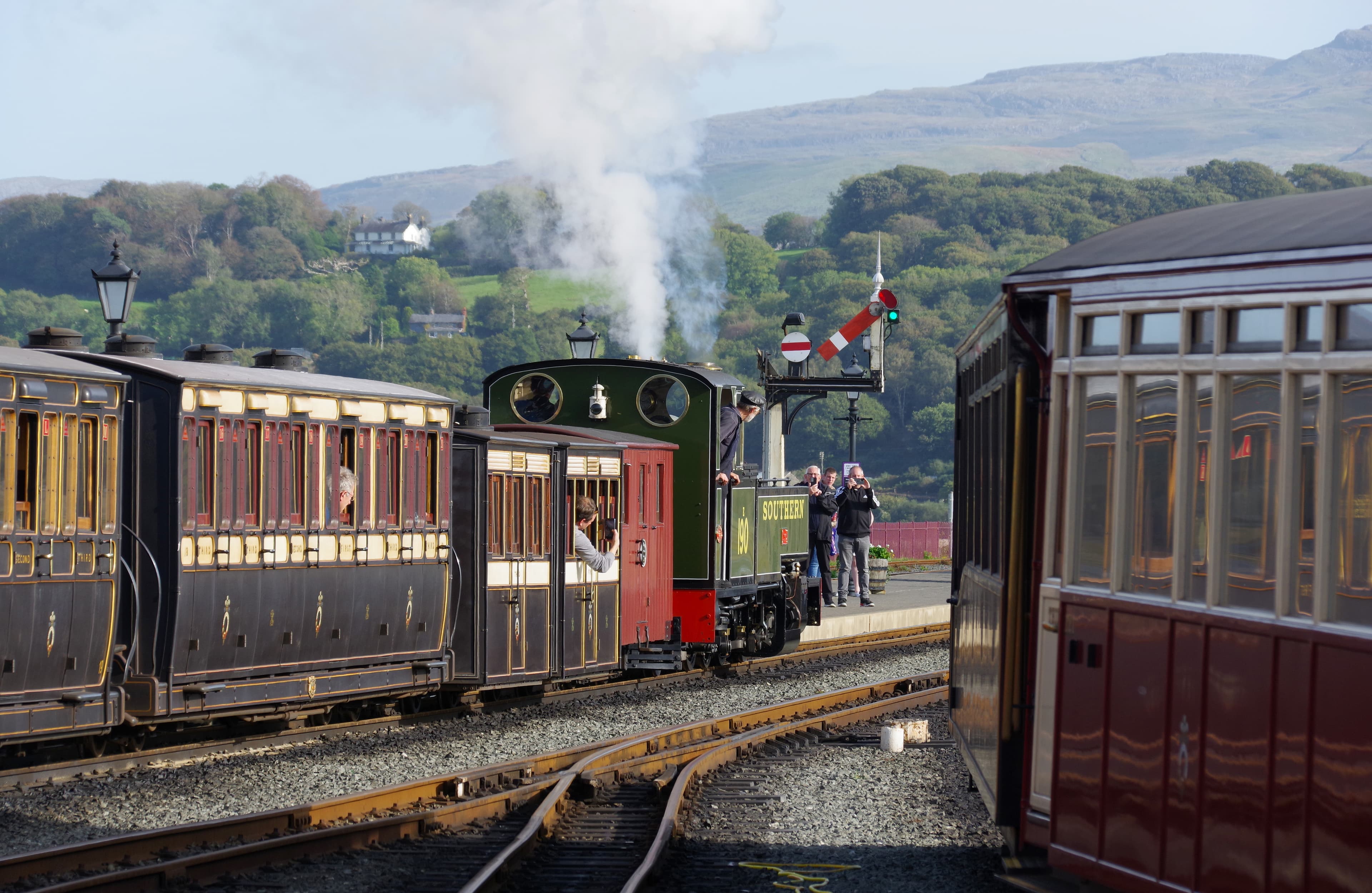
Ffestiniog Railway
The world's oldest narrow gauge railway, from harbour to slate mountain
Explore around this route
Nothing else on Spotatrain within 50 km of this route. The closest is Belmond Andean Explorer, 1,004 km away.