
Updated
Distance
471.25 km
Duration
6h 30min - 7h 30min
Max altitude
1,237 m
Tunnels
182
Gauge
1435mm
Norway's iconic 471 km Oslo-Bergen railway, the highest mainline in Northern Europe, crossing the Hardangervidda plateau to the fjords.
Watch this route live
A railway webcam covers this route — see what is running right now.
- Watch live
Finse Station, Norway — the Bergen Line summit
Norway's highest station, 1,222 m up, reachable only by train
About This Journey
The Bergen Line (Bergensbanen) climbs from tidewater at Oslo to tidewater at Bergen by way of the roof of Norway, and in 471.25 km (293 mi) it packs in nearly every landscape the country owns. Leaving Oslo Central Station the electric train follows the Drammen and Randsfjord valleys past Tyrifjorden - Norway's fifth-largest lake at 330 m (1,082 ft) deep - before turning inland up the Hallingdal valley through Fla, Gol and Al.
Beyond Geilo the forest thins and the railway hauls itself onto the Hardangervidda, the largest high-mountain plateau in Europe. For roughly 100 km (62 mi) the line runs above the tree line through a treeless, wind-scoured world of lakes, snowfields and reindeer moss, reaching Finse at 1,222 m (4,010 ft) - the highest station on the Norwegian network - and the line's summit of 1,237 m (4,058 ft) inside the Finse Tunnel.
From Myrdal, junction for the famous Flam Railway, the descent to the west coast is dramatic: the track loses more than 800 m (2,600 ft) of altitude through the 5,311 m (17,425 ft) Gravhalsen Tunnel and a chain of galleries and horseshoe curves down to Voss. The final stretch from Voss through Dale and Arna into Bergen never rises above 57 m (187 ft), threading fjord-side ledges to the Hanseatic harbour city. Vy runs 6-7 departures a day, day and night, over a route that Lonely Planet has called one of the finest train journeys on earth.
Why This Journey Is Iconic
Few main lines cross such extremes so quickly. In a single daytime ride the Bergen Line lifts passengers from the Oslofjord to 1,237 m (4,058 ft) above sea level and back down to the North Sea, crossing the Hardangervidda - the largest mountain plateau in Northern Europe and home to more than 9,000 wild reindeer, Norway's largest herd. It is the highest mainline railway in Northern Europe, and for around 100 km (62 mi) it runs entirely above the tree line, an experience closer to a polar expedition than a commuter train.
Its bucket-list status also rests on engineering audacity: built between 1894 and 1909 largely by hand, with 182 tunnels bored through gneiss and long stretches protected by timber snow sheds, it was the most expensive Norwegian public works project of its era. The line doubles as a gateway to two of Norway's icons - the Flam Railway branches off at Myrdal, and the Hardangerjokulen glacier sits within hiking distance of Finse - which is why the Oslo-Bergen run appears on virtually every list of the world's great rail journeys.
What to Expect
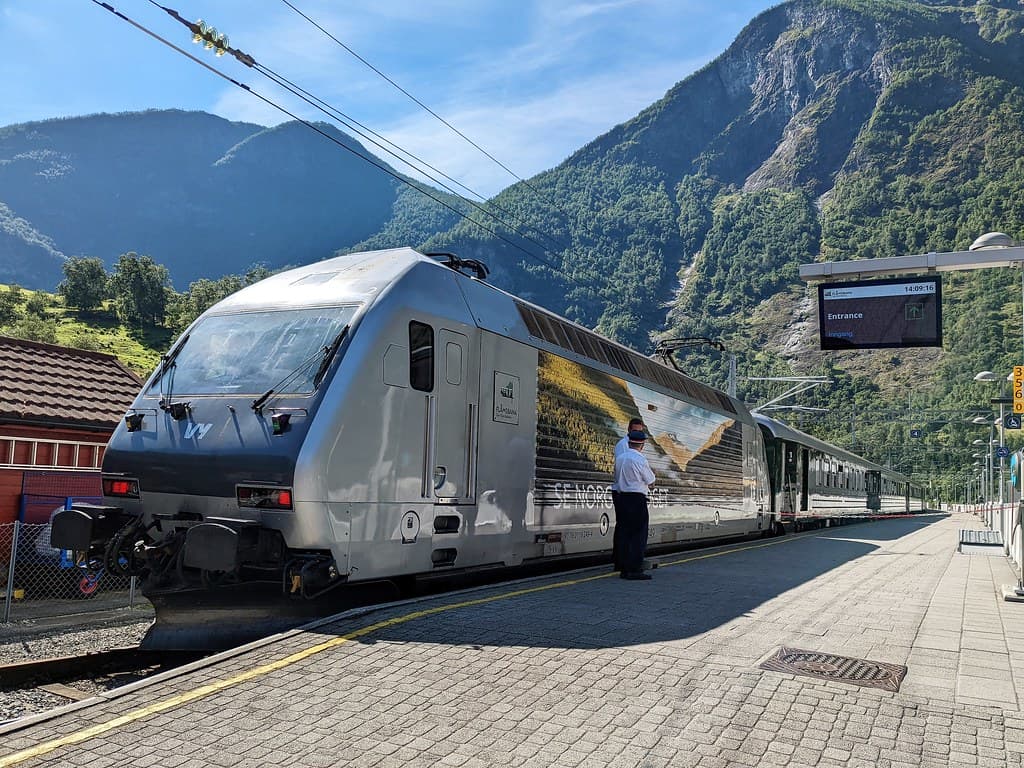
Trains are modern electric multiple units - Class 74 on long-distance runs and Class 75 on the Voss-Bergen regional leg, both Stadler FLIRT types - while combined day/night services use a Class El18 locomotive with Class 7 coaches and WLAB2 sleeping cars. Expect large panoramic windows, power sockets, Wi-Fi (patchy in the many tunnels), ski and luggage storage, and a cafe car serving hot and cold dishes, pastries and drinks. Vy sells several comfort levels: standard 2nd-class seats, a quieter 1st-class Comfort/Plus carriage with complimentary coffee, family carriages with a children's play area, and 6-person compartments for groups.
The scenery is the show. Vy advises sitting on the left travelling from Oslo (right from Bergen) for the best Hardangervidda views, and on the right from Oslo for the fjords and valleys of the western descent. Overnight departures between Oslo and Bergen add PlusNight lie-flat seating and Sleeper cabins in 2- or 6-berth compartments. The daytime run takes about 6 hours 30 minutes to 7 hours 30 minutes; bikes can be carried with a reservation, handy for the Rallarvegen cycling route that shadows the line across the plateau.
History
Parliament authorised the Bergen Line in 1894 after decades of debate over how to link Norway's two largest cities across the mountains. Surveying the high ground took years, and full construction ran from 1901 to 1909, employing thousands of navvies - the "rallar" - many of them Swedish labourers skilled in alpine work, who excavated tunnels and cuttings by hand, mostly with dynamite, in a roadless landscape buried under metres of winter snow. To supply the sites, builders first carved the Rallarvegen construction road (1902-1904), today a celebrated cycling trail.
The first train ran between Bergen and Oslo on 25 November 1909, and the railway was formally opened at Voss by King Haakon VII two days later, on 27 November 1909. The original summit crossed Taugevatn at 1,301.7 m (4,271 ft) until the 10.3 km (6.4 mi) Finse Tunnel opened on 16 May 1993, lowering the line's high point to 1,237 m and sheltering trains from the plateau's worst weather. The line was electrified in stages, completed in 1964, ending the era of steam and diesel over the mountains.
Engineering Highlights
The Bergen Line's signature challenge was the Hardangervidda crossing, where roughly 100 km (62 mi) of track lies above the tree line and is defended from drifting snow by tunnels, concrete galleries and timber snow sheds. Of the line's 182 tunnels, the modern Finse Tunnel (10.3 km / 6.4 mi, opened 1993) is the longest; during original construction the longest was the 5,311 m (17,425 ft) Gravhalsen Tunnel between Myrdal and Voss, hand-driven through solid gneiss over roughly six years and, at completion, the longest tunnel north of the Alps.
The western descent from Myrdal to Voss is a masterclass in mountain railway building, shedding more than 800 m (2,600 ft) of altitude by a chain of tunnels and curves. Standard gauge (1,435 mm) was used throughout, and the whole line runs on electric traction. Hundreds of bridges and the extensive snow-protection structures made Bergensbanen the costliest Norwegian infrastructure project of its time.
Best Time to Travel
The Bergen Line runs year-round, and each season offers a different journey. Summer (June-August) brings the long Nordic daylight, green plateau, roaming reindeer and the busiest trains - book ahead. Late September and early October paint the Hardangervidda in autumn colour with fewer crowds.
Winter transforms the high section into an Arctic-white expanse; the ride is spectacular but daylight on the plateau is short, roughly 09:00-15:00, so Vy recommends morning or early-afternoon departures for the views. Winter is also prime time for skiing and snowkiting at Finse, Haugastol and Geilo. Spring can bring late plateau snow well into May, so travellers wanting green landscapes should aim for June onward.
Practical Tips
Book early: Vy releases tickets about three months ahead and cheap "Minipris" saver fares (from roughly 250 NOK) sell out fast, while flexible walk-up fares are far higher. Seat reservations are included on long-distance departures - choose your side of the train for the best views (left from Oslo for the plateau, right from Oslo for the western fjords). There is a cafe car, but stock can run low on busy runs, so bring snacks and a refillable water bottle.
Dress in layers even in summer: Finse is above 1,200 m and can be cold and windy when Oslo is warm. If you want to add the Flam Railway, change at Myrdal. Cyclists can carry bikes with a reservation for the Rallarvegen. For night trains, Sleeper cabins and PlusNight seats book out early in summer. Photographers should keep windows in mind - the plateau light is best mid-morning, and the descent to Voss offers the most dramatic curves.
Traveling with Pets
Dogs welcome, on a leash
Vy's long-distance rules apply to the Bergen Line. Dogs, cats, caged rodents, caged birds and small turtles are permitted; dogs must be leashed and must lie on the floor — a pet may never occupy a seat. Pets are barred from sleeping compartments, Plus carriages, the onboard Kafé and family or animal-free zones, and must travel in carriages marked "Dyr tillatt." A pet over 40 cm at the shoulder pays 50% of the adult fare; under 40 cm travels free. Bergen Line pet spaces are limited per departure and must be reserved — the booking gives you an extra seat so the animal lies on the floor by the window. Certified guide dogs travel free in service and are additionally allowed in Sleeper, Plus and café carriages.
Verified — operator's pet policy
Route Stages
Getting to Oslo
By Air
Oslo Airport, Gardermoen (OSL) is the main eastern gateway. From the airport, the Flytoget airport express reaches Oslo Central Station (Oslo S) in about 19-22 minutes (around 210 NOK), and Vy regional trains do the same trip in about 23 minutes for roughly 114 NOK. At the western end, Bergen Airport, Flesland (BGO) connects to Bergen city and its railway station by the Bybanen light rail Line 1 (about 45 min, ~51 NOK) or the Flybussen airport coach (about 30-40 min, ~149-199 NOK).
By Train
Oslo Central Station (Oslo S) is the eastern terminus and a hub for domestic and international services, reachable on foot from central Oslo hotels and directly from the airport by Flytoget or Vy trains. Bergen Station sits in the centre of Bergen, a short walk from the Bryggen waterfront and connected to Bergen Airport by the Bybanen light rail. The Bergen Line itself connects at Myrdal with the Flam Railway and at Honefoss with lines toward the Randsfjord.
By Car
Driving is not necessary for the journey and is generally slower than the train over the mountains, but the E16 highway broadly parallels the western part of the route. Drivers heading to intermediate stations such as Geilo, Gol or Voss can leave a car there and continue by rail. In winter, mountain roads across the region can close in bad weather, whereas the railway keeps running, which is one reason many travellers leave the car behind.
Parking
Both terminus cities have paid parking near their stations: central Oslo has multiple parking garages within walking distance of Oslo S, and Bergen has garages near the station and harbour. Several intermediate stations popular with hikers and skiers - including Geilo, Gol, Voss and Haugastol - offer park-and-ride style parking, useful if you join the line partway. Confirm current rates and availability locally, as spaces at mountain stations fill during ski season.
Where to Stay
Find places to stay near Bergen.
This lodging map is provided by Stay22, a third-party service that may set cookies. It loads only with your consent.
Accommodation results are provided by Stay22; we may earn a commission on bookings made through this map.
Videos
Photos
20240801 Norwegen Bergensbanen Vy BFWL1 ex DB BDcm RIC-Wagen Liegewagen 61858290411-5
20240801 Norwegen Bergensbanen Vy BFWL1 ex DB BDcm RIC-Wagen Liegewagen Anschriften RIC-Raster Wagennummer 61858290411-5
Bergensbanen finse
Reimegrend stasjon – Bergensbanen
Bergensbanen stengt
Bergensbanen
Bergensbanen km492 Bergen2004 SIK 03-015323
Photo: Hans-Peter Bärtschi
Ex CityNightLine CNL Liegewagen BDcm 874.1, nun als BFWL der vy, umgebaut im Einsatz auf der Bergensbanen in Norwegen, Innenansicht der Gangseite
External Resources
Official resources
Tourism info
Frequently Asked Questions
How long does the Oslo to Bergen train take?▾
What is the highest point of the Bergen Line?▾
Which side of the train has the best views?▾
How much does the Oslo-Bergen train cost?▾
Can I connect to the Flam Railway from the Bergen Line?▾
Does the Bergen Line run in winter?▾
Is there food on board?▾
Help improve this page
Spotted something out of date or incorrect? Let our community know.
Related on Spotatrain
Journeys Near This Route
More Journeys Worldwide
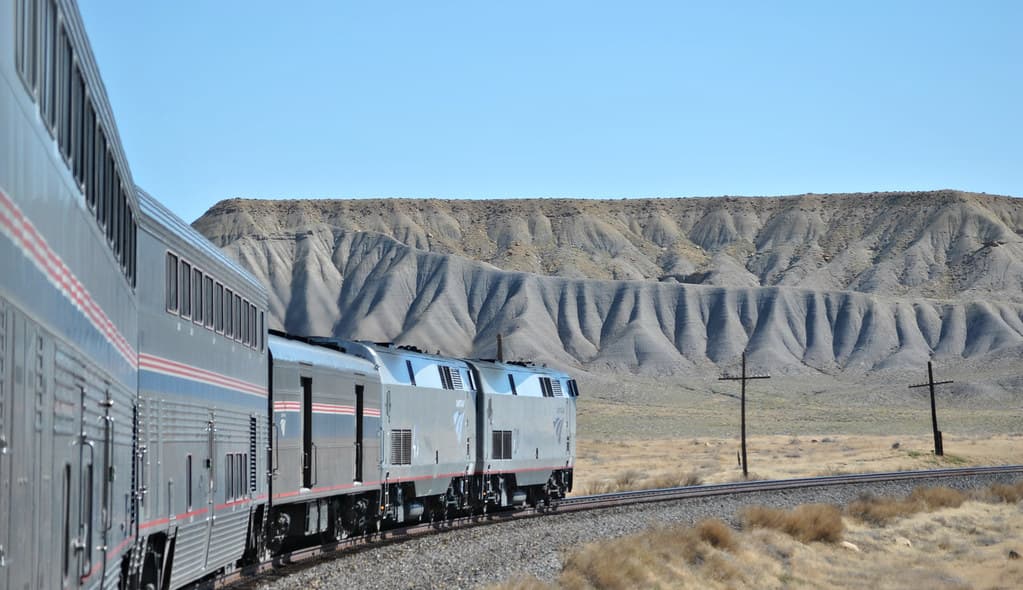

California Zephyr
Chicago to San Francisco across the Rockies and Sierra Nevada
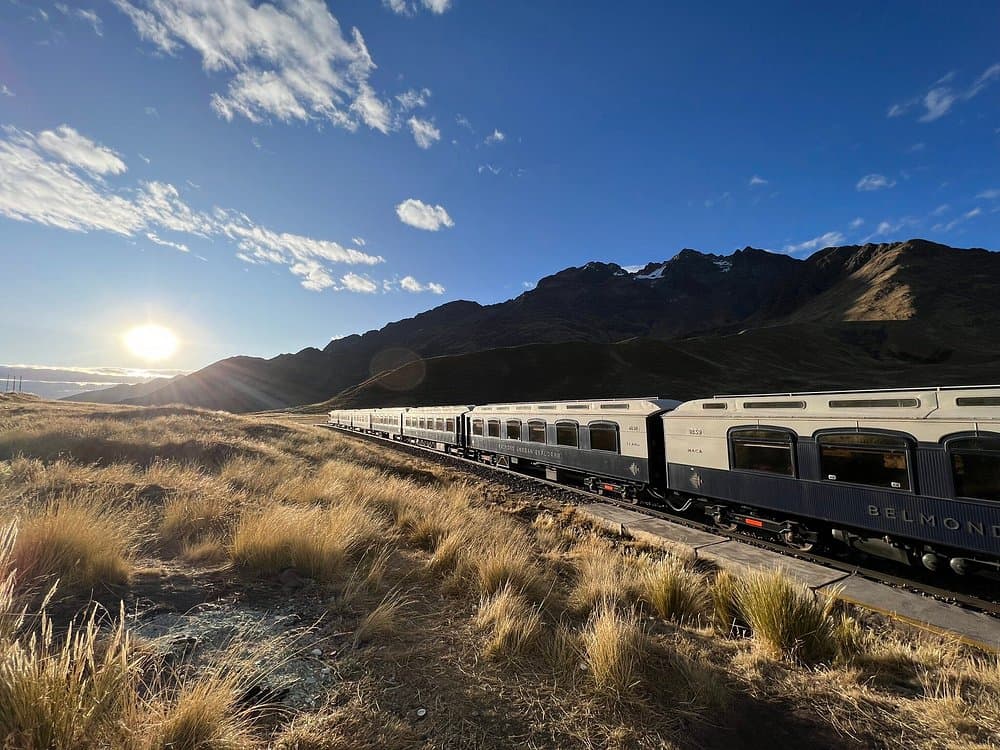
Belmond Andean Explorer
South America's first luxury sleeper train, across the roof of Peru
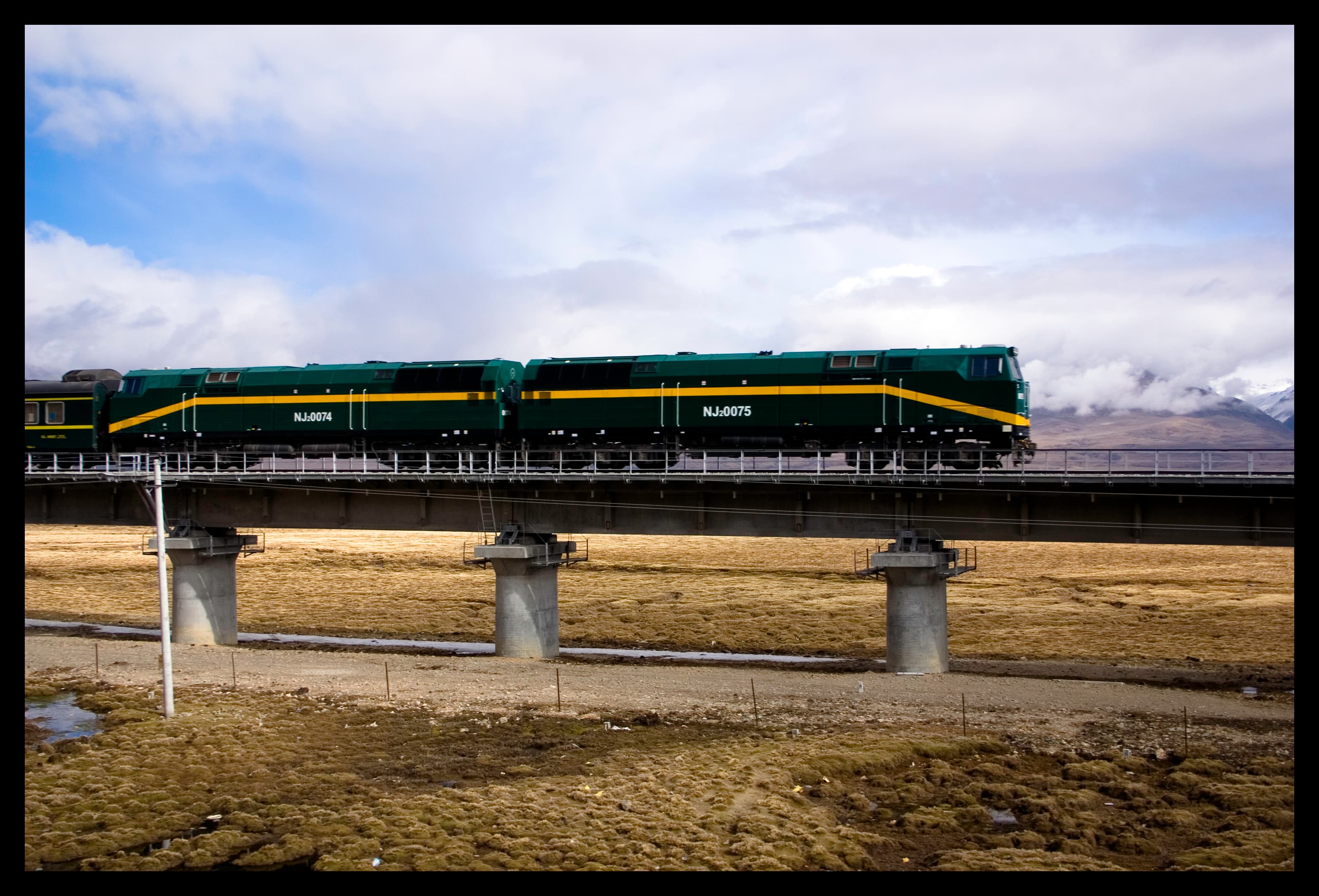
Qinghai-Tibet Railway
The world's highest railway, across the roof of the world to Lhasa

TranzAlpine
Coast to coast across the Southern Alps in a single morning

Tren a las Nubes
Argentina's rack-free climb to 4,220 m above the Puna
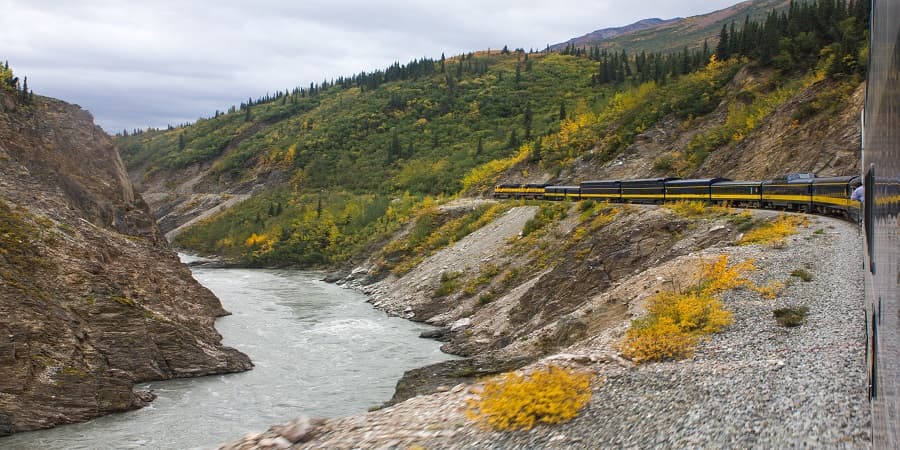
Denali Star
Alaska Railroad's flagship run to Denali and Fairbanks

Explore around this route
2 places on Spotatrain within 25 km of this route — 1 journey and 1 live cam.