
Railway Experience
Elgin County Railway Museum
A 1913 Michigan Central locomotive shop in St. Thomas housing CN Hudson 5700 — closed for building repairs until summer 2028.
Updated
About This Experience
St. Thomas sits on the Lake Erie plain of southwestern Ontario, roughly 29 km (18 miles) south of London, and has called itself the Railway City since the nineteenth century. The reason stands on the north side of the city centre: the Canada Southern Railway pushed its main line through in 1872 as a flat, fast bridge route across the Ontario peninsula, and built its headquarters and passenger station here between 1871 and 1873 to the Italianate designs of the Canadian architect Edgar Berryman. The Canada Southern later passed to the Michigan Central Railroad and in turn to the New York Central. The Elgin County Railway Museum occupies what all that traffic required: the Michigan Central locomotive repair shops, completed in 1913 a few hundred metres east of the station.
The shop building is as much the exhibit as anything inside it. It runs to about 52,000 square feet (4,830 m²), still laid out as the repair shop it was built to be, and a transfer table — the flat car on rails that shuffled locomotives sideways between repair bays — survives on the property. When the plant opened, the St. Thomas Daily Times reported that it ranked the city among the leading railway divisional centres on the continent for equipment; at its peak the shops employed more than 400 people. Traffic through St. Thomas fell away over the following decades, and scheduled passenger trains stopped calling at the Canada Southern station in the 1980s.
Canadian National and Canadian Pacific were the last railway owners of the shops. The museum moved into the building in 1988 and was incorporated the following year, then spent two decades as an occupant before buying the property outright — a purchase funded in large part by five summers of Thomas the Tank Engine events that drew tens of thousands of visitors, and completed at the end of 2009. Fifteen acres of the surrounding railway lands came with it.
Photo Opportunities
Nothing inside is photographable while the building is shut, which leaves the exterior and the surrounding railway lands as the only subjects for now: the 1913 shop frontage, the fifteen acres of former Canada Southern property, and BX Tower at the crossing.
When the shop floor reopens, its draw is scale and light rather than any single vantage point — a working locomotive repair building with 5700 standing on it. The museum has for years rented that room out for wedding, engagement and family portraits precisely because of the 5700 backdrop and the industrial setting; enquiries go to operations@ecrm.ca.
Two railway subjects nearby are open right now. The Canada Southern station, 108 m (354 ft) long and 11 m (36 ft) wide, is about 300 m east-to-west along the same railway lands. The St. Thomas Elevated Park, 2.2 km (1.4 miles) west, puts you on the deck of a 1930 Michigan Central steel bridge 425 m (1,395 ft) long and 28.3 m (93 ft) above the Kettle Creek valley, open dawn to dusk.
Featured Video
ECRM Overview
Why Visit
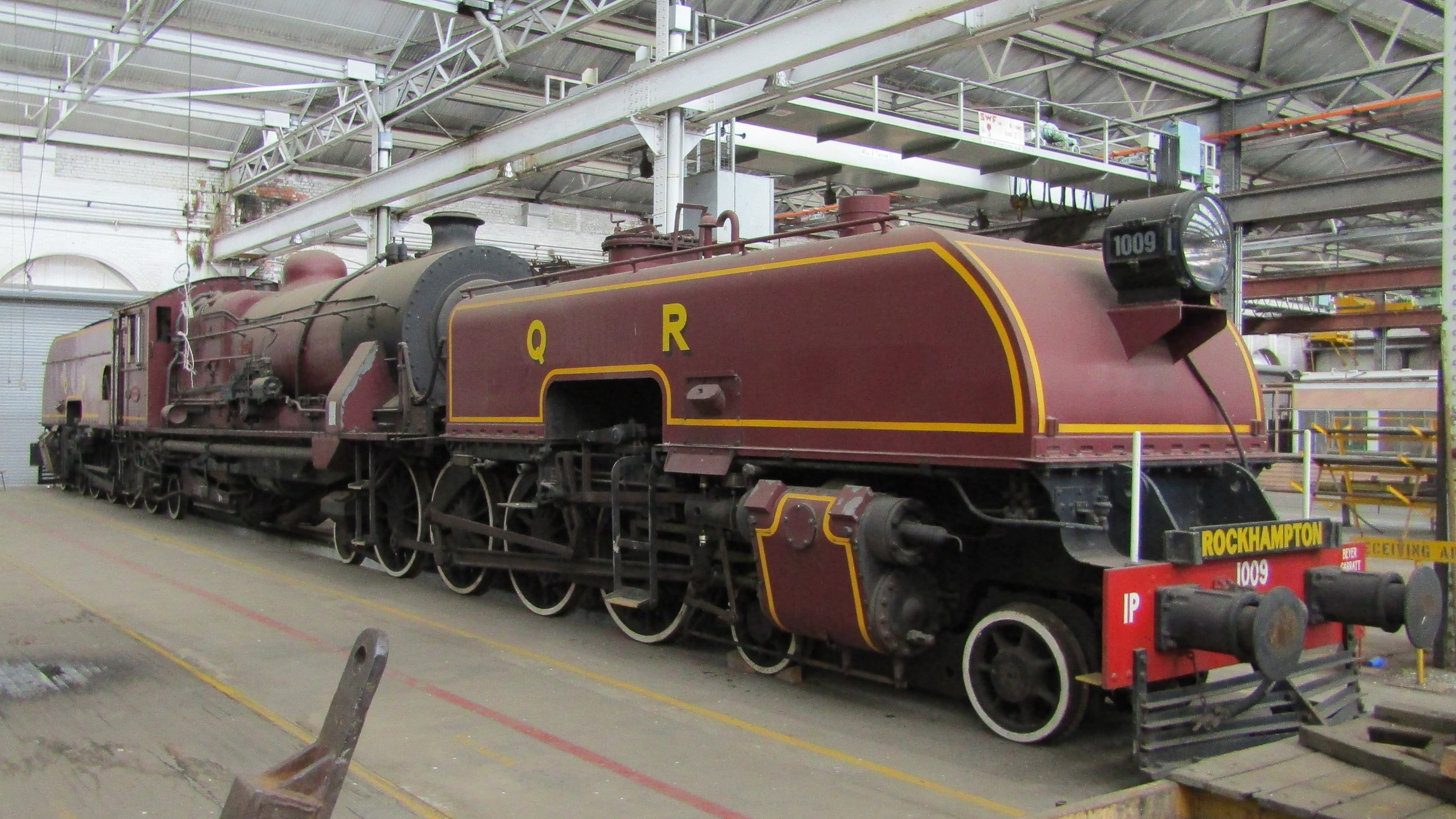
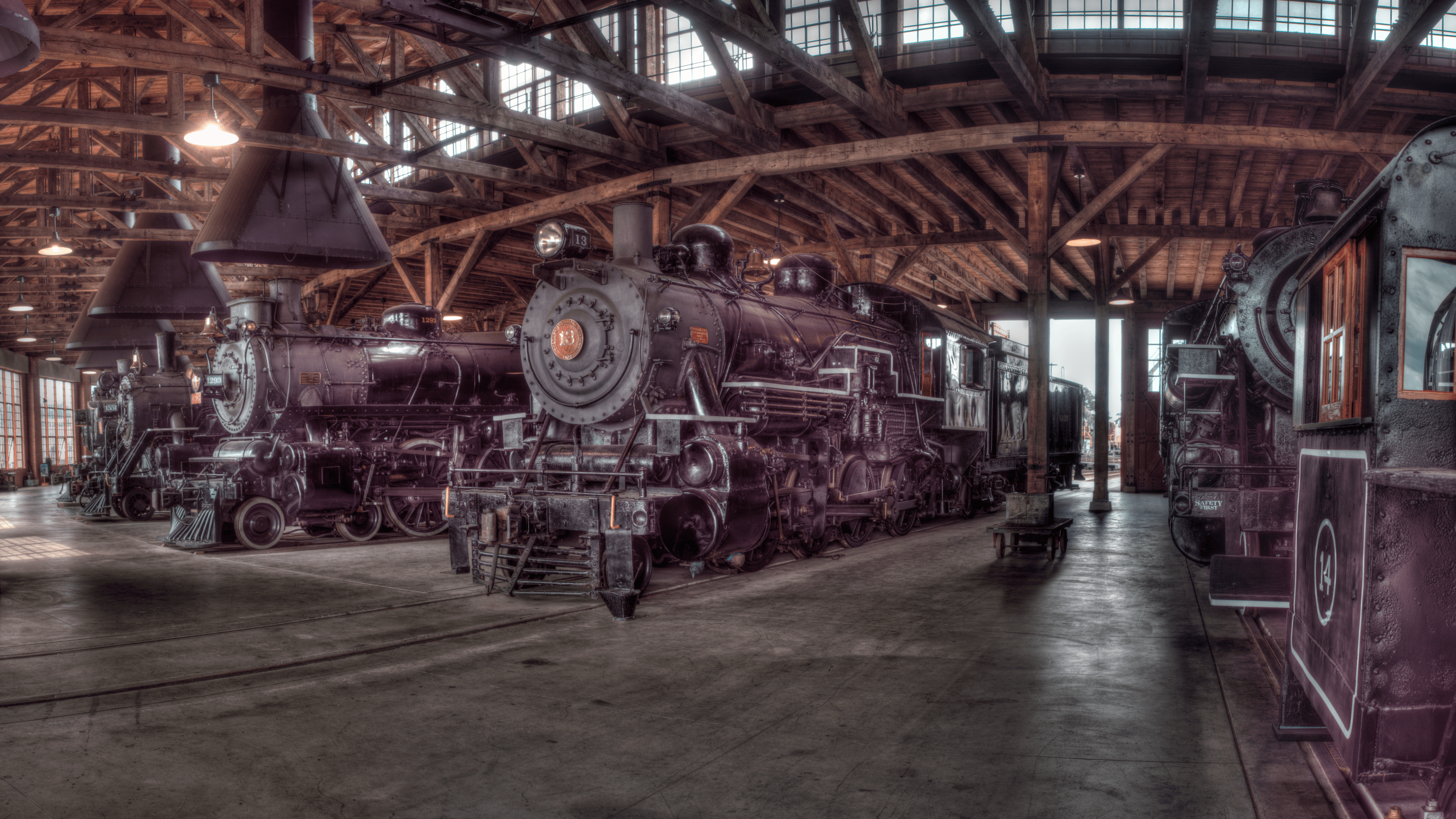
The centrepiece is Canadian National 5700, a class K-5-a Hudson built by Montreal Locomotive Works in November 1930. Canadian National owned only five 4-6-4s — 5700 through 5704 — against the sixty-five Canadian Pacific eventually rostered, and they spent their careers on passenger trains working out of Spadina roundhouse in downtown Toronto. 5700 came off the roster in 1960 and reached St. Thomas in 1988. It is the locomotive visitors climbed into, and the one the museum puts behind wedding parties.
Beside it stands a genuine oddity: Canadian Pacific 8921, the Empress of Agincourt, the only RSD-17 Montreal Locomotive Works ever built. Delivered in 1957, it went out on loan to Canadian Pacific as 7007, passed to Canadian National for testing as 3899, spent time on the Pacific Great Eastern as 624, and was finally bought by Canadian Pacific in 1959 and renumbered 8921. It earned its nickname by spending so much of its working life sidelined in CP's Agincourt yard near Toronto. Truck problems that could not be repaired forced its retirement in 1995; it was donated to the museum in 1997 and cosmetically restored in 2007.
The electric side of the collection belongs to the London and Port Stanley Railway, the interurban that carried Londoners down to Lake Erie. Car 14, built by the Jewett Car Company around 1917, is preserved here, along with L&PS L1, a General Electric boxcab electric locomotive dating from about 1915. Diesel is represented by CN 9171 — built as an EMD cab unit for Grand Trunk Western as 9013, rebuilt in 1973 and retired in 1989 — and by Wabash 51, a 43-ton General Electric switcher the museum calls Tillie.
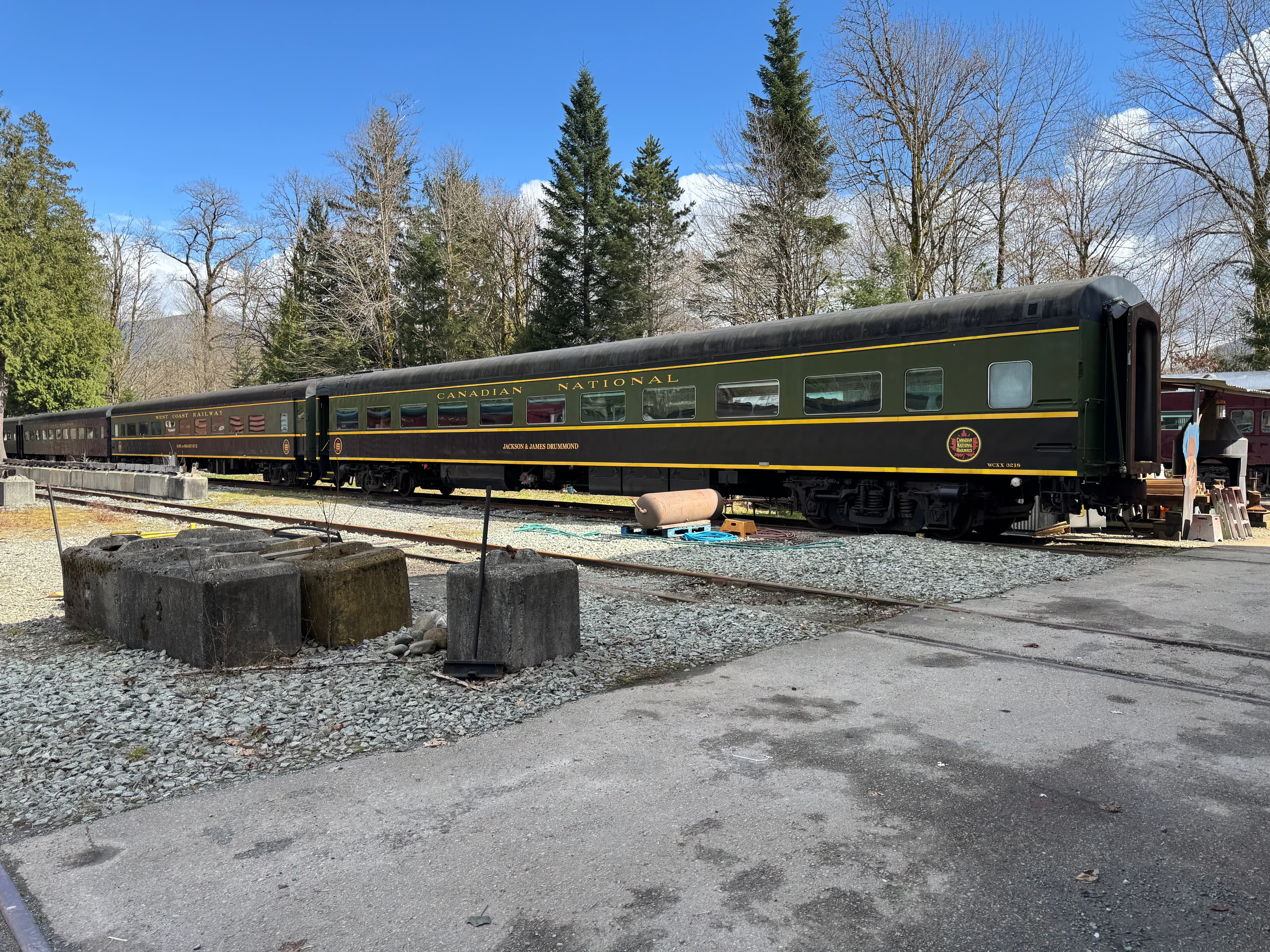
Rolling stock fills out the rest: CN Jordan spreader 51041, CN baggage car 7074, Pullman troop sleeper 8367, the Pullman sleeper 10075 Cascade Lane, Grand Trunk Western caboose 77137 and Norfolk & Western caboose 555020.
What to Expect
Nothing, for the moment. The Elgin County Railway Museum suspended operations on 7 January 2026 because of building-related issues in areas outside the public galleries; the museum was explicit that the problems had not affected visitor safety at earlier events and operations. The building is closed to the public, to members and to volunteers alike, with staff admitted only for essential purposes. The museum's own visitor page now states that it expects to remain closed until summer 2028, and its events calendar lists nothing.
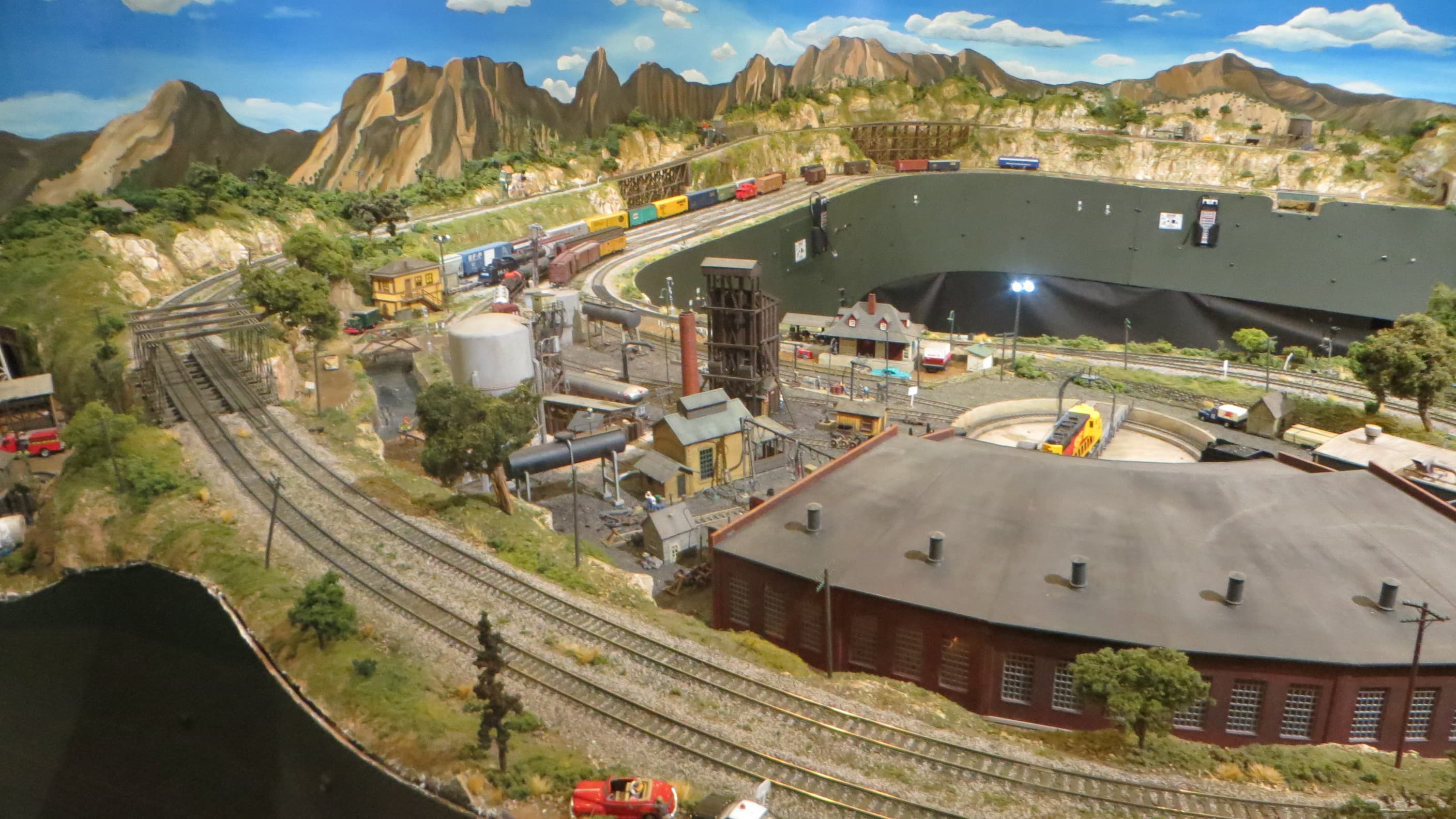
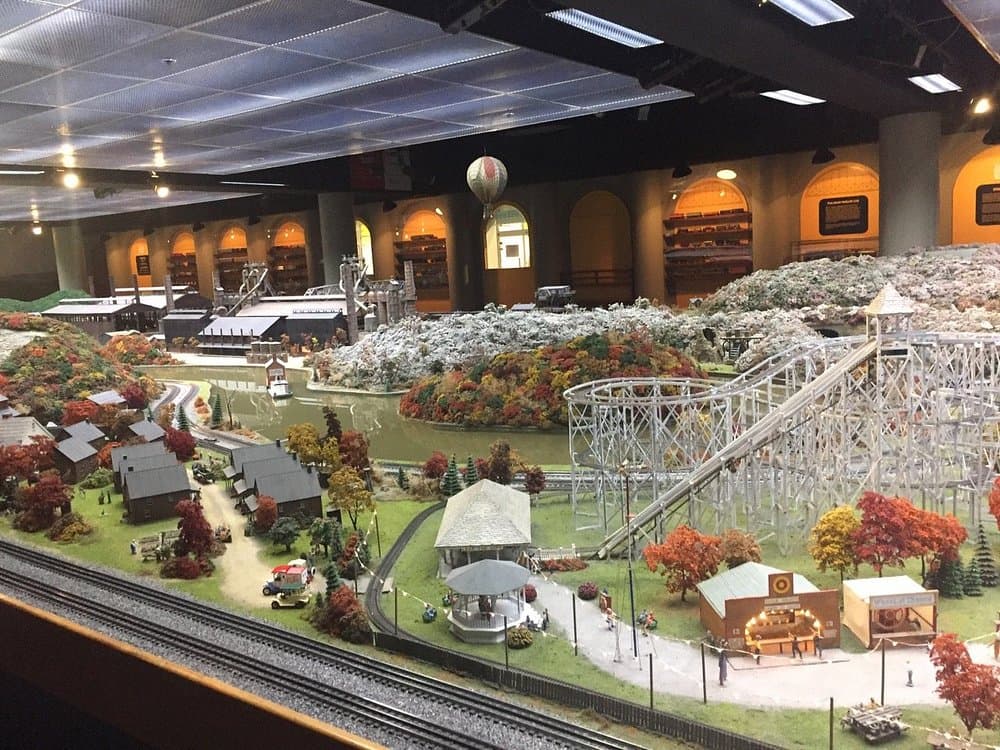
What the closure has interrupted is a museum built around three rooms. St. Thomas: The Railway City opens the visit with displays on how the city earned the name, which lines ran through it, and how railway work was a way of life rather than simply a job; the museum rotates fresh artefacts into those cases each season. The Rolling Stock Gallery is the shop floor itself. History in Motion is an HO-scale layout twenty years in the building by volunteers, modelling southern Ontario between Windsor and Niagara Falls in the era when steam, diesel and electric railways were all still competing — the Michigan Central shops themselves are on it, along with the car shop, the Canada Southern station, the roundhouse and turntable, the Wabash Railroad yard, the London and Port Stanley Railway and the Port Stanley Incline Railway. A Wall of Fame carries thousands of plaques naming railway workers.
Visitors before the closure typically reported spending forty-five minutes to a little over an hour, and consistently singled out the volunteers. Children could climb into the caboose and the steam engine and work buttons that ran signal lights and bells. One caution for whenever the doors reopen: the museum's last published note on the Rolling Stock Gallery said only two pieces of rolling stock were open to enter, L&PS car 14 and the Grand Trunk Western caboose. BX Tower, the c.1910 interlocking tower at the crossing of the Canada Southern and the L&PS, is owned by the City of St. Thomas and opened by the museum only for a small number of special events or by appointment.
Best Time to Visit
There is no reason to travel for the museum itself before summer 2028, the date it has given for reopening. If you are in southwestern Ontario in the meantime, July and August are the months when the city's other railway sites are running: Port Stanley Terminal Rail operates Saturdays, Sundays and Wednesdays through both months, and the St. Thomas Elevated Park is open dawn to dusk year-round. Watch the museum's news page for updates rather than planning firmly around 2028, a date the museum itself frames as an expectation.
Frequently Asked Questions
QIs the Elgin County Railway Museum open?
No. The museum suspended operations on 7 January 2026 because of building-related issues located outside its public areas, and its visitor page states that it expects to remain closed until summer 2028. The building is shut to the public, members and volunteers alike, with staff admitted only for essential purposes.
QWhy did the museum close?
The museum cited building-related issues in areas outside the public galleries, and said those issues had not affected public safety during its earlier operations and events. It occupies the Michigan Central locomotive repair shops of 1913, so the structure it maintains is more than a century old. The museum has not published a detailed engineering account.
QHow much is admission and how long does a visit take?
The published pre-closure rates were C$14.00 for adults, C$11.50 for seniors aged 60 and over and for students with valid ID, C$8.50 for children aged 4 to 14, and free for children 3 and under, tax included. Visitors typically reported spending forty-five minutes to a little over an hour.
QWhat is in the collection?
The headline locomotive is Canadian National 5700, a K-5-a Hudson built by Montreal Locomotive Works in 1930 and one of only five CN 4-6-4s. It is joined by Canadian Pacific 8921, the Empress of Agincourt, the only MLW RSD-17 ever built; London and Port Stanley Railway interurban car 14 and boxcab L1; CN 9171; Wabash 51 Tillie; a Jordan spreader, a baggage car, two Pullman sleepers and two cabooses.
QCan I still see the museum while it is closed?
Yes, online. The museum publishes a set of short tour films covering the Rolling Stock Gallery, the History in Motion model layout, engine 5700, the Michigan Central shops and individual artefacts, alongside a searchable online collection.
QWhat else is there to see in St. Thomas in the meantime?
The Canada Southern station of 1871 to 1873, home of the North America Railway Hall of Fame, is a few hundred metres away. The St. Thomas Elevated Park, on a 1930 Michigan Central bridge over Kettle Creek, is open dawn to dusk. The Jumbo monument marks the 1885 death of P.T. Barnum's elephant, struck by a train in the city. Port Stanley Terminal Rail runs tourist trains 13 km to the south.
How to Plan Your Visit
Season and Schedule
The museum is closed to the public. Its own visitor page states it is expected to remain closed until summer 2028 while building issues are addressed.
- Operating Hours
- Closed to the public; the museum expects to reopen in summer 2028
- Closure Announced
- 7 January 2026 — building-related issues outside public areas
- Pre-Closure Season
- Victoria Day weekend to Labour Day weekend, Tuesday to Sunday
- Upcoming Events
- None listed on the museum's events calendar
Ticket Information
These are the museum's published rates from before the closure, tax included. There is no online ticketing and nothing is on sale while the building is shut.
- Adults
- C$14.00
- Seniors (60+) and Students
- C$11.50
- Children (4 to 14)
- C$8.50
- Children 3 and under
- Free
Accessibility Details
The museum publishes no accessibility information. Contact the office by phone or email before planning a visit, particularly once a reopening is announced.
- Phone
- (519) 637-6284
- operations@ecrm.ca
Photography Tips
Interior photography is not possible during the closure. The museum has long promoted its shop floor, with the 5700 as a backdrop, for wedding, engagement and family portraits.
- Portrait and Venue Enquiries
- operations@ecrm.ca
The operator does not publish a pet policy — contact them directly before traveling with an animal.
Travel Information
By Air
London International Airport is the closest airport, a short drive north of St. Thomas.
- Nearest Airport
- London International (YXU) — about 35 km / 21.7 miles by road, roughly 33 minutes
By Train
There is no passenger rail service to St. Thomas; scheduled trains stopped calling at the Canada Southern station in the 1980s. The nearest VIA Rail station is London.
- Nearest VIA Rail Station
- London, Ontario — about 29 km / 18 miles north
- From Toronto
- VIA Rail, Toronto Union to London, roughly 2h15
By Car
Driving is the only practical way to reach the museum. It stands on the former Canada Southern railway lands a few hundred metres east of the CASO station, on the north side of the city centre.
- Address for GPS
- 225 Wellington Street, St. Thomas, ON N5R 2S6
- From London
- About 30 minutes
Nearby Lodging
Find places to stay near Elgin County Railway Museum.
This lodging map is provided by Stay22, a third-party service that may set cookies. It loads only with your consent.
Accommodation results are provided by Stay22; we may earn a commission on bookings made through this map.
Nearby Attractions
- Canada Southern Railway Station (CASO) and the North America Railway Hall of Fame0.29 km
The Canada Southern Railway's headquarters and passenger station, built 1871-1873 to Italianate designs by the Canadian architect Edgar Berryman, 108 m (354 ft) long and 11 m (36 ft) wide and the largest of the 31 stations the CSR put up across southern Ontario in the 1870s. Train traffic ceased in the 1980s; the North America Railway Hall of Fame bought the building in 2005 and restored it, and now runs it as event and office space. 750 Talbot Street.
- St. Thomas Elevated Park2.19 km
Canada's first elevated park, laid out on the Michigan Central steel bridge over the Kettle Creek valley completed on 3 January 1930 — 425 m (1,395 ft) long and 28.3 m (93 ft) above the creek bed, on a crossing first trestled in 1872. The eastern third opened in 2017 and the full deck in 2019, with railings, planting, seating and public art. Open dawn to dusk, seven days a week.
- Jumbo the Elephant Monument2.08 km
A life-size statue of the P.T. Barnum circus elephant struck and killed by a train in St. Thomas on 15 September 1885. Sculpted by Winston Bronnum and unveiled in 1985 for the centenary of the death, the figure weighs 38 tonnes and sits on a 100-tonne base. It is the reason a great many people know the town's name at all, and it is a railway accident memorial in everything but title.
- Port Stanley Terminal Rail12.71 km
A working tourist railway on the surviving track of the London and Port Stanley Railway, running out of Port Stanley on Lake Erie since 1983 and the longest-running tourist attraction in Elgin County. The L&PS carried more than 25 million passengers between 1856 and 1957, and the museum's interurban car 14 and boxcab L1 came off this same railway. Trains run Saturdays, Sundays and Wednesdays in July and August, with twilight rides offered.
Photos

 Balcer
Public domain

Balcer
Public domain

Balcer
Public domain

Balcer
Public domain
More Videos
ECRM: Rolling Stock Gallery
ECRM: Engine 5700
ECRM: MCRR Locomotive Repair Shops
ECRM: History in Motion (HIM) Room
Help improve this page
Spotted something out of date or incorrect? Let our community know.
Explore more experiences: Browse all rail travel experiences.
Booking & Pricing
Price range
$8.5 – $14 CAD
Published pre-closure rates in Canadian dollars, tax included. Children 3 and under free; student rate requires valid high school, college or university ID. No online ticketing is offered and nothing is on sale while the building is closed.
Quick Information
Country
Region
City
St. Thomas
Best Season
Not applicable while the museum is closed. Its published season before the closure ran from the Victoria Day weekend in late May to the Labour Day weekend in early September, Tuesday to Sunday — which is also when the rest of St. Thomas's railway heritage is at its most active, with Port Stanley Terminal Rail running trains through July and August.
Visit Duration
1-2 hours
Cost
C$14.00 adults, C$11.50 seniors 60+ and students, C$8.50 children 4-14, free under 4 (tax included) — the museum is closed to visitors until summer 2028
Tags
Contact
(519) 637-6284
operations@ecrm.ca