
Railway Experience
Queensland Museum Rail Workshops
Historic steam and diesel locomotives in Queensland's original 1880s railway workshops at Ipswich, plus the state's largest model railway.
Updated
About This Experience
Queensland Museum Rail Workshops (known for many years as The Workshops Rail Museum) is a railway museum in North Ipswich, Queensland, set within the working North Ipswich Railway Workshops — the only Australian railway workshop in continuous operation since the 1800s. The first workshops on the site opened in the mid-1880s after operations outgrew an earlier 1864 facility about 1.5 km (0.9 mi) away, from which Queensland's first train steamed to Bigges Camp (now Grandchester) on 31 July 1865. The complex grew into the epicentre of locomotive construction and maintenance for Queensland Railways, building more than 200 steam locomotives and 13,000 carriages and, at its World War II peak, employing around 3,000 men and women — making it Queensland's largest employer of the era.
The museum opened in 2002 in the heritage-listed Boiler Shop and surrounding buildings, part of a roughly 60-acre (24-hectare) complex containing 16 heritage-listed structures. Its collection traces more than 150 years of railways in Queensland, displayed across themed zones covering the social, technical and cultural impact of rail. The site is operated by the Queensland Museum Network and won the 2007 Australian Tourism Award for Heritage and Cultural Tourism.
Note: following a severe hailstorm over Ipswich on 26 October 2025, the museum is temporarily closed for roof and restoration work; check the official site for reopening updates before planning a visit.
Photo Opportunities
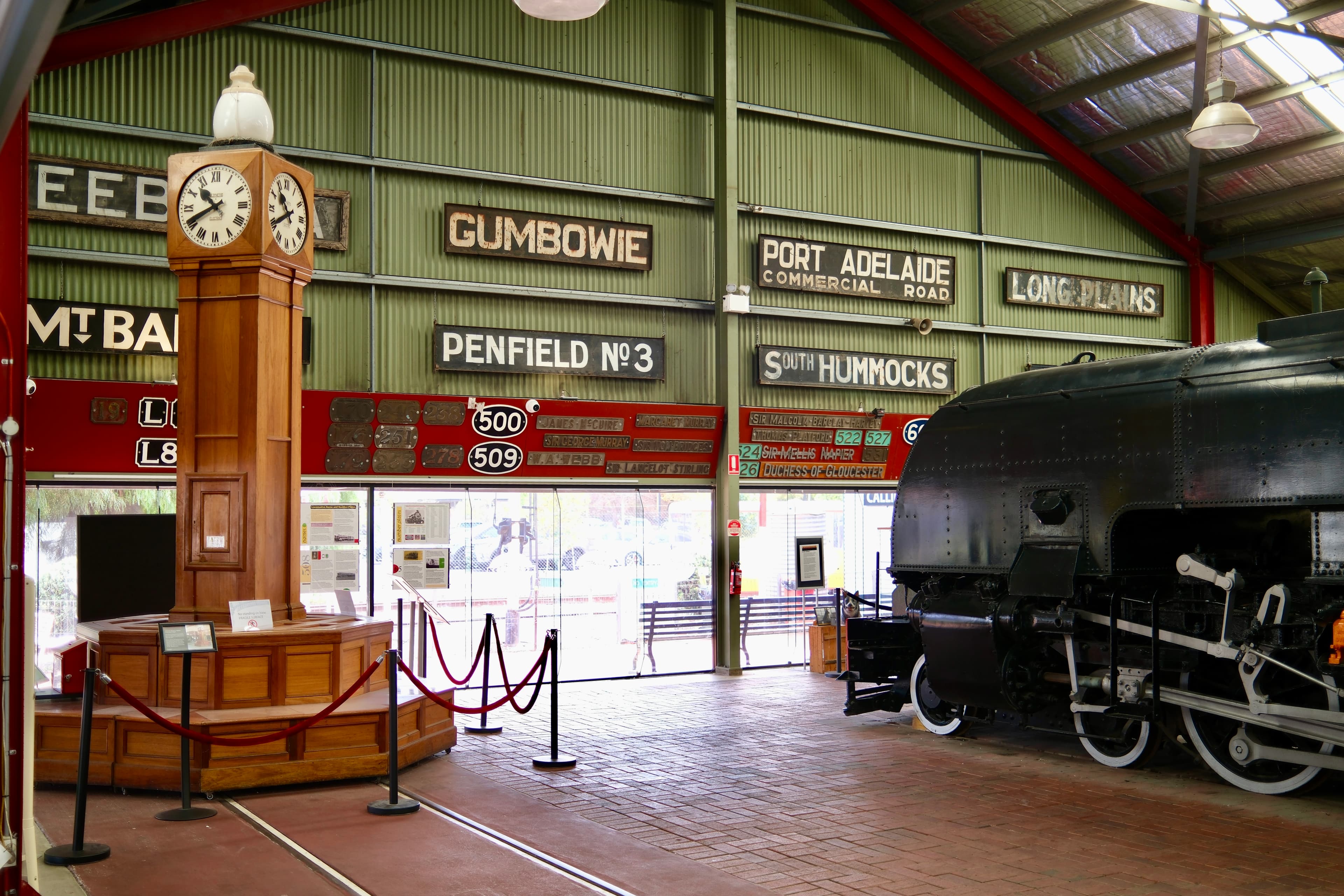
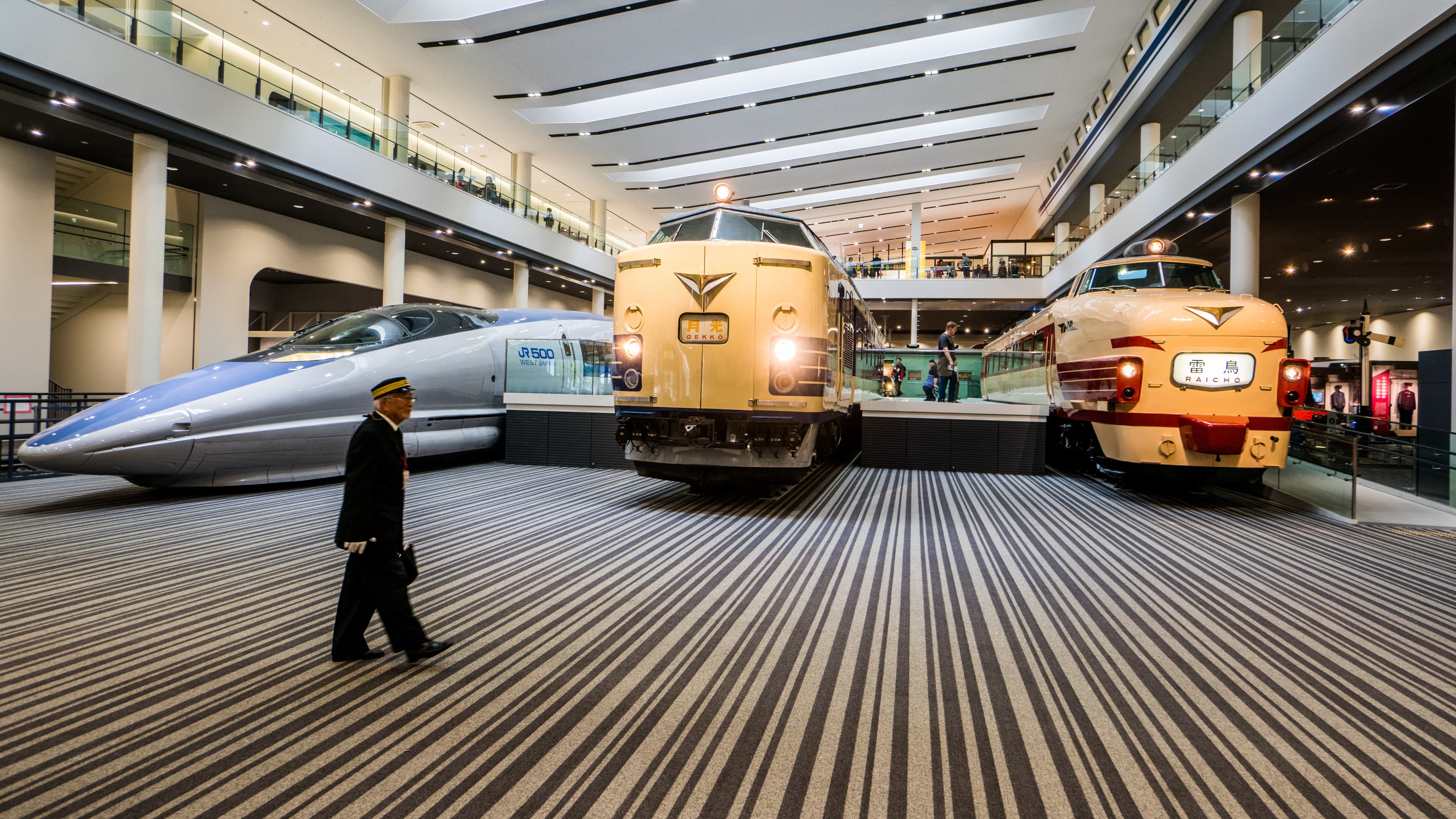
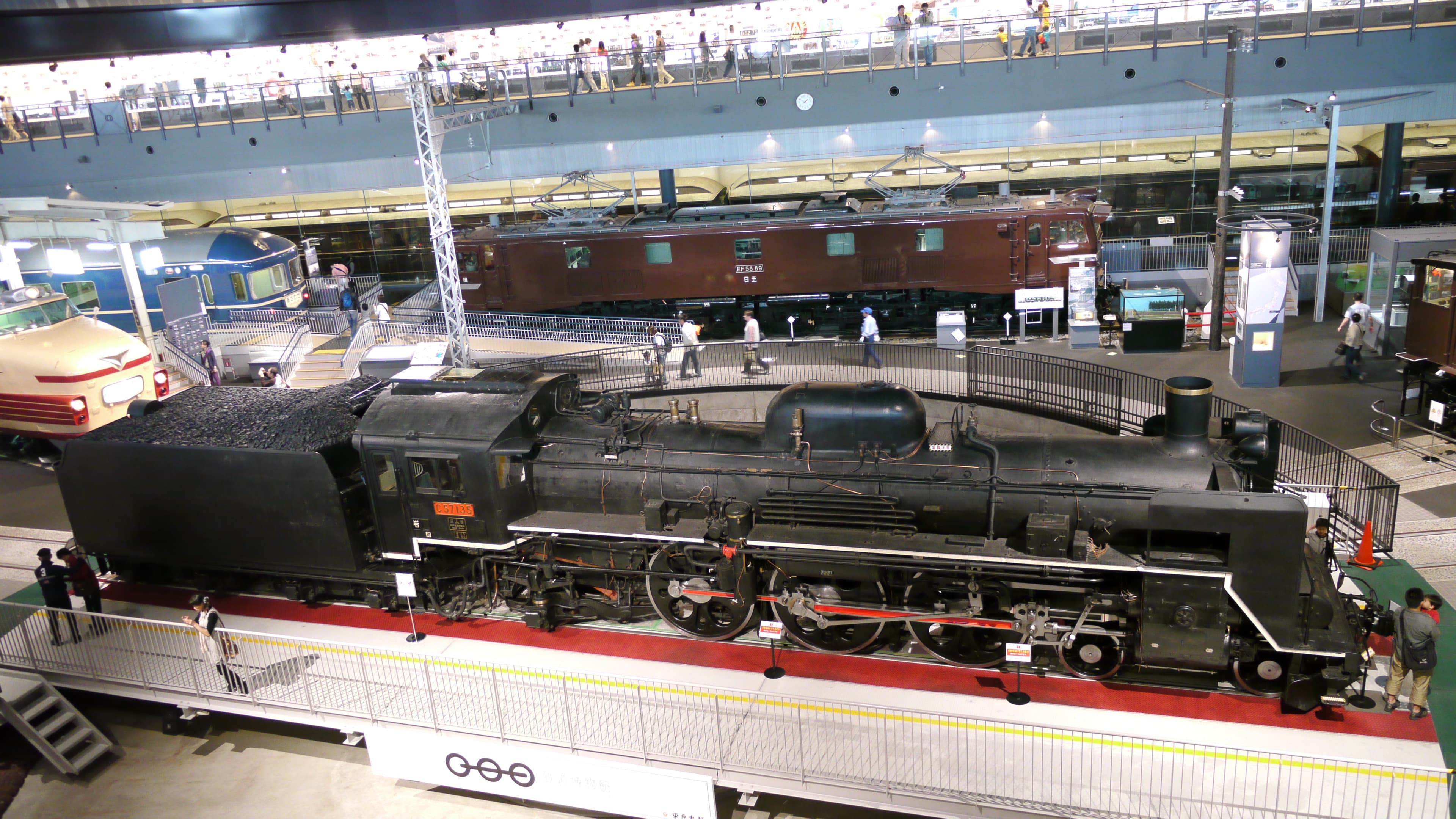
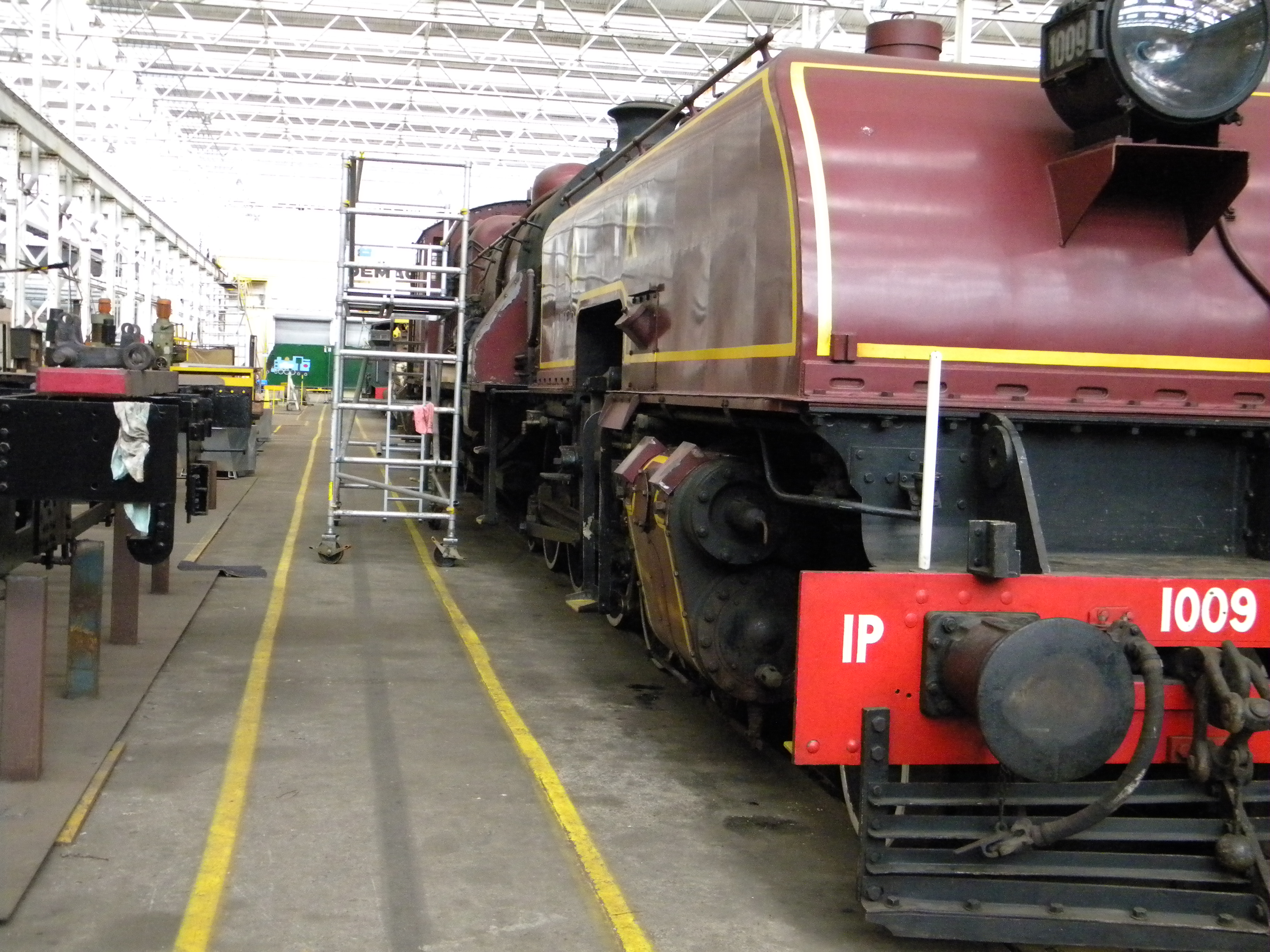
The former Boiler Shop is the signature shot — its vast industrial roof spans the museum's main locomotive line-up, including the Beyer-Garratt and the BB18¼ Pacifics. The 90 m² Queensland model railway rewards close-up and detail photography, and the in-layout cameras offer a perspective you cannot get with your own lens.
Outdoors, the heritage architecture of the 1880s–1900s workshop buildings, the 1911 Dining Hall, and the Ipswich Railway Workshops War Memorial (unveiled 1921) in front of it make strong subjects, as does the stainless-steel 'Marker' sculpture by Brad Nunn behind the Timekeeper's Office. Check current photography conditions on arrival, as restrictions can apply around working and restoration areas.
Featured Video
The Workshops Rail Museum @ Ipswich
Why Visit
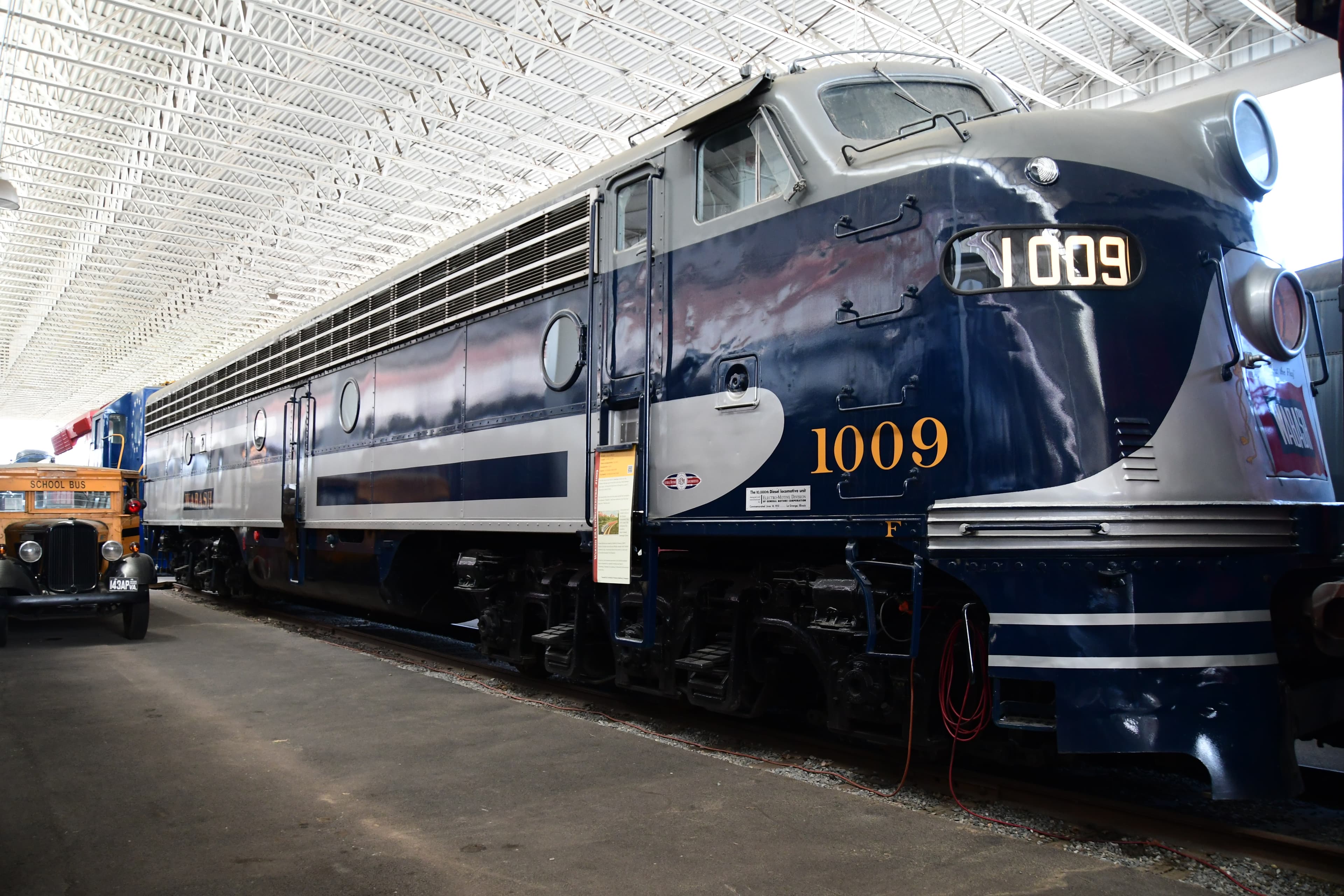
The museum's headline draw is Australia's oldest working steam locomotive — Queensland Railways A10 No. 6, built in 1865 (works number 1170) — alongside a deep collection of Queensland narrow-gauge (1,067 mm / 3 ft 6 in) motive power. Preserved locomotives on display include the sole surviving B18¼ No. 771 (built 1929), the articulated Beyer-Garratt No. 1009 (1950), BB18¼ Pacifics Nos. 1079 and 1089, C17 No. 974, and DL1 — the first diesel locomotive to enter service in Queensland, in 1939. The Vice Regal carriage, built at the workshops in 1903 for the Governor and visiting royalty, is also displayed.
For modellers, the museum is home to the largest model railway in Queensland — a 90 m² layout recreating scenes from across the state, with tiny on-board cameras that let visitors see the miniature world from a train's-eye view. Because the main exhibits sit inside the cavernous former Boiler Shop — where, in the 1950s, up to 24 locomotive boilers could be built or repaired at once — it is a genuine all-weather destination.
Railway-history enthusiasts can also trace where Queensland's locomotive-building industry began: the workshops built their first locomotive, the one-off A10 'Ipswich' class, in 1877, and the B17 'mail engine' of 1908 was the first locally designed locomotive constructed on site.
What to Expect
Entry is through the 1910 Timekeeper's Office — the original workers' entrance, where staff once collected their numbered brass 'check' discs each morning. Inside, exhibits are arranged in numbered zones (1–11 and 13–18) that mix large rolling stock with hands-on, multimedia and family-focused displays; the museum is laid out for children as well as adults, with interactive exhibits throughout.
Plan around two to three hours. Guided heritage tours run at intervals and go deeper into the site's history, and a free self-guided audio tour is available through the museum's app. There is an on-site café (the Dining Hall) and a museum shop selling railway-themed souvenirs. Some buildings remain a working maintenance facility for Queensland Rail and are off-limits to the public, though interior views of areas such as the former Bogie Shop can be glimpsed from behind safety fencing.
Crowds are heaviest during Queensland school holidays, when daily opening and special programming draw families; weekday mornings in term time are the quietest.
Best Time to Visit
Weekday mornings during school term are the quietest. Queensland school holidays bring the busiest crowds and the fullest program of family activities and guided tours. The museum normally opens daily 9:30am–4pm, closing only on Good Friday, Anzac Day, Christmas Day and Boxing Day.
Frequently Asked Questions
QIs Queensland Museum Rail Workshops open right now?
The museum is temporarily closed following a severe hailstorm on 26 October 2025, with roof and restoration work underway. Check the official Queensland Museum Rail Workshops website or its social channels for reopening updates before you visit.
QIs this the same place as The Workshops Rail Museum?
Yes. The museum was known for many years as The Workshops Rail Museum and has been rebranded Queensland Museum Rail Workshops; it remains part of the Queensland Museum Network at North Ipswich.
QHow long should I plan for a visit?
Most visitors spend about two to three hours. Allow extra time if you want to join a guided heritage tour or use the free self-guided audio tour available through the museum's app.
QWhat is the oldest locomotive on display?
The museum displays Australia's oldest working steam locomotive, Queensland Railways A10 No. 6, built in 1865. The collection also includes the only surviving B18¼ (No. 771) and the articulated Beyer-Garratt No. 1009.
QHow much does admission cost?
Under normal operations, general admission is A$14.50 adult, A$12.50 concession and A$11.50 child (3–15); children under 3 are free and a family ticket (2 adults + 2 children) is A$44.50. Tickets are sold via QTIX, on arrival or online.
QHow do I get there on public transport?
Take a Queensland Rail Ipswich-line train from Brisbane to Ipswich station, then TransLink bus route 515, which stops about 20 m from the museum on North Street. Free on-site parking is available if driving.
QIs it suitable for children?
Yes. The museum is laid out in themed zones with hands-on, interactive and multimedia exhibits aimed at families, plus Queensland's largest model railway.
How to Plan Your Visit
Season and Schedule
The museum normally opens daily from 9:30am to 4pm, but is temporarily closed following the 26 October 2025 hailstorm — check the official site for reopening dates.
- Operating Hours
- Open daily 9:30am–4pm (normal operations)
- Current Status
- Temporarily closed for storm/roof repairs (since 26 Oct 2025)
- Annual Closures
- Good Friday, Anzac Day, Christmas Day, Boxing Day
Ticket Information
General admission is ticketed through QTIX; tickets are available on arrival or online, and pre-booking is not required. Annual Pass holders enter free.
- Adult
- A$14.50
- Concession
- A$12.50
- Child (3–15)
- A$11.50
- Child under 3
- Free
- Family (2 adults + 2 children)
- A$44.50
Accessibility Details
Most exhibits are wheelchair-accessible and sensory kits are available for visitors who are blind or have low vision. Service animals are permitted.
What to Bring
Bring your ticket on your phone for scanning. To protect the collection, no food, drink, luggage or backpacks are permitted inside; free Wi-Fi is available on site.
Photography Tips
Personal photography is popular in the former Boiler Shop and around the model railway; confirm any restrictions on arrival, especially near working or restoration areas.
Traveling with Pets
Service animals only
The museum welcomes service dogs only: "in the interest of a safe and healthy visit for all guests and the protection of our state's historical collection, we ask you leave all other animals at home." No leash, size or outdoor-area exception is offered, and no separate rule is published for the on-site heritage train rides.
Verified — operator's pet policy
Travel Information
By Air
Brisbane Airport (BNE) is the nearest major airport, roughly 50 km (31 mi) northeast; from there it is about an hour by road to North Ipswich.
- Nearest Airport
- Brisbane (BNE) · ~50 km / 31 mi
By Train
Queensland Rail runs regular Ipswich-line services from Brisbane's Central and Roma Street stations to Ipswich station, where bus route 515 connects to the museum.
- Nearest Station
- Ipswich (then bus 515)
By Car
The museum is about 40 minutes by car from central Brisbane via the Ipswich Motorway and Warrego Highway, following the Cobb & Co Tourist Drive signs.
- From Brisbane CBD
- ~40 minutes
Parking
There is a free museum car park on North Street, North Ipswich, with a set-down area for drop-offs in front of the Ticket Office.
- Parking
- Free on-site car park
Local Transportation
TransLink bus route 515 departs Ipswich Train Station (Bell Street) and stops about 20 m from the museum on North Street.
- Bus
- TransLink route 515 from Ipswich Station
Nearby Lodging
Find places to stay near Queensland Museum Rail Workshops.
This lodging map is provided by Stay22, a third-party service that may set cookies. It loads only with your consent.
Accommodation results are provided by Stay22; we may earn a commission on bookings made through this map.
Nearby Attractions
- Ipswich Art Gallery2.5 km
Queensland's oldest regional art gallery, in the heart of the Ipswich CBD, with changing exhibitions, heritage displays and family programs.
- Ipswich Nature Centre (Queens Park)3 km
Free-entry wildlife centre in historic Queens Park, home to dingoes, bilbies, wallabies and a petting zoo, alongside the Japanese-themed Nerima Gardens.
- Nicholas Street Precinct2.5 km
Revitalised dining, retail and entertainment precinct in central Ipswich, including the pedestrian d'Arcy Doyle Place and Tulmur Place.
- Queensland Pioneer Steam Railway12 km
Volunteer-run heritage railway near Swanbank running vintage steam and diesel trains through the former West Moreton coal fields, south of Ipswich.
Official Resources
Photos

 Dbromage
CC BY-SA 3.0

Batsv
CC BY-SA 4.0

Reef Thomspon
CC BY-SA 4.0

Lobster1
CC BY-SA 3.0

Lobster1
CC BY-SA 3.0

Heritage branch staff
CC BY 3.0
Lobster1
CC BY-SA 3.0

Batsv
CC BY-SA 4.0
Help improve this page
Spotted something out of date or incorrect? Let our community know.
Explore more experiences: Browse all rail travel experiences.
Booking & Pricing
Price range
$11.5 – $14.5 AUD
Admission sold via QTIX (on arrival or online); Annual Passes available. NOTE: the museum has been temporarily closed since the 26 October 2025 hailstorm (roof damage); restoration is ongoing and no reopening date has been announced as of July 2026. Prices reflect normal operations — verify reopening before publishing.
Quick Information
Country
Region
City
Ipswich
Best Season
Because the main collection is housed indoors in the former Boiler Shop, the museum is a comfortable year-round, all-weather destination. Ipswich has a humid subtropical climate, so the cooler, drier months from about April to September are the most pleasant for exploring the outdoor heritage buildings and walking the complex.
Visit Duration
2–3 hours
Cost
Adult A$14.50, child (3–15) A$11.50, family (2+2) A$44.50; children under 3 free
Tags
Contact
+61 7 3432 5100