
Railway Experience
Sydney Tramway Museum
Australia's oldest tramway museum, where you can ride vintage Sydney trams into the Royal National Park.
Updated
About This Experience
The Sydney Tramway Museum at Loftus, on the southern fringe of Sydney, is Australia's oldest tramway museum and the largest in the Southern Hemisphere. Operated by the volunteer-run South Pacific Electric Railway Co-operative Society (SPER), it preserves and operates the vintage electric trams that were part of everyday Sydney life until the system closed in 1961. The museum traces its origins to 1950, when four enthusiasts — Norm Chinn, Robert Young, Ken McCarthy and Ben Parle — preserved Sydney L/P-class car 154. A site was established on the edge of the Royal National Park from 1957, trams ran for the public from 1965, and in 1988 the museum moved to its present home beside Loftus railway station.
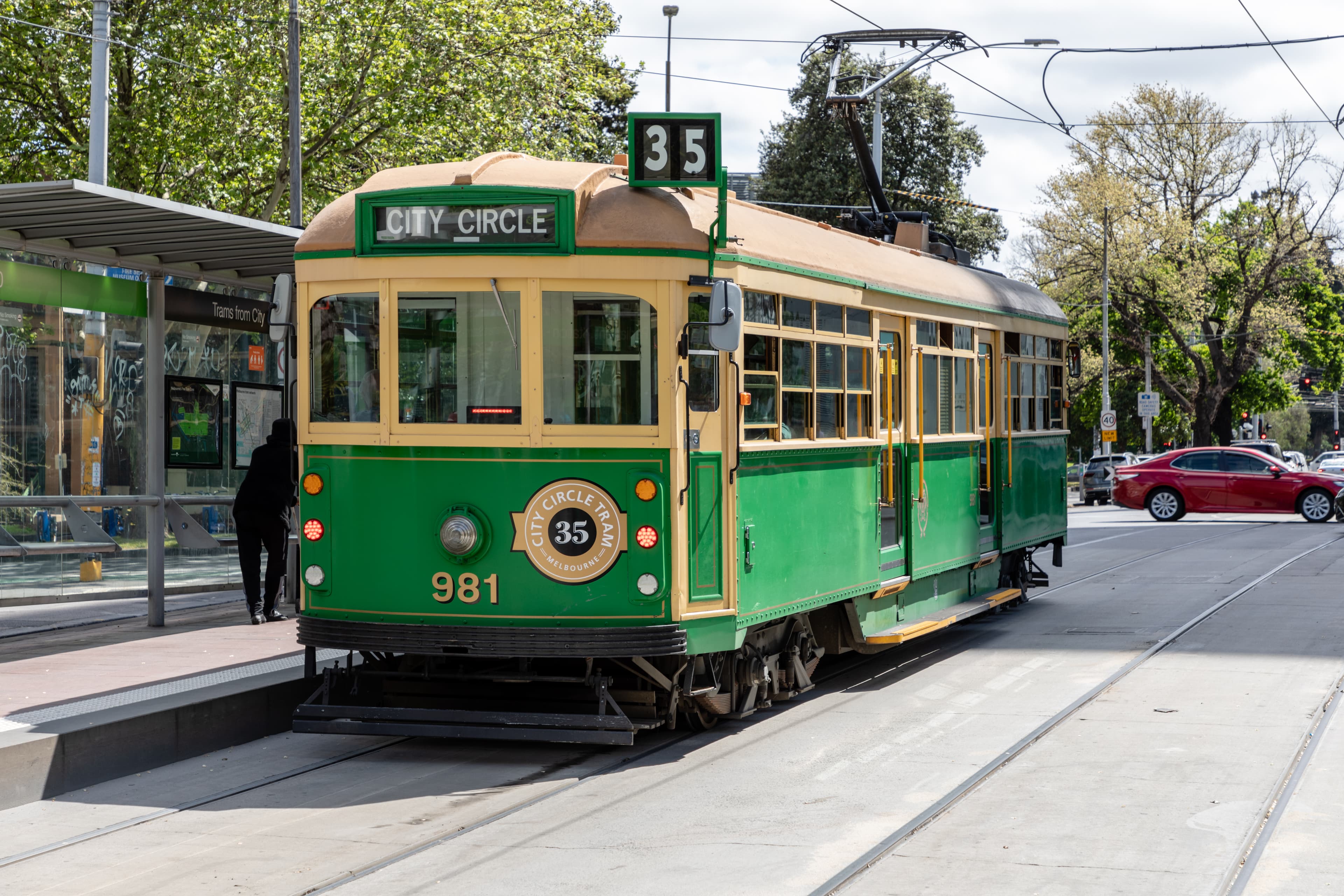
The operational collection spans Sydney cars built from 1896 to 1997. Standouts include C 290 of 1896 (Bignall & Morrison), the oldest operational electric tramcar in Australia; cross-bench "toastrack" O and P class cars; the R and R1 "corridor" cars that saw out the 1961 closure; and Variotram 2107 of 1997 from Sydney's first modern light rail line. Interstate trams from Brisbane, Melbourne, Ballarat and Adelaide sit alongside overseas cars from San Francisco (PCC "Torpedo" 1014), Nagasaki (1054), Berlin (5133) and Munich, letting visitors compare tramcar designs side by side.
Visitors ride about 4 km (2.5 mi) of track. One line runs roughly 1.5 km (0.9 mi) north toward Sutherland alongside Rawson Avenue, while a second runs about 2.5 km (1.6 mi) south over the former Royal National Park branch railway — opened in 1886, closed by CityRail in 1991 and converted to tramway operation in 1993 — terminating at Royal National Park station. The site also displays restored heritage structures, including the 1907 Railway Square waiting shed and a Victorian-Gothic YMCA sandstone facade rebuilt at the museum in 2000.
Photo Opportunities
The museum's recreated main street, with its 1899 overhead poles, vintage telephone and police boxes and the 1907 Railway Square waiting shed, gives a strong period backdrop. Trams running on the southern line are framed by the bushland of the Royal National Park, while the Sutherland line alongside Rawson Avenue echoes how parts of Sydney's street network once looked. The display hall offers weather-protected close-ups of the fleet. The running shed is off-limits to the public, so plan trackside and display-hall shots; the museum is also a popular film and wedding location (scenes from the 2018 film "Ladies in Black" were shot at the Railway Square shelter).
Featured Video
Sydney Tramway Museum | Sydney Weekender
Why Visit
Few places let you board and ride genuine early-20th-century electric trams, and here a single ticket buys unlimited rides on cars that once worked Sydney's streets. The fleet includes C 290 of 1896, Australia's oldest operational electric tramcar, and L/P 154 of 1900, which the museum describes as the oldest preserved tram in the Southern Hemisphere. Regular-service cars such as O 1111 (1912), P 1497 (1922) and R 1740 (1933) show how Sydney tram design evolved across the system's lifetime.
The overseas fleet is a draw in itself: San Francisco PCC "Torpedo" 1014, a 1987 bicentenary gift from Sydney's sister city and described as the last "Torpedo" PCC in original condition; Nagasaki 1054 (built 1952 by Niigata Iron Works); Berlin 5133 (1969); and a Munich car — a rare chance to compare American, Japanese, German and Australian trams in one place.
Because the southern line reuses the old Royal National Park branch, a ride here doubles as genuine heritage transport into the world's second-oldest national park, an experience no other Australian tram museum offers.
What to Expect
Plan for 2 to 3 hours. The museum is entirely volunteer-run and proudly hands-on: conductors issue paper tickets and you board and ride as often as you like during the day. The first tram leaves about 10:15am and then runs roughly hourly. Trams operate Wednesdays (10am–3pm) and Sundays (10am–5pm), plus public holidays except Christmas Day, and on selected weekdays during NSW school holidays.
Inside the display hall you can walk among trams not in service that day, while restored street furniture along the museum's main street — a vintage telephone box, a police box and overhead poles dating from 1899 — recreates the atmosphere of old Sydney. A souvenir shop, kiosk, picnic area and electric barbecues are provided on site.
The museum sits immediately next to Loftus railway station, making it one of the easiest heritage railways in Australia to reach without a car. Note that the public cannot enter the running shed for safety reasons, and that the trams, some up to 120 years old, have restricted access by design.
Best Time to Visit
Sundays give the longest operating window (10am–5pm) versus Wednesdays (10am–3pm). Watch the museum's events page for special days such as the winter "Trams After Dark" evening. Some cars run seasonally — the Brisbane "Dreadnought" 180 operates mainly in summer and the Melbourne Z2 111 mainly in winter — so check ahead if a particular tram is on your list. Arrive near opening to maximise unlimited rides within the day.
Frequently Asked Questions
QWhen is the Sydney Tramway Museum open?
The museum operates trams every Wednesday (10am-3pm) and Sunday (10am-5pm), plus most public holidays (except Christmas Day) and selected weekdays during NSW school holidays. The first tram departs about 10:15am, then roughly hourly.
QHow much does it cost, and can I pay online?
Admission is A$25 for adults, A$20 seniors/concession, A$12.50 for school children, and free for preschoolers; a family ticket (2 adults + 1 child) is A$62.50. One ticket covers the display hall and unlimited tram rides. The museum does not accept online or internet payments — pay on the day, or order prepaid gift vouchers by mail.
QHow long should I allow for a visit?
Plan for 2 to 3 hours. That allows time for unlimited rides on both tram lines plus a look through the display hall and the recreated heritage street.
QCan I ride the trams, and where do they go?
Yes — your ticket includes unlimited rides. The museum operates about 4 km of track: one line runs north toward Sutherland, and another runs south over the former Royal National Park branch railway to Royal National Park station, taking you into the park itself.
QIs it suitable for families and accessible visitors?
Yes. It is a hands-on, family-friendly attraction with a picnic area and barbecues. Most of the site is easily accessible and a boarding platform is provided, though the historic trams have restricted on-board access by design — the museum suggests calling ahead so staff can assist.
QHow do I get there by public transport?
Loftus station on the Sydney Trains T4 Illawarra line is right next to the museum, so it is easy to reach without a car.
How to Plan Your Visit
Season and Schedule
The museum runs trams every Wednesday and Sunday, plus public holidays (except Christmas Day) and selected NSW school-holiday weekdays. The first tram departs about 10:15am, then roughly hourly.
- Operating Hours
- Wed 10am-3pm; Sun & public holidays 10am-5pm (except Christmas Day)
- Last Entry
- Wed 2pm (last trip 2:30pm); Sun 3:30pm (last trip 4pm)
- Suggested Duration
- 2-3 hours
Ticket Information
One admission covers entry to the display hall and unlimited tram rides on both the museum and Royal National Park lines. Payment is on the day; the museum does not accept online or internet payments (prepaid gift vouchers are available by mail).
- Adults
- A$25
- Seniors / Concession
- A$20
- School Children
- A$12.50
- Preschool Children
- Free
- Family (2 adults + 1 child)
- A$62.50
Accessibility Details
Mobility-impaired visitors have easy access to most of the site, and a platform is provided to assist boarding. Because the trams themselves were designed up to 120 years ago, on-board access is restricted by their design; the museum recommends calling ahead so staff can prepare.
What to Bring
Bring cash, as online and internet payments are not accepted. Picnic supplies are worth packing — a picnic area and electric barbecues are provided — along with sun protection for the open-bench trams.
Photography Tips
Personal photography is welcome across the public areas, the display hall and trackside. The running shed is closed to the public for safety, so focus on the main street, the display hall and trams on the line.
Traveling with Pets
Service animals only
The museum states: "No animals, aside from accredited guide dogs, are permitted on the grounds of the Museum or on the trams on ordinary operating days." The ban covers both the site and the vehicles. The phrase "on ordinary operating days" hints at possible special-event exceptions, but none are published.
Verified — operator's pet policy
Travel Information
By Air
Sydney Kingsford Smith Airport is about 30 km (19 mi) north. From there, drive via the Princes Highway or take a train to Loftus on the T4 Illawarra line.
- Nearest Airport
- Sydney Kingsford Smith (SYD), ~30 km / 19 mi N
By Train
Loftus station, on the Sydney Trains T4 Illawarra line, is immediately next to the museum — one of the easiest heritage railways in Australia to reach by public transport.
- Nearest Station
- Loftus (T4 Illawarra line), adjacent
By Car
The museum is at the corner of Rawson Avenue (Old Princes Highway) and Pitt Street, Loftus, just off the Princes Highway.
Parking
Parking is not permitted inside the museum site on tram-operating days. Nearby street parking is available on Pitt Street (between the museum and TAFE) and along Rawson Avenue.
Local Transportation
From the museum, the southern tram line (Parklink) runs into the Royal National Park, providing a heritage connection to the park's walking tracks and picnic areas.
Nearby Lodging
Find places to stay near Sydney Tramway Museum.
This lodging map is provided by Stay22, a third-party service that may set cookies. It loads only with your consent.
Accommodation results are provided by Stay22; we may earn a commission on bookings made through this map.
Nearby Attractions
- Royal National Park5 km
The world's second-oldest national park (gazetted 1879). The museum's southern tram line runs into the park over the former railway branch, giving direct heritage access to its walking tracks, picnic areas, beaches and Hacking River.
- Loftus Loop Trail2 km
A 10 km mountain-bike loop in the Royal National Park winding around Loftus Oval, crossing the heritage tramway (trams have right of way). Starts from the NPWS office on Farnell Avenue.
- Ironbark Flat Picnic Area, Audley6 km
A large riverside picnic area in the Audley precinct of the Royal National Park, with barbecues, the Audley Dance Hall Cafe nearby and access to boat hire on the Hacking River.
- Westfield Miranda5 km
One of Sydney's largest shopping centres, a short drive north of the museum in Miranda, with extensive dining and retail — handy for combining with a museum visit.
Photos

 Newtown grafitti
4

Newtown grafitti
4

Newtown grafitti
4

Newtown grafitti
4

Newtown grafitti
4

Newtown grafitti
4

Newtown grafitti
4

Newtown grafitti
4
More Videos
Visiting the Sydney Tramway Museum
Help improve this page
Spotted something out of date or incorrect? Let our community know.
Explore more experiences: Browse all rail travel experiences.
Booking & Pricing
Price range
$12.5 – $25 AUD
Admission covers the display hall and unlimited tram rides on both lines. Concession A$20, school children A$12.50, preschoolers free, family (2 adults + 1 child) A$62.50. No online/internet payments — pay on the day. A separate Parklink return fare (A$10 adult / A$5 child-concession) is available for Royal National Park-only travel.
Quick Information
Country
Region
City
Loftus
Best Season
The museum is open year-round on Wednesdays and Sundays (and most public holidays), so any season works. Trams run rain or shine, and the indoor display hall makes it a reliable wet-weather outing. Sydney's mild autumn and spring are the most comfortable months for the open-bench "toastrack" cars and for combining a visit with a walk in the adjacent Royal National Park.
Visit Duration
2-3 hours
Cost
Adults A$25; concession A$20; school children A$12.50; preschool free; family (2 adults + 1 child) A$62.50
Tags
Contact
(02) 9542 3646
enquiries@sydneytrams.org.au