
Railway Experience
National Railway Museum, Port Adelaide
Australia's largest undercover railway museum, housing over 100 exhibits spanning all three Australian rail gauges — narrow, standard, and broad — on a historic 3.5-hectare site in Port Adelaide's heritage precinct, with operational heritage train rides and an unrivalled collection from South Australian Railways, Commonwealth Railways, and Australian National.
Updated
About This Experience
The National Railway Museum in Port Adelaide is the largest undercover railway museum in Australia, and it holds a distinction that makes it unique on the global railfan map: it is home to the world's largest triple-gauge railway collection. Situated on a 3.5-hectare site within Port Adelaide's historic heritage precinct, the museum displays more than 100 major exhibits drawn primarily from South Australian Railways (SAR), Commonwealth Railways, and their successor, Australian National. The collection spans the full spectrum of Australia's complex gauge history — narrow gauge (1,067 mm), standard gauge (1,435 mm), and broad gauge (1,600 mm) — all represented on-site with physical track and rolling stock.
The museum is housed within two enormous fully enclosed pavilions and an 1878 heritage-listed goods shed that is the only remaining intact building from the original Port Dock railway station complex. This goods shed, a grand industrial structure featuring massive timber beams, reflects the economic prosperity of colonial South Australia and serves as both exhibit space and living artefact. The dual-pavilion layout means nearly the entire collection is protected from the elements, making this an exceptional wet-weather destination and ensuring exhibits remain in excellent condition for photography.
The story of this museum begins in 1963, when a group of dedicated rail preservationists persuaded the South Australian Railways Commissioner to set aside land near the Mile End locomotive depot for a small collection of withdrawn steam locomotives. The first locomotive arrived in 1964, and the Mile End Railway Museum opened to the public in 1970. However, with most exhibits exposed to the weather, a new home was sought. In 1987, a $2 million Australian Bicentennial grant funded the transformation of the former Port Dock goods terminal on Lipson Street into a world-class museum facility. The collection moved from Mile End in January 1988, reopening eleven months later as the Port Dock Station Railway Museum. A further milestone came in 2001, when Centenary of Federation funding enabled construction of a dedicated Commonwealth Railway Museum wing within the precinct. At its opening, Deputy Prime Minister and renowned rail enthusiast Tim Fischer, AC, christened the expanded complex the National Railway Museum — the name it carries today.
For the railfan, the museum offers an extraordinarily rich documentation of Australian railway engineering and social history. You will walk among locomotives that once hauled The Overland, ride in carriages that crossed the Nullarbor, and explore the Tea and Sugar Train — the legendary mobile supply service that sustained remote railway communities for decades. The museum also manages an extensive photographic archive and historical records from South Australian Railways and Commonwealth Railways, accessible to researchers by appointment. Since 1982, the museum has published Catch Point Magazine, a bi-monthly, full-colour, 48-page publication covering railway operations primarily in South Australia, making it a valuable resource for enthusiasts wanting to deepen their knowledge before or after a visit.
Photo Opportunities
The National Railway Museum offers outstanding photographic opportunities for railway enthusiasts. The two enclosed pavilions provide consistent, diffused lighting that works well for interior shots of locomotives and rolling stock throughout the day, eliminating the harsh shadow problems common at outdoor railway museums. The 1878 heritage goods shed creates a particularly atmospheric backdrop, with its massive timber beams and industrial character lending a period-authentic quality to photographs of the oldest exhibits.
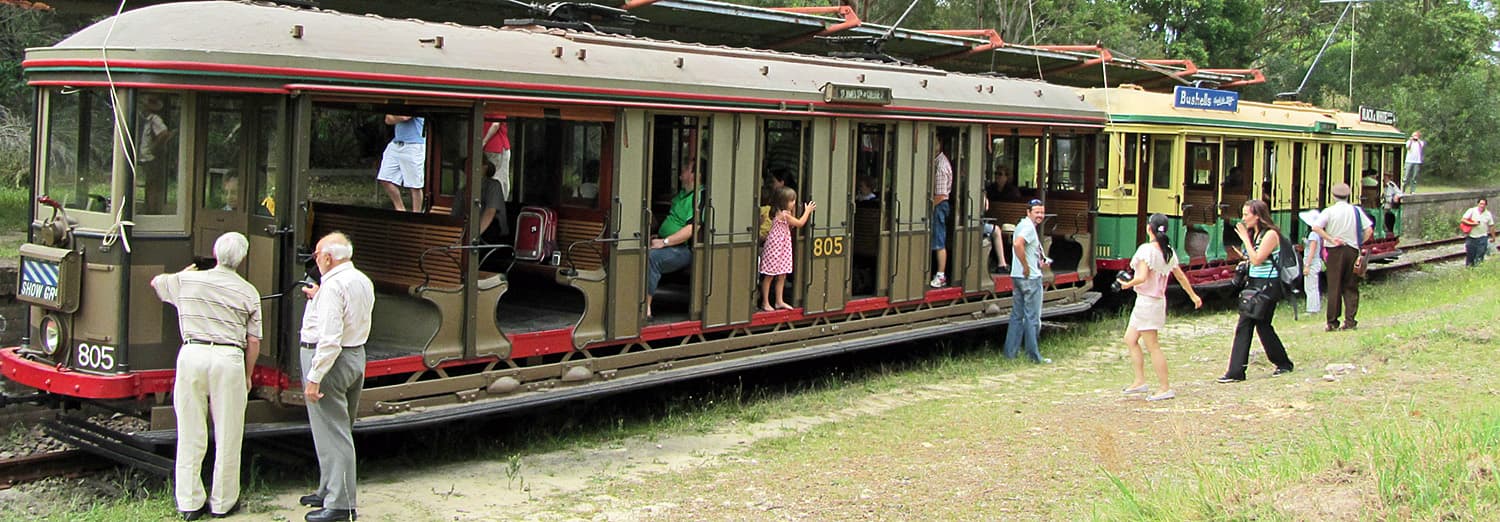
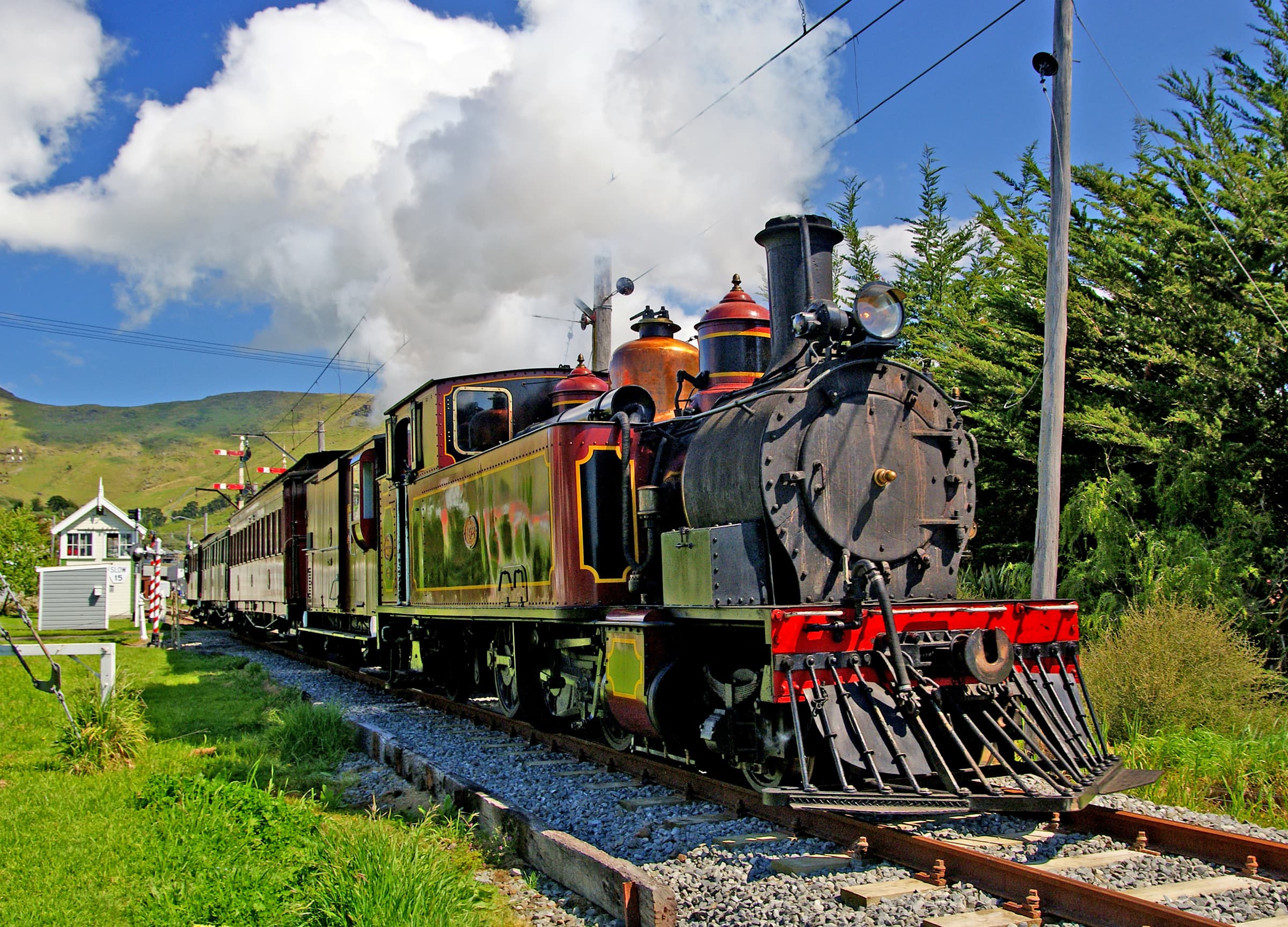
Outside, the museum grounds feature operational track in all three Australian gauges, providing opportunities to photograph heritage rolling stock in an outdoor setting with natural light. The miniature railway that circles the museum grounds offers dynamic action shots, particularly appealing when families and children are aboard — useful for editorial or social media content. For more dramatic live-rail photography, the Semaphore and Fort Glanville Tourist Railway (operating October–April) runs steam-hauled open carriages along a 2 km coastal route between Semaphore Jetty and Fort Glanville, with the beach and sand dunes as a backdrop — an unusual and photogenic combination of steam railway and seaside scenery.
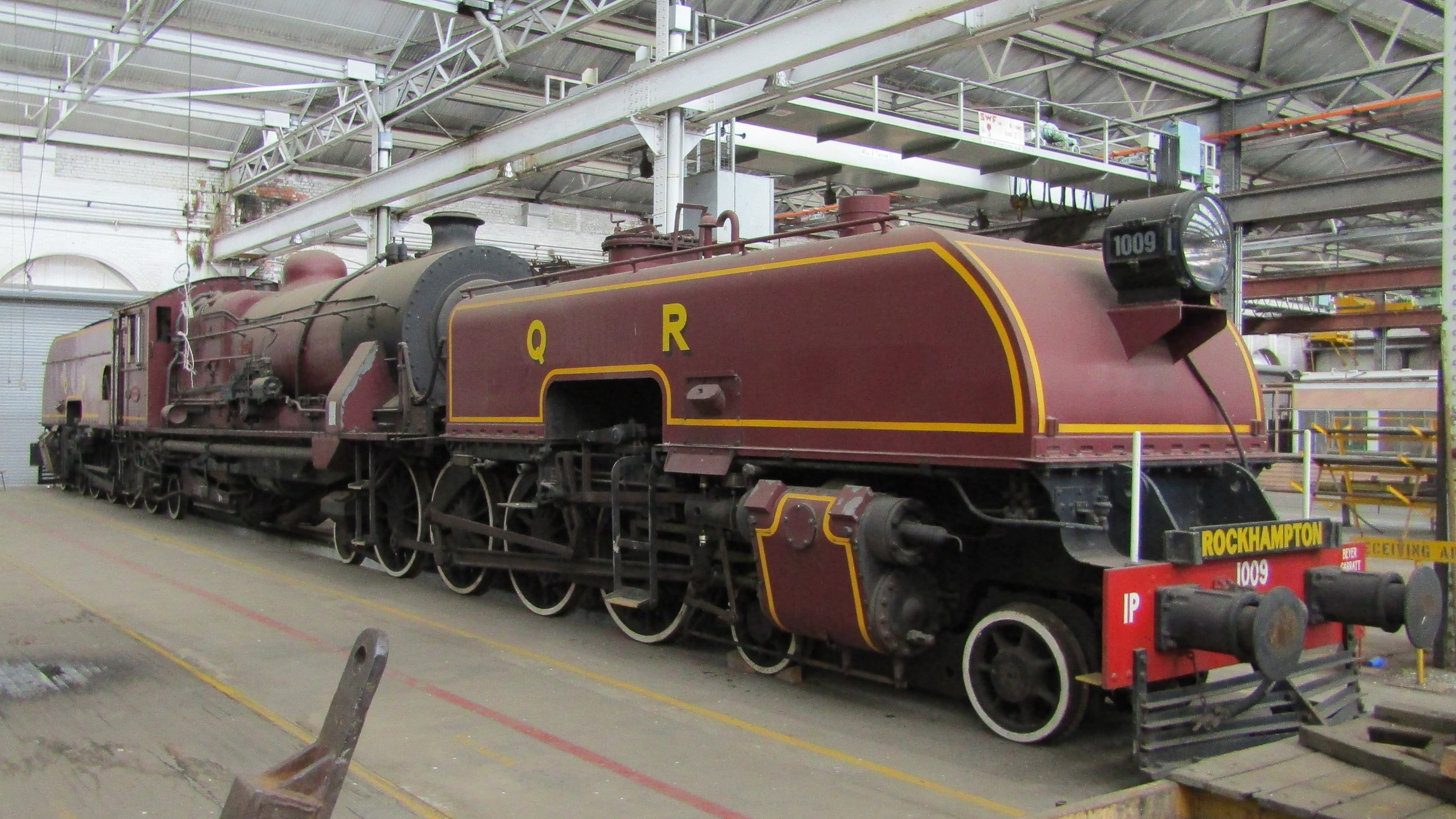
Key subjects for photography include the imposing SAR 500 Class No. 504 steam locomotive (one of the largest engines to operate in Australia when introduced in 1926), the Commonwealth Railways G Class No. 1 (which entered service on the Trans-Australian Railway in 1914), and the SAR 900 Class No. 900 Lady Norrie — Australia's first mainland mainline diesel-electric locomotive, launched in 1951. The Tea and Sugar Train carriages, including the pay car, provisions van, and butcher's van, are richly detailed interiors that reward close-up photography. Royal carriages on display offer ornate period fittings. The museum's professional model railway layout is another photographic subject that appeals to modellers and enthusiasts alike.
Why Visit
The National Railway Museum in Port Adelaide deserves a place on every serious railfan's itinerary for several compelling reasons. First, the triple-gauge collection is unique: no other museum in the world houses such a comprehensive representation of narrow, standard, and broad gauge rolling stock under one roof, telling the story of Australia's famously complex and historically divisive gauge decisions through the actual machines that ran on those tracks.
Second, the historical breadth is exceptional. The collection spans from 19th-century colonial-era equipment through the golden age of steam, the diesel transition of the 1950s, and into the era of nationalisation under Australian National. Landmark locomotives like the SAR 500 Class No. 504 (Armstrong Whitworth-built, 1926), Commonwealth Railways G Class No. 1 (1914), and SAR 900 Class Lady Norrie (Australia's first mainland mainline diesel-electric, 1951) are not just display pieces but pivotal chapters in Australian rail history.
Third, the Tea and Sugar Train exhibit is genuinely unique to this museum. This legendary weekly supply train served isolated railway communities along the Trans-Australian Railway for decades, operating as a mobile town with a butcher, baker, and general store on rails. The museum preserves several original carriages with interpretive displays that bring this remarkable social history to life — there is simply nowhere else in the world to experience this story in such tangible form.
Fourth, the combination of indoor and outdoor experiences sets this museum apart. The undercover pavilions ensure a high-quality visit regardless of weather, while seasonal heritage train operations along the Semaphore coast add a live-steam dimension. For the railfan photographer, the variety of settings — atmospheric heritage buildings, controlled indoor lighting, outdoor gauge displays, and a working coastal steam railway — offers exceptional range within a single destination.
Finally, Port Adelaide's broader heritage precinct adds value. The South Australian Maritime Museum, South Australian Aviation Museum, and the walkable harbourside area with historic pubs and cafés make this a full-day or multi-day destination for transport and history enthusiasts.
What to Expect
Upon arrival, you enter through the main pavilion where ticketing, the museum shop, and orientation displays are located. The shop carries railway books, models, and memorabilia that will be of interest to collectors and enthusiasts. From here, the museum unfolds across two large pavilions and the outdoor grounds.
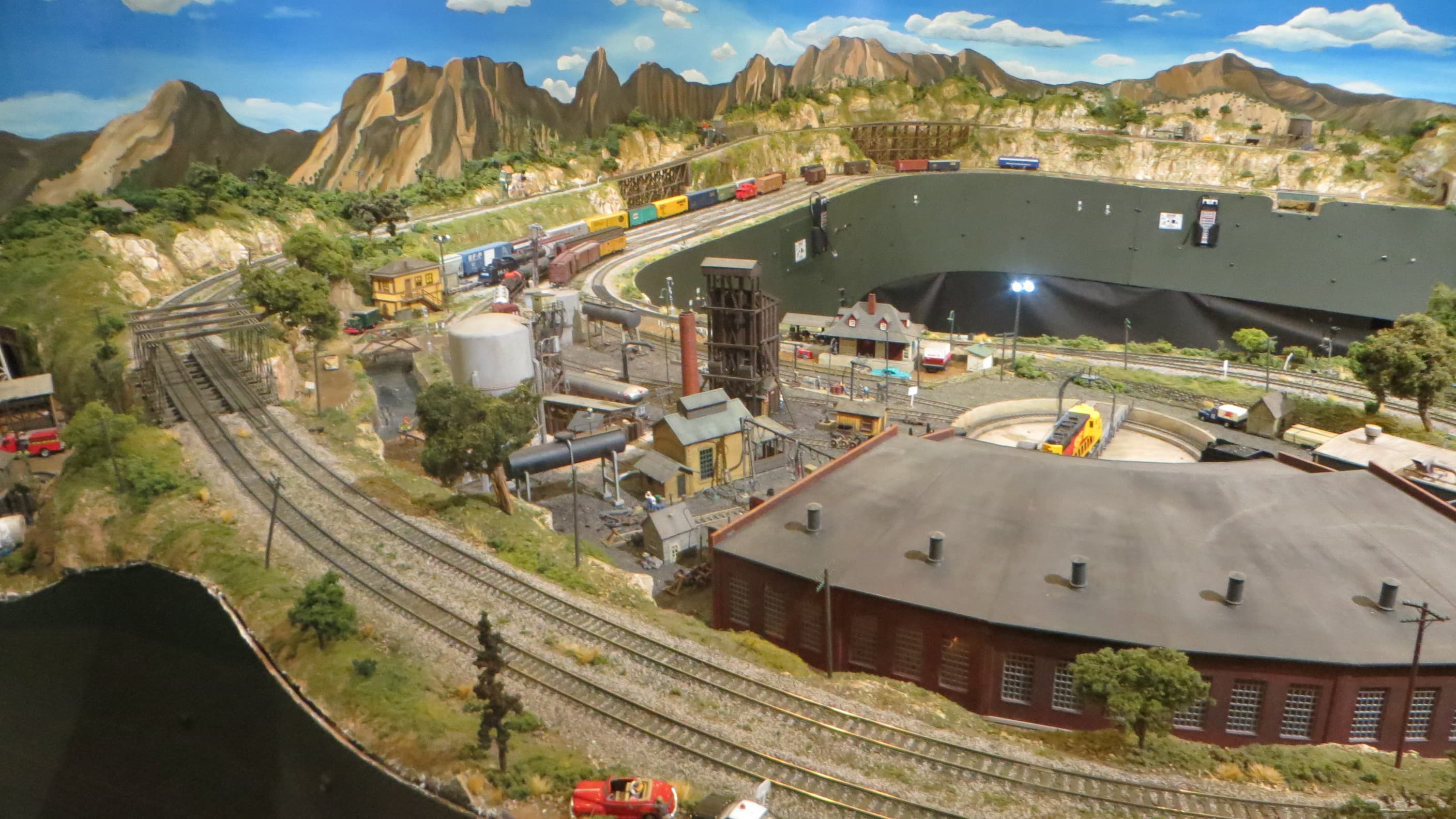
The first pavilion houses the core South Australian Railways collection, including steam and diesel locomotives, passenger carriages, royal carriages, brake vans, and maintenance vehicles. A theatrette presents documentary content about South Australian railway history. The professional model railway layout, featuring detailed South Australian scenes, operates at scheduled times and is a highlight for modelling enthusiasts. A train simulator provides an interactive driving experience.
The second pavilion, the Commonwealth Railway Museum wing opened in 2001, focuses on Commonwealth Railways and Australian National exhibits. This is where you will find the Tea and Sugar Train carriages — the pay car, provisions van, butcher's van, and relay brake van — which you can climb aboard and explore. Vehicles from The Ghan and the Trans-Australian Railway are also housed here, contextualising the epic rail journeys that defined outback Australia.
The heritage-listed 1878 goods shed, original to the Port Dock station site, provides additional exhibit space within an authentic railway building. The massive timber-beam construction and industrial character of this building are worth attention in their own right.
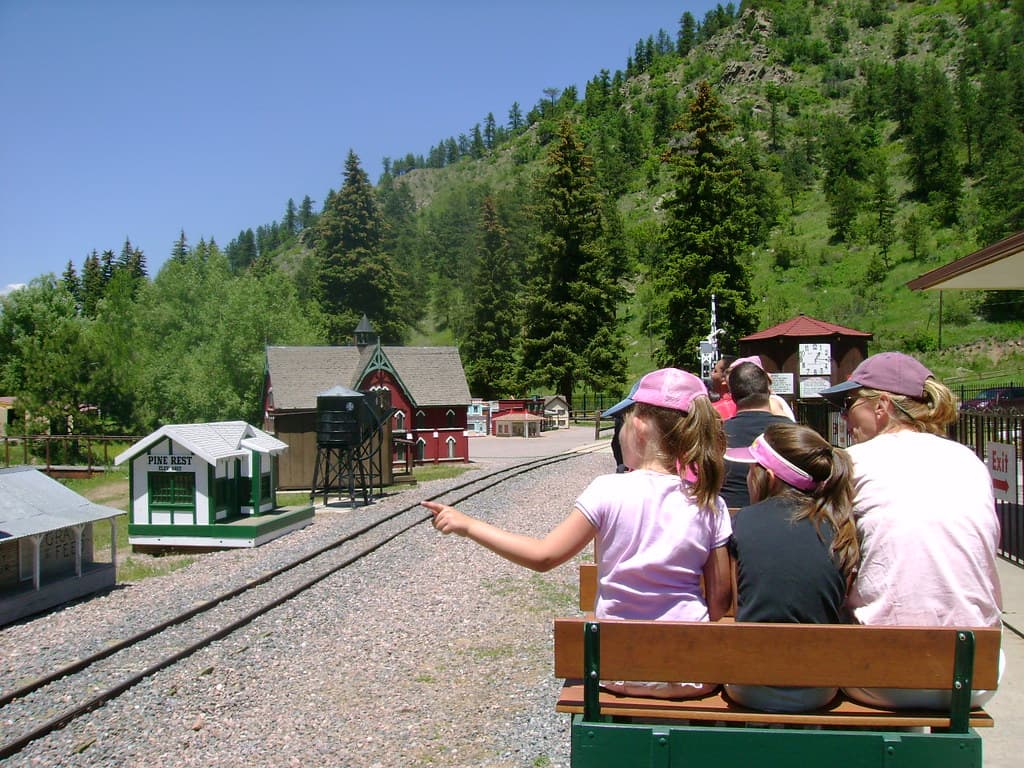
Outdoors, the museum grounds feature track in all three Australian gauges, operational heritage vehicles, and the miniature railway (457 mm gauge) that loops the grounds from Callington Station. The ride is included with admission and runs continuously throughout opening hours. Volunteers, many of them retired railway workers, operate throughout the museum and are a knowledgeable resource — don't hesitate to ask questions, as they often have first-hand operational experience with the equipment on display.
The museum atmosphere is relaxed and unhurried. Crowds are typically modest except on special event days, giving photographers and enthusiasts space to examine exhibits closely. The volunteer-run nature of the museum gives it a warm, community feel that contrasts with larger institutional museums.
Frequently Asked Questions
QIs the National Railway Museum suitable for young children?
Yes, the museum is very family-friendly. All admission tickets include unlimited rides on the miniature train, which departs from Callington Station within the museum grounds. Interactive displays throughout the museum, particularly in the Tea and Sugar Train carriages, are designed to engage younger visitors. The Semaphore heritage train ride (seasonal) is also popular with families.
QCan I ride a real train at the museum?
There are two train ride experiences. The miniature train runs daily within the museum grounds and is included with admission. The Semaphore and Fort Glanville Tourist Railway offers a 30-minute, 4 km return journey on 457 mm gauge track along the coast from Semaphore Jetty to Fort Glanville. The Semaphore train operates Sundays and public holidays from October to April, and daily during school holidays (except Tuesdays and Thursdays). Steam trains depart roughly hourly between 11 am and 4 pm. Note that the Semaphore train is a separate experience located a short drive from the museum, is EFTPOS-only (no cash accepted), and will not operate if the forecast temperature exceeds 33°C.
QHow long should I allow for a visit?
Plan 3 to 5 hours for a thorough visit. Serious railfans and photographers may want to allow a full day, particularly if combining the museum with the Semaphore heritage train ride. The museum archive is accessible by appointment for researchers who wish to consult the photographic collection and railway records.
QIs the museum accessible for people with mobility challenges?
The museum's pavilions are at ground level and the site is generally flat, making most of the indoor collection accessible. Some heritage rolling stock may have steep steps for boarding. Contact the museum directly at +61 8 8341 1690 or info@nrm.org.au to discuss specific accessibility requirements before your visit.
QWhat happened with the new Port Dock railway station?
In 2022, the South Australian government committed $51 million for a new Port Dock Railway Line with a station and bus interchange at Baker Street, directly adjacent to the National Railway Museum. The station opened on 25 August 2024. This makes reaching the museum by public rail more convenient than ever, with the museum just a 3-minute walk from the new station.
How to Plan Your Visit
Season and Schedule
The National Railway Museum is open daily except on Christmas Day, with specific hours and operations for the Semaphore and Fort Glanville Tourist Railway. Visitors are encouraged to come on Sundays between October and April for the best experience.
- Open Days
- Every day except Christmas Day
- ANZAC Day Opening
- Opens from 12 pm
- Tourist Railway Season
- October to April
- Steam Departures Frequency
- Roughly hourly between 11 am and 4 pm
- Cancellation Condition
- If Adelaide forecast temperature reaches 33°C or higher
Ticket Information
The National Railway Museum in Port Adelaide offers various admission options and includes unlimited rides on the miniature train. Additional experiences and group bookings are available.
- Adult Admission
- AUD $19
- Concession Admission
- AUD $12
- Family Admission
- AUD $44
- Miniature Train Rides
- Unlimited
- Semaphore Railway Payment
- EFTPOS only; cash not accepted
Accessibility Details
The National Railway Museum in Port Adelaide offers good accessibility for wheelchairs and mobility aids, though some areas may present challenges. Visitors are encouraged to contact the museum for specific accessibility needs before their visit.
- Accessibility
- Good access for wheelchairs and mobility aids
- Heritage Rolling Stock
- Steep original steps and narrow doorways may limit access
- Miniature Railway
- Can accommodate most visitors, confirm requirements when purchasing tickets
- Accessible Parking
- Available adjacent to the museum
- Contact
- +61 8 8341 1690 or info@nrm.org.au
What to Bring
Visitors to the National Railway Museum in Port Adelaide should prepare for a large site with both indoor and outdoor exhibits. Comfortable walking shoes and sun protection are recommended, along with a camera for capturing details and a picnic if visiting with children.
- Site Size
- 3.5 hectares
- Recommended Footwear
- Comfortable walking shoes
- Camera Recommendation
- Wide-angle lens and detail lens
- Sun Protection
- Hat, sunscreen, sunglasses
- Water
- Advisable, particularly in warmer months (October to April)
- Picnic Option
- Suitable grounds for a picnic
Photography Tips
For interior photography at the National Railway Museum, use a wide-angle lens and shoot during mid-morning for optimal lighting, while darker areas may require a higher ISO or tripod. For exterior shots, aim for early morning or late afternoon to capture the golden-hour light, and consider positioning yourself along the Esplanade for dramatic compositions of the Semaphore heritage train.
- Interior photography
- The pavilions provide even, diffused lighting from high roof panels. A wide-angle lens (16–35 mm equivalent) is essential for capturing full locomotive profiles within the enclosed spaces. Shoot during mid-morning for the best ambient light levels. The goods shed interior is darker, so increase ISO or use a tripod for sharp images.
- Exterior photography
- The outdoor gauge displays and heritage rolling stock benefit from early morning or late afternoon golden-hour light, which also minimises harsh shadows under the South Australian sun.
- Semaphore heritage train
- Position yourself along the Esplanade or among the sand dunes near Fort Glanville for dramatic steam-against-ocean compositions. The open carriages allow excellent on-board photography during the ride. Arrive early at Semaphore Jetty to photograph the locomotive being prepared before the first departure.
- General tips
- Flash photography may be restricted near delicate exhibits — check with staff. The miniature railway offers action shots — use a shutter speed of at least 1/500s to freeze motion. Builder's plates, serial numbers, and mechanical details on the underside of carriages reward macro or close-up photography and are valuable for documentation purposes.
Traveling with Pets
Depends on the service
The museum site and the train it runs have different rules, and the operator says so plainly: "Sorry, only support dogs are allowed on the Museum site. Dogs are allowed on the Semaphore Train, but must be on a lead and under full control. Dogs travel free." So a leashed dog can ride the Semaphore & Fort Glanville tourist train but cannot enter the museum grounds.
Verified — operator's pet policy
Travel Information
By Air
Adelaide Airport is the nearest major airport to Port Adelaide, providing access to both domestic and international flights. Travel options from the airport include taxis, rideshare services, and buses.
- Nearest Airport
- Adelaide Airport (ADL)
- Distance to Airport
- 12 km (7.5 miles)
- Travel Time by Car
- 20 minutes
- Domestic Flights
- All major Australian cities
- International Services
- New Zealand, Southeast Asia, Middle East
- Public Transport Options
- Taxi, rideshare, bus to Adelaide city, train to Port Dock station
By Train
The National Railway Museum is accessible by train from Adelaide, with a dedicated station nearby. The museum is a short walk from Port Dock station or a 15-minute walk from Port Adelaide station.
- Train Operator
- Adelaide Metro
- Line
- Outer Harbour line
- Port Dock Station Opening Date
- 25 August 2024
- Port Dock Station Distance
- 3-minute walk
- Port Adelaide Station Distance
- 15-minute walk
- Train Frequency
- approximately every 30 minutes
By Car
The National Railway Museum in Port Adelaide can be accessed by car from Adelaide CBD or the airport. The drive takes approximately 20 minutes from both locations.
- Distance from Adelaide CBD
- 14 km
- Travel Time from Adelaide CBD
- 20 minutes
- Travel Time from Adelaide Airport
- 20 minutes
- Location
- Lipson Street, Port Adelaide
Parking
The National Railway Museum in Port Adelaide offers free parking options nearby. The parking area can accommodate larger vehicles and overflow parking is available during busy times.
- Parking Availability
- Free parking available
- Parking Location
- Adjacent on Lipson Street and nearby streets
- Vehicle Accommodation
- Can accommodate larger vehicles including campervans
- Overflow Parking
- Available in surrounding Port Adelaide streets on busy days or special events
- Parking Fee
- No parking fee
Local Transportation
The National Railway Museum in Port Adelaide is conveniently located near several attractions and offers various transportation options for visitors. The museum is accessible by walking, cycling, and public buses.
- Walking Distance to South Australian Maritime Museum
- 800 metres
- Hart's Mill Cycle and Walk Loop Path Length
- 3.5 km
- Bus Routes from Commercial Road
- 117, 118, 150, 230, 232, 252, 254, 350, 261, 361
- Most Direct Bus Route from Adelaide City
- 150
- Distance to Semaphore Jetty
- approximately 4 km
Nearby Lodging
Find places to stay near National Railway Museum, Port Adelaide.
This lodging map is provided by Stay22, a third-party service that may set cookies. It loads only with your consent.
Accommodation results are provided by Stay22; we may earn a commission on bookings made through this map.
Nearby Attractions
- South Australian Maritime Museum0.8 km
Located approximately 800 metres from the National Railway Museum in Port Adelaide's heritage precinct, the Maritime Museum tells the story of South Australia's maritime history through exhibits on shipping, migration, and the Port Adelaide waterfront. A natural companion visit for transport enthusiasts.
- South Australian Aviation Museum2 km
Situated in Port Adelaide, this volunteer-run museum houses a collection of military and civilian aircraft, engines, and aviation memorabilia. Together with the Railway and Maritime museums, it completes a trio of transport museums within the Port Adelaide area.
- Semaphore Beach and Jetty4 km
The departure point for the Semaphore and Fort Glanville Tourist Railway heritage steam train ride. Semaphore is a charming beachside suburb with a historic jetty, amusement arcade, and café-lined Semaphore Road. A pleasant place to combine a heritage train ride with seaside relaxation.
- SteamRanger Heritage Railway35 km
Based at Mount Barker in the Adelaide Hills, SteamRanger operates heritage steam and diesel train services through the scenic Adelaide Hills and Fleurieu Peninsula down to Victor Harbor. For railfans wanting more live-steam action beyond the museum, SteamRanger offers a full main-line heritage experience. Operates on selected days — check their website for schedules.
- Fort Glanville Historic Site4 km
A restored 19th-century coastal fortification near Semaphore, accessible via the heritage tourist railway or by road. The fort was built in 1878 to defend Port Adelaide and offers guided tours on selected days. Its proximity to the tourist railway terminus makes it an easy add-on.
Official Resources
Photos

 Yu Chu Chin
CC BY-SA 4.0

Yu Chu Chin
CC BY-SA 4.0

Yu Chu Chin
CC BY-SA 4.0

RegionVisitor90
CC0

Yu Chu Chin
CC BY-SA 4.0

Yu Chu Chin
CC BY-SA 4.0

Yu Chu Chin
CC BY-SA 4.0

Yu Chu Chin
CC BY-SA 4.0
Help improve this page
Spotted something out of date or incorrect? Let our community know.
Explore more experiences: Browse all rail travel experiences.
Booking & Pricing
Price range
$7 – $44 AUD
Adulte 19 $ ; concession 12 $ (carte senior/étudiant/health care) ; enfant 5-15 ans 7 $ (accompagné d'un adulte) ; famille (2 adultes + jusqu'à 3 enfants) 44 $. Inclut un tour de petit train sur place. Groupes (min 10) : adulte 12 $, concession 7 $, enfant 5 $, aidants gratuits. Peut varier lors d'événements spéciaux. Vérifié sur nrm.org.au, juillet 2026.
Quick Information
Country
Region
City
Port Adelaide
Best Season
October to April is the best time to visit. During these months the Semaphore and Fort Glanville Tourist Railway operates its scenic heritage train rides on Sundays, public holidays, and school holidays, adding a memorable live rail experience to the museum visit. The museum itself is open year-round, every day except Christmas Day (and from 12 pm on ANZAC Day), so a winter visit still offers the full indoor collection — just without the coastal heritage ride. Adelaide's mild Mediterranean climate means comfortable museum-going temperatures throughout the year, though summer days above 33°C will cancel Semaphore train operations for safety.
Visit Duration
3–5 hours
Cost
AUD $19 per adult (concession $12, family $44)
Tags
Contact
+61 8 8341 1690
info@nrm.org.au