
Railway Experience
Yurikamome (Tokyo Waterfront New Transit Line)
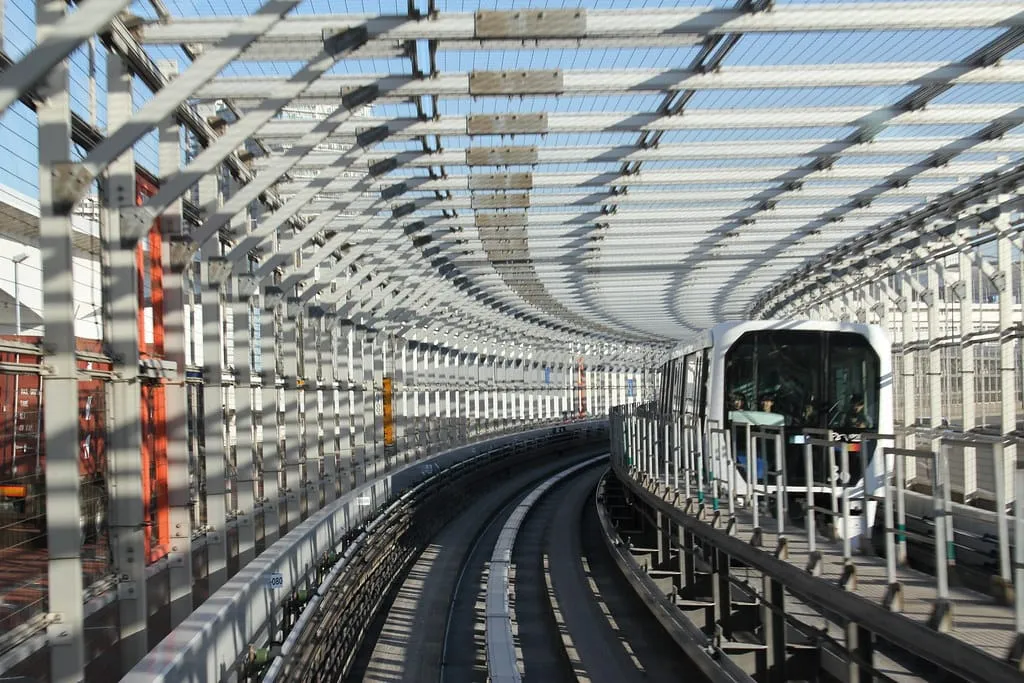
A driverless train crossing Tokyo’s Rainbow Bridge in a 270-degree loop for panoramic views of the bay and skyline.
Updated
See everything in Tokyo23 live cams · 1 experienceAbout This Experience
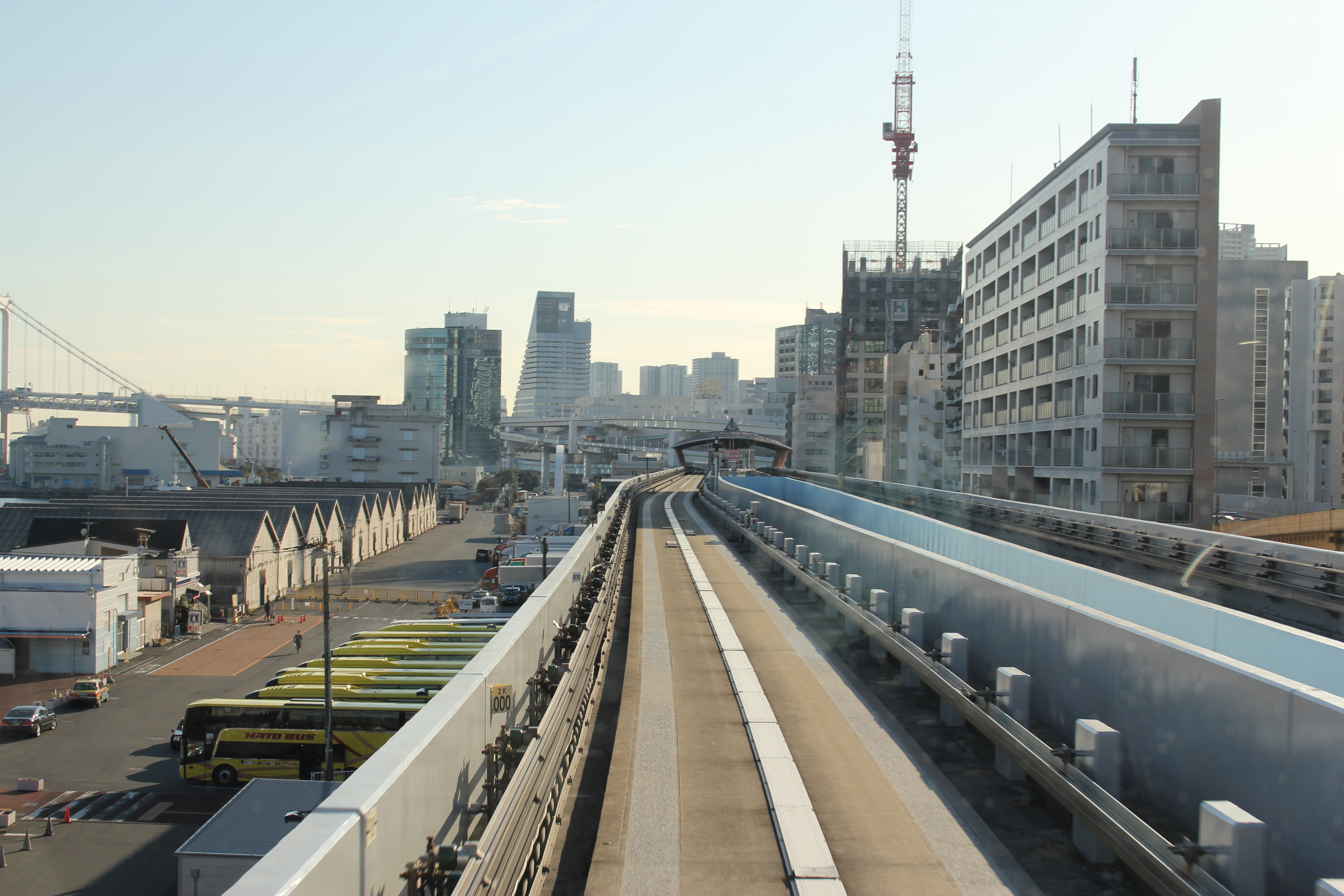
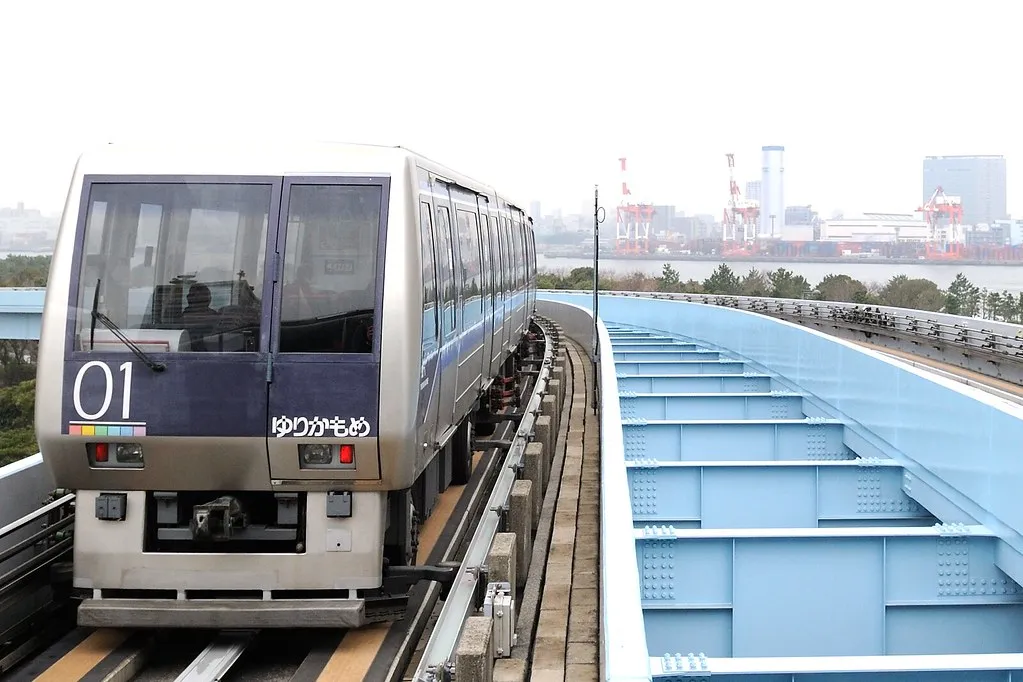
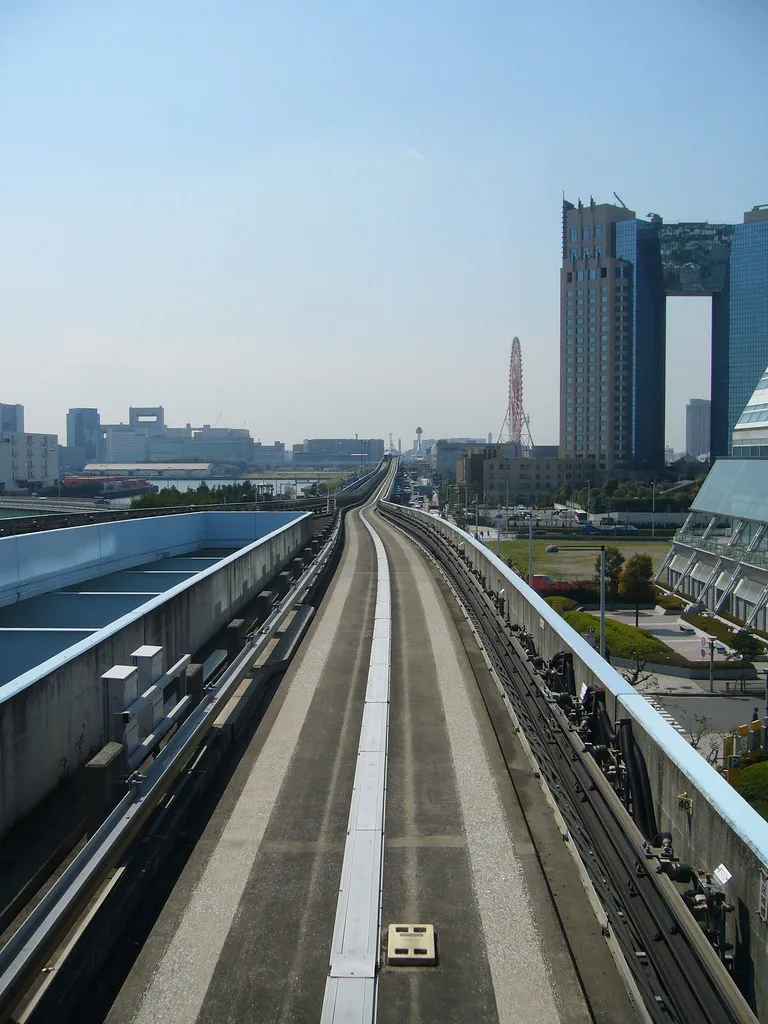
Yurikamome is Tokyo’s first fully automated, driverless transit line, linking the city’s Shimbashi district to Toyosu via the man-made island of Odaiba. The 14.7 km route runs on an elevated concrete guideway with rubber-tired trains, offering a futuristic ride above Tokyo Bay. Opened in 1995, this line was built to develop the waterfront and is named after the black-headed seagull (“yurikamome” in Japanese), Tokyo’s official city bird that frequents the bay.
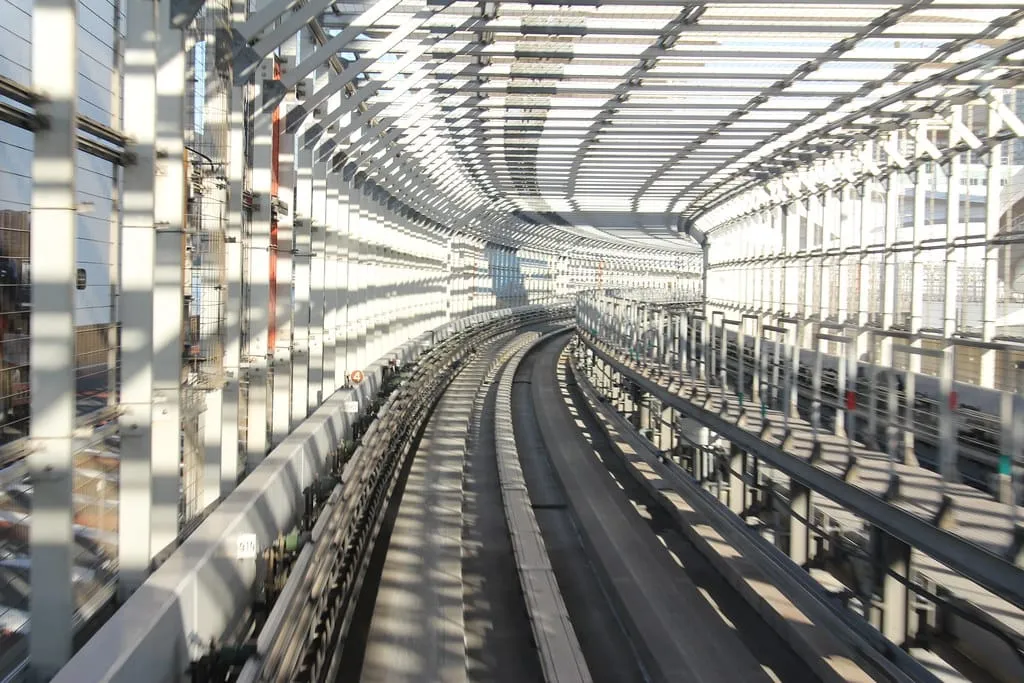
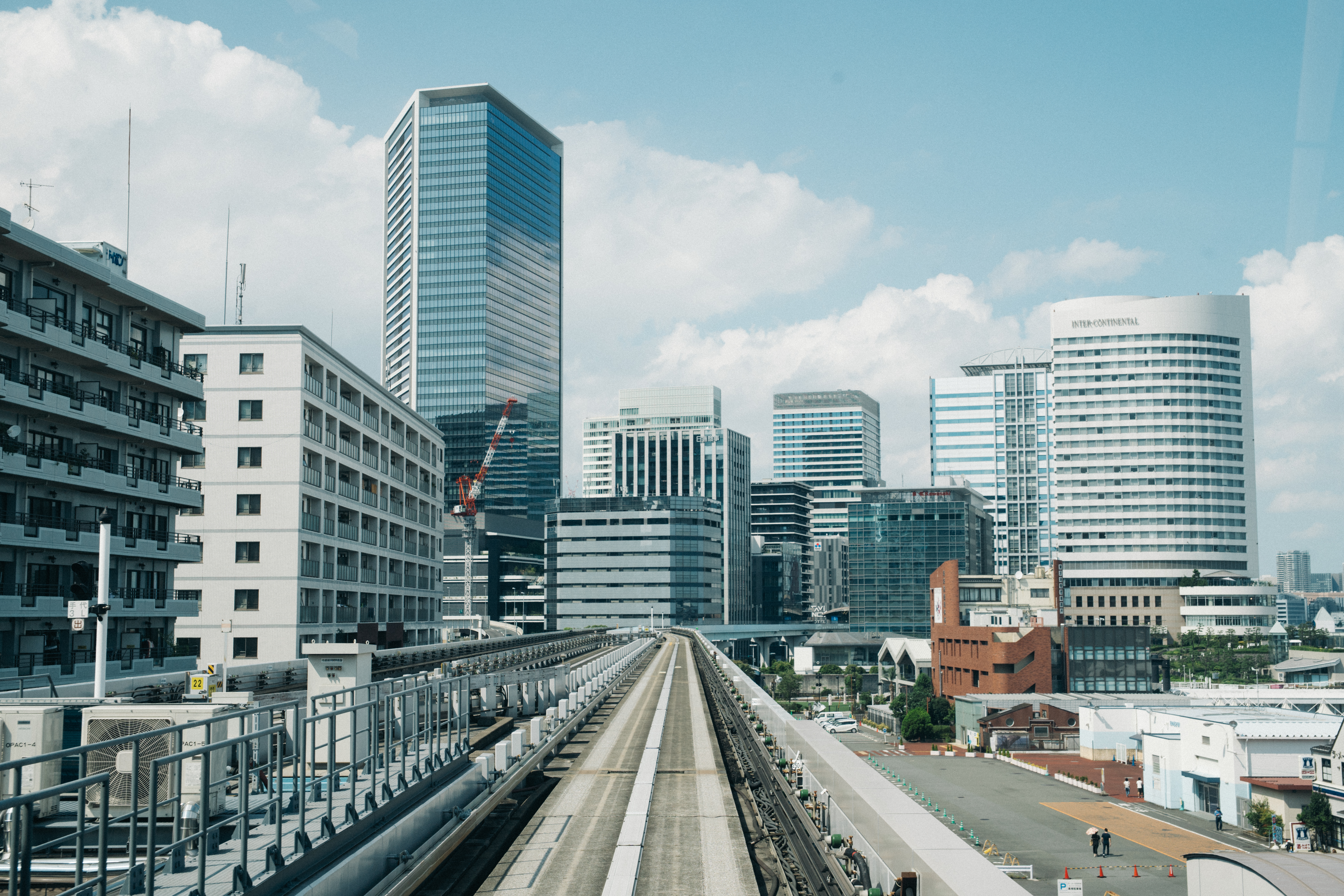
Odaiba’s coastal setting and modern skyline make Yurikamome as much a scenic attraction as a transit route. The line makes a dramatic 270° loop to climb onto the Rainbow Bridge, treating riders to sweeping views of Tokyo Tower, downtown skyscrapers, and harbor vessels in every direction. Gliding between glassy high-rises and over sparkling water, Yurikamome showcases Tokyo’s blend of urban architecture and bayfront vistas. The journey embodies Tokyo’s innovative spirit – a union of engineering and scenery that draws both daily commuters and railfans from around the world japan-experience.com.
Watch this place live
2 railway webcams cover this place — see what is running right now.
- Watch live
Hamamatsuchō, Tokyo — Four Lines Crossing
JR, Shinkansen, Yurikamome and the Tokyo Monorail in one frame
- Watch live
Tokyo Station — Yurakucho S-Curve
Shinkansen and Yamanote trains sweeping through the Yurakucho curve
Featured Video
TOKYO Yurikamome Line FrontView Tour From Shimbashi To Toyosu : Japan Travel - 4K 60fps [Ultra HD]
The afternoon riding of TOKYO Yurikamome Line, Japan was filmed on Friday March 22, 2024 starting at 17:00 pm in Tokyo
Why Visit
For train enthusiasts, Yurikamome offers a unique combination of advanced technology and stunning cityscapes. The automated guideway transit (AGT) system has no drivers on board, allowing passengers to sit at the very front for an unimpeded “operator’s-eye” view. Riding Yurikamome feels like a slow-moving roller coaster: you silently curve through Odaiba’s futuristic towers, then ascend the Rainbow Bridge spiral with the Tokyo skyline unfolding before you muza-chan.net. The line’s engineering – from its computer-controlled operations to the rubber-wheel rolling stock – is itself a draw for railfans interested in modern urban transit design en.wikipedia.org.
Beyond the tech appeal, Yurikamome is one of Japan’s most scenic urban rail lines en.japantravel.com. As it crosses Tokyo Bay, you can gaze at cruise ships and freighters below, and iconic landmarks like Tokyo Tower and the giant Ferris wheel at Palette Town. By day, the trains offer panoramic views of the bay’s blue waters and sleek waterfront architecture. By night, the experience is equally enchanting: the Rainbow Bridge is illuminated in multicolor, and the glow of the city lights reflects off the bay. Photographers will appreciate how the journey frames Tokyo’s skyline in motion, and casual visitors simply enjoy the novel experience of riding a clean, quiet, automated train through such picturesque surroundings.
What to Expect
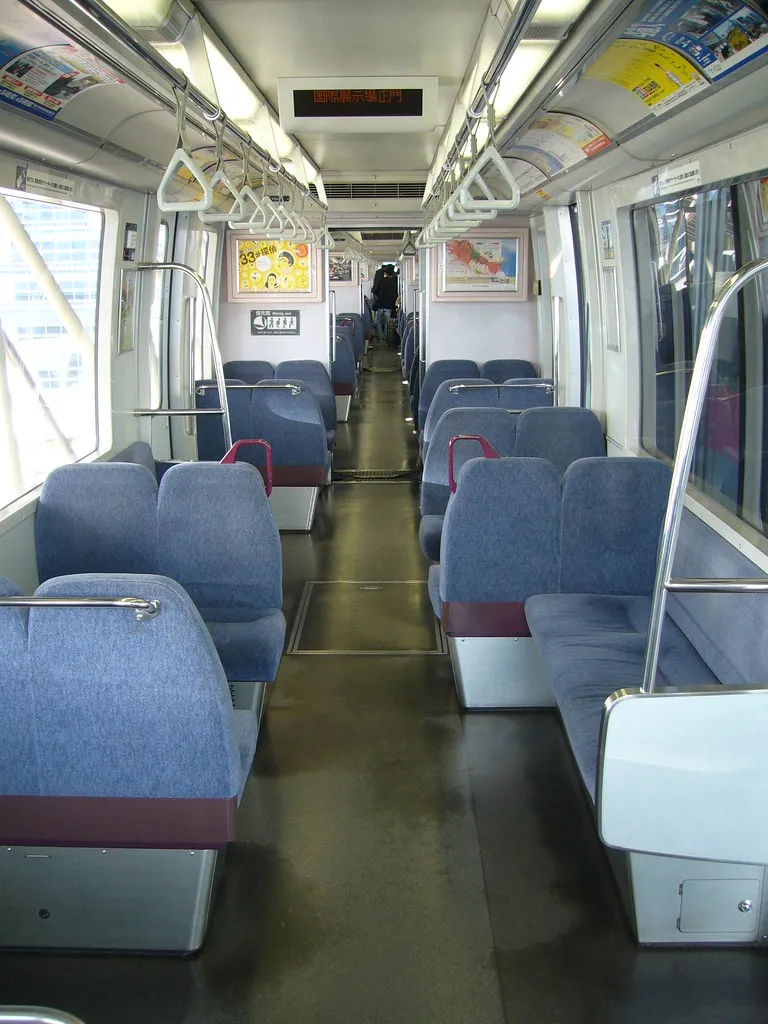
Expect a smooth, convenient ride that feels part attraction, part public transit. Trains run roughly every 4–5 minutes throughout the day japan-experience.com, and the end-to-end trip from Shimbashi to Toyosu takes about 30 minutes. The ride is surprisingly quiet – you’ll mostly hear the soft whir of electric motors and the periodic station announcements. In fact, all stops feature recorded bilingual announcements voiced by famous anime voice actors, adding a touch of local pop culture to your journey en.japantravel.comen.wikipedia.org. Cars are climate-controlled and clean, with large windows ideal for sightseeing. There’s no separation between cars and driver’s cab (since there is no driver), so passengers often line up for the coveted front window seat. Courtesy rules encourage giving others a turn at the front after one full ride. During peak commute times and weekends, the trains can be crowded (the line carries well over 100,000 riders daily), but outside rush hour you’ll have space to move around and switch sides for different views.
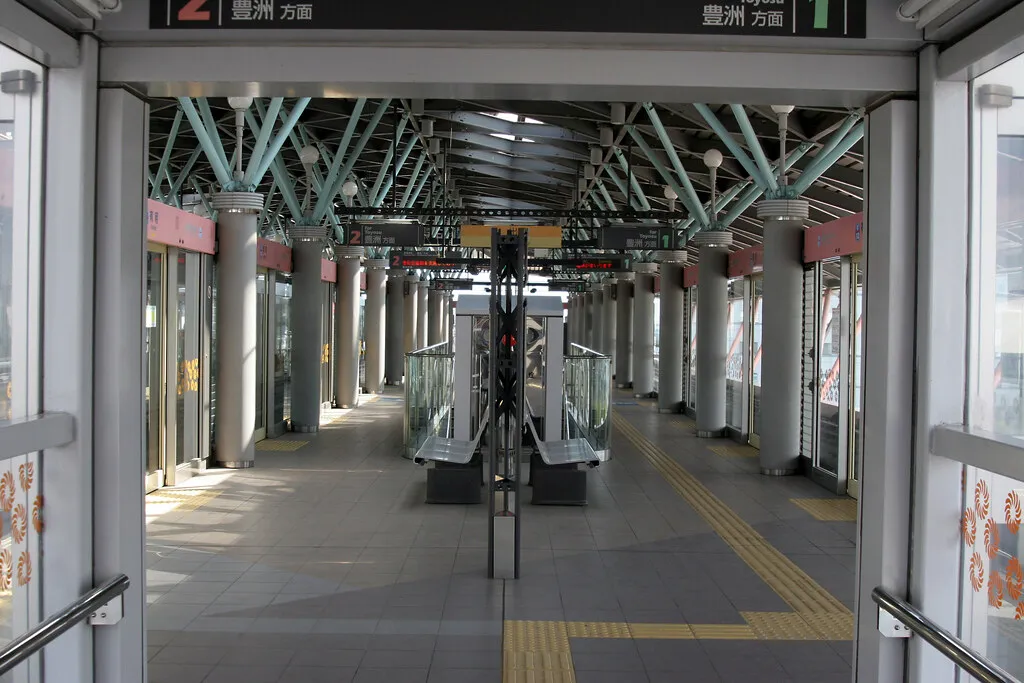
Riding Yurikamome is easy even for first-timers. The journey starts in the dense high-rise jungle of Shimbashi, then glides past Tokyo Bay’s shoreline. After leaving Shibaura-futō Station, the train ascends the looping ramp at a moderate speed (top speed is 60 km/h) to reach the 52 m height of Rainbow Bridge. Inside the bridge’s lower deck, you’ll momentarily lose the wide view, but soon emerge on Odaiba Island where the scenery opens up again. Stations in Odaiba are elevated, often adjacent to malls and attractions, making it simple to hop off and explore. Overall, Yurikamome offers a comfortable, scenic ride with a bird’s-eye view of Tokyo – an experience that is equal parts daily transit and sightseeing adventure.
How to Plan Your Visit
Season and Schedule
Yurikamome operates year-round with high service frequency, making it a convenient transportation option in Tokyo. Trains run from dawn until around midnight, regardless of weather conditions.
- Operating Schedule
- Year-round, from dawn until around midnight
- First Departure
- Around 5:30–5:45 am
- Last Departure
- Just before midnight
- Service Frequency
- About 15 trains per hour
- Scheduled Closures
- Occasional late-night maintenance or special event disruptions
Ticket Information
Yurikamome is a distance-based fare transit line in Tokyo offering various ticket options, including a one-day pass for unlimited rides. Tickets can be purchased at stations or via contactless transit cards.
- Fare Range
- ¥190 to ¥390
- One-Day Pass Price
- ¥820
- Children's Fare
- Half price
- Free Ride Age
- Under 6 with an adult
- Ticket Purchase Locations
- Automated machines at stations, ticket counters at major stations
Accessibility Details
Yurikamome is a modern transit system in Tokyo designed for universal accessibility, featuring various accommodations for individuals with mobility issues. It is well-equipped with elevators, ramps, and accessible facilities at its stations.
- Accessibility Features
- Elevators or ramps at all stations
- Wheelchair-Accessible Restrooms
- Available at all major stations and most intermediate stops
- Designated Space for Wheelchairs
- Trains have a designated space near the doors
- Audio and Visual Announcements
- Next station displayed in Japanese and English
- Service Animals
- Permitted
What to Bring
When visiting Yurikamome, it's important to bring camera gear for capturing views, wear comfortable shoes, and have an IC transit card for quick boarding. Be prepared for varying weather conditions and consider bringing water on hot days.
- Camera Gear
- Camera or smartphone, wide-angle lens, polarizing filter, mini tripod or steady cam for night shooting
- Comfort & Essentials
- Comfortable shoes, dress for the weather, light jacket for breezy conditions
- Water
- Bottle of water recommended on hot days
- Transit Card
- IC transit card for quick boarding
- Patience
- Be prepared to wait for front-row seats
Photography Tips
Yurikamome offers unique photography opportunities, especially from the front of the first car and the Rainbow Bridge. Ideal times for photography include late afternoon for softer light and winter for views of Mount Fuji.
- Best Vantage Point
- Front of the first car
- Ideal Photography Time
- Late afternoon
- Winter View
- Distant Mount Fuji silhouetting the sunset
- Night Photography Location
- Odaiba Marine Park or along the waterfront
- Safety Reminder
- Stay behind safety lines on platforms
Traveling with Pets
Dogs welcome
Small animals travel in a carrier, and unlike JR and most Japanese private railways, Yurikamome charges nothing for them: "小動物(ペット等)は、容器(3辺の和が250cm以内、30kg以内、長さ2mを超えるモノは除く)に収納していただき、他のお客様のご迷惑にならないものについては持ち込むことができます。その際の料金はかかりません。" The container must respect the hand-luggage limits — three sides totalling 250 cm or less, 30 kg or less — and the animal must not be taken out of the case in stations or on board.
Verified — operator's pet policy
Travel Information
By Air
Tokyo Haneda Airport is the closest airport to Odaiba, with convenient transit options available. Narita International Airport is farther away but also provides access to the Yurikamome line.
- Closest Airport
- Tokyo Haneda Airport (HND)
- Distance from Odaiba
- 10 miles (16 km)
- Travel Time from Haneda
- 20–30 minutes (outside of rush hour)
- Distance from Narita
- 43 miles (70 km)
- Travel Time from Narita
- 1–2 hours
By Train
Yurikamome is easily accessible by rail from Shimbashi Station, a major hub in Tokyo. It connects to various train lines and offers a scenic route to Odaiba/Toyosu.
- Terminus
- Shimbashi Station
- Connecting Lines
- JR East’s Yamanote Line, Keihin-Tohoku, Tokaido Main Line, Yokosuka Line, Tokyo Metro Ginza subway, Toei Asakusa subway
- Distance from Tokyo Station
- 2 km
- Travel Time from Tokyo Station to Shimbashi
- 3 minutes on the Yamanote Line
- Access from Toyosu
- Toyosu Station connects to the Tokyo Metro Yurakucho Line
- Alternative Route
- Rinkai Line to Tokyo Teleport Station
By Car
Driving to Odaiba is possible via Tokyo's highways, particularly the Shuto Expressway Route 11. The drive offers scenic views and relatively less crowded roads once on Odaiba.
- Key Route
- Shuto Expressway Route 11 (Daiba Route)
- Distance from Ginza/Shimbashi
- 6–7 km (4 miles)
- Travel Time
- 10–15 minutes in good traffic
- Toll Cost
- ¥320 one-way on Route 11
- Alternative Route
- Route 357
Parking
Odaiba offers ample parking options with validation discounts at shopping centers, while Shimbashi has limited and expensive parking. Oversized vehicles have limited options, but the Tokyo Big Sight convention center can accommodate them.
- Odaiba Parking Rates
- ¥600–¥800 per hour
- Free Parking Validation
- Up to 4 hours at DiverCity with purchase; 1–2 hours at Decks and Aqua City
- Shimbashi Parking Rates
- ¥400+ per 30 minutes
- Oversized Vehicle Parking
- Limited dedicated parking in Odaiba; large area at Tokyo Big Sight
- Height Restrictions
- Generally 2.1 m
Local Transportation
Odaiba offers various local transportation options, including walking, a free shuttle bus, city buses, taxis, water buses, and bike rentals, making it easy to explore the area.
- Free Shuttle Bus
- Tokyo Bay Shuttle
- Shuttle Frequency
- every 20 minutes
- Standard Bus Fare
- about ¥210
- Taxi Availability
- readily available
- Water Bus Route
- Odaiba Marine Park to Hinode Pier and Asakusa
- Bike Rental Availability
- available
Nearby Lodging
Find places to stay near Yurikamome (Tokyo Waterfront New Transit Line).
This lodging map is provided by Stay22, a third-party service that may set cookies. It loads only with your consent.
Accommodation results are provided by Stay22; we may earn a commission on bookings made through this map.
Nearby Attractions
- Miraikan – The National Museum of Emerging Science and Innovation
A cutting-edge science museum in Odaiba featuring interactive exhibits on robotics, space exploration, and future technologies (including the famous Geo-Cosmos floating globe display). Great for families and tech enthusiasts. About 1 mile (1.5 km) south of Daiba Station.
- Toyosu Market
Tokyo’s sprawling new wholesale fish market that replaced the historic Tsukiji Market. Visitors can observe early-morning tuna auctions from a gallery and then enjoy ultra-fresh sushi and seafood bowls at on-site restaurants. About 2 miles (3 km) east of Odaiba (accessible via Yurikamome at Shijō-mae Station).
- Tokyo Tower
Tokyo Tower – An iconic 333 m (1,092 ft) red-and-white communications tower offering two observation decks with 360° views of Tokyo. Reminiscent of the Eiffel Tower, it’s beautifully illuminated at night. The base includes shops, restaurants, and an anime theme park. *Approximately 2 miles (3 km) west of Shimbashi (in Minato Ward).
Photos
 ivva
ivva
Attribution-ShareAlike License
Tim Adams
Attribution License
ivva
Attribution-ShareAlike License
ivva
Attribution-ShareAlike License
Dick Thomas Johnson
Attribution License
Dick Thomas Johnson
Attribution License
Dick Thomas Johnson
Attribution License
OiMax
Attribution License
Help improve this page
Spotted something out of date or incorrect? Let our community know.
Explore more experiences: Browse all rail travel experiences.
Booking & Pricing
Quick Information
Country
Region
City
Tokyo
Best Season
Yurikamome can be enjoyed in any season, but winter and late autumn often provide the clearest views. During December–February, the air in Tokyo is typically dry and crisp, meaning you can see far into the distance – on a bright winter day, riders have reported glimpsing Mount Fuji on the horizon from Odaiba kanpai-japan.com. The trade-off is colder weather if you plan to stroll around Odaiba (so bundle up), but the trains themselves are heated and comfortable. Winter evenings are particularly magical, as the Rainbow Bridge is lit up in seasonal colors (cool white in summer, warm amber tones in winter) and sometimes even a rainbow spectrum for special events. If visiting in mid-winter, late afternoon rides give you daylight for the outbound trip and a stunning dusk/night return trip with city lights.
Spring (March–May) offers mild weather and the chance to combine your railfan trip with cherry blossom viewing – while Odaiba itself has only a few sakura trees, nearby areas like Shiba Park (near Tokyo Tower) bloom in spring. A spring visit means pleasant temperatures and often clear skies, though there might be an occasional rain shower.
Summer brings vibrant greenery to Odaiba’s parks and long daylight hours. It can be hot and humid in Tokyo (peaking in July–August around 30–35 °C), but the advantage is being able to enjoy the sea breeze on Odaiba’s waterfront. Summer nights are comfortable and lively – consider an evening ride to feel the warm breeze as you watch the city sparkle. (Note: late July to August can have haze that slightly obscures distant views in daytime.)
Autumn (Sept–Nov) is another ideal time: the weather cools down, skies are often clear especially in November, and you might catch autumn foliage in mainland Tokyo parks. Many locals consider October and November the best months to visit Tokyo for overall weather.
In summary, there is no “off” season for Yurikamome, but cooler months generally yield the best visibility for those sweeping panoramic shots, and evenings year-round are excellent for enjoying the illuminated skyline. If we had to pick, a November day or a crisp January afternoon would be top choices for railfans wanting postcard-worthy views of Tokyo Bay.