Railway Experience
Heart of Dixie Railroad Museum – The Official Railroad Museum of Alabama
Alabama’s official state railroad museum featuring vintage locomotives, historic train cars, two century-old depots, and scenic train rides through Shelby County’s woodlands.
Updated
See everything in Alabama4 spots · 6 live cams · 1 experience · 4 eventsAbout This Experience
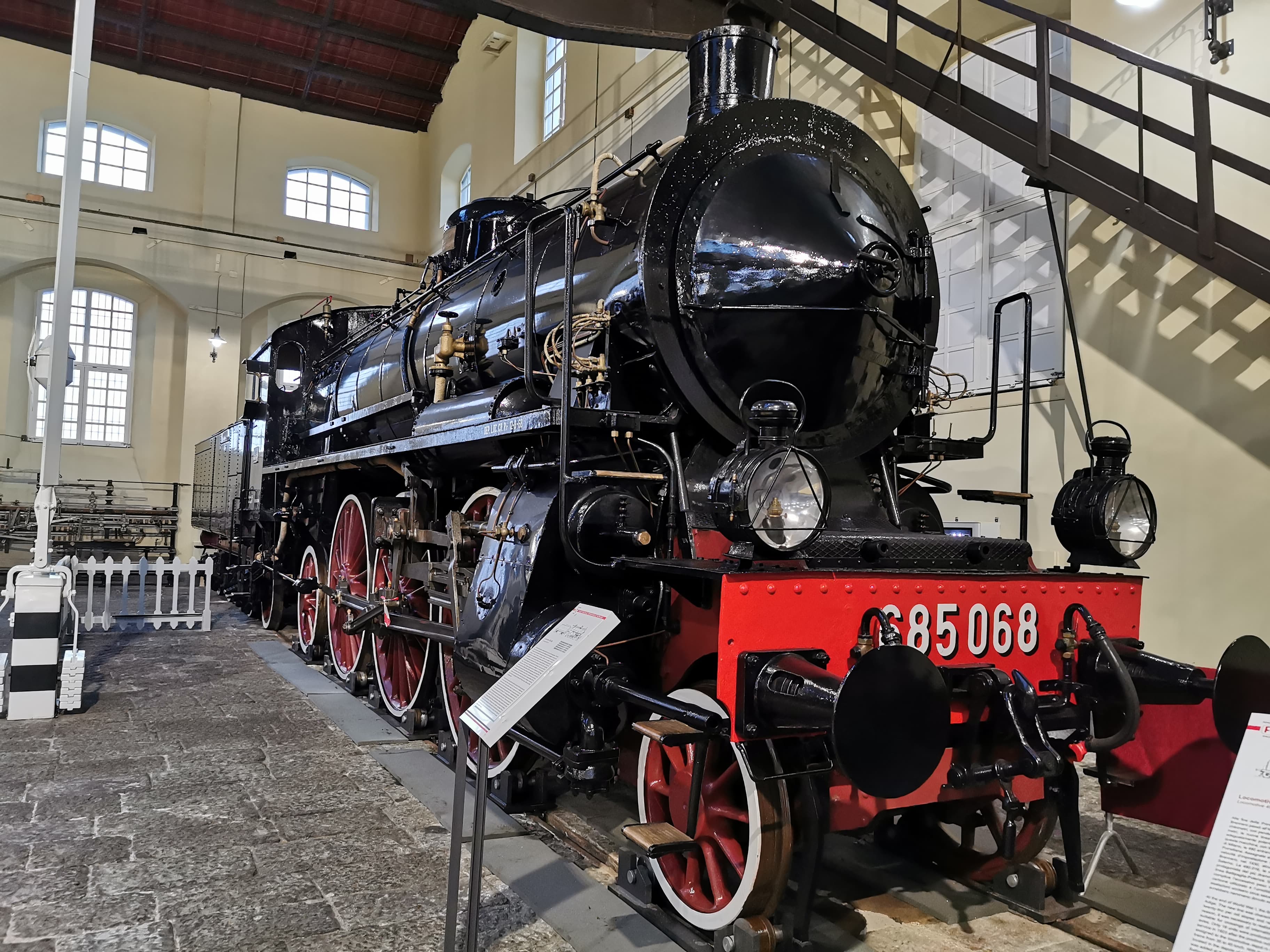
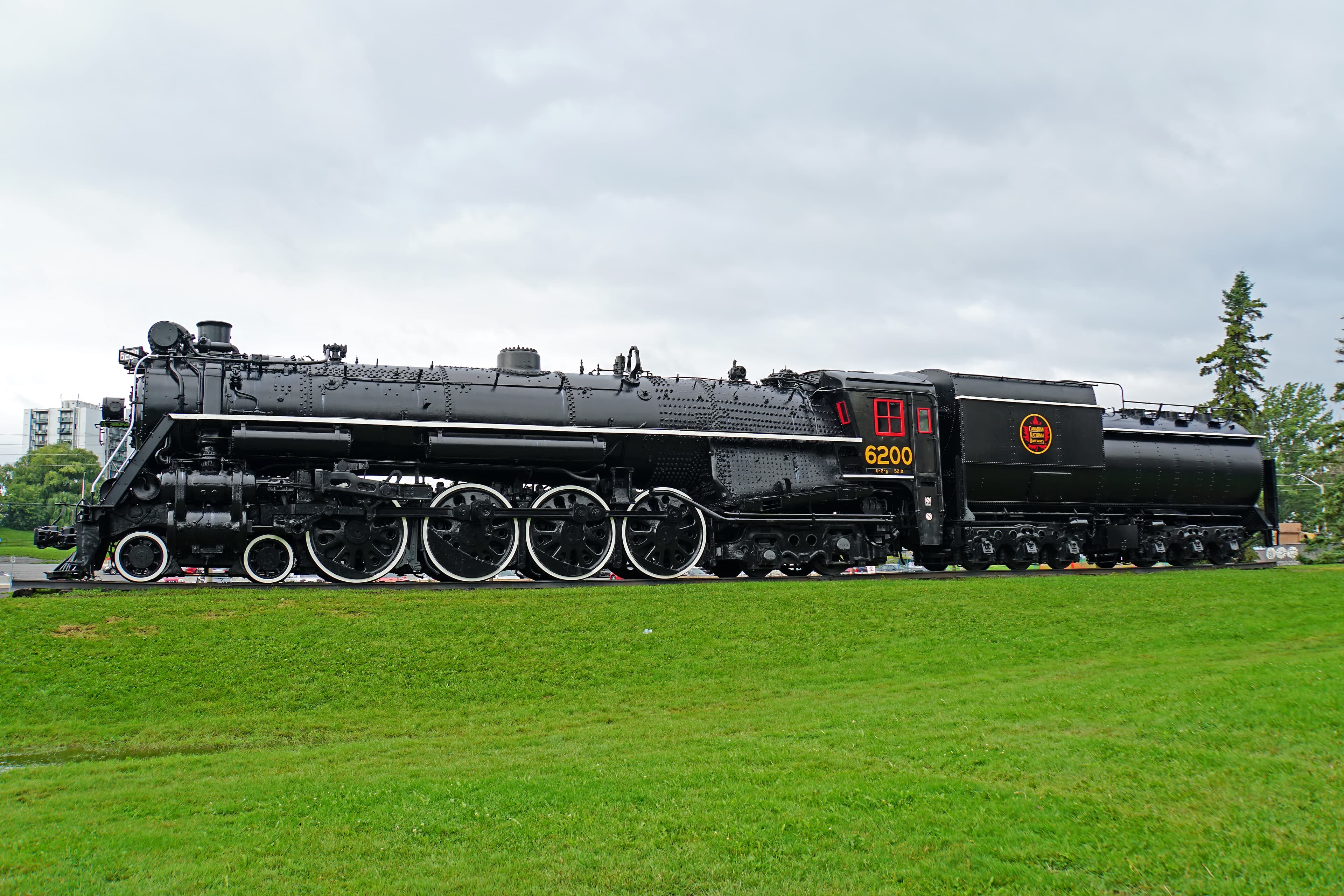
The restored early-1900s depot at Calera serves as the museum’s station and exhibit hall. The Heart of Dixie Railroad Museum is the official state railroad museum of Alabama, dedicated to preserving and showcasing the region’s rich railroading heritage. Founded in 1962 by rail enthusiasts, the museum relocated from Birmingham to Calera in the 1980s to expand its collections and protect them from vandalism. Today it spans a rail yard with over 40 pieces of rolling stock – from 19th-century steam locomotives to mid-20th-century diesel engines – along with historic railcars, cabooses, and railway artifacts.
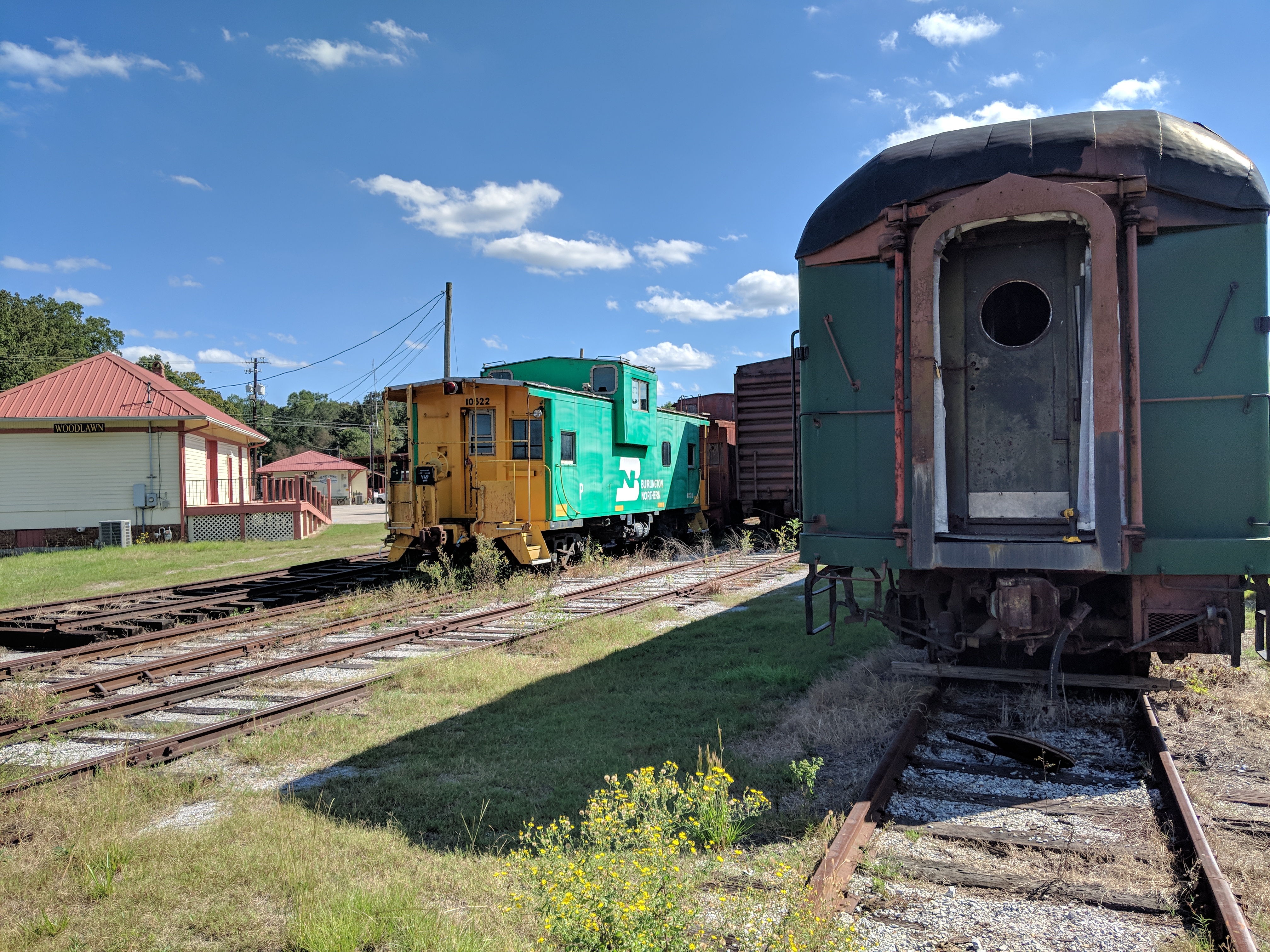
Housed in two century-old depots, the museum’s facilities immerse visitors in vintage atmosphere. The main Calera Depot (a restored Louisville & Nashville station from Wilton, AL) now contains the ticket office, gift shop, and indoor exhibits of railroad memorabilia. Across the grounds is the Woodlawn Depot, now the Boone Library, preserving archives and photographs (open by appointment). These charming wooden depots—each over 100 years old—lend an authentic period backdrop to the museum experience. Outdoor pathways lead past rows of retired locomotives and cars, many painted in their original liveries. Visitors are welcome to climb up into select engines and cabooses via provided stairs, offering a hands-on feel for how engineers and brakemen once worked. Informative signs and volunteer guides share the stories behind the equipment, from Alabama’s industrial boom years to the golden age of passenger rail.
What truly sets Heart of Dixie apart is that it’s not just a static collection – it’s a living history museum with an operating heritage railroad. The museum maintains a 5½-mile excursion line on the former L&N Alabama Mineral Railroad, giving visitors the rare chance to ride vintage trains through the forests of central Alabama. As an active chapter of the National Railway Historical Society, Heart of Dixie plays a leading role in preserving rail history in the Southeast. Its significance lies in the unique combination of historic rolling stock, authentic railroad architecture, and an immersive ride, all celebrating the pivotal role of railroads in Alabama’s development. For railfans and history buffs alike, the museum offers a journey back in time on the very rails that helped build the “Heart of Dixie.”
Photo Opportunities
The museum offers fantastic vantage points for rail photography. At the Calera Depot platform, you can capture the vintage diesel locomotive as it backs up to couple onto the excursion train, with the charming depot in the frame. Morning departures (10 AM) provide soft light on the east-facing station, while the afternoon train allows shots with long shadows and golden hues on the train cars. On board the open-air car, photographers often stand at the front railing to snap the engine rounding curves ahead or the clickety-clack of the track disappearing into the woods. The line passes through scenic stands of pine and oak – in autumn the foliage creates a vibrant backdrop for the train. Another prime spot is at Ozan Winery’s trackside station (the mid-point of the journey), where riders can photograph the train against a rural vineyard landscape during special excursion stops.
Static displays also invite creativity: you can frame a shot inside the cab of the 1924 Baldwin steam locomotive (accessible via stairs) to capture its worn dials and firebox – a dramatic setting for photos. The museum yard, with multiple locomotives lined up, presents opportunities for wide-angle shots highlighting the breadth of the collection. Lighting conditions are generally best in the early morning or late afternoon. Midday sun can be harsh on the equipment’s paint, so consider using a polarizing filter to reduce glare off metal surfaces. During the North Pole Express night events, the train and depot are decked in festive lights – a tripod is essential for sharp long-exposures of the illuminated train. Whether you’re aiming for a classic 3/4 view of a locomotive or an artsy close-up of a driving wheel, the Heart of Dixie Museum provides an evocative stage. Tip: Don’t forget to photograph the “Calera” station sign and the smiling faces of engineers and passengers, to truly capture the nostalgic spirit of this living railroad museum.
Why Visit
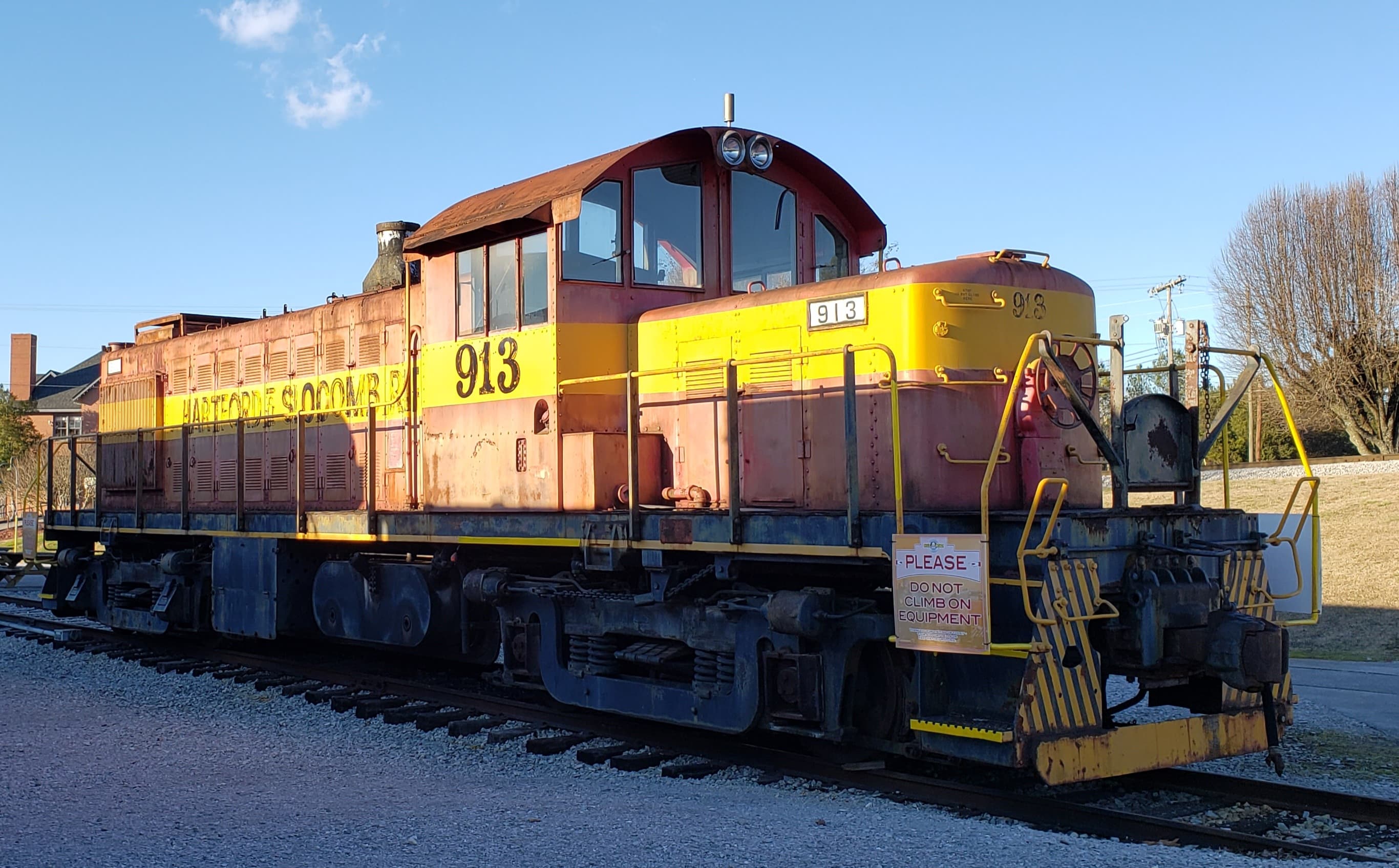
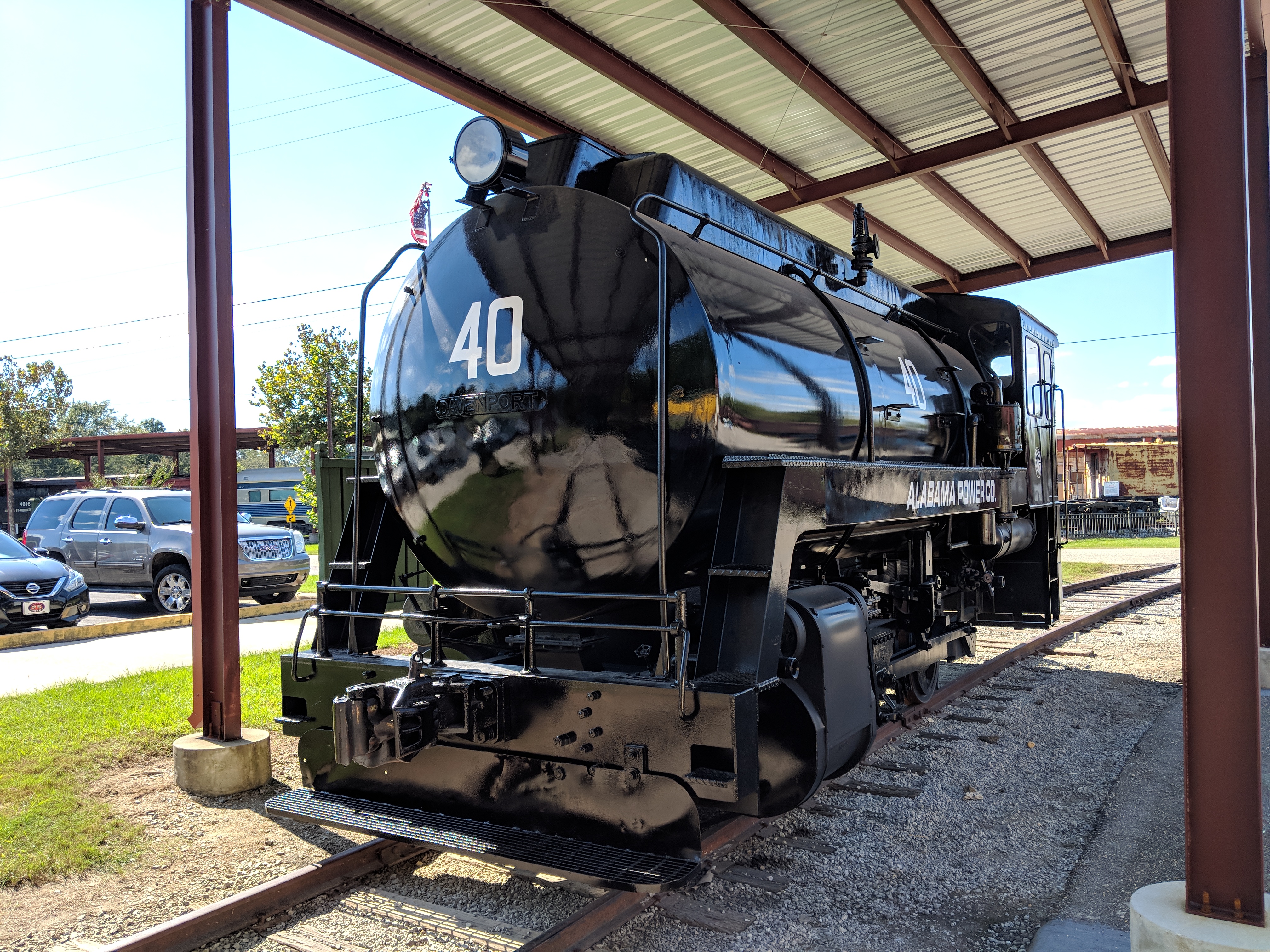
A beautifully restored 1937 ALCO diesel switcher (an extremely rare early diesel locomotive) on static display – one of many unique pieces that draw railfans to the museum.
For railfans and history enthusiasts, the Heart of Dixie Railroad Museum is a must-visit destination, blending a rich collection with an authentic hands-on experience. It boasts one of the South’s premier collections of antique railroad equipment – including four historic steam locomotives (one of which, a 1924 Baldwin 2-8-0, you can actually climb into) and nine diesel locomotives from the mid-20th century. Many engines have direct ties to Alabama’s industrial past, such as a Woodward Iron Company Baldwin built in 1924 and a Birmingham Southern ALCO switcher from 1937. These aren’t replicas or movie props – they are the real workhorses that once hauled freight and passengers across the state. Seeing them up close (and even stepping inside some) offers a tangible connection to rail history that few museums can match.
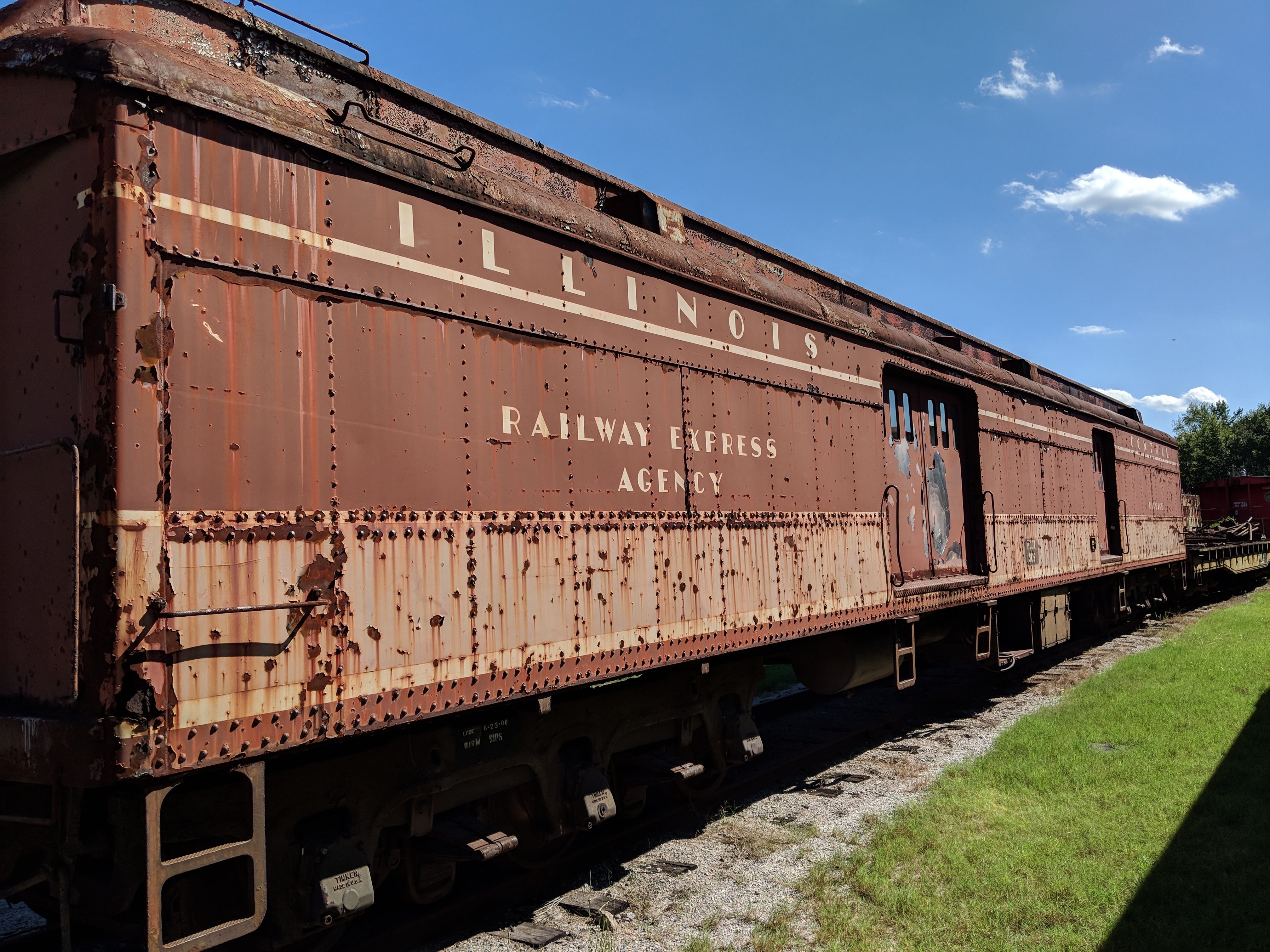
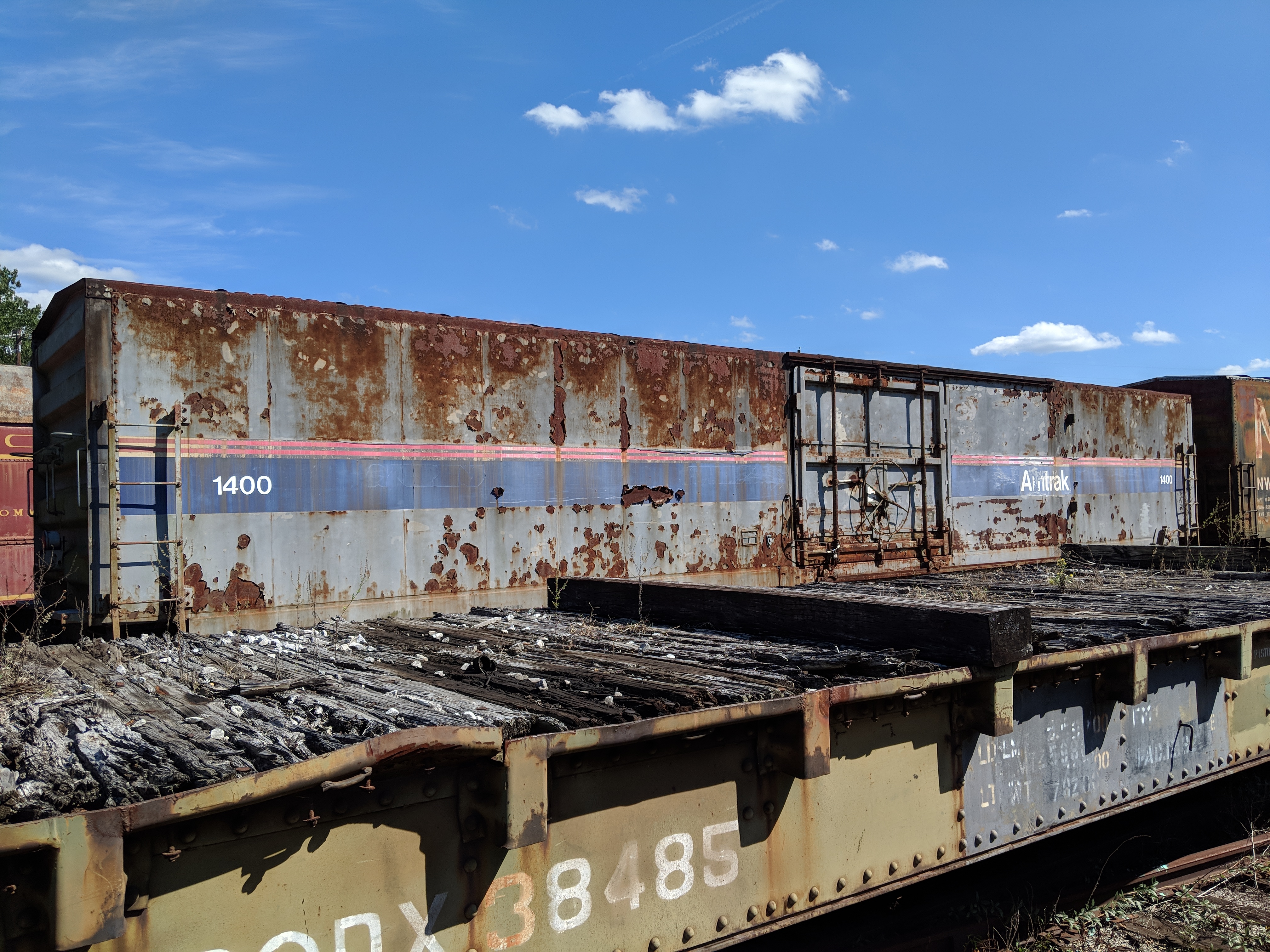
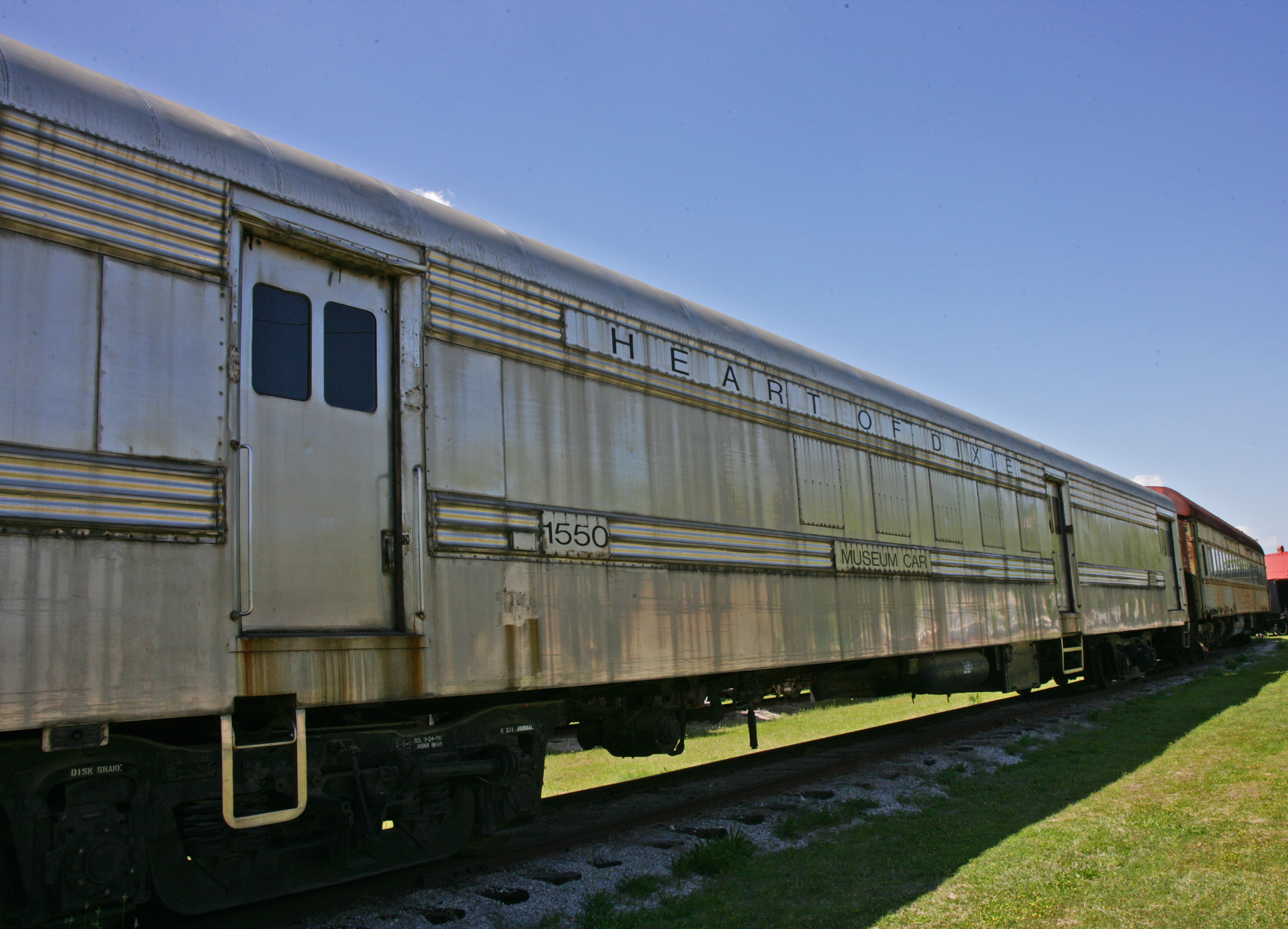
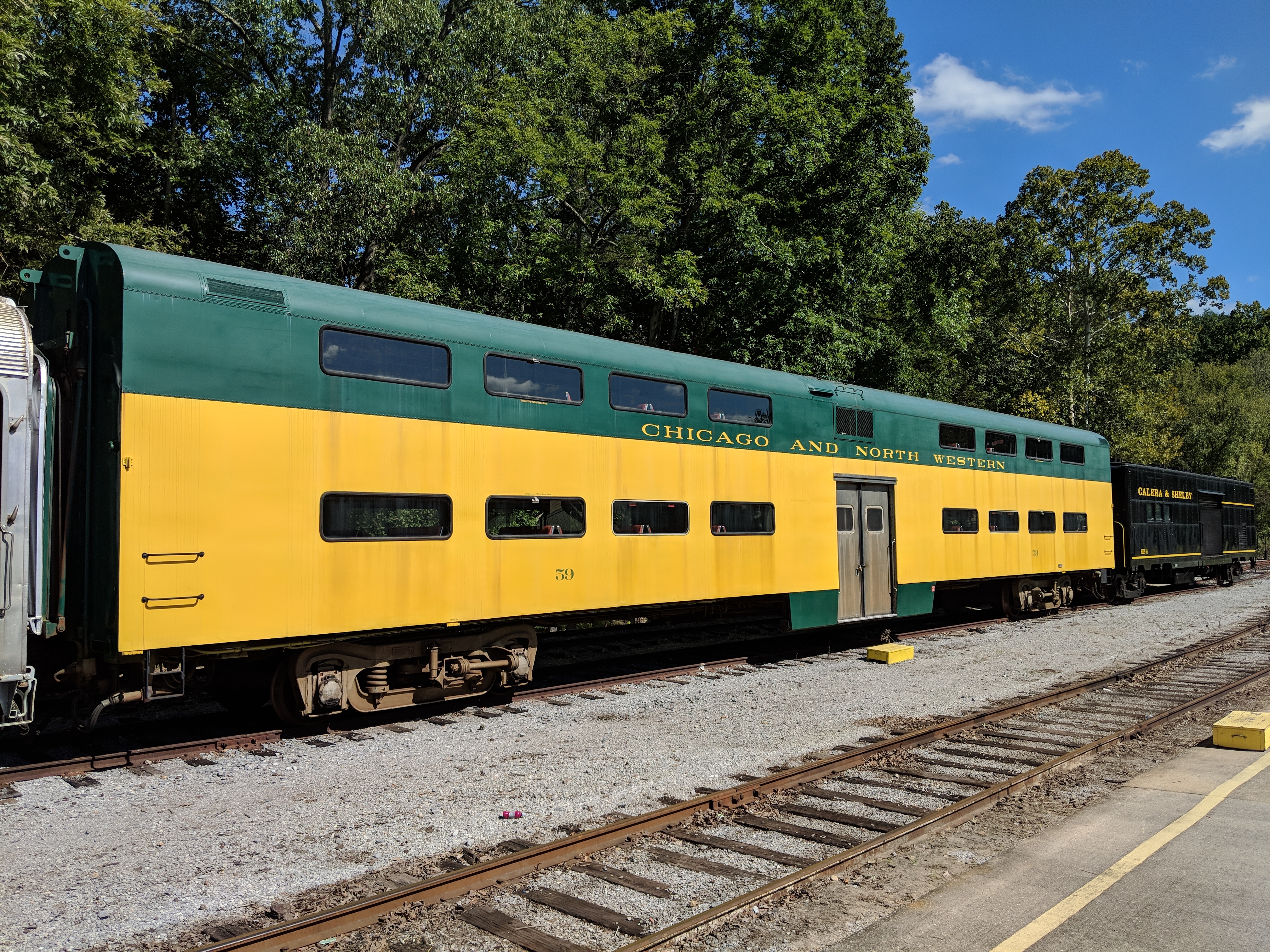
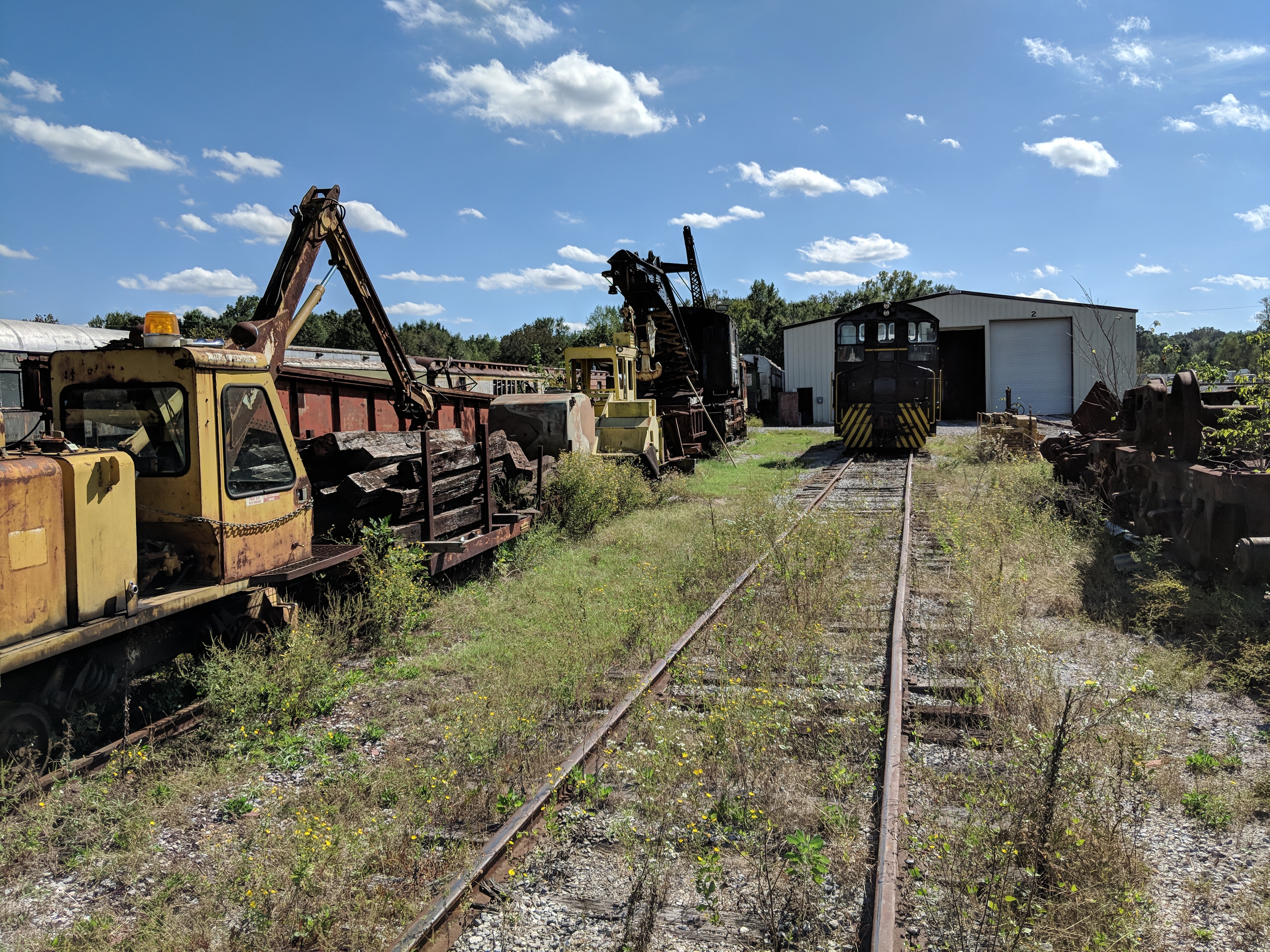
Beyond locomotives, the museum’s rolling stock includes dozens of vintage railcars: elegant passenger coaches (like the restored Frisco #1062 from 1910, the oldest operating coach), gritty freight cars, a Railway Post Office car, baggage cars, and specialty pieces. Notably, the museum has artifacts like military railcars from the U.S. Air Force’s Cold War “Peacekeeper” train program – an intriguing slice of rail technology. Two gigantic 100-ton cranes used for train derailments also stand on the grounds, underscoring the scale of railroad operations. For those interested in rail infrastructure, the museum highlights signaling equipment and trackside tools. The combination of breadth (over a century of rail innovation) and depth (detailed preservation) makes the collection uniquely appealing.
What truly elevates the Heart of Dixie Museum is the opportunity to ride the rails behind these historic machines. You’re not just looking at static exhibits – you can board a train pulled by an original vintage diesel and rumble down the line, hearing the authentic horn echo through the woods. The 5.5-mile excursion on the Calera & Shelby Railroad takes you along a segment of track laid in 1891, which once carried iron ore and coal to Birmingham’s steel mills. This living history ride lets you experience the motion, sounds, and ambiance of old-time rail travel: the low chug of the locomotive, the click of wheels on jointed rail, and conductors calling “All Aboard!” from the flag-decorated depot. Few museums offer this level of immersion.
Lastly, the museum’s heritage and educational value cannot be overstated. It is officially recognized as Alabama’s state railroad museum, a testament to its cultural importance. The site itself is historic – the depot buildings are preserved landmarks, and the grounds include Alabama’s only monument dedicated to coal miners (honoring the region’s mining railroad communities). The volunteer staff and NRHS members on site are passionate and knowledgeable, often sharing personal anecdotes and local lore that bring the exhibits to life. Special programs, from Girl Scout railroading badge days to photographic “freight train” charters for enthusiasts, further enrich the experience. In summary, you should visit because the Heart of Dixie Railroad Museum offers a unique journey into the past – it’s part museum, part train ride, and part time machine, where you can literally ride into Alabama’s railroading history.
What to Expect
When visiting the Heart of Dixie Railroad Museum, expect a blend of museum visit and train adventure. You’ll arrive at a modest rural campus centered around a red-and-white wooden depot and a railroad yard. The atmosphere is casual, friendly, and a bit nostalgic – you might hear an old diesel engine idling or a conductor joking with guests on the platform.
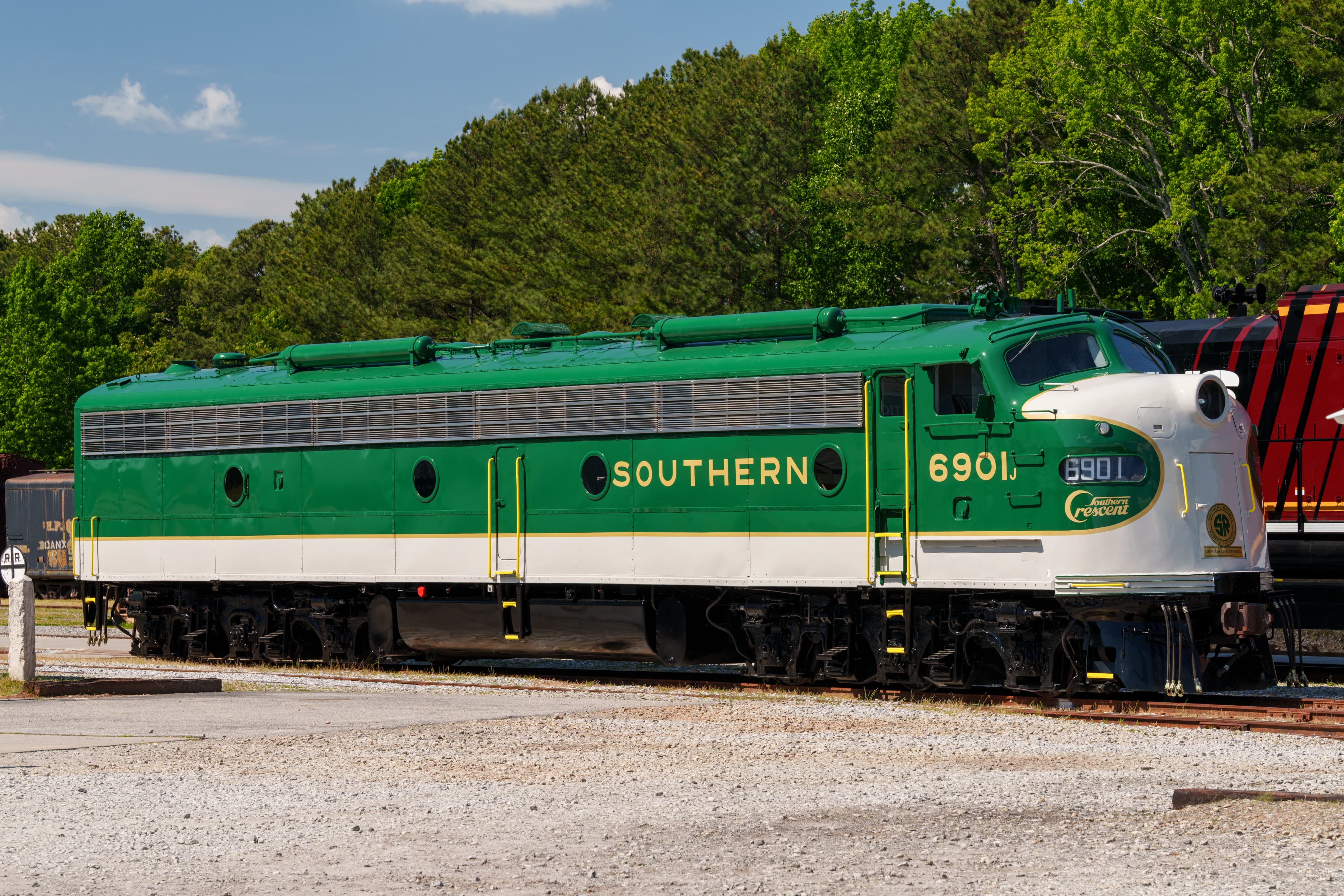
Trains and Exhibits: The main attraction is the train ride. A vintage EMD diesel locomotive, often in bright retro colors, is typically coupled to historic passenger cars – a mix of enclosed coaches from the 1930s–1950s and an open-air gondola car. Seating is open; coaches have wooden or vintage upholstered benches, and the open car has bench seats perfect for the breeze. The train chugs along at about 10–15 mph through mixed pine forests and the gentle hills of Shelby County, roughly 4–5 miles out and back over about an hour. The route is relatively flat – no dramatic mountains or tunnels – but the rural landscape is serene: tall trees, a pond or two, and possibly deer or hawks. One highlight is passing Ozan Vineyard, where rows of grapevines appear as the train approaches Ozan’s platform; on special excursions passengers briefly detrain for winery tours. On regular rides the train pauses and reverses at the end of the line, near Shelby Iron Works Park. Listen for the locomotive horn at road crossings – loud and authentic – and for the conductor sharing historical tidbits inside the cars.
Back on the grounds, the Calera Depot museum room (admission free) houses lanterns, vintage signal equipment, telegraph keys, maps, photos, and model trains – not huge, but it gives context to Alabama’s railroad history. Outside, the display yard holds multiple tracks of locomotives and cars, from a hulking freight 2-8-0 and a tiny fireless locomotive to diesels ranging from early switchers to mid-century road engines, many with information plaques. You can enter certain cars, like a caboose often open for exploration – kids love climbing to its cupola. If a diesel is running, you’ll catch whiffs of warm engine oil and exhaust mixing with the piney air. The museum often rings the station bell or blows a steam whistle for demonstrations. You may hear modern train horns too: an active CSX freight line runs nearby.
Ticketing and Rides: Reserved tickets are picked up at the depot’s will-call window; walk-up visitors buy at the historic ticket window inside, the original brass-grilled counter from L&N days. Tickets are marked for a specific departure time. Boarding begins about 15 minutes before, and since seats aren’t assigned it’s orderly first-come seating – families sit together, railfans head for the open car or the seats nearest the locomotive. A uniformed conductor, often a volunteer, comes through to punch tickets. Coaches have fans and windows that open, and some are vintage air-conditioned cars; on a hot Alabama day, dress lightly and carry water. The open car is breezy with a roof for shade. Crowds are moderate – a regular Saturday morning might draw a few dozen riders – but special events sell out, and the December North Pole Express runs full. Even then the museum caps capacity, so it feels festive rather than packed.
Atmosphere: The vibe is down-home and interactive. Volunteers are stationed around to answer questions – you might find an older gentleman by the steam engine eager to explain how it worked in a Birmingham steel plant. The pace is unhurried, kids are gleeful when the train lurches and whistles, and there’s infectious enthusiasm among the railfans taking photos.
Facilities include clean restrooms in the depot, portable toilets on busy days, and a few picnic tables. Accessibility is decent – wheelchairs can board with assistance. A small gift shop sells engineer caps, wooden train whistles, T-shirts, and toy trains; proceeds support the museum. Before you leave, ring the iron locomotive bell in front of the depot – a bit of a tradition for kids.
Frequently Asked Questions
QHow long should I plan for my visit?
Plan to spend about 2 hours. The train ride itself lasts roughly 1 hour 15 minutes round-trip. Arrive at least 30 minutes early to explore the small depot museum and outdoor displays before your scheduled ride. After the excursion, you might want extra time to browse the gift shop and take photos with the locomotives. Families with children, or avid railfans examining every exhibit, may spend up to 3 hours on site.
QIs photography allowed?
Yes – photography is welcome for personal use. You can freely take photos and videos of the trains, depot, and exhibits. In fact, museum staff often take pictures during events as well (by attending, you consent to this). For safety, avoid using tripods in crowded areas or on moving trains. Flash photography is allowed indoors, but be mindful of glare on exhibit glass; often natural light is sufficient. Drones are generally not permitted without prior approval, since the grounds are near an active rail line and have many visitors. When photographing, stay in public areas and do not climb on equipment except where allowed.
QIs it suitable for children?
Absolutely – the museum is very family-friendly. Children love the experience of riding a real train; the excursion is gentle and about an hour, perfect for kids’ attention spans. Seasonal events are designed for families (e.g. the Pumpkin Patch Express, Easter Eggspress, and North Pole Express with Santa are big hits for kids). On site, there’s a small playground area (check for a wooden train play structure) and plenty of space to roam. The indoor depot museum has interactive displays like a working signal light that fascinates young ones. Strollers can be used on the grounds (though you’ll need to fold them to bring aboard the train). Overall, it’s a safe, fun outing for children, and under-2s ride free on the train.
QDo I need to book in advance?
Advance booking is strongly recommended, especially for special events and weekend rides. Regular Saturday coach tickets can sometimes be purchased day-of at the depot, but popular departures often sell out – and nearly all holiday-themed trains (like the North Pole Express) sell out weeks or months ahead. You can easily reserve online via the museum’s website (or by phone) and either print your tickets or pick them up at the depot “Will Call”. Walk-up ticket sales on a Saturday are first-come, first-served and may be limited, so to secure your spot (and preferred seating like caboose or locomotive cab rides), it’s best to book online in advance. Group charters and caboose/cab ride experiences must be reserved ahead due to limited availability.
QIs it accessible for wheelchairs?
Yes, the museum strives to be accessible. The main grounds are fairly flat, with paved parking and level concrete sidewalks around the depot. The gift shop and restrooms are ADA-compliant (wheelchair-accessible and with grab bars). Boarding the train requires a few steps, but the museum provides a portable wheelchair lift (Mobilift) to assist guests onto the train cars. There are designated wheelchair spaces on certain coaches (ask when buying tickets – they typically reserve spots in the Long Island #2972 coach or the open-air car for wheelchairs). If you need to use the lift, just inform the staff at the ticket window when you arrive; they will gladly set it up and help you board safely. One thing to note: inside the historic depot, there is a small set of steps to the exhibit room (the old freight room), so guests with limited mobility might need assistance or can view some exhibits from the doorway. Overall, the train ride and primary facilities can accommodate wheelchairs – and caregivers ride at a discount if needed. It’s advisable to call ahead so the museum can ensure a smooth experience for you.
QAre there food or picnic facilities on site?
There is no cafeteria on the grounds, but you have options. The museum has a picnic pavilion with tables where you can bring your own food. Many visitors pack a lunch or snacks to enjoy after the train ride, especially on pleasant days. On regular operating days, the gift shop sells a few packaged snacks and cold drinks (and sometimes local vendors offer ice cream or treats during summer). During special events, you might find food trucks or booths – for example, the museum’s “Mother’s Day” event included food and treat trucks. Downtown Calera is only a few minutes’ drive and has fast-food options and local restaurants if you prefer to eat out. In short, feel free to bring water and snacks (especially important on hot days) and use the picnic area. Just remember that no alcohol is allowed on museum property. Trash bins are provided to keep the area clean for all.
QDo the trains run if it rains or storms?
Trains run rain or shine in most cases. The coaches are enclosed (except the open-air car), so regular rain won’t stop the fun – just bring an umbrella for walking to and from the train. However, in case of severe weather or lightning, the museum will temporarily halt operations for safety. They follow a policy of suspending rides when lightning is in the immediate area, and will only resume 30 minutes after the last lightning strike. If a scheduled train is canceled due to persistent storms and can’t run later that day, you can receive a full refund or reschedule if possible. Always check the forecast; for major weather events (e.g. hurricanes or ice), the museum’s social media or phone message will update closures. On typical summer days, a passing thunderstorm might delay a departure a bit, but the crew does their best to run once conditions are safe. Tip: Alabama can be hot and humid – a light rain might actually be refreshing! Pack a poncho just in case, and enjoy the unique ambiance of a train ride in the rain.
QCan I ride in the locomotive or caboose?
Yes – the museum offers special tickets for caboose and locomotive cab rides on many excursions! For an extra fee (around $28 for a caboose seat, $38 for a locomotive cab), a limited number of visitors can upgrade from the regular coaches. Riding in the locomotive cab (next to the engineer) is a fantastic immersive experience – you must be 18 or older (or sometimes age 12+ with an adult, at the museum’s discretion) since it’s an active operating engine. You’ll need to wear the provided hard hat and follow the crew’s instructions, but you’ll experience the sights and sounds of driving a diesel firsthand. Caboose rides are family-friendly and very popular – you sit in the historic caboose at the end of the train, often in the cupola seats up top for a great view. These tickets are limited in number, so definitely reserve in advance. On the day, check in at the depot and you’ll get a special pass or be escorted to the loco/caboose before boarding. Note that caboose and cab riders must be able to climb a few extra steps. If those tickets are sold out, don’t be shy about asking staff if you can peek inside the caboose or engine while they’re stationary – often they’ll allow a quick look. But if you’re a true railfan, spring for the upgrade and ride like a conductor or engineer for the trip – it’s unforgettable!
How to Plan Your Visit
Season and Schedule
The Heart of Dixie Railroad Museum operates seasonally from early March through mid-December, with regular train rides on Saturdays and special themed events throughout the year. Visitors can explore the museum grounds and exhibits during the week by appointment, while peak attendance occurs from October to December, particularly during the popular North Pole Express rides.
- Season and Schedule
- The Heart of Dixie Railroad Museum operates seasonally, from early March through mid-December (closed in winter off-season). The peak operating season is spring to fall, with the first rides of the year starting around the first weekend of March and continuing until the weekend before Christmas in December. Regular excursions run every Saturday during this season. On a typical Saturday, there are two standard departures: 10:00 AM and 1:00 PM Central Time. (During extremely popular events or fall foliage season, they sometimes add a third departure at 3:00 PM, and a few special events include a Sunday afternoon ride or a Friday evening ride.) The museum grounds and depot are generally open Tuesday–Friday as well, but train rides on weekdays are not normally scheduled except for private charters. If you’re in the area mid-week, you can still visit the depot and outdoor exhibits (staff availability permitting – weekdays are often by appointment for tours).
- Operating Hours
- Museum & Grounds: In season, the depot museum, gift shop, and outdoor exhibit area are open Saturday 9:00 AM – 3:00 PM for all visitors. On Tuesdays through Fridays (March–Dec), the office and indoor exhibits are open 9:00 AM – 2:00 PM by appointment – you can call ahead to arrange a weekday visit, especially for groups or research in the library. (Casual drop-ins on a weekday might find the buildings closed unless staff/volunteers are available.) The grounds themselves can often be viewed from outside even if buildings are closed. Train Rides: Saturday trains depart at 10 AM and 1 PM; boarding begins ~15 minutes prior, and the ride lasts about 1 to 1.25 hours. If a special evening event is scheduled (like a sunset train or Christmas nighttime train), the departure could be at 5:30 PM or later – check the event listing. Note that during the hottest part of summer, the museum sometimes adjusts hours (e.g. an earlier last departure or additional water breaks) to ensure comfort, but generally they stick to the set schedule. Always arrive at least 30 minutes before your train time to handle parking, tickets, and boarding.
- Special Events
- One of the delights of this museum is its rotating calendar of themed trains and events throughout the year. Nearly every month offers something unique: Easter Eggspress (April): A family favorite where the Easter Bunny hops aboard. Kids receive candy-filled eggs, and there may be an egg hunt or photo ops at the depot. Mother’s Day Express (May): Moms ride for a discount or free (in past years, mom’s ticket was only $5 with a paid family ticket). They often combine this with a small craft fair or vendor market on the grounds, plus treats for mothers. Father’s Day Special (June): Similarly, dads get discounted fares and sometimes a free small gift. The ride is a great way for families to celebrate Dad – the museum might put an antique car on display or other “guy-friendly” touches. Summer Wine Train (various dates): In partnership with Ozan Winery, adults 21+ can enjoy an evening train ride ending at the vineyard for wine tasting and live music. (Advance booking required; these often sell out quickly.) Pumpkin Patch Express (October): A very popular fall event. The train takes families to a “Pumpkin Junction” patch where kids can pick a pumpkin, play games, and enjoy autumn festivities. Expect hay bales, costumes, and maybe a scarecrow or two. These rides often run additional departures to meet demand. Fall Foliage Special (late October/early November): As the hardwoods turn golden and crimson, the museum schedules dedicated fall-color excursions. The ride time might be extended a bit (~75 minutes) to soak in the scenery. Photographers love this one. Haunted Train or Halloween Express: On the weekend around Halloween, there may be a themed ride (family-friendly spooks, costumes encouraged for kids). Some years they’ve done a daytime “Not-So-Spooky” ride for little ones and a slightly scarier evening ride with volunteers in costume. Veterans Tribute Train (November): Often around Veterans Day, honoring military veterans – sometimes vets ride free or there is a brief ceremony. North Pole Express (mid-November to December; in 2026, Fridays to Sundays from 13 November to 20 December): The crown jewel of events – a magical holiday train ride in the evening. The coaches are decorated as “North Pole” cars, Santa Claus and his elves ride along, and families are encouraged to wear pajamas (a la Polar Express style). Santa greets each child, and there’s usually cookies and cocoa at the “North Pole” (the decorated depot) afterwards. Because it’s an after-dark ride, the train and grounds sparkle with Christmas lights. Tickets for this sell out incredibly fast (often by early fall). The museum typically runs multiple North Pole Express departures over several weekends to accommodate demand. Christmas at the Station (December): On some days, they offer a daytime holiday event at the depot – Santa might be present for photos, there could be a craft for kids, and short yard train rides or a stationary train you can tour. It’s a more low-key alternative to the full North Pole ride. Always check the official events calendar on the museum’s website for exact dates and new events. They sometimes add creative events like “Wild West Day” (with cowboy reenactors staging a mock train robbery for fun) or Rail Safety Day (an educational fair with free short train rides). Special events can affect the schedule (e.g. adding Sunday rides or changing departure times), so plan accordingly.
- Peak Season
- The museum’s busiest times are generally October through December. Fall weekends (for Pumpkin Patch and foliage rides) draw large crowds of families and photographers – if you visit in mid-October, expect many children on board and possibly a sold-out train. The absolute peak is the holiday season: North Pole Express trains in late November and December not only sell out in advance, but the museum grounds will be full of hundreds of visitors in each time slot. If attending a North Pole night, plan for parking guidance (volunteers with flashlights will direct you), and give yourself extra time for check-in lines, photo ops, etc. It’s festive but definitely the most crowded experience. Conversely, summer is actually a bit quieter (aside from any special wine trains). Alabama summers are hot, so the 10 AM rides in June–August are more popular than the 1 PM under the midday sun. Summer afternoons may see smaller crowds, meaning you might get a whole row to yourself. Spring (March-April) is a sweet spot – the weather is mild, everything is greening up, and aside from the one Easter event, crowds are moderate. If you prefer a laid-back visit with plenty of space, consider a non-event Saturday in spring or a mid-season summer weekend. To avoid peak crowd congestion, some veteran visitors choose early in the season (March) or after school has started (September) for a standard ride. But if you love lively energy, the event days are wonderful. Just secure tickets early and arrive early (at least 45–60 min before departure on major event days) for easier parking and good seats in the car of your choice.
Ticket Information
Admission to the Heart of Dixie Railroad Museum is free for general entry, with fees applicable for train rides and special programs. Standard excursion tickets are available for adults and seniors, with discounts for veterans and children under 2 riding free; special themed events have varying prices, and group rates are offered for larger parties. Tickets can be purchased online or by phone, and it's advisable to book in advance, especially for popular events.
- Admission Prices
- General museum entry is free, and you can walk around the grounds without charge. Fees apply only for train rides and certain special programs. Excursion train tickets (standard rides) cost approximately $15 for adults (ages 2–64) and $14 for seniors (65+). Children under 2 years old ride free on a parent’s lap. The museum offers a Veteran/Military discount (veterans with ID pay about $14, same as senior price). These fares include the train ride and access to all exhibits. Special seating options are higher: a Caboose ticket is around $28 per person, and the Locomotive Cab ride is about $38 (ages restrictions apply, as noted). Special events: Prices vary for themed rides – for example, the North Pole Express might be $30 per person (due to added attractions), the wine tasting trains can range $50–$70 including tastings, and the Pumpkin Patch might be around $17–$20 for ages 2+ (often including a pumpkin in the price). Check the event listing, as the museum will specify pricing for each. Group rates: for large groups or charters (25+ people), discounted flat rates are offered (e.g. a private Thursday charter is $250 minimum for up to 25 people, then $10 each additional person). The museum doesn’t charge for parking or for visiting the gift shop and picnic area.
- Ticket Types
- When purchasing for regular rides, you’ll generally choose between Standard Coach tickets (the default) and any available Upgrades (Caboose or Cab). All standard tickets have the same price; there’s no assigned seating or class differences among the coaches. It’s open seating, first-come on the train. If you opt for a Caboose ticket, you will be assigned to ride in the caboose car at the end of the train – these are limited in number (often 10–15 seats total) and provide a more private experience. Locomotive Cab riders (usually 1 or 2 per trip) will ride up front with the engineer and must follow safety guidelines, but get an incredible view. For special themed excursions, there may be unique ticket types – e.g., “Pumpkin Express child ticket” (including a pumpkin and activities), or different classes for North Pole Express (sometimes they offer “First Class” cars with snacks and slightly higher prices). The museum’s online ticketing will clearly present all options for a given date. If you have a membership or gift certificate, contact the office for redemption when booking. (The museum’s membership program offers perks like free museum entry – which is already free – and occasional ride discounts, but it’s mainly a donation support system.) For charter groups or field trips, you will coordinate through the museum office. They offer special Thursday group train rides at 10:00 AM or 11:30 AM by reservation. Pricing for those is usually a flat fee plus a per-person rate (as mentioned, $250 covers up to 25 riders, then $10 each additional). School groups often use this option for educational trips, with free teacher/chaperone spots as arranged.
- Booking
- The easiest way to get tickets is through the official website (hodrrm.org), which has an online ticketing portal. Navigate to “Events” or “Ride the Train” on the site – you’ll find a calendar where you can select your desired date, time, and ticket type, then purchase with a credit card. You’ll receive an e-ticket by email. There are no reserved seat numbers, so arriving early is still important for choice of seating. If you prefer, you can also call the museum office (205-668-3435) during business hours to make a reservation by phone; they can hold tickets at will-call for you. During off-season or for future events, phone is useful especially if online sales haven’t opened yet. Note that major events (North Pole, Pumpkin Express) often put tickets on sale on a announced date (e.g. tickets for December might go on sale in October). Those tend to sell out extremely fast – be prepared to book the morning of the sale opening. The museum’s Facebook page and website will usually post advance notice of ticket sale dates. For regular rides, you can often book up until the day before (or even the morning of if seats are available). The online system usually cuts off a few hours before departure time. If you spontaneously decide to visit on a Saturday, you might be able to buy at the window upon arrival, but it’s safer to buy online even a few hours prior to ensure you’re set. No tickets? If you show up without a ticket and the train is full, the museum may allow you to stand by in case of no-shows, but there’s no guarantee.
- Discounts
- The museum itself offers a few direct discounts: the Senior and Veteran reduced fares (about $1 off regular) are built into the pricing. Children under 2 free is a great family savings. Military (active-duty) sometimes ride free on special days like Armed Forces Weekend – keep an eye out for those promotions. The museum also honors its members (if you join the Heart of Dixie RR Museum membership, you may get free or reduced rides as part of benefits, plus free entry to certain partner museums – inquire if interested). For general public, there are not usually coupons floating around, but sometimes partnering organizations (tourism boards, or events like “Sweet Home Alabama” campaign) might have promo codes – check regional travel websites. Group discounts apply when you book an entire car or charter, as mentioned. Lastly, look for seasonal deals: occasionally Father’s Day and Mother’s Day have BOGO or $5 deals for the parent, and sometimes fall rides have “kids in costume ride free” type specials for Halloween. The Alabama Tourism “All Aboard” passport may also list the museum, but since admission is free anyway, it’s mostly about the ride tickets. One more tip: if you plan to do multiple events (say, a summer ride and then come back for Christmas), consider keeping an eye on their Facebook page or signing up for their newsletter – they sometimes announce flash sales or early-bird ticket opportunities to followers.
Accessibility Details
The Heart of Dixie Railroad Museum offers reasonable accessibility for wheelchair users, with designated parking, wide entrances, and a Mobilift for boarding the train. The site is compact, allowing easy navigation for families with strollers, and all restrooms meet ADA standards; however, some areas, like the historic caboose, are not wheelchair accessible. Service animals are permitted, while pets must remain outside.
- Wheelchair Access
- The museum is reasonably accommodating to wheelchair users and those with mobility challenges. Parking: There are designated accessible parking spots directly in front of the depot on 9th Street (the lot is level and paved). From the parking area, you have an unobstructed path into the depot – entrances are wide enough and there are no stairs to enter the gift shop/ticket area. On the train, the staff use a Mobilift portable wheelchair lift to help guests board the standard coaches. This device can lift a wheelchair and occupant from ground level up to the passenger car floor. It’s best to arrive a bit early and notify the Stationmaster or any volunteer in a red vest that you’ll need the lift. They will position it by the first coach. The coaches that can accommodate wheelchairs include an enclosed coach with a large door and the open-air car – each has a couple of spots where a wheelchair can be parked and locked during the ride. If you use a wheelchair that can fold and you prefer to transfer to a regular seat, the crew can stow the folded chair on board too. The Ozan Winery station (the far end of the line) was built with a high platform equal to the car floor height, which makes boarding/deboarding there easy, but on normal rides you won’t need to get off there (except on wine excursion events). All museum restrooms (in the depot) are fully accessible, with wide doors and support bars; they were purpose-built to ADA standards during renovations. The outdoor paths are a mix of pavement and gravel. Paved sidewalks connect the depot, parking, and primary exhibit points, but to reach some of the locomotives on display you’ll traverse a short gravel or grass area. Volunteers will gladly assist if needed – don’t hesitate to ask. Seating: If someone in your party has limited stamina, note that there are benches outside and you can also sit in the air-conditioned depot while waiting for the train. On board, the coach’s reversible bench seats can accommodate one person and a companion, or the wheelchair spaces have flip-up seats if you prefer to transfer. Overall, many visitors using wheelchairs or walkers have enjoyed the museum – it’s a wheelchair-friendly outing. (One caution: the historic caboose and locomotive cab are not wheelchair accessible due to ladders and tight spaces, so those special tickets are not recommended for those with mobility impairments.)
- Mobility Accommodations
- You don’t need to walk long distances here – the site is compact. For those who can walk but maybe not stand too long, feel free to bring a cane or portable stool; there is space on the platform to sit while waiting. The train ride itself allows you to remain seated the whole time. If stairs are an issue, be aware the standard coaches have 3-4 steep steps up from ground level. With handrails and crew assistance, most people can manage these. If not, use the lift as described. The museum’s vintage coaches were built before modern accessibility standards, so the aisles are narrow (standard 2 feet wide) and the restrooms on board (if present) are not ADA-size – plan to use ground facilities before riding. However, since the ride is about an hour, most find it fine. If you have a mobility scooter, it likely won’t fit on the train lift (wheelchairs yes, but large scooters may exceed weight or size). In such cases, you might transfer to a station-provided wheelchair for boarding, or simply enjoy the grounds and skip the ride. The museum aims to accommodate as much as possible: seating for those with limited mobility can be reserved (they often seat such parties near the door). During special events when there’s more walking (like the pumpkin patch stop requires walking on a field), volunteers can help ferry folks on a golf cart if available – just ask in advance.
- Family Facilities
- If you’re visiting with babies or toddlers, you’ll find the museum fairly easy to navigate. Strollers are allowed on site; you can roll a stroller through the depot and on the platform. To board the train, you’ll need to fold the stroller (conductors will stow it in the baggage area of a car during the ride). For comfort, note that the train does not have changing tables on board, but the station restroom does have a baby changing station (in the women’s restroom at least, possibly in both). There is plenty of grassy area if a toddler needs to stretch their legs. Nursing mothers: there’s no dedicated nursing room, but you’ll find benches and quiet corners (or you can return to your car for privacy; the parking is steps away). Museum staff are family-conscious, so any volunteer will happily point you to a suitable spot to nurse or warm a bottle if needed. Kid Comfort: Bring a hat or sunscreen for little ones in the open car (sun can peek through the roof slats). Also, on cooler days, bring a jacket – it can get a bit breezy in the open car when the train is moving. If your child is sensitive to loud noises, know that the locomotive horn is quite loud at close range; you might bring earmuffs or cover their ears when the whistle blows. But many kids enjoy it and even bring toy whistles to join the fun.
- Service Animals
- The museum adheres to ADA regulations, so trained service animals are allowed on the premises and on the trains. The gentle rocking of the train shouldn’t bother a well-trained animal. It’s wise to keep service dogs on a short leash while boarding (those narrow steps can be tricky, but staff will assist if you need to carry a small service animal on board). Note that during events with loud noises or characters (like the Santa train or possible gunfire sounds during a Wild West reenactment), be prepared for your animal’s comfort. Pets (non-service animals) are generally not allowed on the trains or inside buildings for safety and comfort of all guests. If you have a pet traveling with you, it’s best to have someone in your party stay with them outside or in the parking lot (shade is limited, so please don’t leave pets in cars in warm weather). Some people have brought well-behaved dogs to the outdoor grounds on leash just to walk around, but officially only service animals are welcomed. If in doubt, call ahead.
What to Bring
When visiting the Heart of Dixie Railroad Museum, dress comfortably for outdoor activities, wear closed-toe shoes, and consider the weather by bringing layers, sunscreen, and bug spray. It's advisable to pack water and snacks, especially for young children, and bring a stroller, diaper bag, and small toys to keep them entertained. Don't forget your camera gear for capturing the many photo opportunities, and consider bringing cash for small purchases or donations.
- Clothing
- Dress comfortably and casually. This is an outdoor-heavy attraction with some climbing on equipment, so closed-toe shoes (sneakers) are recommended – you’ll be stepping up coach stairs and walking on gravel; sandals might be okay but watch your step. In summer, Alabama is hot and humid: wear light breathable fabrics like cotton or moisture-wicking shirts, and maybe a hat and sunglasses. The coaches can get warm, though many have fans or open windows. If you ride the open car, it will be cooler with the breeze. Apply sunscreen even if you plan to stay under cover – you’ll likely stand on the platform under direct sun for a bit. Also consider bug spray in late afternoon or if walking near any wooded areas (mosquitoes can appear around dusk). In cooler months (late fall), layers are key. Mornings can be chilly – a light jacket or fleece will keep you warm on the open car, which can feel a bit like a hayride in terms of exposure. By midday, you may peel down to a long-sleeve shirt. For the North Pole Express, definitely bundle up: coat, gloves, and maybe a blanket for kids, because part of the experience involves being outdoors at night between train and activities. Many families wear pajamas on that ride, but wise ones wear thermals or leggings under the pajamas for warmth and practicality. Rain gear: Check the forecast and bring a poncho or small umbrella if there’s a chance of rain (umbrellas can’t be opened on the train car – too cramped – but useful on the platform). One fun note: if you have an engineer’s cap or overalls, wearing them is completely appropriate! You’ll see kids and some adults in railroad attire for the spirit. Costumes are encouraged during themed events (e.g., kids in Halloween costumes on the Pumpkin Express). Just ensure costumes are safe (no long trailing bits that could snag, and sturdy shoes).
- Camera Gear
- Definitely bring a camera if you’re into photography – there are countless photo ops. A modern smartphone will do a decent job for casual shots (make sure you have storage space; you’ll likely take lots of pics). For enthusiasts, consider a DSLR or mirrorless camera with a couple of lenses. A wide-angle (18–55mm range) is great for capturing the full train at the station or interior shots of the caboose. A telephoto or zoom (e.g. 70–200mm) is useful if you want to get close-ups of locomotive details (like the builder’s plate or throttle controls) or to zoom in on the train as it rounds a curve ahead of you. The open car allows you to lean out (safely) a bit and photograph the engine – a moderate zoom can frame the engine nicely from a few cars back. If you’re a serious railfan, a tripod or monopod can help for steady shots of static displays or night photography. (Just be considerate with tripods in crowds.) For night events, a fast lens (low f-number) or good low-light camera is beneficial to capture the ambiance without flash. Extra batteries and memory cards are wise – you’ll likely be snapping away. A small camera bag or backpack is fine to carry on; there is space under the seats to stow it during the ride. If you have a GoPro or action cam, some people mount them to the open car railing for a unique footage of the journey – secure it well if you do. Drones are not allowed to be flown from museum property due to safety, so focus on ground-based gear.
- Food & Water
- The museum experience lasts a few hours, so it’s smart to have water and perhaps snacks. They sell bottled water and sodas in the gift shop, but bringing your own can be more convenient (especially on hot days – hydration is key!). There are water fountains by the restrooms as well. Feel free to pack a small cooler with drinks or sandwiches and leave it in your car or at a picnic table; you can picnic after your ride. Eating on the train is generally discouraged (to keep the historic coaches clean), except during special dining events. But a small pack of crackers for a restless toddler or a bottled drink is fine to have with you. If you plan a full picnic, the pavilion and lawn have trash bins. Nearby Calera has fast food (McDonald’s, etc.) within a mile or two if you’d rather grab something after. For a more unique bite, there’s a local BBQ joint in Calera where many visitors stop post-visit. Note: on certain events (like North Pole Express), they might give out a cookie and cocoa – but you can always bring extra snacks if your little one gets hungry waiting for Santa. Lastly, if you have food allergies or dietary needs, bringing your own snacks ensures you have safe options, as on-site offerings are limited.
- Family Items
- If you’re coming with young kids, consider these extras to make your day smooth: Stroller – as mentioned, a collapsible stroller is handy for toddlers, since they might get tired or nap after the excitement. You can park the stroller in the depot during the ride (the staff will keep an eye on it). Diaper bag – with all the essentials. The train ride isn’t too long, but having diapers, wipes, and a change of clothes for the little ones is a good idea (especially if they get sooty or wet). Ear protection – a pair of child ear muffs for sensitive ears can make the horn blasts more comfortable for toddlers. Small toys or books – the train ride has scenery, but no narration or entertainment provided, so very young children might get antsy after 30 minutes. A favorite quiet toy or a train-themed picture book can occupy them (there’s also lots to look at out the window!). Often, the excitement is enough, but be prepared. Stain wipes/hand sanitizer – you’ll be touching old railings, possibly greasy engine parts if you explore; a quick hand wipe before snack time is prudent. Also, soot or rust can smudge clothes, so don’t wear your Sunday best. Cash – while tickets and gift shop accept cards, a few dollars in cash are great if there’s an ice cream truck or for tossing a donation in the collection box (the museum is a non-profit). Also, the vintage penny press machine in the depot (if they have one) might require a couple quarters and a penny to make a souvenir pressed coin.
Photography Tips
For great photography at the Heart of Dixie Railroad Museum, position yourself at the north end of the Calera Depot platform for a head-on shot of the locomotive, or capture the train from various vantage points around the museum, especially during special events. Optimal lighting occurs in the morning and late afternoon, and using a polarizing filter can help reduce glare, while incorporating historic elements and candid moments will enhance your compositions. Remember to respect restrictions on equipment access and be considerate of other guests while capturing the charm of this unique railroad experience.
- Best Vantage Points
- For the quintessential shot, position yourself at the north end of the Calera Depot platform just before departure – you can capture the locomotive head-on as it leads the train out past the depot with the “Heart of Dixie Railroad Museum” sign in view. During the ride, the open-air car provides an excellent moving vantage; stand near the front of it and face forward to photograph the locomotive curving down the track (the track has gentle curves where you can see the engine from the train). If you prefer to photograph the train from off the train (for instance, if someone in your party stays behind), one great spot is along 9th Street by the crossing: you can see the train depart the depot and get a side view with steam/diesel smoke against the sky. Another option: when the train returns, stand near the water tower or signal post by the yard for a classic scene of the train arriving amid historic equipment. During special events, extra vignettes appear – e.g., at Pumpkin Junction, capturing the train next to the pumpkin patch with kids around, or at Christmas, the train under lantern light. Scout the area around the museum: a short walk toward the CSX mainline crossing can yield a wide shot of the museum train with the depot and other railcars in frame (just stay off the CSX tracks!).
- Optimal Lighting
- Morning light (8–10 AM) tends to illuminate the front of the northbound train nicely as it pulls out of the station, and gives a warm glow to the depot’s facade (which faces east). If you take the 10 AM ride, you’ll have great light for photos on the outbound leg. Midday sun (around the 1 PM departure) is directly overhead; to avoid harsh shadows on faces, step slightly to one side of the train for a more angled light. Afternoon (3–4 PM) when the last train returns can yield golden-hour light especially in fall – the sun will be to the west, casting a nice sidelight on the train as it comes back into the station heading north. If you’re focusing on equipment in the yard, late afternoon light from the west can beautifully highlight the textures of the locomotives. Conversely, cloudy days provide even diffuse lighting which is actually great for close-ups of shiny metal and dark interiors (no blown highlights or deep shadows). For night events like the North Pole Express, the optimal time is actually just after sunset (dusk) when there’s still a little blue in the sky – you can capture the train’s Christmas lights with a scenic twilight background. Once it’s fully dark, you can get dramatic shots of the illuminated coaches against the black night, but use a tripod or high ISO. If photography is a priority, consider visiting on a less crowded day or even contacting the museum – occasionally, they allow railfan photographers early access or special photo charters (they hosted a photographer’s freight special in 2020 where they posed a train for pictures). Golden hour shots of the static steam engine with the sunset can be stunning if you plan for it.
- Recommended Equipment
- Aside from the camera gear mentioned earlier, a polarizing filter is useful on sunny days to cut glare from windows and metal surfaces, especially when shooting locomotives or through the coach windows. A lens hood will help avoid lens flare for those 3/4 front shots of the train when the sun is lower. If you’re doing video, a stabilizer or gimbal can smooth out walking footage around the yard or when you poke your camera out of the open car. Bring a cleaning cloth – soot, dust, or fingerprints might get on your lens as you handle gear and climb on equipment. For composition, consider wide shots to capture the entire scene (the depot, train, and maybe the water tower or flags) and detail shots (like the engineer’s hand on the throttle, or the museum logo on the caboose). Having a spare battery is important; the excitement of capturing the train can burn through battery life quickly especially if using video mode.
- Composition Tips
- Use the leading lines of the rails to draw the viewer’s eye into your photo – for instance, get low near the tracks (safely off to the side, on the gravel) and let the rails lead up to the locomotive in the distance for a dramatic perspective. Incorporate historic elements: the semaphore signal at the station or the depot building itself can frame the train and give context. For example, you might shoot from under the eave of the depot roof, looking out at the train – this frames the shot with a bit of the building. In the yard, stand next to one locomotive and shoot towards another to create depth with multiple engines in one shot. Including people in your photos often adds life: a child waving from a coach window or the conductor in 1940s uniform on the rear platform makes the image tell a story. When the train is moving, a panning shot (slowing your shutter speed and moving the camera with the train) can create a dynamic blur of motion – practice at 1/125 or 1/60 shutter for a neat effect of the background blurring while the train remains relatively sharp. Inside the train, capture the faces of delight – kids pressing their noses to the window, or grandma smiling while reminiscing. Those candid moments convey the joy of the experience.
- Restrictions
- Flash photography is allowed but often unnecessary – the equipment looks better in natural light. If you do use flash, avoid doing so right in engineers’ or crews’ faces (e.g., don’t flash the locomotive cab while the engineer is operating at night, as it could temporarily blind them). The museum kindly asks that no climbing on equipment beyond the designated access – so don’t climb on top of locomotives or into areas not meant for public. This is both for safety and preservation. If you want a high angle shot, bring a selfie stick or use the elevated observation area (some cabooses have an exterior platform you can stand on; just ask if it’s okay). Drone usage is restricted: do not launch or land a drone on museum property without explicit permission – it can scare the horses (so to speak) and interfere with operations. The museum is near an active rail line and road, so it’s generally a no-go. Lastly, be mindful of other guests’ experience – photograph and have fun, but don’t block others’ views for long periods. It’s a communal adventure. With these tips in mind, you’ll come away with fantastic photos that capture the nostalgia and charm of Heart of Dixie Railroad Museum.
The operator does not publish a pet policy — contact them directly before traveling with an animal.
Travel Information
By Air
The Heart of Dixie Railroad Museum is accessible via Birmingham–Shuttlesworth International Airport or Montgomery Regional Airport, with car rentals being the most convenient transportation option.
- Nearest Airport
- Birmingham–Shuttlesworth International Airport (BHM)
- Distance to Museum from BHM
- 37 miles (60 km)
- Travel Time from BHM
- 40–45 minutes
- Alternative Airport
- Montgomery Regional Airport (MGM)
- Distance to Museum from MGM
- 60 miles (97 km)
- Travel Time from MGM
- approximately 1 hour
By Train
Calera itself is not served by Amtrak or passenger rail, but you can reach the region by train and then transfer. The closest Amtrak station is Birmingham Station (BHM), about 35 miles (56 km) north of Calera. Birmingham is on Amtrak’s Crescent route, with daily trains coming southbound from New York/Atlanta and northbound from New Orleans. If you take the Crescent to Birmingham (for instance, from Atlanta it’s a 4-hour ride), you would arrive in downtown Birmingham. From there, you would need to rent a car or take a taxi/rideshare to Calera – roughly a 45 minute drive as mentioned. There is no public transit from Birmingham to Calera (no direct bus line that covers that route currently). Another Amtrak station in the region is Tuscaloosa, AL, but that’s farther (~60 miles west) and not practical for Calera. For railfans, an interesting option is to ride Amtrak to Birmingham and then drive the 65 corridor which historically was a prime freight route – you could railfan a bit in Birmingham (e.g. at the 32nd Street yard or Sloss Furnaces site) before or after the museum. The museum’s excursion line is separate and not connected to mainline tracks, so you cannot take a train directly to the museum – you’ll have to use a car for the last leg. However, if you are touring multiple rail attractions, you might consider taking Amtrak to Birmingham and renting a car from there. The Heart of Dixie Railroad Museum, Alabama's official railroad museum, is located in Calera, about 35 miles south of Birmingham, where the nearest Amtrak station is situated. While there is no train service directly to the museum, visitors can enjoy a scenic drive from Birmingham, passing through small towns and historic sites, and explore nearby attractions like Shelby Iron Works Park and Oak Mountain State Park.
- Nearest Station (Amtrak)
- Birmingham Station – about 35 miles north of Calera. It’s the stop for Amtrak’s Crescent, which runs daily (Train 19/20). From Birmingham station to the museum, plan on a 40-minute car ride (via I-65). Transfer Options: At the Birmingham Amtrak station (which is downtown), you will find taxis usually waiting when trains arrive, and you can also summon Uber or Lyft. If you plan to return to Birmingham after the museum visit, you might arrange for a driver to wait or come back, since Calera is outside the normal service area for some city taxis. Car rental agencies are available in downtown Birmingham or at the airport (a short taxi from the station).
- Scenic Connections
- While you can’t ride a train to Calera, the journey by car has its own scenic or historic notes. If coming from Birmingham, US Highway 31 (the old Birmingham-to-Montgomery highway) parallels I-65 and the railroad – driving that for part of the trip gives a more scenic, small-town experience. It passes through communities like Alabaster and may run alongside active freight tracks in spots. No other heritage railroads are immediately adjacent, but if you’re a rail enthusiast with time, the Heart of Dixie Museum could be one stop on a regional railfan tour: for example, Tuscaloosa’s Mercedes Railcar plant display, or the North Alabama Railroad Museum in Huntsville (~2 hours north), or Tennessee Valley Railroad Museum in Chattanooga (~3 hours northeast) are further connections. Within Alabama, Shelby Iron Works Park (20 min from Calera) has historic railroad remnants as well. And interestingly, the museum’s own excursion sometimes features equipment from the old Birmingham Zoo train (narrow-gauge steam), which is a connection to another attraction – the zoo in Birmingham still has a train ride but now diesel; the original steam engine is at Heart of Dixie. If you love scenery, combine the trip with a drive through Oak Mountain State Park (just north of Calera) which has beautiful landscapes and is not far off the path.
By Car
Driving is the most convenient way to reach the museum and is recommended if possible. Calera sits just off Interstate 65, which is the major north-south artery through central Alabama. The Heart of Dixie Railroad Museum is easily accessible by car, located about 35 miles south of Birmingham via I-65, or 60 miles north of Montgomery. From either direction, take Exit 228 and follow AL Highway 25 to 9th Street, where the museum entrance is just a block away. For a scenic drive, consider taking alternative routes through the countryside, especially if you're coming from the west or east.
- From Birmingham (north)
- It’s about 35 miles (56 km) south of downtown Birmingham. Take I-65 South toward Montgomery. You’ll drive roughly 30 minutes (past suburbs like Pelham and Alabaster). Take Exit 228 (Calera/University of Montevallo). At the end of the ramp, turn left (east) onto AL Highway 25 toward Calera. Go 0.6 miles on Hwy 25; you’ll cross over the interstate and see some commercial stores. Turn left onto 9th Street (landmark: there’s a Sav-Mor grocery and a sign for the museum at that corner). Once on 9th St, the museum entrance and parking will be about one block ahead on your right – you’ll immediately see trains and the depot. The drive from central Birmingham typically takes 30–40 minutes (a bit more during rush hour). It’s a straight shot on I-65 except for the last mile.
- From Montgomery (south)
- It’s about 60 miles (97 km) north of downtown Montgomery. Take I-65 North toward Birmingham. Drive approximately 55 minutes. Take Exit 228 (Calera). At the top of the ramp, turn left onto AL-25 North (if coming from the south, that’s a left as well) and follow the same directions as above, 0.6 mi to 9th Street, then left on 9th to the museum. Coming from Montgomery, traffic is usually lighter than from Birmingham, and the drive is around 1 hour.
- From Tuscaloosa (west)
- You’d take AL Highway 82 East to I-20/I-59, then I-459 South to I-65 South (basically skirting Birmingham) – about 75 miles total (120 km), ~1.5 hours. Alternatively, US-82 to Centreville then AL-25 North is a more rural scenic route, though slower, that eventually brings you into Calera from the west.
- From Atlanta, GA (east)
- It’s roughly 150 miles (240 km). Take I-20 West to Birmingham (about 2 hours), then I-65 South to Calera (30 min). Allow ~2.5 hours driving.
- Major Routes
- I-65 is the key interstate exit. If you’re already in the Birmingham metro south area (Hoover/Alabaster), you might use US Highway 31 which parallels I-65 and runs through Calera. US-31 will lead you into downtown Calera and you can then head a few blocks west to 9th St. AL Highway 25 is the local highway through Calera that the museum is on (the museum is just a block off Highway 25). AL-25 also connects westward to Montevallo and eastward to Columbiana; it’s a nice drive from those towns if you’re exploring Shelby County. The address (1919 9th St) works well in GPS – just ensure it picks Calera, AL (zip 35040).
- Scenic Routes
- If time permits, one scenic alternative is to get off I-65 one exit early at Exit 231 (Shelby County Airport) and take County Road 87 (Smokey Road) and Hwy 12 through the countryside to reach the American Village area and then into Montevallo and Calera from the west. This route passes farmland and the American Village patriotic site (worth a stop if open). Another scenic note: Calera is at the foothills of Alabama’s Appalachians, so while the immediate terrain is gentle, driving a bit east on AL-25 beyond the museum leads into more hilly, winding roads toward the town of Wilsonville – a pretty drive if you enjoy rural scenery. But most visitors will likely stick to I-65 for efficiency.
Parking
The museum offers free on-site parking for visitors. The main parking lot is a gravel/dirt lot immediately adjacent to the museum grounds, entering from 9th Street as you approach the depot. There is space for roughly 50–60 cars in the immediate lot. On a normal weekend, that’s plenty – you’ll park just steps from the depot. The lot is flat and unpaved but fairly smooth. The Heart of Dixie Railroad Museum offers free parking for RVs and buses, with designated areas for larger vehicles. On busy event days, overflow parking may be arranged nearby, and handicap parking is available close to the entrance; however, it's advisable to arrive early for the best spots.
- RV and Bus Parking
- Yes, the museum can accommodate larger vehicles. Buses often come for charters and will typically park along the fence or in a designated bus area on the right side of the lot. An RV or camper can park in the lot as well; try to arrive a bit early to claim an end or corner spot to have room. There are no hookups or overnight stays at the museum, but for daytime parking it’s fine and free. If the main lot is full (which can happen during major events like North Pole Express or Pumpkin Patch festival days), the museum arranges overflow parking. This might include parking along 9th Street and adjacent side streets (city police often help guide cars), or at nearby lots like a church or shopping center with shuttle vans. For example, during North Pole evenings, you may be directed to park at a large church parking lot a quarter-mile away and then walk or take a provided shuttle to the depot. Follow the signs and attendants – they do a good job handling crowds. Arrive early on event days to snag closer parking. Handicap parking is available near the front as mentioned. The area is safe and relatively quiet; still, lock your vehicles and keep valuables out of sight as a standard precaution. The museum is in a small-town environment with minimal traffic – only on event days will you see a traffic backup on 9th St waiting to park, and usually only shortly before departure times.
Local Transportation
Calera is a small city with limited public transit options. There is no city bus or train service within Calera. If you’re staying in a nearby town (like Alabaster or Pelham), you’ll need to drive or hire a taxi/ride-share to reach the museum. The Heart of Dixie Railroad Museum is located on the edge of downtown Calera, which is modestly walkable, but most visitor amenities are a few miles away near I-65, making a car the most practical option for getting around. Rideshare services like Uber and Lyft are available but may require advance scheduling for return trips, while taxis can be booked from Birmingham with a longer wait and higher fare.
- Rideshare (Uber/Lyft)
- These services do operate in the Shelby County area, but availability can be hit-or-miss depending on driver coverage. You could likely get an Uber from a Birmingham-area hotel to the museum, but getting one for the return trip from Calera might require ordering in advance (there are fewer drivers just roaming in Calera). It’s wise to schedule a pickup if possible. Taxis: Traditional taxi companies from Birmingham will come to Calera if booked, but expect a wait and higher fare due to distance. There isn’t a local cab stand in Calera.
- Walkability
- The museum itself is on the edge of downtown Calera. Calera’s “downtown” is modest – a few blocks of shops and restaurants along Highway 25 and US-31. Technically, one could walk from downtown to the museum in about 10–15 minutes (it’s about 0.7 miles from the Calera city hall on US-31 to the museum). However, most of Calera’s visitor amenities (restaurants, gas stations, a couple of hotels) are out near I-65 exits 228 and 231, which are 2–3 miles from the museum – not walkable on foot safely due to busy highways. So, if you’re, say, staying at the Hampton Inn or Quality Inn by the interstate, you’d need to drive the 3.5 miles into town. Once at the museum, you can stroll into the immediate downtown if you want to see the historic storefronts or grab a meal (sidewalks are present along Hwy 25 in town). But generally, you will need a vehicle or at least a bike to get around Calera beyond the museum.
- Bike Rentals
- There are no bike rental services in Calera. If you bring a bicycle, the area can be biked – the roads are moderate traffic. In fact, some visitors who camp at nearby parks or live locally might cycle in. The distance from the main hotels at I-65 to the museum is a few miles along state roads; it’s doable but use caution (shoulder riding is necessary in spots). The museum doesn’t have formal bike racks, but you could lock a bike to a fence or pole on site while visiting. In summary, having a car is the most practical way to visit. If you’re traveling without a car, plan your ride-share or taxi in advance and consider scheduling your return pickup because once you’re in Calera, on-demand options are limited. The upshot is that driving in this area is easy and parking is free – a very road-trip-friendly attraction!
Nearby Lodging
Find places to stay near Heart of Dixie Railroad Museum – The Official Railroad Museum of Alabama.
This lodging map is provided by Stay22, a third-party service that may set cookies. It loads only with your consent.
Accommodation results are provided by Stay22; we may earn a commission on bookings made through this map.
Nearby Attractions
- Ozan Vineyard & Winery1.6 km
A local winery and distillery offering tastings and tours, located about 1 mile (1.6 km) from the museum (the train actually stops at Ozan on special excursions). Visitors can enjoy a relaxed afternoon sampling Alabama wines and spirits in a scenic countryside setting. The winery features a tasting room, a café with light bites, and outdoor patios overlooking the vineyards. They often host events like wine train excursions in partnership with the museum (where you ride the train to the winery for a tasting). Even on regular days, you can drive to Ozan’s hilltop location (I-65 Exit 228) to sip wines, take a brief vineyard tour, or even try their grape seed distilled spirits. It’s a delightful adult-oriented add-on to your train day.
- American Village10 km
A unique historical attraction and living history park in Montevallo that brings the American Revolutionary era to life. The campus is a recreated colonial village set on 188 acres, with buildings like George Washington’s Mount Vernon facade, a Colonial courthouse, and a green where the Continental Army drills. Costumed interpreters (in 18th-century attire) engage visitors in patriotic programs, teaching about the Founding Fathers, the Revolutionary War, and early American civics. You might witness a mock Revolutionary battle, participate in a colonial town hall, or meet figures like Patrick Henry delivering speeches. It’s especially popular for school groups and families – an educational step back in time. The site is open weekdays and selected Saturdays; check their schedule for public tour days or events (they have an Independence Day celebration and Christmas events too).
- Aldrich Coal Mine Museum11 km
A small but fascinating industrial heritage museum located in the historic coal mining community of Aldrich, just outside Montevallo. This museum preserves the story of coal mining in Alabama and the company town of Aldrich. On site are two preserved buildings: the former Montevallo Coal Mine Company Store (now filled with mining artifacts, photographs, and a very realistic walk-through replica of a coal mine tunnel) and Farrington Hall (the old mine supervisor’s office and family recreation hall, rumored to be haunted!). You’ll see vintage mining equipment, lamps, helmets, and even an old train locomotive bell. There’s also Alabama’s only Coal Miner Monument on the grounds – a life-sized bronze statue honoring miners. Guided tours are often provided by passionate local historians (call ahead to schedule). It’s a great stop to understand the life of miners who likely rode the rails you just traveled on at Heart of Dixie.
- Corbin Farms Winery8 km
One of Alabama’s oldest wineries (founded 2005), offering a different flavor of local experience. Located in Calera’s rolling hills, Corbin Farms features a rustic-chic tasting room and restaurant, where you can sample their wines (from sweet muscadine to dry reds) and enjoy farm-to-table lunch or snacks. The winery property is picturesque, with vineyards and a pond – a nice spot to unwind. They often have live music on weekends and events like wine release parties. Families are welcome; the on-site Bistro serves flatbreads, salads, and Southern dishes, so it can double as a meal stop. It’s also an event venue (popular for weddings), so call ahead to ensure they’re open to the public on the day you visit.
- Oak Mountain State Park32 km
If you’re up for some outdoor recreation, Alabama’s largest state park is a short drive north. Oak Mountain offers scenic hiking and biking trails, a large lake for paddle-boating and fishing, a beach area, and even a small wildlife rehabilitation zoo. It’s a beautiful place to experience the natural landscape of central Alabama – think rolling forested hills and tranquil lakes. After a morning of trains, an afternoon hike to Peavine Falls or a picnic by Double Oak Lake could be a refreshing change. The park also has a treetop zip-line course and horseback riding stables.
- Note0 km
(Distances are given from the Heart of Dixie RR Museum. All these attractions provide a taste of the local culture – from wine to revolutionary history to coal mining heritage – enriching your visit to Calera and Shelby County.)
Photos
 Matthew Nichols
Attribution License
Matthew Nichols
Attribution License
Matthew Nichols
Attribution License
Emmett Tullos
Attribution License
Matthew Nichols
Attribution License
Matthew Nichols
Attribution License
Matthew Nichols
Attribution License
Help improve this page
Spotted something out of date or incorrect? Let our community know.
Explore more experiences: Browse all rail travel experiences.
Booking & Pricing
Price range
$14 – $40 USD
Entrée musée gratuite (dons acceptés). Billets requis pour les trains en saison. Train régulier Calera & Shelby : adultes et enfants (2-11) 15 $, seniors/vétérans/membres NRHS 14 $, caboose 30 $, cabine de locomotive 40 $. Trains d'événements spéciaux tarifés séparément. Vérifié via billetterie officielle FareHarbor, juillet 2026.
Quick Information
Country
Region
City
Calera
Best Season
Spring–Fall (March–November) for mild weather and themed rides; Fall offers colorful foliage; holiday season (Nov–Dec) for popular Christmas trains
Visit Duration
~1-hour round-trip train ride (5.5 mi/8.9 km); plan on 2 hours total with museum exhibits
Cost
Museum entry free (donations welcome); Standard train fare ~$15 adult, $14 senior (under 2 free); Caboose ride $28, Locomotive cab ride $38; special event trains priced separately
Tags
Contact
(205) 668-3435
info@hodrrm.org