
Railway Experience
New York Transit Museum
Decommissioned subway station turned transit museum, featuring vintage subway cars and interactive exhibits on NYC’s public transportation history.
Updated
See everything in New York10 spots · 5 live cams · 2 experiences · 10 eventsAbout This Experience
The museum’s entrance leads two flights down into a historic 1936 subway station. The New York Transit Museum (NYTM) is devoted to the history of public transportation in New York City, showcasing artifacts from the subway, bus, and commuter rail systems. Housed in the unused Court Street station in Downtown Brooklyn (closed in 1946), the museum provides an immersive setting – visitors descend into an actual underground station to explore exhibits on how transit shaped the city. Opened in 1976 as part of America’s Bicentennial, NYTM remains one of the few museums in the world located inside a decommissioned transit station.
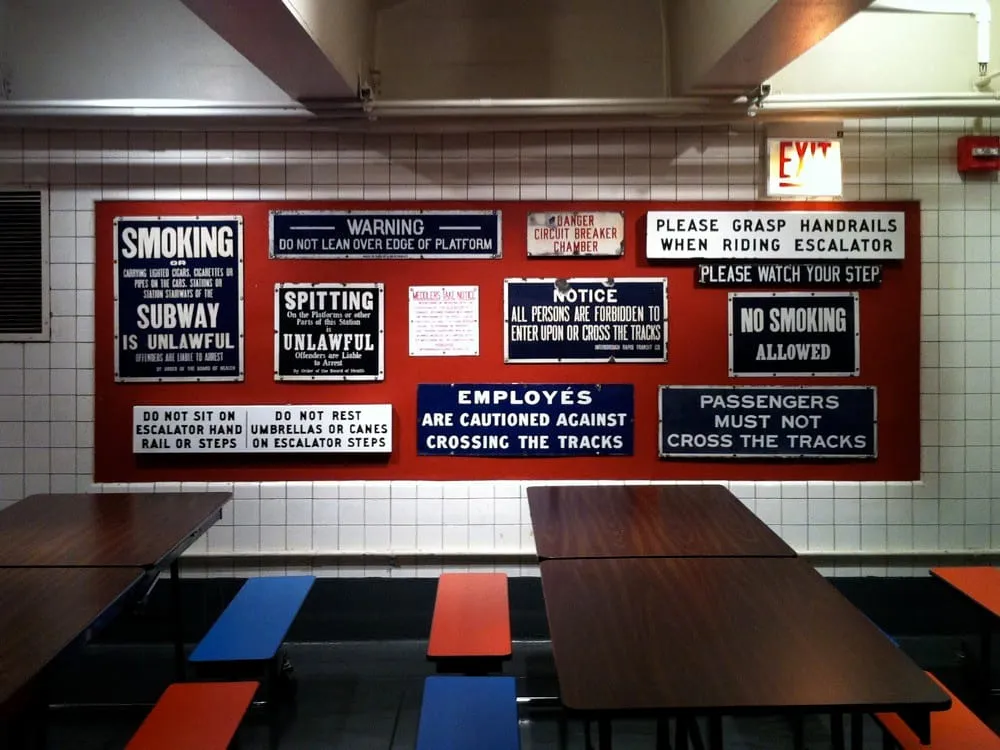
Spanning two levels, the museum celebrates all aspects of NYC’s transit network. Its mezzanine level features rotating and permanent exhibits on transit history – from the construction of the first subway lines to the evolution of fare collection (old turnstiles and tokens) and the transit system’s role in city life. There are displays of vintage bus equipment, traffic signals, signage, and even a collection of retro transit advertisements and subway etiquette posters, offering a time capsule of New York’s transportation culture . The museum also operates a Gallery & Store annex in Grand Central Terminal (Manhattan) with rotating exhibits, and a gift shop at the Bowling Green subway station, extending its reach beyond the main Brooklyn location.
Featured Video
Virtual Visit: Welcome to the New York Transit Museum!
Why Visit
Visiting the New York Transit Museum is not just for “train buffs” – it’s a journey through New York’s urban history that appeals to a broad audience mywanderlustylife.com. For families and tourists, the museum offers a unique, hands-on experience: you can walk through actual vintage subway cars, sit in seats from decades past, and see how daily commuting looked in the 1900s, 1930s, 1970s, and beyond. Kids and adults alike enjoy the interactive exhibits – from operating a bus steering wheel to browsing old fare machines – which make learning about engineering and city planning fun and tangible. It’s an engaging way to discover how public transit shaped NYC’s growth and the lives of its people, all within an authentic subway-station setting.
The museum is often cited as a “hidden gem” of New York City’s cultural scene . Unlike the more famous Manhattan museums, NYTM provides a cozy, up-close encounter with history. You’ll literally step back in time as you step onto the old train cars. History lovers will appreciate the museum’s rich collection of maps, models, and historical photos, while transit enthusiasts will be in heaven surrounded by preserved subway technology (from century-old signal equipment to a fully restored station control booth). The setting itself – with its tiled walls and vintage “To All Trains” signs – lends an atmospheric charm. Overall, NYTM offers a mix of education and nostalgia that resonates with anyone curious about how a great city moves its people.
What to Expect
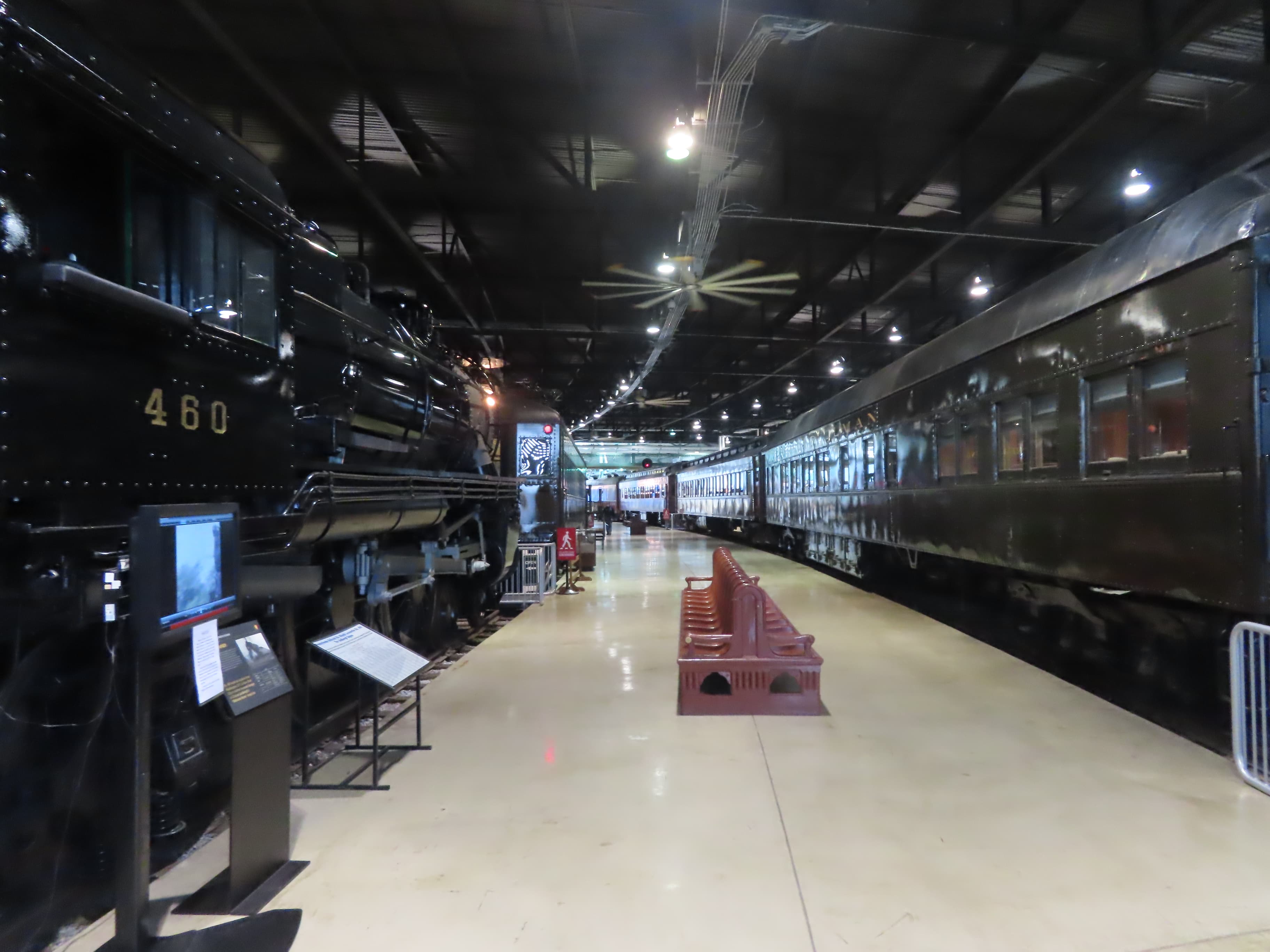
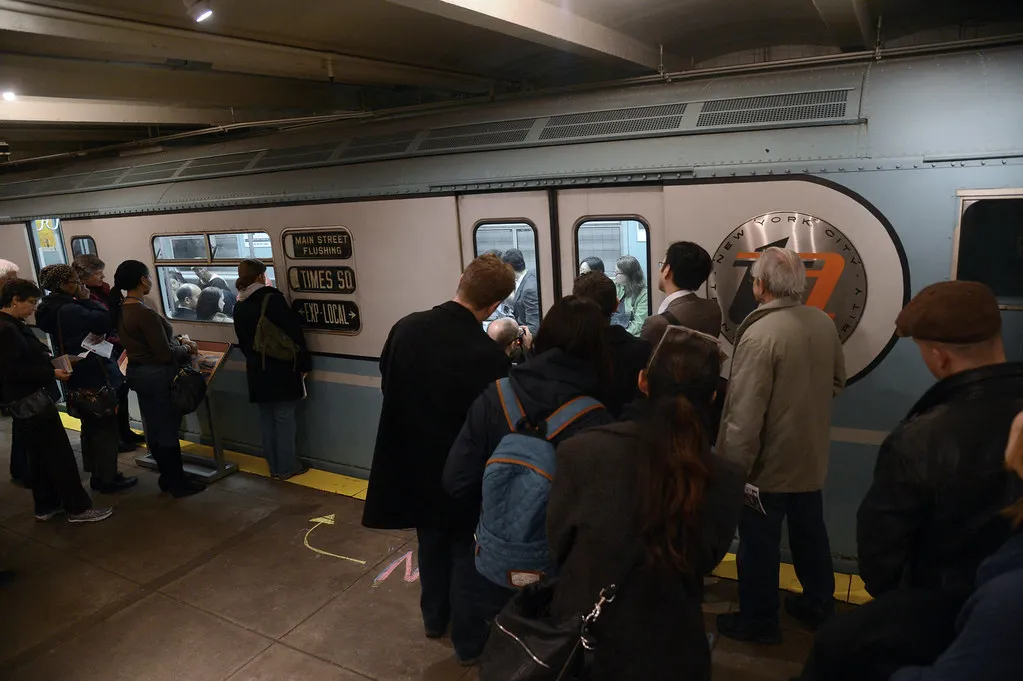
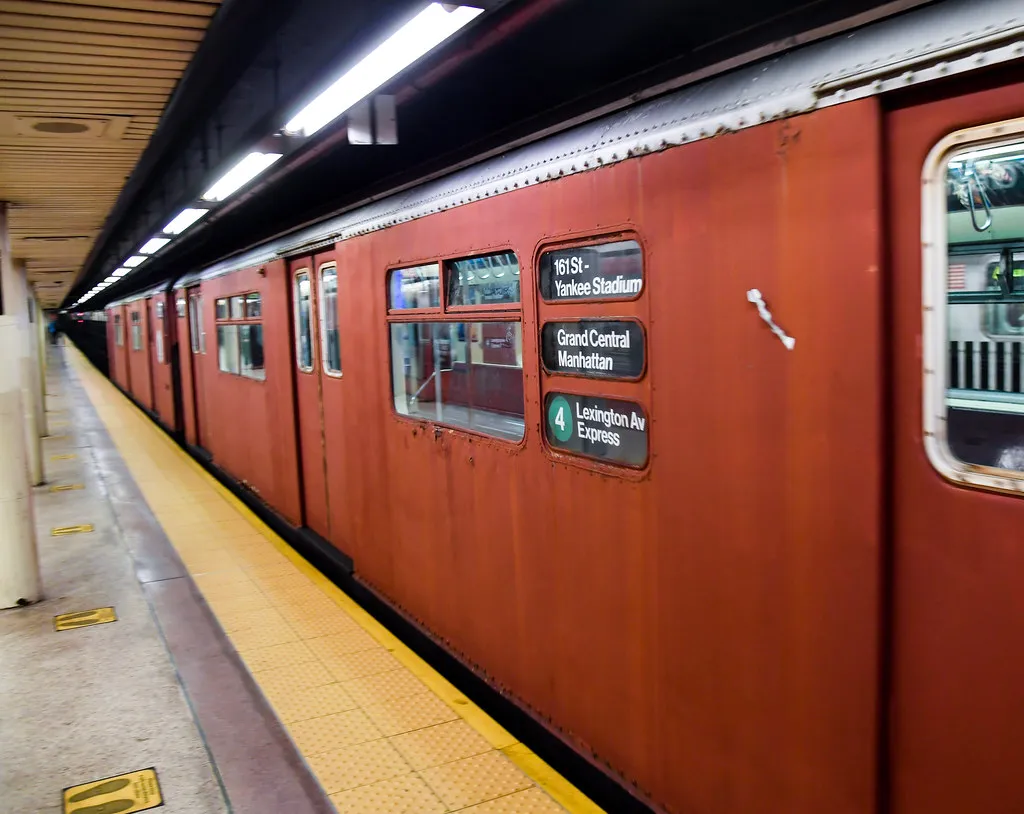
Historic NYC subway cars on display at the Transit Museum’s platform level (the former Court Street station). Visitors can board these vintage cars and experience different eras of transit. When you arrive, look for the unassuming subway entrance at the corner of Boerum Place and Schermerhorn Street – the museum is underground, accessed by a stairwell just like a typical station nytransitmuseum.org. Inside, the mezzanine (upper level) houses galleries and artifacts. Expect to spend time reading about how the subway was built (the “Steel, Stone & Backbone” exhibit details early 1900s tunneling methods), how transit responded to crises like the 9/11 attacks, and how design and technology evolved (from uniformed token booth clerks to the MetroCard era). Numerous relics – from old turnstiles to bus driver uniforms – are on display, and many exhibits are kid-friendly with buttons to press and interactive elements.
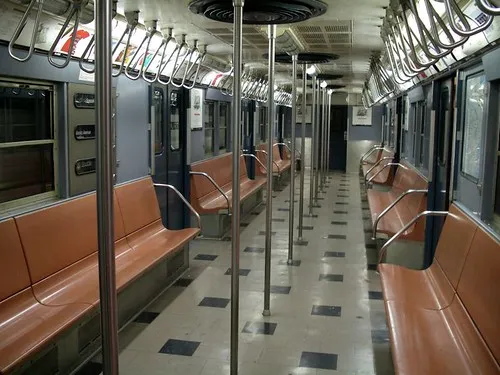
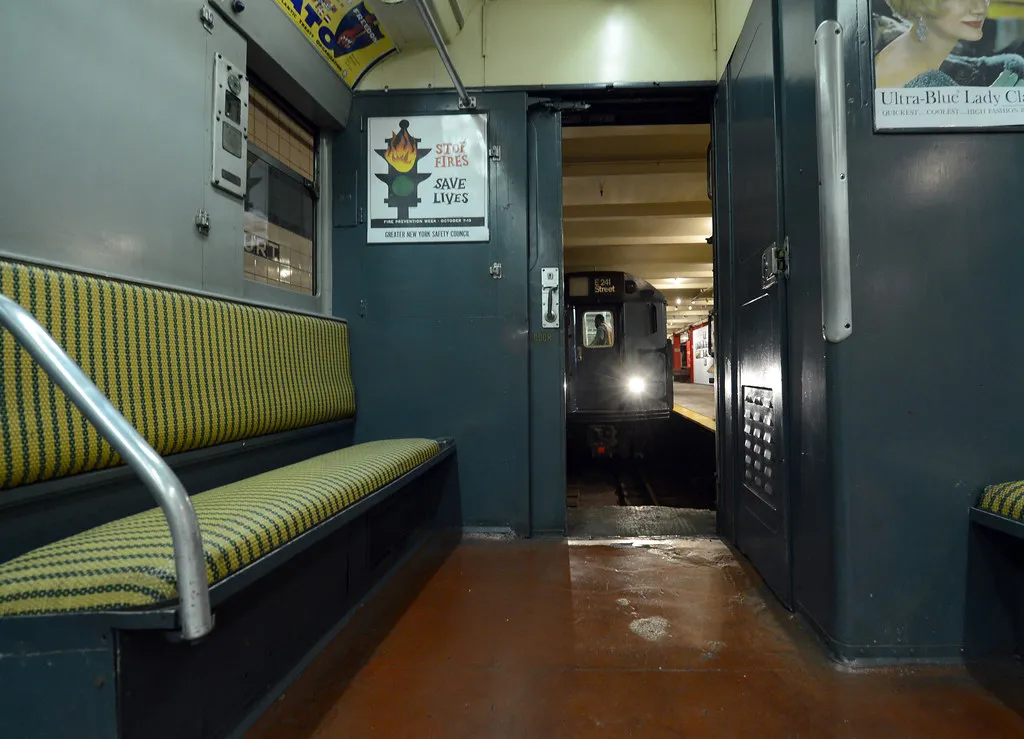
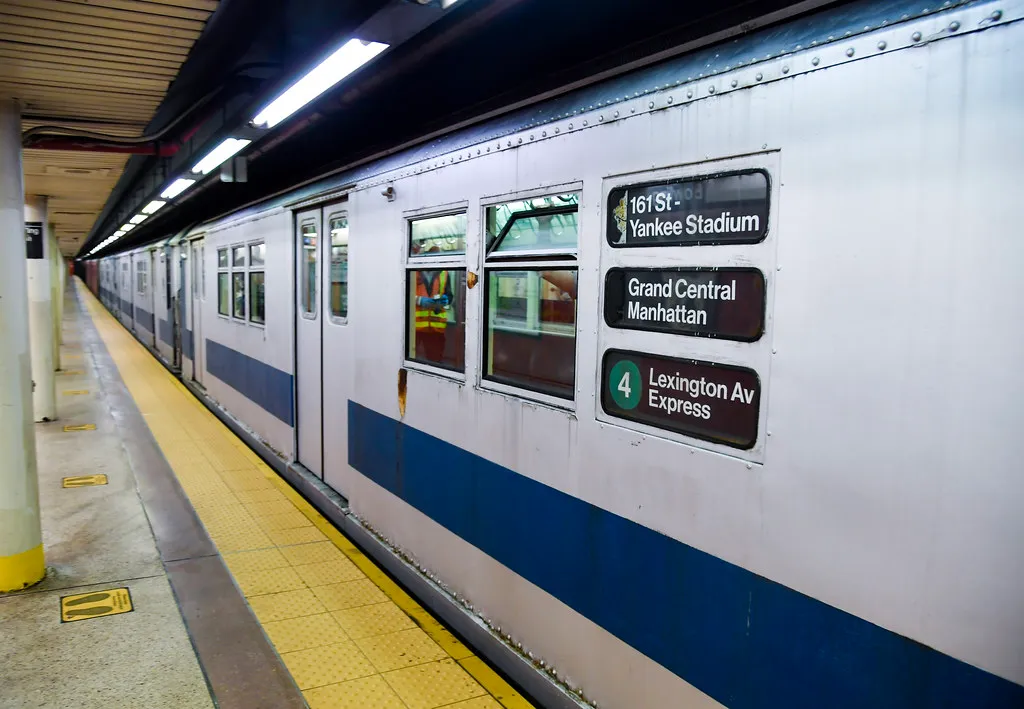
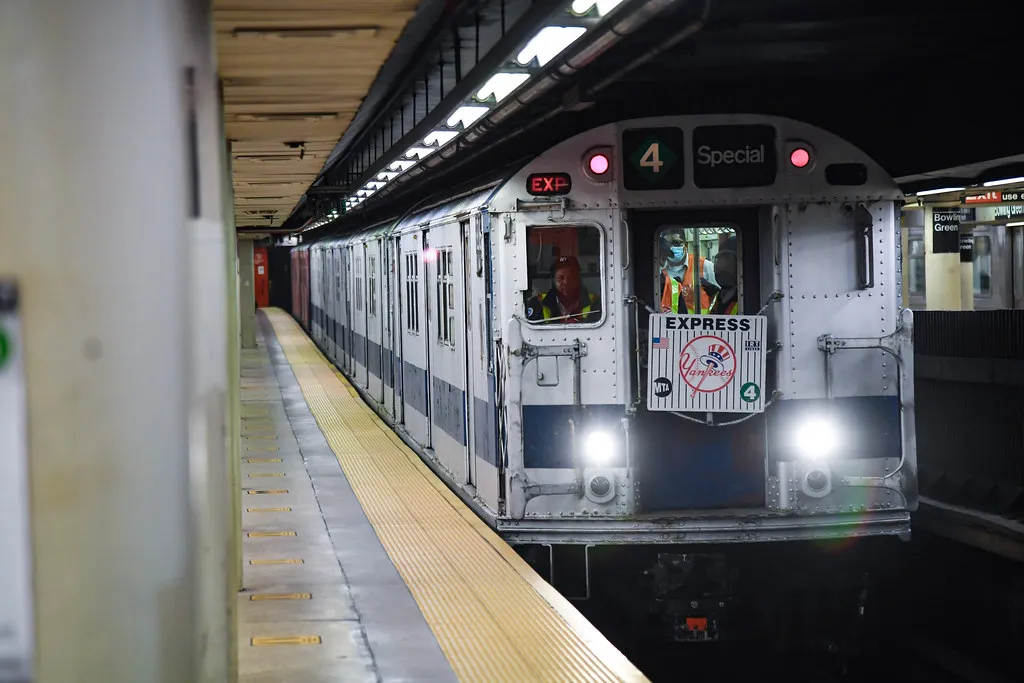
Downstairs on the station platform, an entire fleet of 20 vintage subway and elevated cars spanning 1910 through 1960s models awaits . You can board the old trains: wander through rattan-seated subway cars from the 1910s, step into a 1940s IND train with vintage ads overhead, or grab a seat on a groovy 1960s stainless-steel car. Each car is outfitted with period-correct advertisements and signage, making it feel like a working subway from its era . The cars are set up on the original tracks of the station (yes, there’s even a cautionary third rail running along the platform edge, though safely fenced off). It’s a sensory experience – you might catch a hint of that old-machinery smell and imagine the rattling these cars once made. Beyond the trains, you’ll find an exhibit of antique buses (including a vintage city bus you can board in warmer months, brought to street level during special events) and cutaway models of subway cars and equipment. Plan to spend 1.5 to 2 hours to see everything at an enjoyable pace. Do note that because the museum is in a subterranean space, there is no cell phone service down there – which adds to the feeling of stepping back in time (just coordinate with your group before you go off exploring).
How to Plan Your Visit
Season and Schedule
The New York Transit Museum is a year-round destination with specific hours and seasonal considerations for visitors. It offers a unique experience in a historic station, making it suitable for various weather conditions.
- Hours
- Wednesday–Sunday, 10 am to 4 pm (last entry at 3:15 pm)
- Closed
- Mondays, Tuesdays, and major holidays
- Best Visiting Times
- Morning or weekdays in summer to avoid crowds
- Crowd Levels
- Thinner crowds in January–February
- Pleasant Weather
- Spring and fall generally offer the most pleasant weather
Ticket Information
The New York Transit Museum offers affordable admission and encourages advance ticket purchases to manage visitor capacity. Members and certain affiliates can enjoy free or reduced admission.
- Adult Ticket Price
- $10
- Child Ticket Price
- $5
- Children Under 2
- Free
- Seniors Ticket Price
- $5
- Ticket Reservation Window
- Up to 3 weeks in advance
- Group Visit Requirement
- Must be pre-arranged
Accessibility Details
The New York Transit Museum strives to accommodate all visitors, offering various accessibility options and services. Visitors with specific needs are encouraged to contact the museum's Access team for arrangements.
- Primary Entrance
- Stairs
- Alternate Entrance
- Elevator/lift at the corner of Schermerhorn and Court Streets
- Lift Weight Limit
- 450 pounds
- Exhibit Accessibility
- Most exhibits are accessible; some historic train cars are not
- ASL Interpreters
- Available with advance notice
- Service Animals
- Welcome; pets and emotional support animals are not
What to Bring
Visitors to the New York Transit Museum should dress comfortably and be prepared for varying temperatures. It's important to travel light and bring essentials, as large bags are not permitted and there are no food or drink options available inside the museum.
- Comfortable Shoes
- Recommended for walking through train cars and exhibits
- Dress in Layers
- Appropriate to the season due to partly underground environment
- No Food or Drink
- Not for sale inside; eating is not allowed
- Bag Policy
- Large bags not permitted; a backpack or small tote is fine
- Photography
- Allowed; flash photography not necessary and tripods not allowed
- Stroller Policy
- Lightweight stroller is okay, but must be carried up and down stairs
Photography Tips
The New York Transit Museum offers numerous photography opportunities, allowing personal photography for non-commercial use while prohibiting professional equipment. Visitors should consider lighting conditions and crowd levels when planning their shots.
- Photography Policy
- Personal photography is welcome for non-commercial use
- Prohibited Equipment
- Professional photoshoots, tripods, lighting rigs, and selfie sticks
- Lighting Conditions
- Somewhat dim, use high ISO setting or fast lens
- Best Time to Visit
- Weekdays or earlier in the day for clearer shots
- Iconic Photo Spot
- Entrance staircase with 'New York Transit Museum' sign
Traveling with Pets
Service animals only
The museum's accessibility page states: "Service animals are welcome; comfort or emotional support animals are not permitted." No provision is made for pet dogs.
Verified — operator's pet policy
Travel Information
By Air
New York City has three major airports serving travelers to Brooklyn, with JFK being the most convenient for public transit access to the Transit Museum.
- Major Airports
- John F. Kennedy International Airport (JFK), LaGuardia Airport (LGA), Newark Liberty International Airport (EWR)
- Distance to JFK
- 10–12 miles (16–19 km) east of Downtown Brooklyn
- Distance to LGA
- 10 miles (16 km) north of Downtown Brooklyn
- Distance to EWR
- 14 miles (22 km) west of Brooklyn
- Travel Time from JFK
- roughly 1 hour using public transit
- Travel Time from LGA
- 30–45 minutes, traffic depending
By Train
New York City serves as a major rail hub with various train services connecting to the city. The Transit Museum is easily accessible from major rail terminals via subway.
- Major Rail Hub
- U.S. Northeast Corridor
- Amtrak Travel Time from Washington, D.C.
- about 3 hours
- Amtrak Travel Time from Boston
- 3.5–4 hours
- Subway Line from Penn Station to Borough Hall
- 2 or 3 subway (red line)
- Subway Line from Grand Central to Borough Hall
- 4 or 5 express subway (green line)
- Taxi Travel Time from Midtown Manhattan to Downtown Brooklyn
- about 20–30 minutes in normal traffic
By Car
Driving to the New York Transit Museum is possible but requires navigating urban traffic and finding scarce parking. Access from Manhattan is via the Brooklyn or Manhattan Bridge, while other routes are available from New Jersey and points east or north.
- Access Points
- Brooklyn Bridge, Manhattan Bridge
- Routes from New Jersey
- I-78, New Jersey Turnpike, Holland Tunnel, Verrazzano-Narrows Bridge
- Routes from Long Island/Queens
- I-495, I-278
- Traffic Consideration
- Allow extra time for traffic, especially on weekdays
- Navigation Aid
- GPS or map app recommended
Parking
Parking near the New York Transit Museum is challenging, with limited metered street parking and no dedicated lot. It is advisable to use nearby parking garages.
- Parking Availability
- Challenging
- Dedicated Parking Lot
- No
- Street Parking
- Metered, rarely open
- Nearby Garages
- Borough Hall, Livingston Street, MetroTech complex
- Parking Rates
- $10–$20 for the first hour or two
- Accessible Parking
- Possible with NYC disability permit, but tough
Local Transportation
The New York Transit Museum is easily accessible via subway and bus in Downtown Brooklyn. It is a pedestrian-friendly area with multiple transportation options available.
- Closest Subway Station
- Court Street (R train)
- Nearby Subway Stations
- Borough Hall (2, 3, 4, 5 trains), Jay St–MetroTech (A, C, F trains)
- Walking Distance from Brooklyn Bridge
- 15-minute walk
- Distance from Brooklyn Heights
- 0.7 miles (1.1 km)
- Bus Routes Nearby
- B25, B26, B38, B41
Nearby Lodging
Find places to stay near New York Transit Museum.
This lodging map is provided by Stay22, a third-party service that may set cookies. It loads only with your consent.
Accommodation results are provided by Stay22; we may earn a commission on bookings made through this map.
Nearby Attractions
- Brooklyn Bridge
This iconic 19th-century suspension bridge is a must-see landmark connecting Brooklyn to Manhattan. Walking the bridge’s pedestrian promenade offers panoramic views of the NYC skyline and harbor. From the Brooklyn end of the bridge to the museum is about 0.7 mi (1.1 km)
- Statue of Liberty National Monument
America’s iconic symbol on Liberty Island. Take the ferry from The Battery to explore Liberty and Ellis Islands; pedestal/crown access requires advance tickets. Panoramic harbor and skyline views.
- 9/11 Memorial & Museum
At the World Trade Center, the twin reflecting pools honor the victims; the museum presents artifacts and personal stories from 9/11 and 1993. A powerful, solemn experience in Lower Manhattan.
Photos
 Britta Gustafson
Attribution-ShareAlike License
Metropolitan Transportation Authority
Attribution License
Matthew Rutledge
Attribution License
Metropolitan Transportation Authority
Attribution License
Metropolitan Transportation Authority
Attribution License
Metropolitan Transportation Authority
Attribution License
Metropolitan Transportation Authority
Attribution License
Help improve this page
Spotted something out of date or incorrect? Let our community know.
Explore more experiences: Browse all rail travel experiences.
Booking & Pricing
Affiliate link — we may earn a commission on bookings at no extra cost to you. Details.
Quick Information
Country
Region
City
Brooklyn
Best Season
One of the advantages of the New York Transit Museum is that it’s an indoor attraction, so it can be enjoyed in any weather. However, considering comfort and crowds, spring and fall are arguably the best times to visit. In April–June and September–October, New York City’s weather is mild – perfect for exploring the neighborhood on foot before or after the museum, and for sitting in the vintage cars without summer heat or winter chill. These shoulder seasons also coincide with lower tourist volumes than peak summer, meaning the museum may be less crowded (you might have an entire old subway car to yourself on a weekday!).