

Railway Experience
Exporail – The Canadian Railway Museum
Canada’s largest railway museum featuring historic trains, interactive exhibits, and rides on vintage streetcars and mini-trains.
Updated
See everything in Quebec6 spots · 1 experience · 1 eventAbout This Experience
Exporail, also known as the Canadian Railway Museum, is Canada’s national rail heritage center located in Saint-Constant, Quebec, on Montreal’s south shore railfan.com. Founded by the Canadian Railroad Historical Association in 1961, its opening date symbolically coincided with the anniversary of Canada’s first railway journey in 1836 (the Champlain & St. Lawrence line between La Prairie and Saint-Jean) . Over six decades later, Exporail has grown into the country’s largest railway museum – officially recognized by the Canadian Parliament as such – preserving a massive collection of historic trains and artifacts . Visitors will find more than 140 locomotives and railcars spanning 170+ years of railroad history in Canada, along with extensive archives of photographs, documents and memorabilia that chronicle the nation’s rail heritage en.wikipedia.org .
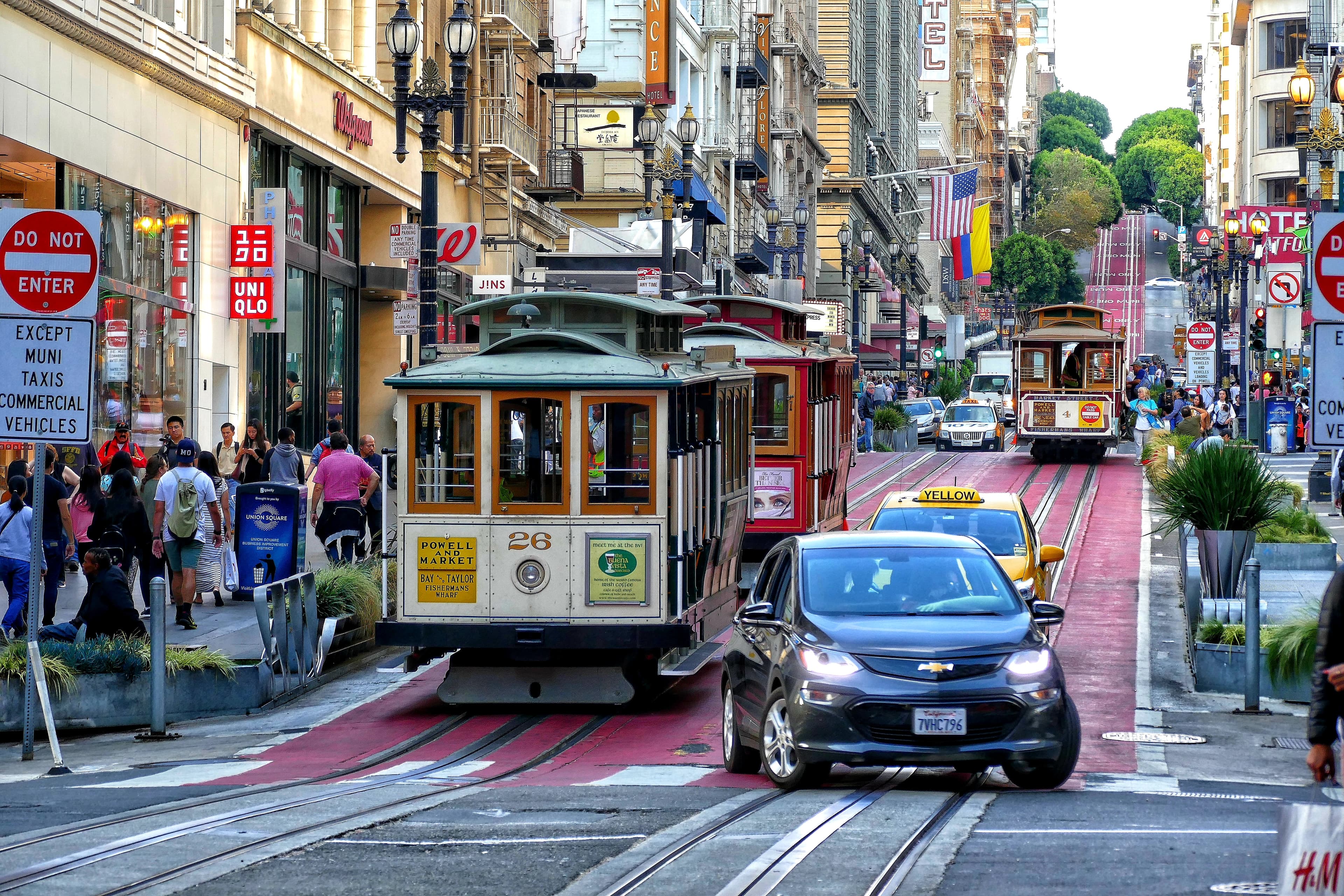
True to its nickname “a living museum,” Exporail offers an interactive, hands-on experience beyond static displays. The museum’s expansive indoor exhibit hall (the Angus Pavilion) houses dozens of life-size trains under dramatic lighting, and an immersive introductory tunnel showcases hundreds of railway artifacts to set the scene. Many vehicles are open for exploration – you can climb aboard vintage passenger coaches, step into locomotive cabs, and even walk through a rare “school car” where a teacher once taught children in remote areas . Outdoors, the experience continues as visitors ride on an authentic heritage streetcar that clangs its way around the grounds and a miniature passenger train that chugs along a short historic spur line. Live demonstrations enliven the atmosphere – you might witness telegraph operators tapping out messages or see the museum’s wood-fired John Molson steam locomotive replica puffing away on special days. With indoor galleries, open-air yards, and active rides, Exporail immerses railfans in the sights, sounds, and even smells of railroading history, making it a dynamic destination that brings Canada’s rich railway legacy to life .
Featured Video
Visite du Musée ferroviaire canadien – le plus grand musée ferroviaire du Canada
J'ai visité ce musée pour la première fois avec mon père en 2013. Depuis, j'avais envie d'y retourner et, comme par hasard, mes amis voyageurs préparaient un voyage, nous avons décidé d'y aller en groupe. Ce fut une superbe excursion et nous avons vu de nombreux trains et locomotives différents.
Why Visit
Why Visit:
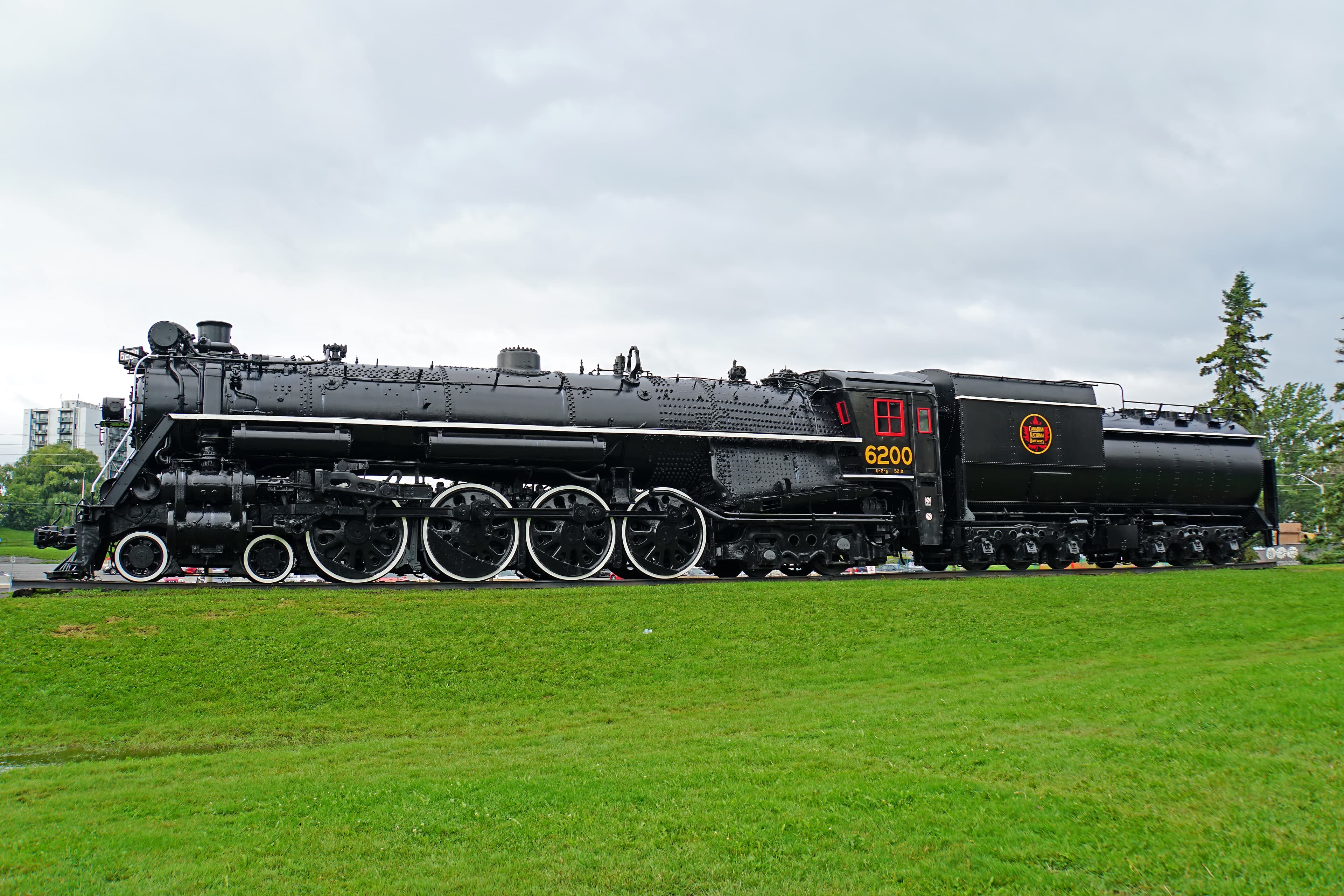
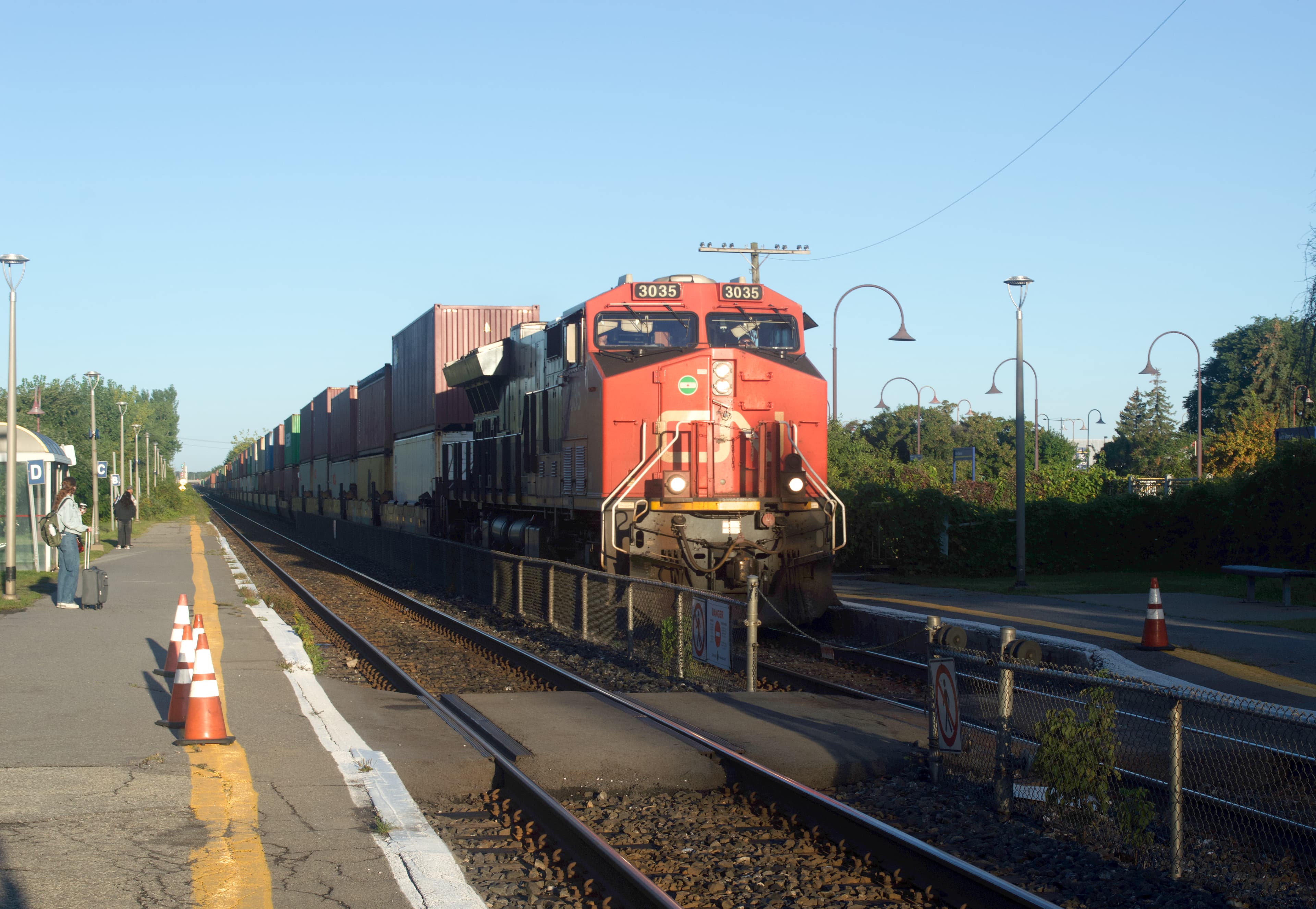
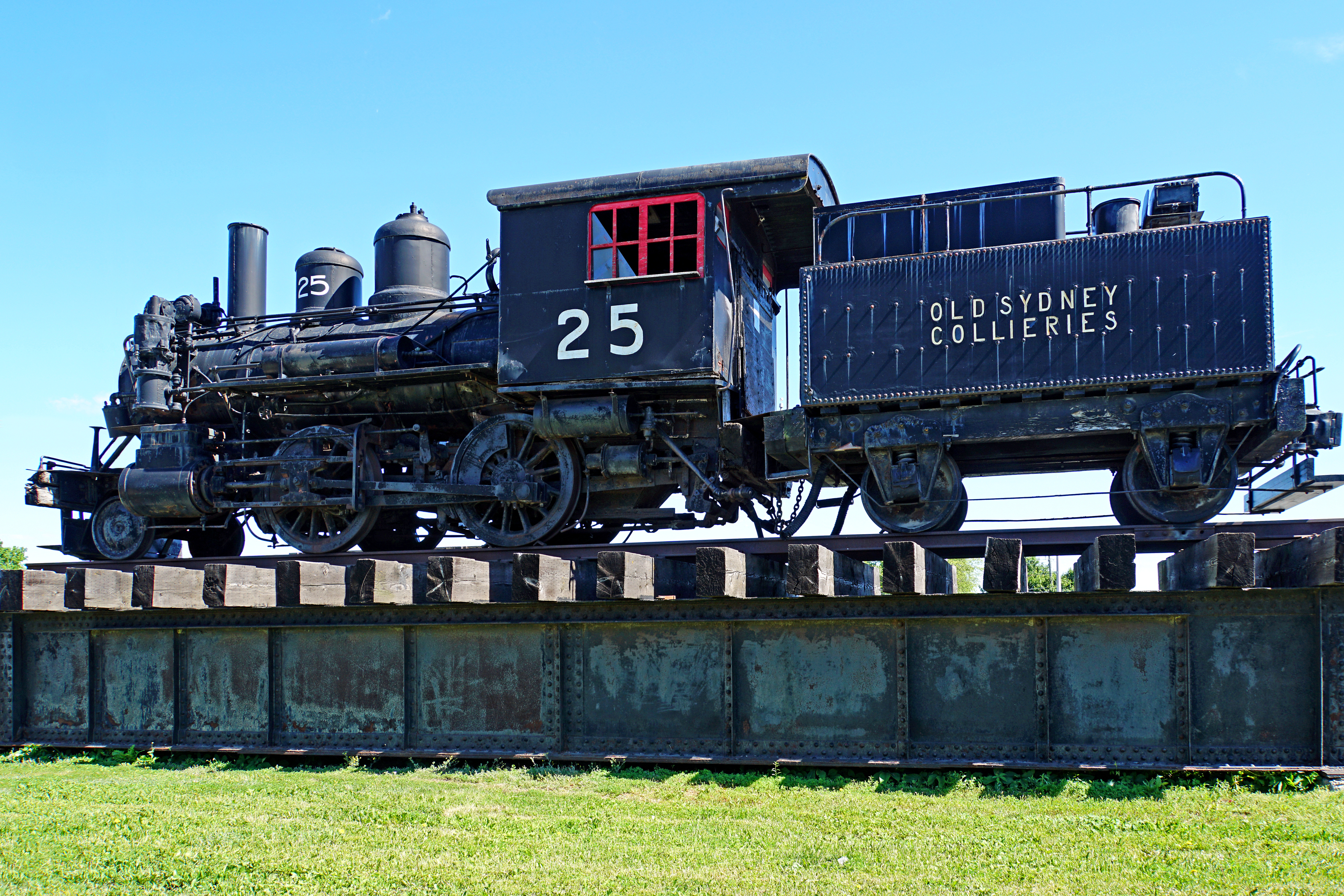
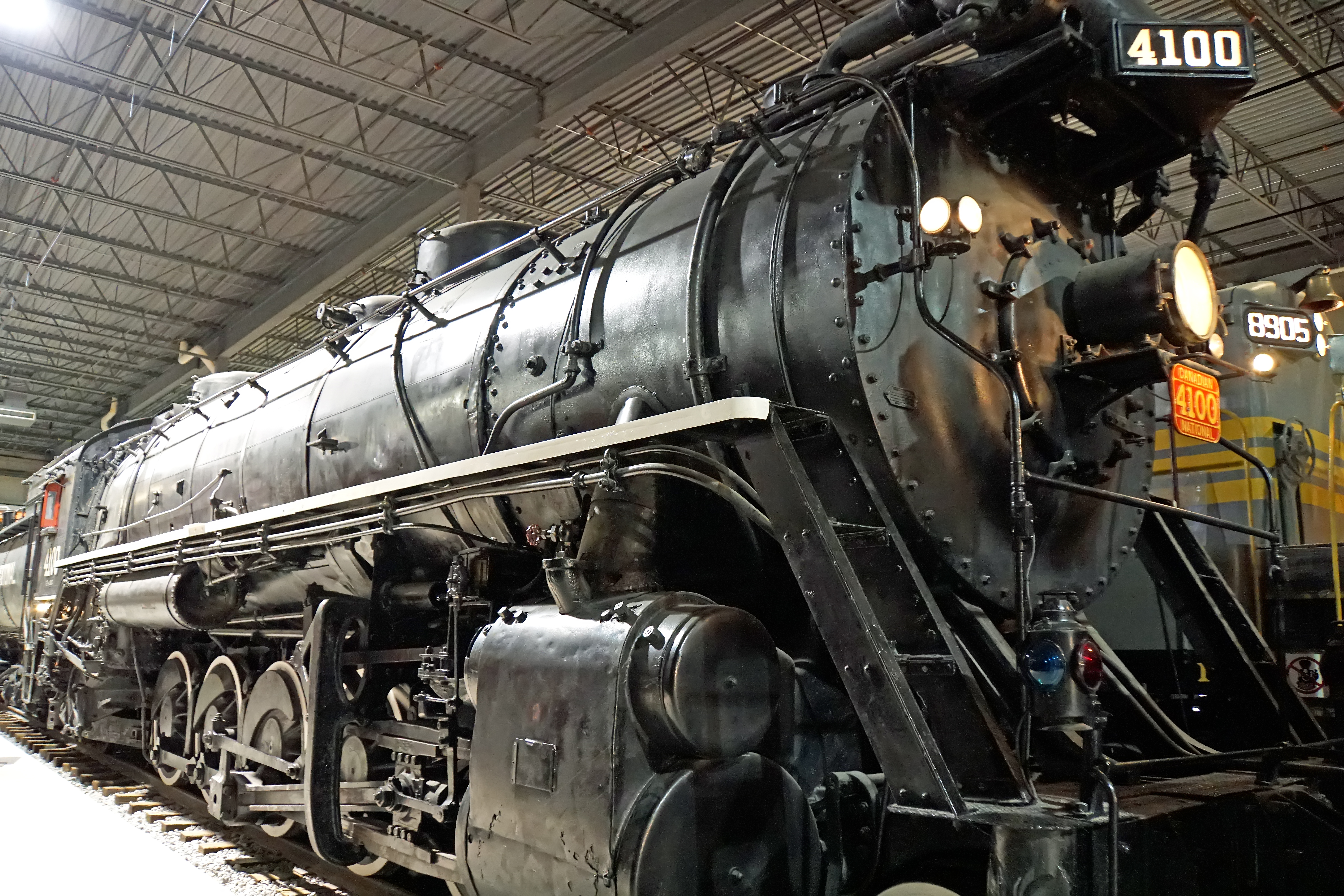
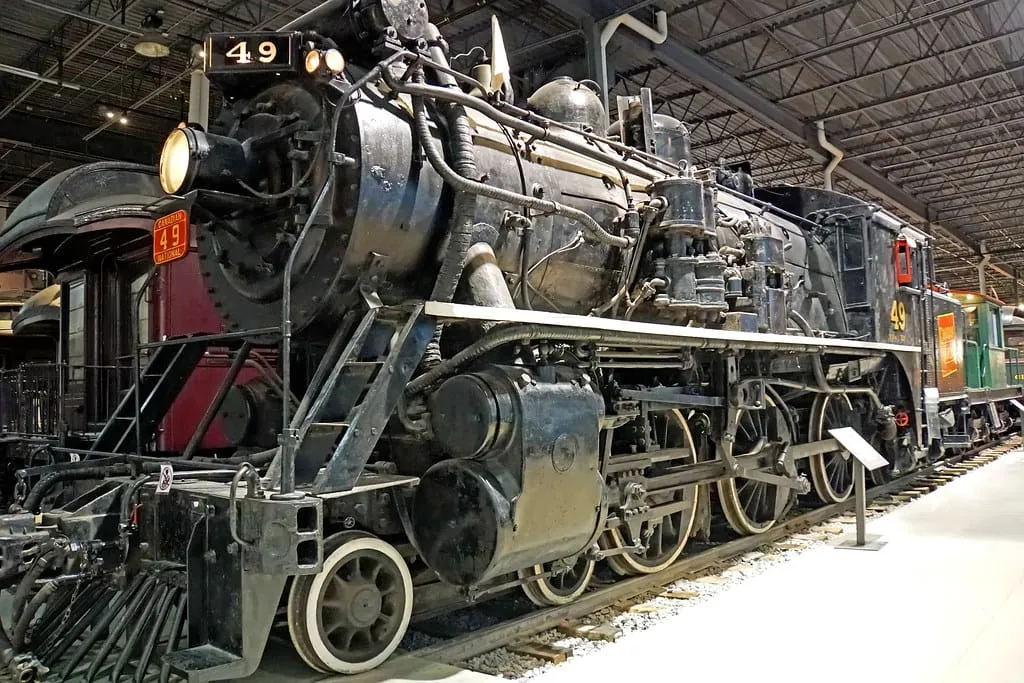
For train enthusiasts, Exporail is a must-see treasure trove. It boasts one of the world’s most extensive railway collections, with over 150 pieces of rolling stock ranging from grand steam locomotives to early electric streetcars and diesel workhorses. Among its crown jewels is Canadian Pacific “Royal Hudson” No. 2850, a streamlined 4-6-4 steam locomotive famous for pulling King George VI’s Royal Train across Canada in 1939 en.wikipedia.org. This legendary engine – designated a “Royal Hudson” after its regal duties – now sits proudly on display, allowing visitors to admire its sleek design up close. Exporail’s exhibits also include stalwarts of Canadian rail history like sturdy Pacific-type steam engines, vintage wooden passenger and sleeper cars, interurban trams from Montreal, and classic diesel locomotives from CN and CP, all restored to illustrate the evolution of train technology and design. Housed in a spacious modern pavilion, these machines can be viewed from all angles – from towering driving wheels and connecting rods to the refinished interiors of rail cars – delighting photographers and engineering buffs alike mtl.org .
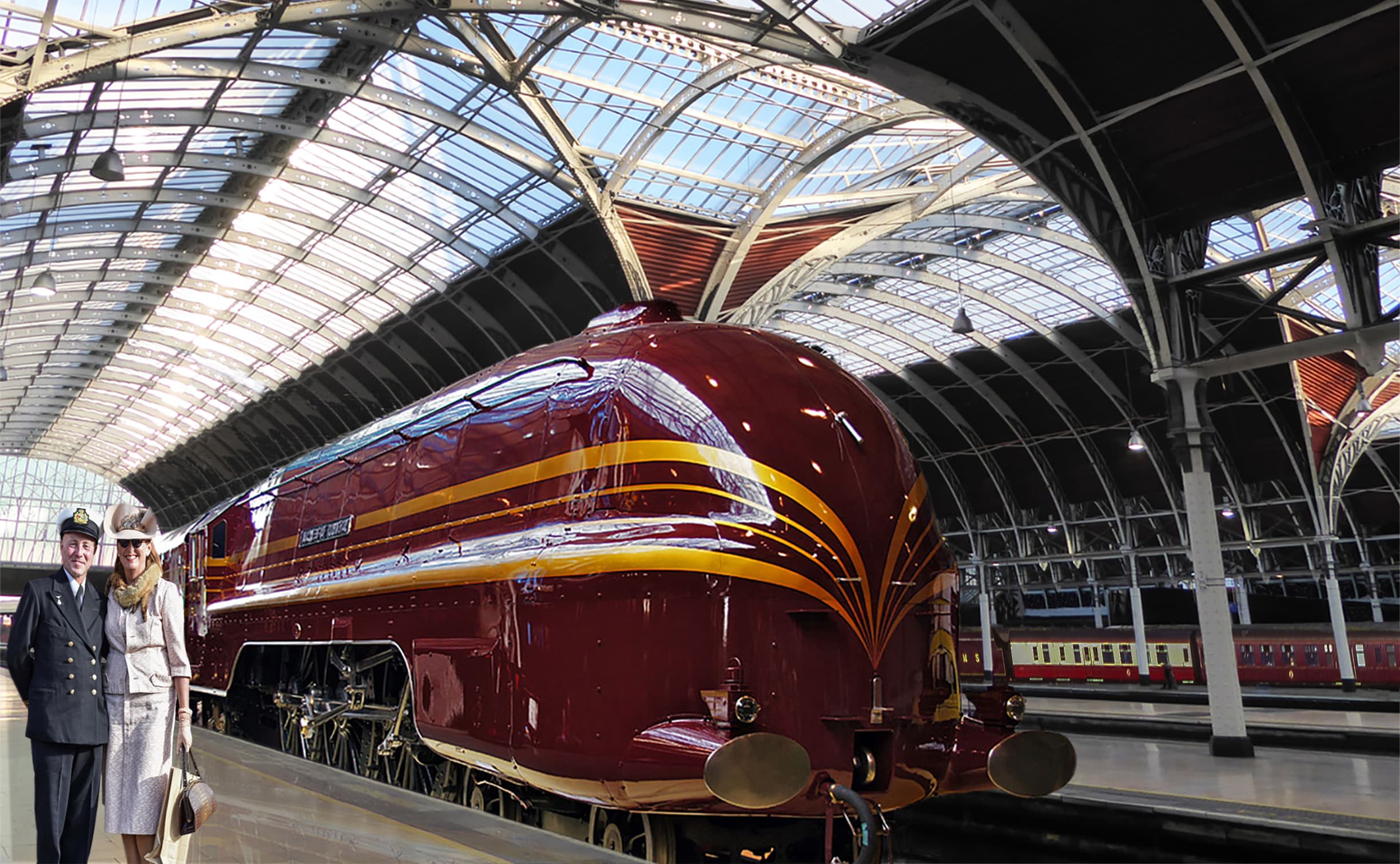
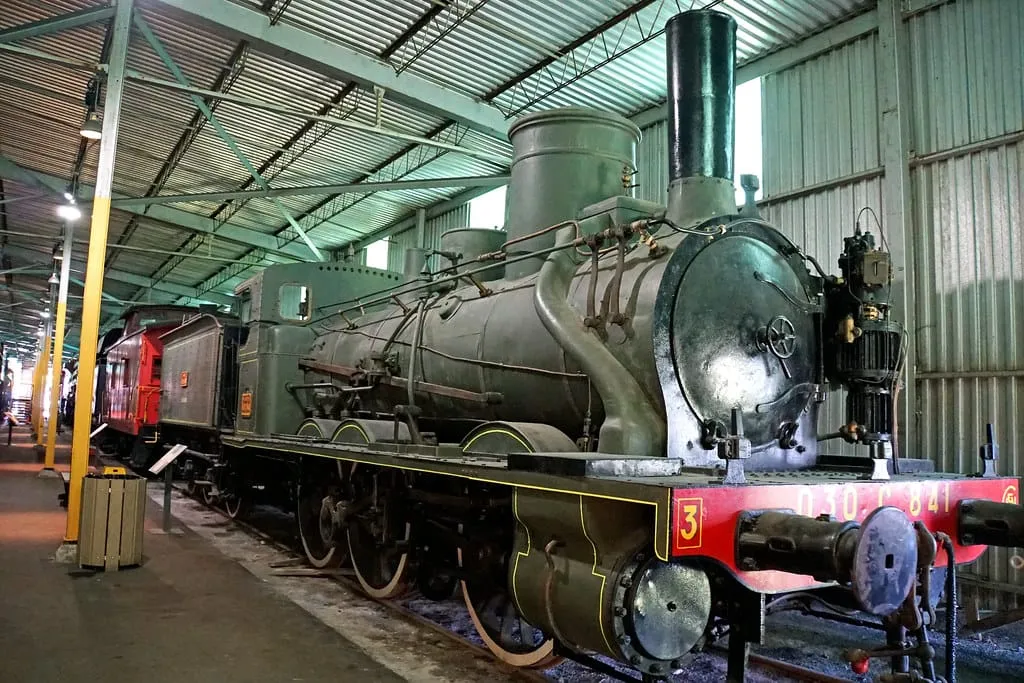
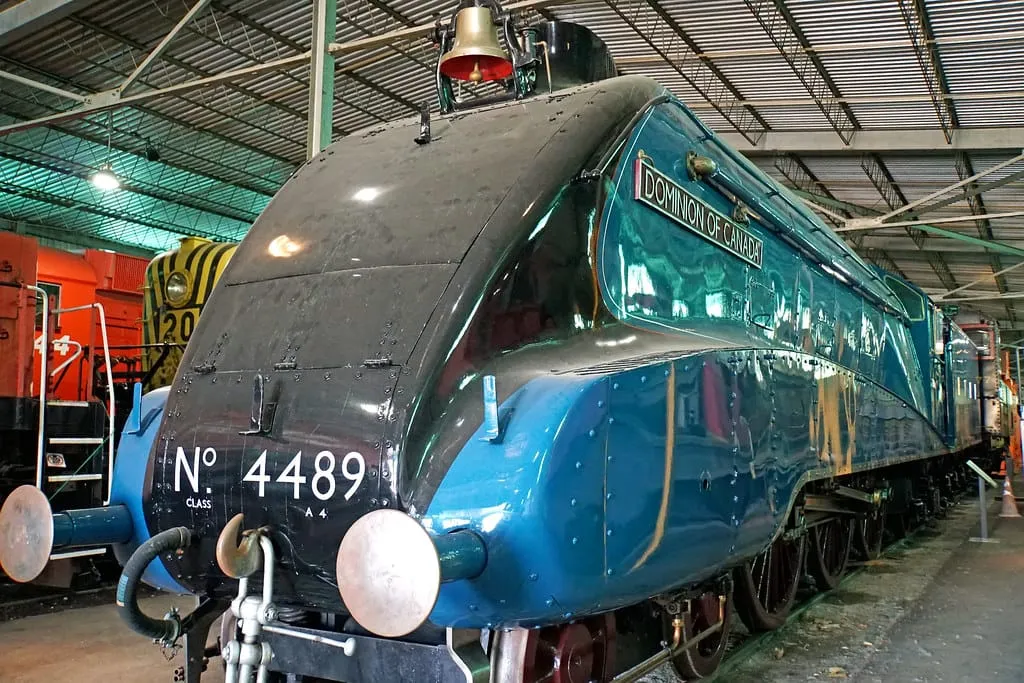
What makes Exporail truly unique is the breadth and diversity of its collection and experiences. The museum offers a panorama of not just Canadian but international railway heritage: a few locomotives hail from overseas yet have Canadian connections, adding a global dimension. For instance, on display is the sleek LNER Class A4 Pacific 4489 “Dominion of Canada”, a famous British steam engine brought to Canada as a goodwill gift – a rare treat for visitors to see one of these record-setting 1930s streamliners outside the U.K. . Another curiosity is a 19th-century French-built SNCF steam locomotive and a diminutive British Terrier tank engine, each with their own North American story . Beyond the machines, Exporail’s curated exhibits interpret how railways shaped Canada’s geography and society: themed displays cover topics like urban streetcars, cross-country expansion “from Atlantic to Pacific,” the economic impact of rail transport, and the challenges of mountain and winter operations . The museum’s combination of massive artifacts and contextual storytelling offers railfans an unparalleled journey through time – from the era of puffing steam giants to the age of high-speed travel – all in one place. In short, Exporail isn’t just a static collection; it’s a vibrant celebration of railway culture that promises to captivate anyone with a love for trains and history.
What to Expect
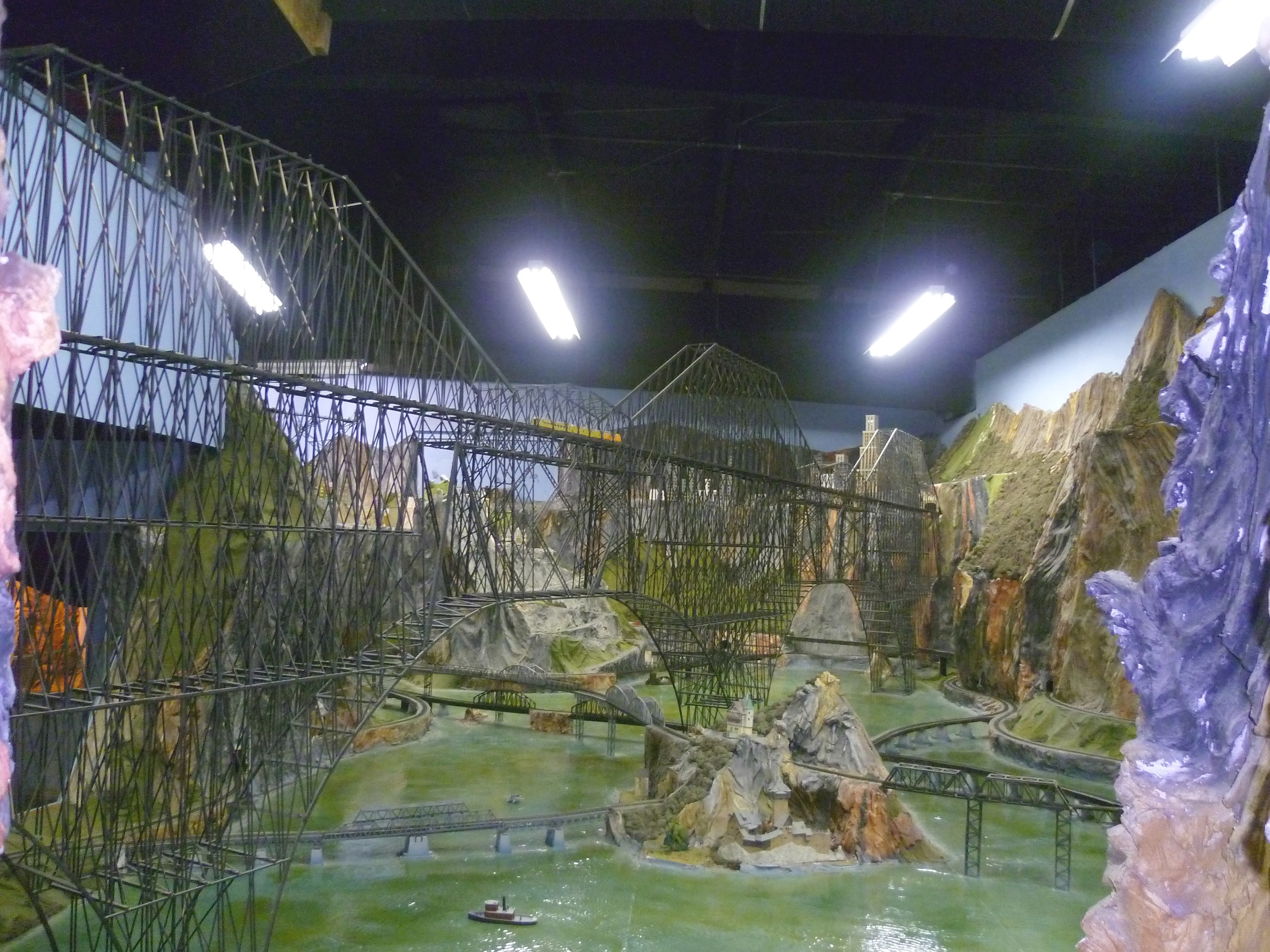
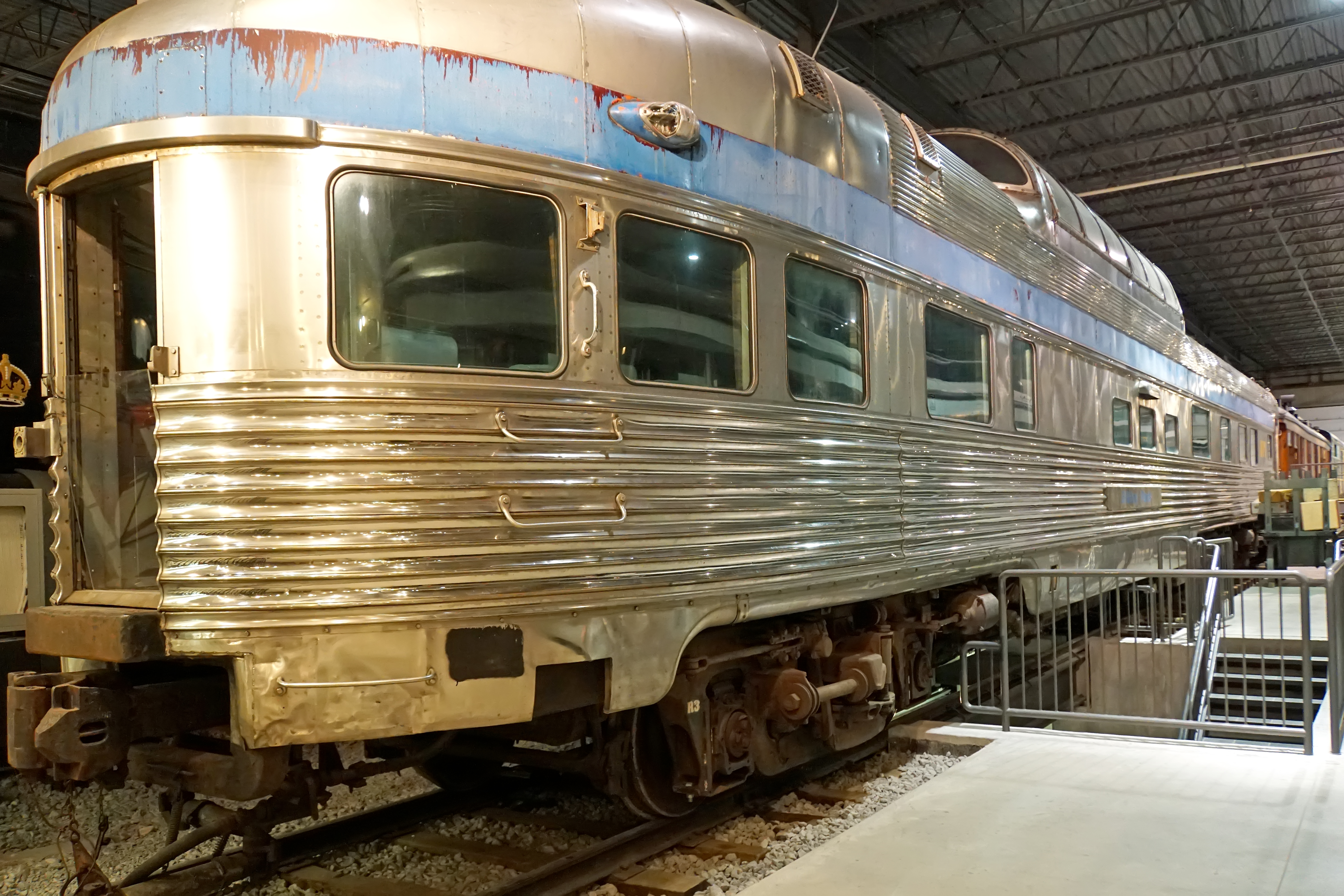
A visit to Exporail is an immersive, family-friendly adventure filled with nostalgia and discovery. You’ll start at the modern visitor center, then pass through an “immersive tunnel” lined with over 400 artifacts and archival images that transport you into the golden age of rail getyourguide.com . Exiting into the Grand Gallery, you’ll be greeted by rows of full-size locomotives and carriages artfully arranged on the tracks inside the Angus Exhibit Pavilion. The indoor hall is climate-controlled (air-conditioned in summer), with high ceilings and strategically placed lighting that highlights the gleaming metal and painted liveries of the engines. Many exhibits invite interaction: you can wander through a luxurious 1950s sleeper car, sit in an old streetcar, or peek into the cab of a steam locomotive (sometimes with a guide on hand to answer questions) . Engaging interpretive signs (in English and French) and occasional guided tours provide historical context and fun anecdotes. Don’t miss the working model train room – a favorite of kids and hobbyists – where miniature trains wend their way through detailed landscapes. Throughout the museum, friendly staff and volunteer docents (often rail historians themselves) are available to share insights or the story behind a particular engine, adding a personal touch to the experience . Overall, plan for a sensory feast: the echo of an antique station announcement in the exhibit audio, the smell of creosote from old railway ties, and the tactile thrill of holding a vintage brass railway lantern or signaling device in one of the hands-on displays.
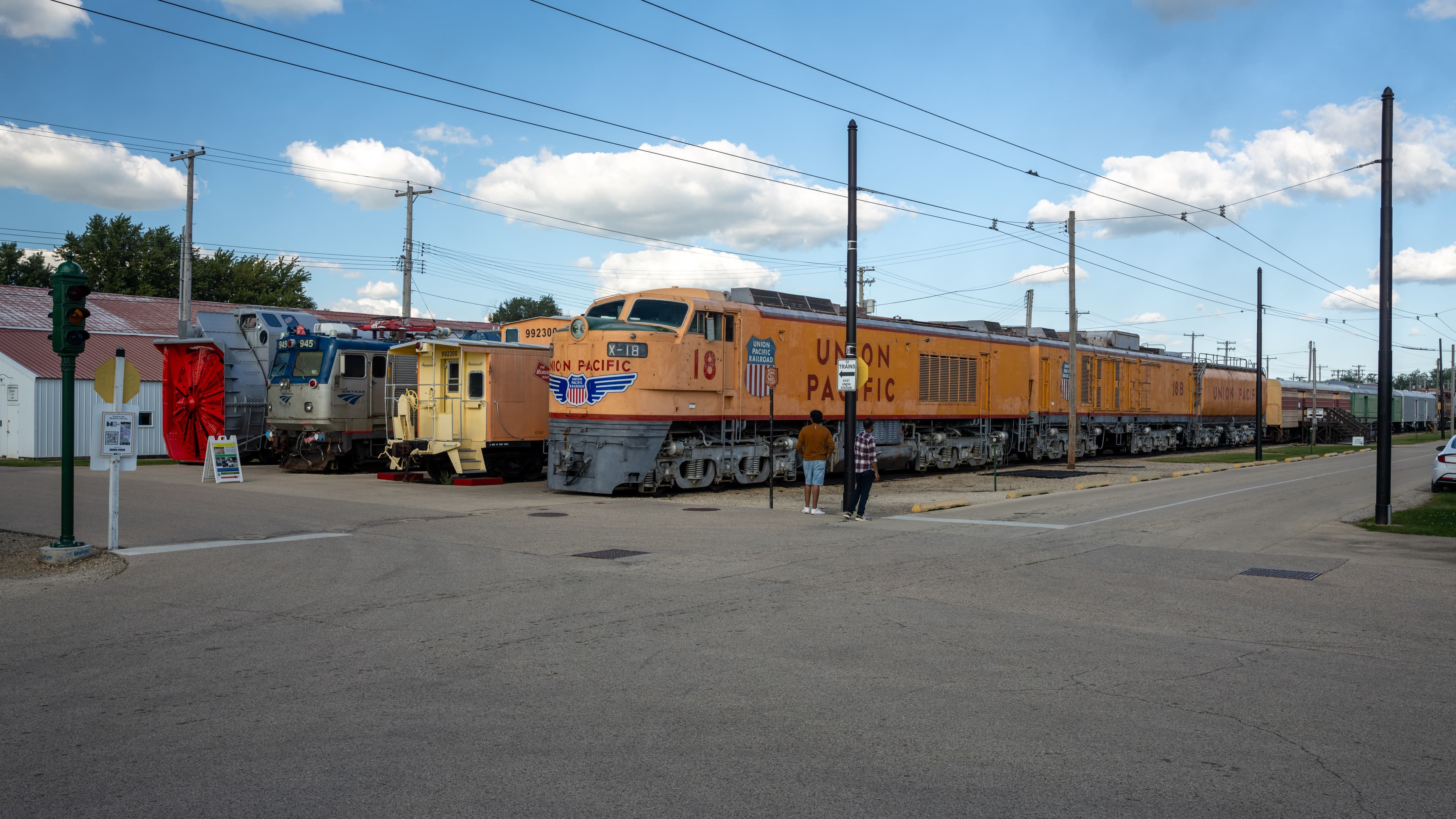
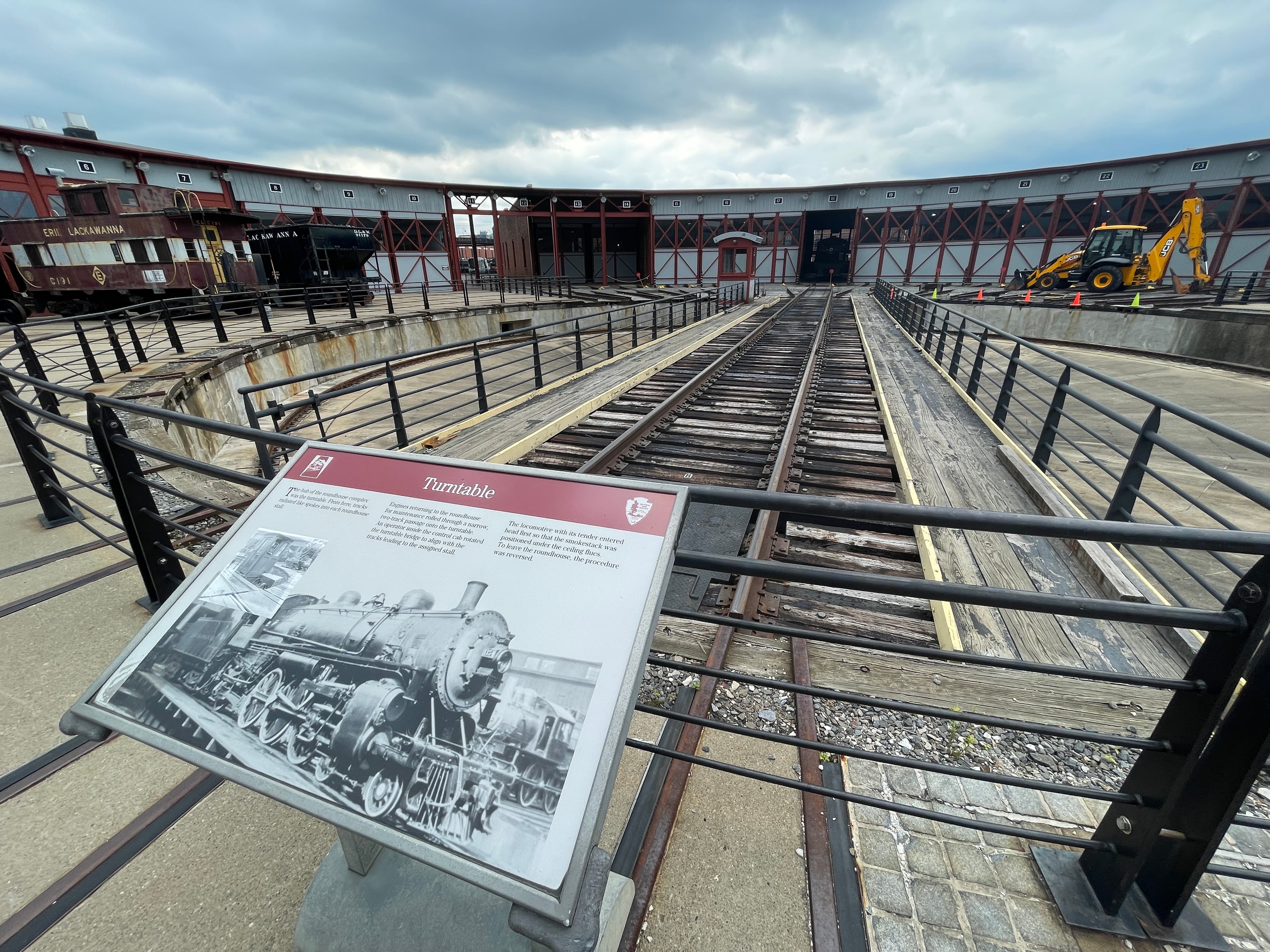
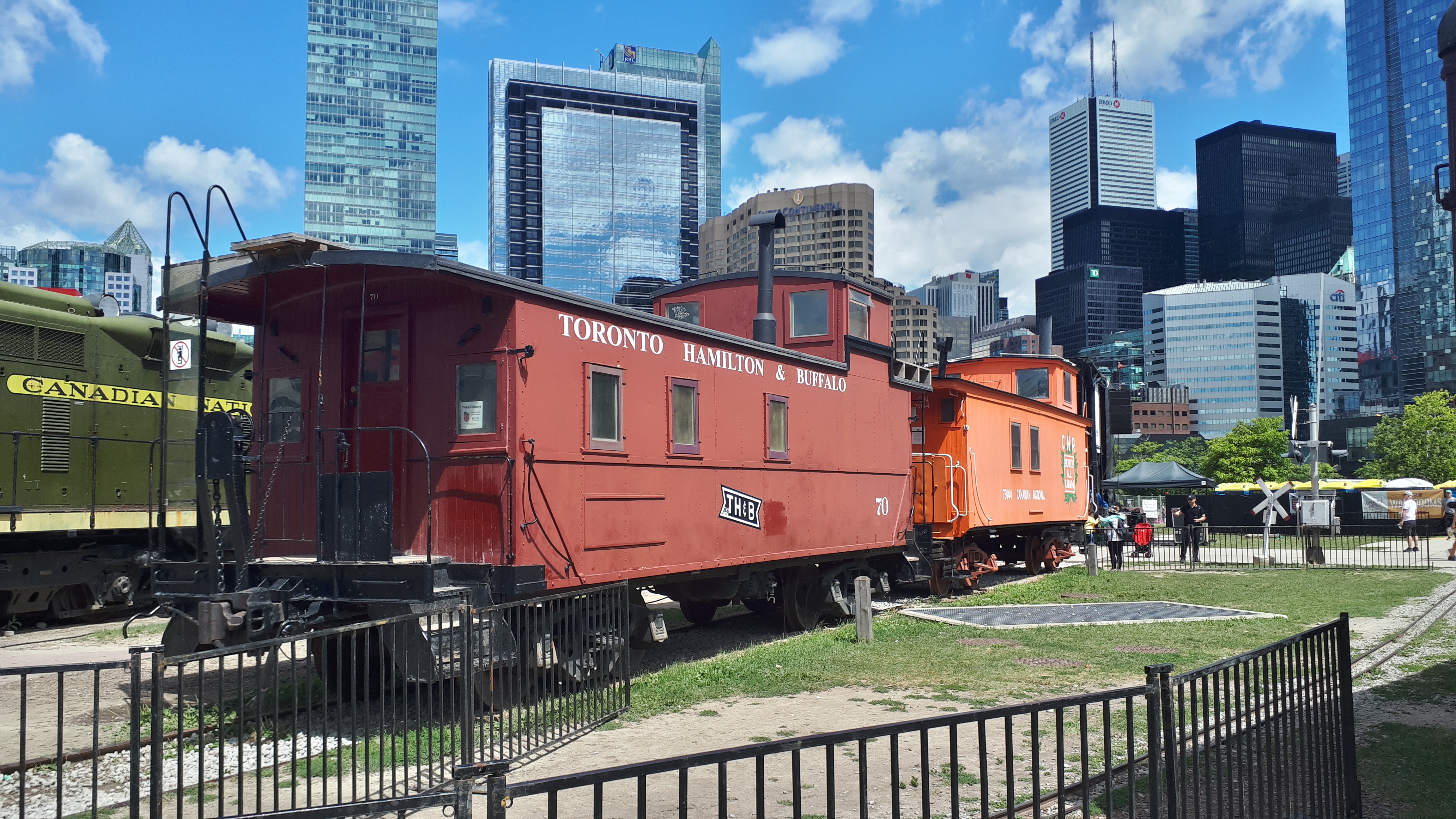
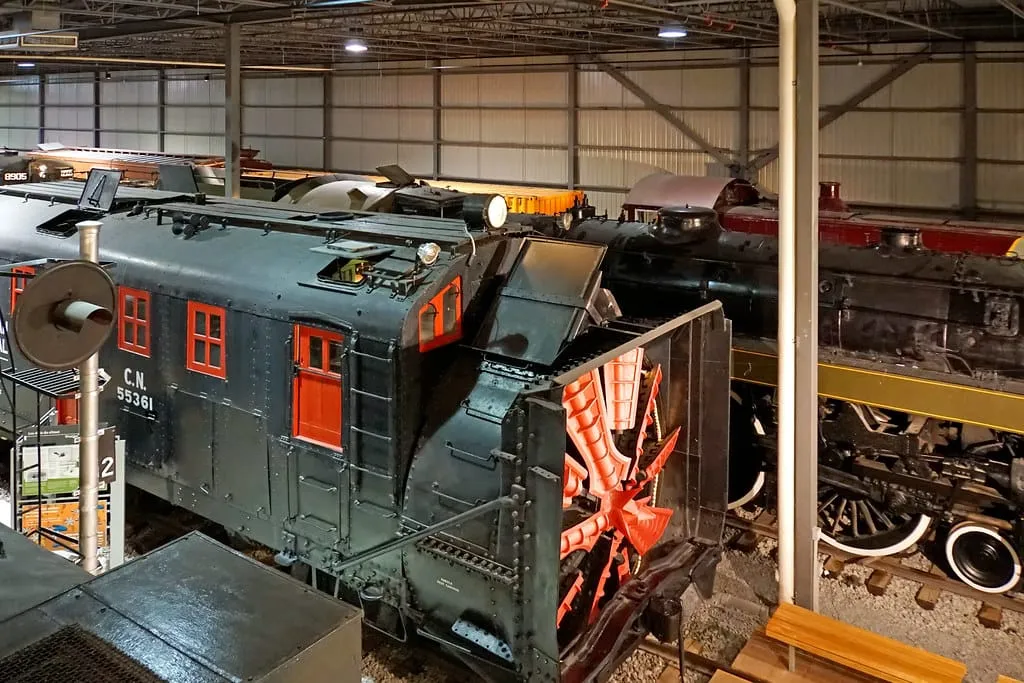
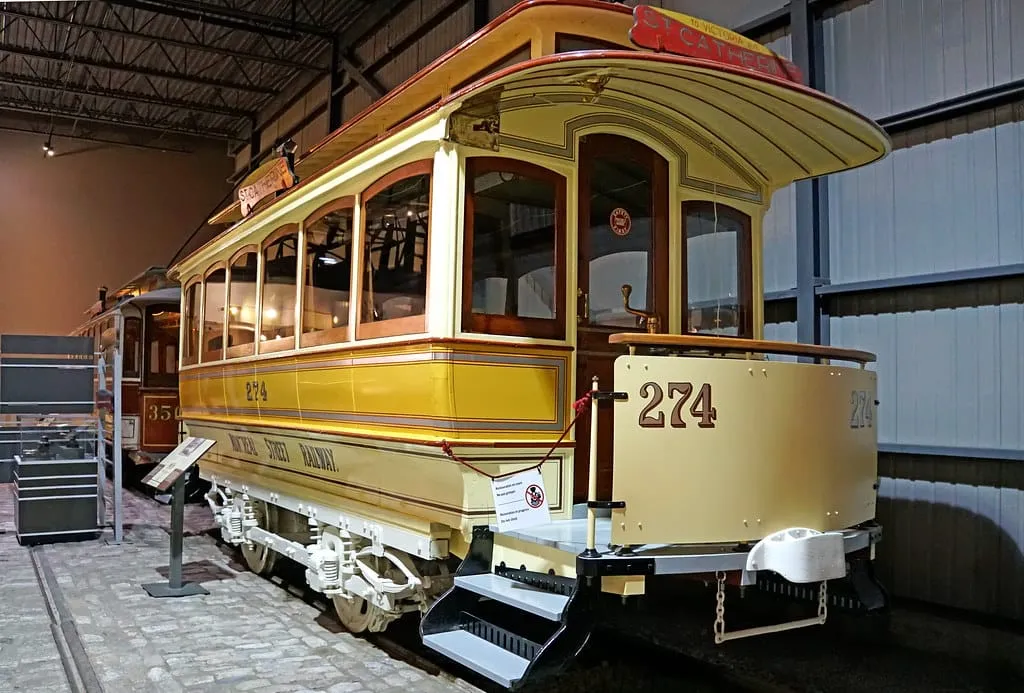
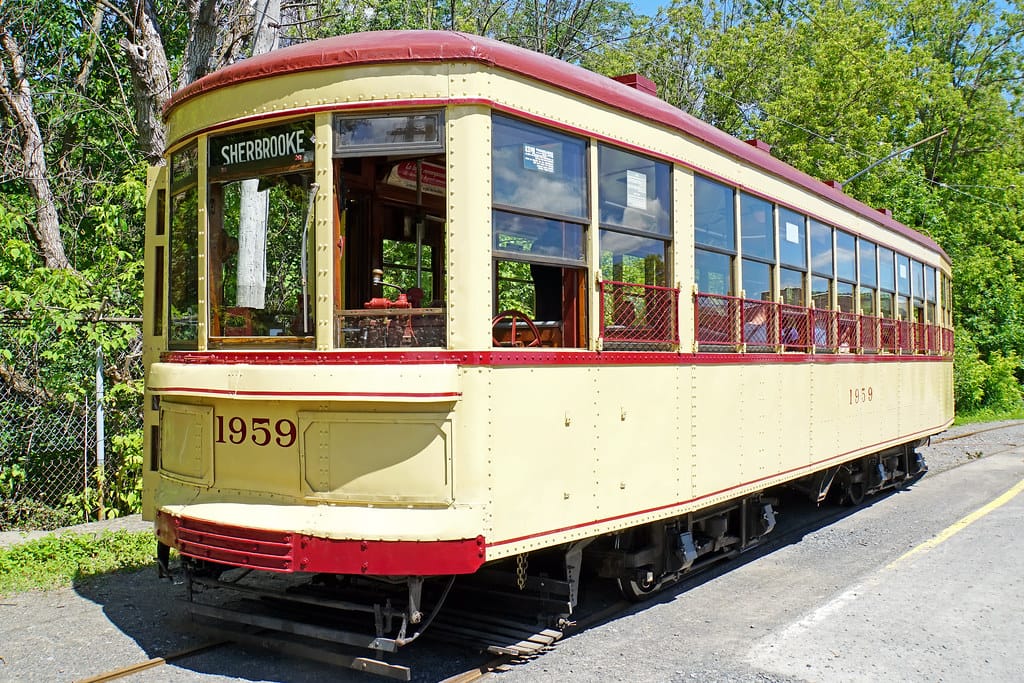
Outside, the experience becomes even more dynamic. Exporail’s sprawling 35-acre site includes a network of outdoor tracks and pathways connecting historic railway buildings and display sheds. In warmer months, you’ll see a heritage streetcar clattering along on its circuit – visitors can hop aboard for a ride around the grounds, complete with the ding of the trolley bell as it travels between museum stops . A highlight for many is the chance to take a short trip on the museum’s passenger train: a small open-air train (often hauled by a vintage diesel or steam engine) that runs on a former freight spur line across the property. Though only a brief ride (several minutes out and back), it includes crossing a road with bells ringing and lights flashing – giving a real taste of rail travel on a mini scale. Young children also love the pint-sized miniature railway, where they can ride in little train cars along a loop of track in the kids’ area . The outdoor yard is filled with additional rolling stock: cabooses, boxcars, a snowplow train, and even an old turntable used for positioning locomotives. You are free to stroll the “Discovery Trail” between these exhibits, which offers great vantage points for photos and up-close inspection of rail equipment not found indoors . There are picnic tables under shady trees where families often pause for lunch, and a restoration shop building where, through windows, you might glimpse volunteers actively working on train restoration projects. Be aware that in winter or rainy weather, some outdoor attractions may be limited, but the indoor pavilion remains open year-round. On peak summer weekends, the site can be lively with visitors, but even then the atmosphere is collegial – a mix of excited children, casual tourists, and avid railfans swapping stories. Whether you spend an hour or a whole day, expect to come away with a deeper appreciation for Canada’s railroading past and plenty of memorable moments – from the gentle rocking of a streetcar ride to the awe of standing next to a giant steam engine’s driving wheels.
How to Plan Your Visit
Season and Schedule
Exporail is a year-round Canadian Railway Museum with varying schedules by season. It is best visited during the summer peak season for full access to exhibits and rides.
- Peak Season
- Mid-May to early September
- Summer Hours
- Daily, 10 AM to 5 PM
- Shoulder Season
- Early September to early November, mid-May before summer peak
- Shoulder Season Hours
- Wednesday to Sunday
- Winter Off-Season
- November through mid-May
- Winter Hours
- Weekends only (Friday, Saturday, Sunday)
- Closed Holidays
- Christmas and New Year’s Day
- Average Visit Duration
- 1.5 hours, 3–4 hours for enthusiasts
Ticket Information
Exporeail offers various ticket options for admission, including discounts for seniors, students, and children. Free entry is available for children under 3, and family packages provide savings for groups.
- Adult Admission
- CA$24
- Family Package
- CA$66 for a family of four
- Children Under 3
- Free admission
- Ride Tickets
- A few dollars each
- Annual Pass
- Pays off in about three visits
- Free Entry Days
- Quebec residents under 20 on the first Sunday of each month
Accessibility Details
Exporail is dedicated to accessibility for all visitors, offering various facilities and assistance for those with mobility challenges. The museum features wheelchair-accessible buildings, outdoor pathways, and accommodations for families with young children.
- Wheelchair Accessibility
- Main exhibit building is fully wheelchair-accessible
- Outdoor Pathways
- Generally flat and graveled
- Accessible Parking
- Available in lot P1 right by the entrance
- Restrooms
- Accessible restrooms available
- Changing Room
- Facility on site for families with young children
What to Bring
Visitors to Exporail should prepare for both indoor and outdoor activities, ensuring they have appropriate clothing and snacks. The museum encourages bringing a camera and a sense of curiosity.
- Recommended Footwear
- Comfortable walking shoes
- Dress Code
- Dress in layers according to season
- Food Policy
- Visitors can bring their own lunch and snacks
- Photography
- Flash photography is allowed in most areas
- Suggested Items
- Camera or smartphone, notebook
Photography Tips
Expurail offers excellent photography opportunities for visitors, with tips on timing, angles, and composition to capture the essence of historic trains. Special events may provide unique chances to photograph rare locomotives outdoors.
- Indoor Photography Tips
- Photograph in the morning or late afternoon for softer natural light.
- Outdoor Photography Tips
- Late afternoon offers warm sunlight on locomotives in the open yard.
- Special Event Highlights
- Rarely-seen engines like the Dominion of Canada A4 and Waddon Terrier tank engine may be displayed outdoors.
- Composition Tips
- Include context like the old Saint-Constant train station sign and vintage railway logos.
- Safety Rules
- Respect roped-off areas and safety rules; climbing on equipment is restricted.
Traveling with Pets
No pets
Exporail states: "Les chiens et autres animaux de compagnie sont interdits sur le site du musée (sauf cas particuliers sur présentation d'un justificatif)" — dogs and other pets are not allowed at the museum, except in special cases with valid documentation. The ban is written for the whole site, covering the exhibition pavilion and the outdoor grounds; no separate rule is published for the streetcar or the demonstration train. Exporail does not specify what the documented exception covers.
Verified — operator's pet policy
Travel Information
By Air
Montréal–Trudeau International Airport is the nearest major airport to Exporail, located about 15 miles away. Various transportation options are available for reaching the museum from the airport.
- Nearest Airport
- Montréal–Trudeau International Airport (YUL)
- Distance to Exporail
- 15 miles (24 km)
- Driving Time
- 25–30 minutes
- Taxi Fare Range
- CAD $60–$80
- Public Transit Complexity
- Complex
By Train
Rail travelers can reach Exporail by a combination of train and local transit, with options available on weekdays and weekends. The museum is located in Saint-Constant, accessible from Montreal's Central Station.
- Starting Point
- Montréal’s Central Station (Gare Centrale)
- Commuter Train Option
- exo Commuter Train (Candiac Line)
- Travel Time by Commuter Train
- about 25 minutes
- Walking Distance from Saint-Constant Station
- 5-minute walk
- Weekend Transit Option
- REM light rail + exo bus route #650
- Alternate Bus Routes
- local bus #153 or #155
By Car
Driving to Exporail is straightforward with clear signage. The museum is located about 19 miles from Montreal, taking roughly 30 minutes by car.
- Distance from Montreal
- 19 miles (30 km)
- Driving Time
- about 30 minutes
- Main Route
- Autoroute 10 and Autoroute 15
- Toll Road
- Autoroute 30
Parking
Exporail offers free and plentiful parking for visitors with two on-site lots. The main lot is conveniently located by the entrance, while a secondary lot is nearby.
- Parking Cost
- Free
- Main Lot Location
- Directly by the museum’s main entrance off Rue Saint-Pierre
- Secondary Lot Location
- 110 Rue Saint-Pierre
- Bus and RV Parking
- Available
- Safety
- Monitored periodically by staff
- Electric Vehicle Charging
- Not available on-site
Local Transportation
Exporeail, the Canadian Railway Museum, is accessible via limited local transportation options, including commuter trains and buses from downtown Montreal. Once in the area, the museum is a short walk from the nearest transit stops.
- Nearest Train Station
- Saint-Constant
- Walking Distance from Station
- a few hundred meters
- Taxi Cost from Downtown Montreal
- $40–$50 one-way
- Bike Travel Time from Montreal
- about an hour
- Bike Racks Available
- Yes
Nearby Lodging
Find places to stay near Exporail – The Canadian Railway Museum.
This lodging map is provided by Stay22, a third-party service that may set cookies. It loads only with your consent.
Accommodation results are provided by Stay22; we may earn a commission on bookings made through this map.
Nearby Attractions
- Old Montréal & Old Port
Historic waterfront district with narrow cobblestone streets, 18th-century architecture, museums, galleries, and lively riverfront activities. Explore landmarks like Notre-Dame Basilica and the Old Port’s science center, ferris wheel, and river cruises. About 15 miles (24 km) north of Saint-Constant.
- Fort Chambly National Historic Site
A restored 1711 French colonial fort on the Richelieu River, surrounded by a scenic riverside park. Offers insight into military history with stone ramparts, exhibits, and costumed guides in summer. Great spot for a picnic with views of the rapids. About 20 miles (32 km) east of Exporail.
- Parc Jean-Drapeau (Saint Helen’s & Notre-Dame Islands)
A sprawling urban park on two islands in the St. Lawrence River, home to major attractions like the Montreal Biosphère (environment museum inside a geodesic dome), La Ronde amusement park (Six Flags), the Montreal Casino, and the Formula 1 Gilles-Villeneuve Circuit. Hosts huge summer festivals (Osheaga, Formula 1 Grand Prix, etc.) and offers beaches, pools, biking trails and more. Only 12 miles (20 km) from Exporail, just a short drive or Metro ride from downtown Montreal
Photos
 Dennis Jarvis
Attribution-ShareAlike License
Dennis Jarvis
Attribution-ShareAlike License
Dennis Jarvis
Attribution-ShareAlike License
Dennis Jarvis
Attribution-ShareAlike License
Dennis Jarvis
Attribution-ShareAlike License
Dennis Jarvis
Attribution-ShareAlike License
Dennis Jarvis
Attribution-ShareAlike License
Dennis Jarvis
Attribution-ShareAlike License
Help improve this page
Spotted something out of date or incorrect? Let our community know.
Explore more experiences: Browse all rail travel experiences.
Booking & Pricing
Affiliate link — we may earn a commission on bookings at no extra cost to you. Details.
Quick Information
Country
Region
City
Saint-Constant
Best Season
The consensus is that late spring through early fall is the best time to experience Exporail in full. From May to October, all aspects of the museum are up and running: you can explore both the indoor galleries and the outdoor exhibits, and importantly, the heritage streetcar and passenger train rides operate during this period (the streetcar runs daily in the warmer months, and the train on Sundays) en.wikipedia.org.