Railway Experiences
Railway museums & scenic rides. Discover curated immersive railway experiences around the world — museums, heritage rides, and themed rail tours.
Explore all experiencesBrowse by region
Featured experiences
DB Museum Nuremberg (German Railway Museum)
Nuremberg, Bavaria, Germany
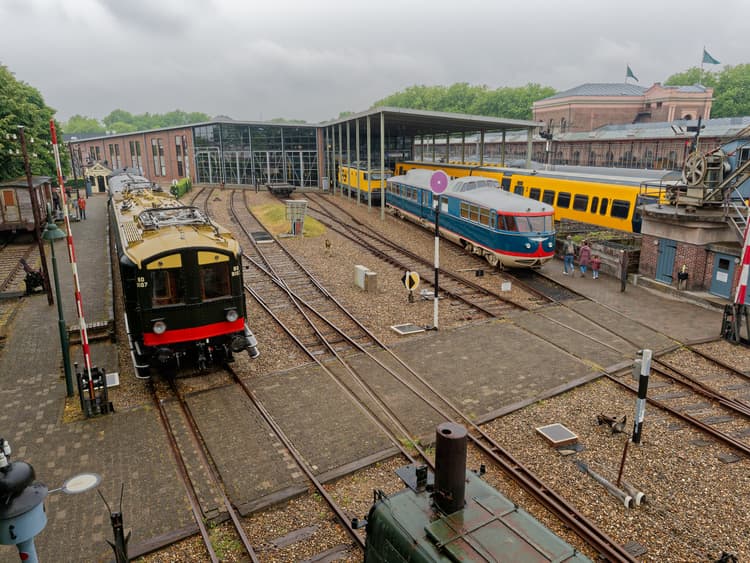
Exterior of the DB Museum's historic building, part of the Nuremberg Transport Museum complex. The DB Museum Nuremberg – also known as the German Railway Museum – is the official railway museum of Deutsche Bahn and one of Europe's most important rail heritage institutions. Founded in the late 19th century, its origins date back to 1899 as the Royal Bavarian Railway Museum (with earlier roots in 1882), making it the oldest railway museum in Germany and often cited as the oldest of its kind in the world. The museum is housed in a grand historic building (built in 1925) near Nuremberg's old city walls. It spans 6,800 square meters of indoor exhibits, where visitors journey through over two centuries of railway history in Germany – from the very first steam locomotives of the 1830s to high-speed ICE trains of today. Inside, the museum's exhibits chronicle the development of rail transport in Germany in rich detail. The permanent exhibition "The History of the Railway in Germany" walks visitors through each era, highlighting not just technological advances but also social and cultural aspects of rail travel. A collection of around 40 historic locomotives and rail vehicles is on display in two large halls, representing legendary "iron horses" from different periods. Notable treasures include "Adler", a replica of Germany's first steam locomotive from 1835, the Nordgau (Germany's oldest surviving steam locomotive, built in 1853), King Ludwig II's lavish royal train coaches (dubbed a "castle on wheels"), and an array of vintage locomotives such as a streamlined Class 05 001 steam engine and a 1950s Trans Europ Express diesel railcar. The museum also features pieces of modern rail innovation, like a sectioned mock-up of an ICE 3 high-speed train, linking past to present. Beyond the rolling stock, the DB Museum boasts extensive archives and library collections for researchers, with over 40,000 railway-related publications. Interactive displays are woven throughout: visitors can operate historic signal levers, explore a reconstructed railway tunnel, and engage with multimedia terminals. The museum complex also integrates the Museum of Communication (in the same building), and admission to the DB Museum includes the communication museum's exhibits on postal and telegraph history. Taken together, the DB Museum Nuremberg serves as a comprehensive center celebrating Germany's railroad heritage and its significance in industrial, economic, and social history.
New York Transit Museum
Brooklyn, New York, United States
<p>The museum’s entrance leads two flights down into a historic 1936 subway station. The New York Transit Museum (NYTM) is devoted to the history of public transportation in New York City, showcasing artifacts from the subway, bus, and commuter rail systems. Housed in the unused Court Street station in Downtown Brooklyn (closed in 1946), the museum provides an immersive setting – visitors descend into an actual underground station to explore exhibits on how transit shaped the city. Opened in 1976 as part of America’s Bicentennial, NYTM remains one of the few museums in the world located inside a decommissioned transit station.</p> <p>Spanning two levels, the museum celebrates all aspects of NYC’s transit network. Its mezzanine level features rotating and permanent exhibits on transit history – from the construction of the first subway lines to the evolution of fare collection (old turnstiles and tokens) and the transit system’s role in city life. There are displays of vintage bus equipment, traffic signals, signage, and even a collection of retro transit advertisements and subway etiquette posters, offering a time capsule of New York’s transportation culture . The museum also operates a Gallery & Store annex in Grand Central Terminal (Manhattan) with rotating exhibits, and a gift shop at the Bowling Green subway station, extending its reach beyond the main Brooklyn location.</p>
Powell–Hyde Cable Car Line
San Francisco, California, United States
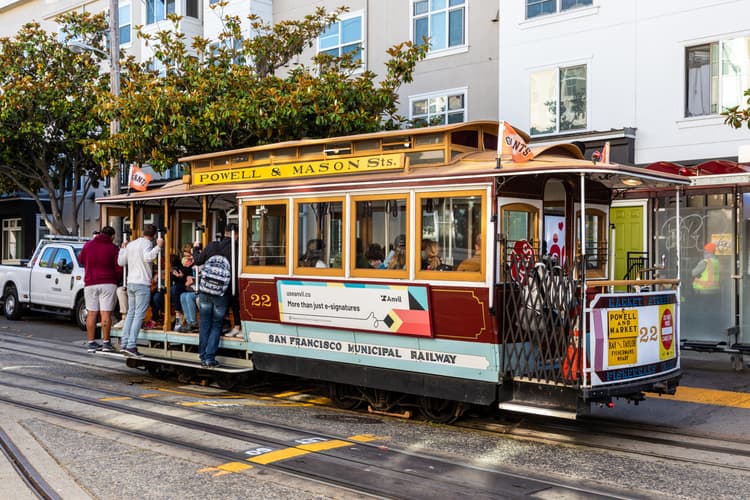
<p>The Powell–Hyde line carries visitors from the bustling heart of downtown San Francisco over Nob Hill and Russian Hill to the bayfront at Fisherman’s Wharf. Along its 2.1‑mile (3.4 km) route, this cable car line climbs past postcard scenes – think Victorian houses on steep streets and a crest by <strong>Lombard Street</strong> (the “crookedest street”) – before descending a 21% grade to the <strong>Aquatic Park</strong> near Ghirardelli Square . It’s a journey through classic San Francisco neighborhoods with sweeping views at every turn, from hilltop cityscapes to glimpses of Alcatraz Island in the bay .</p> <p>First launched in the 1870s and now preserved as a National Historic Landmark, San Francisco’s cable cars are the world’s last manually operated cable car system <a href="https://www.fishermanswharf.org/plan-your-visit/getting-around/cable-cars/" target="_blank" rel="noopener noreferrer" title="https://www.fishermanswharf.org/plan-your-visit/getting-around/cable-cars/" data-duplicate="false" style="color: rgb(37, 99, 235); text-decoration: underline; word-break: break-word;">fishermanswharf.org</a>. The Powell–Hyde line, established in 1957, exemplifies this living heritage: antique single-ended streetcars gripped by underground cables, polished wood and brass hardware, and conductors (gripmen) who skillfully operate the levers and brakes by hand. The line’s historic charm is matched by its dramatic geography – navigating hills so steep that motor buses struggled – making each ride a moving museum experience through the city’s past and present.</p>
Exporail – The Canadian Railway Museum
Saint-Constant, Quebec, Canada
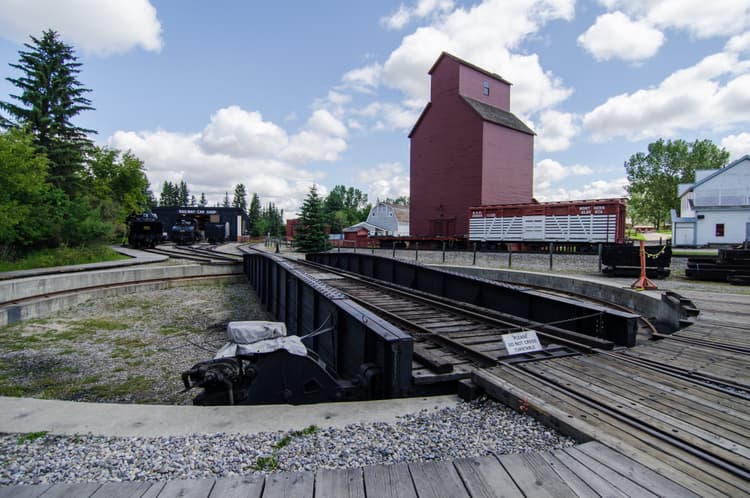
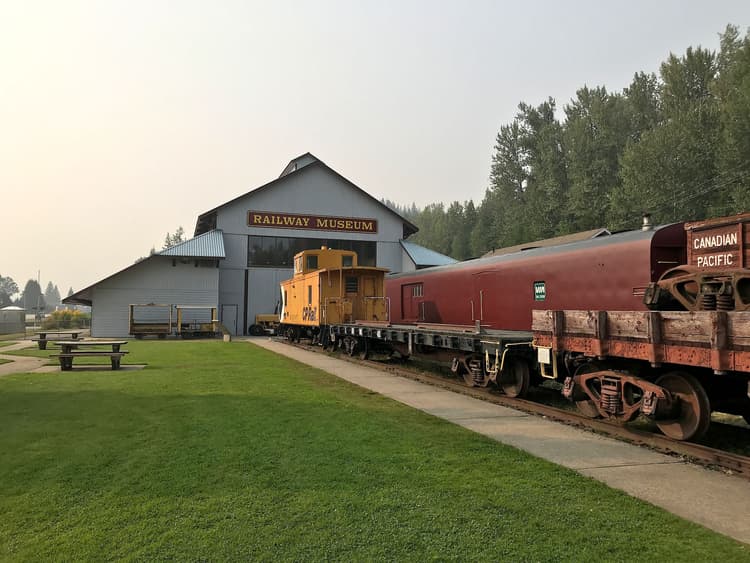
<p>Exporail, also known as the Canadian Railway Museum, is Canada’s national rail heritage center located in Saint-Constant, Quebec, on Montreal’s south shore <a href="https://railfan.com/canada-exporail-celebrates-60-years/" target="_blank" rel="noopener noreferrer" title="https://railfan.com/canada-exporail-celebrates-60-years/" data-duplicate="false" style="color: rgb(37, 99, 235); text-decoration: underline; word-break: break-word;">railfan.com</a>. Founded by the Canadian Railroad Historical Association in 1961, its opening date symbolically coincided with the anniversary of Canada’s first railway journey in 1836 (the Champlain & St. Lawrence line between La Prairie and Saint-Jean) . Over six decades later, Exporail has grown into the country’s largest railway museum – officially recognized by the Canadian Parliament as such – preserving a massive collection of historic trains and artifacts . Visitors will find more than 140 locomotives and railcars spanning 170+ years of railroad history in Canada, along with extensive archives of photographs, documents and memorabilia that chronicle the nation’s rail heritage <a href="https://en.wikipedia.org/wiki/Canadian_Railway_Museum" target="_blank" rel="noopener noreferrer" title="https://en.wikipedia.org/wiki/Canadian_Railway_Museum" data-duplicate="false" style="color: rgb(37, 99, 235); text-decoration: underline; word-break: break-word;">en.wikipedia.org</a> .</p> <p>True to its nickname “a living museum,” Exporail offers an interactive, hands-on experience beyond static displays. The museum’s expansive indoor exhibit hall (the Angus Pavilion) houses dozens of life-size trains under dramatic lighting, and an immersive introductory tunnel showcases hundreds of railway artifacts to set the scene. Many vehicles are open for exploration – you can climb aboard vintage passenger coaches, step into locomotive cabs, and even walk through a rare “school car” where a teacher once taught children in remote areas . Outdoors, the experience continues as visitors ride on an authentic <em>heritage streetcar</em> that clangs its way around the grounds and a miniature passenger train that chugs along a short historic spur line. Live demonstrations enliven the atmosphere – you might witness telegraph operators tapping out messages or see the museum’s wood-fired <strong>John Molson</strong> steam locomotive replica puffing away on special days. With indoor galleries, open-air yards, and active rides, Exporail immerses railfans in the sights, sounds, and even smells of railroading history, making it a dynamic destination that brings Canada’s rich railway legacy to life .</p>
Chicago “L” (Orange Line)
Chicago, Illinois, United States
The Orange Line is an elevated rapid transit route in Chicago, operated by the Chicago Transit Authority (CTA). It runs 13 miles from <strong>Midway International Airport</strong> on the southwest side to the downtown <strong>Loop</strong>, largely via embankments and steel viaducts <a href="https://www.transitchicago.com/orangeline/" target="_blank" rel="noopener noreferrer" title="https://www.transitchicago.com/orangeline/" data-duplicate="false" style="color: rgb(37, 99, 235); text-decoration: underline; word-break: break-word;">transitchicago.com</a>. Opened in 1993 as the first new CTA line in 24 years , the line uses the historic 1890s elevated Loop structure to circle central Chicago. As it curves through downtown, riders get up-close views of the skyline – including iconic towers like the <strong>Willis Tower</strong> – from trains winding between high-rises. The route initially follows old railroad rights-of-way before rising onto elevated tracks as it nears the city center , blending industrial landscapes with urban canyon scenery.
Granite State Scenic Railway
Lincoln, New Hampshire, United States
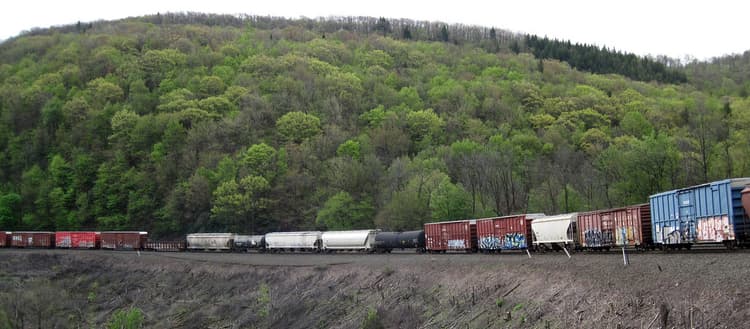
<p>Nestled at the southern gateway to New Hampshire’s White Mountains, the Granite State Scenic Railway winds along the Pemigewasset River through a lush valley setting. This heritage rail line dates back to the late 19th century, originally built to serve local logging operations, and today offers railfans a chance to experience living history against a backdrop of mountain scenery gsscenic.com</a><a href="https://gsscenic.com/" target="_blank" rel="noopener noreferrer" title="https://www.mapquest.com/us/new-hampshire/granite-state-scenic-railway-526038184" data-duplicate="false" style="color: rgb(37, 99, 235); text-decoration: underline; word-break: break-word;">mapquest.com. Steep wooded hills and the nearby Franconia Notch form a dramatic landscape, especially beautiful as the seasons change.</p> <p>In operation since 1987 (formerly known as the “Hobo Railroad”), the excursion preserves New England’s railroading charm with vintage equipment and a regional flair. The journey traverses about 15 miles of track on a round trip from Lincoln, showcasing the area’s cultural heritage and natural beauty. Riders pass old riverside campgrounds and small towns, capturing the spirit of a classic American short-line railroad. It’s a family-friendly attraction grounded in local history, yet equally appealing to dedicated rail enthusiasts for its authentic atmosphere.</p>
Durango & Silverton Narrow Gauge Railroad
Durango, Colorado, United States
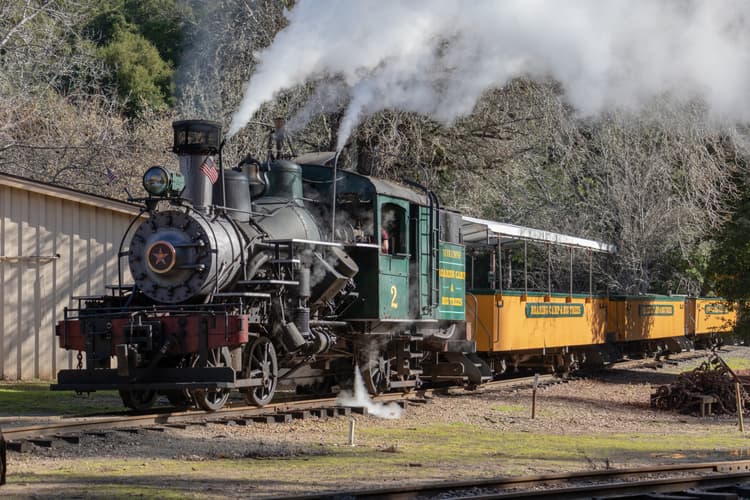
<p data-start="419" data-end="1150">The <strong data-start="442" data-end="497">Durango & Silverton Narrow Gauge Railroad (D&SNGRR)</strong> is a heritage steam railway in southwestern Colorado that runs on 3-foot (914 mm) narrow-gauge tracks for about 45 miles between the town of Durango and the old mining camp of Silverton. For over 140 years it has carried passengers through the remote wilderness of the San Juan National Forest, offering high-mountain scenery and a journey into Colorado’s mining past. The line and its vintage equipment are designated a National Historic Landmark and a National Historic Civil Engineering Landmark for their significance and preservation<span class="" data-state="closed"><span class="ms-1 inline-flex max-w-full items-center relative top-[-0.094rem] animate-[show_150ms_ease-in]" data-testid="webpage-citation-pill"><a href="https://en.wikipedia.org/wiki/Durango_and_Silverton_Narrow_Gauge_Railroad#:~:text=The%20Durango%20and%20Silverton%20Narrow,4" target="_blank" rel="noopener" alt="https://en.wikipedia.org/wiki/Durango_and_Silverton_Narrow_Gauge_Railroad#:~:text=The%20Durango%20and%20Silverton%20Narrow,4" class="flex h-4.5 overflow-hidden rounded-xl px-2 text-[9px] font-medium text-token-text-secondary! bg-[#F4F4F4]! dark:bg-[#303030]! transition-colors duration-150 ease-in-out"><span class="relative start-0 bottom-0 flex h-full w-full items-center"><span class="flex h-4 w-full items-center justify-between overflow-hidden"><span class="max-w-full grow truncate overflow-hidden text-center">en.wikipedia.org</span></span></span></a></span></span>.</p> <p data-start="1152" data-end="1826">Founded by the Denver & Rio Grande Railway in the early 1880s, the route was originally built to haul gold and silver ore from the San Juan Mountains and transported an estimated $300 million worth of precious metals over its lifetime<span class="" data-state="closed"><span class="ms-1 inline-flex max-w-full items-center relative top-[-0.094rem] animate-[show_150ms_ease-in]" data-testid="webpage-citation-pill"><a href="https://www.durangotrain.com/history/#:~:text=Image%3A%20DSNGRR%20Winter%20Photographers%20Weekend" target="_blank" rel="noopener" alt="https://www.durangotrain.com/history/#:~:text=Image%3A%20DSNGRR%20Winter%20Photographers%20Weekend" class="flex h-4.5 overflow-hidden rounded-xl px-2 text-[9px] font-medium text-token-text-secondary! bg-[#F4F4F4]! dark:bg-[#303030]! transition-colors duration-150 ease-in-out"><span class="relative start-0 bottom-0 flex h-full w-full items-center"><span class="flex h-4 w-full items-center justify-between overflow-hidden"><span class="max-w-full grow truncate overflow-hidden text-center">durangotrain.com</span></span></span></a></span></span>. At the same time, it was promoted as a scenic passenger line – a role it continues to fulfill today. Remarkably, trains have run continuously on this mountain railroad since 1882, making it one of the few places in America with unbroken steam locomotive operation for well over a century. This living history appeals to railfans, historians, and travelers alike.</p>
Illinois Railway Museum
Union, Illinois, United States
<p>The <strong>Illinois Railway Museum (IRM)</strong> is the largest railroad museum in the United States, home to the country’s most extensive collection of historic railway equipment <a href="https://www.irm.org/plan/" target="_blank" rel="noopener noreferrer">irm.org</a>. Founded in 1953, it preserves over 500 pieces of rolling stock – from giant steam locomotives to streetcars and diesel engines – on a <strong>100-acre campus</strong> in rural northern Illinois <a href="https://www.lstoptours.com/blog/nine-railroad-museums-within-a-short-drive-of-chicago" target="_blank" rel="noopener noreferrer">lstoptours.com</a>. The museum lies in Union, IL, a small village about 55 miles northwest of downtown Chicago, where it occupies a former interurban railway site amid open prairie scenery <a href="https://en.wikipedia.org/wiki/Illinois_Railway_Museum" target="_blank" rel="noopener noreferrer">en.wikipedia.org</a>.</p><p>This <strong>“museum in motion”</strong> has a mission to bring railroad history to life. It demonstrates the vital role of railroads in Chicago’s growth and U.S. history by <strong>operating restored trains and trolleys in a realistic setting </strong><a href="https://www.enjoyillinois.com/explore/listing/illinois-railway-museum/" target="_blank" rel="noopener noreferrer">enjoyillinois.com</a>. Many of the exhibits are not just static displays but fully functional. Visitors can see, hear, and ride an unparalleled variety of vintage railway equipment. Historic depots, signal towers, and even a working streetcar line on the grounds further immerse railfans in bygone eras of rail travel, making IRM both an educational resource and a time machine into America’s railroading past.</p>
Recently added
DB Museum Nuremberg (German Railway Museum)
Nuremberg, Bavaria, Germany
Exterior of the DB Museum's historic building, part of the Nuremberg Transport Museum complex. The DB Museum Nuremberg – also known as the German Railway Museum – is the official railway museum of Deutsche Bahn and one of Europe's most important rail heritage institutions. Founded in the late 19th century, its origins date back to 1899 as the Royal Bavarian Railway Museum (with earlier roots in 1882), making it the oldest railway museum in Germany and often cited as the oldest of its kind in the world. The museum is housed in a grand historic building (built in 1925) near Nuremberg's old city walls. It spans 6,800 square meters of indoor exhibits, where visitors journey through over two centuries of railway history in Germany – from the very first steam locomotives of the 1830s to high-speed ICE trains of today. Inside, the museum's exhibits chronicle the development of rail transport in Germany in rich detail. The permanent exhibition "The History of the Railway in Germany" walks visitors through each era, highlighting not just technological advances but also social and cultural aspects of rail travel. A collection of around 40 historic locomotives and rail vehicles is on display in two large halls, representing legendary "iron horses" from different periods. Notable treasures include "Adler", a replica of Germany's first steam locomotive from 1835, the Nordgau (Germany's oldest surviving steam locomotive, built in 1853), King Ludwig II's lavish royal train coaches (dubbed a "castle on wheels"), and an array of vintage locomotives such as a streamlined Class 05 001 steam engine and a 1950s Trans Europ Express diesel railcar. The museum also features pieces of modern rail innovation, like a sectioned mock-up of an ICE 3 high-speed train, linking past to present. Beyond the rolling stock, the DB Museum boasts extensive archives and library collections for researchers, with over 40,000 railway-related publications. Interactive displays are woven throughout: visitors can operate historic signal levers, explore a reconstructed railway tunnel, and engage with multimedia terminals. The museum complex also integrates the Museum of Communication (in the same building), and admission to the DB Museum includes the communication museum's exhibits on postal and telegraph history. Taken together, the DB Museum Nuremberg serves as a comprehensive center celebrating Germany's railroad heritage and its significance in industrial, economic, and social history.
New York Transit Museum
Brooklyn, New York, United States
<p>The museum’s entrance leads two flights down into a historic 1936 subway station. The New York Transit Museum (NYTM) is devoted to the history of public transportation in New York City, showcasing artifacts from the subway, bus, and commuter rail systems. Housed in the unused Court Street station in Downtown Brooklyn (closed in 1946), the museum provides an immersive setting – visitors descend into an actual underground station to explore exhibits on how transit shaped the city. Opened in 1976 as part of America’s Bicentennial, NYTM remains one of the few museums in the world located inside a decommissioned transit station.</p> <p>Spanning two levels, the museum celebrates all aspects of NYC’s transit network. Its mezzanine level features rotating and permanent exhibits on transit history – from the construction of the first subway lines to the evolution of fare collection (old turnstiles and tokens) and the transit system’s role in city life. There are displays of vintage bus equipment, traffic signals, signage, and even a collection of retro transit advertisements and subway etiquette posters, offering a time capsule of New York’s transportation culture . The museum also operates a Gallery & Store annex in Grand Central Terminal (Manhattan) with rotating exhibits, and a gift shop at the Bowling Green subway station, extending its reach beyond the main Brooklyn location.</p>
Powell–Hyde Cable Car Line
San Francisco, California, United States
<p>The Powell–Hyde line carries visitors from the bustling heart of downtown San Francisco over Nob Hill and Russian Hill to the bayfront at Fisherman’s Wharf. Along its 2.1‑mile (3.4 km) route, this cable car line climbs past postcard scenes – think Victorian houses on steep streets and a crest by <strong>Lombard Street</strong> (the “crookedest street”) – before descending a 21% grade to the <strong>Aquatic Park</strong> near Ghirardelli Square . It’s a journey through classic San Francisco neighborhoods with sweeping views at every turn, from hilltop cityscapes to glimpses of Alcatraz Island in the bay .</p> <p>First launched in the 1870s and now preserved as a National Historic Landmark, San Francisco’s cable cars are the world’s last manually operated cable car system <a href="https://www.fishermanswharf.org/plan-your-visit/getting-around/cable-cars/" target="_blank" rel="noopener noreferrer" title="https://www.fishermanswharf.org/plan-your-visit/getting-around/cable-cars/" data-duplicate="false" style="color: rgb(37, 99, 235); text-decoration: underline; word-break: break-word;">fishermanswharf.org</a>. The Powell–Hyde line, established in 1957, exemplifies this living heritage: antique single-ended streetcars gripped by underground cables, polished wood and brass hardware, and conductors (gripmen) who skillfully operate the levers and brakes by hand. The line’s historic charm is matched by its dramatic geography – navigating hills so steep that motor buses struggled – making each ride a moving museum experience through the city’s past and present.</p>
Exporail – The Canadian Railway Museum
Saint-Constant, Quebec, Canada
<p>Exporail, also known as the Canadian Railway Museum, is Canada’s national rail heritage center located in Saint-Constant, Quebec, on Montreal’s south shore <a href="https://railfan.com/canada-exporail-celebrates-60-years/" target="_blank" rel="noopener noreferrer" title="https://railfan.com/canada-exporail-celebrates-60-years/" data-duplicate="false" style="color: rgb(37, 99, 235); text-decoration: underline; word-break: break-word;">railfan.com</a>. Founded by the Canadian Railroad Historical Association in 1961, its opening date symbolically coincided with the anniversary of Canada’s first railway journey in 1836 (the Champlain & St. Lawrence line between La Prairie and Saint-Jean) . Over six decades later, Exporail has grown into the country’s largest railway museum – officially recognized by the Canadian Parliament as such – preserving a massive collection of historic trains and artifacts . Visitors will find more than 140 locomotives and railcars spanning 170+ years of railroad history in Canada, along with extensive archives of photographs, documents and memorabilia that chronicle the nation’s rail heritage <a href="https://en.wikipedia.org/wiki/Canadian_Railway_Museum" target="_blank" rel="noopener noreferrer" title="https://en.wikipedia.org/wiki/Canadian_Railway_Museum" data-duplicate="false" style="color: rgb(37, 99, 235); text-decoration: underline; word-break: break-word;">en.wikipedia.org</a> .</p> <p>True to its nickname “a living museum,” Exporail offers an interactive, hands-on experience beyond static displays. The museum’s expansive indoor exhibit hall (the Angus Pavilion) houses dozens of life-size trains under dramatic lighting, and an immersive introductory tunnel showcases hundreds of railway artifacts to set the scene. Many vehicles are open for exploration – you can climb aboard vintage passenger coaches, step into locomotive cabs, and even walk through a rare “school car” where a teacher once taught children in remote areas . Outdoors, the experience continues as visitors ride on an authentic <em>heritage streetcar</em> that clangs its way around the grounds and a miniature passenger train that chugs along a short historic spur line. Live demonstrations enliven the atmosphere – you might witness telegraph operators tapping out messages or see the museum’s wood-fired <strong>John Molson</strong> steam locomotive replica puffing away on special days. With indoor galleries, open-air yards, and active rides, Exporail immerses railfans in the sights, sounds, and even smells of railroading history, making it a dynamic destination that brings Canada’s rich railway legacy to life .</p>
Chicago “L” (Orange Line)
Chicago, Illinois, United States
The Orange Line is an elevated rapid transit route in Chicago, operated by the Chicago Transit Authority (CTA). It runs 13 miles from <strong>Midway International Airport</strong> on the southwest side to the downtown <strong>Loop</strong>, largely via embankments and steel viaducts <a href="https://www.transitchicago.com/orangeline/" target="_blank" rel="noopener noreferrer" title="https://www.transitchicago.com/orangeline/" data-duplicate="false" style="color: rgb(37, 99, 235); text-decoration: underline; word-break: break-word;">transitchicago.com</a>. Opened in 1993 as the first new CTA line in 24 years , the line uses the historic 1890s elevated Loop structure to circle central Chicago. As it curves through downtown, riders get up-close views of the skyline – including iconic towers like the <strong>Willis Tower</strong> – from trains winding between high-rises. The route initially follows old railroad rights-of-way before rising onto elevated tracks as it nears the city center , blending industrial landscapes with urban canyon scenery.
Granite State Scenic Railway
Lincoln, New Hampshire, United States
<p>Nestled at the southern gateway to New Hampshire’s White Mountains, the Granite State Scenic Railway winds along the Pemigewasset River through a lush valley setting. This heritage rail line dates back to the late 19th century, originally built to serve local logging operations, and today offers railfans a chance to experience living history against a backdrop of mountain scenery gsscenic.com</a><a href="https://gsscenic.com/" target="_blank" rel="noopener noreferrer" title="https://www.mapquest.com/us/new-hampshire/granite-state-scenic-railway-526038184" data-duplicate="false" style="color: rgb(37, 99, 235); text-decoration: underline; word-break: break-word;">mapquest.com. Steep wooded hills and the nearby Franconia Notch form a dramatic landscape, especially beautiful as the seasons change.</p> <p>In operation since 1987 (formerly known as the “Hobo Railroad”), the excursion preserves New England’s railroading charm with vintage equipment and a regional flair. The journey traverses about 15 miles of track on a round trip from Lincoln, showcasing the area’s cultural heritage and natural beauty. Riders pass old riverside campgrounds and small towns, capturing the spirit of a classic American short-line railroad. It’s a family-friendly attraction grounded in local history, yet equally appealing to dedicated rail enthusiasts for its authentic atmosphere.</p>
Durango & Silverton Narrow Gauge Railroad
Durango, Colorado, United States
<p data-start="419" data-end="1150">The <strong data-start="442" data-end="497">Durango & Silverton Narrow Gauge Railroad (D&SNGRR)</strong> is a heritage steam railway in southwestern Colorado that runs on 3-foot (914 mm) narrow-gauge tracks for about 45 miles between the town of Durango and the old mining camp of Silverton. For over 140 years it has carried passengers through the remote wilderness of the San Juan National Forest, offering high-mountain scenery and a journey into Colorado’s mining past. The line and its vintage equipment are designated a National Historic Landmark and a National Historic Civil Engineering Landmark for their significance and preservation<span class="" data-state="closed"><span class="ms-1 inline-flex max-w-full items-center relative top-[-0.094rem] animate-[show_150ms_ease-in]" data-testid="webpage-citation-pill"><a href="https://en.wikipedia.org/wiki/Durango_and_Silverton_Narrow_Gauge_Railroad#:~:text=The%20Durango%20and%20Silverton%20Narrow,4" target="_blank" rel="noopener" alt="https://en.wikipedia.org/wiki/Durango_and_Silverton_Narrow_Gauge_Railroad#:~:text=The%20Durango%20and%20Silverton%20Narrow,4" class="flex h-4.5 overflow-hidden rounded-xl px-2 text-[9px] font-medium text-token-text-secondary! bg-[#F4F4F4]! dark:bg-[#303030]! transition-colors duration-150 ease-in-out"><span class="relative start-0 bottom-0 flex h-full w-full items-center"><span class="flex h-4 w-full items-center justify-between overflow-hidden"><span class="max-w-full grow truncate overflow-hidden text-center">en.wikipedia.org</span></span></span></a></span></span>.</p> <p data-start="1152" data-end="1826">Founded by the Denver & Rio Grande Railway in the early 1880s, the route was originally built to haul gold and silver ore from the San Juan Mountains and transported an estimated $300 million worth of precious metals over its lifetime<span class="" data-state="closed"><span class="ms-1 inline-flex max-w-full items-center relative top-[-0.094rem] animate-[show_150ms_ease-in]" data-testid="webpage-citation-pill"><a href="https://www.durangotrain.com/history/#:~:text=Image%3A%20DSNGRR%20Winter%20Photographers%20Weekend" target="_blank" rel="noopener" alt="https://www.durangotrain.com/history/#:~:text=Image%3A%20DSNGRR%20Winter%20Photographers%20Weekend" class="flex h-4.5 overflow-hidden rounded-xl px-2 text-[9px] font-medium text-token-text-secondary! bg-[#F4F4F4]! dark:bg-[#303030]! transition-colors duration-150 ease-in-out"><span class="relative start-0 bottom-0 flex h-full w-full items-center"><span class="flex h-4 w-full items-center justify-between overflow-hidden"><span class="max-w-full grow truncate overflow-hidden text-center">durangotrain.com</span></span></span></a></span></span>. At the same time, it was promoted as a scenic passenger line – a role it continues to fulfill today. Remarkably, trains have run continuously on this mountain railroad since 1882, making it one of the few places in America with unbroken steam locomotive operation for well over a century. This living history appeals to railfans, historians, and travelers alike.</p>
Illinois Railway Museum
Union, Illinois, United States
<p>The <strong>Illinois Railway Museum (IRM)</strong> is the largest railroad museum in the United States, home to the country’s most extensive collection of historic railway equipment <a href="https://www.irm.org/plan/" target="_blank" rel="noopener noreferrer">irm.org</a>. Founded in 1953, it preserves over 500 pieces of rolling stock – from giant steam locomotives to streetcars and diesel engines – on a <strong>100-acre campus</strong> in rural northern Illinois <a href="https://www.lstoptours.com/blog/nine-railroad-museums-within-a-short-drive-of-chicago" target="_blank" rel="noopener noreferrer">lstoptours.com</a>. The museum lies in Union, IL, a small village about 55 miles northwest of downtown Chicago, where it occupies a former interurban railway site amid open prairie scenery <a href="https://en.wikipedia.org/wiki/Illinois_Railway_Museum" target="_blank" rel="noopener noreferrer">en.wikipedia.org</a>.</p><p>This <strong>“museum in motion”</strong> has a mission to bring railroad history to life. It demonstrates the vital role of railroads in Chicago’s growth and U.S. history by <strong>operating restored trains and trolleys in a realistic setting </strong><a href="https://www.enjoyillinois.com/explore/listing/illinois-railway-museum/" target="_blank" rel="noopener noreferrer">enjoyillinois.com</a>. Many of the exhibits are not just static displays but fully functional. Visitors can see, hear, and ride an unparalleled variety of vintage railway equipment. Historic depots, signal towers, and even a working streetcar line on the grounds further immerse railfans in bygone eras of rail travel, making IRM both an educational resource and a time machine into America’s railroading past.</p>