Railway Experience
Museo Nacional de los Ferrocarriles Mexicanos
Mexico's national railway museum in Puebla, set in the restored 1869 Ferrocarril Mexicano station with 90+ locomotives and carriages.
Updated
About This Experience
The Museo Nacional de los Ferrocarriles Mexicanos (National Museum of the Mexican Railways) occupies the former Ferrocarril Mexicano passenger station in central Puebla, inaugurated on 16 September 1869 by President Benito Juárez as the terminus of the 47-kilometre (29-mile) Apizaco–Puebla branch of Mexico's first railway, the Mexico City–Veracruz line. After the station closed for good in 1974 and fell into disrepair, the Instituto Nacional de Antropología e Historia (INAH) catalogued the neoclassical, English-style building as a historic monument in 1977; Ferrocarriles Nacionales de México restored it and opened the museum on 5 May 1988.
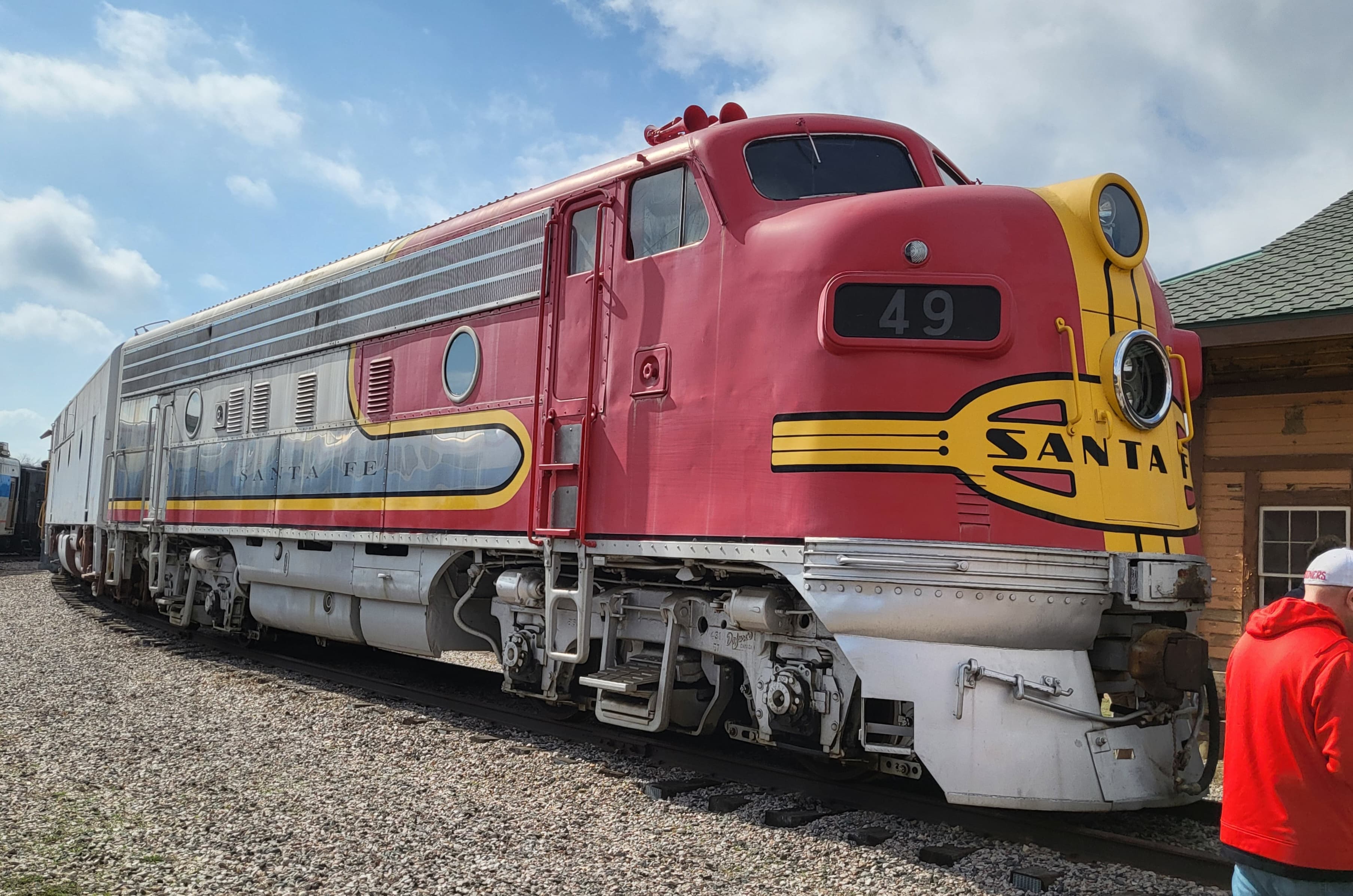
Run by the Centro Nacional para la Preservación del Patrimonio Cultural Ferrocarrilero (Secretaría de Cultura), the site spreads across the old station and marshalling yards of both the Ferrocarril Mexicano and the adjacent Ferrocarril Mexicano del Sur. Its open-air collection holds roughly 90 pieces of rolling stock and more than 22,000 historic objects, from steam and diesel-electric locomotives to wooden passenger coaches, a sleeper car, a presidential car, freight wagons and cranes spanning the late 19th to mid-20th centuries.
The complex also houses the Centro de Documentación e Investigación Ferroviarias (CEDIF), Mexico's foremost railway archive, safeguarding more than 40,000 specialised volumes, around 86,000 photographs and over 200,000 plans and maps documenting the country's railway history.
Photo Opportunities
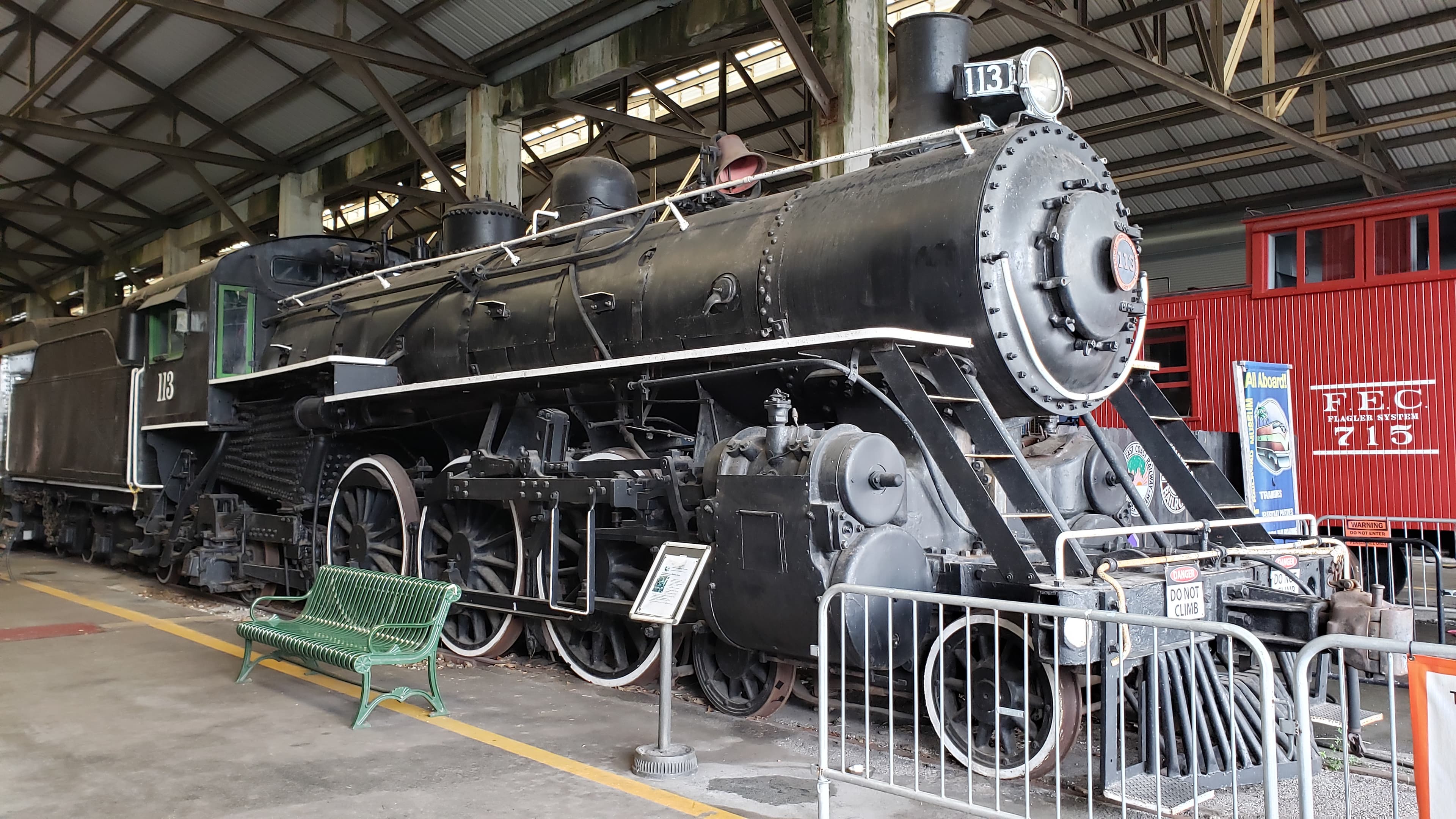
The open platforms let you photograph full-size locomotives side-on and at three-quarter angles; walking the length of the yard gives clear sightlines along the displayed rolling stock. The 1881 Baldwin steam engine and the wooden passenger coaches are the standout subjects. Early morning or late afternoon light avoids the harsh overhead midday sun reflecting off the metal. Personal photography is permitted throughout the open yard; tripods or commercial shoots may require staff authorisation.
Featured Video
Museo Nacional de los Ferrocarriles Mexicanos 🇲🇽 Puebla | 4K Walking Tour
Why Visit
The yard's signature piece is a Baldwin Locomotive Works steam engine dated 1881 (Ferrocarril Mexicano No. 5769, about 82 tonnes), cited by the Secretaría de Cultura as one of the two oldest preserved locomotives in Mexico. Around it stand steam and diesel-electric locomotives, an English railcar (autovía), wooden passenger coaches and a sleeper car, several of which visitors can walk through.
A distinctive exhibit is the Exprés 12178 express car, built in 1945 and nicknamed the "Exprés de la fotografía," parked on the third platform and used as a rotating gallery for railway photography. The restored station building holds nine indoor temporary-exhibition halls covering railway history, communications and industrial archaeology.
For railfans, the on-site CEDIF — with its historic rolling stock catalogue, fototeca (photo archive), planoteca (maps and plans) and specialised library spanning 1825 to the present — makes the museum a working research centre as much as a display yard, the most important railway repository in the country.
What to Expect
Plan on 1.5 to 3 hours. The visit is mostly outdoors, along the old platforms and tracks where full-size locomotives and carriages are displayed in the open; the station building and the express car host the indoor and photographic exhibits.
Family-friendly spaces — a Ludoteca (toy library), Vagón de la Ciencia (science car), Vagón de la Radio, Bebeteca and a public library — make the site popular with school groups and families, especially mid-morning on weekends.
Sundays draw the biggest local crowds because admission is free; weekday mornings just after opening are the quietest time to walk the yard.
Best Time to Visit
Weekday mornings right after the 9:00 opening are the calmest. Sundays are free but the busiest with local families. November to April offers the most reliable dry weather. The museum's Estación Verano cultural festival runs during the July–August school holidays.
Frequently Asked Questions
QHow much does admission cost?
General admission is MXN $21 (about US$1). Entry is free for children, students and teachers with valid ID, seniors and visitors with disabilities, and free for everyone on Sundays.
QWhat are the opening hours?
The museum is open Tuesday to Sunday from 9:00 to 17:00 and is closed on Mondays.
QHow long should I plan for my visit?
Most visitors spend 1.5 to 3 hours. The collection is largely outdoors along the platforms and tracks, plus indoor exhibits in the station building.
QCan you go inside the train cars?
Yes — several of the antique and early-20th-century carriages can be walked through, and the 1945 Exprés 12178 car is used as a photography gallery.
QIs the museum suitable for children?
Yes. It has dedicated children's spaces including a Ludoteca, Bebeteca and the Vagón de la Ciencia, and the open yard with full-size locomotives is popular with families.
QHow do I get there from the Zócalo?
The museum is about 6 blocks northwest of Puebla's Zócalo — a 10–15 minute walk through the historic centre, or a short taxi/rideshare trip.
How to Plan Your Visit
Season and Schedule
The Museo Nacional de los Ferrocarriles Mexicanos operates from Tuesday to Sunday, with peak crowds on Sundays and during the July-August school holidays when admission is free. The museum also hosts special cultural events, including the Estación Verano festival and various talks, concerts, and film screenings, so it's advisable to check the official site for the latest schedule.
- Operating Hours
- Tuesday to Sunday, 9:00–17:00. Closed Mondays.
- Peak Season
- Sundays (free admission) and the July–August school-holiday period draw the largest crowds.
- Special Events
- The museum runs cultural programming including the annual Estación Verano festival (July–August) plus periodic talks, concerts and film screenings — check the official site for the current agenda.
Ticket Information
Admission to the Museo Nacional de los Ferrocarriles Mexicanos is affordable, with discounts and free entry available for children, students, teachers, seniors, and visitors with disabilities, as well as free admission for everyone on Sundays. Tickets can be purchased on arrival, and guided visits for school groups can be arranged directly with the museum.
- Admission Prices
- General admission MXN $21 (about US$1).
- Discounts & Free Entry
- Free for children, students and teachers with valid ID, seniors and visitors with disabilities. Admission is free for everyone on Sundays.
- Booking
- No advance booking required — tickets are purchased on arrival. Guided visits for school groups can be arranged directly with the museum.
Accessibility Details
The Museo Nacional de los Ferrocarriles Mexicanos has limited wheelchair access due to uneven outdoor surfaces and steep steps into some carriages. Families can enjoy dedicated children's spaces, and it's recommended to contact the museum in advance to confirm accessibility arrangements for mobility and service animals.
- Wheelchair Access
- Much of the visit is outdoors on yard surfaces (gravel, rail tracks and platforms), which can be uneven; several carriages are entered by steep original steps and may not be wheelchair-accessible.
- Family Facilities
- Dedicated children's spaces include the Ludoteca, Bebeteca and Vagón de la Ciencia.
- Mobility & Service Animals
- Contact the museum at +52 222 774 0100 to confirm current accessibility arrangements before visiting.
What to Bring
When visiting the Museo Nacional de los Ferrocarriles Mexicanos, wear comfortable walking shoes and bring sun protection due to the open yard, along with a light layer for Puebla's altitude. A wide lens is ideal for capturing the locomotives, and it's advisable to carry water, as the historic center with dining options is nearby; strollers are manageable on platforms but can be challenging over tracks and gravel.
- Clothing
- Comfortable walking shoes for gravel and track surfaces; sun protection (hat, sunscreen) for the open yard and a light layer for Puebla's altitude.
- Camera Gear
- A wide lens captures full locomotives; the yard is bright at midday.
- Food & Water
- Carry water; the historic centre with cafés and restaurants is a short walk away.
- Family Items
- Strollers work on the platforms but are harder over tracks and gravel.
Photography Tips
For great photography at the Museo Nacional de los Ferrocarriles Mexicanos, utilize the open platforms for side-on and three-quarter shots of locomotives, and explore the yard for clean compositions. Early morning or late afternoon offers the best lighting, while receding lines of track and platform can enhance depth; personal photography is allowed, but check with staff for tripod use or commercial shoots.
- Best Vantage Points
- The open platforms allow side-on and three-quarter locomotive shots; walk the full length of the yard for clean compositions.
- Optimal Lighting
- Early morning or late afternoon avoids harsh overhead midday sun on the metal.
- Composition
- Use the receding lines of track and platform for depth.
- Restrictions
- Personal photography is permitted; tripods and commercial shoots may need authorisation — ask staff.
The operator does not publish a pet policy — contact them directly before traveling with an animal.
Travel Information
By Air
The nearest airport to Museo Nacional de los Ferrocarriles Mexicanos is Puebla International Airport, located about 35 km northwest, with an alternative being Mexico City International Airport, approximately 130 km away. Ground transportation options include taxis or rideshares from either airport to Puebla's historic center.
- Nearest Airport
- Puebla International Airport (Hermanos Serdán, PBC), about 35 km / 22 mi northwest, roughly 40 minutes by car.
- Alternative
- Mexico City International Airport (MEX), about 130 km / 81 mi away, around 2 hours by car or bus.
- Ground Transportation
- Taxi or rideshare from either airport into Puebla's historic centre.
By Train
The Museo Nacional de los Ferrocarriles Mexicanos is located in a former railway station in Puebla, which is not currently served by scheduled intercity or commuter passenger rail. Visitors can easily reach the museum on foot from the historic center or by taxi or rideshare from other parts of the city.
- Nearest Station
- The museum is itself a former railway station, not an active one. No scheduled intercity or commuter passenger rail currently serves Puebla's city centre.
- Getting There
- Reach the museum on foot from the historic centre, or by taxi/rideshare from elsewhere in the city.
By Car
To reach the Museo Nacional de los Ferrocarriles Mexicanos from Mexico City, drive approximately 130 kilometers east via the Mexico–Puebla highway, taking about two hours. Once in the city, the museum is located at Calle 11 Norte 1005 in the Centro Histórico, about six blocks northwest of the Zócalo, but be aware that the streets in the historic center are narrow and one-way.
- From Mexico City
- About 130 km / 81 mi east via the Mexico–Puebla highway (México 150D), roughly 2 hours.
- In the City
- The museum is at Calle 11 Norte 1005 in the Centro Histórico, about 6 blocks northwest of the Zócalo.
- Note
- Historic-centre streets are narrow and one-way; navigate to "Museo Nacional de los Ferrocarriles Mexicanos."
Parking
The Museo Nacional de los Ferrocarriles Mexicanos does not have a large dedicated visitor parking lot, and street parking nearby is limited. However, paid parking lots are available throughout the historic center, though they tend to fill up quickly on weekends, especially during free-admission Sundays.
- On-Site
- No large dedicated visitor lot; street parking near the building is limited.
- Alternatives
- Paid parking lots (estacionamientos) are available throughout the surrounding historic centre.
- Tip
- Weekends fill quickly, especially on free-admission Sundays.
Local Transportation
The Museo Nacional de los Ferrocarriles Mexicanos is easily accessible from the Zócalo, just a short walk through the historic center. Visitors can also use rideshare services like Uber and DiDi, as well as taxis, while city buses and the RUTA system provide public transit options nearby.
- Walkability
- The museum is an easy 10–15 minute walk from the Zócalo through the historic centre.
- Rideshare & Taxi
- Uber, DiDi and taxis operate throughout Puebla.
- Public Transit
- City buses and the RUTA system serve the centre; the nearest stops are a few blocks away.
Nearby Lodging
Find places to stay near Museo Nacional de los Ferrocarriles Mexicanos.
This lodging map is provided by Stay22, a third-party service that may set cookies. It loads only with your consent.
Accommodation results are provided by Stay22; we may earn a commission on bookings made through this map.
Nearby Attractions
- Zócalo de Puebla & Puebla Cathedral0.8 km
The city's main square and the 16th–17th-century Puebla Cathedral, with its 69 m towers, anchor the historic centre a short walk south of the museum.
- Capilla del Rosario (Templo de Santo Domingo)0.7 km
A lavish 17th-century Baroque chapel covered in gilded stucco, often called a masterpiece of New Spanish Baroque, on Calle 5 de Mayo.
- Museo Amparo1.5 km
One of Mexico's leading art museums, with pre-Hispanic and viceregal collections in a restored colonial building; open Wednesday–Monday 10:00–18:00.
- Biblioteca Palafoxiana1 km
Founded 1646, recognised as the first public library in the Americas and a UNESCO Memory of the World site, opposite the Cathedral.
- Museo Internacional del Barroco (MIB)9 km
Baroque-art museum designed by Pritzker laureate Toyo Ito, opened 2016, in the Angelópolis district southwest of the centre.
Official Resources
Photos

 Ramon Leon Rosas
CC BY-SA 2.5

Carlos González Torres
CC BY-SA 4.0

Andmedpin
CC BY-SA 4.0

Andmedpin
CC BY-SA 4.0

Andmedpin
CC BY-SA 4.0

Andmedpin
CC BY-SA 4.0

Andmedpin
CC BY-SA 4.0

Andmedpin
CC BY-SA 4.0
More Videos
Museo Nacional de los Ferrocarriles Mexicanos | Puebla, Puebla
Visitando El Museo Nacional de Los Ferrocarriles Mexicanos en Puebla (3 Años de La Carbonera 3038)
Museo Nacional de los Ferrocarriles Mexicanos / ¿QUE HACER EN PUEBLA?
Help improve this page
Spotted something out of date or incorrect? Let our community know.
Explore more experiences: Browse all rail travel experiences.
Booking & Pricing
Price range
From $21 MXN
General admission MXN $21; free on Sundays and for children, students, teachers (with ID), seniors and visitors with disabilities. Verified against the Secretaría de Cultura / SIC listing (updated 19 Aug 2025).
Quick Information
Country
Region
City
Puebla
Best Season
Puebla sits at about 2,135 m (7,005 ft), so days are mild year-round. The dry season from November to April brings the clearest skies and the easiest outdoor walking; the May–October rainy season brings afternoon showers, so morning visits are the safer bet for the open-air yard.
Visit Duration
1.5–3 hours
Cost
General admission MXN $21 (about US$1); free on Sundays and for children, students, teachers, seniors and visitors with disabilities
Tags
Contact
+52 222 774 0100
museoferrocarriles@cultura.gob.mx