

Updated
Distance
72.7 km
Duration
3h 30min each way (~9h round trip)
Max altitude
2,840 m
Gauge
914mm
A vintage narrow-gauge steam train that has run continuously since 1882, climbing 45 miles up the Animas River Gorge from Durango to the historic silver-mining town of Silverton, Colorado.
About This Journey
Operating on 45.2 miles (72.7 km) of 3-foot (914 mm) narrow-gauge track, the Durango & Silverton Narrow Gauge Railroad is one of the few places in the United States to see continuous, year-after-year steam operation on its original alignment. The route was opened in 1882 by William Jackson Palmer's Denver & Rio Grande as the "San Juan Extension" to carry silver and gold ore down from the mines around Silverton; today it carries visitors instead of ore, but over the same rails.
From the 1882 Durango depot at 479 Main Avenue, the train works north up the valley of the Animas River — "River of Lost Souls" — crossing the water five times. The first 18 miles (29 km) to Rockwood run through fertile ranchland; beyond Rockwood, the last point of road access, the line enters the sheer-walled Animas Canyon, where 1880s crews blasted a narrow shelf into the granite to carry the rails hundreds of feet above the river. This shelf, the "Highline," is the signature stretch of the journey and has been photographed since the line's earliest years.
Between Rockwood and Silverton the railroad passes through designated wilderness with no motorized access — the train is the only mechanized way in. It calls at flag stops such as Needleton and Elk Park that serve backpackers heading into the Weminuche Wilderness and the 14,000-foot (4,270 m) peaks of the Chicago Basin, before reaching Silverton, a Victorian mining town and National Historic Landmark at 9,318 feet (2,840 m).
Why This Journey Is Iconic
Few train rides combine this much authenticity with this much scenery. The Durango & Silverton is a federally designated National Historic Landmark and, since 1968, a National Historic Civil Engineering Landmark — recognition that the 45-mile line, built in nine months and five days in 1881-82 at a cost of $917,303, was a genuine feat of surveying and construction. It used the first steel rails ever produced in Colorado.
Unlike many "heritage" railways rebuilt from abandoned grades, this line has run essentially without interruption since 1882 and still uses 1920s Baldwin and ALCO-built K-28, K-36 and K-37 class locomotives together with original 1880s-vintage rolling stock. The Durango turntable dates to 1923 and is among the oldest known narrow-gauge turntables in the world.
The setting seals its bucket-list status: the cliff-hanging Highline above the Animas Canyon, wilderness with no road access between Rockwood and Silverton, and a destination town that looks much as it did during the silver boom.
What to Expect
Expect an unhurried, deliberately unplugged day out — there is no cell service or Wi-Fi through the Animas Canyon. The standard Silverton round trip is a long day: roughly 3.5 hours each way with a nearly two-hour layover in Silverton, about nine hours door to door. Shorter options include the Skyway Tour (train one way, deluxe motorcoach the other) and the 5.5-hour Silverton Express.
Onboard, classes range from open-air gondola cars and standard coaches to Deluxe, First Class and 21-and-over Presidential cars; every train carries a concession car selling snacks and drinks. Open-air gondolas give the best photography and the fullest sense of the steam locomotive working hard against the grade, while enclosed First and Presidential cars add comfort and, in some classes, complimentary refreshments.
The soundtrack is the steam whistle echoing off the canyon walls and the bark of the exhaust as the engine climbs. Watch for deer, elk, black bear, bighorn sheep and the occasional moose along the river.
History
The line was built by the Denver & Rio Grande Railway, which reached Durango on 5 August 1881 and immediately began the final 45-mile push to Silverton. Roughly 500 laborers — mostly Chinese and Irish immigrants paid about $2.25 a day — graded the route, blasting a shelf through the Animas Canyon's granite walls. The first construction train reached Silverton on July 8, 1882, and ore traffic began within days.
The town of Durango itself was a railroad creation: when nearby Animas City rebuffed the Denver & Rio Grande in 1880, the company platted its own town two miles south and put its depot there. The Silverton branch outlived the rest of the narrow-gauge network — the line east from Durango was abandoned in 1968 — surviving on tourism after silver mining declined.
In March 1981 Florida businessman Charles Bradshaw Jr. bought the branch from the Denver & Rio Grande Western and renamed it the Durango & Silverton Narrow Gauge Railroad. Since 1998 it has been owned by American Heritage Railways. After the 2018 "416 Fire" — blamed on cinders from a coal-burning locomotive — the railroad began converting its steam fleet from coal to oil firing.
Engineering Highlights
The engineering story is one of blasting rather than tunneling: rather than boring through the mountains, 1880s crews carved a rock shelf — the Highline — into the near-vertical wall of the Animas Canyon, carrying the track on a ledge just wide enough for the train, high above the river. The maximum grade is a modest-sounding 2.5 percent, but sustaining even that through such terrain, on tight 3-foot narrow-gauge curves, was a major surveying achievement for its day.
The choice of 3-foot (914 mm) narrow gauge was deliberate: tighter curves, cheaper construction and easier operation in mountainous country than standard gauge. The 45-mile line was completed in just over nine months at a cost of $917,303 and was laid with the first steel rails manufactured in Colorado. The train crosses the Animas River five times on bridges between Durango and Silverton, climbing roughly 2,800 feet (850 m) overall.
Motive power is equally historic: oil- and formerly coal-fired 2-8-2 "Mikado" locomotives of the K-28 (1923, ALCO), K-36 (1925, Baldwin) and K-37 (1928-30) classes, some of the last narrow-gauge steam engines in regular revenue service anywhere in the US.
Best Time to Travel
The Silverton season runs from early May to early November, and the character of the trip changes sharply with the calendar. Late May and June bring roaring snowmelt — the Animas can rise from about 400 cubic feet per second in April to over 6,000 cfs at peak runoff in June — plus green hillsides and wildflowers. July and August are the warmest and busiest months, with the fullest schedule of up to three daily departures.
Late September and October are prized for fall color, when the aspens turn gold against the dark conifers and red rock; The New York Times named the Durango & Silverton one of "5 Irresistible Fall Train Trips." In deep winter the Silverton line closes and a shorter Cascade Canyon train runs the snowy lower canyon instead, including seasonal Polar Express services.
Whatever the month, pack for altitude and sun: Durango averages nearly 300 days of sunshine, but Silverton sits above 9,300 feet (2,840 m) and runs about 10°F cooler, with the chance of rain or snow any time of year.
Practical Tips
Book well ahead for July, August and fall-color weekends, and choose your car by priority: open-air gondolas for photography and the sound of the engine, enclosed First or Presidential cars for comfort. On a round trip you sit on the same side both ways, so ask about seating orientation for canyon views; the return leg puts the river on the opposite window.
There is no cell service or Wi-Fi in the canyon and limited facilities between towns, so bring water (altitude dehydrates), sunscreen, a hat, layers and a light jacket even in summer. Trains include a concession car, but the two-hour Silverton layover is the main chance to eat, shop and use full restrooms.
Consider a shorter option if a nine-hour day is too long: the Skyway Tour rides the train one way and a motorcoach the other, and the 5.5-hour Silverton Express pairs a morning bus up with an afternoon steam train back. Backpackers can use the flag stops at Needleton and Elk Park for wilderness access — arrange this in advance with the railroad.
Traveling with Pets
Service animals only
The railroad answers the question directly: "No live animals are allowed on the D&SNG trains except for service animals with their owner or trainer." The rule is uniform across every train — no exception for the open gondola cars or premium classes — and the Important Information page adds that pets are barred from public buildings too. Comfort and emotional support animals are expressly not treated as service animals. Service-animal travel should be booked in advance. Durango has several boarding kennels; the railroad urges visitors not to leave a pet in a parked car.
Verified — operator's pet policy
Route Stages
- km 31
The signature stretch of the trip: a narrow rock shelf blasted into the granite wall of the Animas Canyon in 1881-82, carrying the track hundreds of feet above the river on a ledge just wide enough for the train.
Cliff-edge shelf high above the Animas River, photographed since the 1880s
- km 72.42,840 m alt.~2 hour layover
The line ends at Silverton, a Victorian-era silver-mining town and National Historic Landmark set in a mountain valley at 9,318 feet. Passengers typically have a roughly two-hour layover to explore before the return.
9,318 ft historic silver-mining town, National Historic Landmark district
Getting to Durango
By Air
The nearest airport is Durango-La Plata County Airport (DRO), about 30 minutes southeast of downtown Durango, with regional flights to Denver, Dallas and Phoenix. Larger hubs are Albuquerque, New Mexico (ABQ), roughly 3.5-4 hours' drive south, and Grand Junction, Colorado (GJT). From any of them you reach the Durango depot by car; there is no connecting passenger rail.
By Train
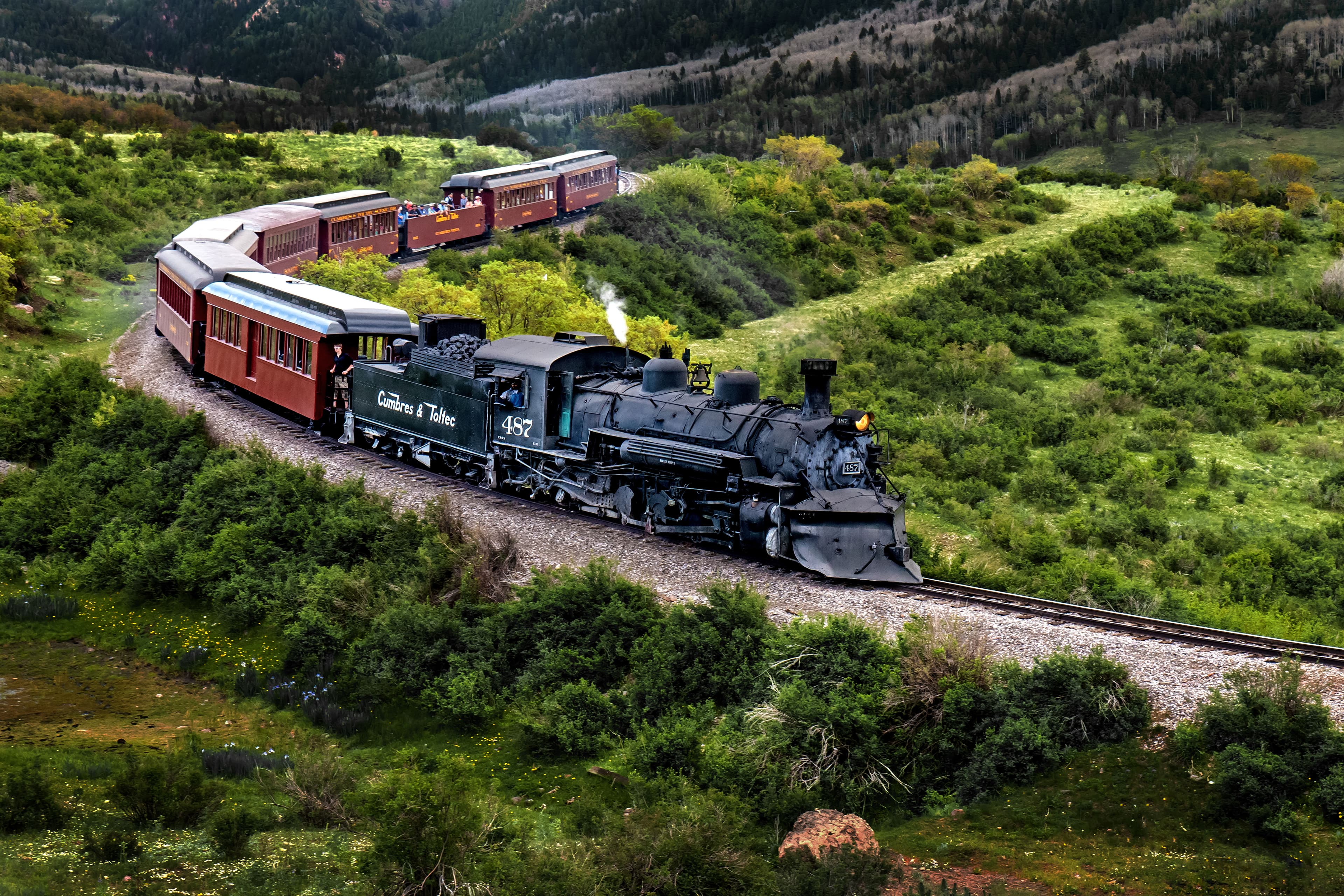
There is no mainline passenger rail connection to Durango — the Durango & Silverton is an isolated narrow-gauge line, the surviving stub of the Denver & Rio Grande's once-extensive network. The nearest connecting heritage line is the Cumbres & Toltec Scenic Railroad at Chama, New Mexico and Antonito, Colorado, which shares the same historic San Juan Extension heritage but is not physically connected.
By Car
Durango sits at the junction of US Highway 550 (the "Million Dollar Highway" north to Silverton and Ouray) and US Highway 160. The depot is downtown at 479 Main Avenue. Driving the spectacular but winding US 550 over three high passes to Silverton takes about an hour and is a popular way to ride the train one way and drive the other; between Rockwood and Silverton, however, the railroad itself has no road access.
Parking
Paid parking lots and street parking are available in downtown Durango near the depot on Main Avenue; the railroad and nearby private lots offer all-day parking for train passengers. In Silverton, parking is easy and mostly free, but most Silverton-branch riders arrive by train rather than car.
Where to Stay
Find places to stay near Silverton.
This lodging map is provided by Stay22, a third-party service that may set cookies. It loads only with your consent.
Accommodation results are provided by Stay22; we may earn a commission on bookings made through this map.
Videos
More videos
Durango and Silverton Oil Fired Steam Trains
Photos
Durango and Silverton NGRR May 2024-v2
Durango and Silverton NGRR May 2024-v3
Durango and Silverton NGRR May 2024-z3
Durango and Silverton NGRR May 2024-z1
Durango and Silverton NGRR May 2024-f1
Durango and Silverton NGRR May 2024-i2
Durango and Silverton NGRR May 2024-i4a
Durango and Silverton NGRR May 2024-l1
Durango and Silverton NGRR May 2024-j3
Durango and Silverton NGRR May 2024-m1
Durango and Silverton NGRR May 2024-t1
Durango and Silverton NGRR May 2024-y1
Durango and Silverton NGRR May 2024-h3
Durango and Silverton NGRR May 2024-o1
Durango and Silverton NGRR May 2024-b1
Coming Around the Bend - Flickr - G. Lamar
Durango and Silverton K-37 Class 493
External Resources
Official resources
Heritage & history
Frequently Asked Questions
How long is the Durango to Silverton train ride?▾
Is the train pulled by a real steam locomotive?▾
When does the Silverton train run?▾
How much do tickets cost in 2026?▾
What is the Highline?▾
Which side of the train has the best views?▾
Can I take the train one way and hike or drive back?▾
Help improve this page
Spotted something out of date or incorrect? Let our community know.
Related on Spotatrain
Journeys Near This Route
More Journeys Worldwide
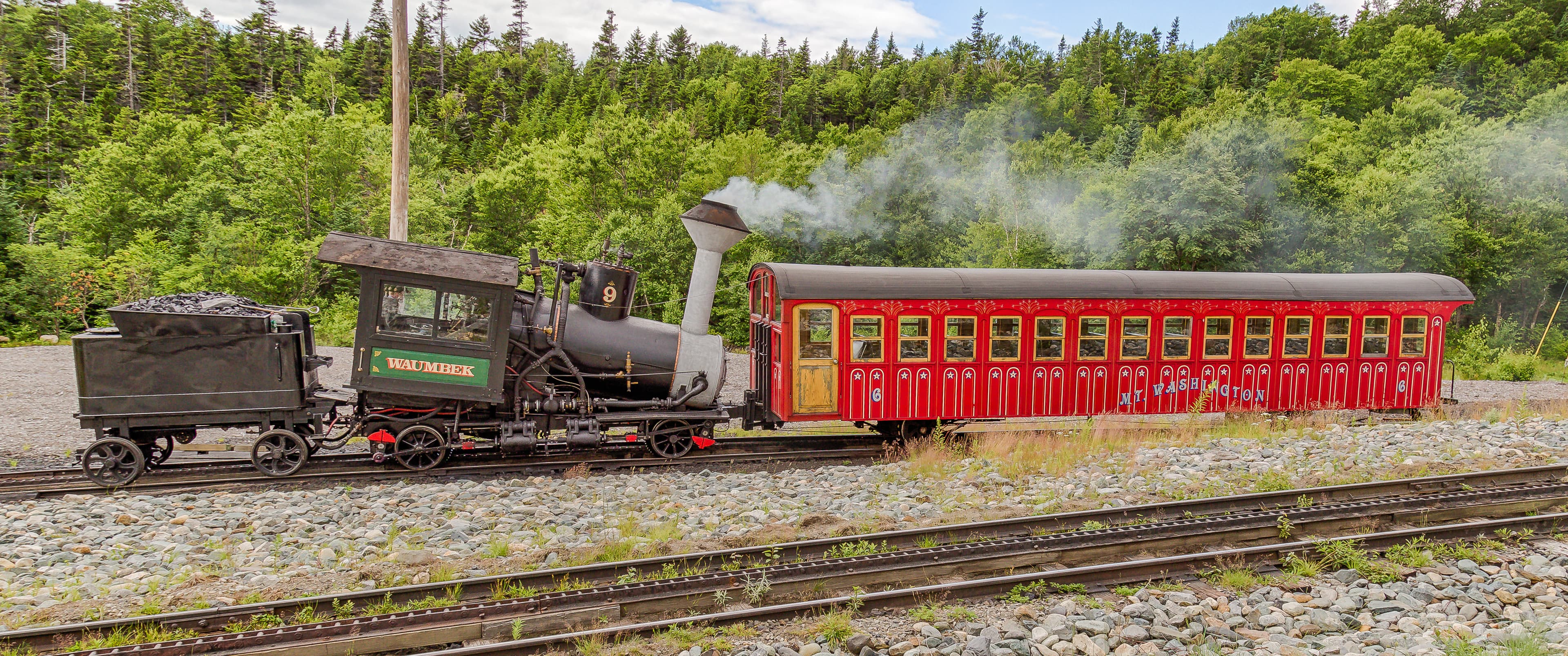

Mount Washington Cog Railway
World's first mountain-climbing cog railway — 1869, 37.41% grade, climbs to 6,288 ft
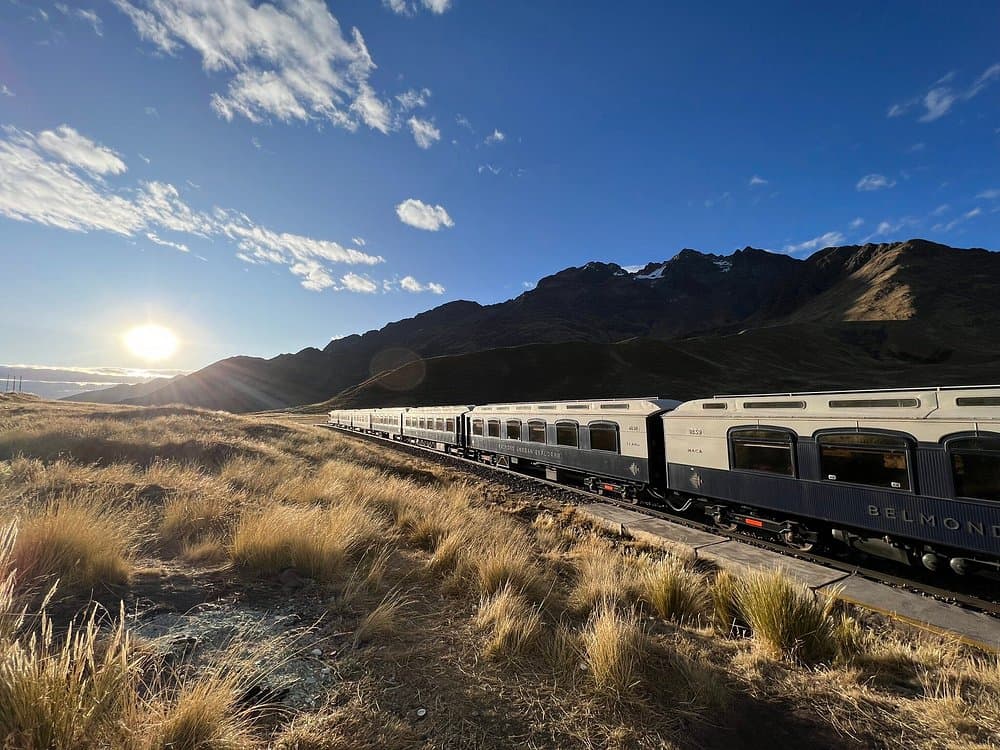
Belmond Andean Explorer
South America's first luxury sleeper train, across the roof of Peru

TranzAlpine
Coast to coast across the Southern Alps in a single morning

Tren a las Nubes
Argentina's rack-free climb to 4,220 m above the Puna
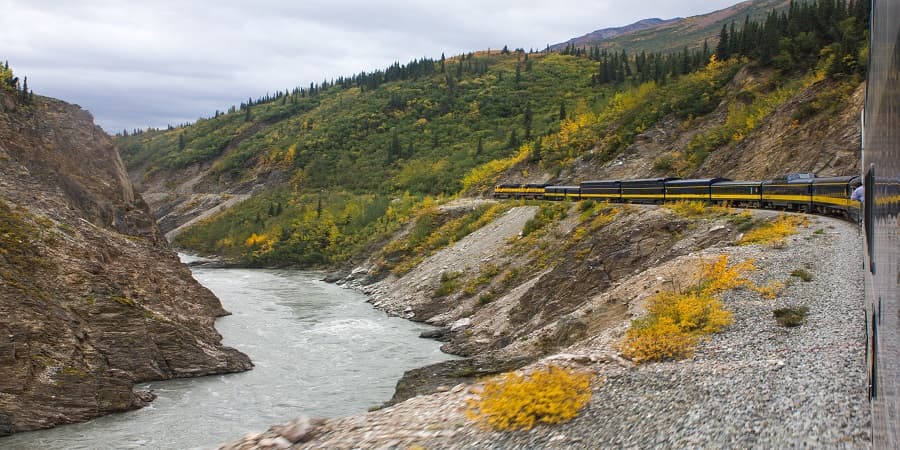
Denali Star
Alaska Railroad's flagship run to Denali and Fairbanks
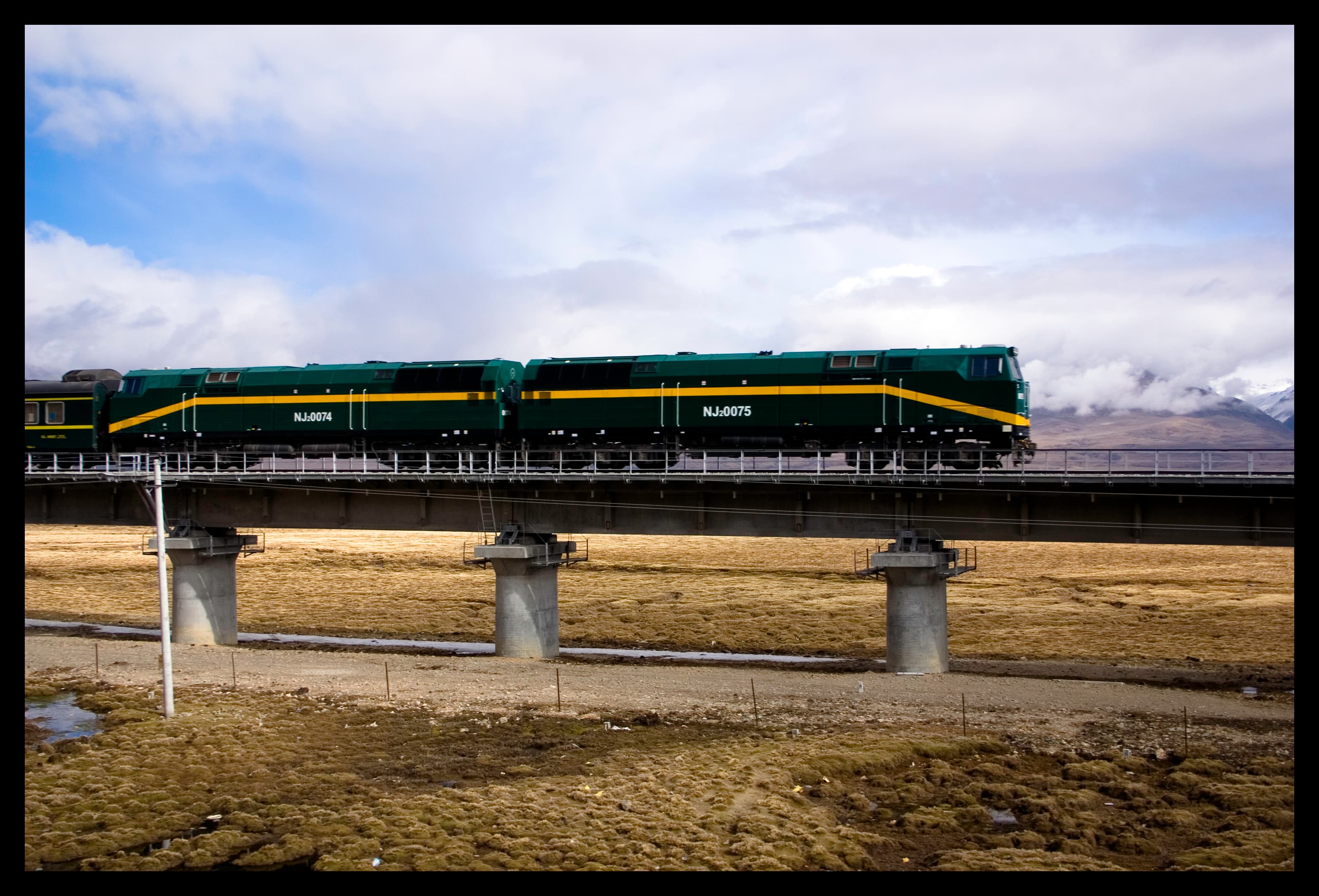
Qinghai-Tibet Railway
The world's highest railway, across the roof of the world to Lhasa
Explore around this route
2 places on Spotatrain within 25 km of this route — 2 events.