

Chama Depot, New Mexico — Cumbres & Toltec Depot Camera
The 1880s Rio Grande depot at Chama, with the yard throat behind it
Chama Depot, New Mexico — Cumbres & Toltec Depot Camera
Cumbres & Toltec Scenic Railroad — Chama yard, ex-Denver & Rio Grande Western San Juan Extension (3 ft narrow gauge) · Chama, New Mexico, United States
This operator has not granted Spotatrain permission to embed the feed, so we link to it instead.
Watch at Friends of the Cumbres & Toltec Scenic RailroadStreamed by Friends of the Cumbres & Toltec Scenic Railroad
Stream hosted by Friends of the Cumbres & Toltec Scenic Railroad. Spotatrain links to the original feed and does not rebroadcast.
Where this camera films
Camera position: 36.90241, -106.57880
- Location
- Chama, New Mexico, United States
- Railroad
Cumbres & Toltec Scenic Railroad — Chama yard, ex-Denver & Rio Grande Western San Juan Extension (3 ft narrow gauge)
- Best viewing times
- The operator's own advice for the Chama cameras: "Look for deer at dusk and dawn each day. Tune in each morning for a spectacular Chama sunrise via the Cumbres & Toltec Scenic Railroad webcams." For railway movement, work the depot's published season hours — "The Chama depot is open from 7:30 a.m. to 7:00 p.m. during the regular season" — with the morning end being when locomotives are prepared for the day's departure.
- Through the seasons
- Seasonal railroad, and the yard empties with it. The Cumbres & Toltec runs a defined "regular season": the railroad publishes "The Chama depot is open from 7:30 a.m. to 7:00 p.m. during the regular season" and lists no winter departures at all. Dated 2026 excursions read on the railroad's own pages run into the autumn — the Oktoberfest Express is advertised for "Saturday, September 12, 2026" — and season passes are sold as "ten (10) train trips in Coach Class on all our regular daily excursions in 2026". The exact first and last operating days of the 2026 season are not printed on any cumbrestoltec.com HTML page read on 2026-08-19, so they are deliberately left unstated rather than guessed.
Weather & light at the camera
Sun times calculated for this camera’s coordinates.
Trains on this camera
Train types
Passenger trains past this camera
No official timetable file is published for this line — see the journey guide for dates and times.
On the line here
FRA / NTAD — crossing inventory Jul 21, 2026 · bridge inventory Oct 14, 2022
About this cam
The Friends of the Cumbres & Toltec Scenic Railroad point this camera straight at the Chama depot in New Mexico: the depot building, the house track, the main line, the yard tracks, the roundhouse, the engine house in the upper left and the recreated telegraph code line strung alongside. It is a free live video feed on the Friends' own webcam page, hosted by Brownrice Internet.
Chama, New Mexico is the western terminal of the Cumbres & Toltec Scenic Railroad, and the depot in this frame is the original one. The railroad describes its own line as "originally constructed in 1880 as part of the Rio Grande's narrow gauge San Juan Extension", laid to "a gauge of 3 feet between the rails, instead of the more common 4 feet, 8-1/2 inches". What survives is 64 miles of it: the railroad states "64-miles between Chama, NM, and Antonito, CO", over the "10,015 foot high Cumbres Pass", and it received "National Historic Landmark Designation in 2012".
The camera is one of three run by the Friends of the Cumbres & Toltec Scenic Railroad, a 501(c)3 non-profit that describes the installation as "made possible by the support of FRIENDS of the Cumbres & Toltec Scenic Railroad" and invites the public to "watch live streams from various angles of the Chama, NM railyard". This is the Depot Camera. The operator lists what it covers, left to right: "Chama Depot - House Track - Main Line - Yard Tracks - Round House - Engine House (upper left) Recreated Telegraph Code Line". The telegraph code line is a reconstruction, not a survivor.
The yard the camera looks into is not a museum display but the railroad's working shop. When Colorado and New Mexico bought the line in 1970 for "$547,120", the purchase covered "Nine steam locomotives, over 130 freight and work cars, and the Chama yard and maintenance facility" — this yard. Ticket sales still happen in the building on screen: "The Chama depot is open from 7:30 a.m. to 7:00 p.m. during the regular season."
The feed sits inside a Brownrice Internet HTML5 video player embedded on the Friends' webcam page. The Friends publish no terms of use, so Spotatrain links to their page rather than embedding the stream.
What to watch for
Steam, and specifically the railroad's own engines: 484, 487, 488 and 489 are the working coal-burners (489 was converted to oil ahead of the 2021 season), 463 has been back in service since 2013, and 483 stands on static display at the Chama station itself — it may well be in your frame without ever moving. Durango Railroad Historical Society's 315 turns up as a guest engine. Watch for the morning ritual before a departure: cars pulled off the house track, the train assembled on the main line in front of the depot, passengers boarding from the depot side. Behind the depot, the surviving portion of the original D&RGW roundhouse is visible upper left along with the engine house lead. Everything on screen is 3 ft gauge — the couplers, the rail and the loading gauge are all noticeably smaller than a standard-gauge scene, which is the fastest way to tell this camera apart from any US mainline cam.
The camera
- Stream
- Stream
- Filming
- Historic depot
- Traffic
- Heritage
- Sound
- Video only, no audio
- Hours
- Streams around the clock, 24/7
- Feed checked
- September 3, 2026
Filmed location
The place this camera films is documented on Spotatrain — traffic levels, best angles, and visiting info (Epic Journey):
Related on Spotatrain
More Live Cams in New Mexico
Spots Near This Camera
Railway Experiences in the United States
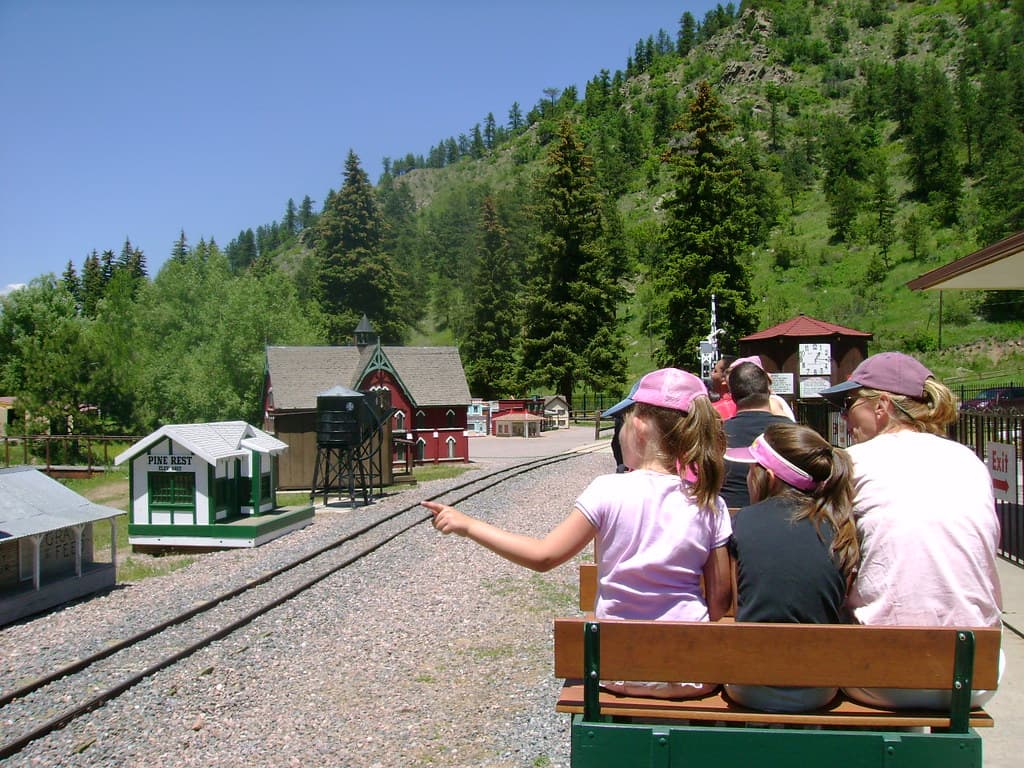

Tiny Town & Railroad
A 1/6-scale village of 100+ buildings circled by a 15-inch-gauge steam miniature railway near Morrison, Colorado.
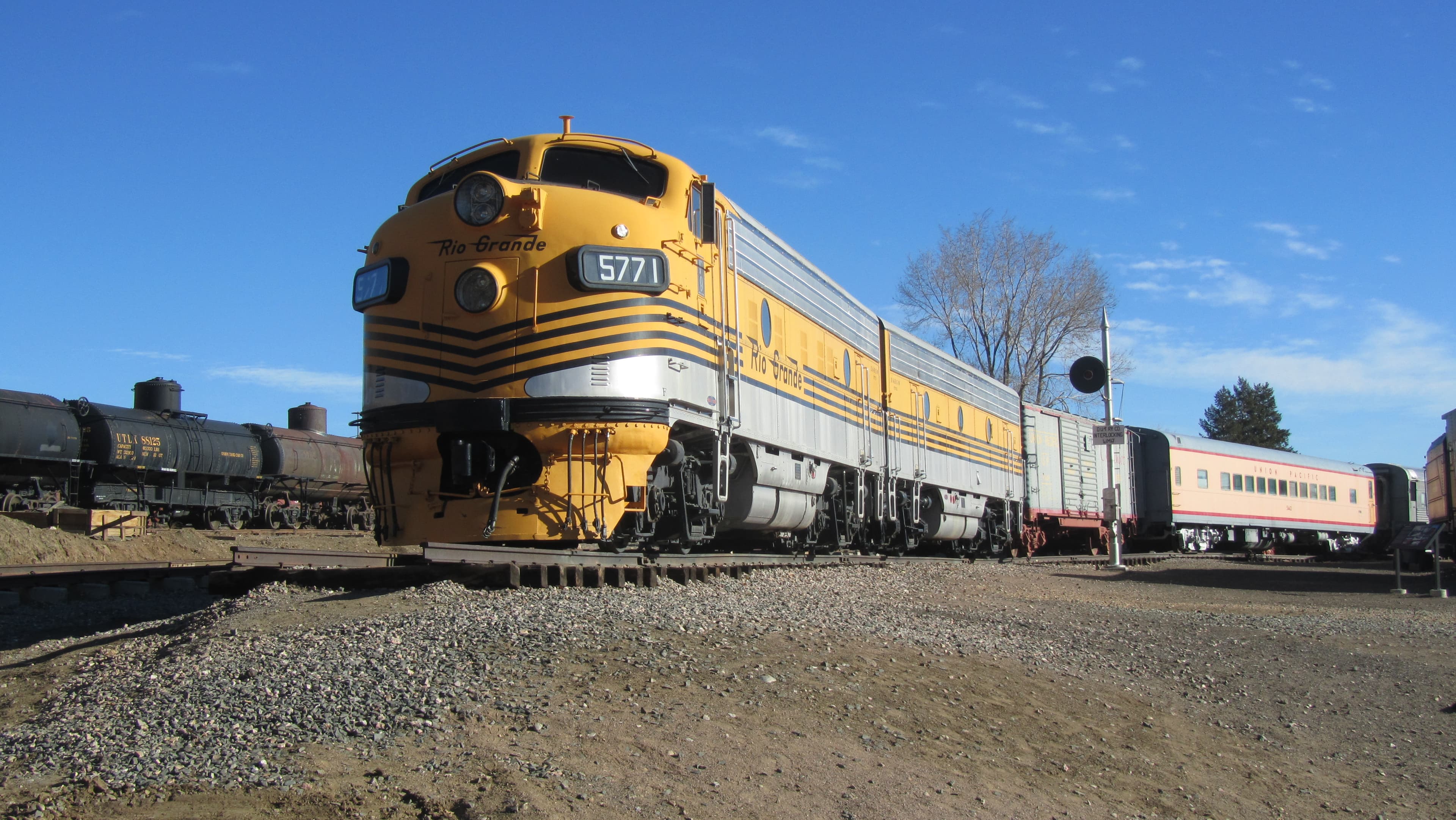
Colorado Railroad Museum
Colorado's narrow-gauge collection in Golden: 100-plus locomotives and cars on a 15-acre yard, with train rides and three Galloping Geese.
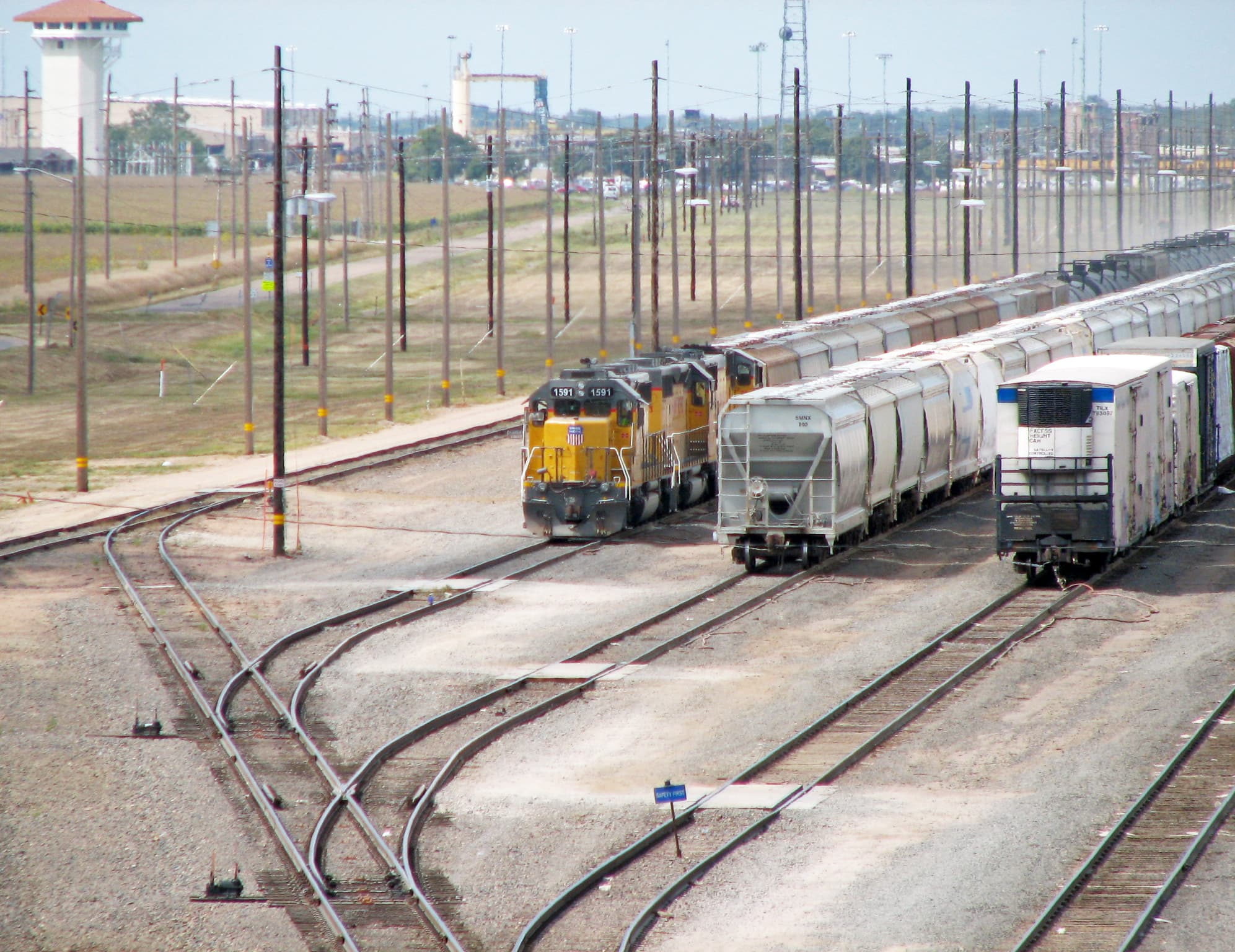
Golden Spike Tower & Visitor Center
An eight-story observation tower over Union Pacific's Bailey Yard, the world's largest railroad classification yard.
Related Journeys & Mega-Projects
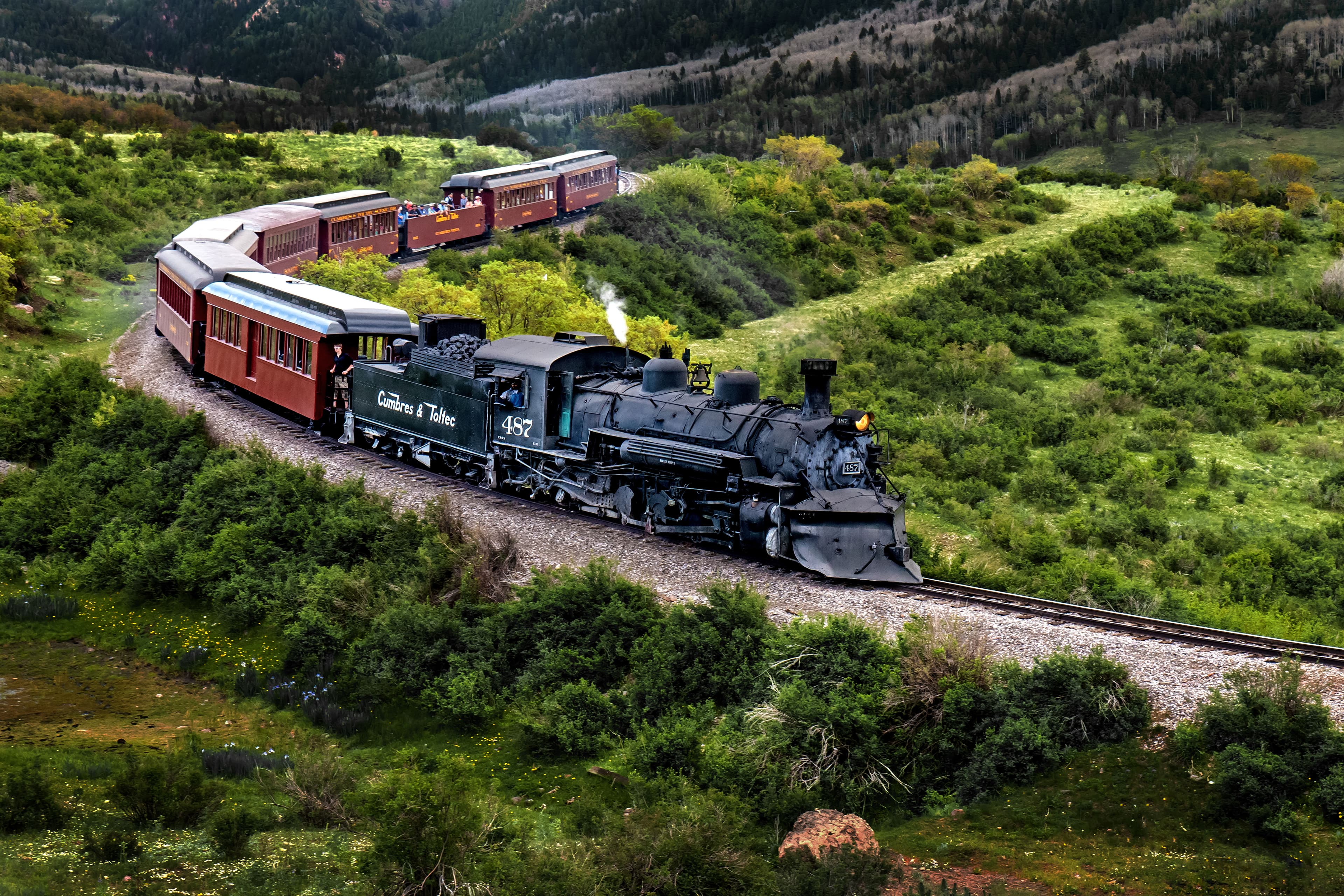
Explore around Chama
4 places on Spotatrain within 25 km of Chama — 1 journey, 2 live cams and 1 event.