
Railway Experience
National Rail Museum, New Delhi
India's national railway museum on 11 acres in Chanakyapuri: the 1855 Fairy Queen and the only working Ewing-system steam monorail.
Updated
About This Experience
The National Rail Museum occupies more than 11 acres (4.4 hectares) in Chanakyapuri, New Delhi's diplomatic enclave, on Chandra Gupta Marg beside the Bhutan Embassy. Its foundation stone was laid on 7 October 1971 by President V. V. Giri; it opened to the public on 1 February 1977 as the Rail Transport Museum, the first transport museum in India, inaugurated by Railway Minister Kamlapathi Tripathi, and was renamed the National Rail Museum in October 1995. It is run directly by the Ministry of Railways, Government of India.
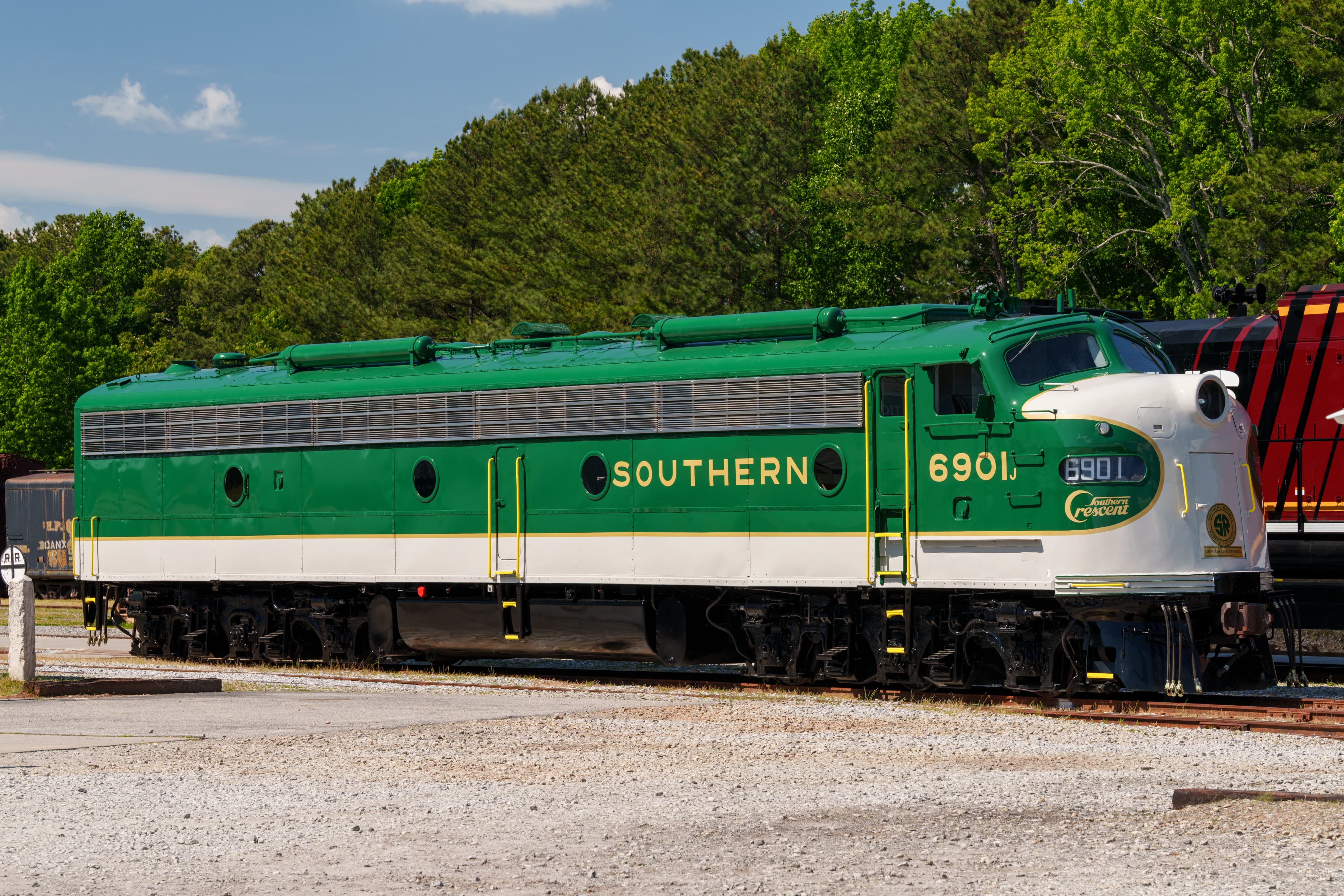
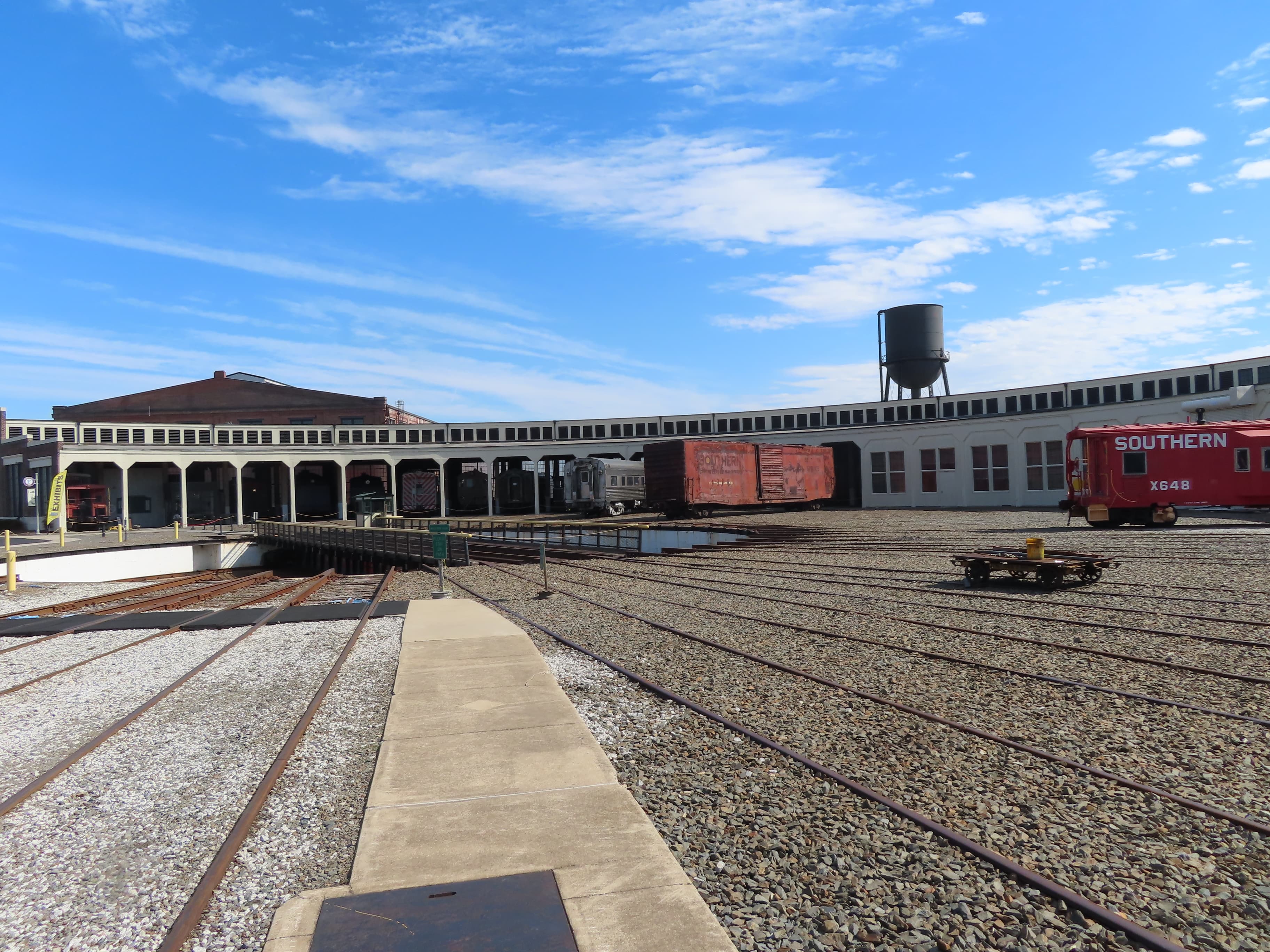
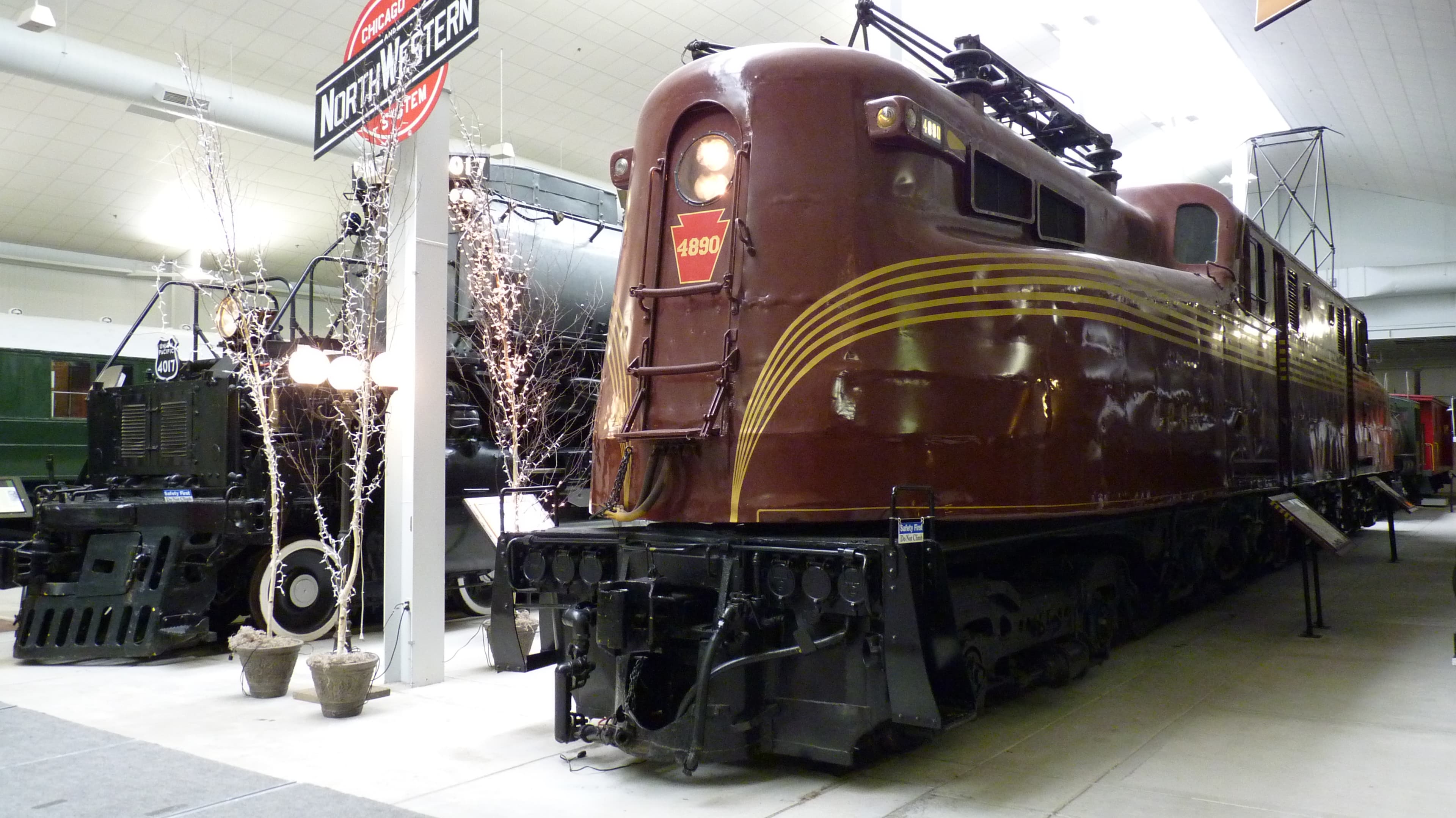
The layout is deliberate: the outdoor gallery is set out as a railway yard, and it holds steam, diesel and electric locomotives alongside royal saloons, wagons, carriages, armoured trains and rail cars — more than a hundred original life-size exhibits, restored and maintained. An octagonal indoor gallery with six display halls carries the interpretive side: interactive displays and models tracing early transport through to the present and future of Indian Railways, plus historical photographs, documents, railway artefacts and antique furniture.
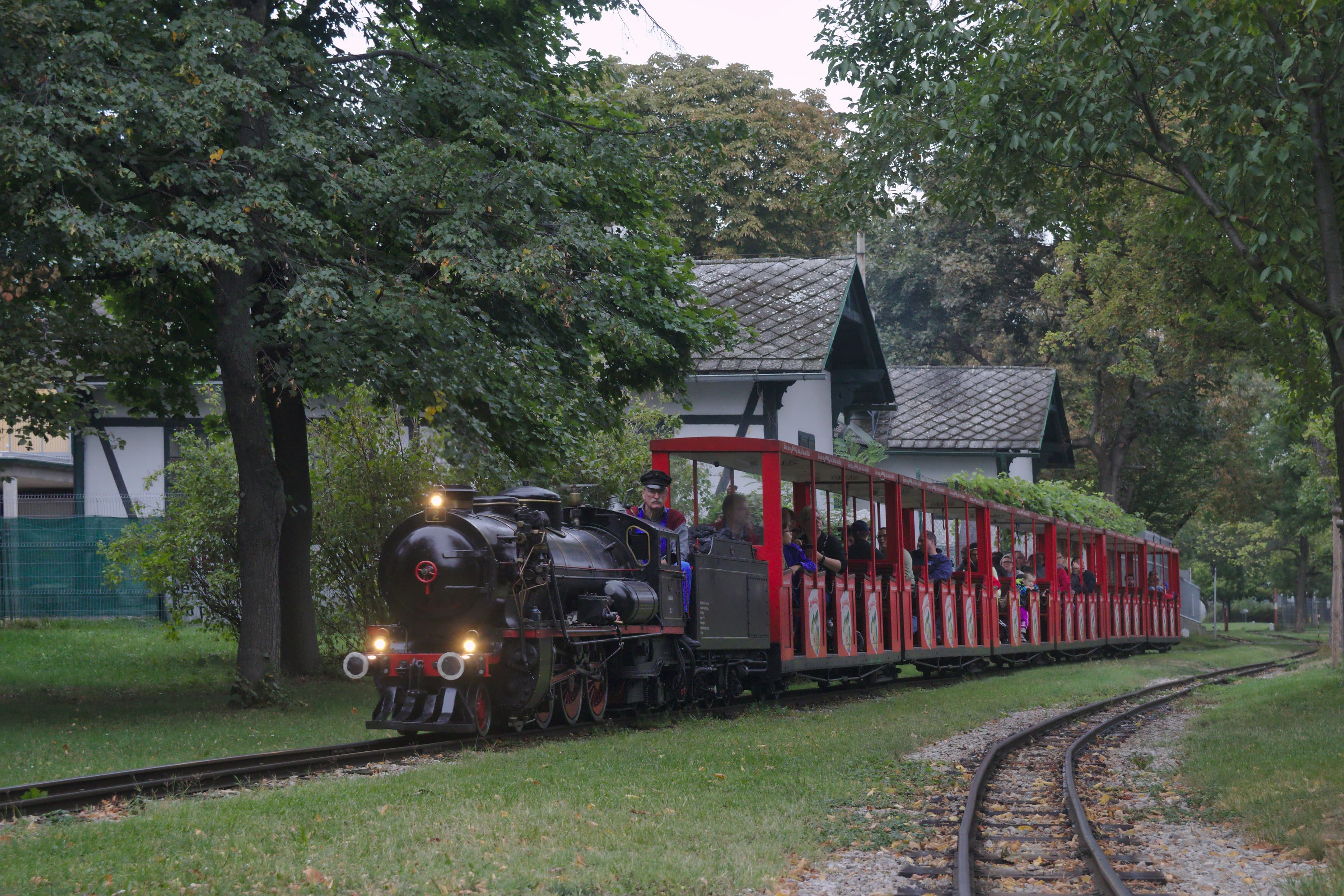
Around 500,000 people visit each year, which for a specialist railway collection is an extraordinary figure and says something about how central the railway is to India's idea of itself. A narrow-gauge Museum Express circles the grounds from its own Museum Junction platform, and there is a rail-themed restaurant on site.
Photo Opportunities
The outdoor yard is the museum, so plan around light rather than around opening time: the first hour after the 10:00 opening gives the lowest sun on the locomotive line-up, and the yard is at its harshest under midday Delhi sun. The Fairy Queen, the Patiala monorail and the royal saloons are the three subjects worth crossing a continent for, and the monorail in particular cannot be photographed anywhere else on earth.
One important caveat: visitor reports state that DSLR and large cameras are not permitted inside and that only mobile phones may be used. This restriction is NOT published on the museum's own website, and it is exactly the sort of rule that changes — confirm at the ticket counter before you travel with heavy gear, and be prepared to shoot on a phone. The indoor octagonal gallery is artificially lit and tighter than the yard; the Museum Express gives a slow moving vantage over the whole site for a few rupees.
Featured Video
Every Train Lover Must Visit This Place! | National Rail Museum Delhi Full Tour & Exploration
Why Visit
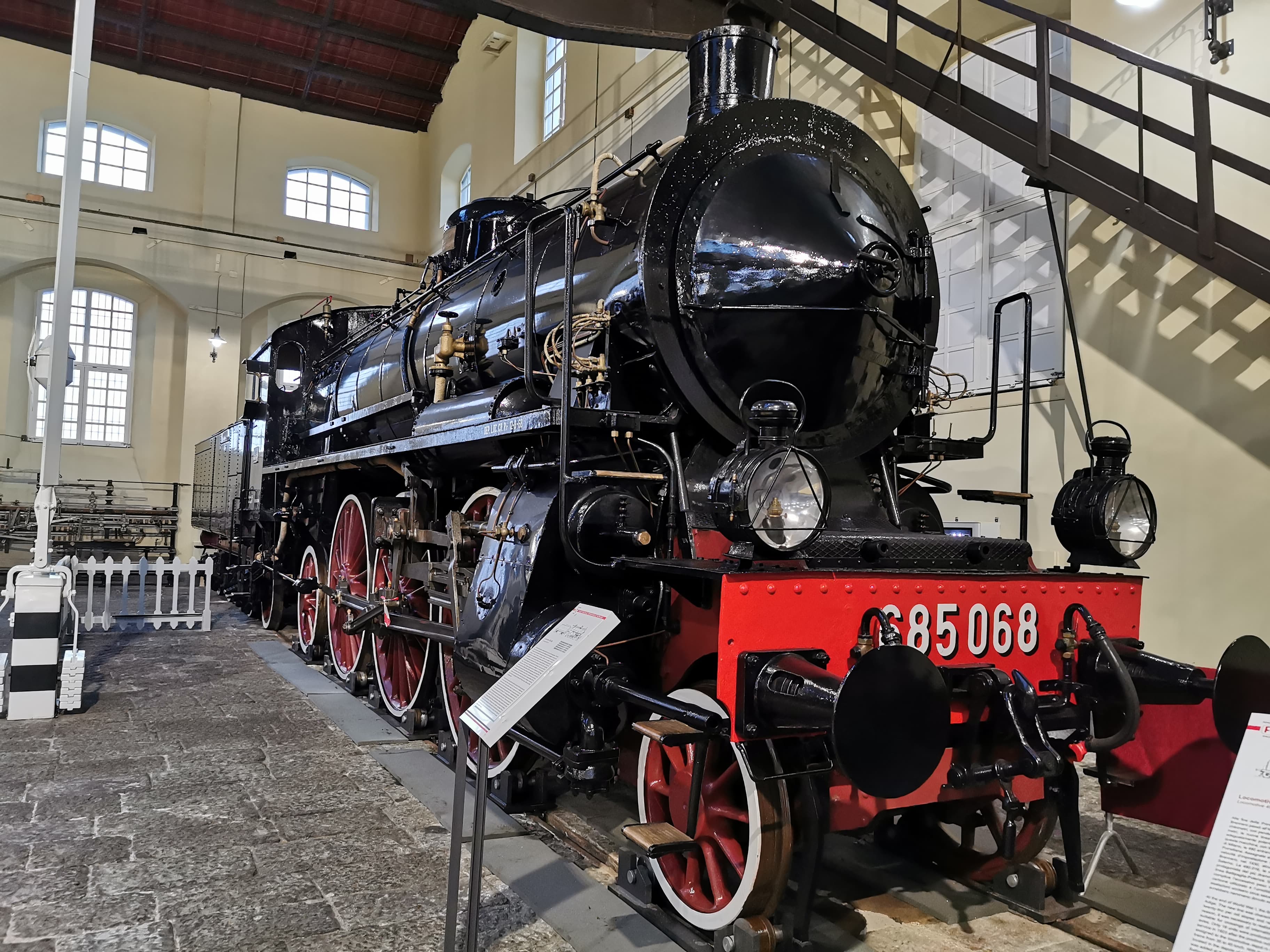
The Fairy Queen alone justifies the trip. Built in 1855 by Kitson, Thompson and Hewitson of Leeds, she worked mail trains in Bengal for the East Indian Railway as No. 22 and hauled troop trains during the uprising of 1857. Retired in 1909 after construction work in Bihar, she stood on static display at Howrah until the Indian government gave her heritage status in 1972 and she came to this museum. In 1997 she was restored to steam for a luxury train between Delhi and Alwar, and in 1998 the Guinness Book of Records listed her as the world's oldest steam locomotive in regular service.
The second unrepeatable exhibit is the Patiala State Monorail Trainways. The PSMT ran from 1907 to 1927 on the Ewing System — a single load-bearing rail with a road wheel as outrigger — and was the only locomotive-hauled railway of that design ever built anywhere. Four 0-3-0 locomotives were supplied by Orenstein and Koppel of Berlin in 1907; the museum holds a PSMT locomotive and coach that it states are the only steam monorail locomotive and coach in working condition.
The rest of the roster is a catalogue of things that exist nowhere else. The John Morris Fire Engine, over a century old, is described by the museum as the only solid rubber-tyred working vehicle of its kind. The Prince of Wales Saloon was built in 1875 for the future Edward VII's visit to India; the Maharaja of Mysore's saloon of 1899 was finished in teak, gold and ivory. Also here are the Viceregal Dining Car, a fireless steam locomotive, F1-734, a Garratt articulated locomotive, the metre-gauge veteran Ramgotty, and electric locomotive 4502 "Sir Leslie Wilson", a WCG-1 of 1928 from the Great Indian Peninsula Railway.
What to Expect
The museum opens Tuesday to Sunday, 10:00 to 17:00, with entry closed after 16:30 and the last Museum Express run at 16:45 — so a late-afternoon arrival costs you the train ride. It is closed on Mondays and on seven named dates in 2026: Republic Day, Holi, Id-ul-Fitr, Independence Day, Gandhi Jayanti, Dussehra and Diwali.
Fares are cheap but they double at weekends and on gazetted holidays, and the Museum Express is ticketed separately per person per ride. Under-3s enter free. Two to three hours covers the outdoor yard, the indoor galleries and a circuit on the Museum Express; families with children who want the ride and the simulators should allow more.
Check the museum's own notices before you go. At the time of writing the museum states that the diesel simulator is working, and that the toy train steam simulator and the coach simulator are out of service due to a technical problem. Most of the museum is open-air, which matters a great deal in Delhi: the outdoor gallery is the main event and there is limited shelter from sun or rain.
Best Time to Visit
Aim for a Tuesday-to-Friday morning between October and March. Arrive at the 10:00 opening for the best light on the outdoor line-up and to get ahead of school groups, and keep in mind that the last Museum Express departure is at 16:45 rather than at closing time.
Avoid the seven dates the museum closes in 2026 — 26 January, 4 March, 21 March, 15 August, 2 October, 20 October and 8 November — and every Monday. If you are travelling specifically for the simulators, check the museum's "What's New" notices first: the diesel simulator is running, while the toy train steam simulator and the coach simulator are reported out of order.
Frequently Asked Questions
QWhat is the Fairy Queen and is it here?
The Fairy Queen is a steam locomotive built in 1855 by Kitson, Thompson and Hewitson of Leeds, which worked mail and troop trains in Bengal for the East Indian Railway. She was given heritage status in 1972, is held at the National Rail Museum, and was restored to steam in 1997; in 1998 Guinness listed her as the world's oldest steam locomotive in regular service.
QHow much does it cost?
Adult entry is ₹50 on a weekday and ₹100 at weekends and on gazetted holidays; children aged 3 to 12 pay ₹10 and ₹20. The Museum Express ride is ticketed separately at ₹20 / ₹50 for adults and ₹10 / ₹20 for children, per person per ride. Under-3s enter free.
QWhen is the museum open and closed?
Tuesday to Sunday, 10:00 to 17:00, with entry closed after 16:30. It is shut every Monday and on seven dates in 2026: 26 January, 4 March, 21 March, 15 August, 2 October, 20 October and 8 November.
QWhat is the Museum Express?
A narrow-gauge train that circles the museum grounds from its own Museum Junction platform. It needs its own ticket, charged per person per ride, and the last departure is at 16:45 — earlier than the museum's 17:00 closing time.
QHow do I get there on the metro?
There is no metro station at the gate. Journey planners point to Sir Vishweshwaraiah Moti Bagh, roughly a 14-minute walk, with Dhaula Kuan about 2 km away; many visitors take an auto-rickshaw from INA or Jor Bagh. None of these are published by the museum itself.
QCan I bring a camera?
Visitor reports say DSLR and large cameras are not permitted and that only mobile phones may be used. The museum does not publish this rule on its website, so confirm at the ticket counter before travelling with a full camera kit.
QHow long should I allow?
Two to three hours covers the outdoor yard, the octagonal indoor gallery and a circuit on the Museum Express. Families using the simulators and the train should plan for longer.
How to Plan Your Visit
Season and Schedule
Open Tuesday to Sunday with a hard 16:30 entry cut-off, and the last Museum Express train leaves at 16:45.
- Operating Hours
- Tuesday–Sunday 10:00–17:00 (last entry 16:30)
- Closed
- Mondays
- 2026 Closure Dates
- 26 January (Republic Day), 4 March (Holi), 21 March (Id-ul-Fitr), 15 August (Independence Day), 2 October (Gandhi Jayanti), 20 October (Dussehra), 8 November (Diwali)
- Last Museum Express Run
- 16:45
Ticket Information
Entry and the Museum Express ride are ticketed separately, per person per ride, and both cost twice as much at weekends and on gazetted holidays.
- Entry — Adult (12+)
- ₹50 weekday · ₹100 weekend and gazetted holiday
- Entry — Child (3–12)
- ₹10 weekday · ₹20 weekend and gazetted holiday
- Museum Express — Adult
- ₹20 weekday · ₹50 weekend and gazetted holiday
- Museum Express — Child
- ₹10 weekday · ₹20 weekend and gazetted holiday
- Under 3
- Free (not for institution or group bookings)
- Groups of 30+
- 50% off child entry tickets only, weekdays excluding gazetted holidays
- Weekday / Weekend
- Weekday means Tuesday to Friday except gazetted holidays; weekend means Saturday, Sunday and gazetted holidays
What to Bring
Most of the collection is outdoors with limited shade, so sun protection and water matter more here than in a conventional museum. A rail-themed restaurant operates on site.
- Outdoors
- Sun protection and water — the main gallery is an open railway yard
- On Site
- Rail restaurant
Photography Tips
Visitor reports say DSLR and large cameras are refused and only mobile phones are allowed; the museum does not publish this rule, so confirm at the counter before travelling with heavy gear.
- Reported Restriction
- DSLR and large cameras not permitted; mobile phones only — NOT confirmed by the museum
- Best Light
- The first hour after the 10:00 opening, on the outdoor yard
- Unique Subjects
- Fairy Queen (1855) and the Patiala State Monorail (1907)
The operator does not publish a pet policy — contact them directly before traveling with an animal.
Travel Information
By Air
Indira Gandhi International Airport serves Delhi, and the museum sits in central New Delhi rather than on the outskirts, so any airport taxi or the Airport Express metro plus a short onward hop will reach it.
- Airport
- Indira Gandhi International Airport (DEL), New Delhi
By Car
The museum is on Chandra Gupta Marg in the diplomatic enclave, immediately beside the Bhutan Embassy.
- Address
- Chandra Gupta Marg, Chanakyapuri, beside the Bhutan Embassy, New Delhi 110021
Parking
Visitor guides report that the museum has its own parking facility for cars and two-wheelers; the museum does not publish parking details itself.
- On Site
- Parking reported available at the museum (third-party source, unconfirmed)
Local Transportation
No metro station sits at the gate. The usual approach is a metro ride followed by an auto-rickshaw, and these figures come from journey planners rather than from the museum.
- Nearest Metro
- Sir Vishweshwaraiah Moti Bagh, reported as about a 14-minute walk
- Alternative Metro
- Dhaula Kuan, about 2 km away
- Auto-Rickshaw
- Commonly taken from INA or Jor Bagh metro stations
- Bus
- Moti Bagh stop, about 1.2 km; routes reported as 604, 630 and 781
Nearby Lodging
Find places to stay near National Rail Museum, New Delhi.
This lodging map is provided by Stay22, a third-party service that may set cookies. It loads only with your consent.
Accommodation results are provided by Stay22; we may earn a commission on bookings made through this map.
Nearby Attractions
- Nehru Park1.4 km
An 80-acre park laid out in 1969 in the Chanakyapuri diplomatic enclave, with a roughly 3 km rubberised walking and running track, yoga and badminton areas, an outdoor gym and a playground — the closest green space to the museum.
- Dilli Haat (INA)3 km
An open-air crafts bazaar and food court on Sri Aurobindo Marg opposite INA Market, with stalls and regional kitchens from across India's states — the standard lunch stop after a morning at the museum.
- Gandhi Smriti3.5 km
The house on Tees January Marg where Mahatma Gandhi spent his last 144 days and was assassinated on 30 January 1948, now a national memorial museum.
- Rashtrapati Bhavan4 km
The President of India's residence at the head of Rajpath, Edwin Lutyens' great Delhi set piece. The building, the Amrit Udyan gardens and the museum complex are visitable by advance booking through the official site.
- Safdarjung's Tomb2.9 km
An eighteenth-century sandstone and marble mausoleum in a walled Mughal char-bagh garden, the last great garden tomb built in Delhi — the nearest major monument to the museum.
Official Resources
Photos

 Arjunfotografer
CC BY-SA 4.0

Arjunfotografer
CC BY-SA 4.0

Arjunfotografer
CC BY-SA 4.0

Arjunfotografer
CC BY-SA 4.0

Arjunfotografer
CC BY-SA 4.0

Arjunfotografer
CC BY-SA 4.0

Arjunfotografer
CC BY-SA 4.0

Arjunfotografer
CC BY-SA 4.0
More Videos
NATIONAL RAIL MUSEUM DELHI !! A WALK THROUGH THE PAST
National Rail Museum New Delhi | How to reach Nearest metro station |Parking |Ticket cost |Joy Train
National Rail Museum Delhi Complete Tour 2025 | Ticket Price, Timings & Toy Train Ride
Help improve this page
Spotted something out of date or incorrect? Let our community know.
Explore more experiences: Browse all rail travel experiences.
Booking & Pricing
Price range
$10 – $100 INR
Entry: adults (12 and over) ₹50 on weekdays, ₹100 at weekends and on gazetted holidays; children aged 3–12 ₹10 and ₹20. The Museum Express ride is a separate ticket at ₹20 / ₹50 for adults and ₹10 / ₹20 for children, charged per person per ride. Children under 3 are free, except on institution or group bookings. Schools and institutions taking more than 30 tickets together get 50% off child entry tickets only, and not at weekends or on government holidays. Tickets are booked through the museum's own site.
Affiliate link — we may earn a commission on bookings at no extra cost to you. Details.
Quick Information
Country
Region
City
New Delhi
Best Season
October to March is the window. The National Rail Museum is overwhelmingly an outdoor collection, and Delhi's hot season runs from April to June with the monsoon following from July to September — neither is comfortable for several hours in an unshaded railway yard. In the cool months the same yard is one of the pleasantest museum spaces in the city.
Weekdays, Tuesday to Friday, are both quieter and half the price: adult entry is 50 rupees on a weekday against 100 on a Saturday, Sunday or gazetted holiday, and the Museum Express ride follows the same pattern.
Visit Duration
2-3 hours
Cost
Entry ₹50 adult / ₹10 child on weekdays; ₹100 / ₹20 at weekends and on gazetted holidays. Museum Express ride charged separately.
Tags
Contact
+91 11 2688 1826
nationalrailmuseum@gmail.com