

Railway Experience
National Railway Museum
A world-renowned railway museum showcasing historic locomotives and Britain’s rich rail heritage in the heart of York.
Updated
See everything in England1 spot · 10 live cams · 4 experiences · 52 eventsAbout This Experience
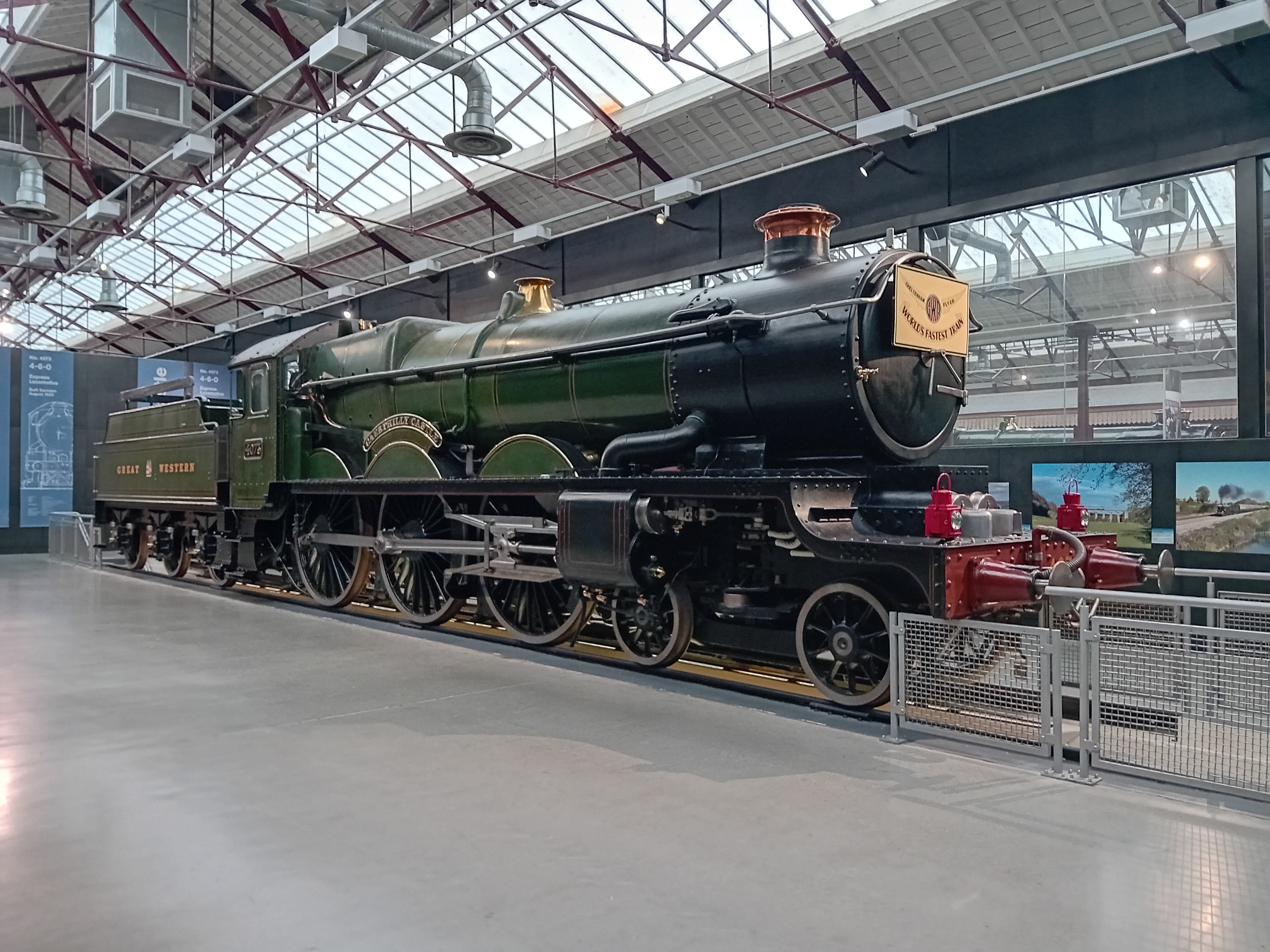
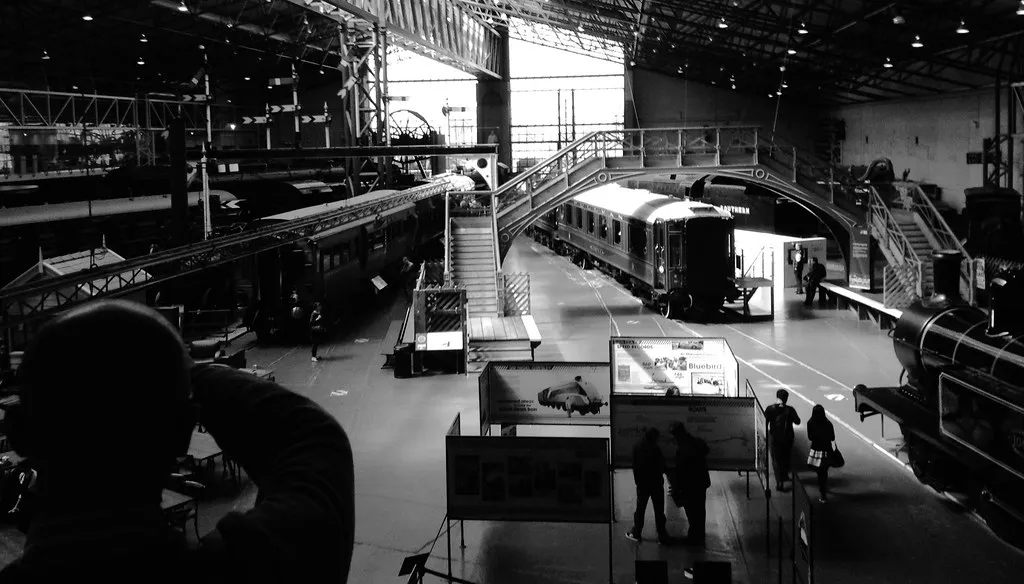
The National Railway Museum in York is Britain’s premier rail heritage attraction, home to the national collection of historic railway artifacts. Established in 1975 on the site of York’s former locomotive depot, the museum boasts over 6,000 objects on display – including around 100 locomotives and vehicles – spread across several enormous railway shedsbritainexpress.com. It is the largest museum of its kind in the UK, attracting close to 800,000 visitors per year. As part of the Science Museum Group, the museum’s mission is to tell the story of rail transport in Britain and its impact on society , preserving an unparalleled range of railway history for enthusiasts and the public alike.
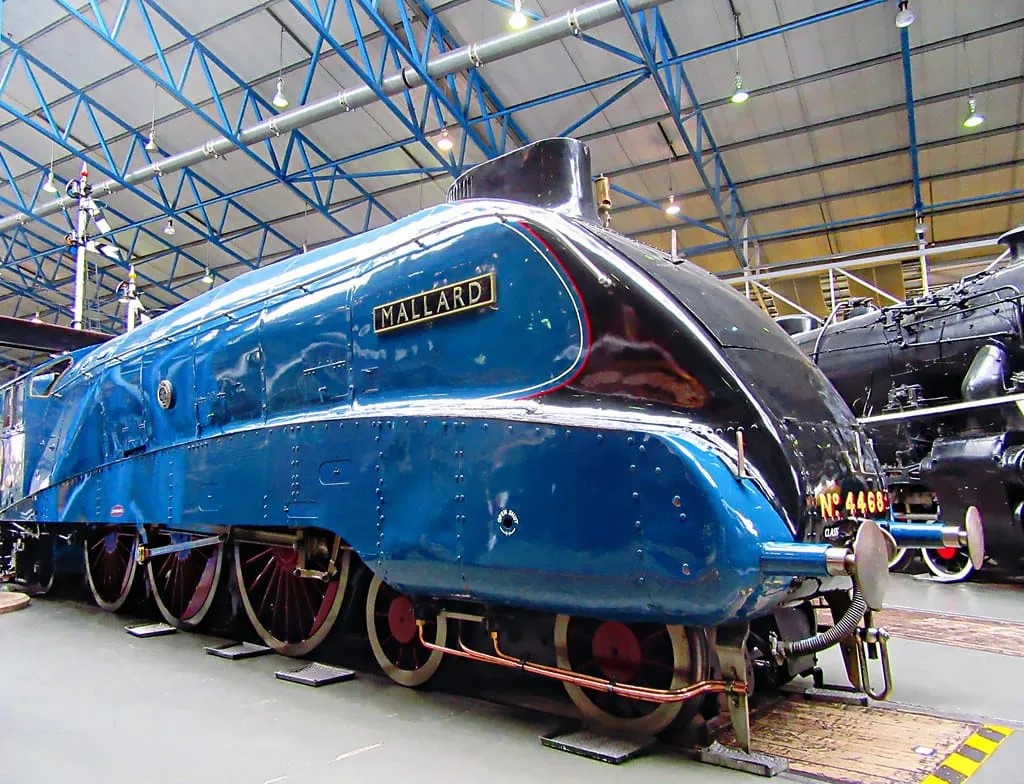
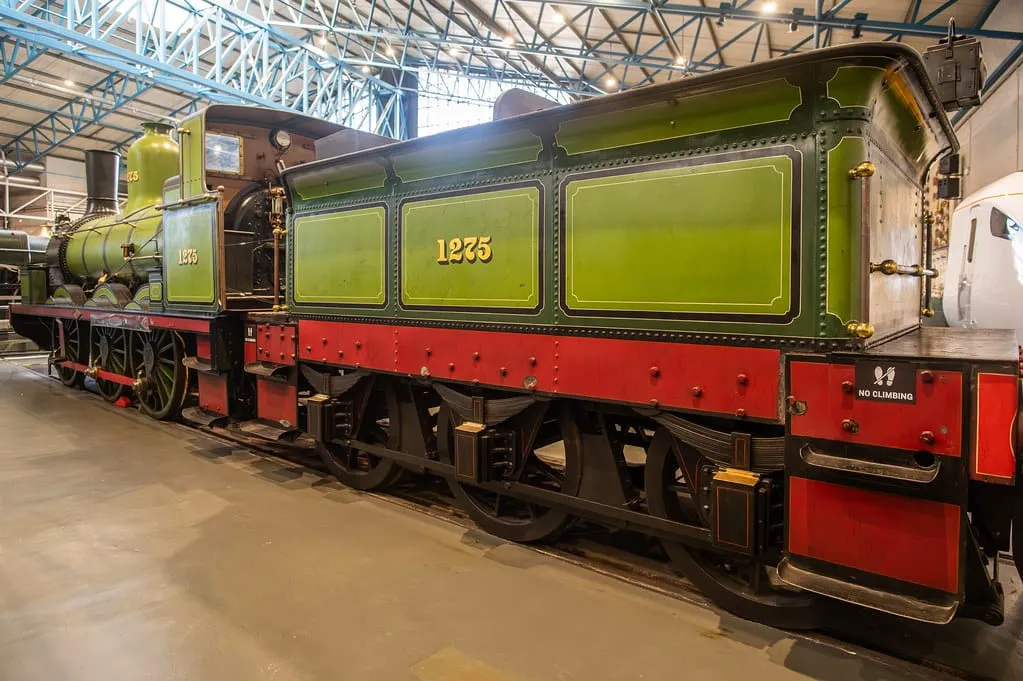
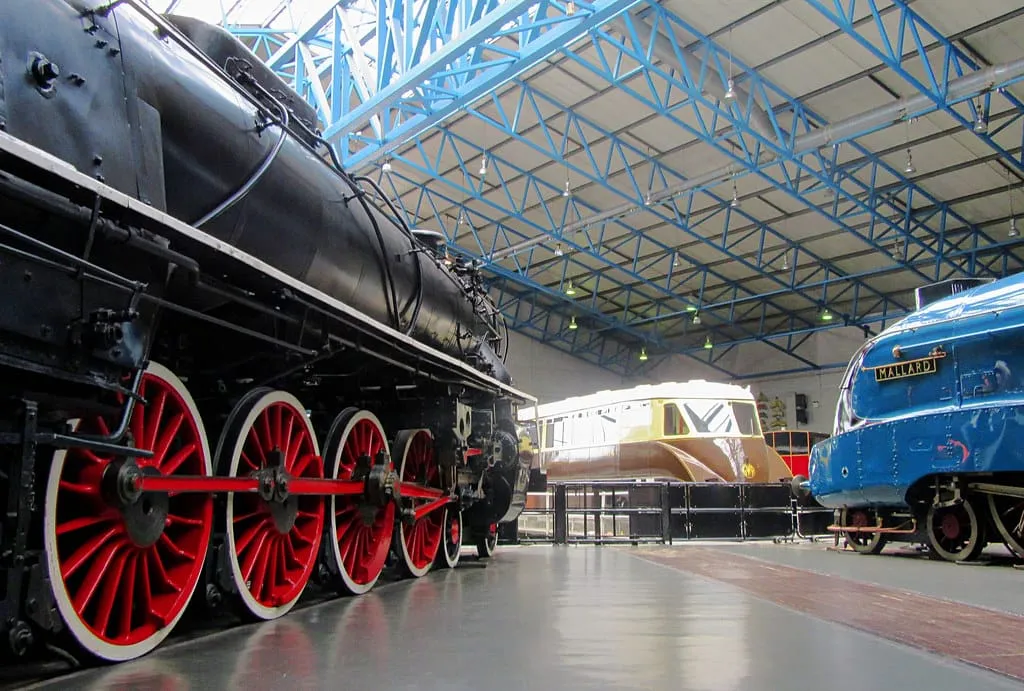
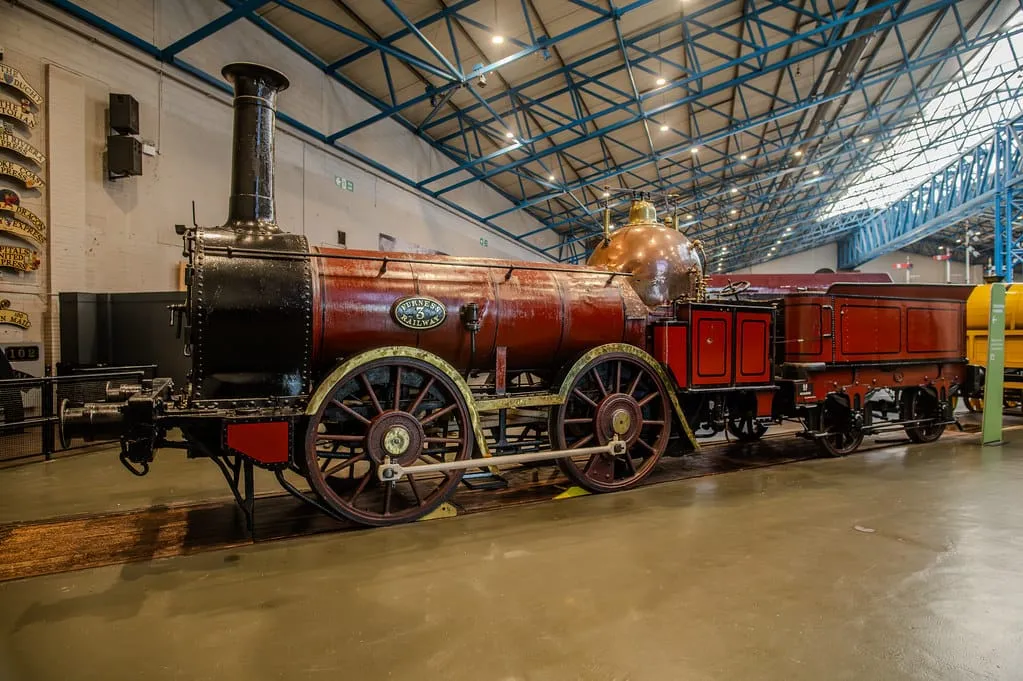
The museum’s collection spans the entire age of railways, from early 19th-century innovations to high-speed modern trains. Railfans can marvel at iconic locomotives such as Mallard – the LNER steam locomotive that holds the world speed record at 126 mphrailwaymuseum.org.uk – and the sleek LMS Duchess of Hamilton streamliner, resplendent in its art deco crimson livery. One hall showcases the “Palaces on Wheels,” a set of opulent royal carriages used by Queen Victoria and other monarchs, while another features the massive Stirling Single of 1870 (with its giant driving wheel) and technological marvels like the pioneering Japanese 0 Series Shinkansen bullet train. In fact, York’s museum displays the only Shinkansen train set outside Japan, allowing visitors to step inside and experience Japan’s 1960s high-speed revolution first-hand. From a Victorian-era Coppernob steam engine to modern diesel and electric units, the National Railway Museum offers an immersive journey through railway history on a scale that is truly world-class.
Watch this place live
A railway webcam covers this place — see what is running right now.
- Watch live
York ROC, Yorkshire — East Coast Main Line
The East Coast Main Line at York, from the Rail Operating Centre
Featured Video
The National Railway Museum York Ultimate Train Spotting Virtual Tour Locomotive Guide England UK🚂🇬🇧
The National Railway Museum York Information: The National Railway Museum in York is home to some of the country’s greatest feats of engineering, and tells the story of Britain’s railway innovation. National Railway Museum history: The museum was founded in 1975 on the site of the former North York locomotive depot, where it still stands today. In the early days of locomotive transport, York was revered as the heart of the rail networks of the north. York’s own ‘Railway King’, George Hudson, had a huge role in achieving this when he became the first to merge a number of independent rail companies, creating a rail link from London to Edinburgh, with York as a vital junction. Its train station, when built in 1877, was the largest in the country (some said the world!) and was admired as one of the great buildings of Victorian Britain. By 1910, about 310 trains were running through the station per day.
Why Visit
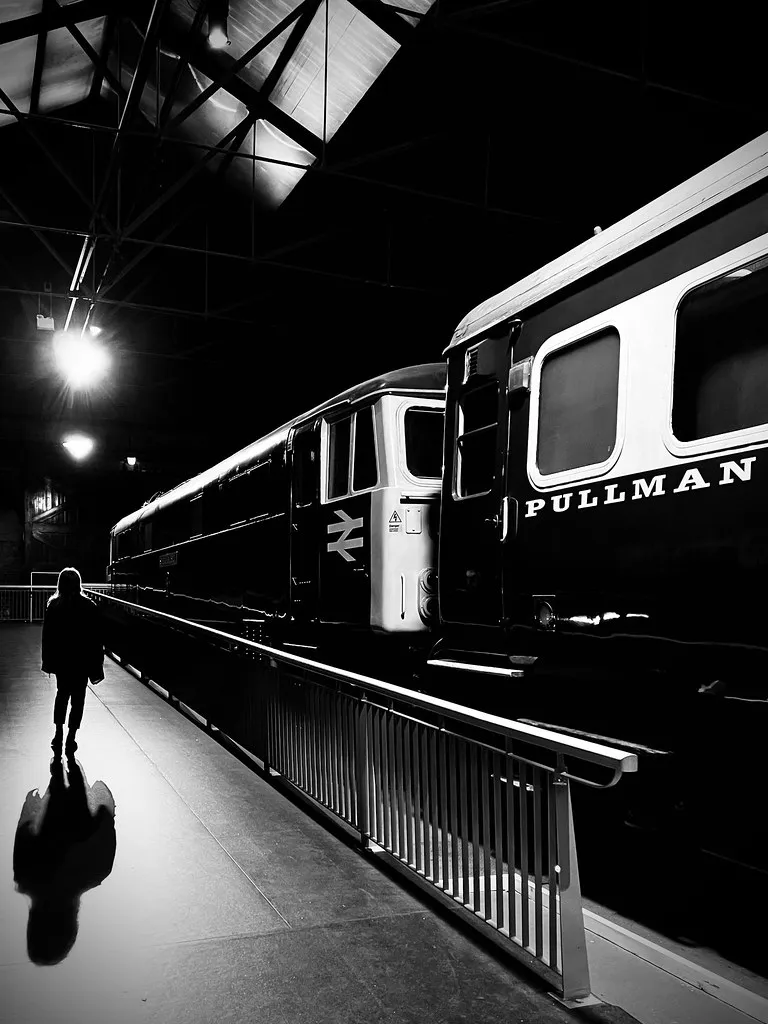
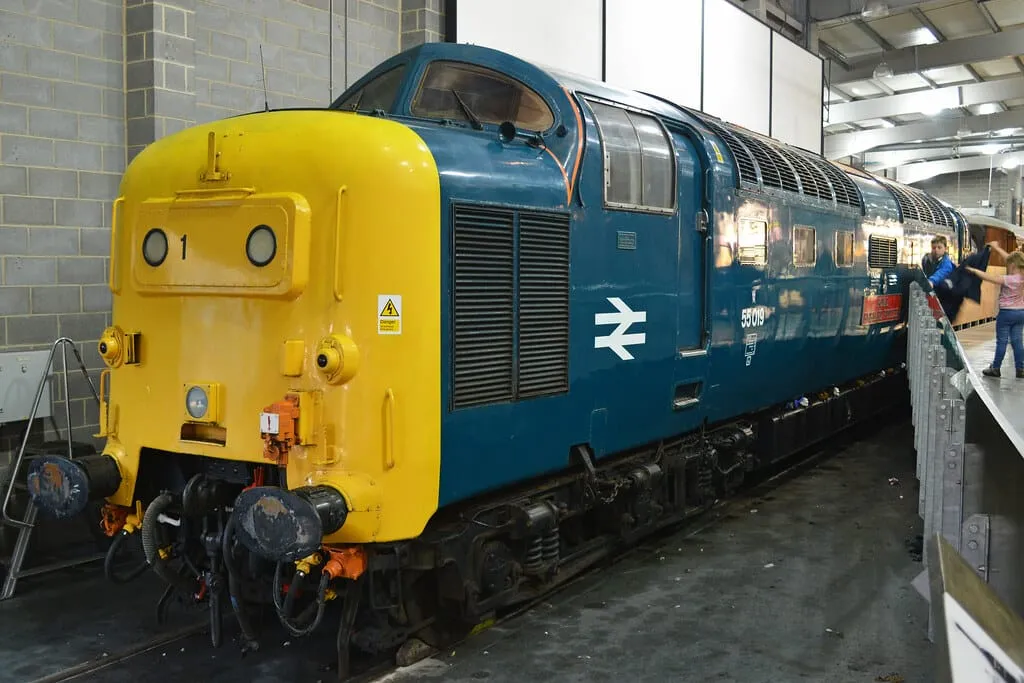
For train enthusiasts, the National Railway Museum is a dream destination brimming with unique sights and experiences. It’s the only place where you can stand face-to-face with Mallard, the world’s fastest steam locomotive, and appreciate the engineering elegance that let it streak down the tracks at 126 mph. Equally captivating is the chance to board an authentic Shinkansen – the museum’s Series 0 Japanese bullet train is the only one on exhibit outside Japan, preserved in immaculate condition from its 1960s gloryrailwaymuseum.org.uk. The museum’s vast halls are filled with legends of the rails: the Flying Scotsman (world’s most famous steam loco, often on tour but periodically back on display), historic workhorses like the LNER Deltic diesel, and beautifully restored carriages including luxurious Pullman dining cars and royal saloons. The sheer diversity of rolling stock, from gleaming express engines to humble freight wagons, is unmatched – and many are displayed in open settings where you can walk right up, peer into cabs, and even climb aboard selected vehicles. It’s a hands-on paradise for railfans, photographers, and historians alike, with interpretive signs and volunteers sharing the stories behind each exhibit.
Beyond the static displays, the museum offers interactive and live demonstrations that make a visit truly special. You can feel the rumble and heat of a steam locomotive through the Flying Scotsman VR virtual reality experience, which places you on the footplate of a thundering steam enginevisityork.org.
The new Wonderlab: The Bramall Gallery lets visitors of all ages engage with the science of railways – from testing aerodynamic designs in a wind tunnel to launching model rockets – bringing engineering principles to life in fun ways. There’s also a working model railway that snakes around a giant layout in the Great Hall, lovingly operated by volunteers and featuring different trains each day. Railfans will appreciate the museum’s special events and visiting locomotives too: the museum frequently hosts guest engines (steam and modern) from other railwayswearerailfans.com, and on certain days you might witness a turntable demonstration or a vintage locomotive steaming up the yard. An overhead Viewing Balcony at the back of the museum even allows you to watch real trains on the East Coast Main Line as they roar into York Station – a rare perk that blends museum experience with live trainspotting. In short, whether you’re eager to see legendary trains up close, learn how railways shaped history, or simply soak in the atmosphere of historic rail travel, this museum offers a one-of-a-kind, must-visit experience for any rail enthusiast.
What to Expect
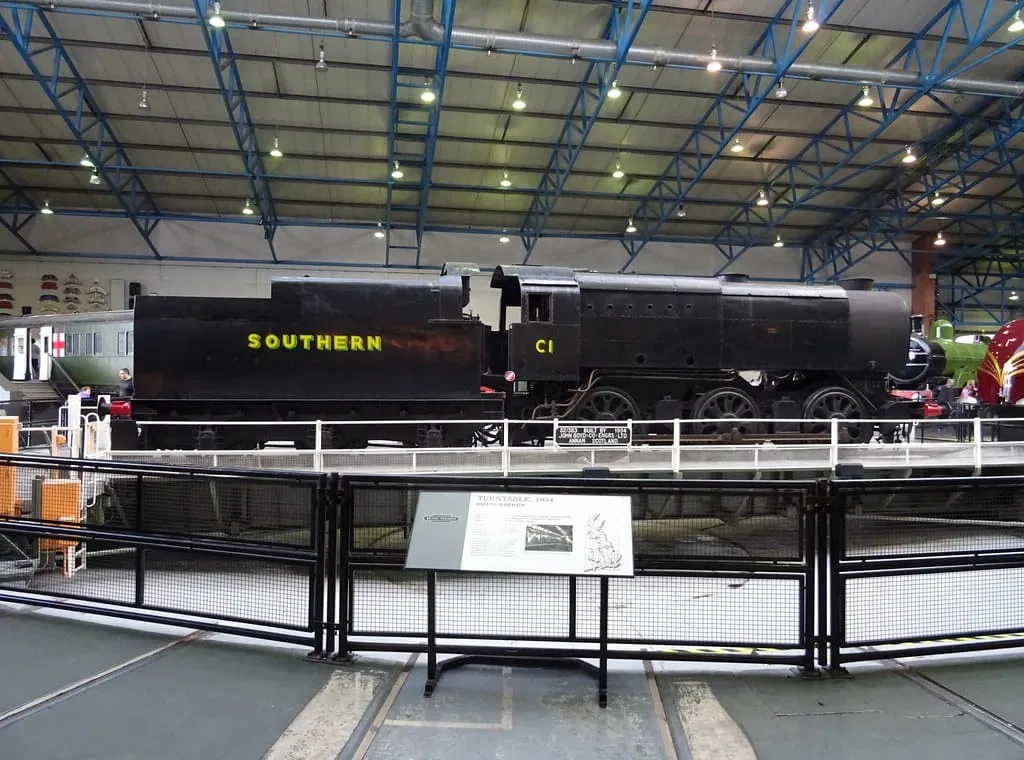
Prepare for an immersive visit that engages all the senses. The museum is vast, comprising multiple halls – the Great Hall alone is a former engine shed the size of an aircraft hangar, filled with locomotives arranged around a central turntable. As you wander among these giants of steam and steel, you might catch the scent of coal smoke or oil from restoration activities, and during special steam-up events the sound of a whistle or the hiss of brakes can echo through the building. In the adjoining Station Hall (a converted Victorian railway station platform), historic carriages are displayed on the original tracks. Here you can step back in time: the platform is lined with period gas lamps, vintage luggage, and even a waiting room, creating the ambiance of an old railway station. Walking past the ornate royal train coaches with their plush interiors, or the dining cars set for dinner, you’ll hear subdued classical music and ambient station noises playing, adding to the atmosphere. Interactive exhibits are interspersed throughout – from signal levers you can try pulling, to a diesel locomotive simulator – making it easy to imagine the experience of working on the railways. Friendly volunteers and staff are often stationed near key exhibits to answer questions or share anecdotes, enriching your understanding of each piece. Don’t be shy about asking them for the “inside story” on a locomotive’s restoration or a train’s famous journey – they are a wealth of knowledge and enthusiasm.
A visit to the NRM is very flexible – you can stroll at your own pace and there’s plenty to see for anywhere from a couple of hours to a full day.
Admission is free and you can just walk in, though at peak times you may need to queue briefly (the museum has a well-organized entry system)visityork.org. Once inside, you’re free to explore all galleries, and photography is welcome (with just a few sensible restrictions, like no flash in certain areas). Families will find the museum extremely welcoming: there are dedicated play areas for kids, hands-on discovery zones, and occasional kid-friendly science shows, especially during school holidays. If young ones (or adults!) need a break, there are benches and picnic spots, and even a miniature railway ride outside in the South Yard during special events. The museum site also includes amenities like a café and food stalls – you might grab a sandwich or coffee and enjoy it next to a vintage locomotive on the platform. For a unique treat, consider booking afternoon tea aboard the Countess of York, a beautifully restored Edwardian dining carriage parked in the museum’s south gardenrailwaymuseum.org.uk. Having tea and scones in a plush railway carriage setting really brings the golden age of travel to life. Before you leave, swing by the museum’s extensive gift shop, where you can find everything from train models and railway books to souvenirs for kids. Overall, expect a relaxed but engaging experience – even on busy days, the museum’s spacious layout means you can usually find yourself face-to-face with an exhibit, lost in the details of a locomotive, as if it’s just you and the train.
How to Plan Your Visit
Season and Schedule
The National Railway Museum is a year-round destination with various programming and events, especially during peak seasons. Visitors should check for any schedule changes before their visit.
- Hours
- Daily from 10:00 to 17:00
- Closures
- December 24–26 and New Year’s Day
- Peak Season
- Summer months and school holidays
- Off-Peak Season
- November through March
- Recommended Visit Duration
- 2–3 hours minimum, 4–5 hours for devoted railfans
- Current Closure
- Station Hall temporarily closed for roof repairs, reopening late 2025
Ticket Information
The National Railway Museum offers free admission year-round, with optional paid experiences available. Visitors can reserve timed-entry slots online, but walk-ins are also welcome.
- Admission
- Free year-round
- Timed-entry Reservations
- Available online for free
- Parking
- Paid (£10 per day)
- Special Experiences
- Require separate fees
- Road Train Fare
- £5 adult, £4 child for a one-way ride
Accessibility Details
The National Railway Museum is highly accessible, providing various accommodations for visitors with disabilities and families with young children. The museum features wheelchair access, free wheelchair hire, and dedicated parking for disabled visitors.
- Wheelchair Access
- Yes, throughout the museum
- Free Wheelchair Hire
- Available at the entrance on a first-come basis
- Accessible Toilets
- Located in each main building
- Blue Badge Parking
- Free of charge for disabled visitors
- Assistance Dogs
- Welcome in all areas
- Baby Changing Facilities
- Available
What to Bring
Visitors to the National Railway Museum should wear comfortable attire and bring camera gear for photography. It's also advisable to carry snacks and water, especially for families with young children.
- Comfortable Attire
- Good walking shoes or sneakers, lightweight jacket or extra layer
- Camera Gear
- Camera or smartphone, wide-angle lens, extra batteries or memory cards
- Snacks and Water
- Water bottle and light snacks recommended
- Family Essentials
- Small daypack with nappies, wipes, change of clothes; stroller or baby carrier
- Outdoor Protection
- Sunglasses and sunscreen for sunny days
Photography Tips
The National Railway Museum offers excellent photography opportunities, especially during quieter times. Arriving early or late in the day can help capture stunning images with minimal crowds.
- Opening Time
- 10:00
- Quieter Times
- Late afternoon after 4 pm
- Best Lighting
- Mid-day for diffused light
- Photography Tips
- Avoid using flash; use natural light
Traveling with Pets
Service animals only
Science Museum Group wording, applied across its museums: "Unfortunately, we cannot admit pets to our museums." Working guide and assistance animals are welcome and "should be appropriately trained, supervised and kept with you at all times, ideally on a leash." ADUK identification is recommended but not required. Visitors with an assistance animal other than a dog, or one in training, must contact the museum in advance.
Verified — operator's pet policy
Travel Information
By Air
York is accessible by air through several airports, with Leeds Bradford and Manchester being the primary options. Travelers can also reach York from London airports via train connections.
- Nearest Airport
- Leeds Bradford Airport (LBA)
- Distance from York to LBA
- 30 miles (50 km)
- Travel Time from LBA to York
- 45 minutes by car
- Major International Hub
- Manchester Airport (MAN)
- Distance from York to MAN
- 75–80 miles (around 120 km)
- Travel Time from MAN to York by Train
- 1 hour 45 minutes
- Distance from York to London
- 210 miles (338 km)
- Travel Time from London to York by Train
- about 2 hours
- Other Airport Option
- Newcastle International (NCL)
- Distance from York to NCL
- 90 miles
By Train
The National Railway Museum is easily accessible by train, located just a short walk from York railway station. Visitors can enjoy a straightforward route to the museum entrance.
- Nearest Train Station
- York railway station
- Travel Time from London
- typically 2 hours
- Travel Time from Edinburgh
- about 2.5 hours
- Walking Distance from Station
- 0.4 miles (0.7 km)
- Taxi Ride Duration
- 2–3 minutes
By Car
York is accessible by various routes by car, with signs directing visitors to the National Railway Museum. Parking is available at the museum, but traffic can be heavy in the city.
- Distance from London
- 210 miles (+/-340 km)
- Driving Time from London
- 4 to 5 hours
- Distance from Manchester
- 70–80 miles
- Driving Time from Manchester
- 1.5–2 hours
- Postcode for Sat Nav
- YO26 4XJ
Parking
The National Railway Museum offers on-site parking, but it is limited and can fill up quickly during busy periods. Alternative parking options and a Park & Ride service are available nearby.
- Parking Fee
- £10 per day
- Parking Capacity
- a few hundred cars
- Overnight Closing Time
- 6:30 pm (18:30)
- Accessible Parking
- designated Blue Badge spaces free for badge holders
- Alternative Parking Options
- Union Terrace and Marygate
- Park & Ride Service
- Poppleton Bar Park & Ride (Route 59)
Local Transportation
Getting around York to reach the National Railway Museum is easy with various transportation options. The museum is walkable from the city center, and there are also road trains, buses, taxis, and cycling routes available.
- Walking Time from City Center
- 15 minutes
- Road Train Frequency
- every 45 minutes
- Road Train Fare
- £5 for adults, £4 for children
- Taxi Fare to Central York
- under £7
- Cycling Time from City Center
- 5 minutes
Nearby Lodging
Find places to stay near National Railway Museum.
This lodging map is provided by Stay22, a third-party service that may set cookies. It loads only with your consent.
Accommodation results are provided by Stay22; we may earn a commission on bookings made through this map.
Nearby Attractions
- York Minster
One of the largest Gothic cathedrals in Europe, renowned for its stunning medieval stained glass windows (including the Great East Window) and magnificent architecture. A must-see historic site in York’s city center. About 1 mile (1.6 km) east of the museum
- North Yorkshire Moors Railway
A famous heritage steam railway that runs through the beautiful North York Moors National Park from Pickering to Whitby. Enjoy 18 miles of scenic journey behind vintage steam locomotives, passing rolling heather moors and charming villages. Approximately 30 miles (48 km) north-east of York (Pickering station).
- Locomotion (National Railway Museum Shildon)
A sister museum to the York NRM, located in Shildon (County Durham), known as the “world’s first railway town.” Features another large collection of historic locomotives and railway carriages, including iconic engines like Locomotion No.1 and exhibits on early rail pioneers. Offers a more hands-on outdoor display environment and a 1 km demonstration line. About 60 miles (97 km) north of York.
Photos
 Donnchadh H
Attribution License
Clive Varley
Attribution License
Simon Jowett
Public Domain Mark
Michael Gaylard
Attribution License
Donnchadh H
Attribution License
Phil Gayton
Attribution License
Alan Wilson
Attribution-ShareAlike License
Michael Gaylard
Attribution License
Help improve this page
Spotted something out of date or incorrect? Let our community know.
Explore more experiences: Browse all rail travel experiences.
Booking & Pricing
Affiliate link — we may earn a commission on bookings at no extra cost to you. Details.
Quick Information
Country
Region
City
York
Best Season
The museum can be enjoyed at any time of year, but some periods may suit different preferences.