Santa Clara, California — Santa Clara Tower
The 1926 Harriman tower still watches the Peninsula–Mulford junction
Santa Clara, California — Santa Clara Tower
Caltrain Peninsula Corridor at Santa Clara Tower — junction of the Peninsula Line (San Francisco) and the Mulford Line (Oakland) · Santa Clara, California, United States
This operator has not granted Spotatrain permission to embed the feed, so we link to it instead.
Watch at South Bay Historical Railroad Society, Inc.Streamed by South Bay Historical Railroad Society, Inc.
Stream hosted by South Bay Historical Railroad Society, Inc.. Spotatrain links to the original feed and does not rebroadcast.
Where this camera films
Camera position: 37.35402, -121.93787
- Location
- Santa Clara, California, United States
- Railroad
Caltrain Peninsula Corridor at Santa Clara Tower — junction of the Peninsula Line (San Francisco) and the Mulford Line (Oakland)
Weather & light at the camera
Sun times calculated for this camera’s coordinates.
Trains on this camera
Train types
Passenger trains past this camera
- Train 524, to SacramentoWeekdays6:25 AMdeparts Santa Clara Amtrak, 100 m away
- Train 521, to San JoseWeekdays7:14 AMarrives Santa Clara Amtrak, 100 m away
- Train 523, to San JoseWeekdays8:17 AMarrives Santa Clara Amtrak, 100 m away
- Train 528, to SacramentoWeekdays8:46 AMdeparts Santa Clara Amtrak, 100 m away
- Train 723, to San JoseWeekends8:57 AMarrives Santa Clara Amtrak, 100 m away
- Train 724, to SacramentoWeekends8:57 AMdeparts Santa Clara Amtrak, 100 m away
- Train 527, to San JoseWeekdays9:40 AMarrives Santa Clara Amtrak, 100 m away
- Train 727, to San JoseWeekends10:22 AMarrives Santa Clara Amtrak, 100 m away
- Train 529, to San JoseWeekdays10:38 AMarrives Santa Clara Amtrak, 100 m away
- Train 530, to SacramentoWeekdays10:43 AMdeparts Santa Clara Amtrak, 100 m away
- Train 728, to SacramentoWeekends10:57 AMdeparts Santa Clara Amtrak, 100 m away
- Train 729, to San JoseWeekends11:47 AMarrives Santa Clara Amtrak, 100 m away
- Train 733, to San JoseWeekends12:47 PMarrives Santa Clara Amtrak, 100 m away
- Train 734, to SacramentoWeekends12:57 PMdeparts Santa Clara Amtrak, 100 m away
- Train 539, to San JoseWeekdays2:47 PMarrives Santa Clara Amtrak, 100 m away
- Train 738, to SacramentoWeekends2:57 PMdeparts Santa Clara Amtrak, 100 m away
- Train 538, to AuburnWeekdays2:58 PMdeparts Santa Clara Amtrak, 100 m away
- Train 741, to San JoseWeekends3:47 PMarrives Santa Clara Amtrak, 100 m away
- Train 542, to SacramentoWeekdays4:25 PMdeparts Santa Clara Amtrak, 100 m away
- Train 744, to AuburnWeekends4:57 PMdeparts Santa Clara Amtrak, 100 m away
- Train 743, to San JoseWeekends5:01 PMarrives Santa Clara Amtrak, 100 m away
- Train 543, to San JoseWeekdays5:19 PMarrives Santa Clara Amtrak, 100 m away
- Train 544, to SacramentoWeekdays5:33 PMdeparts Santa Clara Amtrak, 100 m away
- Train 746, to SacramentoWeekends5:57 PMdeparts Santa Clara Amtrak, 100 m away
- Train 745, to San JoseWeekends6:47 PMarrives Santa Clara Amtrak, 100 m away
- Train 550, to SacramentoWeekdays7:03 PMdeparts Santa Clara Amtrak, 100 m away
- Train 547, to San JoseWeekdays7:55 PMarrives Santa Clara Amtrak, 100 m away
- Train 747, to San JoseWeekends7:57 PMarrives Santa Clara Amtrak, 100 m away
- Train 748, to SacramentoWeekends8:10 PMdeparts Santa Clara Amtrak, 100 m away
- Train 11, to Los AngelesDaily · changed Oct 10–11≈ 10:10 AMestimated from San Jose, 4.2 km
- Train 14, to SeattleDaily · changed Oct 10–11≈ 8:02 PMestimated from San Jose, 4.2 km
Tap a train for its times.
Scheduled times from Amtrak’s official timetable, updated October 7, 2026 — trains often run late. Estimated times are worked out along the line from the nearest scheduled stop.
On the line here
FRA / NTAD — crossing inventory Jul 21, 2026 · bridge inventory Oct 14, 2022 · rail yards (FRA / NTAD)
About this cam
A railcam run by the South Bay Historical Railroad Society from the Santa Clara Interlocking Tower at 1005 Railroad Avenue, looking north over the junction where the Peninsula Line to San Francisco parts from the Mulford Line to Oakland. Caltrain, Amtrak's Capitol Corridor and Altamont Corridor Express all work the platforms below, with Union Pacific freight on the tracks beyond.
The camera belongs to the South Bay Historical Railroad Society, Inc., a 501(c)(3) non-profit incorporated in 1985 whose volunteers, in their own words, "work on the renovation and preservation of the Santa Clara Railroad Depot, the Santa Clara Tower and the two maintenance-of-way buildings" at 1005 Railroad Avenue. The same site houses the Edward Peterman Museum of Railroad History.
The mount is the structure the stream is named for. SBHRS state that "The Santa Clara Interlocking Tower is one of two unmodified Harriman Standard # 4 towers in California and was built in 1926", and that a signal-system change delayed it so that it "was not put into operational service until the fall of 1927". On its upper floor sits "a General Railway Signal Co. Model 2, unit-lever type electro-mechanical interlocking machine", which the Society says "controlled many switches and signals from the north end of the Santa Clara yard to the junction switches and signals controlling the tracks to and from both San Francisco (Peninsula Line) and Oakland (Mulford Line)". After 65 years of continuous service the tower went dark on 17 July 1993, when "control of all switches and signals on the Peninsula line was transferred to the Control Center at the San Jose depot".
The depot in the foreground is older than the tower by six decades. Its historical marker calls it "an original waystation on the San Francisco and San Jose Railroad Line" and "the oldest passenger depot still in use in California"; SBHRS record that "In 1985, the depot was placed on the National Register of Historic Places." The building runs roughly 50 by 225 feet across four sections — former passenger area, original freight house, freight house extension and the former Acme Freight Company office.
Today the junction is worked by Caltrain on the Peninsula Corridor, Amtrak's Capitol Corridor and the Altamont Corridor Express, while Union Pacific freights use the tracks north-east of Track 1. The Society does not publish a train count for the camera, so none is claimed here.
What to watch for
The view is north from the tower, across the throat where the Peninsula Line to San Francisco splits from the Mulford Line to Oakland — the exact switches the General Railway Signal machine upstairs used to throw until 1993. Three passenger operators share the platforms: Caltrain on the Peninsula Corridor, Amtrak's Capitol Corridor working through to Oakland and Sacramento, and Altamont Corridor Express trains coming off the Tracy line. Watch for the Capitol Corridor and ACE sets diverging onto the Oakland route where Caltrain carries straight on toward San Jose Diridon, four kilometres south. Union Pacific freight uses the tracks north-east of Track 1, so a manifest can pass behind a stopped commuter train. On the ground in frame: the 1864 depot, on the National Register since February 1985, and the Harriman Standard #4 tower itself — one of only two unmodified examples left in California. The Society has not published a trains-per-day figure, so treat frequency as the published Caltrain, Capitol Corridor and ACE timetables allow, not as a claim.
The camera
- Stream
- YouTube live stream
- Filming
- Junction
- Traffic
- Freight & passenger
- Sound
- Live lineside audio — horns and engines
- Hours
- Streams around the clock, 24/7
- Camera movement
- Fixed view
- Feed checked
- August 23, 2026
Filmed location
The place this camera films is documented on Spotatrain — traffic levels, best angles, and visiting info (Epic Journey):
Related on Spotatrain
More Live Cams in California
Spots Near This Camera
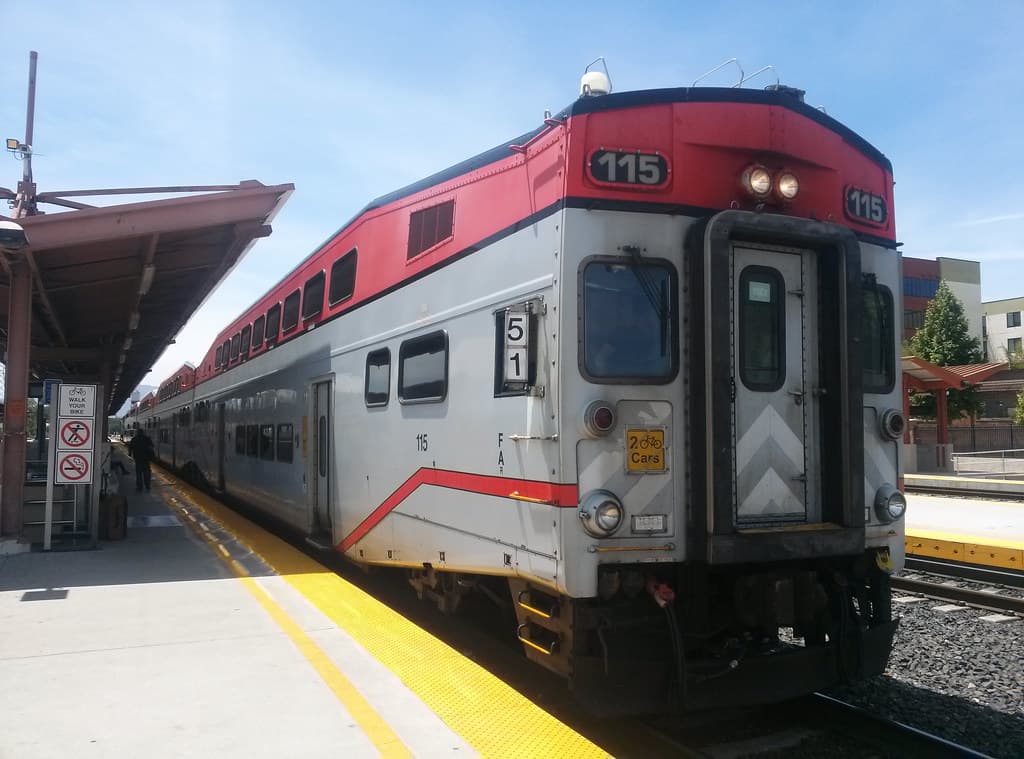

San José (Diridon Station)
San Jose Diridon Station is the central passenger rail hub for Silicon Valley, where Caltrain electric commuter trains, Amtrak Capitol Corridor, ACE commuter rail, the Coast Starlight, and VTA light rail all converge in a 1935 Italian Renaissance Revival depot listed on the National Register of Historic Places.

Richmond (BNSF/UP)
Richmond station sits at the convergence of BNSF's Stockton Subdivision and UP's Martinez Subdivision in the East Bay, offering views of two Class I railroads, Capitol Corridor and long-distance Amtrak services, plus active yard operations—all from a single public platform adjacent to the BART terminal.
Related Experiences
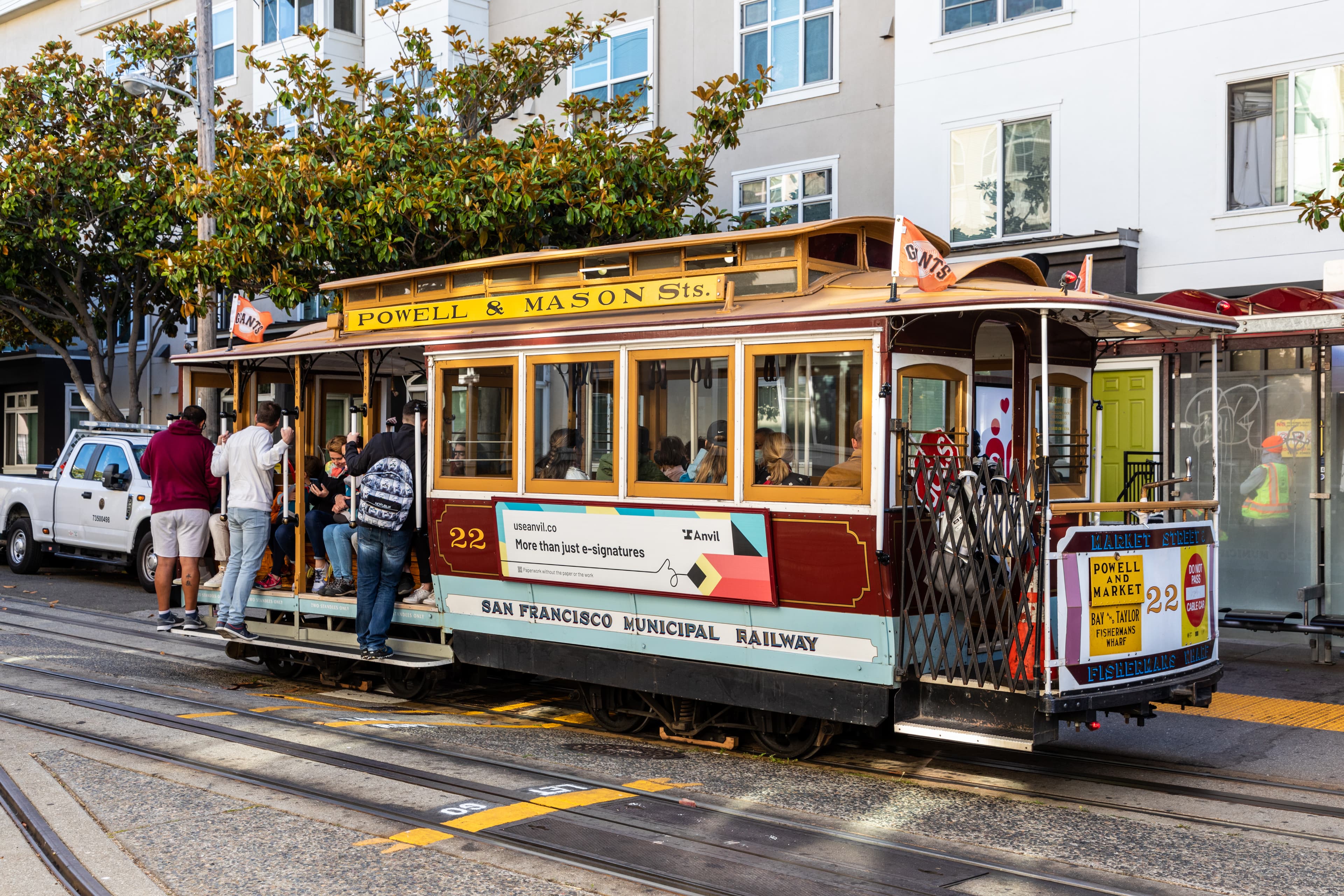
Powell-Mason Cable Car Line
San Francisco's oldest cable car line, running since 1888 from Powell & Market over Nob Hill to Fisherman's Wharf.
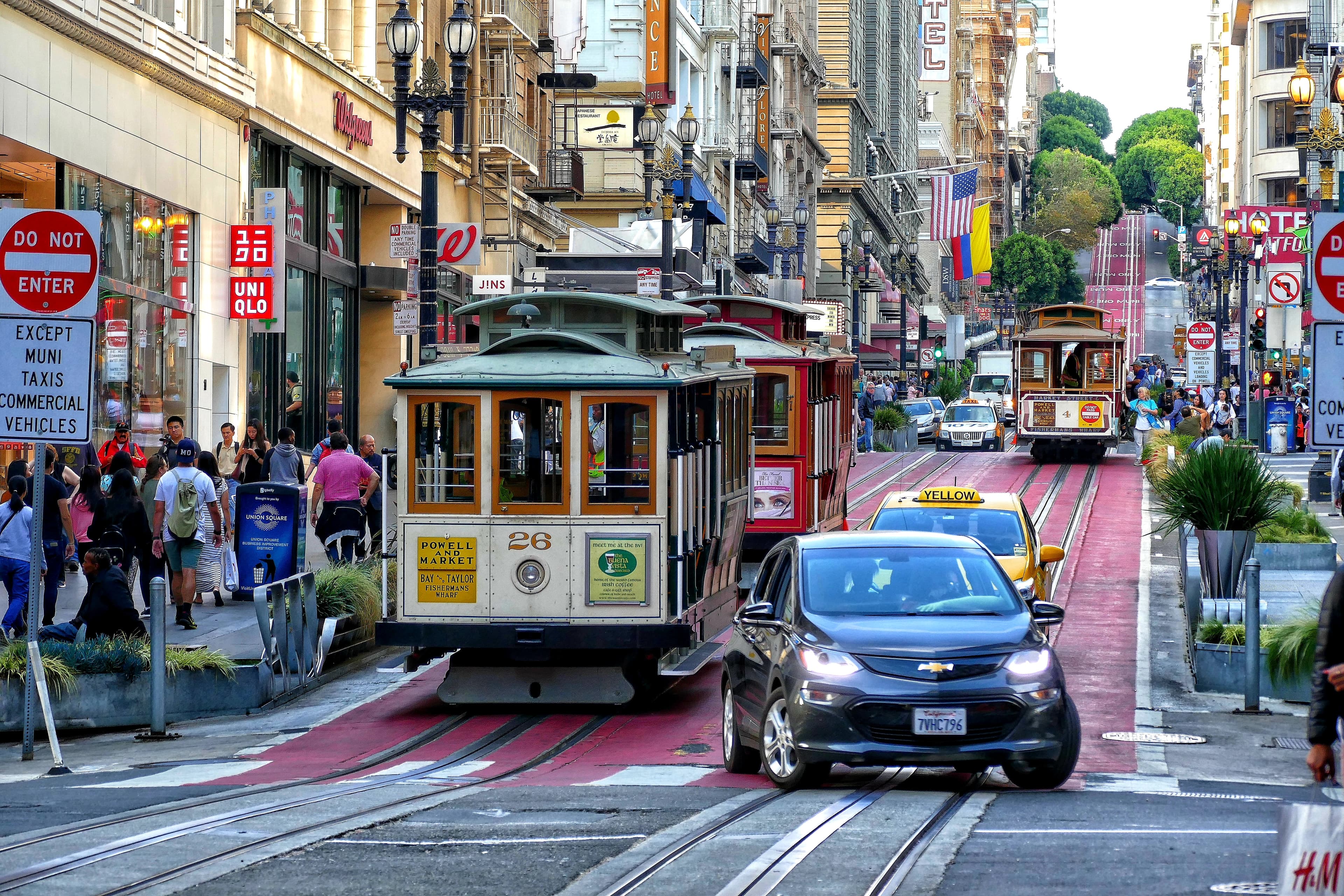
Powell–Hyde Cable Car Line
An iconic open-air cable car ride clanking up and down San Francisco’s steep hills, offering panoramic city and bay views on a historic moving landmark.
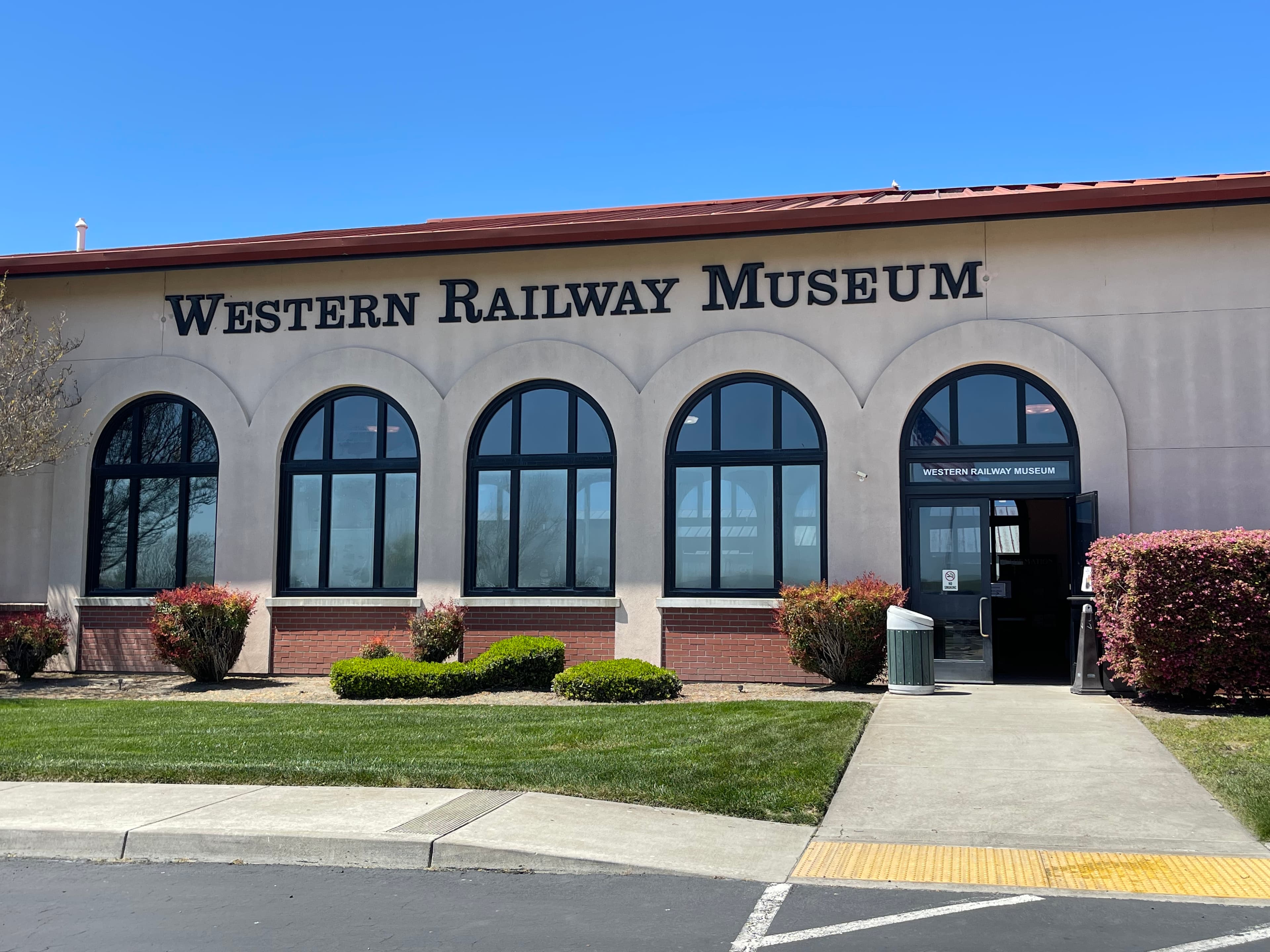
Western Railway Museum
California electric-railway museum: ride vintage interurbans and streetcars on the historic Sacramento Northern line near Suisun City.
Related Journeys & Mega-Projects
Explore around Santa Clara
2 places on Spotatrain within 25 km of Santa Clara — 1 spot and 1 journey.
- San José (Diridon Station) 4.1 km
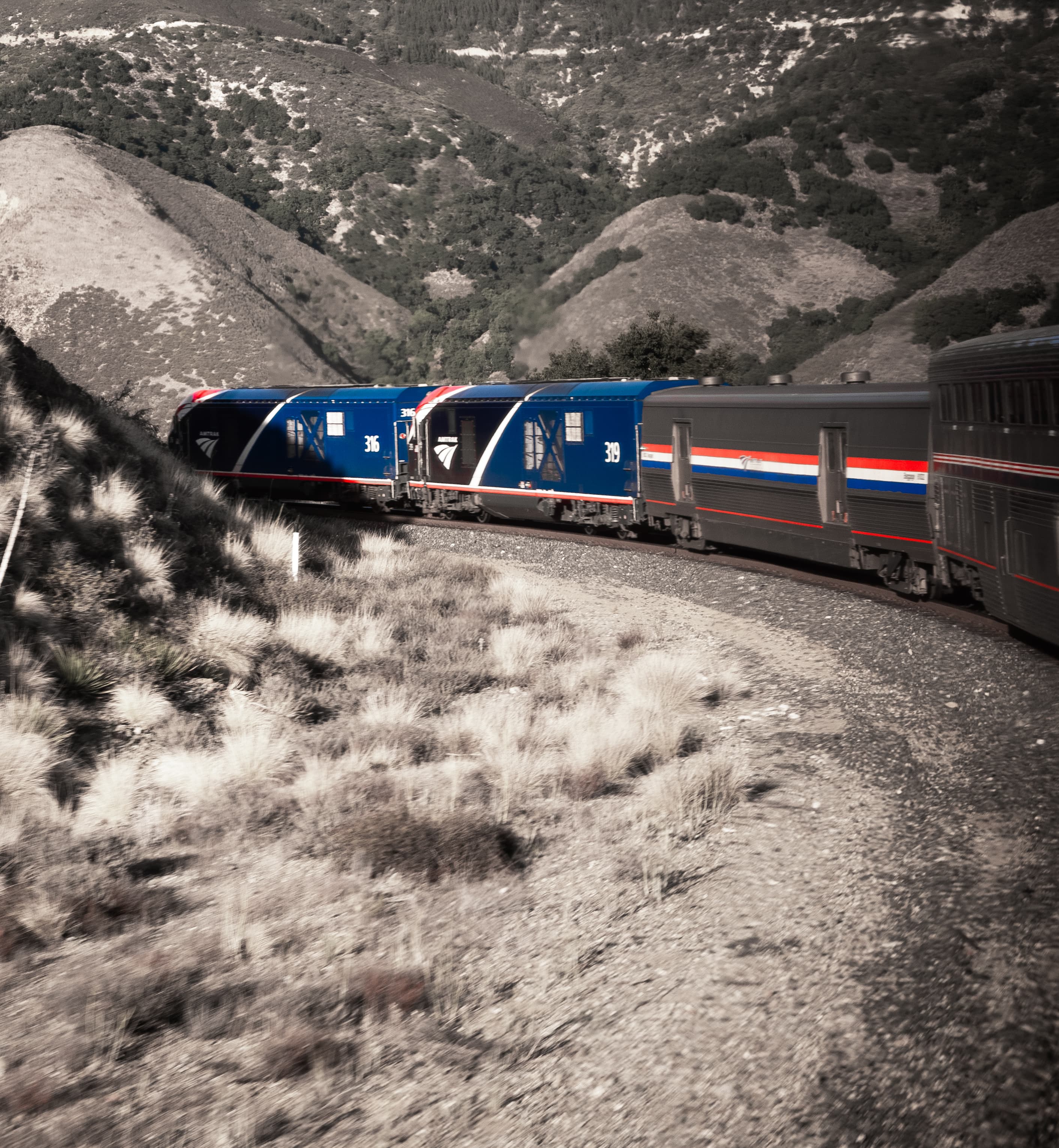
- Coast Starlight 4.1 km