

Updated
Distance
18.9 km
Duration
1h each way (2h 45min round trip)
Max altitude
207 m
Gauge
603mm
Wales''s oldest narrow-gauge steam line climbs 680 feet (207 m) in 12 miles (18.9 km), from the Cardigan Bay seafront at Aberystwyth up the Rheidol valley to the waterfalls at Devil''s Bridge.
Watch this route live
A railway webcam covers this route — see what is running right now.
- Watch live
Aberystwyth, Ceredigion — Vale of Rheidol Railway
The narrow-gauge terminus at Aberystwyth
About This Journey
The train leaves Aberystwyth from platforms that were built for standard-gauge trains to Carmarthen — the narrow-gauge line was diverted into them in 1968 — and runs out through the town alongside the Cambrian main line before crossing the Afon Rheidol on a timber trestle near Llanbadarn. For the first seven miles (11 km) the going is easy: the valley floor is wide and flat, the line crosses two roads on the level at Llanbadarn and Glanyrafon, and the halts at Glanyrafon, Capel Bangor and Nantyronen come and go among sheep pasture and oak.
Everything changes at Aberffrwd, where the engine takes water. From here the railway climbs at 1 in 50 without a break, all the way to the terminus — four and a half miles (7 km) of continuous grade cut into the side of the Rheidol gorge, with the valley floor dropping away several hundred feet below the carriage windows and the line clinging to a ledge barely wider than the track.
Rheidol Falls and Rhiwfron halts, neither of them reachable by road, sit on that ledge; Rhiwfron once served the Cwm Rheidol lead mine on the opposite slope. The last mile swings round the head of the valley to Devil''s Bridge, 680 feet (207 m) above the sea it left an hour earlier.
Devil''s Bridge station has a water tower, a run-round loop with headshunt, and since 2012–13 a raised platform that makes getting in and out of the carriages easier. Trains wait about 45 minutes — enough for the three stacked bridges and the Mynach falls a few minutes'' walk away — and standard-class ticket holders may stay longer and come back on any later train.
Back at Aberystwyth the Engine Shed display is included in the fare: the working home of the line''s Great Western locomotives, its carriages built between 1923 and 1938, and the trust''s wider narrow-gauge collection.
Why This Journey Is Iconic
This is the only narrow-gauge railway in Britain that British Rail ever owned, and the last line on the entire national network to work steam. When BR ended standard-gauge steam in August 1968, the Vale of Rheidol carried on, and it stayed in state ownership, in steam, until it was privatised in 1989 — twenty-one years as an official anomaly, a Great Western branch line running under the BR double arrow.
The engines are the other reason. Nos 7 Owain Glyndŵr, 8 Llywelyn and 9 Prince of Wales were built at Swindon in 1923 for this line and this line alone, and all three are still here, still working the route they were designed for. Very few railways anywhere can say their original locomotives never left.
And the gradient makes it a genuine mountain railway without a rack. From Aberffrwd the line holds 1 in 50 for four and a half miles (7 km) — a grade that would defeat most main-line steam — on a ledge above the Rheidol gorge. It climbs 680 feet (207 m) in twelve miles, from a seaside promenade to the edge of the Cambrian Mountains, and it does it on friction alone.
What to Expect
Carriages are open-sided or glazed heritage stock, most of it built by the Great Western Railway between 1923 and 1938, hauled by one of the three Swindon-built 2-6-2 tank engines. There are no toilets on board — they are at Aberystwyth and Devil''s Bridge only — so plan around the hour-long run.
Standard class is unreserved; First Class carriages and Santa Specials have allocated seats. The practical difference is not just comfort: First Class must return on the same train, which leaves Devil''s Bridge 45 minutes after arrival, while standard-class passengers can take any later train and stay as long as they like. If you want time at the falls, buy standard.
An accessible summer carriage runs on every train, with a 900 mm door and a ramp rated to 300 kg, and can be reserved online or through the booking office; the railway recommends wheelchair users start from Aberystwyth. There is no step-free boarding anywhere on the line — a 400 mm step between platform and carriage floor is assisted by staff, with extra steps available on request. Toilets at both terminals are fully accessible. The intermediate halts have limited or no access, and Rheidol Falls and Rhiwfron cannot be reached by road at all.
History
The railway was authorised on 6 August 1897 and built from 1901 under the engineer Sir James Szlumper, partly out of the remains of the defunct Plynlimon & Hafan Tramway, whose materials and one locomotive were bought and reused. It opened for freight in August 1902 and to passengers on 22 December 1902, with a main line to Devil''s Bridge and a branch down to Aberystwyth harbour. The purpose was mineral: lead ore from the Rheidol valley mines, and timber cut for pit props in the South Wales coalfield.
Cambrian Railways took control in 1912 and shelved a plan to electrify the line. When the Great Western Railway absorbed the Cambrian in 1923 it withdrew goods traffic altogether, closed the harbour branch, and rebuilt the line as a tourist route — ordering the three tank engines at Swindon that still run it. Winter passenger services ended in 1930, and the railway closed completely for the duration of the Second World War, 1939 to 1945.
Nationalisation in 1948 put the line under British Railways, where it became a curiosity: after the end of BR standard-gauge steam in 1968 it was the last steam railway British Rail owned, and it was rerouted that same year into Aberystwyth''s disused standard-gauge Carmarthen platforms. It was sold in 1989 to Peter Rampton and Tony Hills, and passed in 1996 to the Phyllis Rampton Narrow Gauge Railway Trust, the charitable owner today; Vale of Rheidol Railway Limited operates it.
Engineering Highlights
There are no tunnels and no great viaducts on the Vale of Rheidol. Its engineering is the alignment itself: a 603 mm gauge line surveyed to reach 680 feet (207 m) without a rack, a cable or a single reversal.
The lower seven miles (11 km) follow the valley floor and are nearly level, crossing the Afon Rheidol on a timber trestle near Llanbadarn and the road on the level at Llanbadarn and Glanyrafon. Aberffrwd, at just under twelve kilometres from the start, is where the water tower stands and where the railway changes character completely.
From Aberffrwd the line holds 1 in 50 continuously to Devil''s Bridge — no easing, no intermediate summit — carved as a shelf into the north side of the Rheidol gorge. That single sustained grade is the whole design: it is why the trains are short, why the Swindon engines were built with the boiler and adhesion they have, and why Rheidol Falls and Rhiwfron halts sit on a ledge with no road access, reachable only by the train or on foot.
At the top, Devil''s Bridge has a water tower and a run-round loop with headshunt and crossover for releasing the engine, two platforms of which one has been out of use for many years, a raised platform added in 2012–13, and a separate demonstration line running round the site perimeter.
Best Time to Travel
The main season runs daily through to 1 November, and the two ends of it are the best. Late spring, in May and June, gives the fullest green in the Rheidol gorge and long light on the climb, with far fewer people than the school holidays. Late October is the other peak: the oak and beech on the gorge sides turn, and the low sun comes straight up the valley at the train.
July and August bring the most frequent timetable and the busiest trains. Book ahead if you want First Class, and note that the accessible carriage should be reserved whatever the month.
Outside the main season the timetable thins out in early spring and stops for the winter apart from the pre-booked Santa specials in December, which have allocated seats and sell out. Whenever you travel, weather in the Cambrian Mountains changes fast — Devil''s Bridge sits 680 feet (207 m) above Aberystwyth and is regularly several degrees colder and wetter than the coast you left an hour before.
Practical Tips
Buy standard class, not First, if you want time at Devil''s Bridge. First Class is tied to the same train back, which leaves 45 minutes after arrival; standard-class tickets let you return on any later train, and 45 minutes is tight for the falls.
Sit on the left-hand side going up from Aberystwyth: from Aberffrwd onwards that is the gorge side, where the valley falls away below the window. Coming back down, the same view is on your right.
There are no toilets on the train — use the ones at Aberystwyth or Devil''s Bridge before you board. Dogs travel for GBP 4.00 but are not allowed in First Class. Bicycles are carried for a fee where there is room, which on a busy train there may not be. Single tickets and every concession — Blue Light, carers, railway staff, Great Little Trains of Wales, local residents — can only be bought at the booking office or by phone, never online, so call ahead if one applies to you.
You can break the journey at an intermediate station, but choose carefully: Rheidol Falls and Rhiwfron have no road access at all, so the only way out is the next train. Leave time at the end for the Engine Shed at Aberystwyth — it is free with your ticket and most people miss it.
Traveling with Pets
Dogs welcome
The railway''s own FAQ says: "Yes. Dogs are welcome on board the trains. A standard price of GBP 4.00 per dog applies. Guide/Assistance dogs travel free of charge. We regret that dogs are not allowed in First class compartments." No leash, carrier or size condition is published. Dogs therefore travel on every timetabled train for the full 24-mile round trip; the only restriction is the First Class compartment, so book standard class if you are bringing a dog. Assistance dogs travel free and are not restricted.
Verified — operator's pet policy
Route Stages
- km 0
The seaward terminus, sharing Aberystwyth's main-line station: the narrow gauge was diverted into the disused standard-gauge Carmarthen platforms in 1968, so a Cambrian Line train from Shrewsbury sets you down a two-minute walk from the steam train. The Engine Shed display, free with a ticket, is here, along with the booking office, toilets and the car park.
Engine Shed display; shared platforms with the Cambrian main line since 1968
- km 1.5
The line crosses the Afon Rheidol on a timber trestle bridge shortly after leaving Aberystwyth — the only significant structure on the railway, and a survivor of light-railway practice that has vanished almost everywhere else in Britain.
Timber trestle over the Afon Rheidol
- km 12
The turning point of the journey. The engine takes water here, and from this point the railway climbs at 1 in 50 without a break all the way to Devil's Bridge — four and a half miles (7 km) of continuous grade cut into the side of the Rheidol gorge.
Water stop; start of the unbroken 1 in 50 climb
- km 13
The signature stretch of the railway: the line runs as a shelf barely wider than the track along the north side of the Rheidol gorge, with the valley floor several hundred feet below the carriage windows and Coed Rheidol's ancient oak woodland on both slopes. Sit on the left going up.
Ledge above the Rheidol gorge; Coed Rheidol National Nature Reserve
- km 18.8207 m alt.45 min
The summit and eastern terminus, about 680 feet (207 m) above the sea the train left an hour earlier. A water tower and a run-round loop with headshunt and crossover release the engine; one of the two platforms has been out of use for many years, and a raised platform added in 2012-13 makes boarding easier. A separate demonstration line runs round the site perimeter. Trains wait about 45 minutes — enough to walk to the three stacked bridges and the Mynach falls.
Summit of the line; run-round loop and water tower; walk to Devil's Bridge Falls
Getting to Aberystwyth
By Air
Aberystwyth is one of the least accessible towns in Britain by air. Cardiff Airport is the closest at roughly 77 miles (124 km) as the crow flies, but the road route is slow; Birmingham Airport is about 102 miles (164 km) by road, around two and a half hours'' drive. In practice the best air-and-rail combination is Birmingham International, which has a direct Transport for Wales train to Aberystwyth taking about 3 hours 20 minutes and puts you a two-minute walk from the narrow-gauge platforms.
By Train
Aberystwyth is the western terminus of the Cambrian Line, with direct Transport for Wales services from Shrewsbury (about 1 hour 50 minutes), and through trains from Birmingham International, Birmingham New Street, Wolverhampton, Telford Central and Shrewsbury. This is the easy way to arrive: the Vale of Rheidol platforms are part of the same station, so you step off the main-line train and onto the narrow gauge. There is no rail access to Devil''s Bridge other than the Vale of Rheidol itself.
By Car
Aberystwyth station is signed from the town centre — follow the brown train signs to the car park on Park Avenue / Boulevard St Brieuc, postcode SY23 1PG. Devil''s Bridge station is on the A4120 in the middle of the village, postcode SY23 3JL, about 12 miles (19 km) east of Aberystwyth by road. Most visitors leave the car at one end and ride there and back; driving between the two takes roughly half an hour on narrow upland roads.
Parking
Both stations have their own car park, and both charge. Aberystwyth uses automatic number-plate recognition managed by Park With Ease, with a one-hour free period for pick-up and drop-off; pay at the kiosk or online within 48 hours of leaving. Devil''s Bridge has a large car park with payment at the ticket office. At both, charges apply to every vehicle — motorbikes, campervans and blue badge holders included. None of the intermediate halts has parking, and Rheidol Falls and Rhiwfron cannot be reached by road at all.
Where to Stay
Find places to stay near Devil's Bridge.
This lodging map is provided by Stay22, a third-party service that may set cookies. It loads only with your consent.
Accommodation results are provided by Stay22; we may earn a commission on bookings made through this map.
Videos
Driver's Eye View - Vale of Rheidol Railway - Aberystwyth to Devil's Bridge | 4K 60fps HDR
Driver's Eye View (Wales) - Vale of Rheidol Railway in Autumn – Aberystwyth to Devil's Bridge - 4K
Driver's Eye View (Wales) - Vale of Rheidol Railway - Return to Aberystwyth from Devil's Bridge - 4K
Vale of Rheidol Railway - Aberystwyth to Devil's Bridge 2022
Photos
Passing trains at Aberffrwd, Vale of Rheidol Railway
IMG_1740
IMG_1718
A little place in the country...
The River Rheidol Valley, Mid-Wales
Coasting down through the trees
Through the woods near Devil's Bridge
VoR No 60 with coach
9 Prince of Wales Aberstwyth 21-2-15 (6) - Copy
Entering Aberystwyth
Vale of Rheidol Railway
Vale of Rheidol Railway
Vale of Rheidol Railway
External Resources
Official resources
Booking
Tourism info
Frequently Asked Questions
How long is the Vale of Rheidol Railway journey?▾
Should I book standard class or First Class?▾
When does the railway run?▾
Can I bring my dog?▾
Are there toilets on the train?▾
Is the railway accessible for wheelchair users?▾
Can I get off at one of the halts?▾
How do I get to Aberystwyth?▾
Is there parking, and is it free?▾
What is there to see at Devil's Bridge?▾
Help improve this page
Spotted something out of date or incorrect? Let our community know.
Related on Spotatrain
Journeys Near This Route

More Journeys Worldwide
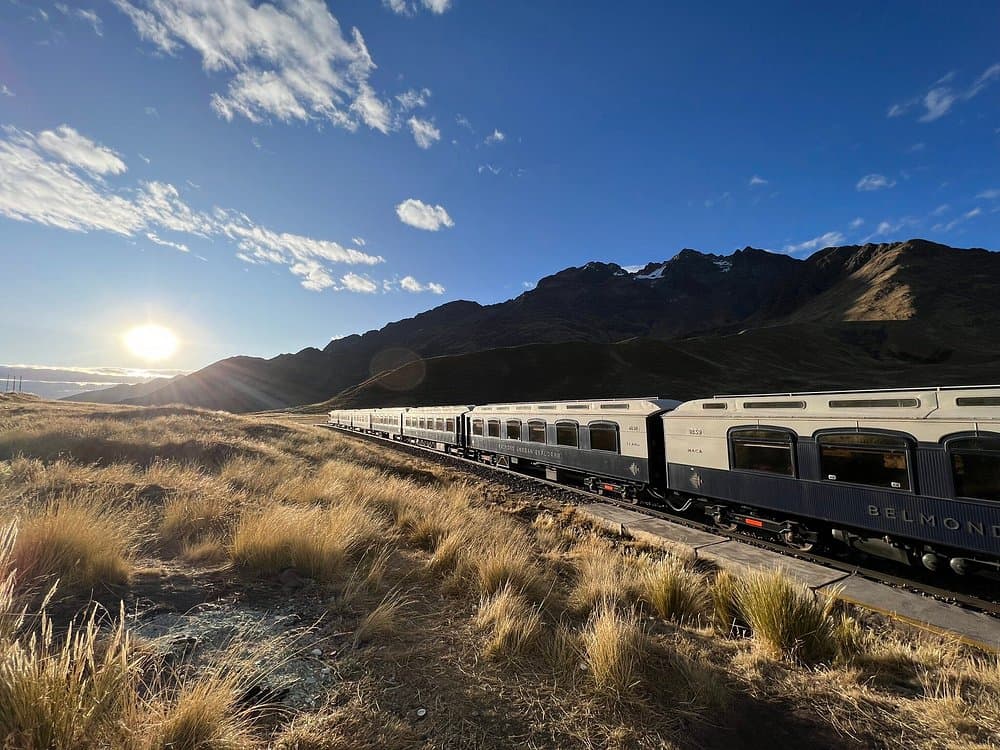
Belmond Andean Explorer
South America's first luxury sleeper train, across the roof of Peru
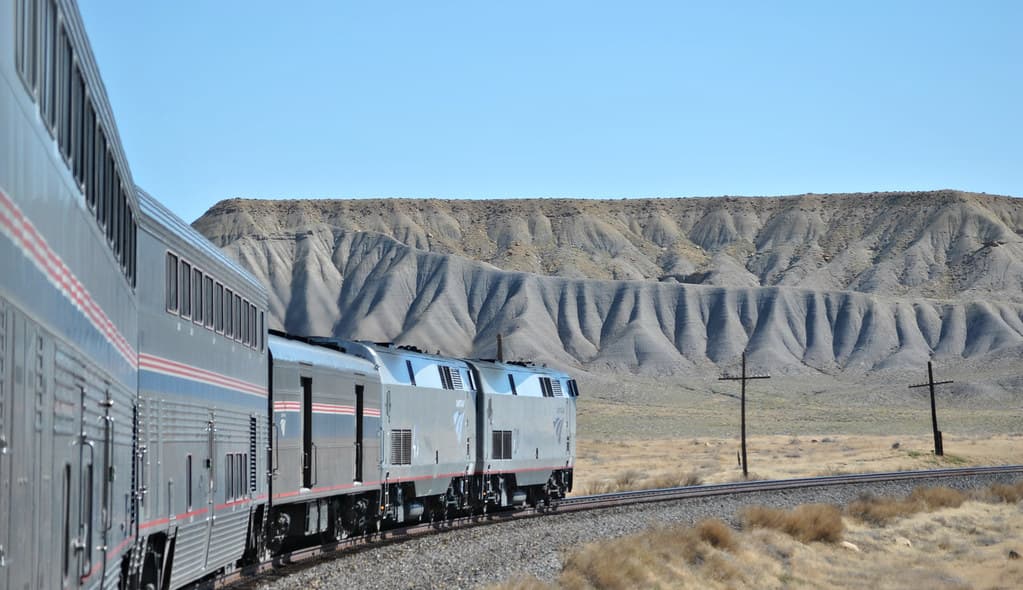

California Zephyr
Chicago to San Francisco across the Rockies and Sierra Nevada
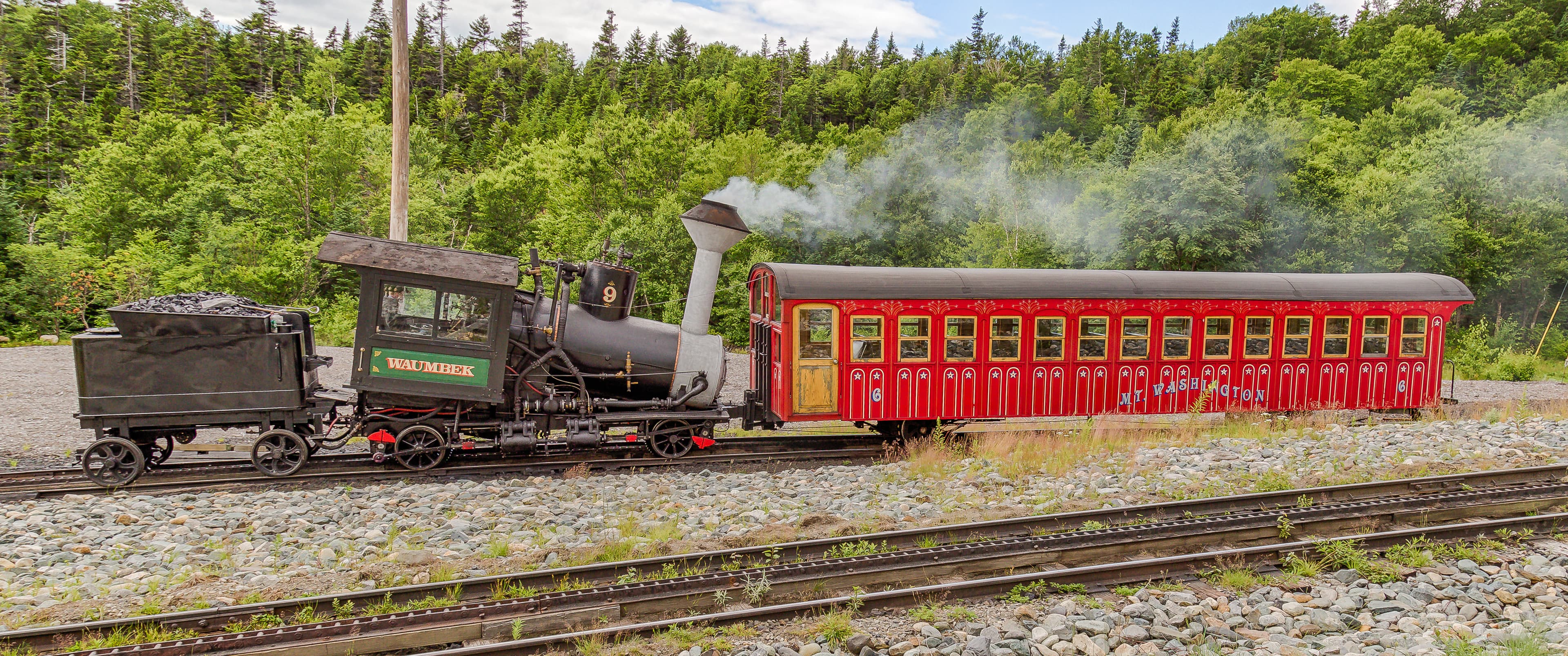
Mount Washington Cog Railway
World's first mountain-climbing cog railway — 1869, 37.41% grade, climbs to 6,288 ft
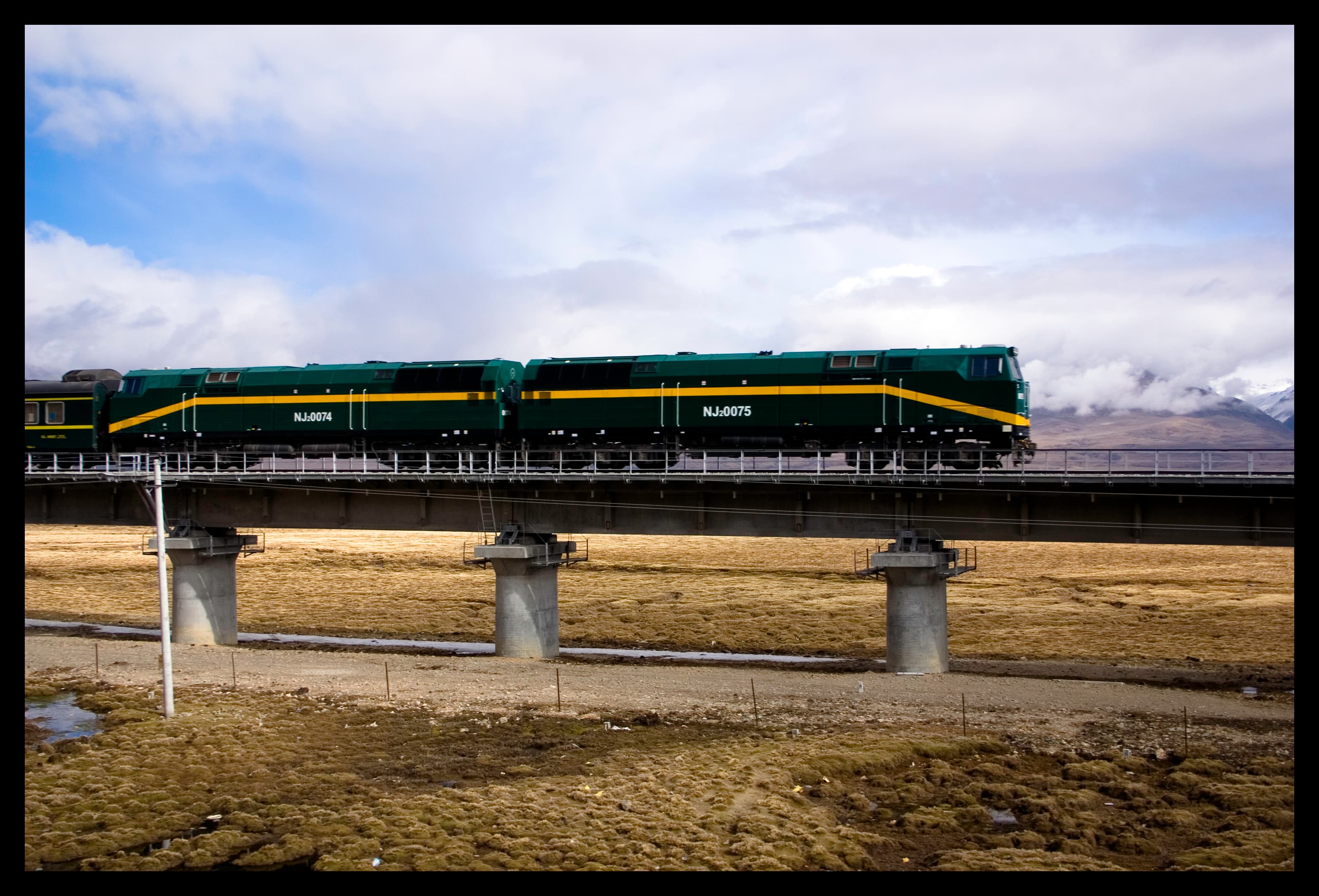
Qinghai-Tibet Railway
The world's highest railway, across the roof of the world to Lhasa

TranzAlpine
Coast to coast across the Southern Alps in a single morning

Tren a las Nubes
Argentina's rack-free climb to 4,220 m above the Puna
Related Experiences & Mega-Projects
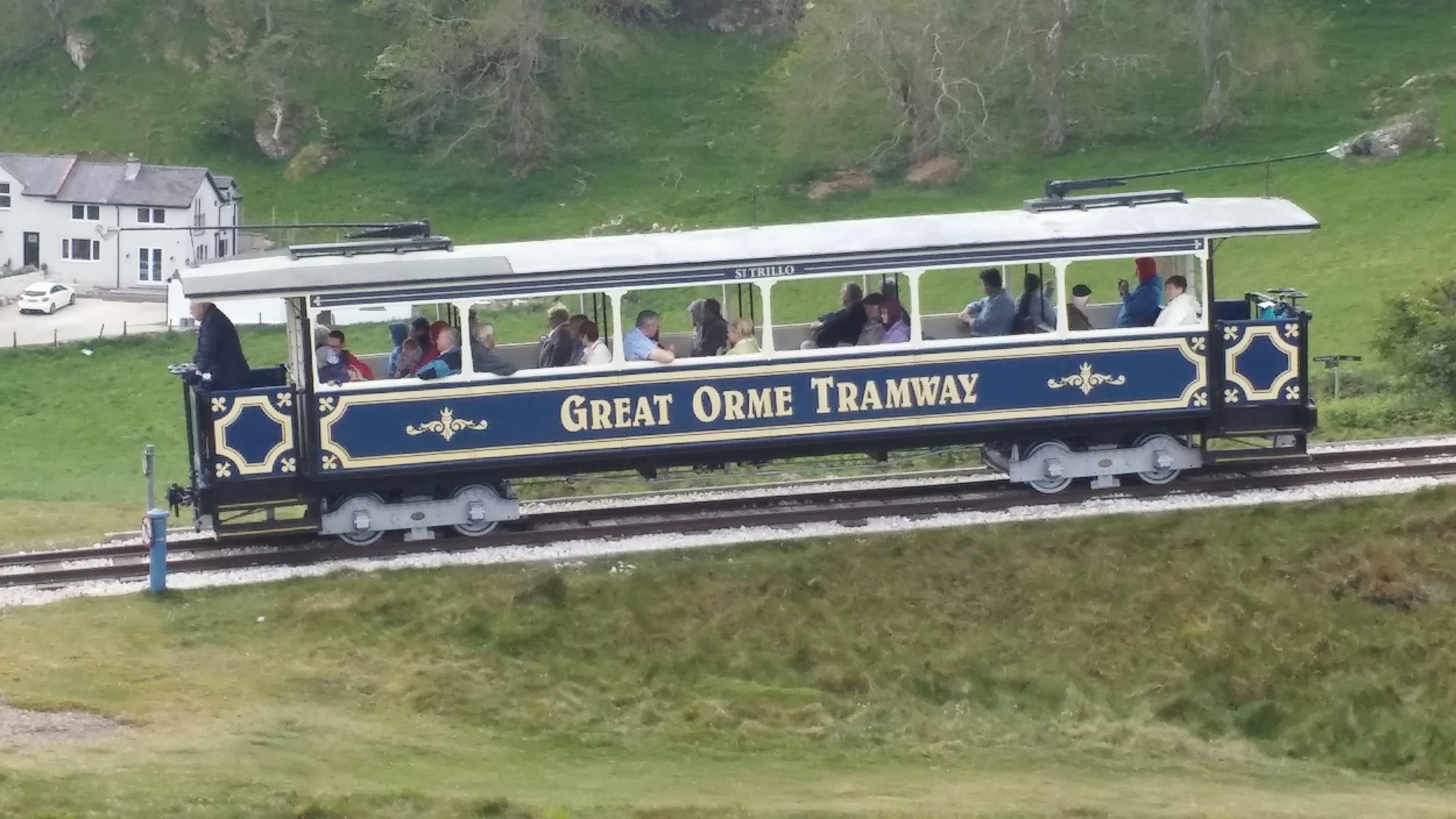
Great Orme Tramway
Britain's only cable-hauled street tramway, climbing a mile from Llandudno to the Great Orme summit in original 1902 cars.
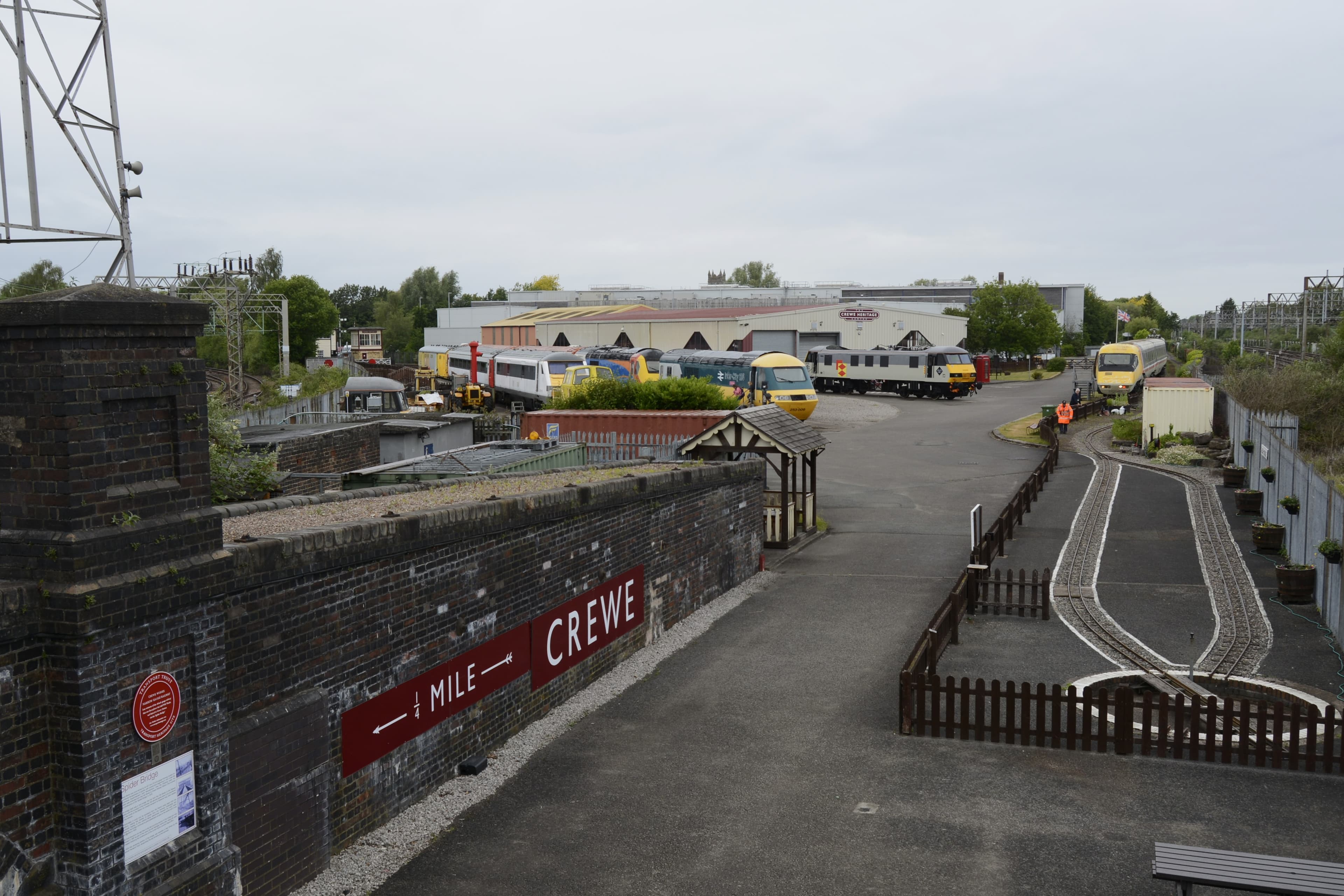
Crewe Heritage Centre
Britain's only surviving APT-P, three preserved signal boxes and a 7¼ in miniature railway on the old Crewe Works site.
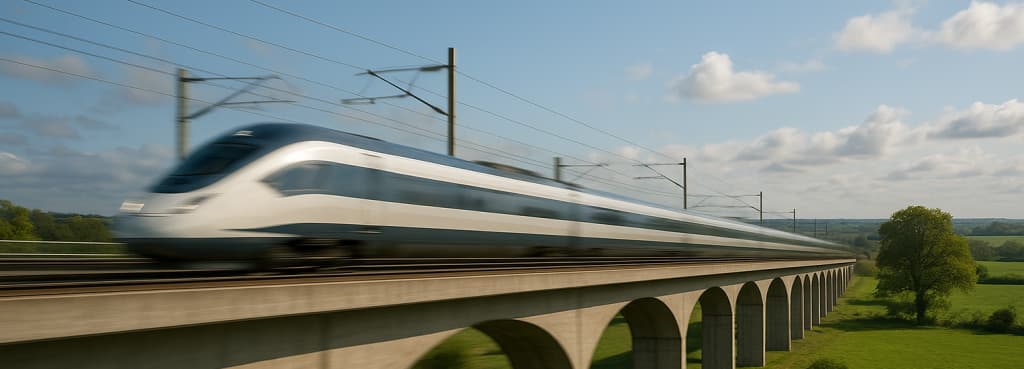
HS2
Britain's most ambitious post-war railway, halved in scope and being rebuilt under a 2026 programme reset.
Explore around this route
6 places on Spotatrain within 25 km of this route — 3 live cams and 3 events.