

Updated
Distance
46 km
Duration
4h 45min (uphill) · 3h 35min (downhill)
Max altitude
2,203 m
Tunnels
16
Bridges
250
Gauge
1000mm
India's only rack railway and a UNESCO World Heritage line, the Nilgiri Mountain Railway climbs 46 km from Mettupalayam on the plains to the hill station of Ooty behind a Swiss-built X-class steam locomotive.
About This Journey
Climbing from 326 m at Mettupalayam to about 2,203 m near Ooty, the Nilgiri Mountain Railway is the only rack railway in India and holds the steepest track in Asia at a 1 in 12 (8.33%) maximum gradient. Between Mettupalayam and Coonoor a Swiss-built X-class steam locomotive is marshalled at the downhill end and pushes the train up the Abt rack-and-pinion section, threading 16 tunnels, roughly 250 bridges and around 208 curves through shola forest and tea slopes. Above Coonoor a diesel locomotive takes over for the gentler run through Wellington, Aravankadu, Ketti and Lovedale before the line dips into Udhagamandalam.
The railway was first proposed in 1854, but the difficulty of the terrain delayed construction until 1891; the Mettupalayam–Coonoor section opened in June 1899 and the extension on to Ooty opened on 15 October 1908. Owned by the Government of India and maintained by Southern Railway, it still issues Edmondson card tickets and preserves original station equipment, including a 1907 weighing scale at Ooty. The uphill journey takes roughly 4.8 hours; the descent about 3.6 hours.
Why This Journey Is Iconic
The Nilgiri Mountain Railway is a bucket-list ride for its combination of living steam heritage and UNESCO-recognised engineering. It is India's only rack railway and climbs the steepest gradient of any line in Asia (1 in 12), with the vintage X-class steam locomotive pushing the carriages up the Abt rack section from Mettupalayam to Coonoor.
Few journeys pack so much variety into 46 km: the train leaves the hot plains at 326 m, crosses the Bhavani River, then grinds up through 16 tunnels and around 208 curves into cool shola forest and tea estates, reaching about 2,203 m near Ooty. The blue-and-cream toy train, the rack rail glinting between the running rails, and stations frozen in the Raj era make it as much a time capsule as a mountain railway.
What to Expect
Expect a slow, deliberately old-fashioned ride in compact wooden-bench carriages — the uphill run takes close to five hours to cover just 46 km. On the Mettupalayam–Coonoor rack section the steam locomotive is placed at the lower (downhill) end and pushes the train, so the open lower windows give clear views of the rack rail and the falling valley below. First class offers only 16 seats and sells out earliest.
There is no formal onboard catering; Hillgrove is a scheduled water stop with basic refreshments, and vendors appear at some halts. The train pauses frequently to take on water and let the locomotive cool, and passengers often lean out (carefully) for photos of the locomotive rounding the curves. Bring water, snacks and warm layers — it can be humid at Mettupalayam and distinctly cool by Ooty.
History
Plans for a railway from Mettupalayam into the Nilgiris date to 1854, but bureaucratic delay and the sheer difficulty of the terrain meant work only began in 1891. The first section, Mettupalayam to Coonoor, opened for traffic in June 1899, operated initially by the Madras Railway and later the South Indian Railway. In September–October 1908 the line was extended from Coonoor through Fernhill to Udhagamandalam, completing the route on 15 October 1908 at a cost of around ₹2.44 million for the Coonoor extension.
In 1907 the line received Double Fairlie locomotives, but it became famous for its X-class rack steam locomotives, most built by the Swiss Locomotive and Machine Works at Winterthur, with the newest completed at India's Golden Rock Workshops in 2021. In July 2005 UNESCO added the Nilgiri Mountain Railway as an extension to the Darjeeling Himalayan Railway inscription (1999), forming the "Mountain Railways of India" site; the Kalka–Shimla Railway was added in 2008.
Engineering Highlights
The defining feature is the Abt rack-and-pinion system on the Mettupalayam–Coonoor section — the only rack railway in India — which lets the train tackle a maximum gradient of 1 in 12 (8.33%), the steepest railway track in Asia, with an average of about 1 in 24.5 (4.08%) in the rack zone. The rack begins just after Kallar, where the gradient immediately steepens to 8.33%.
Across its 46 km the line carries the train through 16 tunnels, roughly 250 bridges and around 208 curves. The X-class steam locomotives are marshalled at the downhill end and push the coaches uphill, a configuration chosen for safety on the rack. Above Coonoor the terrain eases enough for adhesion working, and 50-tonne diesel locomotives introduced to improve reliability handle the Coonoor–Ooty section, which peaks near Lovedale before descending into Udhagamandalam.
Best Time to Travel
The Nilgiris are pleasant for much of the year, but the most reliable windows are roughly October to June, avoiding the heaviest monsoon rains that can trigger landslides and service suspensions on the steep lower section. April and May are peak hill-station season, when a summer special service also runs, so trains and Ooty itself are busy and hotels dear.
For the clearest mountain views and mildest weather, the cooler, drier months around October to March are ideal, though early mornings at Ooty can be cold. Whenever you go, check that the rack-section train is running before travelling — monsoon damage and maintenance blocks periodically halt the Mettupalayam–Coonoor steam service.
Practical Tips
Book as early as the IRCTC reservation window opens — tickets, especially the 16 first-class seats, sell out fast; a maximum of four tickets per person applies. Reserve the daily rack-section train (Mettupalayam–Udhagamandalam) rather than assuming walk-up availability. For the best scenery on the uphill run many travellers recommend a window seat, and photographers favour the early-morning light on the ascent.
The uphill train departs Mettupalayam around 07:10 and reaches Ooty around noon; the return leaves Ooty at 14:00. Between Coonoor and Ooty there are additional shuttle trains each way if you only want a short scenic taste. Carry water, snacks, a valid photo ID matching your ticket, and warm clothing for the top.
The operator does not publish a pet policy — contact them directly before traveling with an animal.
Route Stages
Getting to Mettupalayam
By Air
The nearest airport is Coimbatore International Airport (about 55 km from Mettupalayam), with Coimbatore the main gateway city; from there taxis and buses reach Mettupalayam in roughly an hour.
By Train
Mettupalayam (station code MTP) is the interchange: broad-gauge trains such as the Nilgiri Express connect Chennai and Coimbatore to Mettupalayam, where passengers cross the platform to board the metre-gauge Toy Train. The morning rack train is timed to connect with the incoming overnight service from Chennai.
By Car
Mettupalayam is reached by road from Coimbatore in about an hour; drivers typically leave the car at Mettupalayam and take the train up, since Ooty's hill roads and parking are congested, especially in peak season.
Parking
Paid parking is available around Mettupalayam railway station; at the top, Udhagamandalam (Ooty) station has limited parking and the town's lots fill quickly during the April–May peak.
Where to Stay
Find places to stay near Udhagamandalam (Ooty).
This lodging map is provided by Stay22, a third-party service that may set cookies. It loads only with your consent.
Accommodation results are provided by Stay22; we may earn a commission on bookings made through this map.
Videos
Photos
Nilgiri Mountain Railway-Coonoor Railway Station-WUS05879-Verbessert-RR
Nilgiri Mountain Railway-Coonoor Railway Station-WUS05882
Nilgiri Mountain Railway-Coonoor Railway Station-WUS05886
Nilgiri Mountain Railway-Coonoor Railway Station-WUS05887
Nilgiri Mountain Railway-Wellington railway station-WUS05893
Nilgiri Mountain Railway-Wellington railway station-WUS05895
Nilgiri Biosphere Reserve-Nilgiri Mountain Railway-WUS05711
Nilgiri Biosphere Reserve-Nilgiri Mountain Railway-WUS05718
Nilgiri Biosphere Reserve-Nilgiri Mountain Railway-WUS05729
Nilgiri Mountain Railway-Hillgrove Railway Station-Nilgiri Mountain Railway-Hillgrove Railway Station-WUS05770
Nilgiri Mountain Railway-WUS05646
Nilgiri Mountain Railway-WUS05719
Nilgiri Mountain Railway-WUS05738
Nilgiri Mountain Railway-WUS05797
Nilgiri Mountain Railway-WUS05932
Nilgiri Mountain Railway-Udhagamandalam railway station-WUS05944
Nilgiri Mountain Railway-Mettupalayam railway station-WUS05614
Nilgiri Mountain Railway-Runneymede railway station-WUS05849
Nilgiri Mountain Railway (49443768691)
Ooty heritage train at Mettupalayam railway station, Thamilnadu
Coonoor railway station train
Nilgiri Queen Crosses a River (15408096996)
External Resources
Official resources
Heritage & history
Frequently Asked Questions
How long is the Nilgiri Mountain Railway and how long does the ride take?▾
Is the train still steam-hauled?▾
Why is it a UNESCO World Heritage Site?▾
How do I book tickets?▾
What is the best time of year to ride?▾
How do I get to the starting station at Mettupalayam?▾
Which side of the train has the best views?▾
Help improve this page
Spotted something out of date or incorrect? Let our community know.
Related on Spotatrain
More Narrow Gauge Journeys
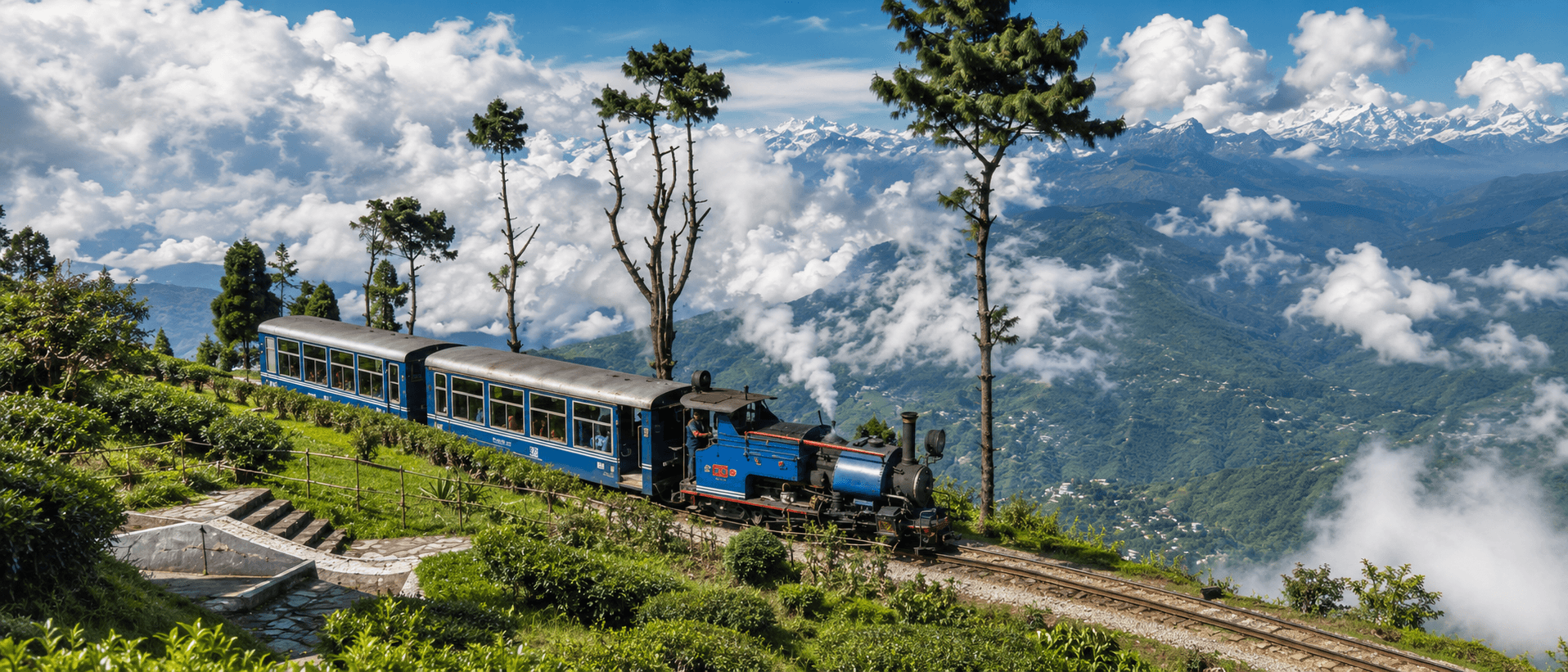
Darjeeling Himalayan Railway
India's UNESCO Toy Train climbing the Himalayas via loops and zig-zags since 1881
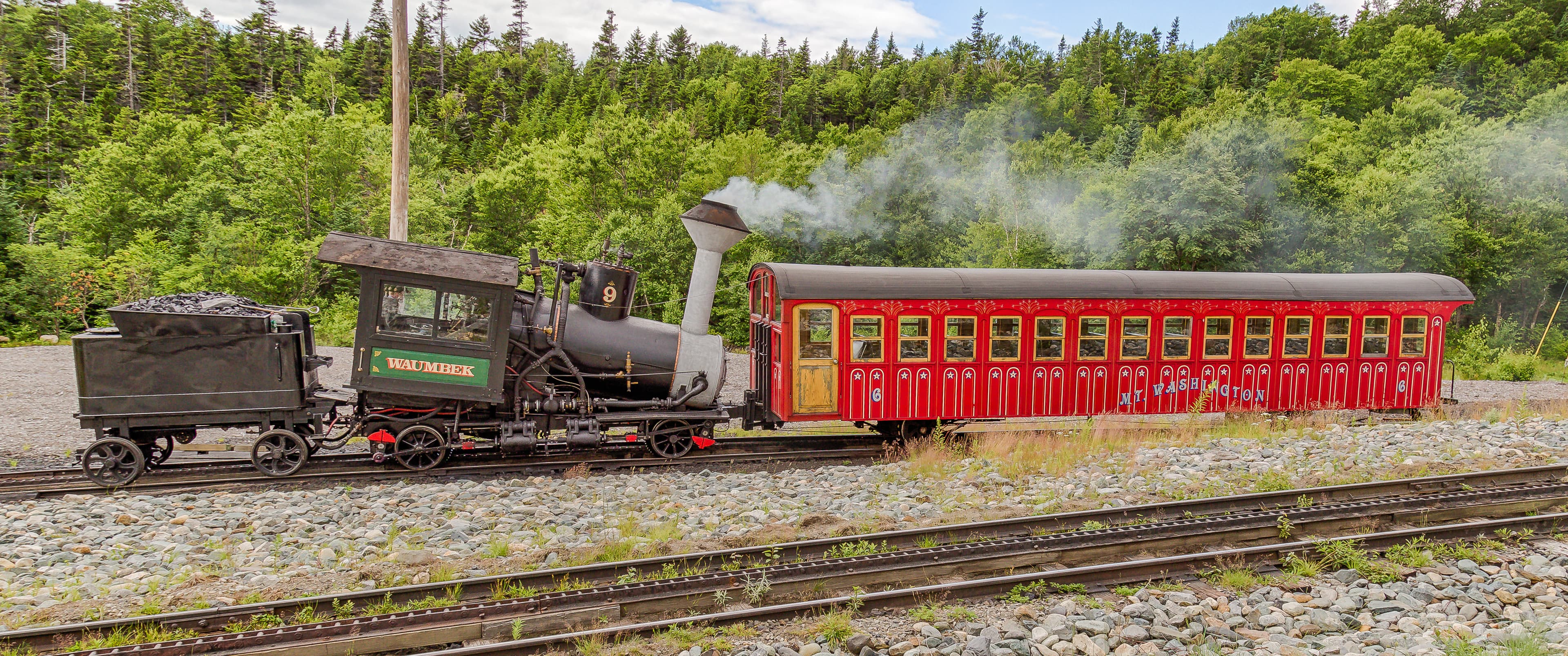

Mount Washington Cog Railway
World's first mountain-climbing cog railway — 1869, 37.41% grade, climbs to 6,288 ft
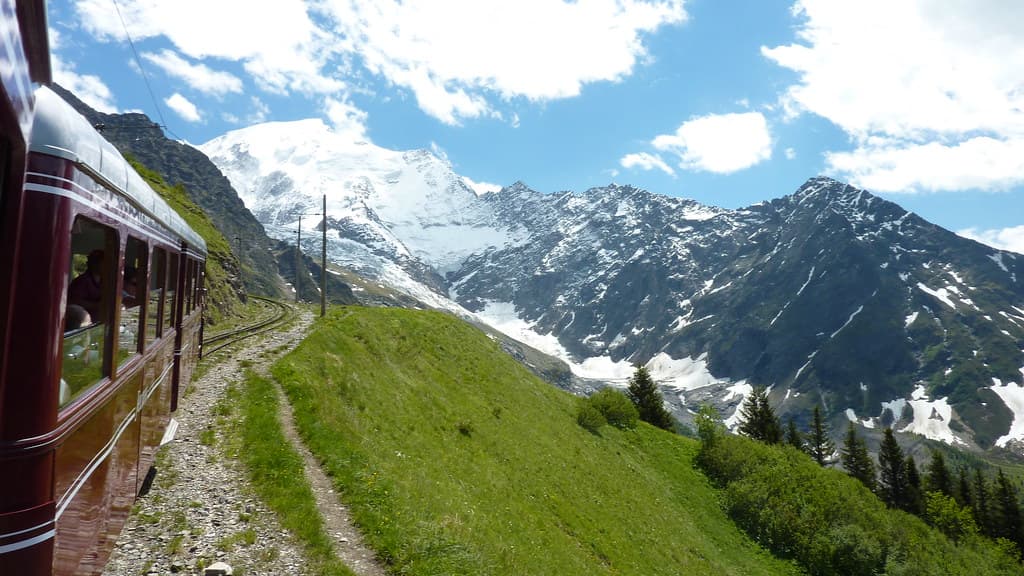
Tramway du Mont-Blanc
France's highest railway, climbing from Le Fayet to the foot of the Mont Blanc on a 1909 Strub-rack line.
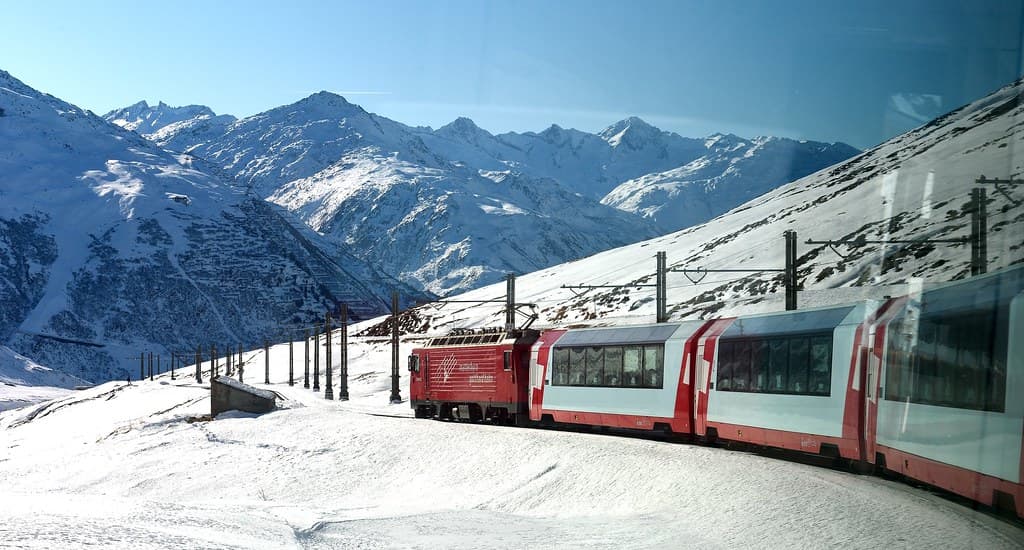
Glacier Express
The slowest express train in the world: 8 hours across the Swiss Alps
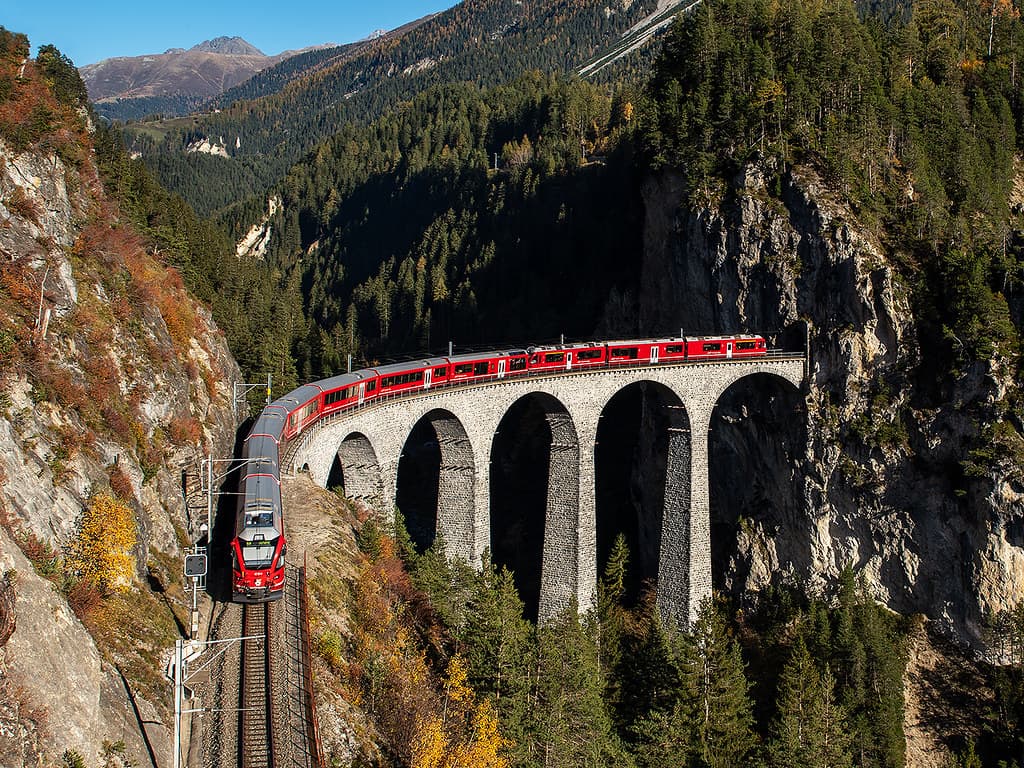
Bernina Express
From Swiss glaciers to Italian palm trees across a UNESCO alpine crossing 2
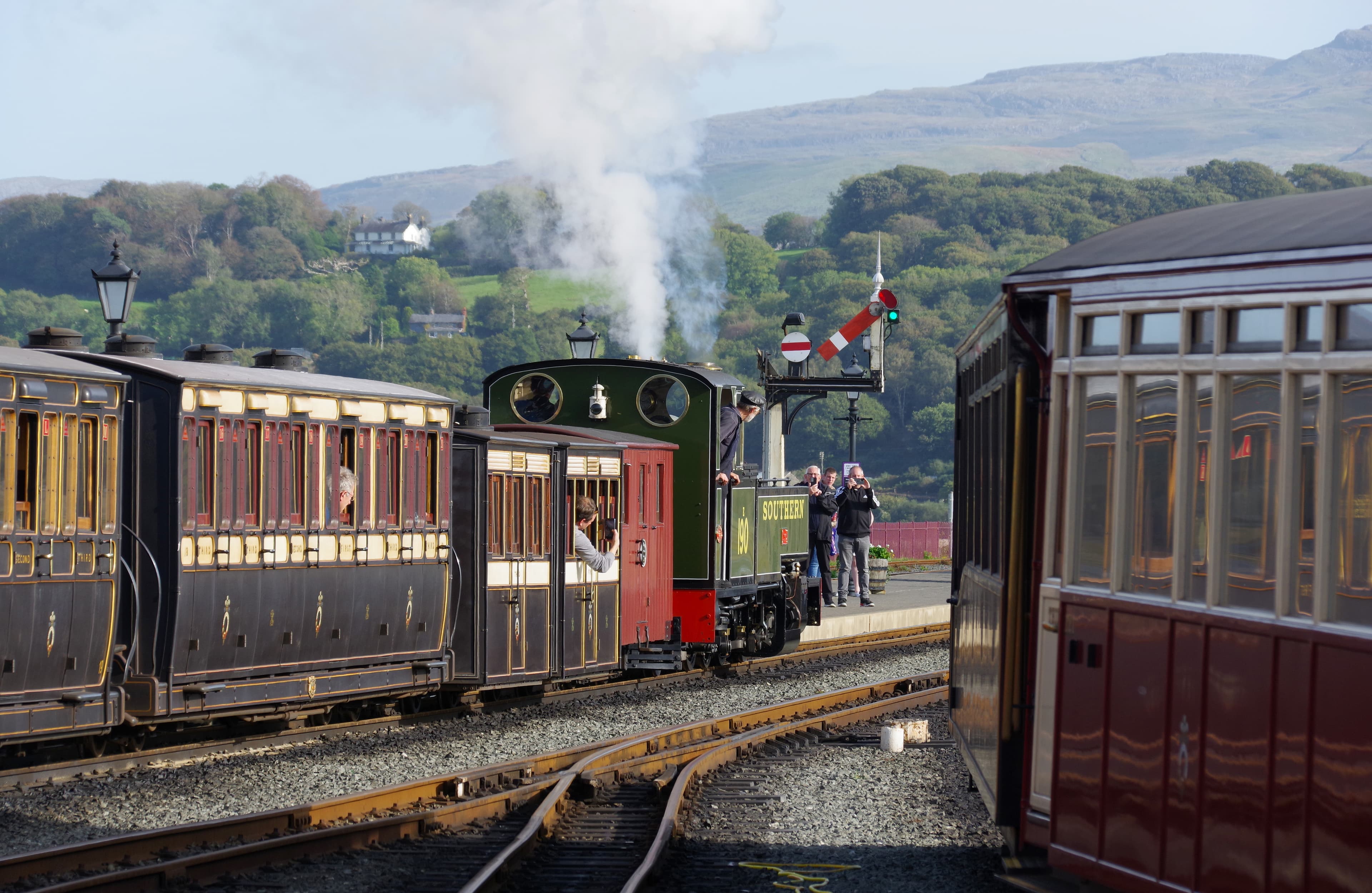
Ffestiniog Railway
The world's oldest narrow gauge railway, from harbour to slate mountain
More Journeys Worldwide
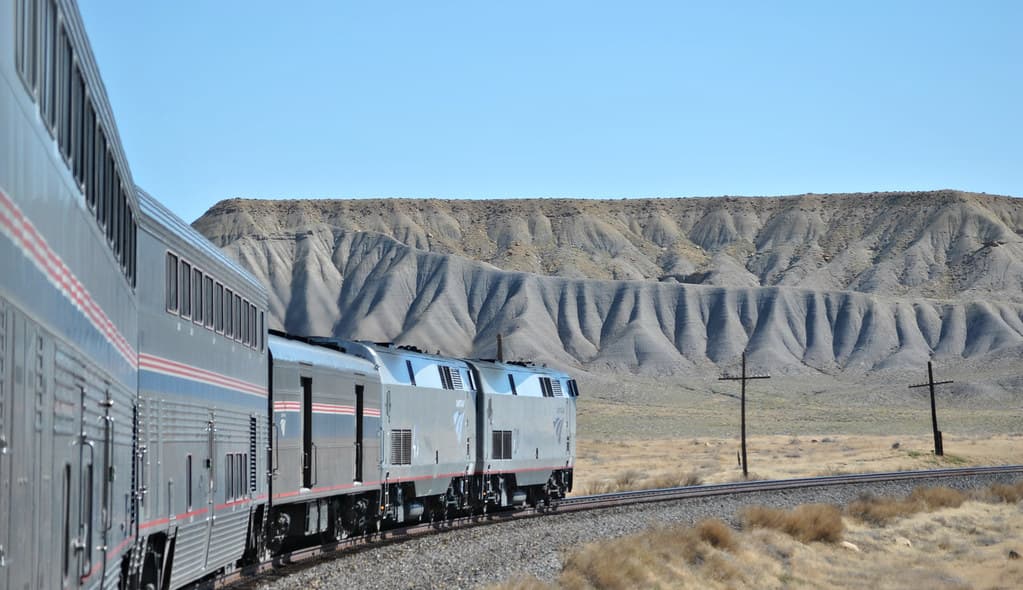
California Zephyr
Chicago to San Francisco across the Rockies and Sierra Nevada
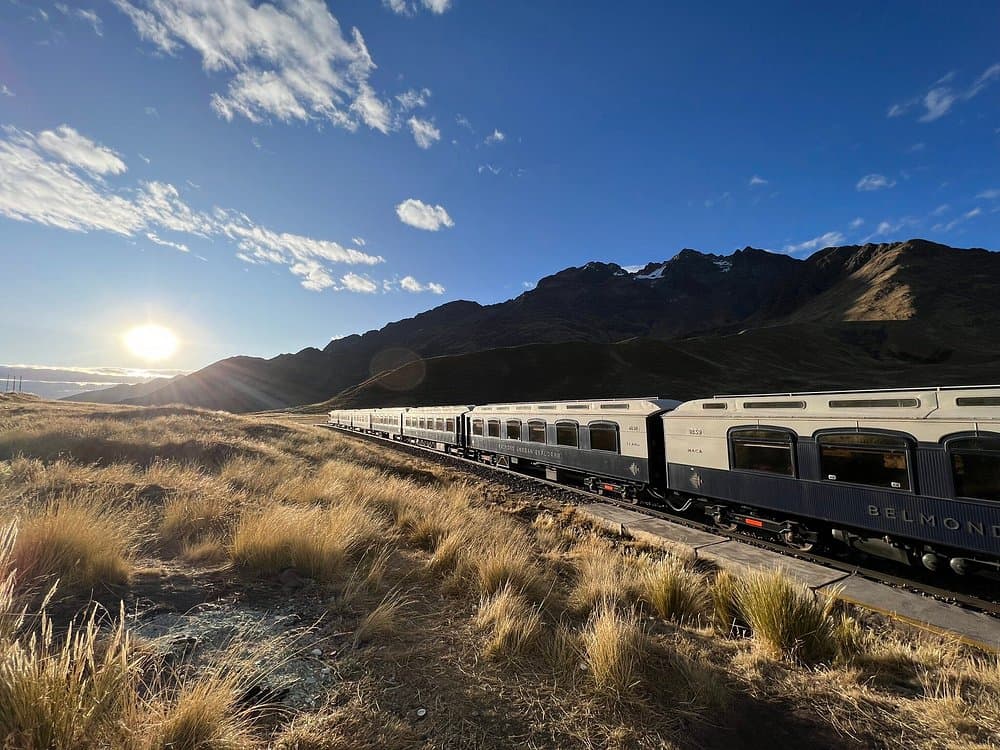
Belmond Andean Explorer
South America's first luxury sleeper train, across the roof of Peru

TranzAlpine
Coast to coast across the Southern Alps in a single morning
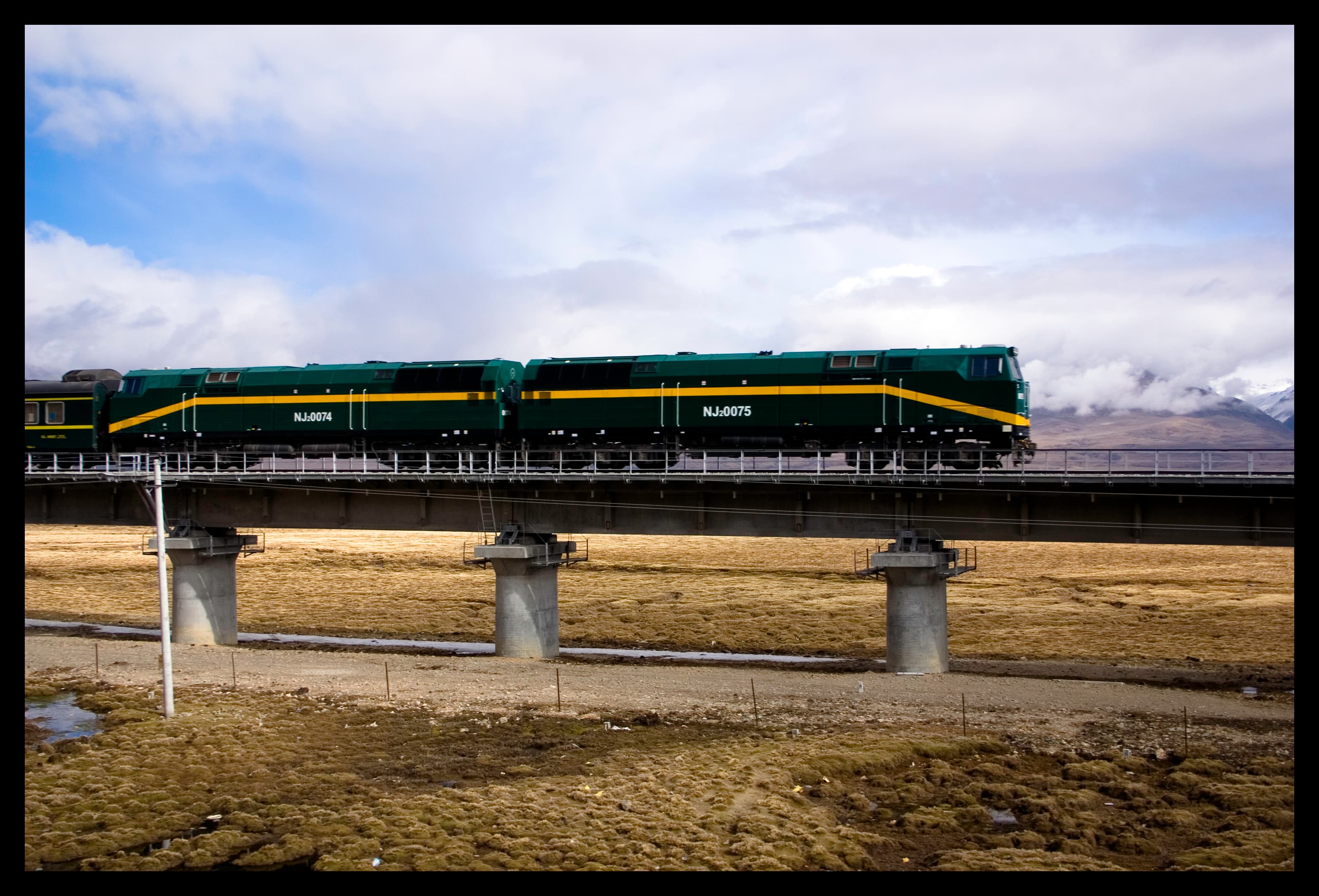
Qinghai-Tibet Railway
The world's highest railway, across the roof of the world to Lhasa

Tren a las Nubes
Argentina's rack-free climb to 4,220 m above the Puna
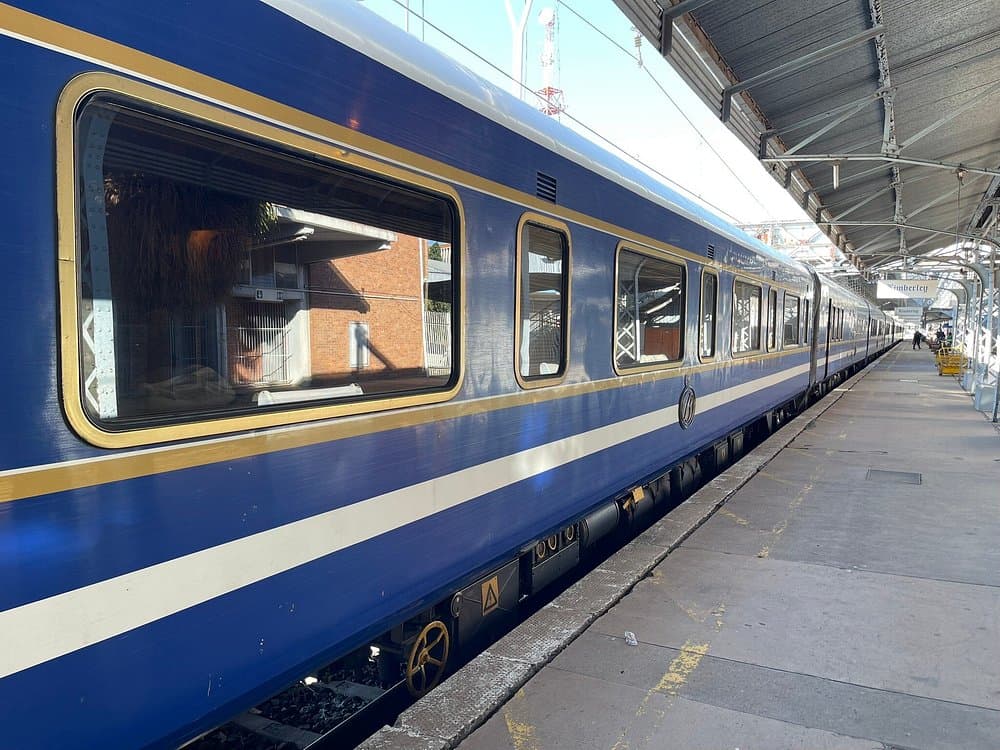
Blue Train
Pretoria to Cape Town in two nights, with a butler in every corridor
Explore around this route
Nothing else on Spotatrain within 50 km of this route. The closest is National Rail Museum, New Delhi, 1,911 km away.